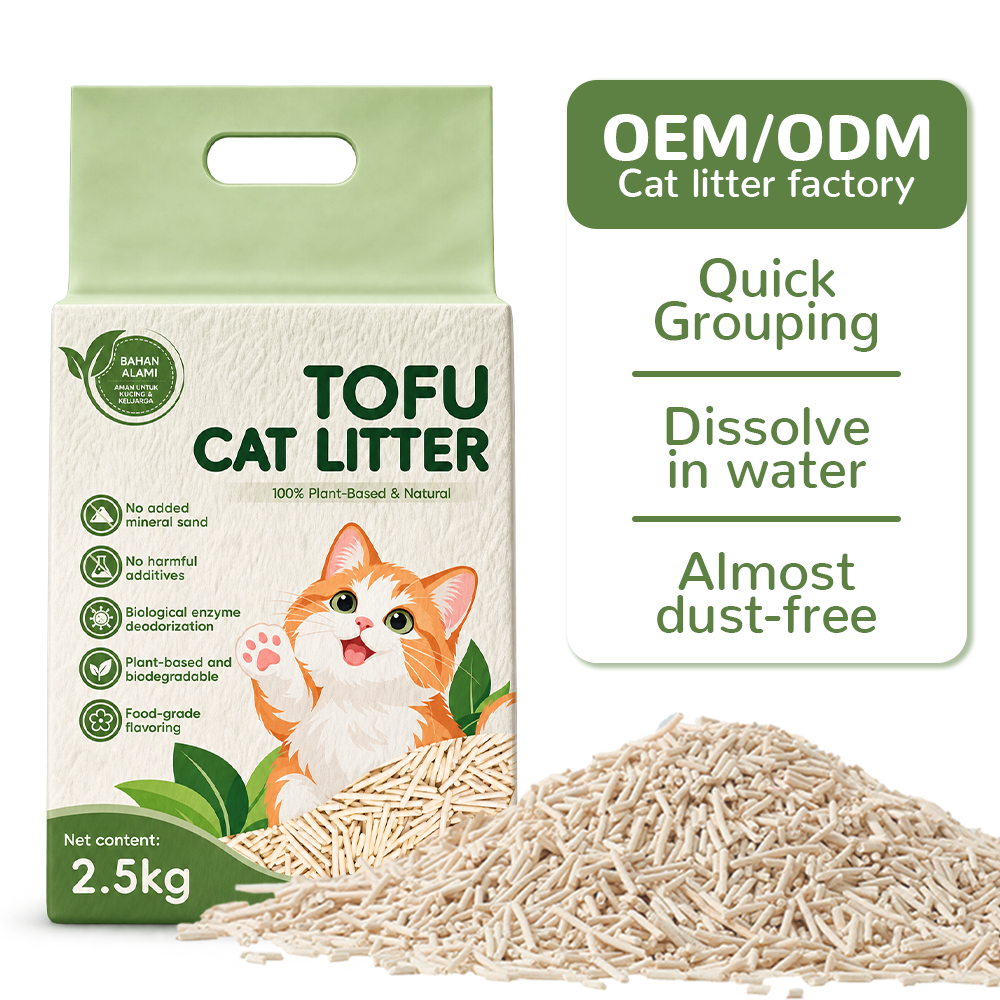
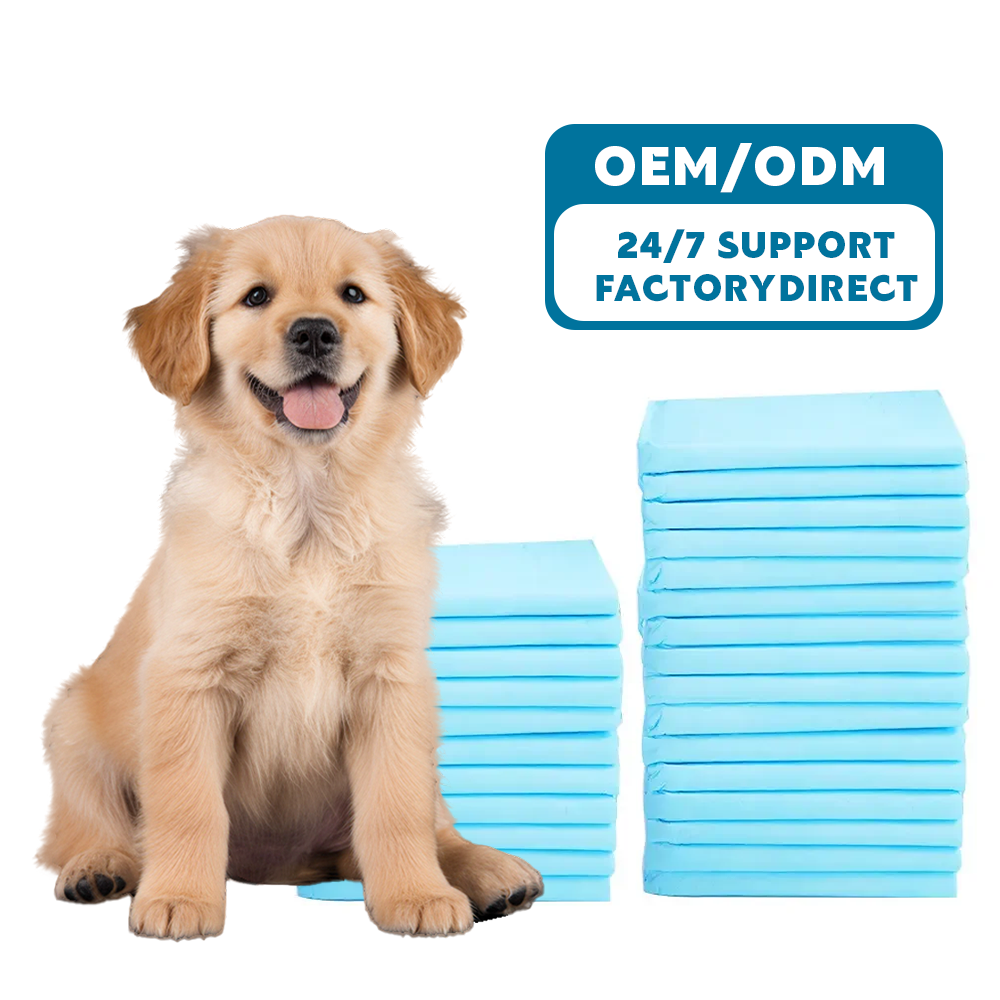
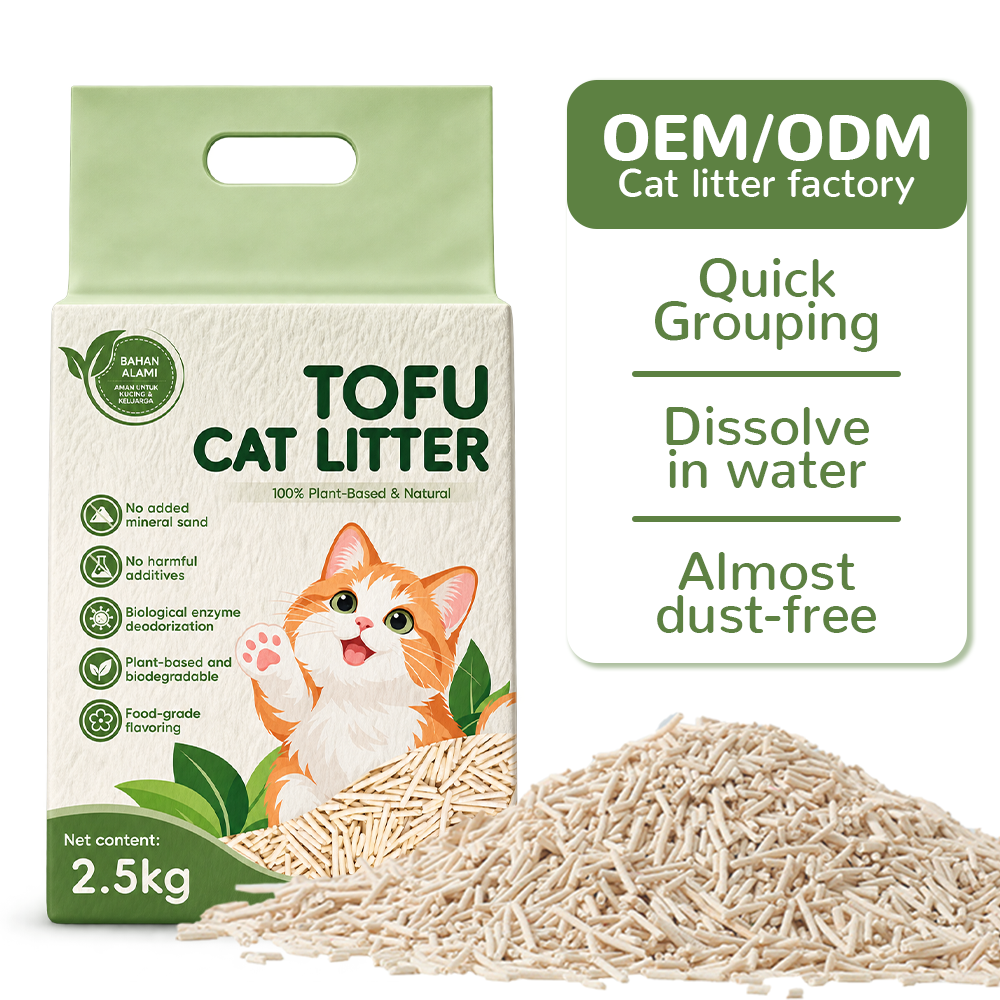
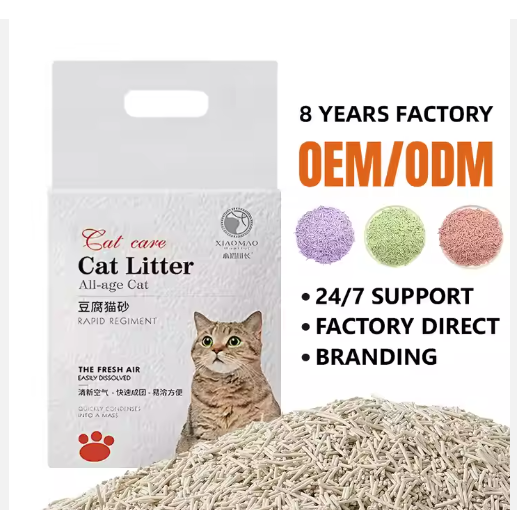
OEM / ODM Season: Private-label cat litter & pee pads with flexible MOQ for importers and brands. View Current Promotions »

Unscented Cat Litter Manufacturers & Suppliers for the Cap-Haïtien Market

Precision Mineral & Plant-Based Clumping Substrates Formulated for Northern Haiti's Humid Coastal Microclimate and Bulk Distribution Infrastructure

Enterprise Product Catalog

Export-Grade Unscented Cat Litter Formulations

Manufactured under strict ISO quality controls, calibrated for non-scented hypoallergenic odor capture, ultra-low dust profiles, and resilient bulk oceanic transport.

11 Lines
Dedicated Production Facilities
3,000 T/D
Daily Bentonite Clumping Capacity
150 T/D
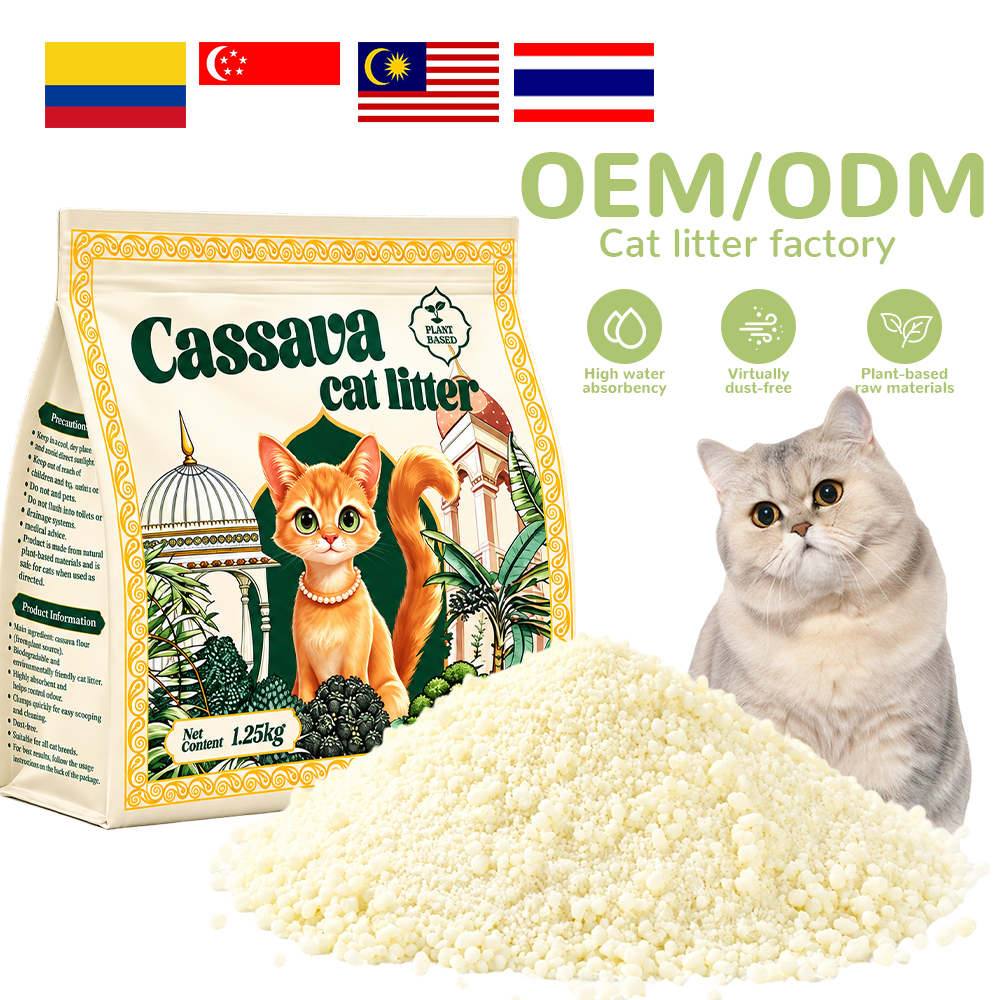
Tofu & Cassava Litter Output
50+ Partners
Consolidated Mixed Container Supply
Tropical Municipal Resilience

Localized Applications for Cap-Haïtien's Market Conditions

Analyzing physical performance criteria for domestic and commercial feline management in the North Department of Haiti.

High-Humidity Coastal Humidity Resistance

Cap-Haïtien experiences sustained Atlantic coastal humidity frequently exceeding 80% RH. Cheap scented litters degrade rapidly under ambient moisture saturation, causing premature granular disintegration and repulsive fragrance rancidity. Our unscented mineral sodium bentonite and stabilized plant-based formulas are dehumidified to below 8% residual moisture during production, ensuring optimal water affinity only when contacting liquid feline waste without drawing atmospheric dampness.

Colonial Dense Urban Living (Downtown Okap)

In densely populated residential zones of downtown Cap-Haïtien, where older architecture features high ceilings with limited mechanical climate control, synthetic chemical perfumes often trigger allergic reactions in both feline paws and human respiratory tracts. Pure, unscented cat litter captures ammonia through deep capillary absorption and bentonite crystalline lattice entrapment rather than superficial olfactory masking, preserving wholesome indoor air quality.

Commercial Veterinary & NGO Shelter Facilities

Animal care centers, veterinary dispensaries, and humanitarian shelters in northern Haiti require clinical-grade hygiene substrates that allow post-operative feline monitoring. Scented alternatives risk dermatological flare-ups or toxicity upon accidental ingestion. Unscented cassava and tofu granules offer clean-break visual monitoring, hypoallergenic contact surfaces, and low-waste containment that drastically simplify daily sterilization regimens.

Industry Whitepaper & Strategic Insight

Emerging Pet Care Supply Chains & Unscented Litter Trends in Cap-Haïtien

The companion animal consumables sector in Cap-Haïtien (Okap)—the secondary economic epicenter of the Republic of Haiti—is undergoing a distinct structural transition. Historically, pet hygiene relied on informal outdoor disposal or raw construction sand, leading to secondary bacterial hazards, parasite transmission, and pervasive ammonia buildup in residential environments. As commercial port infrastructure at the Port of Cap-Haïtien continues to serve as an indispensable northern maritime gateway for dry bulk imports, organized wholesale distribution of modern packaged pet substrates has begun accelerating.

Market intelligence indicates a decisive shift away from heavily perfumed artificial litters. In warm Caribbean tropical conditions, synthetic perfumes based on volatile artificial compounds rapidly oxidize when exposed to urea, yielding acrid odors that exacerbate respiratory sensitivity in both felines and domestic households. Consequently, tier-one distributors in the North Department are actively pivoting toward unscented, high-absorption bentonite clays and biodegradable plant starches that prioritize biological safety and physical encapsulation.

Logistical Realities of the Northern Haitian Supply Corridor

Oceanic maritime routes entering the Port of Cap-Haïtien necessitate sea container cargo capable of enduring high-salinity ambient salt fog and prolonged transshipment windows. Products must be packaged in heavy-gauge multilayer BOPP films or hermetic vacuum-sealed nylon laminate polybags to resist moisture infiltration during port dwell times.

Technical Substrate Analysis for importers in Cap-Haïtien

To maximize import ROI and counter variable customs clearance cycles, commercial procurement teams must calibrate their product mix between mass-volume bentonite and premium flushable plant-derived matrices. The comparison below balances clumping mechanics against northern Haitian sanitary requirements:

Substrate Composition Clumping Dynamics Dust Filtration Index Humid Stability Haitian Municipal Disposal Channel
Sodium Bentonite (Natural Unscented) Ultra-dense mineral clump under 3 seconds 99.5% de-dusted (multi-stage aspiration) High (non-hygroscopic surface) Municipal bagged solid waste collection
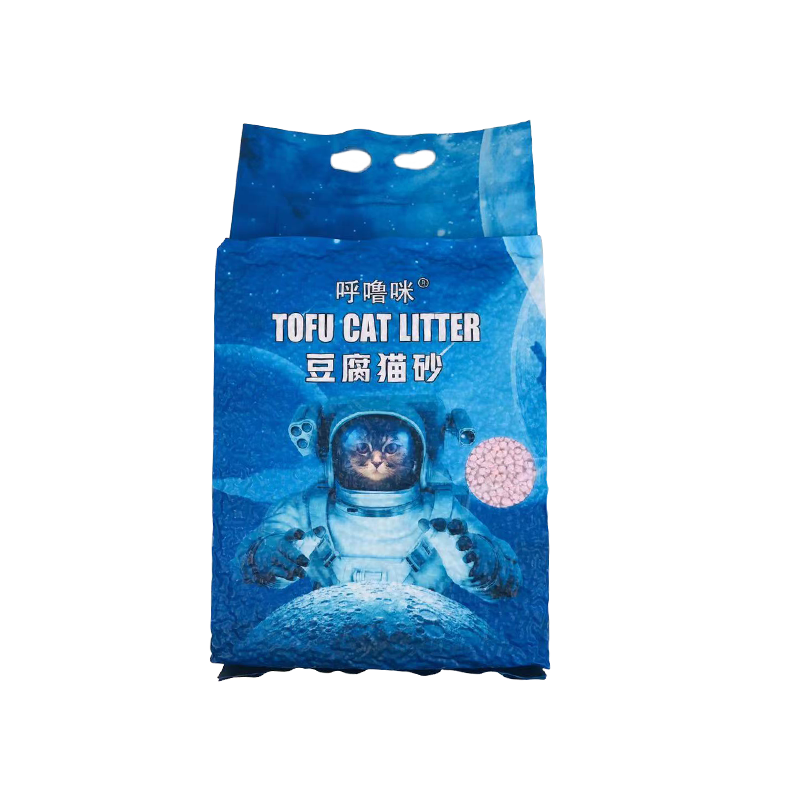
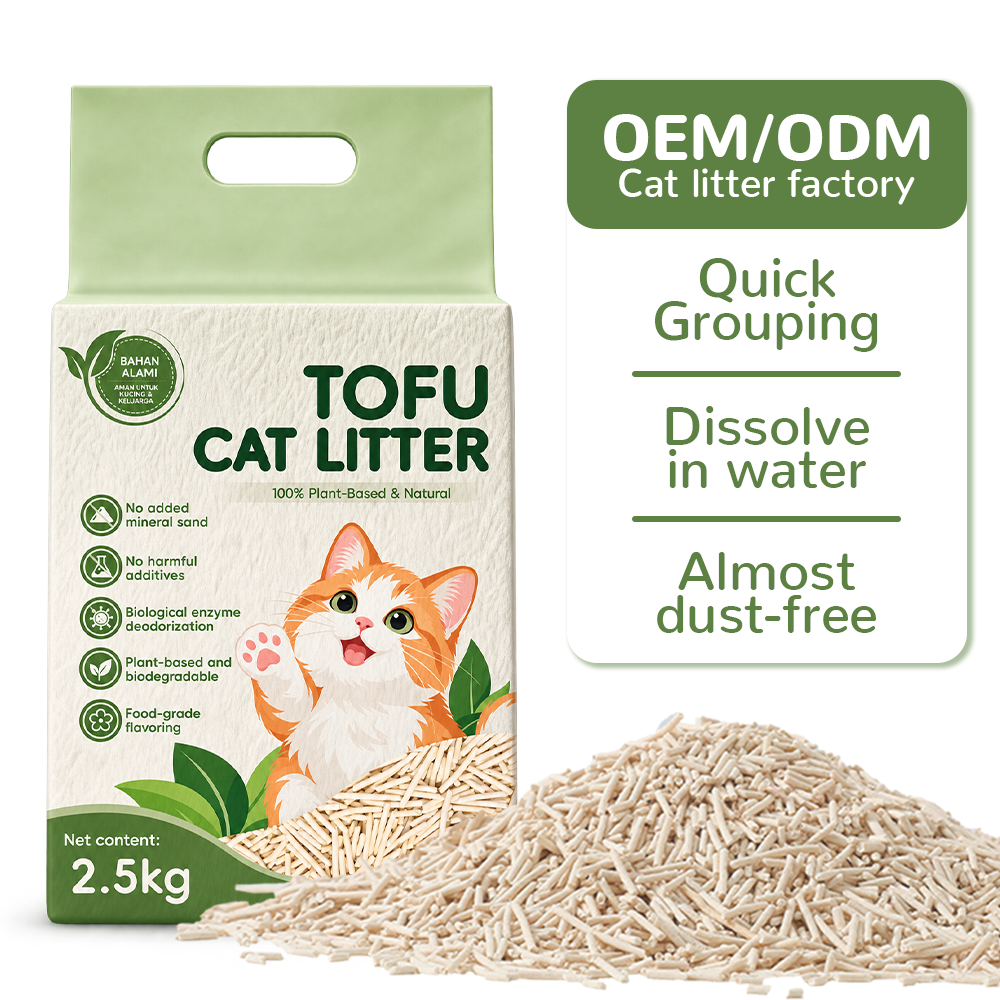
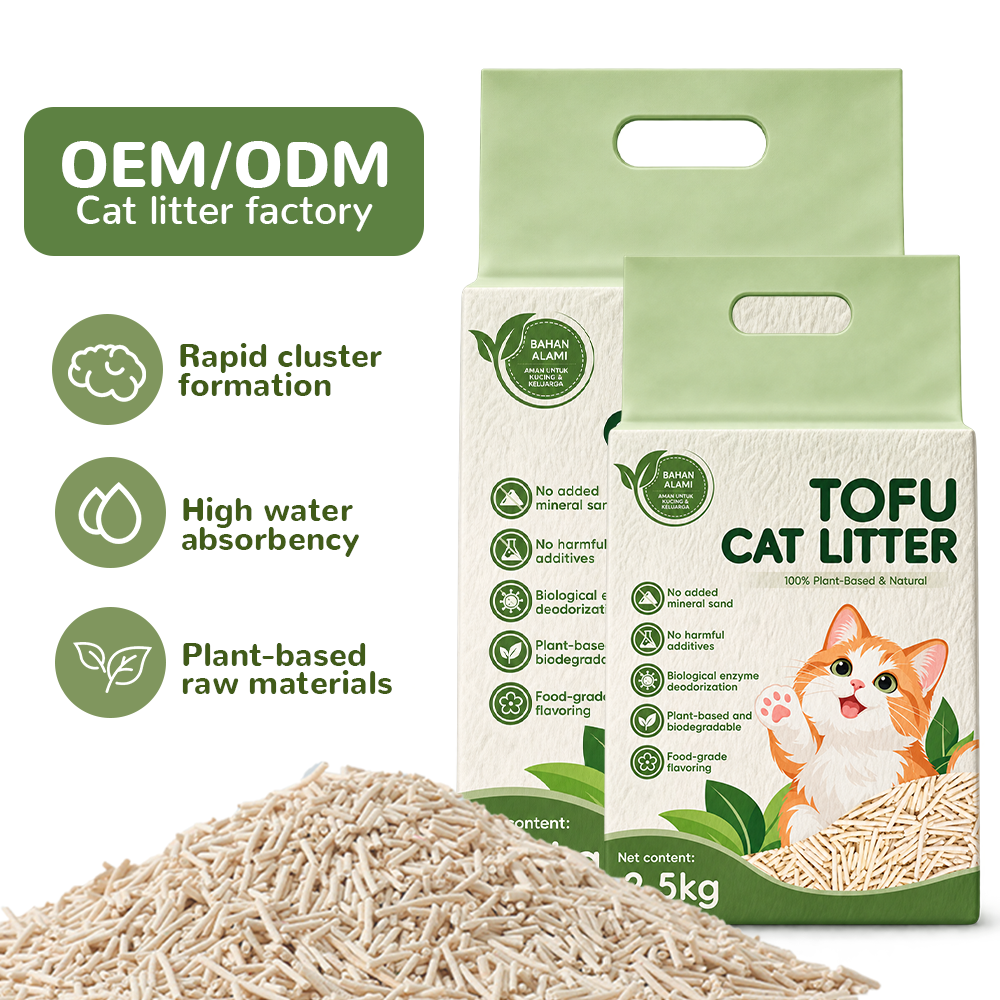
Tofu Pellet (Soybean & Pea Fiber) Compact planar clump, rapid dissolution Near-zero dust (≤ 0.2%) Controlled (requires multi-layer packaging) Domestic septic system or agricultural composting
Refined Cassava Starch Composite Instant micro-bonding, low tracking Ultra-clean (≤ 0.15%) Moderate-High (stable below 85% RH) Flushable in water conduits / 100% biodegradable
Activated Carbon Mineral Blend Hard structural agglomeration 99.0% dust-controlled Superior (carbon adsorbs volatile sulfur compounds) Standard domestic container collection

Sourcing Dynamics: Overcoming Island Freight Constraints

Importers supplying Cap-Haïtien, Fort-Liberté, and Limonade face freight cost per unit sensitivity. Raw cubic displacement directly dictates containerized margins. Hebei Chupen provides consolidated shipping via Tianjin Port, leveraging factory direct bulk palletization that matches heavy mineral bentonite with high-volume, lightweight tofu litter and pet hygiene pads in single 20ft/40ft containers. This mixed-container protocol drastically minimizes dead air, allowing northern Haitian retail distributors to establish well-rounded pet product lines without exorbitant upfront capital commitment.
Manufacturing Authority

Why Enterprise Buyers Trust Hebei Chupen

Situated in Nanhe District, Xingtai—the international epicenter of China's pet manufacturing industry—our facilities deliver industrial scale, rigorous certifications, and end-to-end supply chain mastery.

Certified Production Integrity

Our manufacturing complex is verified onsite by SGS Group and operates under internationally recognized quality, environmental, and occupational safety frameworks: ISO 9001, ISO 22000, ISO 14001, and ISO 45001. All test reports, MSDS credentials, and chemical safety certifications are completely transparent and verifiable for rapid customs clearance.

Vast Processing & Output Capacity

With 11 operational production lines across our specialized plants (5 dedicated to tofu litter, 3 to bentonite, and 3 to silica formulations), we achieve a daily bentonite output exceeding 3,000 metric tons alongside 150 metric tons of botanical tofu substrates. A 10,000 m² warehouse ensures consistent inventory availability for contracted export schedules.

Aggregated One-Stop Consolidated Freight

Directly aligned with over 50 regional pet product manufacturing partners across Nanhe District, we empower international wholesalers to consolidate unscented cat litters, super-absorbent pet pee pads, ergonomic splash-proof litter trays, and nutritious pet food batches into single container bills of lading, dramatically reducing procurement overhead.

Academic R&D Integration

Collaborating formally with researchers from China Agricultural University and Hebei Agricultural University, our in-house laboratories utilize 9 distinct analytical testing instruments to run real-time assays on granular water-absorption velocities, mechanical shear clump integrity, and multi-stage dust particle elimination down to 10 microns.

End-to-End Private Labeling (OEM/ODM)

We provide full customization spanning raw substrate selection, custom granule diameters (1.5mm to 3.0mm), natural deodorizing charcoal integration, and multi-lingual consumer packaging design (French, Haitian Creole, English, and Spanish) suited directly for the retail shelves of northern Haiti.

Short Inland Transit to Tianjin Port

Our strategic manufacturing base in Hebei enjoys streamlined highway connections directly to Tianjin Port—Northern China's largest maritime gateway. This proximity shortens inland haulage times, guarantees rapid booking turnarounds, and protects export containers against unnecessary domestic delays before oceanic transit to the Caribbean.

Procurement Clarity

Frequently Asked Questions for Cap-Haïtien B2B Buyers

Actionable guidance on logistics, customs clearance, substrate performance, and payment terms for northern Haitian trade partners.

What are the ocean freight routing options and estimated transit times from Tianjin Port to Cap-Haïtien?
Shipments origin from Tianjin Port (Xingang) and typically route via regional transshipment hubs in Kingston (Jamaica), Caucedo (Dominican Republic), or Port-au-Prince before feeding into the Port of Cap-Haïtien. Standard maritime container transit times range between 35 to 48 days depending on the selected shipping line (e.g., CMA CGM, Maersk, or MSC). Our export documentation department prepares complete bill of lading (B/L), commercial invoices, packing lists, and certified certificates of origin to expedite clearance through Haitian General Customs (Administration Générale des Douanes - AGD).
Why is unscented cat litter specifically recommended over scented varieties for northern Haiti?
Northern Haiti’s coastal tropical conditions create average temperatures around 28°C–32°C coupled with high relative humidity. Under these microclimates, synthetic chemical fragrances (such as synthetic lavender, apple, or chemical baby powder) break down rapidly in the presence of feline urine, generating sharp chemical-ammonia odors. Furthermore, indoor cats in warm climates are more prone to respiratory stress and contact dermatitis from chemical perfumes. Unscented litter relies exclusively on physical moisture entrapment and natural deodorizers like activated bamboo carbon, ensuring safer and more reliable odor control.
What is the Minimum Order Quantity (MOQ) for custom private label packaging for Cap-Haïtien distributors?
For unbranded or neutral export packaging, trial orders can start from 60 to 100 bags from available inventory. For fully customized rotogravure printed polybags (with your registered Haitian brand name, logos, and trilingual French/Creole/English text), the packaging MOQ is typically 10,000 to 13,000 units due to industrial printing cylinder setup parameters. However, unprinted bags with customized brand adhesive labels can be produced for smaller initial market trial volumes.
Can we consolidate cat litter with pet training pee pads and dog diapers in the same container?
Yes, this is one of our primary competitive advantages for Caribbean importers. High-density mineral bentonite quickly reaches container gross weight limits before utilizing total volumetric cubic meters (CBM). We optimize container stowage by combining heavier pallets of bentonite litter on the container floor with lightweight cartons of super-absorbent disposable pet pads, lightweight cassava/tofu cat litter, and durable plastic cat litter boxes in the upper headspace, achieving maximum freight-cost efficiency per shipped ton.
How does Chupen protect packaged cat litter from oceanic moisture infiltration during the Caribbean voyage?
All plant-based tofu and cassava cat litters undergo industrial vacuum hermetic sealing within composite barrier films (PET/PE or nylon reinforced) immediately following drying and sterilization. Palletized loads are wrapped in multi-layer stretch film with protective moisture-shield top covers, and heavy-duty container desiccant poles (calcium chloride based) are secured inside every export container loaded at our Xingtai warehouse to neutralize container rain during equatorial maritime transit.
What international trade terms and payment mechanisms are available for Haitian buyers?
We operate flexibly under FOB (Tianjin Port), CIF (Port of Cap-Haïtien / Port-au-Prince), and CFR conditions. Standard settlement methods include Telegraphic Transfer (T/T with 30% deposit upon proforma invoice confirmation and balance against bill of lading copy) or Irrevocable Documentary Letters of Credit (L/C at sight) opened through reputable international commercial banking institutions. Settlements are processed in USD, EUR, or RMB.

Launch Your Cat Litter Supply Line for Northern Haiti Today

Partner directly with an ISO-certified, SGS-verified Chinese manufacturing leader. Request comparative substrate samples, technical dossiers, and a customized freight estimate for the Cap-Haïtien market.

Inquire Now