Engineered Unscented Formulations for Northern Japan Importers
Explore our high-performance unscented bulk and private label product lines, optimized for swift clumping, zero scent interference, sub-zero logistics stability, and strict Japanese pet hygiene standards.
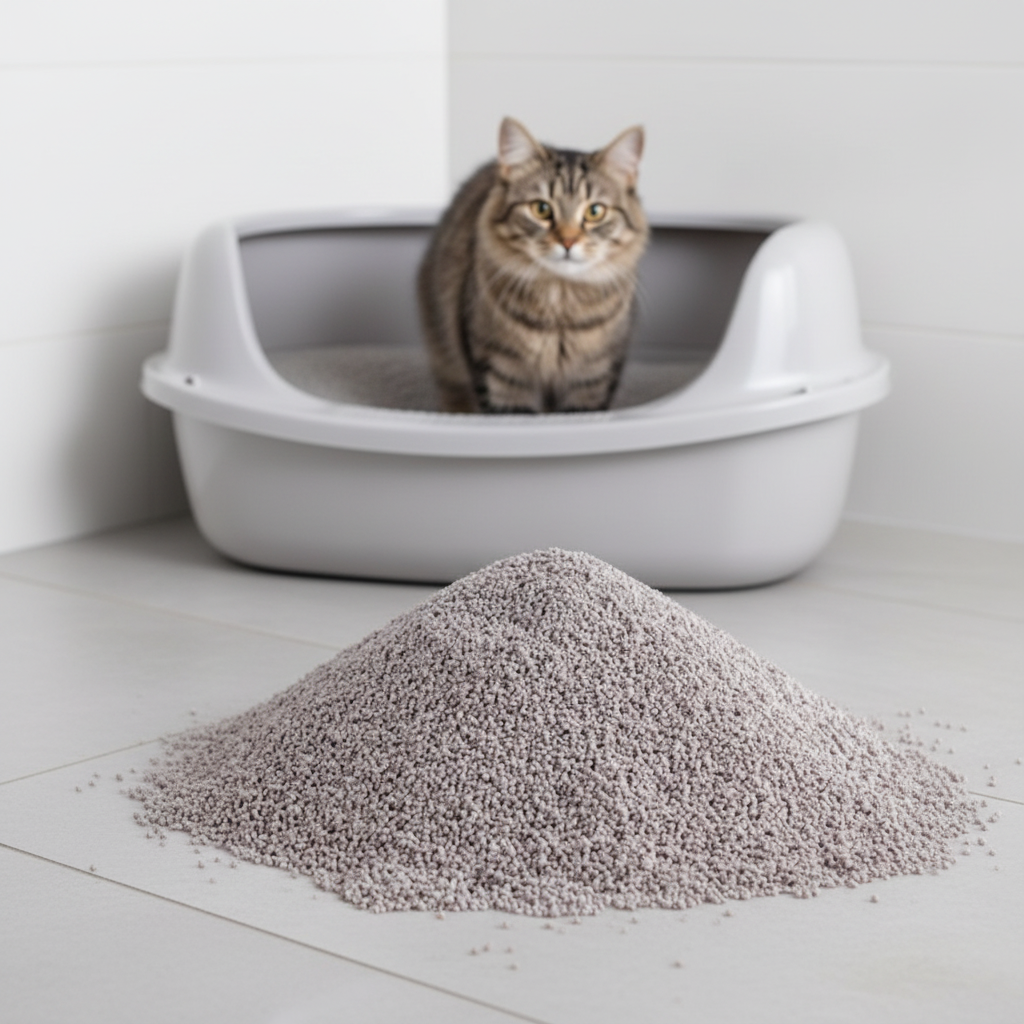 Raw Ore Clay
Winter Grade
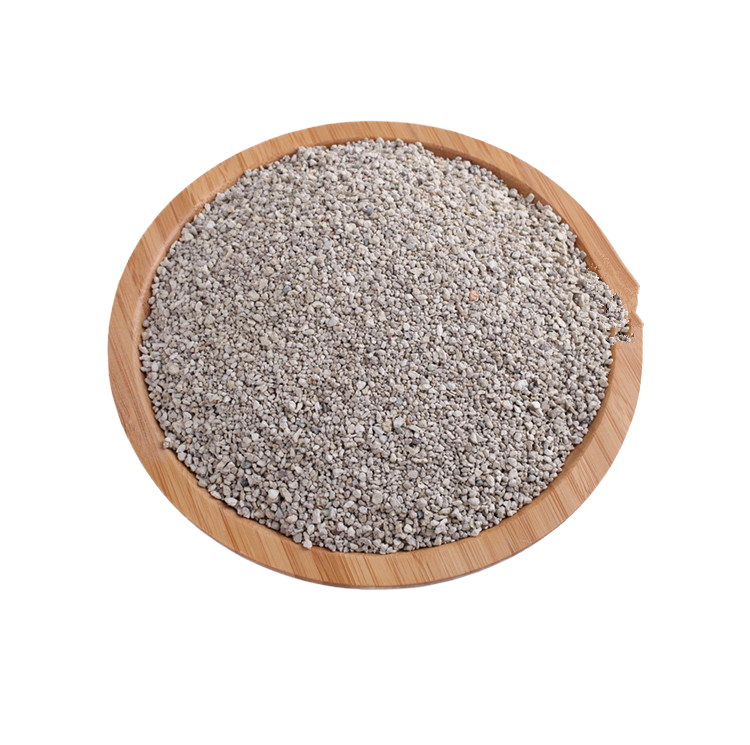
Crushed Sodium Bentonite Cat Litter (Broken Granule)
- Natural raw ore sodium bentonite base
- 1.0–3.0mm irregular micro-crushed shape
- 99.8% mechanical de-dusting system
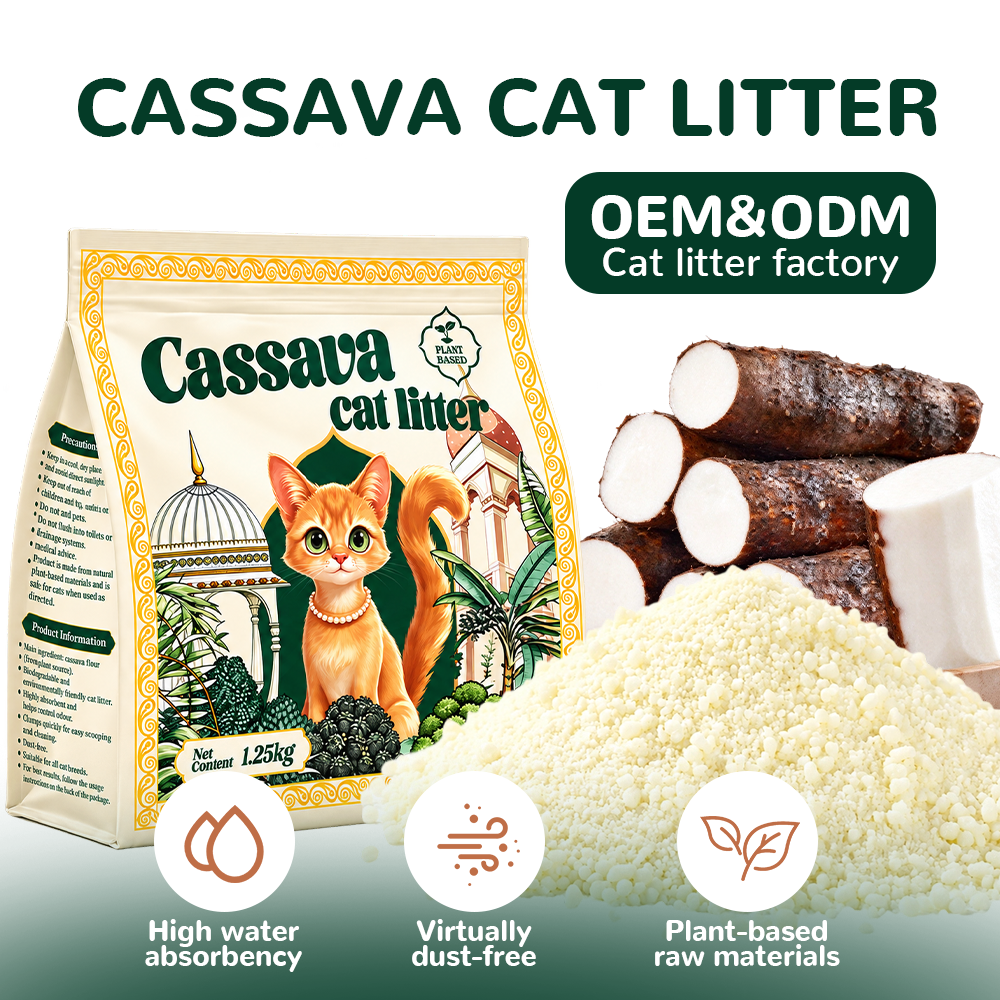 100% Bio-Based
Low Moisture
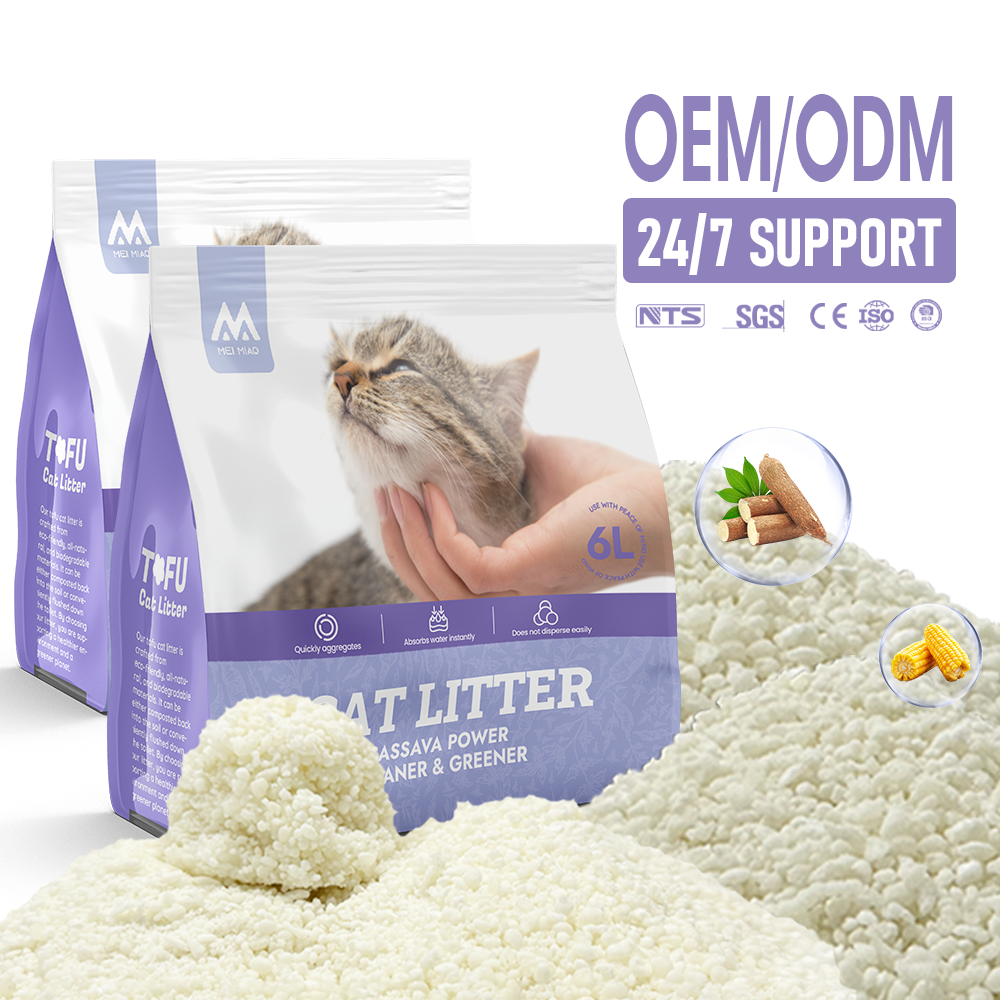
Natural Cassava Cat Litter (Fast Clumping Low Dust)
- Pure tapioca starch & botanical fiber matrix
- Firm solid aggregation within 2 seconds
- Zero chemical deodorizers, hypoallergenic
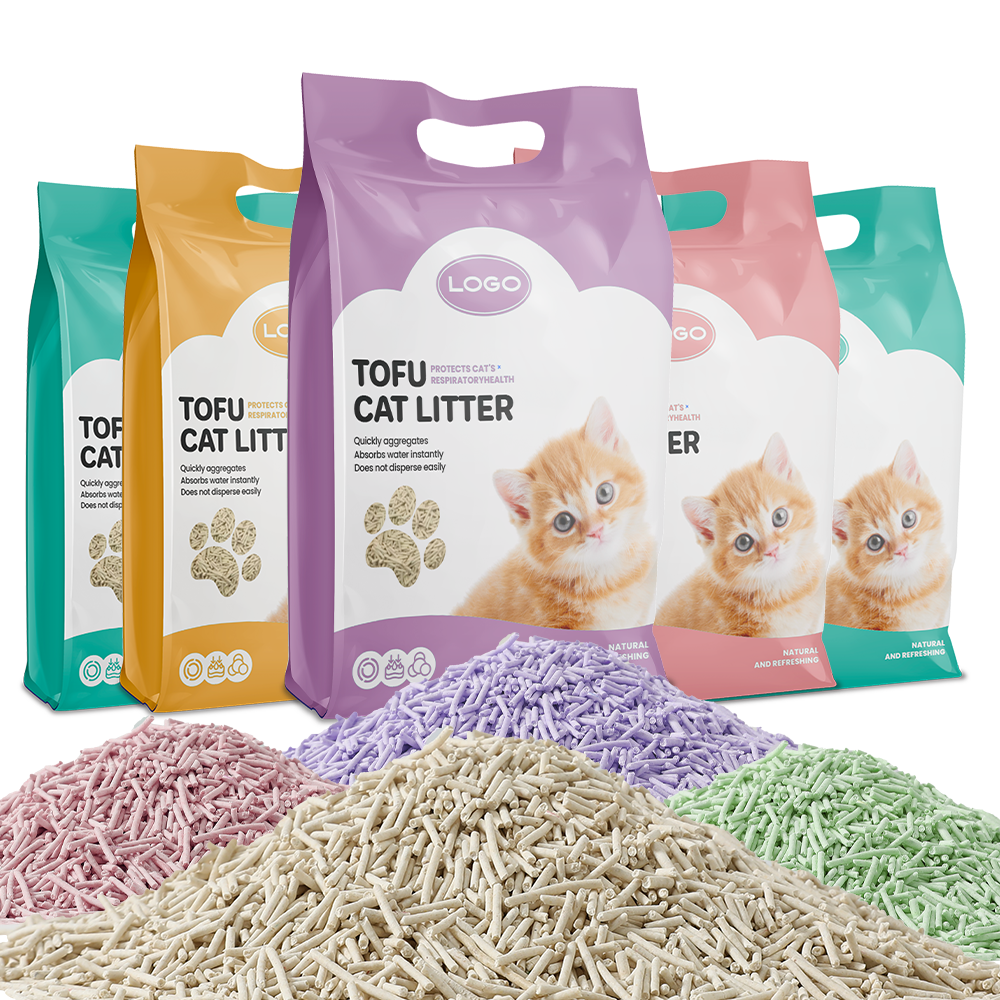 Spherical Core
Zero Perfume
Corn-Starch & Tofu Ball Pattern Clumping Litter
- Engineered ball pellet geometry (anti-tracking)
- High moisture absorption >400% by weight
- Clean unscented base for indoor air safety
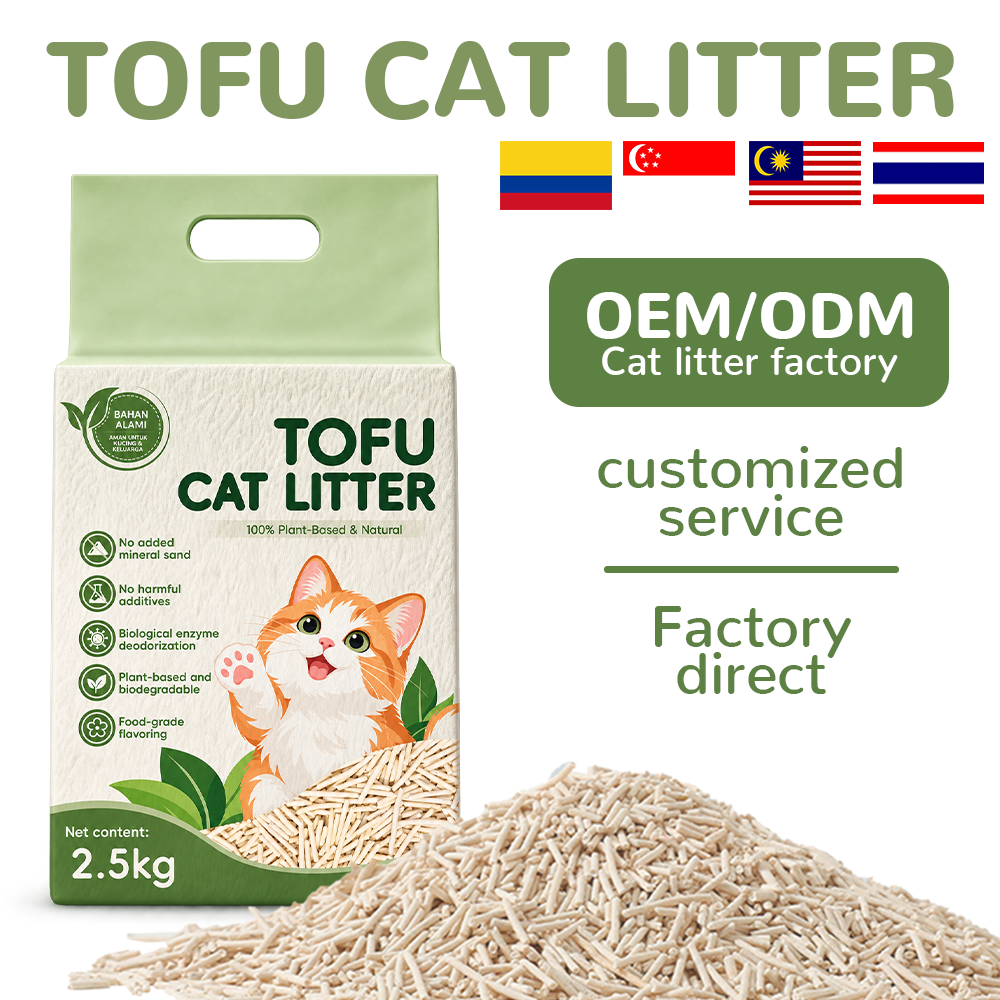 Plant-Based Strip
Flushable Grade
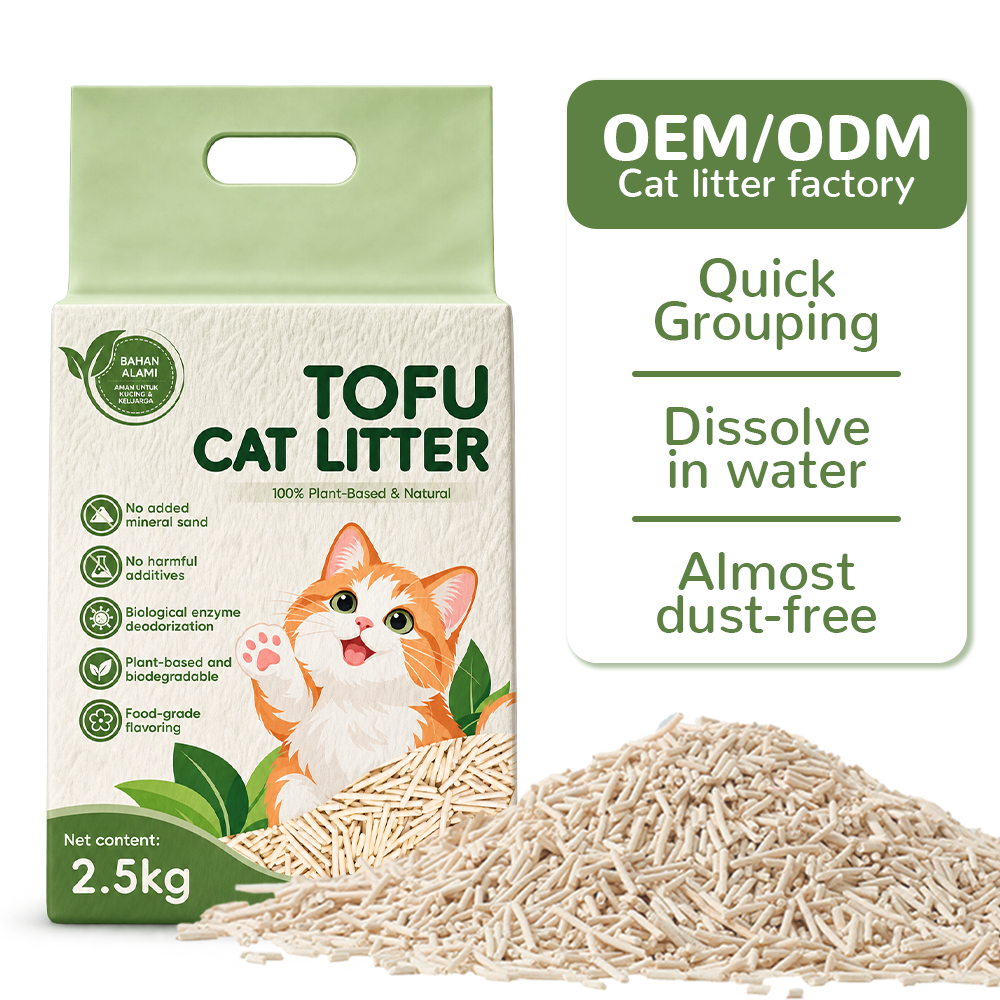
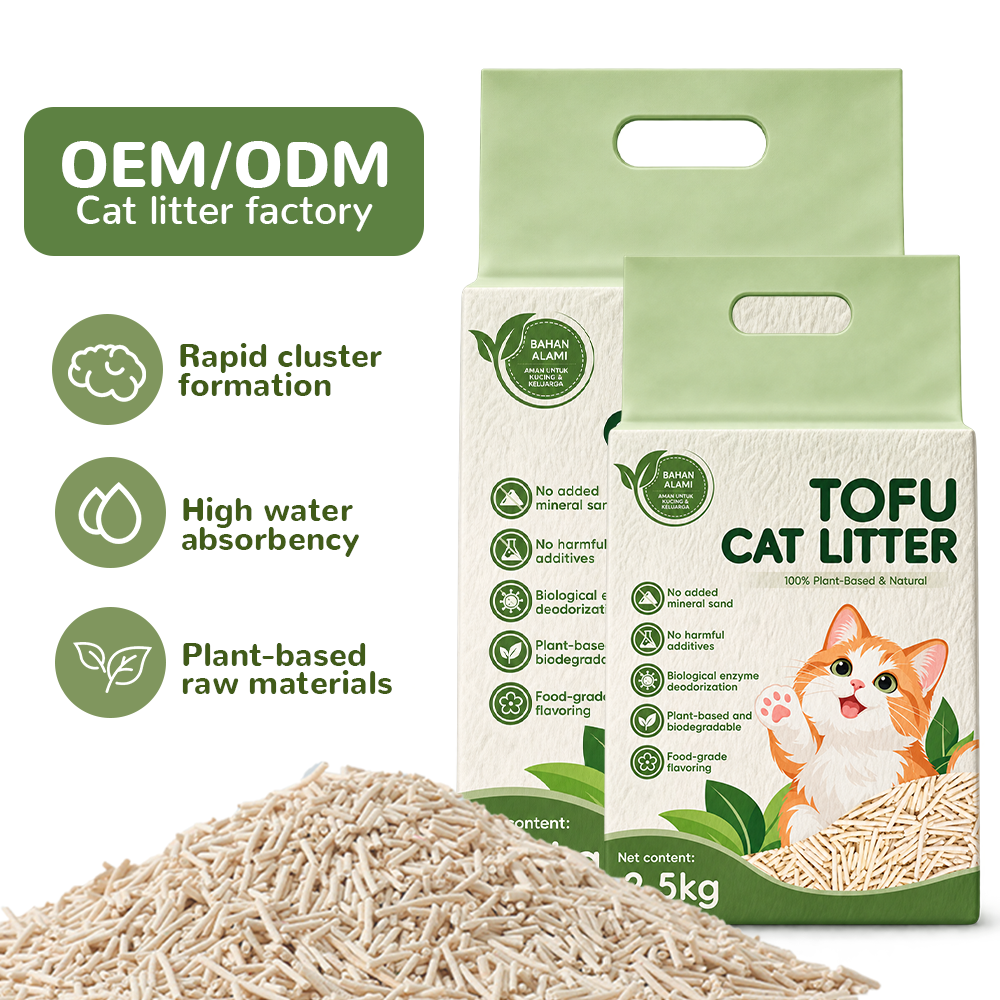
Industrial Tofu Cat Litter (Low Dust Plant Pellets)
- 1.5mm & 2.0mm micro-extruded diameter
- Rapid dissolution in domestic cold water
- High mechanical strength, anti-crush transport
 Ultra-Low Dust
Combustible
Bio-Degradable Pure Cassava Fine Grain Cat Sand
- Zero artificial binders or chemical masking
- Soft paw-feel comparable to desert fine sand
- Completely combustible under local waste rules
 Heavy Density
Ammonia Lock
100% Raw Ore Heavy Bentonite Granule (Unscented)
- Selected premium calcium-to-sodium activated clay
- Dense non-stick clumps that resist pan sticking
- Maximum natural adsorption of volatile fatty acids
 Pea Fiber
Zero Tracking
Pure Pea-Fiber Unscented Quick-Clumping Tofu Sand
- Clean white aesthetic preferred in Japan
- Anti-freeze pellet structure (sub-zero resilient)
- 100% natural, food-grade ingestion-safe levels
 High Porosity
Instant Bond
High-Absorbency Unscented Tofu Litter (Export Grade)
- 1.8mm thin noodles for maximum surface density
- Natural enzymatic ammonia reduction technology
- Moisture controlled below 8.5% for prolonged shelf life
Why Sapporo's Residential Climate Requires Specially Formulated Unscented Litter
Sapporo represents one of Japan's most demanding urban retail ecosystems for pet hygiene products. With annual snowfall averaging near 600 centimeters and sub-zero temperatures persisting from late November through late March, domestic households throughout Sapporo’s Chuo-ku, Kita-ku, and Toyohira-ku reside in architectural environments featuring exceptional thermal insulation (known as Danetsu-jutaku). While triple-pane glazing and airtight building envelopes retain interior heat generated by continuous kerosene, gas, or centralized electric heating, they severely reduce passive atmospheric exchange.
Under these airtight conditions, conventional scented cat litters—formulated with synthetic lavender, baby powder, or citrus volatile fragrance molecules—become aggressive indoor irritants. When subjected to artificial indoor heating, synthetic perfumes aerosolize alongside concentrated ammonia ($NH_3$) and volatile sulfur compounds, resulting in intense chemical saturation within closed spaces. This frequently leads to respiratory distress in feline companions and triggers allergic reactions among householders. Consequently, the demand across Sapporo supermarkets, pet specialty chains (such as Homac, Cainz, and local pet boutiques), and direct-to-consumer delivery networks has pivoted decisively toward high-performance unscented, zero-fragrance cat litters.
"In Hokkaido's sealed apartment environments, unscented cat litter is not merely a fragrance preference—it is a functional requirement. Odor control cannot rely on sensory masking; it demands immediate physical encapsulation and chemical binding of volatile organic compounds directly at the source."
Airtight Micro-Environments
Sealed architectural designs trap odors. Our unscented products prioritize natural microporous encapsulation over perfumed masking agents, keeping indoor air crisp without synthetic VOC emissions.
Cold-Climate Clumping Dynamics
Standard plant litters exhibit clump degradation when ambient room temperatures fluctuate near floor level. Our modified pea fiber and pregelatinized starch matrix ensures instant clumping even at 5°C to 10°C.
Feline Sensory Acuity
Cats possess an olfactory system roughly fourteen times more acute than humans. Eliminating essential oils, chemical aromatics, and masking powders prevents litter box rejection and associated behavioral issues.
Technical Specification Matrix: Bentonite vs. Tofu vs. Cassava Formulations
A rigorous comparative overview designed for retail buyers, supermarket procurement officers, and private label brand owners evaluating shelf life, logistics, and performance.
| Evaluation Parameter | Crushed Sodium Bentonite | Micronized Pea Tofu (1.5mm) | Pure Cassava Root Sand | Testing & Compliance Protocol |
|---|---|---|---|---|
| Base Raw Material | 100% High-Purity Bentonite Ore | Non-GMO Pea Fiber & Corn Starch | Food-Grade Cassava Tubers | Spectroscopy & Phytosanitary Check |
| Fragrance Profile | 100% Unscented (Raw Earth) | Zero Perfume (Natural Plant) | Unscented (Neutral Starch) | GC-MS Sensory Headspace Testing |
| Dust Content (by wt.) | < 0.2% (9-Stage Air Separation) | < 0.1% (Dual Cyclone Vacuum) | < 0.08% (Vibratory Screening) | ASTM F2100 Mechanical Agitation |
| Clump Initiation Speed | ≤ 2.5 Seconds | ≤ 1.8 Seconds | ≤ 1.2 Seconds | High-Speed Video Droplet Analysis |
| Absorption Ratio | 350% – 420% by weight | 400% – 480% by weight | 450% – 550% by weight | Gravimetric Liquid Capacity Assay |
| Municipal Waste Handling | Non-Combustible (Moenai Gomi) | Combustible (Moeru) or Flush | 100% Combustible (Moeru Gomi) | Sapporo City Sanitation By-laws |
| Cold-Storage Stability | Unaffected by -25°C | Dessicant Foil Essential | Stable Under Sealed Pack | Freeze-Thaw Cycling Test (-30°C to +20°C) |
| Bulk Density (g/L) | 850 – 950 g/L | 480 – 540 g/L | 520 – 580 g/L | Standard Volumetric Cup Gauge |
Note for Sapporo Port & Warehouse Consignees: Due to severe winter temperature swings between container ship holds and heated distribution hubs in Ishikari, all export packaging features specialized breathable one-way micro-perforations or vacuum-sealed inner nylon liners to prevent condensation-induced pre-gelatinization of plant starches.
Navigating Waste Sorting, Housing Density, and Winter Logistics Across Hokkaido
1. Sapporo Municipal Garbage Regulations (燃えるごみ / 燃えないごみ)
The City of Sapporo operates a disciplined municipal waste management system requiring designated paid trash bags (Sapporo-shi Shitei Gomi Bukuro). Under local environmental legislation, mineral clay products such as bentonite cannot be processed in municipal waste-to-energy incineration facilities; they must be discarded as non-combustible waste (Moenai Gomi) or disposed of via private commercial arrangements.
Consequently, our plant-based unscented product lines—particularly micronized pea fiber tofu and pure cassava sand—enjoy a substantial market advantage in Sapporo high-rise condominiums. Because these botanical matrices consist entirely of organic food-grade polymers, they are classified as combustible waste (Moeru Gomi). In households equipped with compatible low-flow plumbing systems, small clumps can also be dispersed safely into domestic toilets without pipe blockage risks.
2. Cold-Chain Marine Freight via Tomakomai & Ishikari Ports
Maritime shipments exiting our primary port of departure at Tianjin Port (Xingang) transit direct or feeder container routes toward northern Japanese ports, principally the Port of Tomakomai and the Port of Ishikariwan-Shinko. Shipments arriving during Hokkaido's sub-zero winter face high humidity transitions and maritime freeze-thaw cycles. To guarantee that retail boxes and stand-up pouches arrive without cardboard collapse or vacuum seal compromise, Chupen enforces reinforced 5-layer EB-flute export master cartons with water-repellent exterior coatings and industrial container-load silica desiccants.
Apartment Anti-Tracking Engineering
Japanese urban residences feature raised floor transitions (Genkan) where dust migration is immediately visible. Our unscented tofu litters are cut to precise uniform lengths with zero ragged edges, preventing pellet entrapment in feline paw pads.
Microbiological Control Under High Storage Humidity
During the humid summer defrost cycle in Hokkaido warehouses, organic starches can become vulnerable to mold without meticulous water activity control. Chupen maintains moisture below 8.0% alongside proprietary automated thermal sterilization tunnels.
Emerging Procurement & Consumer Trends in the Northern Japan Pet Sector
Actionable consumer intelligence for category managers, retail distributors, and private label importers.
1. The "Zero Additive" (無添加) Clean Label Surge
Following strict dietary clean-label trends across Japan, cat guardians in Sapporo scrutinize pet hygiene packaging for additive declarations. Litters claiming "Zero Artificial Scents", "No Fluorescent Brighteners", and "Formaldehyde-Free" capture premium pricing and enjoy significantly higher recurring purchase loyalty on e-commerce platforms like Rakuten and Yahoo! Shopping Japan.
2. Bulk Container Consolidation for Margin Defense
Rising bunker fuel costs and inter-island shipping tariffs between Honshu and Hokkaido have prompted regional retail conglomerates to bypass middlemen. By importing 40-foot HQ containers directly from our Xingtai production base into Tomakomai, regional distributors compress logistics overhead by 18% to 26% compared to domestic warehousing redistribution.
3. Hybrid Tofu & Bentonite Unscented Blends
To capture the rapid clumping power of mineral clay alongside the flushability and lower weight of plant fiber, 70/30 unscented hybrid litters (70% Tofu pellet + 30% Crushed Bentonite + activated carbon chips) represent the fastest expanding retail category across Sapporo pet convenience shops.
Why Tier-1 Global Importers Partner with Hebei Chupen Pet Products
Combining industrial cluster scale, dedicated R&D partnerships, and comprehensive international compliance.
Hebei Chupen Pet Products Co., Ltd. is strategically situated in Nanhe District, Xingtai City, Hebei Province—the preeminent epicenter of China's pet merchandise manufacturing belt. Nanhe District supplies roughly 80% of China’s domestic pet food and over 60% of its pet hygiene commodities. Our enterprise brings over ten continuous years of hands-on production expertise, advanced formulations, and high-volume containerized export operations to every client engagement.
Operating 11 dedicated production lines—including 5 fully automated plant-fiber tofu lines, 3 high-tonnage bentonite aggregation lines, and 3 specialty silica and polymer processing lines—our daily throughput scales up to 3,000 metric tons of bentonite cat litter and 150 metric tons of pure tofu cat litter. We eliminate supply disruptions, batch variances, and seasonal capacity bottlenecks, empowering retail chains to scale confidently throughout Hokkaido and across international markets.
Furthermore, our R&D department collaborates directly with top agricultural research bodies, including China Agricultural University and Hebei Agricultural University. This joint research ensures continuous advancement in natural deodorization mechanics, anti-microbial plant fibers, and zero-chemical binders. Our premises have undergone exhaustive onsite physical inspection and operational verification by SGS Group, guaranteeing full auditability across all production shifts.
4-Pillar Integrated Management System
Our complete factory operations conform to accredited international standards: ISO 9001 (Quality Management), ISO 22000 (Food Safety & Ingestion Non-Toxicity), ISO 14001 (Environmental Management), and ISO 45001 (Occupational Health & Workplace Safety).
In-House Testing Laboratory (9 Instruments)
Every single batch undergoes testing before dispatch: digital moisture analyzers, mechanical drop dust analyzers, clump hardness compression testers, pH meters, and microbiological incubator units for bacterial and mold counts.
Multi-Category Consolidated Shipments
Through our coordinated alliance of 50+ regional pet product manufacturers, importers can combine unscented cat litter, disposable puppy pee pads, cat litter boxes, and pet food into unified FCL shipments from Tianjin Port.
Raw Material Grading
X-ray sorting, natural ore selection, and human-grade pea fiber screening before processing.
Thermal Extrusion
High-temperature sterilization at 120°C, precision pellet forming, and uniform geometry sizing.
Multi-Stage De-Dusting
9-tier negative-pressure cyclone air cleaning systems extract virtually all airborne micro-particles.
Robotic Packaging
Automated bagging, nitrogen flushing or vacuum sealing, automated weight checking, and pallet wrap.
Frequently Asked Questions for Sapporo & Northern Japan Importers
Comprehensive technical and commercial guidance compiled by our international trade and regulatory division.
What is the minimum order quantity (MOQ) for custom private-label unscented cat litter?
How do you guarantee that unscented cat litter controls severe ammonia odors in winter without fragrance?
Can your tofu and cassava products comply with Sapporo's strict flushable plumbing standards?
How do shipments withstand freezing temperatures during marine transit to Hokkaido?
What documentation and Japanese labeling standards do you support for domestic import clearance?
Can we consolidate cat litter with puppy pee pads and pet food into one single container?
What trade terms and foreign currency payment methods do you accept?
How do you verify that the raw materials used in unscented cat litter contain zero toxic substances?
Initiate Your Unscented Cat Litter OEM Project for Hokkaido
Connect directly with our international technical sales engineers. Receive comprehensive product specification dossiers, factory direct pricing schedules, pallet packing diagrams, and express laboratory sample parcels dispatched straight to your office in Sapporo or anywhere across Japan.