Premium OEM/ODM Pet Hygiene & Clumping Litter Solutions
Direct factory supply from Nanhe District, Xingtai to Incheon and Busan Ports. Engineered with high-integrity polymers, virgin fluff pulp, and sustainable organic starches, our product lineup is calibrated for fast-paced e-commerce platforms and boutique pet retail brands across the Seoul Capital Area.
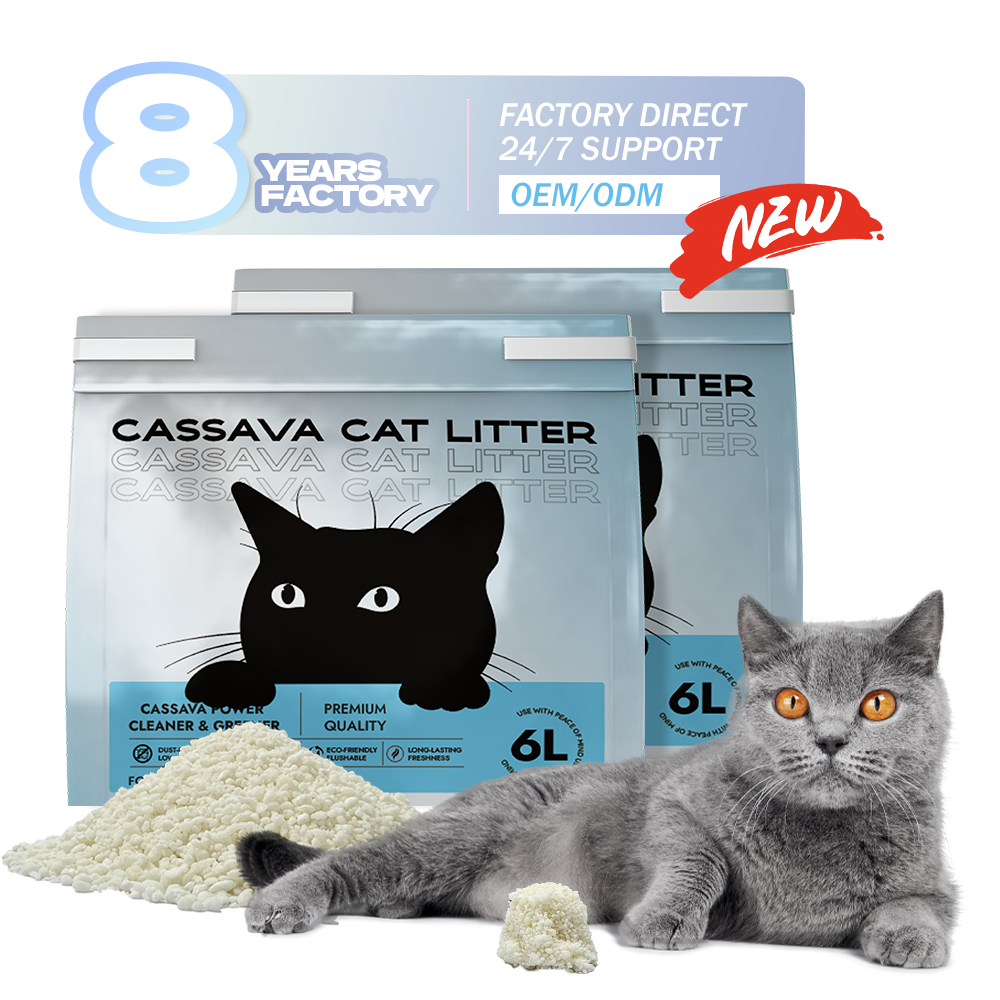
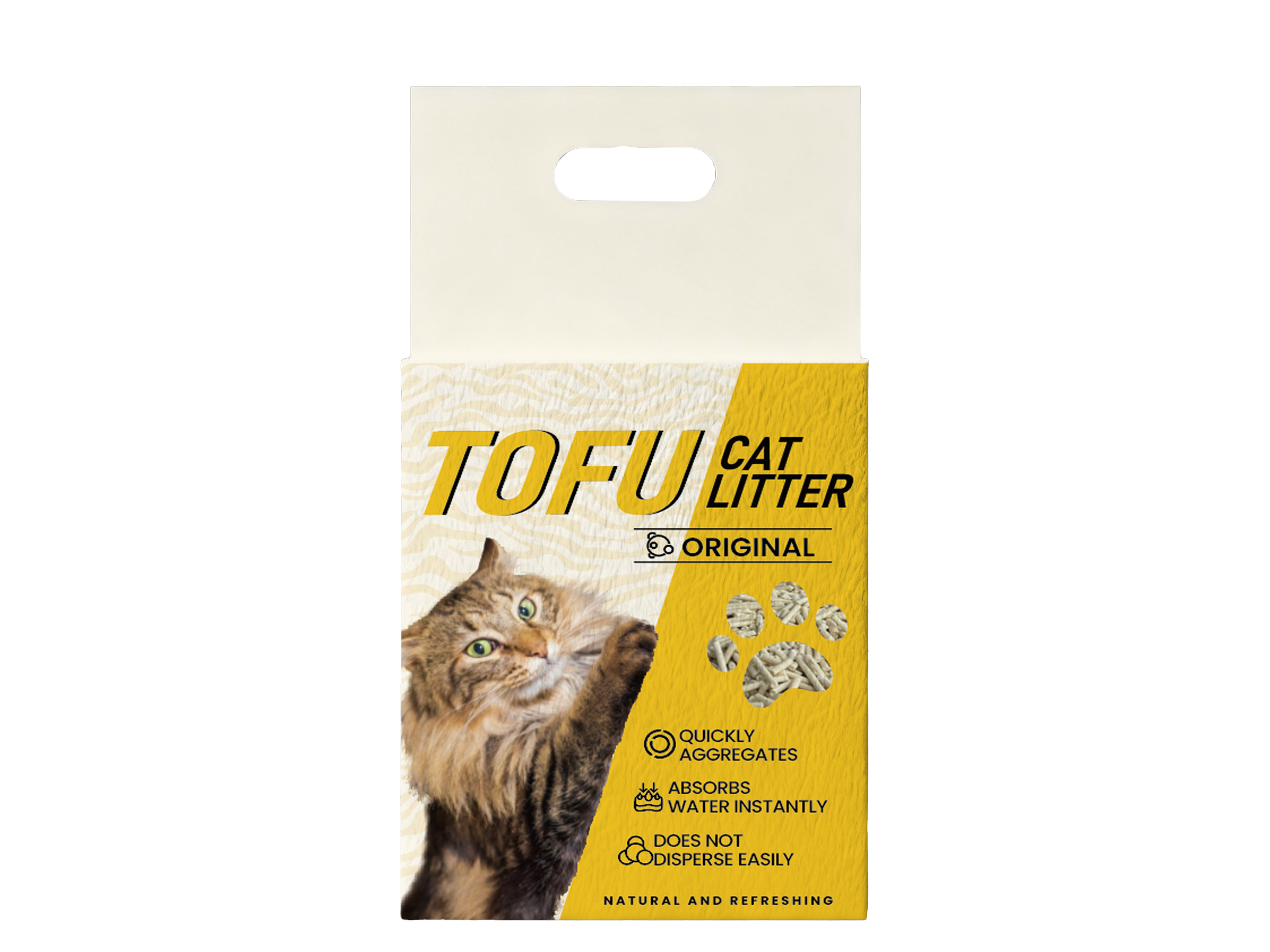
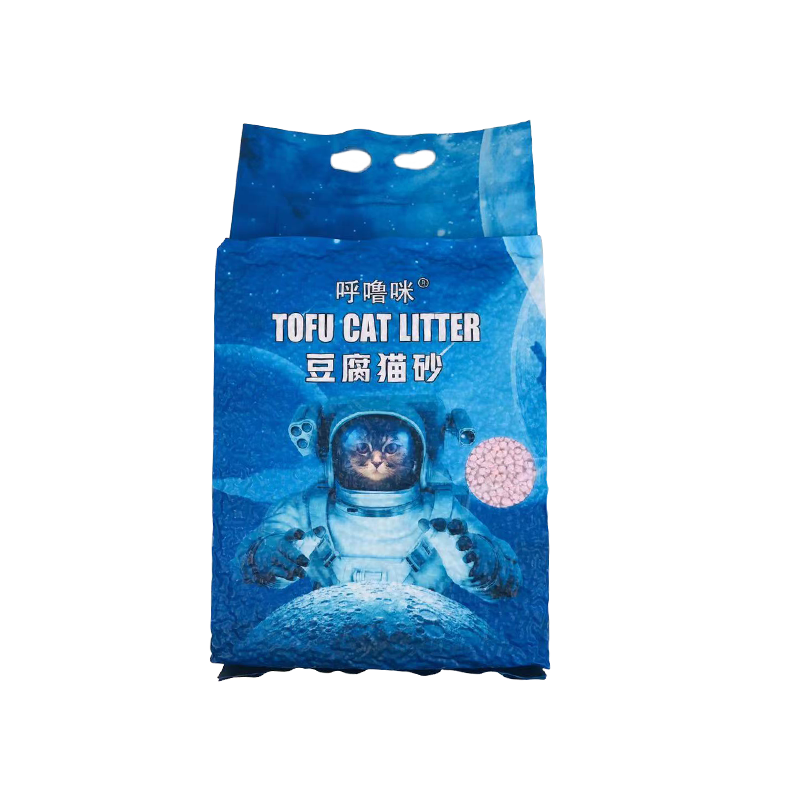
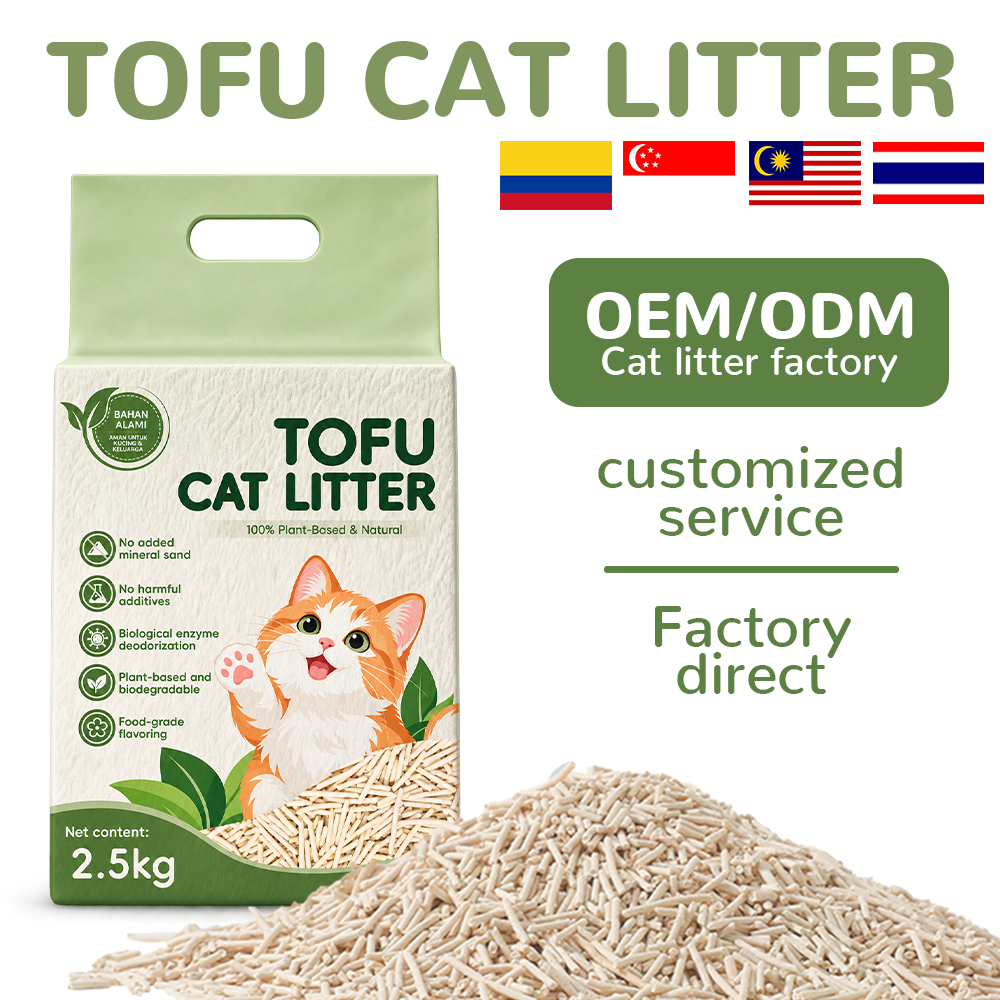
Engineering Pet Hygiene for Seoul's Architectural & Urban Realities
Supplying disposable training pads and clumping litter to the Greater Seoul Area requires a deep understanding of South Korea's residential structures, floor-heating physics, and hyper-dense apartment living standards.
Thermal Stability Against Ondol (온돌) Floor Heating
Over 85% of Seoul households in districts like Gangnam, Mapo, and Songpa rely on sub-floor radiant hydronic heating (Ondol). Conventional pet pee pads suffer accelerated thermal degradation when placed over warm floors (typically maintained between 24°C and 30°C in winter).
Floor heat accelerates bacterial enzyme multiplication, transforming urea into gaseous ammonia ($NH_3$) within 35 minutes. Chupen's pet pads integrate thermal-barrier cast polyethylene (PE) backing with thermosetting hot-melt adhesives, preventing liquid vaporization, sticky adhesive transfer to expensive hardwood, and volatile odor dispersion.
- Thermal-resistant base film rated up to 55°C
- Micro-encapsulated citric acid buffer to neutralize warm ammonia
- Zero delamination on laminate and marble flooring
Officetel & High-Density Living Odor Quarantine
Single-person households (*Il-in Gagu*) occupying Seoul's compact studio officetels (20–40 m²) demand zero olfactory leakage. In small, tightly sealed interior volumes with mechanical ventilation, pet urine odors rapidly saturate textiles, bedding, and apparel.
Our OEM disposable training pads feature a 5-layer molecular entrapment core utilizing Japanese Sumitomo Super Absorbent Polymers (SAP) combined with activated bamboo charcoal tissue. Urine is converted to solid gel within 1.8 seconds, locking in nitrogenous compounds before odor blooms throughout the living space.
- 1.8s liquid flash-acquisition speed prevents paw tracking
- Diamond-embossed quilting confines liquid spread radius
- High-grade charcoal core eliminates indoor odor complaints
Compatibility with Jongnyangje (종량제) Waste Bags
South Korea enforces a strict Pay-As-You-Throw volume-rate waste disposal system (Jongnyangje). In Seoul's 25 autonomous districts, household garbage bags are expensive and subjected to stringent weight and volume scrutiny.
Heavy, waterlogged pee pads and bulky cat litter dramatically inflate disposal costs for consumers. We formulate ultra-compact, high-density pads that maximize polymer absorption efficiency without excess fluff pulp bulk, allowing used pads to be folded tightly and compressed to occupy minimal volume in 10L or 20L waste bags.
- High SAP-to-Pulp ratio minimizes post-use disposal volume
- Compact bi-fold/tri-fold folding patterns optimize carton storage
- Biodegradable back-sheet options match Korea's green goals
Strategic Trends Shaping the Korean Pet Care Industry
With South Korea's total fertility rate hitting historic lows, the rise of the Petfam (Pet + Family) culture has transformed companion animals into fully humanized family members (*DINKs with Pets*). This paradigm shift drives intense demand for premium, medical-grade hygiene supplies.
| Trend Vector | Consumer Driver in Seoul | Technical Product Countermeasure | Market Classification |
|---|---|---|---|
| Small-Breed Predominance | Over 68% of registered dogs in Seoul are Maltese, Poodles, Pomeranians, and Bichons with delicate paws and sensitive paw pads. | Ultra-soft 14gsm hydrophilic spunbond non-woven surface; non-irritating honeycomb embossing prevents skin chaffing and pad tearing. | Essential Volume |
| Paw-Marking Prevention (*Bal-Dojang*) | Urban pet owners strongly dislike wet, urine-soaked paw marks on polished flooring, sofa covers, and light-toned carpets. | Instant polymer gelation within 2 seconds using rapid liquid-acquisition layers; zero wet-back rewet under 500g mechanical pressure. | High Conversion |
| FWA-Free Clean Formulation | Hyper-awareness regarding chemical safety; zero tolerance for Fluorescent Whitening Agents (형광증백제) or artificial toxic scents. | 100% pure North American virgin fluff pulp, chlorine-free peroxide bleaching, and SGS toxicological non-detection certification. | Regulatory Compliance |
| Coupang 'Rocket Delivery' Packaging | Over 70% of pet pad reorders occur via Coupang, Naver SmartStore, or Kurly next-day logistics hubs in Incheon and Gyeonggi-do. | Automated high-compression vacuum bagging with reinforced poly-handles and scannable GS1-128 barcodes to survive rapid sorting. | E-commerce Mandate |
Diagnostic Health-Monitoring Pads
South Korean pet parents demonstrate high health vigilance. Chupen's R&D lab provides customizable pH-indicator indicator strips integrated directly into the training pad absorption core. These strips turn chromatic blue or red when detecting feline lower urinary tract disease (FLUTD), hematuria, or alkaline proteinuria, giving local brands a significant marketing advantage.
The Shift toward Carbon & Green Tea Blends
Synthetic lavender or artificial perfumes are declining across Korean specialty boutiques. Instead, pet owners demand natural odor neutralizers. We compound high-surface-area activated bamboo carbon into pad core tissue and blend polyphenol green tea catechins into cat litters to eliminate ammonia at a molecular level.
Cross-Category Container Consolidation
Real estate and warehousing costs in Incheon and Hwaseong logistics parks have surged. Importers can no longer afford full container loads of a single slow-moving SKU. Chupen's unique multi-facility capability enables Korean buyers to consolidate OEM puppy pads, tofu cat litter, and bentonite in a single 40HQ container, lowering inventory carry risk.
Why Global Importers & Leading Korean Brands Choose Hebei Chupen
Hebei Chupen Pet Products Co., Ltd. is positioned at the heart of the Nanhe Industrial District in Xingtai — the core engine producing roughly 80% of China’s pet food and 60% of its pet hygiene supplies. We provide verified manufacturing scalability backed by world-class accreditations.
11 Modern Manufacturing Lines
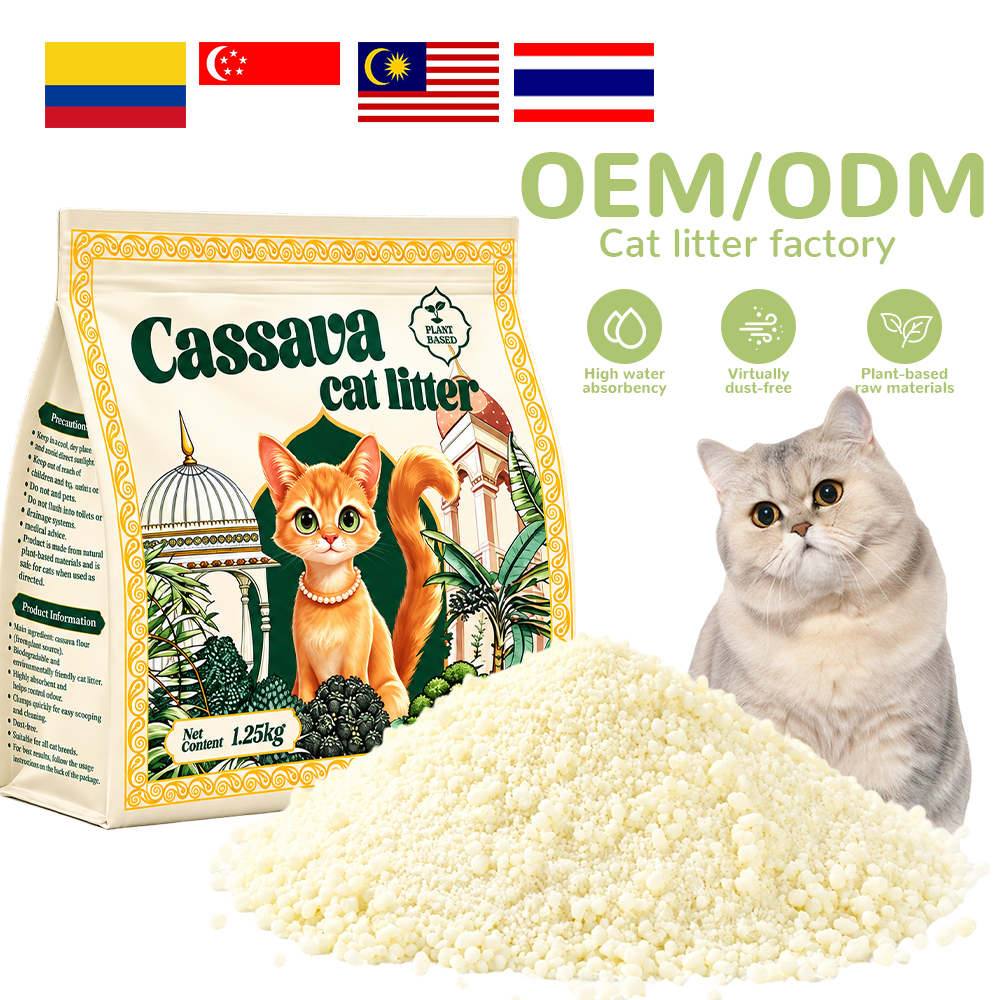
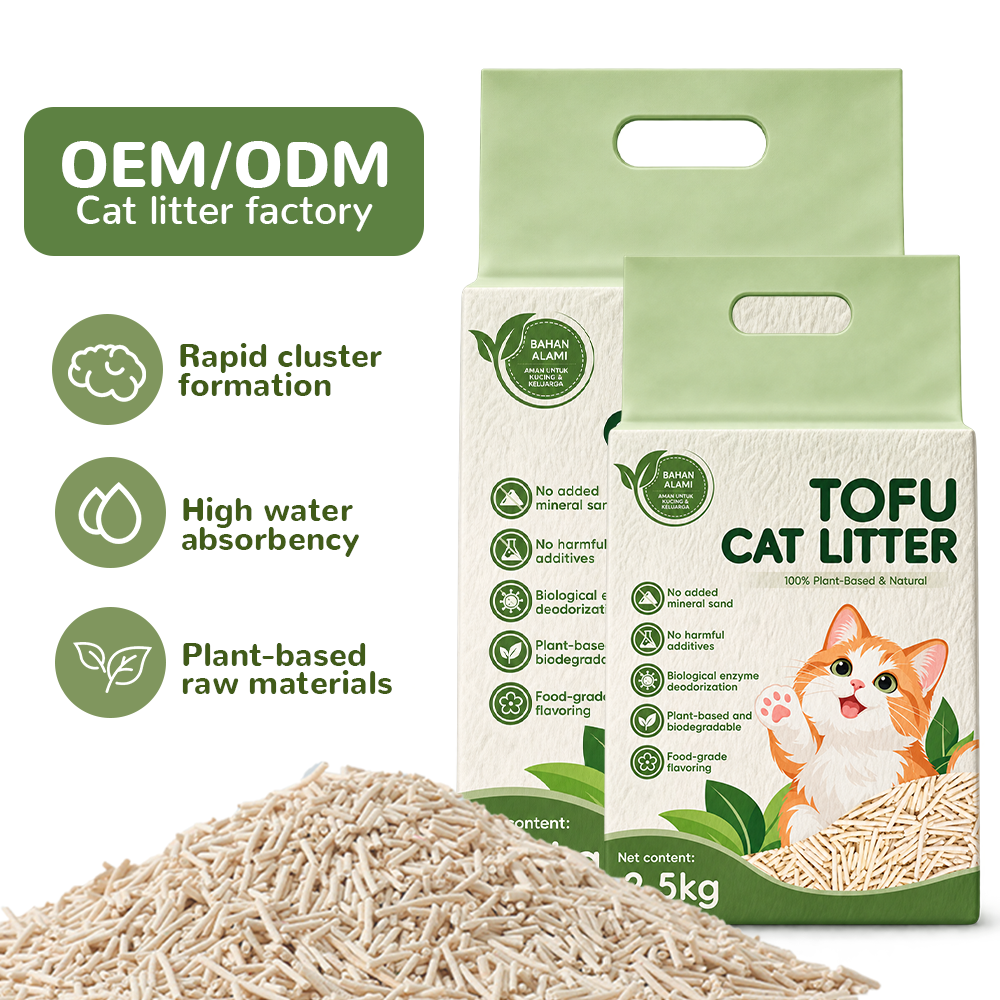
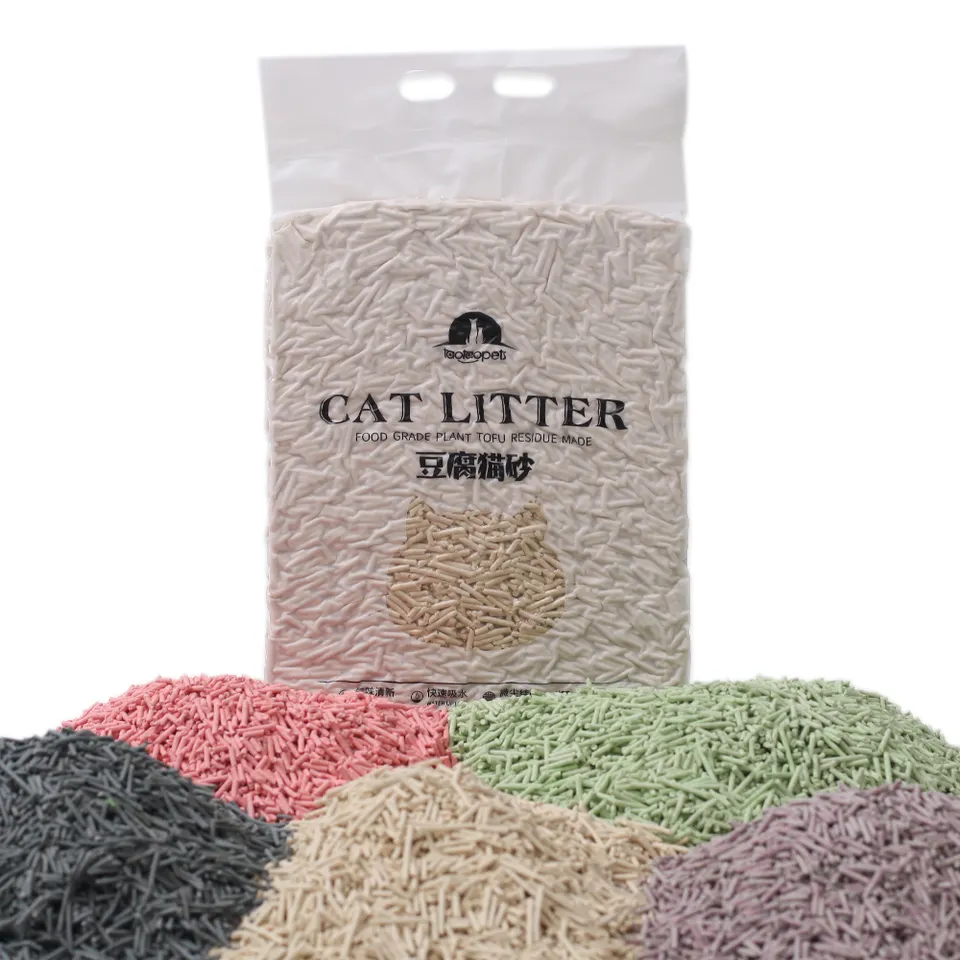
We operate 5 high-speed tofu cat litter lines, 3 automated bentonite processing lines, and 3 advanced pet pad and hygiene converting lines, delivering continuous, uninterrupted supply cycles even during peak fourth-quarter retail seasons.
SGS Verified & Multi-ISO Accredited
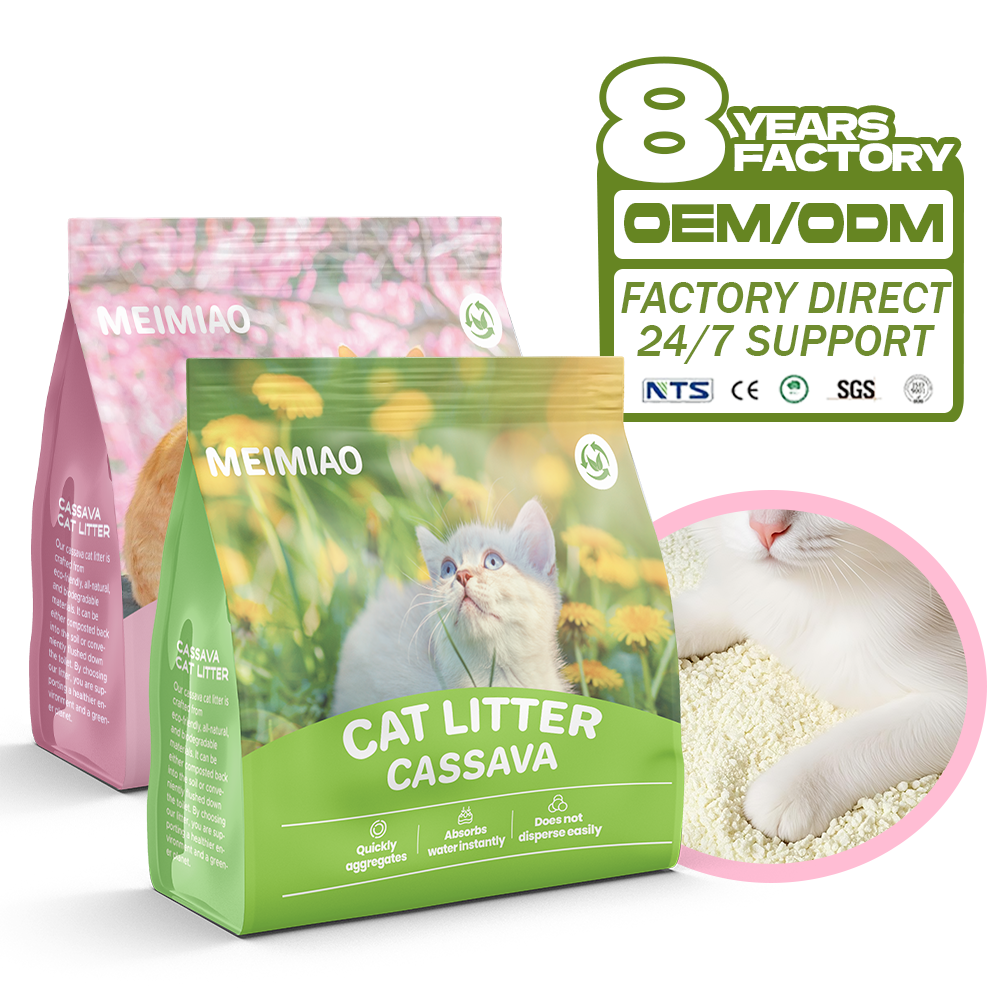
Our manufacturing and quality assurance frameworks hold active ISO 9001 (Quality), ISO 22000 (Safety), ISO 14001 (Environmental Management), and ISO 45001 (Occupational Safety) certifications. Premises are verified onsite by SGS Group.
University Research Partnerships
In strategic cooperation with China Agricultural University and Hebei Agricultural University, our formulation chemists optimize pellet clumping mechanics, microbial inhibition barriers, and low-dust plant fiber processing technologies.
Direct Pipeline to Tianjin Port
Situated within rapid drayage reach of Tianjin Xingang Port, containerized freight moves seamlessly from factory floor to vessel, docking in Incheon or Busan Port in under two days, minimizing supply chain lead times.
9 In-House Laboratory Testing Instruments
Every single production batch undergoes standardized raw-material assay checks, moisture-titration tests, rewet absorption stress analyses, and automated optical dust detection before packaging release.
50+ Partner Industrial Alliance
Beyond our proprietary plants, our industrial cluster alliance connects over 50 verified suppliers in Nanhe, allowing Korean partners to source pet diapers, ergonomic litter trays, and premium wet treats under unified quality control.
Frequently Asked Questions by Korean Importers & Wholesalers
Clear, definitive answers addressing customs clearance, KC compliance, packaging localization, and trade operations for buyers targeting Coupang, Naver, and pet specialty retail chains.
QWhat KC standards or South Korean safety testing apply to pet training pads?
Under South Korea's Ministry of Agriculture, Food and Rural Affairs (MAFRA) guidelines and the Electrical Appliances and Consumer Products Safety Control Act, pet disposable hygiene pads must comply with safety limits concerning hazardous chemical residue. Our export pads are verified free of Fluorescent Whitening Agents (FWA), Formaldehyde, Lead, Cadmium, and regulated organotin compounds, accompanied by comprehensive SDS (Safety Data Sheets) for smooth clearance through Korean Customs (UNIPASS).
QWhat is the HS Code classification and customs tariff from China to South Korea?
Disposable pet training pads and diapers are routinely classified under HS Code 9619.00 (Sanitary towels, tampons, napkins, napkin liners for babies and similar articles of any material). Under the China-South Korea Free Trade Agreement (FTA), importers can leverage Preferential Certificates of Origin (Form E or China-Korea FTA Certificate) to secure zero or reduced preferential import tariffs upon customs clearance at Incheon or Busan.
QCan we execute private-label (OEM) packaging with complete Korean (Hangul) typography?
Yes. Our in-house pre-press graphics team specializes in private-label OEM packaging compliant with Korean labeling laws. We produce gravure-printed polyethylene bags, matte BOPP pouches, and high-strength master shipping cartons featuring your Korean brand name, barcoding, mandatory manufacturer and country-of-origin labeling (제조국: 중국 / Made in China), and recycling symbol marks (분리배출 마크) approved by Korea Environment Corporation.
QWhat are the standard Minimum Order Quantities (MOQ) for custom private label orders?
For custom printed bags requiring dedicated cylinder engraving, the MOQ is typically 10,000 to 13,000 bags depending on pack dimensions (e.g., 50-count or 100-count packs). However, for brand startups and trial marketing campaigns, we offer neutral white-label packaging with branded sticker labeling starting at low-threshold trial runs of 500 to 1,000 units. For clumping plant-based cat litter, plain stock trials can start as low as 60 to 100 bags.
QCan we consolidate pet training pads with plant-based cat litter in a single container?
Absolutely. This is one of Chupen's core operational advantages for the Korean market. Pet pads are relatively light but bulky, whereas plant-based tofu litter or bentonite cat litter is dense and heavy. Consolidating both lines within a single 40HQ container maximizes both the volumetric cube (CBM) and maximum payload weight limits (up to 26–28 metric tons), significantly lowering sea freight costs per unit.
QWhat are the standard production lead times and maritime shipping durations to Seoul?
Initial private-label OEM runs require approximately 20 to 25 days from final artwork confirmation to mass packaging conversion and QA release. Repeat regular orders typically complete in 12 to 15 days. Ocean transit from Tianjin Port to Incheon Port takes approximately 36 to 48 hours, with an additional 1 to 2 days for customs clearance and terminal transport into the Seoul Capital Area.
Equip Your Pet Brand with Factory-Direct Manufacturing Power
Partner with an onsite SGS-verified manufacturer. Request our comprehensive pet pads and plant-based cat litter export catalog, complete with third-party lab test reports, FOB/CIF pricing matrices, and free custom sample kits shipped directly to your office in Seoul.