Engineered Plant-Based & Mineral Litter Solutions
Laboratory-tested particle profiles designed for automated production lines, multi-tier retail channels, and selective private label brands.
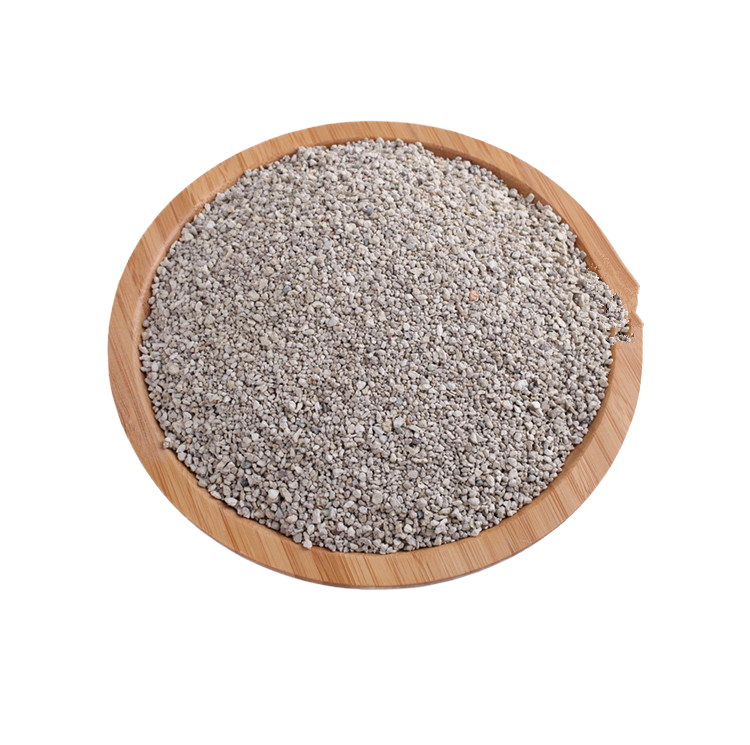
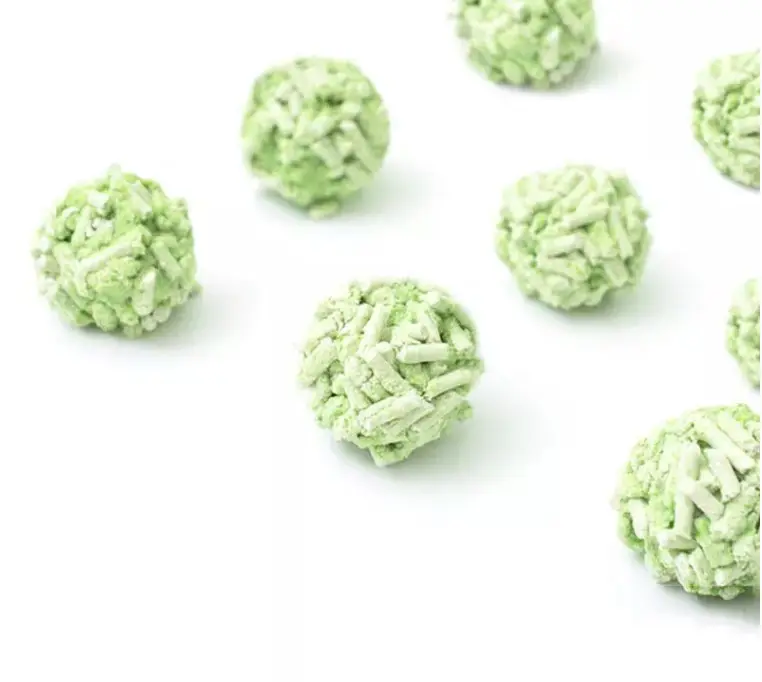
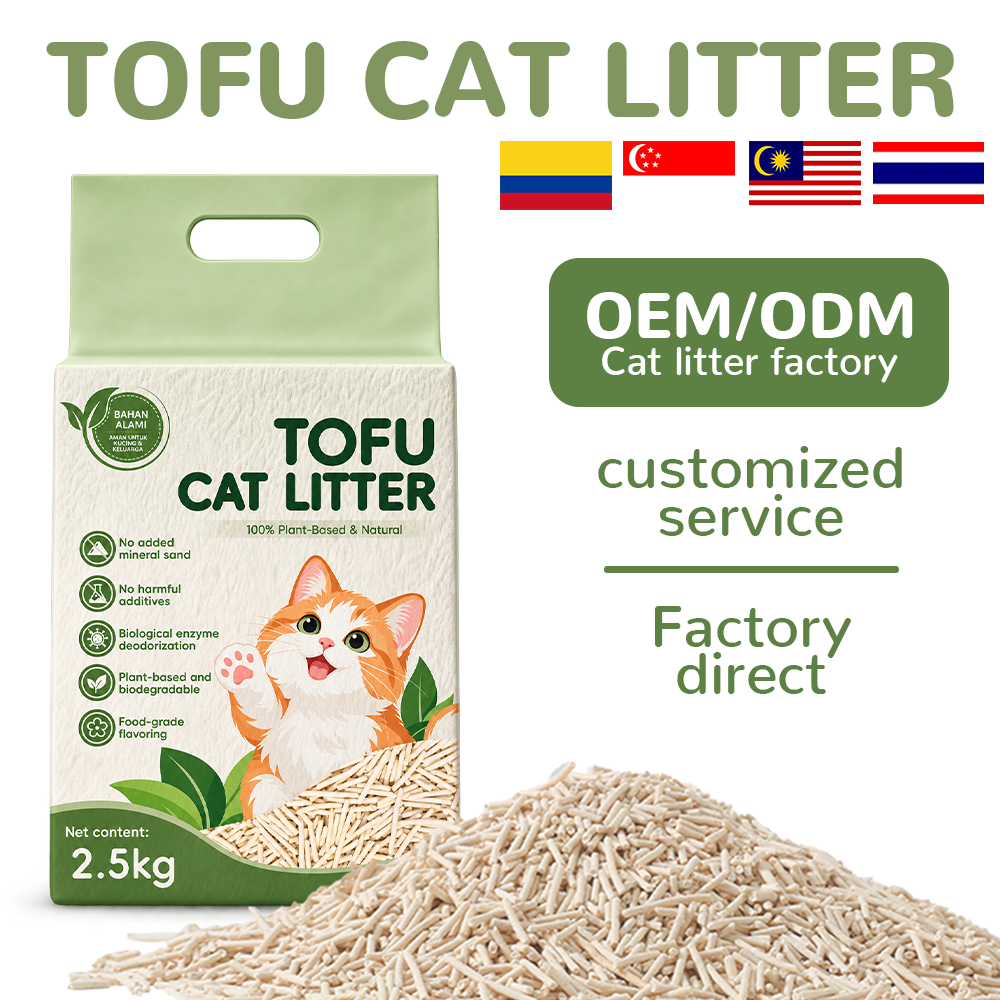
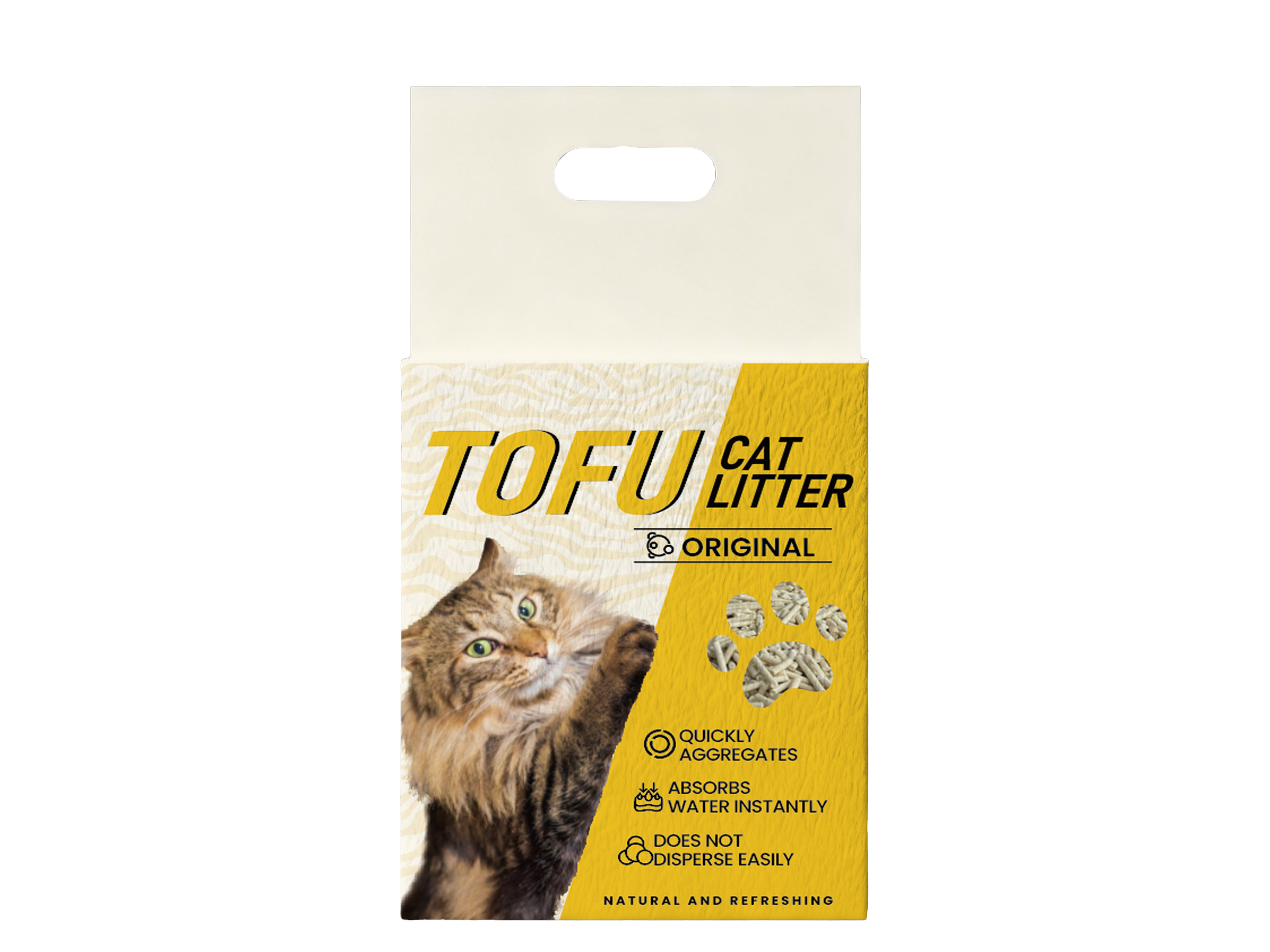
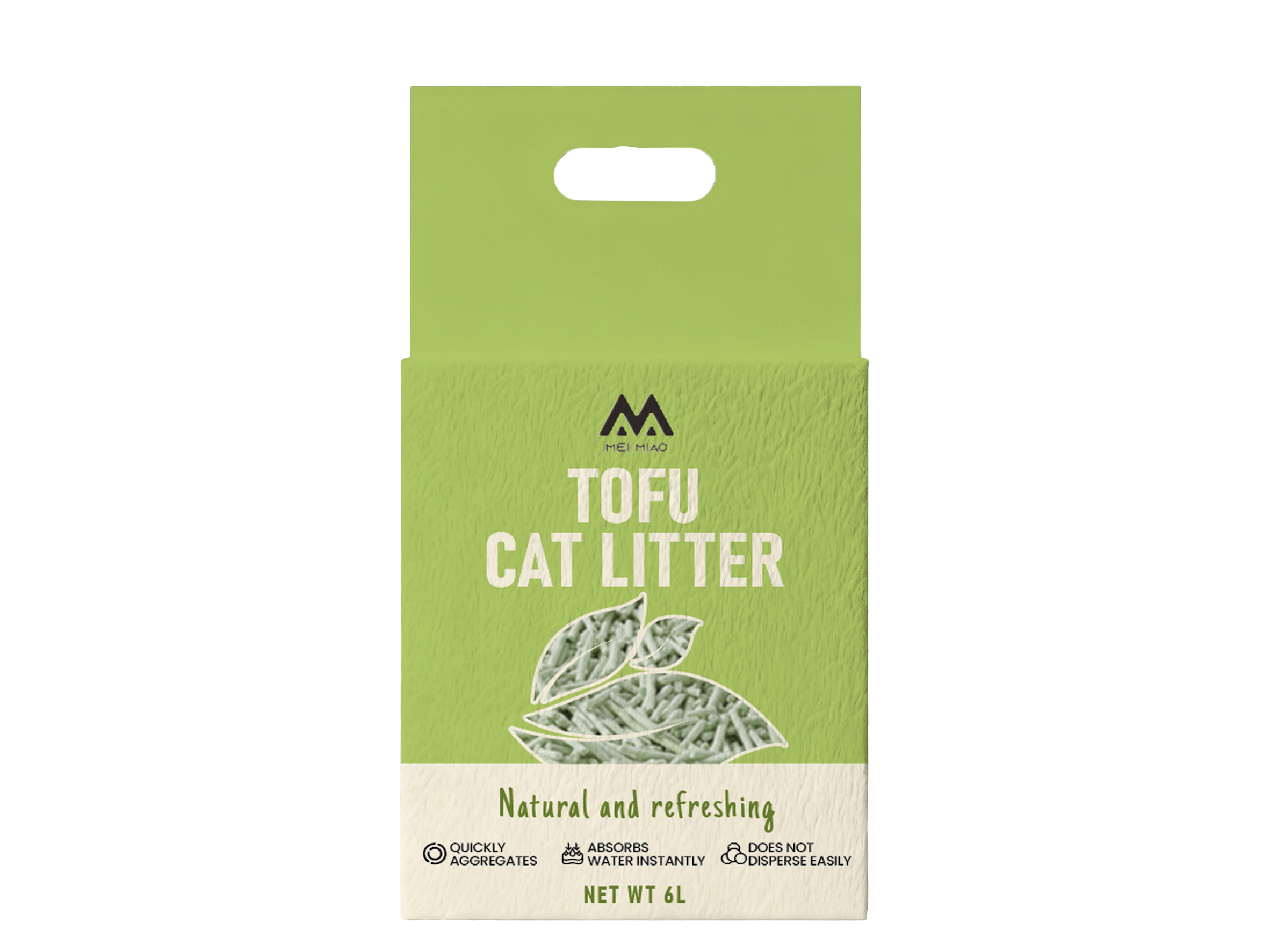
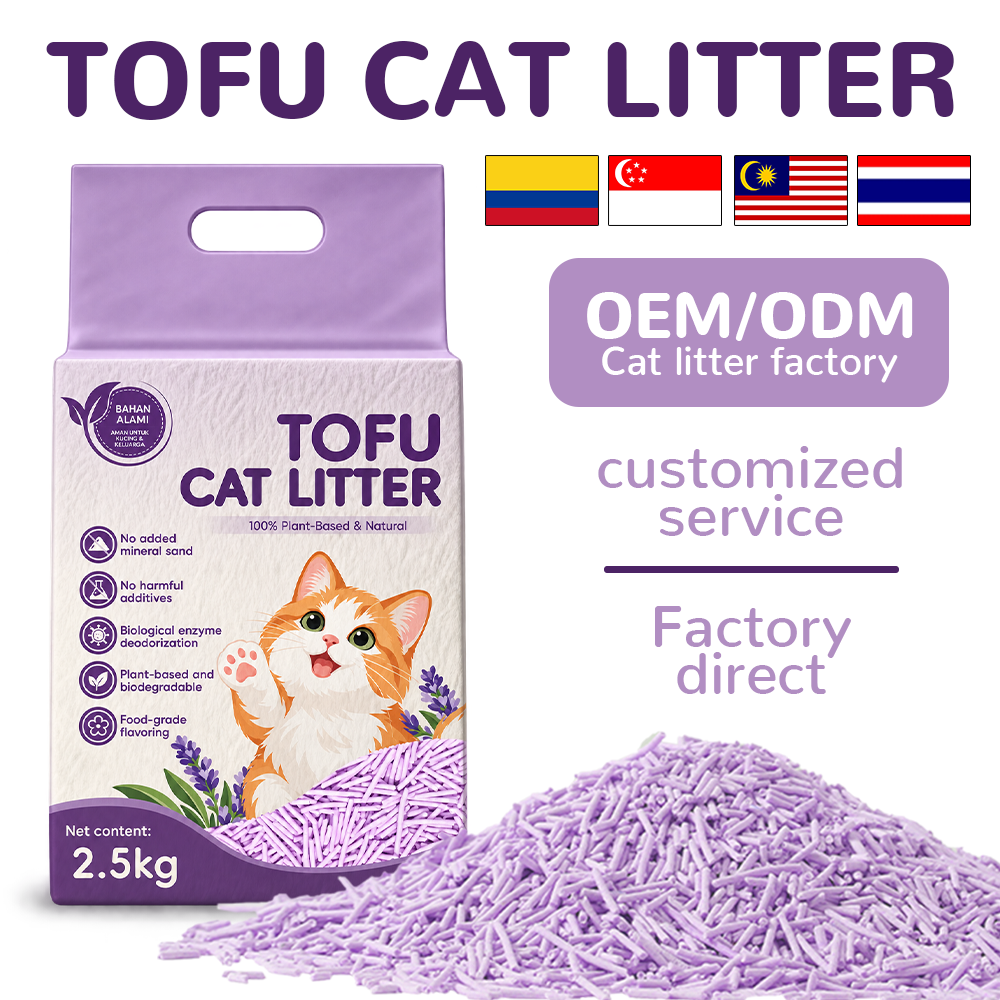
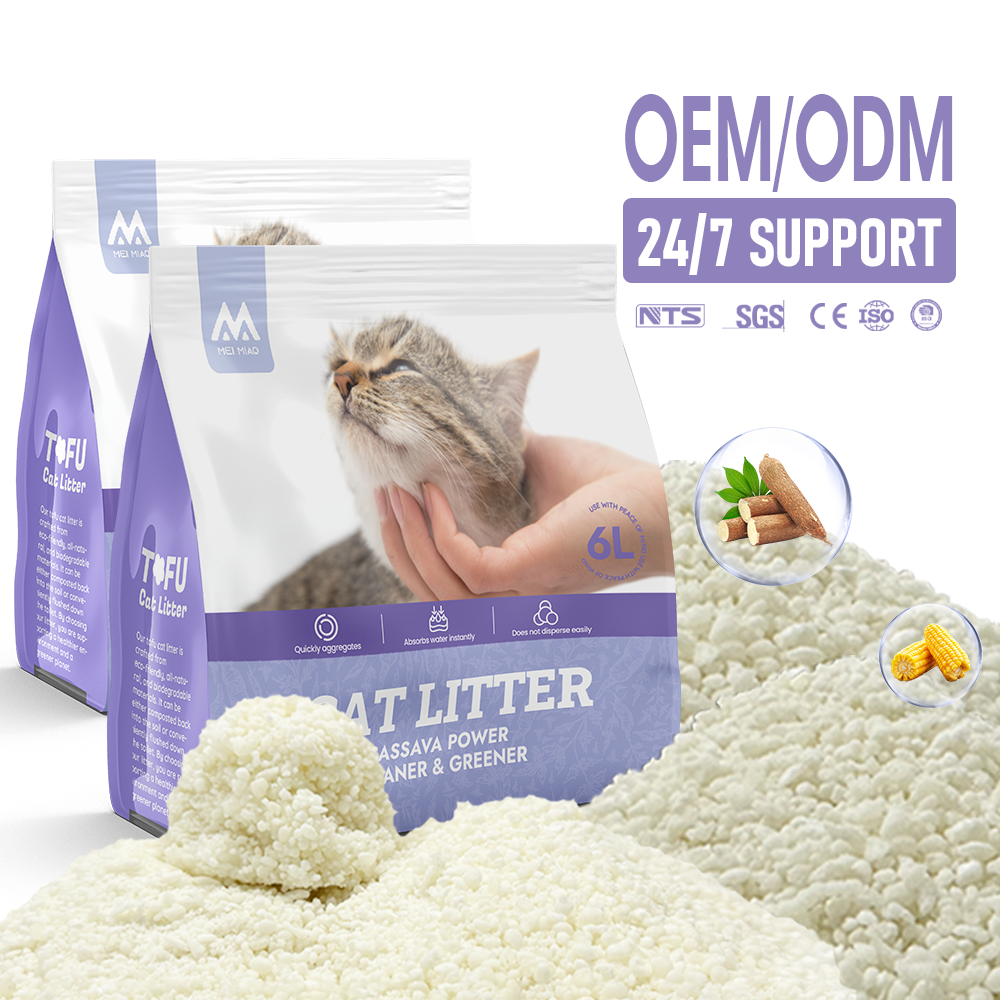
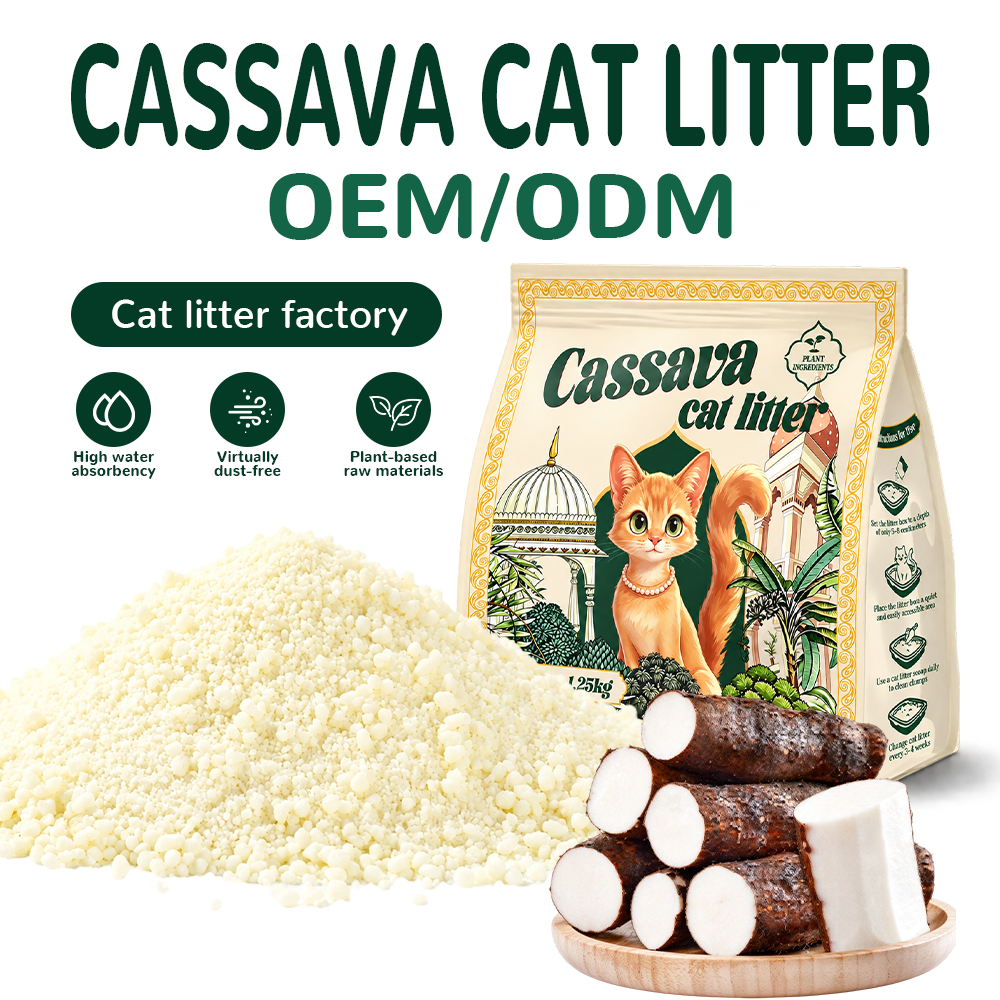
Cassava Litter Pellets: Architectural Engineering for Austin’s Urban Ecosystem
As the capital of Texas and one of North America’s most prominent innovation corridors, Austin represents a unique intersection of ultra-high eco-consciousness, progressive pet parenting, and urban residential density. The transition away from strip-mined sodium bentonite clay toward agricultural biopolymer substrates is no longer a niche preference; it is a decisive market mandate spanning neighborhoods from Downtown Austin’s high-rise condominiums along Lady Bird Lake to multi-family developments in The Domain and single-family suburban enclaves across Round Rock and Cedar Park.
For independent pet product retailers, regional co-ops, e-commerce distributors, and private brands serving the Travis and Williamson County corridors, commercial success hinges on addressing the specific structural constraints of Central Texas homes. Austin’s subtropical, humid climate accelerates bacterial breakdown in organic waste trays, demanding specialized hydrophilic starch chemistry that traps volatile ammonia molecules without synthetic enzymatic masking agents.
| Structural Parameter | Chupen Cassava Pellet Formulation | Conventional Bentonite Clay | Standard Tofu / Wood Pellets |
|---|---|---|---|
| Hydration Absorption Rate | > 450% by dry weight (under 2 seconds) | 200% - 250% (variable swelling) | 280% - 320% (slower capillary draw) |
| Dust Index (0.1–2.5μm) | < 0.05% (5-stage aspirator dedusting) | 1.8% - 4.5% (airborne silica risks) | 0.3% - 0.8% (mechanical breakdown) |
| Waste Stream Compatibility | 100% Biodegradable & Austin Municipal Compliant | Landfill deposition only (mineral waste) | Partially compostable (high cellulose) |
| Microclimate Stability | Resistant to high relative humidity (65%+ RH) | Agglomerates inside storage bag | Susceptible to mold in humid environments |
Localized Commercial Application Scenarios
Targeted solutions developed for specific consumer lifestyle formats throughout Central Texas.
High-Density Mid-Rise & Loft Living
Downtown Austin and South Congress lofts feature confined square footage and centralized HVAC systems. Traditional clay litter circulates crystalline silica dust throughout micro-ducts. Chupen's de-dusted cassava pellets maintain zero airborne particulates, protecting both feline bronchial tracts and smart home air purifiers.
Eco-Conscious Specialty Boutique Retail
Austin consumers deliberately boycott strip-mined materials. Independent pet boutiques along Lamar Boulevard and East Austin require verified green credentials. Our cassava formula utilizes agricultural by-products, presenting a certified carbon-neutral lifecycle that aligns seamlessly with local brand narratives.
Automated Multi-Cat Litter Appliances
With Austin’s dominant tech demographic adopting automated self-cleaning litter enclosures, pellet geometry is paramount. Our calibrated 1.5mm–2.0mm cassava granule profile passes through automated sieve cycles effortlessly without sticking to rake blades or rubber liner basins.
Emerging Market Trends in Central Texas Pet Care
Data-backed strategic insights shaping supply chain decisions for institutional pet product importers.
Transition Away from Synthetic Fragrances
Modern pet guardians recognize artificial perfumes as respiratory irritants. Austin leads the Southern United States in consumer preference for fragrance-free, biologically inert odor-adsorption. Cassava's inherent porous polysaccharide lattice encapsulates volatile organic sulfur compounds natively, eliminating the need for heavy phthalate-laden scents.
Stricter Municipal Waste Divergence Goals
Austin's aggressive 'Zero Waste by 2040' plan incentivizes residential waste diversion. Landfill reduction campaigns encourage biodegradable pet waste protocols. Supplying compostable, water-soluble cassava pellets positions distributors ahead of anticipated regulatory shifts across municipalities along the Interstate 35 corridor.
Hebei Chupen Pet Products: Industrial Scale & Engineering Rigor
Headquartered in Nanhe District, Xingtai—the epicenter of pet product manufacturing responsible for the majority of the world's functional substrates.
Massive Capacity
11 production lines yielding over 3,000 tons of bentonite daily, alongside 150 tons/day of dedicated plant-fiber processing capacity ensuring unbroken supply continuity during peak inventory spikes.
Verified Compliance
Onsite verified by SGS Group. Production facilities systematically governed by ISO 9001, ISO 22000, ISO 14001, and ISO 45001 credentials ensuring strict lot-to-lot structural uniformity.
Academic R&D Backing
Continuous biopolymer formula iteration developed in direct academic partnership with researchers at China Agricultural University and Hebei Agricultural University.
Optimized Gulf Logistics
Strategic export dispatch through Tianjin Port offering FOB, CIF, EXW, and DDP terms with direct water routing into Port Houston, facilitating low-drayage inland transit into Austin.
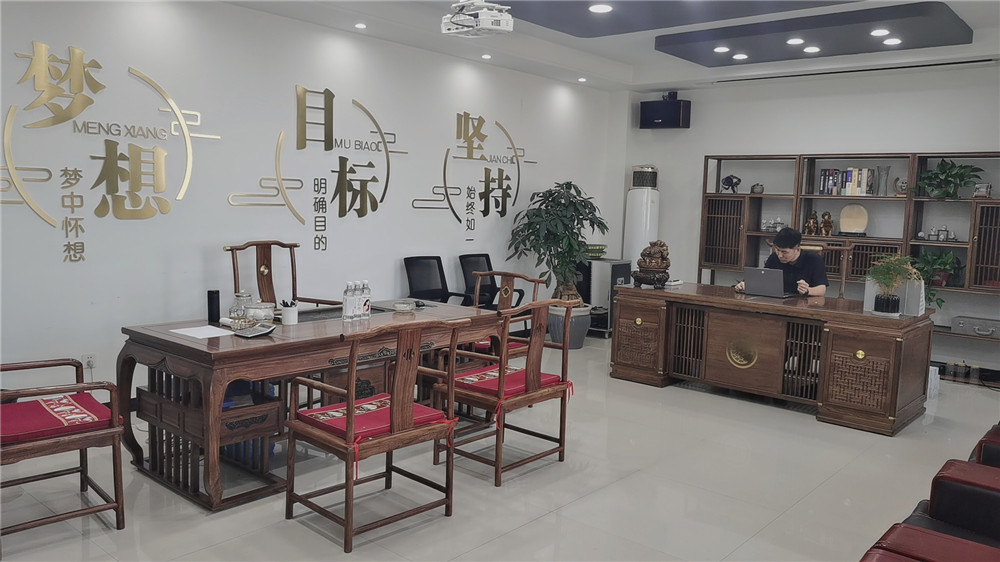
Extrusion & Granulation Hall
Industrial temperature-controlled pelletizers calibrate mechanical hardness to prevent crushing during international sea freight.
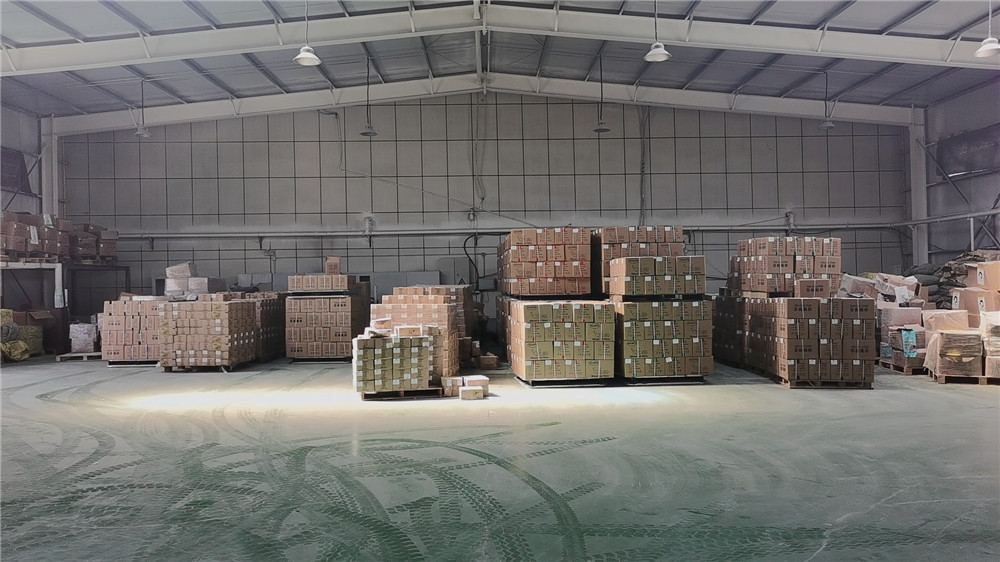
In-House Physical Testing Lab
9 specialized analytical instruments verify clump integrity, moisture limits (<10%), and zero trace heavy metals on every production batch.
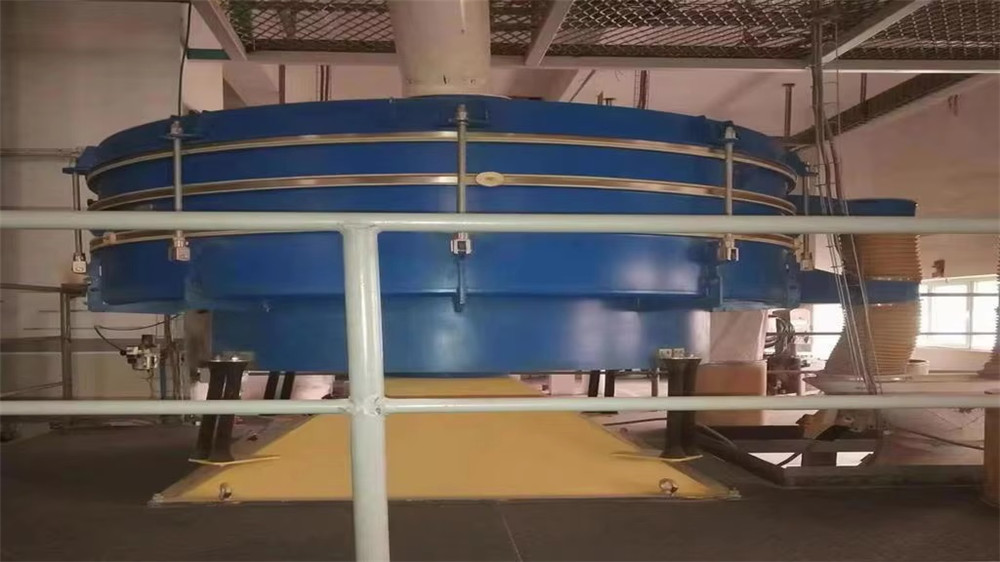
Direct Container Loading
Palletized or floor-loaded dry intermodal containers with desiccant systems to maintain pristine quality during the transpacific voyage.
Frequently Asked Questions for Central Texas Buyers
Direct technical answers addressing freight, formulation stability, and private labeling.
Q: How do cassava pellets handle Austin’s summer humidity during warehouse storage?
Our cassava litter is processed through secondary fluidized bed drying, bringing residual free-water moisture below 8.5%. Packed in moisture-barrier foil or laminated craft PE film, the pellets remain completely inert and free-flowing even in non-climate-controlled logistics hubs across Travis County.
Q: What is the transit lead time from Tianjin to our Austin cross-dock facility?
Ocean freight routing from Tianjin Port directly to Port Houston typically requires 24 to 28 days on the water. Following expedited customs release at Bayport Container Terminal, short inland drayage via the TX-71 corridor delivers full container loads (FCL) into Austin within 3 to 5 business days.
Q: Can we consolidate cassava pellets with pet training pads or cat food in one container?
Yes. Utilizing Chupen’s extensive ecosystem of 50+ regional manufacturing partners in Nanhe District, we consolidate cassava litter, tofu pellets, leak-proof puppy training pads, and canned pet treats into a single unified bill of lading (BOL), optimizing landed shipping costs for distributors.
Q: What are the private label packaging capabilities and minimum order quantities?
For fully custom rotogravure printed poly bags, box bags, or 100% compostable retail packaging, the initial production threshold starts at 13,000 bags. For market testing or smaller brand pilots, we supply unbranded neutral barrier sacks with customized labeling from flexible low minimums.