Export-Grade Cassava & Botanical Litter Formulations
Rigid clump kinetics, sub-0.05% dust indices, and food-grade safety verified for the Kobe and broader Kansai pet care retail ecosystem.
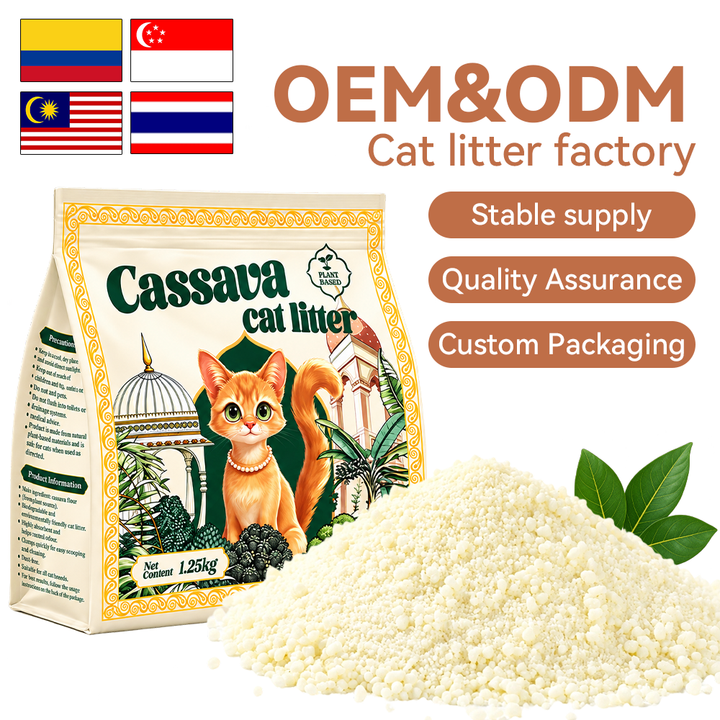
- 1.5–2.0s Instant Agglomeration
- Flushable Starch Polymer
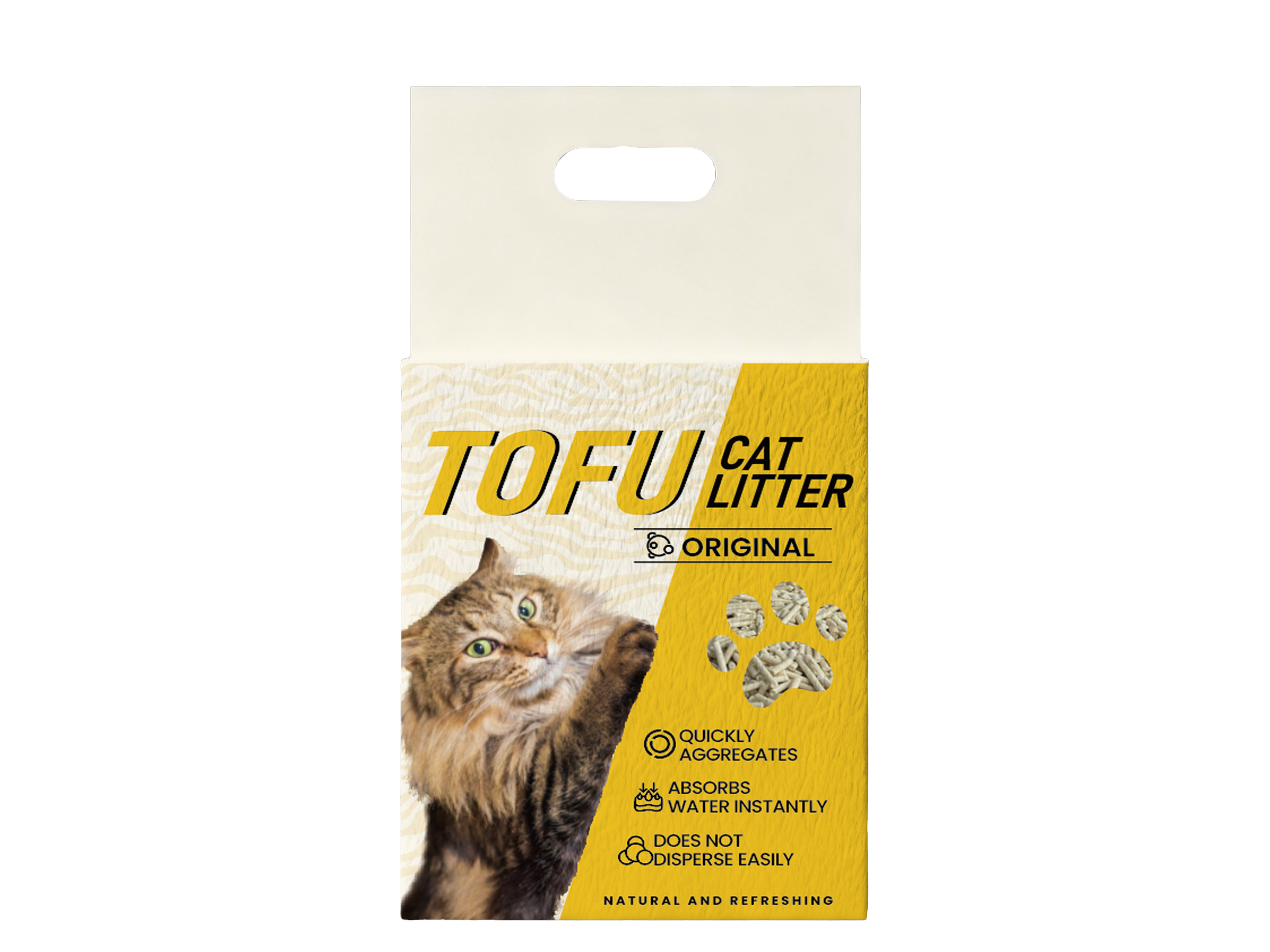
- Certified PLA/PBAT Bag
- Low-Residue Bio Formulation
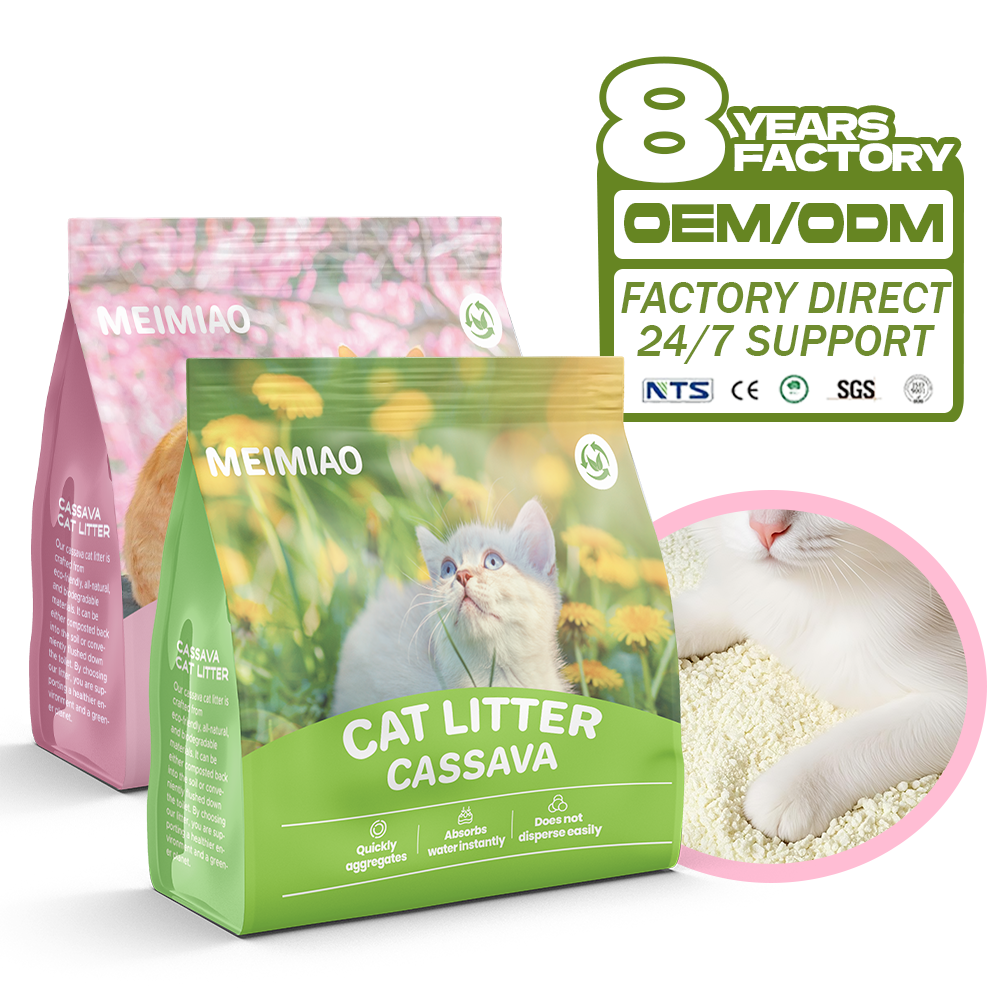
- Micro-Pellet 1.5mm Diameter
- Ammonia Locking Efficiency >95%
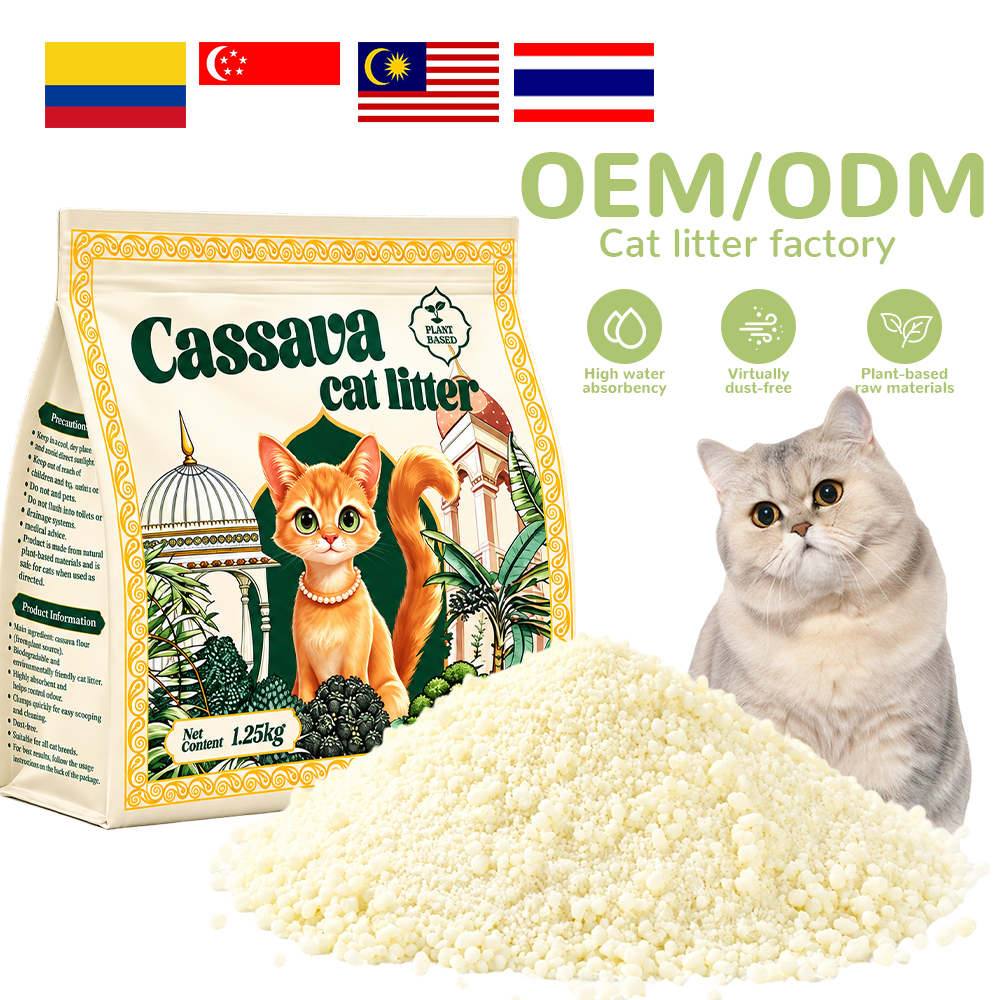
- Zero Formaldehyde Formula
- Custom Color & Japanese Text
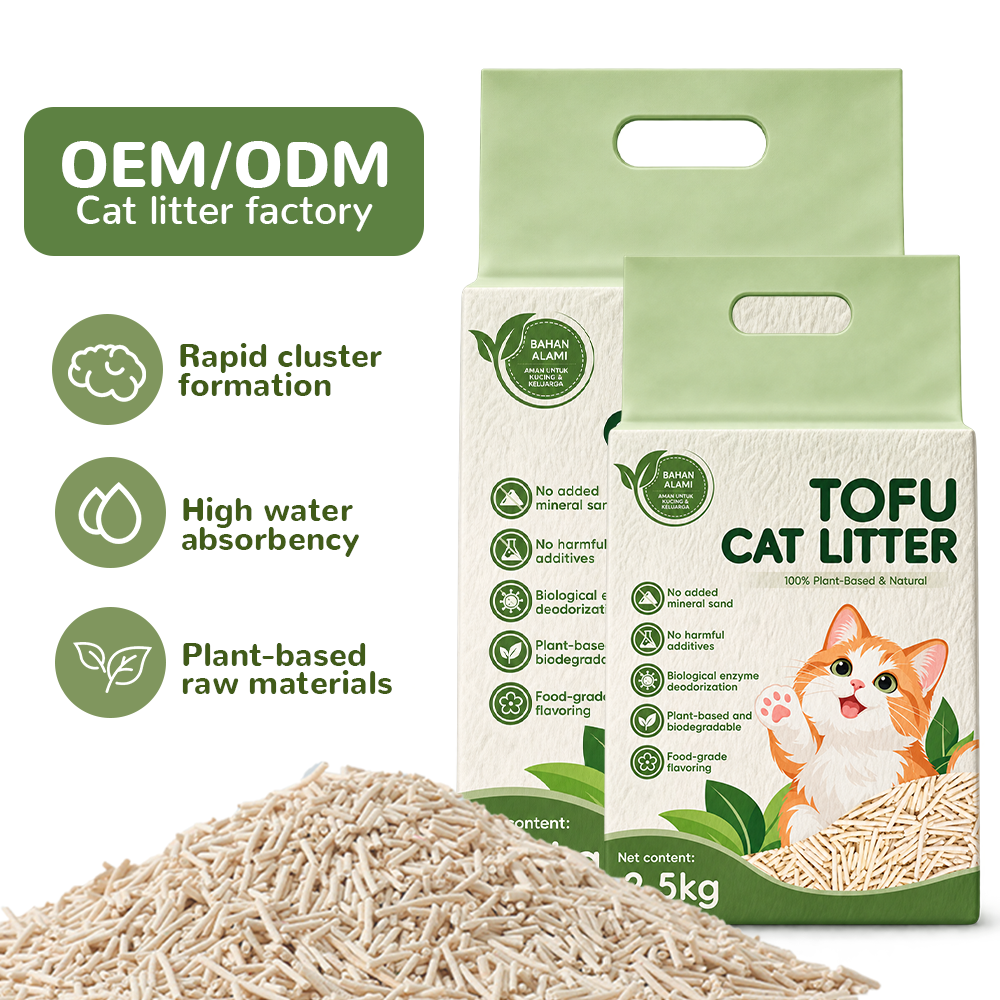
- 400% Water Hydration Rate
- Multi-Stage Dedusting
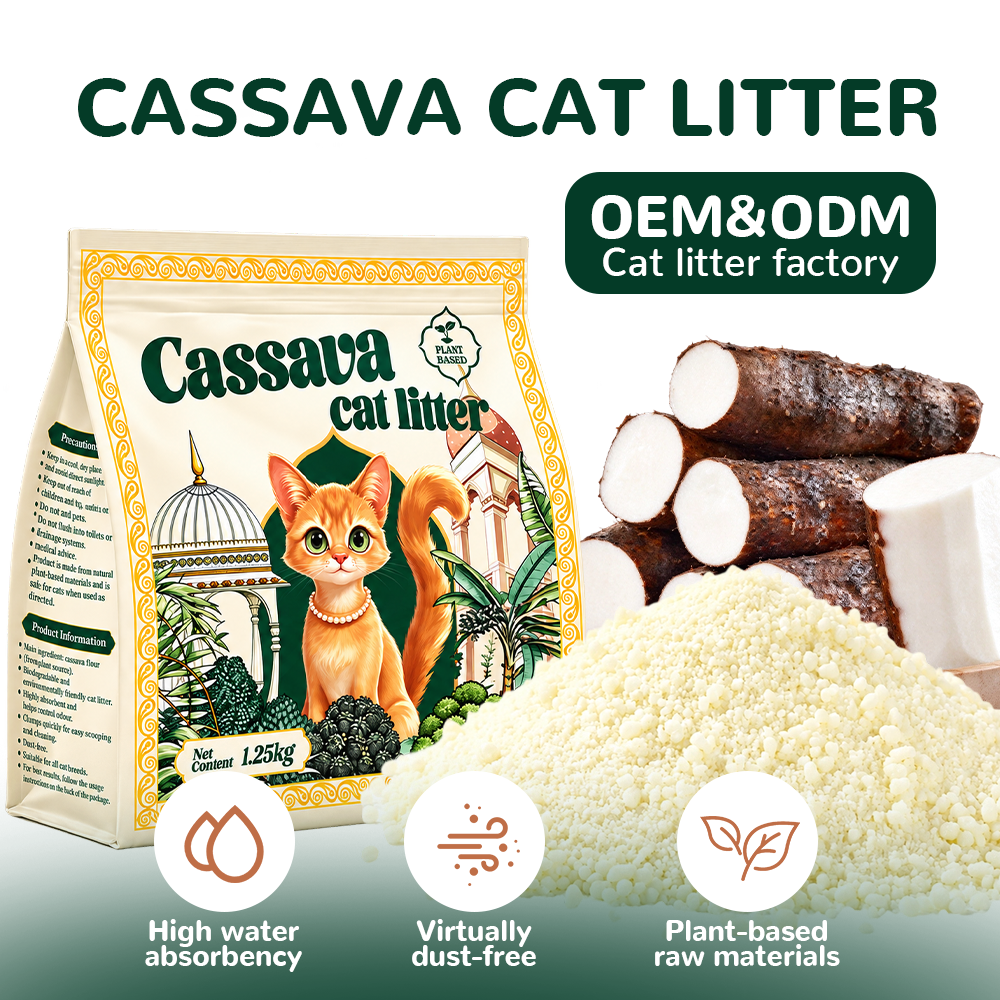
- 9-Cycle Screened Granules
- Non-Stick Pan Engineering
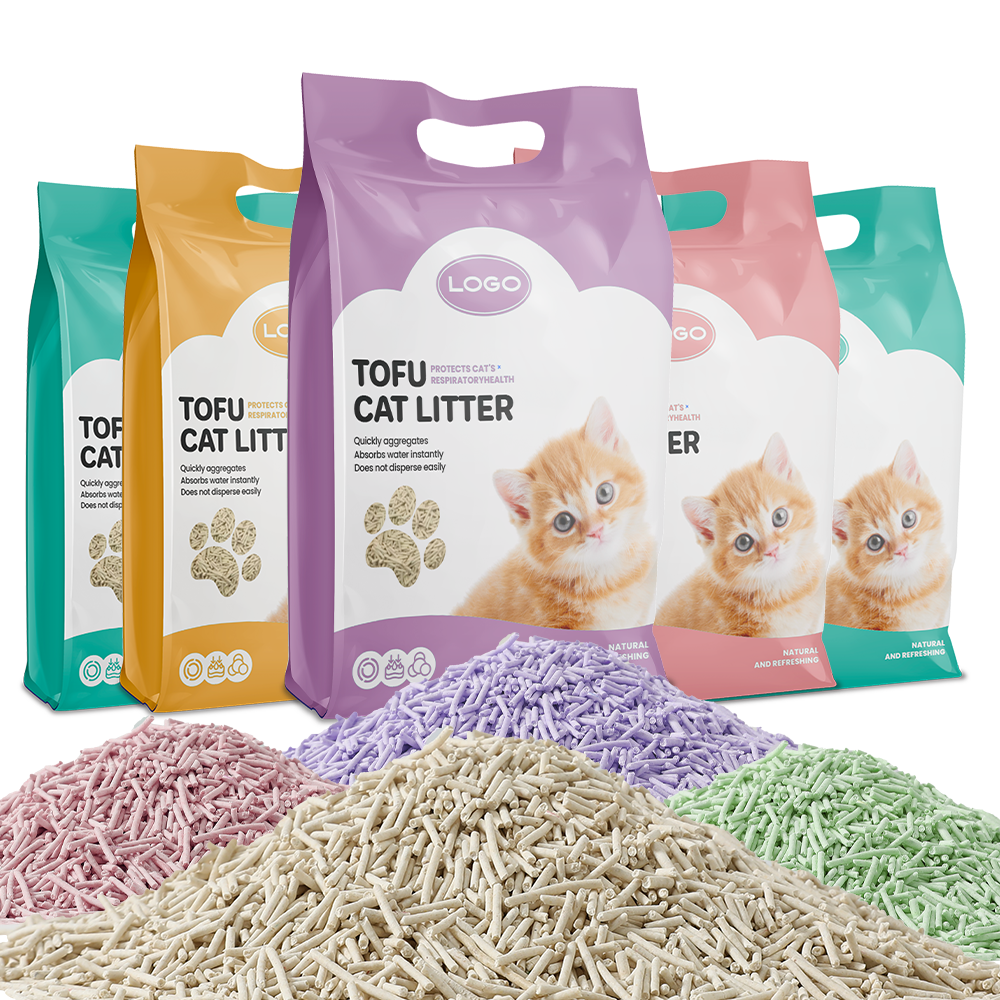
- Spherical Rolling Aggregate
- Botanical Deodorizing Essence
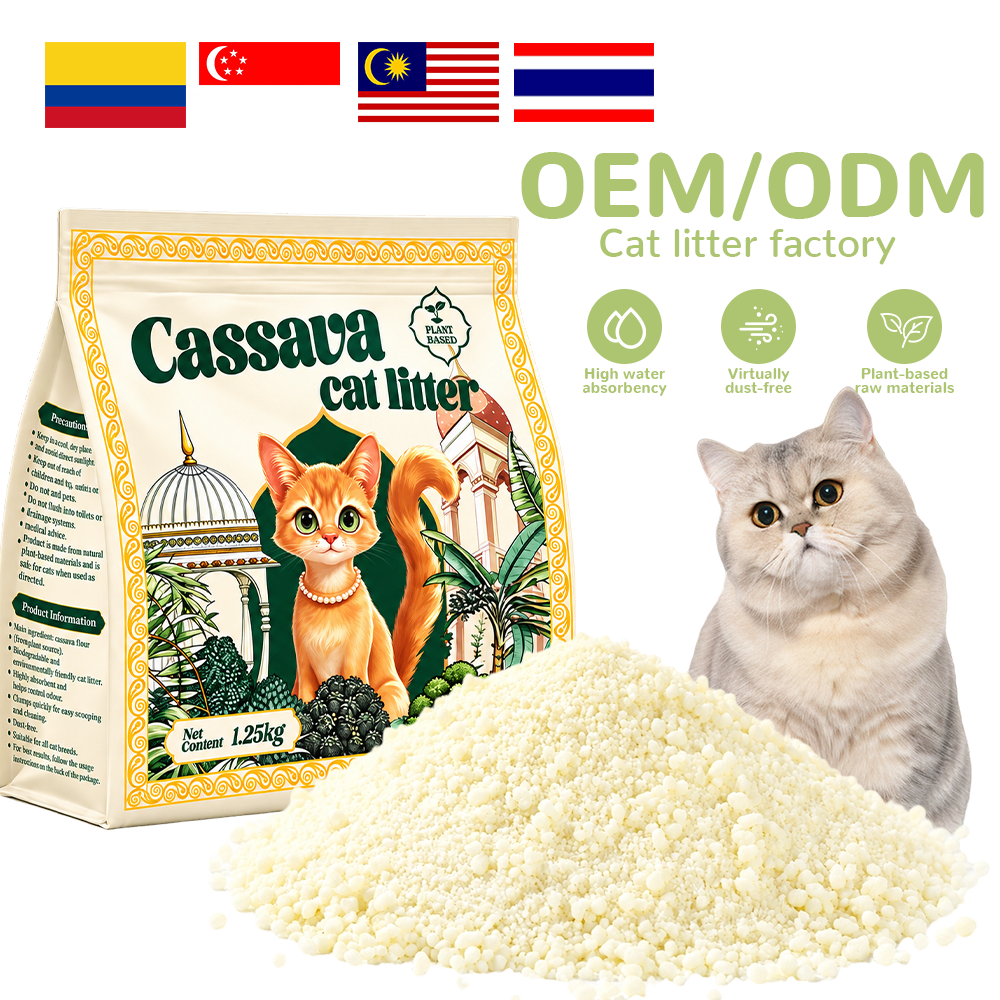
- Dense Moisture Entrapment
- ISO 22000 Food Starch Origin
Kobe Urban Architecture: Micro-Living, Odor Kinetics & Waste Separation
The pet care landscape in the City of Kobe (spanning coastal districts from Chuo-ku and Nada-ku to inland residential communities like Kita-ku) is uniquely governed by dense multi-family residential zoning (mansion and condominium architecture), stringent municipal incineration protocols, and elevated consumer sensitivity to domestic indoor air pollutants. Sourcing cat litter for this market demands far more than basic absorbency; it requires an engineered botanical solution harmonized with Kobe’s micro-environment.
In modern Kobe apartments, litter boxes are frequently situated in washrooms, enclosed entryways (Genkan), or compact living rooms where air circulation is tightly regulated. Traditional sodium bentonite litters release respirable crystalline silica particles during aggressive digging, triggering owner complaints regarding powdery tracking and HVAC filtration clogging. Furthermore, sodium bentonite clay is classified as non-combustible mineral waste in Japanese urban jurisdictions, severely complicating disposal routines for high-rise dwellers who rely strictly on twice-weekly "Burnable Waste" collections.
Cassava-based clumping litter solves this structural dilemma. Derived from purified starch polymers extracted from the Manihot esculenta root, cassava granules undergo rapid gelation upon contact with feline urine. The natural amylopectin matrix captures volatile amine compounds (NH₃ and trimethylamine), locking feline waste odors securely at a molecular level without relying on overbearing synthetic masking perfumes that Japanese consumers traditionally reject. Once scooped, the organic clump can be safely discarded via standard combustible trash or disintegrated in household water streams without threatening old plumbing infrastructures in historic Kansai residential wards.
Zero Ash Combustion
Kobe’s waste management system relies on high-temperature incinerators. Cassava root starch burns completely clean, producing nominal ash, zero acidic fumes, and complying strictly with Hyogo Prefecture environmental regulations.
Superior Flush Solubilization
Unlike bentonite which precipitates and causes severe pipe blockages, cassava amylose fibers dissolve smoothly in turbulent water, enabling immediate, guilt-free toilet flushing in high-density mansion complexes.
Maritime Transit Resilience
Kobe experiences high summer humidity from Osaka Bay. Our vacuum-sealed, multi-layer laminated barrier packaging safeguards the low 8–10% factory moisture level from degradation during ocean transit and inland storage.
Comparative Laboratory Analysis: Substrate Mechanics & Environmental Impact
To assist procurement directors and brand managers in making data-backed sourcing decisions, our analytical laboratory has benchmarked cassava root granules against standard soybean tofu, sodium bentonite, and silica crystals across four critical performance metrics.
| Performance Indicator | Refined Cassava Granules | Standard Tofu (Okara) | Sodium Bentonite Clay | Synthetic Silica Crystal |
|---|---|---|---|---|
| Hydration & Clumping Speed | < 2.5 seconds (Rigid Ball) | 3.5–5.0 seconds (Pancake) | 4.0–6.0 seconds (Dense) | Non-Clumping (Absorption Only) |
| Clump Breakage Resistance | High (> 98.2%) | Moderate (88–92%) | High (> 96.0%) | Not Applicable |
| Respirable Dust (PM2.5/PM10) | < 0.05% (9-Stage Dedusting) | 0.2%–0.5% (Pellet attrition) | 1.2%–3.5% (Heavy mineral) | 0.4%–0.8% (Crystalline powder) |
| Kobe Municipal Disposal Path | 100% Burnable / Flushable | 100% Burnable / Flushable | Non-Combustible (Landfill) | Non-Combustible (Landfill) |
| Specific Density (Freight Weight) | Lightweight (~0.52 g/cm³) | Medium (~0.58 g/cm³) | Heavy (~0.95 g/cm³) | Ultra-Light (~0.45 g/cm³) |
| Secondary Fermentation Risk | Zero (Pure Starch Isolation) | Moderate (Protein residue) | Zero (Inorganic Mineral) | Zero (Synthetic Dioxide) |
The Molecular Advantage of Tapioca Root Polymers: Pure cassava litter demonstrates a uniquely high concentration of cross-linked amylopectin branches compared to typical legume-fiber (tofu okara) products. When exposed to liquid hydration, the starch granules undergo immediate, irreversible surface swelling (gelatinization), creating a dense mechanical web that seals liquid waste within the top 2 centimeters of the litter bed.
Crucially for distributors selling in the Japanese market, soybean-based okara litters contain native residual proteins that, when stored in humid conditions like Kobe's summer rainy season (Tsuyu), can undergo biological decomposition, leading to sour odors and microbial colonization within the litter pan. Cassava root starch is virtually free of fermentable proteins, providing an inherently stable, hypoallergenic, and long-lasting substrate that keeps feline litter boxes fresh for up to 30 days per single fill.
Emerging Retail & Private-Label Trends Across Kobe & Kansai
Consumer preferences in Kansai's pet care channels—from independent pet boutiques in Motomachi and Sannomiya to regional retail powerhouses like Kohnan Home Centers and Aeon Pet—are undergoing the fastest shift toward sustainable substrates in East Asia.
Transition to Ultra-Compact Packaging
Japanese urban consumers commute via public transit or drive compact vehicles. Bulky 10kg clay sacks are being systematically replaced by ergonomic 6L and 7L vacuum-formed brick packs weighing only 2.4kg–2.8kg, optimized for easy bicycle basket transport.
Rise of Cross-Border E-Commerce Delivery
With Rakuten Ichiba, Amazon Japan, and Yahoo Shopping dominating monthly subscriptions, cassava litter’s exceptional weight-to-volume ratio slashes last-mile courier fees by up to 38% compared to heavy mineral clay, unlocking superior B2C e-commerce margins.
Demanding Clean Label Standards
Japanese pet parents actively scrutinize ingredient declarations. Our cassava OEM formulations support explicit "Zero Mineral Silica, Zero Chemical Gums, 100% Starch" labeling, unlocking premium price positioning across specialty vet clinics and eco-pet stores.
Private-label buyers serving Hyogo and Kansai markets increasingly request hybrid formulations. By blending fine-granule cassava root with virgin corn starch and botanical green tea or activated carbon extracts, importers can offer a tiered assortment: a budget-friendly ultra-clumping line for mass supermarkets, and a certified compostable, hypoallergenic SKU for boutique pet boutiques.
Industrial Manufacturing Capabilities & Seamless Kobe Logistics
Hebei Chupen Pet Products Co., Ltd. operates as a vertically integrated manufacturing powerhouse in Nanhe District, Xingtai—the globally recognized core epicenter producing over 60% of China's pet supply exports. We bridge world-scale factory direct efficiency with strict Japanese industrial quality controls.
Comprehensive International Quality Accreditations: Our entire manufacturing apparatus is audited and certified under ISO 9001 (Quality Management), ISO 22000 (Food Safety Management Systems—ensuring our cassava starch meets edible-grade purity standards), ISO 14001 (Environmental Management), and ISO 45001 (Occupational Health & Safety). Our operational facilities have undergone rigorous onsite inspection and validation by SGS Group.
Academic R&D Partnerships: In direct technological collaboration with researchers from China Agricultural University and Hebei Agricultural University, we continuously refine raw starch thermal treatment protocols to maximize amylopectin gel strength while keeping moisture levels strictly below 9.0%. In-house testing apparatus includes 9 specialized instruments: electronic moisture meters, dynamic clump hardness drop testers, laser particle dust counters, and digital friability testers.
Consolidated Container Shipping to Port of Kobe: Leveraging our network of 50+ partner manufacturers across Nanhe District, we empower Japanese importers to consolidate multiple high-turnover pet SKUs—including plant-based cassava litter, training puppy pads, odor-control litter boxes, and wet pet treats—into a single 20GP or 40HQ container, shipped efficiently via Tianjin Xingang port directly into Kobe Port terminals (Rokko Island or Port Island container yards).
Kobe Procurement FAQ: Customs, Packaging & Technical Compliance
Key technical, regulatory, and logistics inquiries from Japanese pet supply distributors, e-commerce brands, and supermarket procurement committees.
How does cassava litter comply with Japan's MAFF (Ministry of Agriculture, Forestry and Fisheries) plant quarantine edicts?
What is the standard Private Label (OEM) packaging lead time and MOQ for Kobe buyers?
Can you accommodate standard Japanese logistics pallets (1100mm × 1100mm T11 type) for Kobe warehouse handling?
How does your cassava formula maintain stability under high humidity in the Kansai summer?
What commercial Incoterms and foreign currency settlements do you support for Japanese partners?
Accelerate Your Pet Care Brand in the Japanese Market
Request our comprehensive B2B Cassava Litter Technical White Paper, full OEM specification sheets, and receive lab testing samples delivered directly to your corporate office in Kobe or the Kansai region.