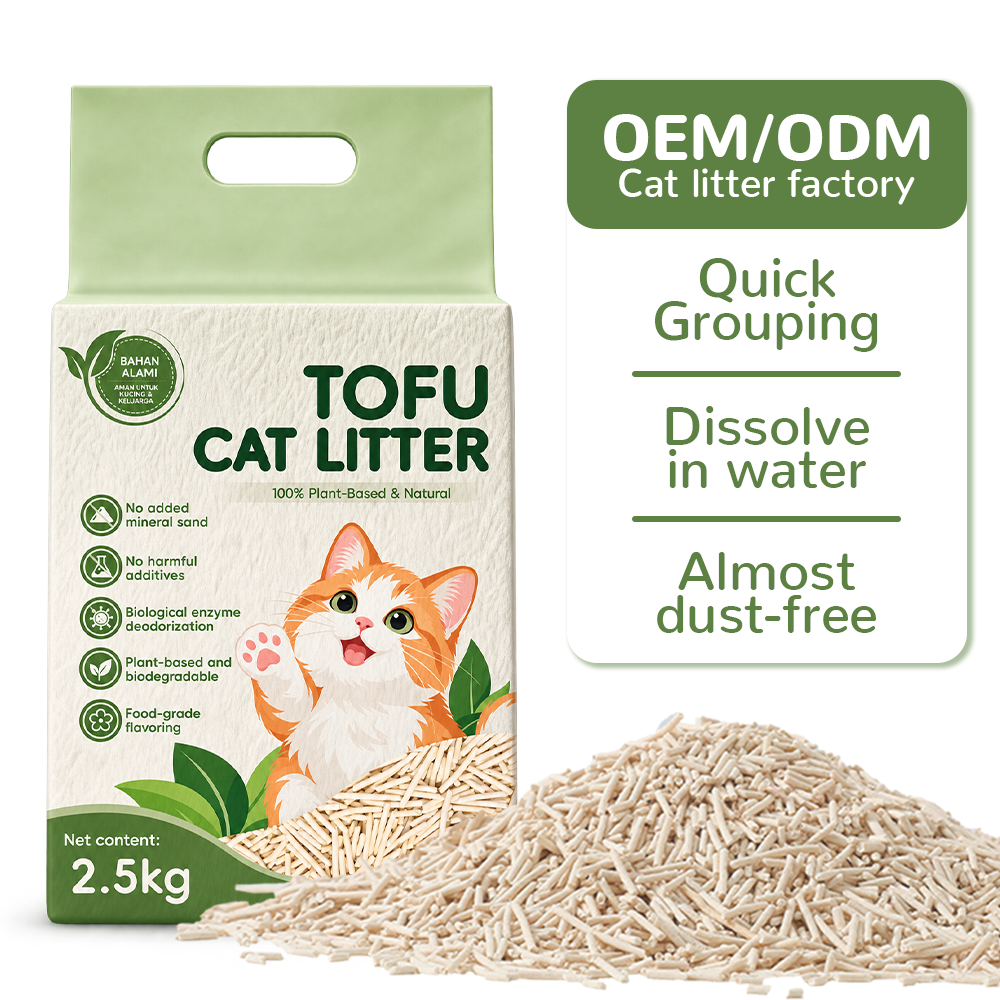
Soybean Fiber Base
Direct supply solutions engineered for high humidity stability, superior ammonia retention, and containerized logistics into Puerto Corinto and Managua.
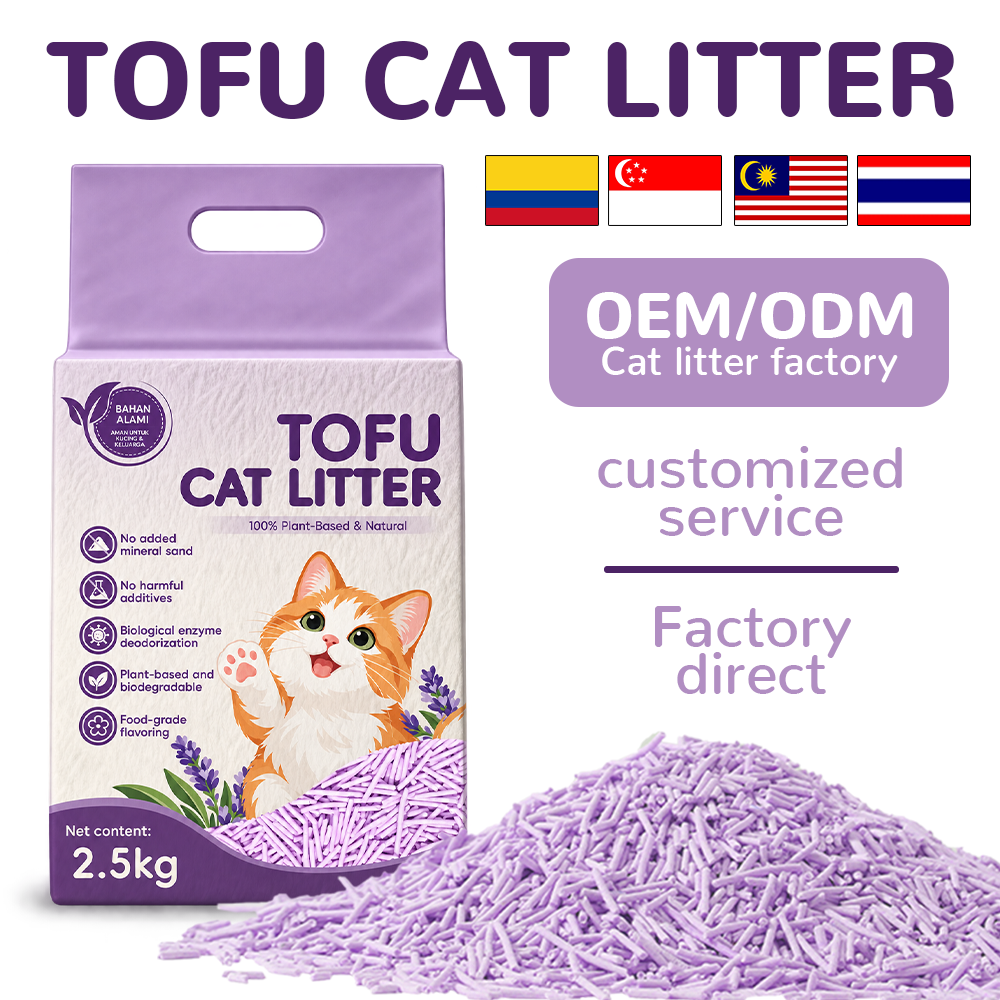
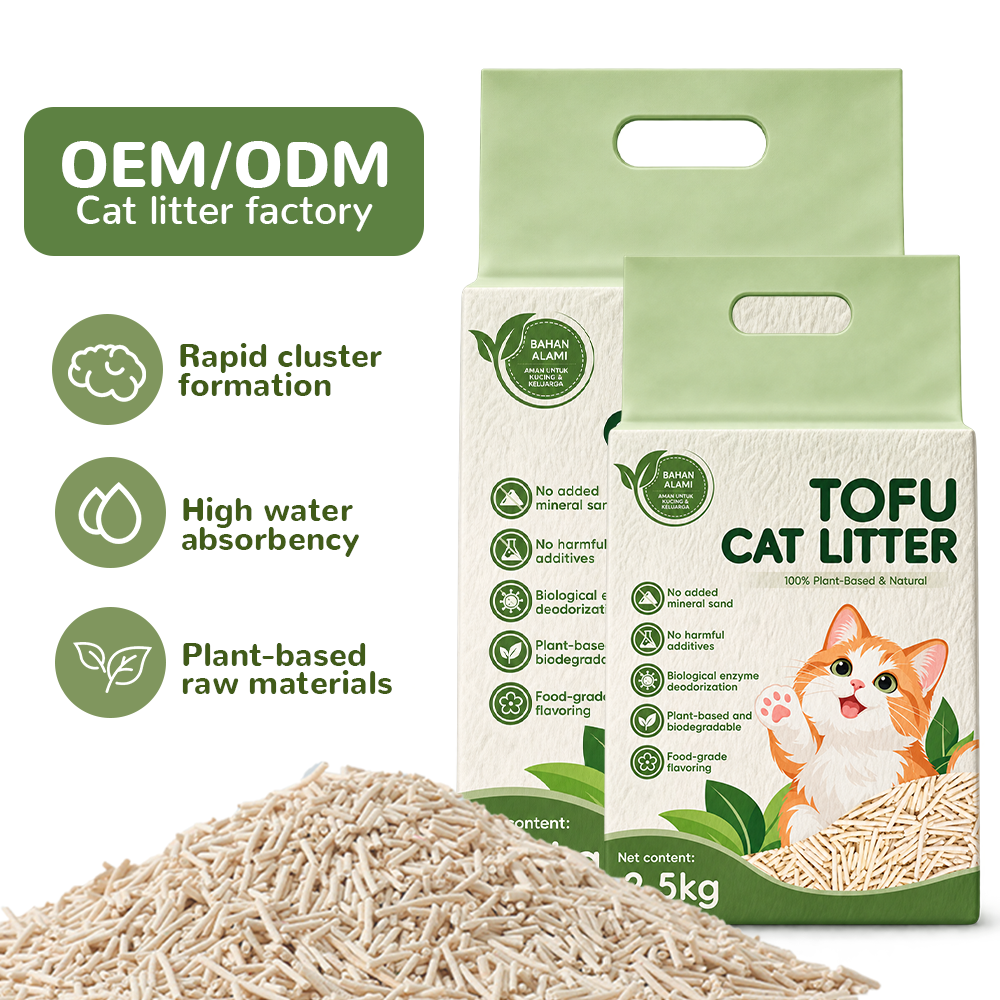
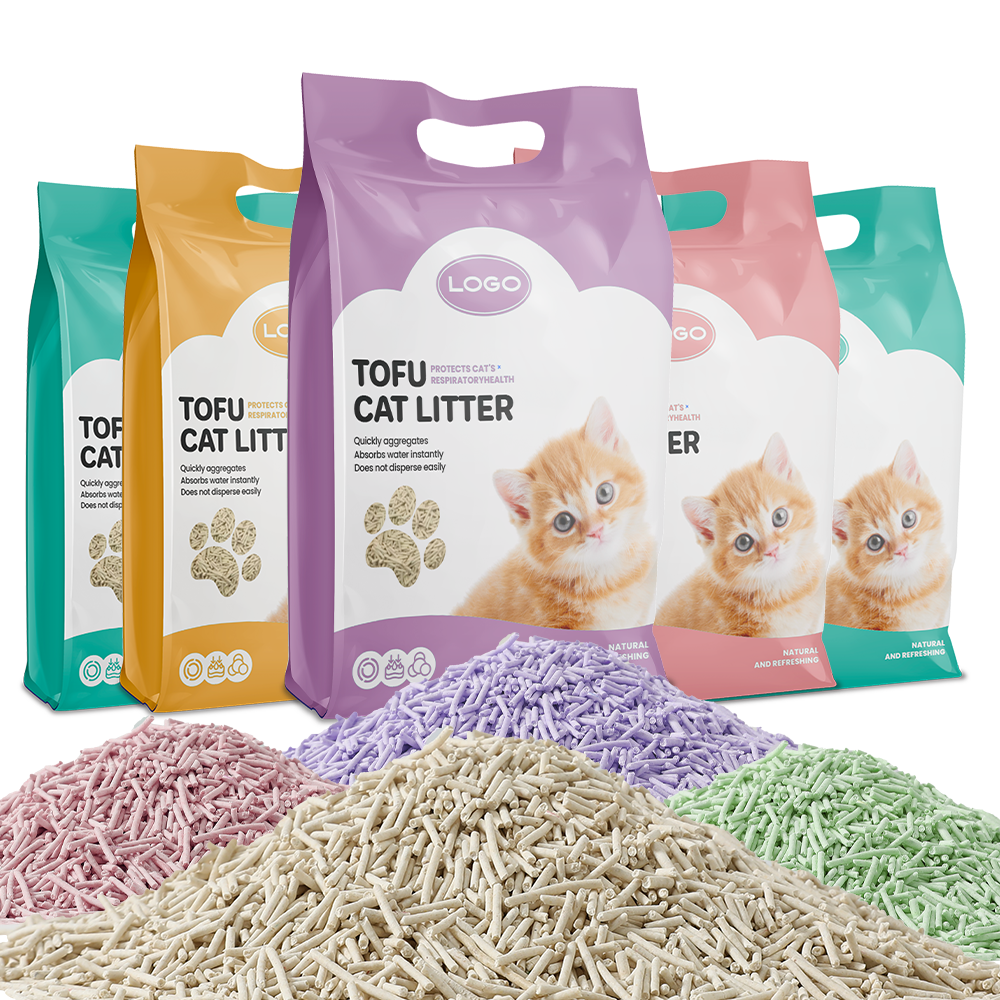
Demographic urban concentration, humid tropical microclimates, and logistical imperatives defining pet hygiene imports in Nicaragua.
Managua features an Aw (tropical wet and dry) climate where average annual relative humidity hovers above 74%, frequently peaking above 85% during rainy seasons. Standard clay and low-grade bentonite experience rapid saturation from atmospheric ambient moisture before liquid contact, resulting in muddy litter pans. Silica crystal substrates ($SiO_2$) feature millions of sub-microscopic pores that capture liquid and dehydrate feces rapidly, preventing bacterial bacterial breakdown without turning into sludge.
High concentrations of companion feline ownership in modern residential developments in Managua—including Villa Fontana, Los Robles, and Las Colinas—have accelerated pet humanization within closed apartments. In confined spaces, ammonia odors and respiratory dust aggravate domestic indoor air quality. Non-dust silica sand and composite plant litters address this specific consumer pain point, generating premium shelf margins for veterinary clinics and pet boutiques.
Ocean freight routes originating from Asian ports entering Corinto via transshipment in Balboa or Manzanillo make freight rates per gross metric ton a crucial factor in distributor profitability. Traditional bentonite fills container payload limits at ~25 tons with relatively low unit margins. In contrast, amorphous silica cat litter features a low bulk density (400–480 g/L), allowing importers to maximize volume while minimizing freight cost per consumer usage-cycle.
Objective laboratory performance benchmark evaluating silica against alternative substrates under simulated high-heat, high-humidity tropical conditions.
| Substrate Category | Primary Composition | Absorption Mechanism | Bulk Density | Ammonia Suppression (72h) | Performance at >75% RH |
|---|---|---|---|---|---|
| Amorphous Silica Crystals | Porous Silicon Dioxide ($SiO_2$) | Micro-capillary molecular trapping | 420 - 460 g/L | 96.8% Retention | Excellent (Zero sludge, constant drying) |
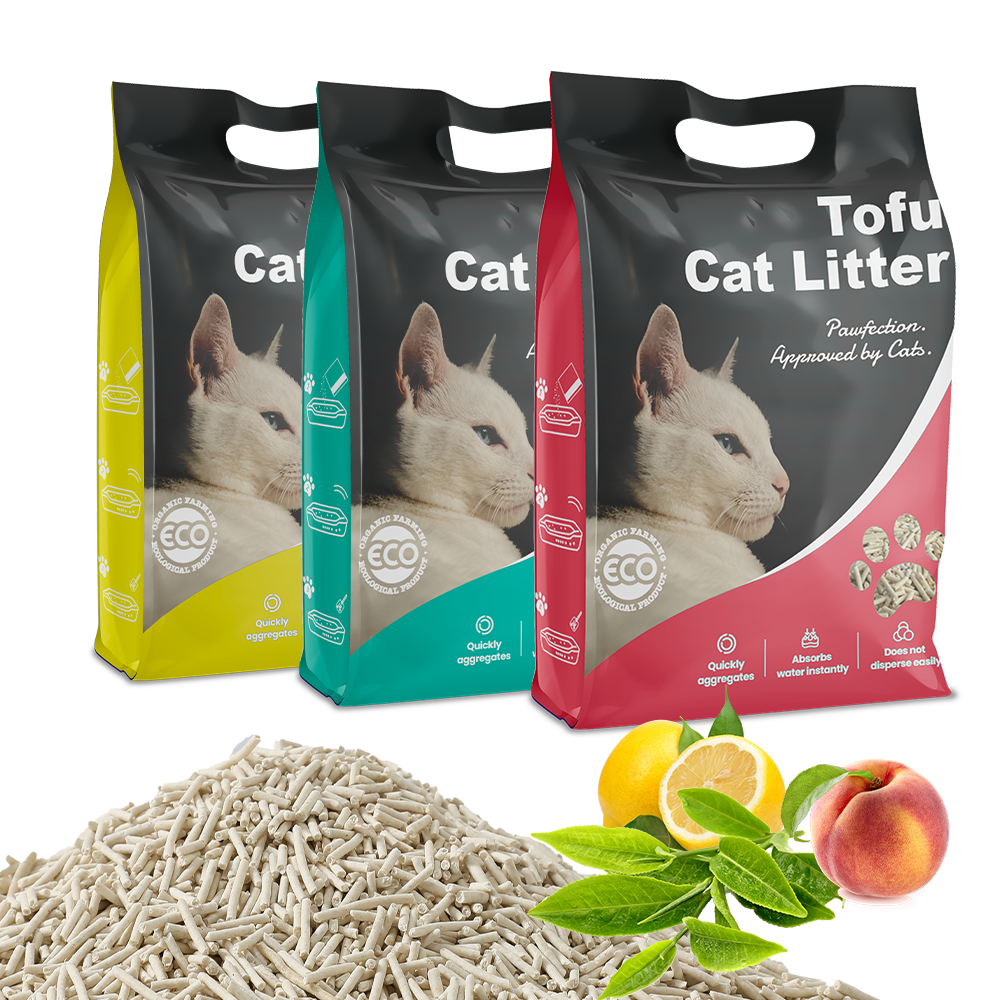
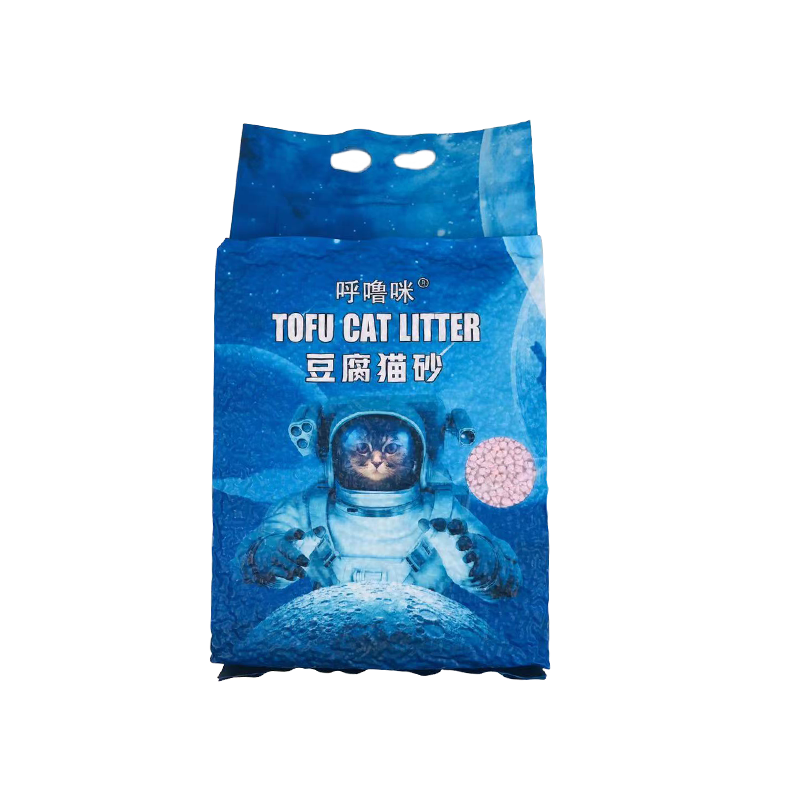
| Tofu Plant-Based Pellets | Soybean curd residue & starch | Internal swelling rapid clumping | 500 - 550 g/L | 91.2% Retention | Good (Needs vacuum/foil moisture barrier) |
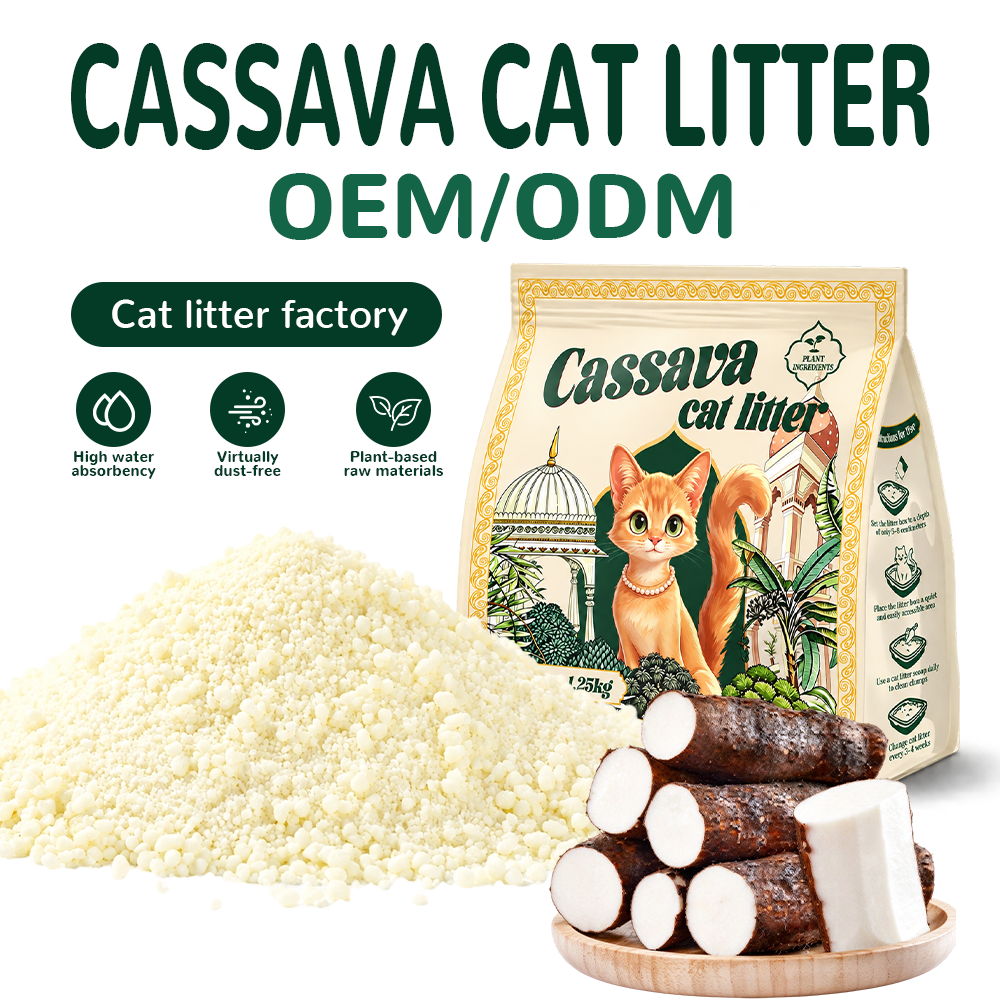
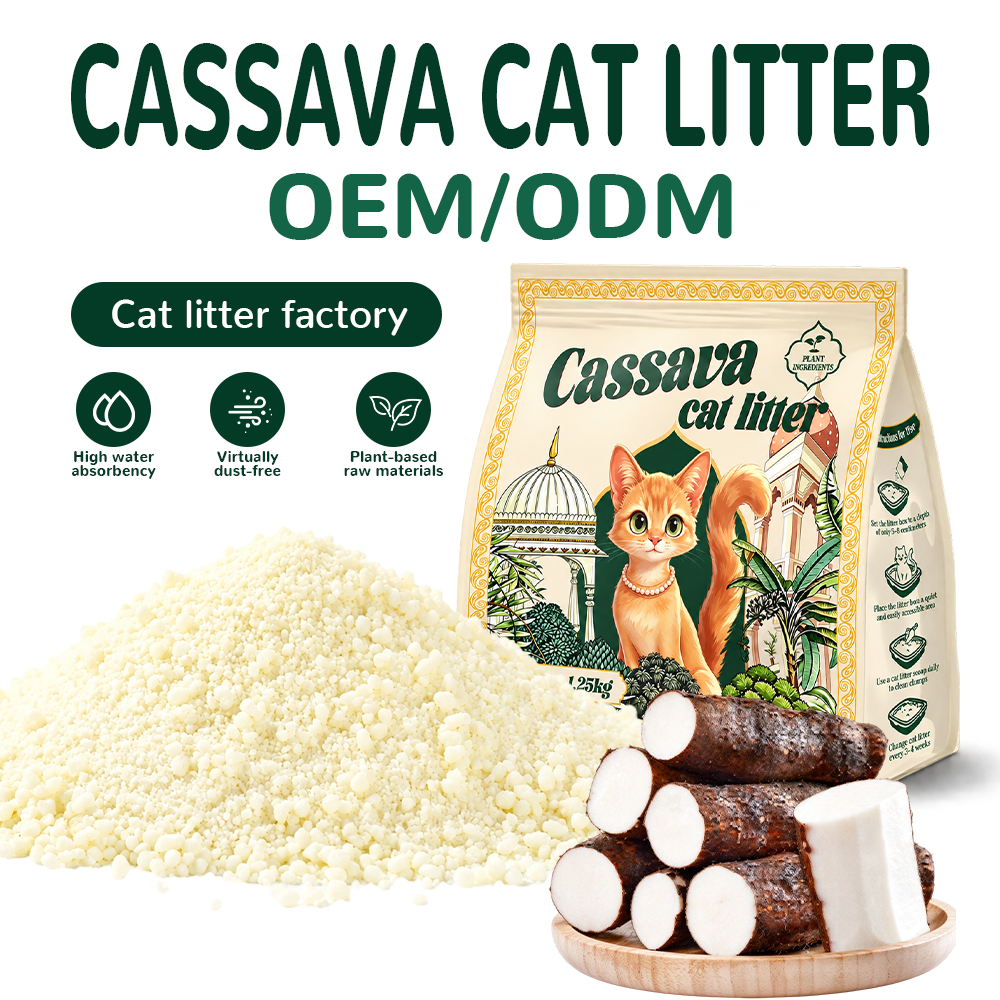
| Engineered Cassava Starch | Natural tapioca root extract | Aggressive surface gelation | 580 - 620 g/L | 89.5% Retention | Moderate-High (Forms rigid dry discs) |
| Standard Sodium Bentonite | Smectite clay mineral | Interlayer water swelling | 850 - 950 g/L | 81.0% Retention | Vulnerable (Pre-absorbs air humidity) |
A vendor evaluation matrix based on verified monthly capacity, OEM packaging lines, quality assurance protocols, and Central American supply track records.
Operating 11 modern automated production lines in Nanhe District, Hebei, Chupen delivers a dedicated 150 metric tons/day of silica crystal and premium plant-based cat litter. Supported by SGS onsite verification, 4 core ISO certifications (ISO 9001, ISO 22000, ISO 14001, ISO 45001), and a 10,000 m² staging warehouse, Chupen serves as the premier supply bridge for Latin American direct importers requiring consolidated containers of litter, pads, and accessories shipped efficiently through Tianjin Port.
A dedicated inorganic chemical enterprise specializing in refined synthetic sodium silicate and silica gel crystals. Known for high liquid capacity micro-porous silica cat sand, Sinchem delivers large contract bulk runs for industrial repackers in North and Central America, offering tight mechanical grading and de-dusted transparent beads.
Strategically situated near Qingdao Port, FSK specializes in blue-white indicator silica beads, carbon-infused deodorizing crystals, and specialty cut irregular particles. Their production is engineered to minimize dust shedding during automated packing cycles for private label retailers.
While historically rooted in bentonite production, Meipeng features mature processing lines for blended silica crystals and plant-clay hybrids. Their extensive export experience into Latin America makes them a reliable partner for standardized master-bag private formulations.
An enterprise specializing in advanced porous materials and pet silica gels. Highborn offers customized colored scent particles (lavender, green tea, ocean) specifically formulated to resist fading and degradation under high temperature and ambient tropical shipping profiles.
Located in northeast China, Huanan offers strong consolidation capabilities across silica crystal variants, composite natural litters, and pet accessories. Their supply chain accommodates small-to-medium enterprises requiring multi-SKU sea container configurations.
Tied directly to Shandong’s chemical manufacturing clusters, Yishengda specializes in moisture desiccants and pet-specific silica sands. Their competitive bulk metric ton pricing appeals to regional Central American repackers maintaining local packaging plants.
Capitalizing on its proximity to Tianjin Xingang terminal, Wonder Pet supplies private label brands with micro-silica pellets and mixed mineral formulations optimized for instant fecal dehydration and minimum track footprint inside household spaces.
A regional chemical mineral pioneer manufacturing modified silica sand with extended deodorization spans. Mingmei provides specialized anti-microbial treatments that prevent bacterial colony proliferation in persistent high humidity conditions.
An integrated production network that provides scalable production lines for mass-market silica granules. Known for high flex-packaging outputs and consistent supply runs for supermarket distributor tenders across Latin American emerging economies.
Hebei Chupen Pet Products Co., Ltd. combines heavy manufacturing scale with laboratory precision in the heart of China’s pet supplies production cluster.
Based in Nanhe District, Xingtai, Chupen operates in the epicenter of the pet products sector—a manufacturing cluster responsible for roughly 80% of China's pet food and 60% of its pet hygiene supplies. With 11 dedicated lines and access to an alliance of 50+ localized partner manufacturers, we supply high-capacity volume at direct factory pricing.
Chupen operates under complete compliance verified onsite by SGS Group. Our facilities adhere strictly to ISO 9001 (Quality Management), ISO 22000 (Safety), ISO 14001 (Environmental Standards), and ISO 45001 (Occupational Health). Every production batch undergoes formal moisture, dust separation, and absorbency testing before release.
Minimizing freight exposure for our Managua partners, we specialize in consolidated FCL shipping. Importers can combine silica crystal cat litter, plant-based cassava or tofu formulas, leak-proof puppy training pads, and cat litter boxes in one shipping manifest, drastically reducing working-capital constraints.
Answers to technical, regulatory, and financial questions relevant to commercial importers, pet store chains, and supermarket procurement managers in Managua.
Cargo is loaded at Tianjin Port (closest to our Xingtai manufacturing plant) or Qingdao, moving via trans-Pacific ocean carriers to Puerto Corinto, Nicaragua's primary Pacific deepwater port. Typical maritime transit times range between 28 and 38 days depending on transshipment stops in Balboa (Panama) or Manzanillo (Mexico). From Corinto, bonded trucking delivers directly to Managua's industrial zones within 4 to 6 hours.
Given the ocean crossing through equatorial tropical waters, silica and plant-based cat litter are susceptible to premature atmospheric moisture absorption if packaged in standard non-barrier paper or perforated plastic. We utilize heavy-gauge multi-layer PET/PE laminated vacuum pouches or thickened LDPE bags with high-frequency heat seals, reinforced by exterior 5-ply corrugated outer cartons wrapped in stretch film and desiccant packs.
Cat litter falls under inorganic mineral ($SiO_2$) or processed vegetable fiber classifications (HS Code 2811.22 for silica, HS Code 1404.90 for plant litters). Unlike pet foods, synthetic silica cat sand does not require strict IPSA (Instituto de Protección y Sanidad Agropecuaria) zoosanitary quarantine permits. However, commercial imports must present standard Certificate of Origin, Bill of Lading, Commercial Invoice, Packing List, and technical MSDS sheets confirming non-toxic content.
Trial orders of neutral stock or plain bags start as low as 60–100 bags to validate product performance in local retail channels. For fully customized flexographic or gravure rotogravure private-label bags bearing your local brand registered in Nicaragua, the standard MOQ typically ranges from 10,000 to 13,000 bags (equivalent to one 20ft general container run).
We work flexibly across standard Incoterms including FOB Tianjin/Qingdao, CIF Puerto Corinto, and CFR. Payment settlements are supported via Telegraphic Transfer (T/T with standard 30% deposit, 70% against Bill of Lading copy), as well as Irrevocable Letters of Credit (L/C at sight) for accredited corporate importers and supermarket chain purchasing offices.
Yes. Consolidating high-density products like cat litter with low-density items like 5-layer SAP puppy pee pads and plastic litter trays is an effective strategy to maximize both container volume (CBM) and allowable weight payload, driving down landed cost per item across retail shelves in Managua.