100% Compostable
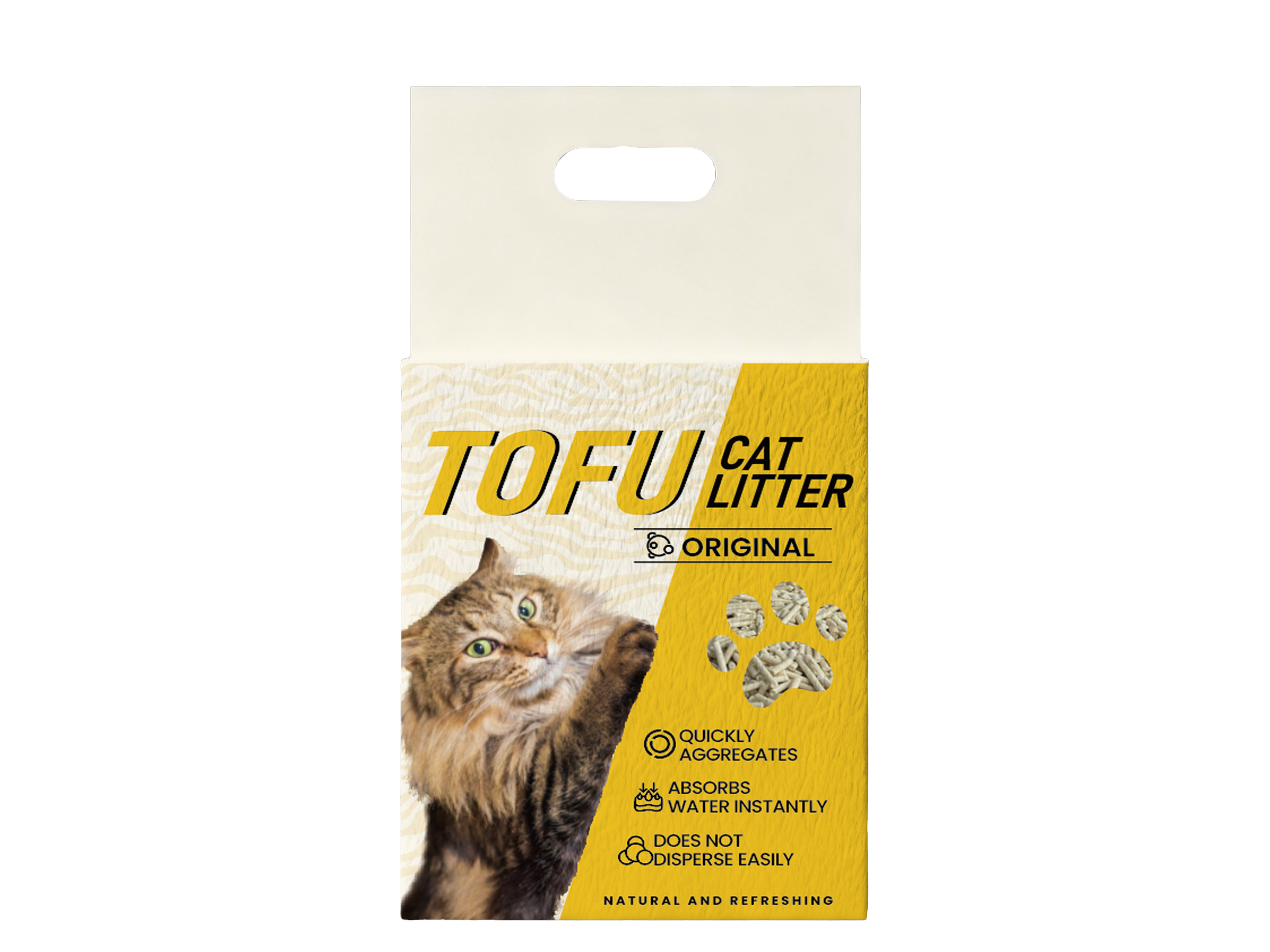
Engineered for high-yield retail performance, ultra-fast agglomeration, and complete biodegradability for modern urban pet care.
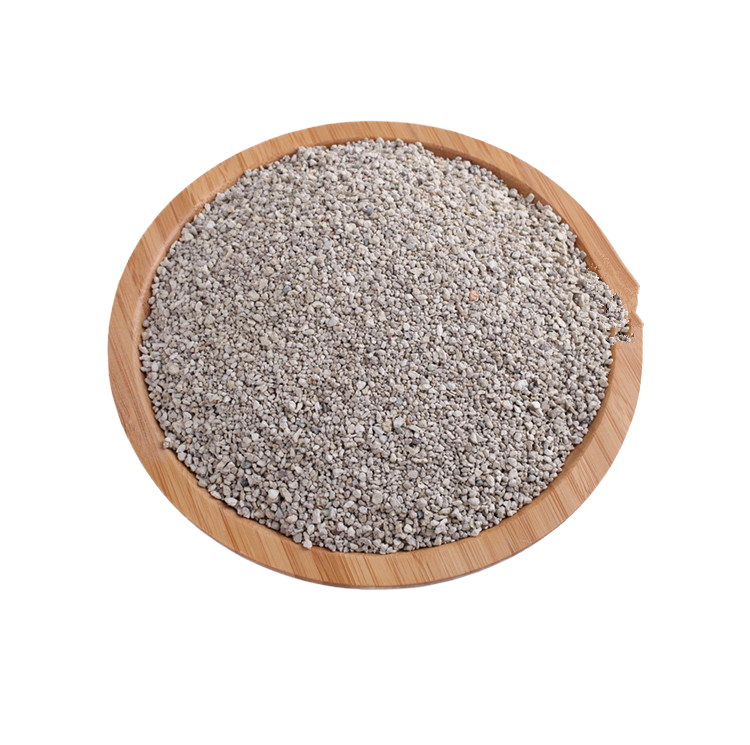
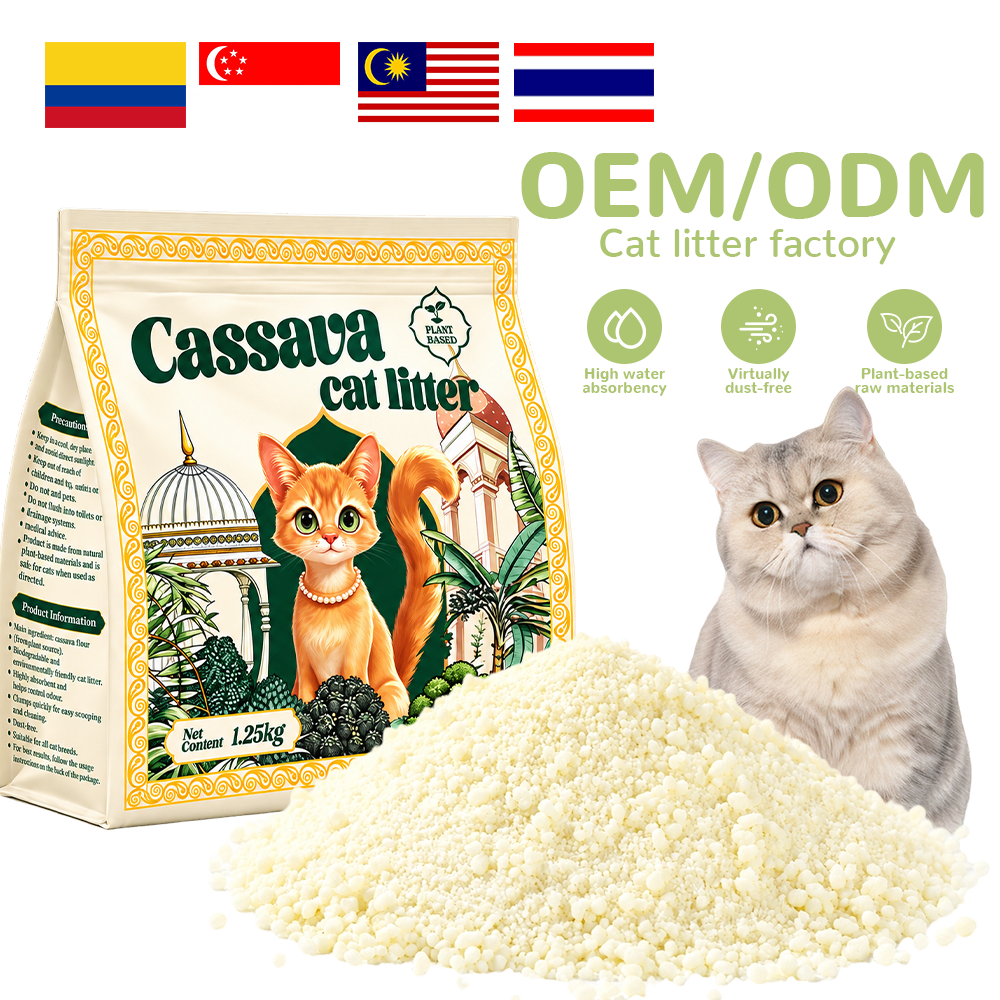
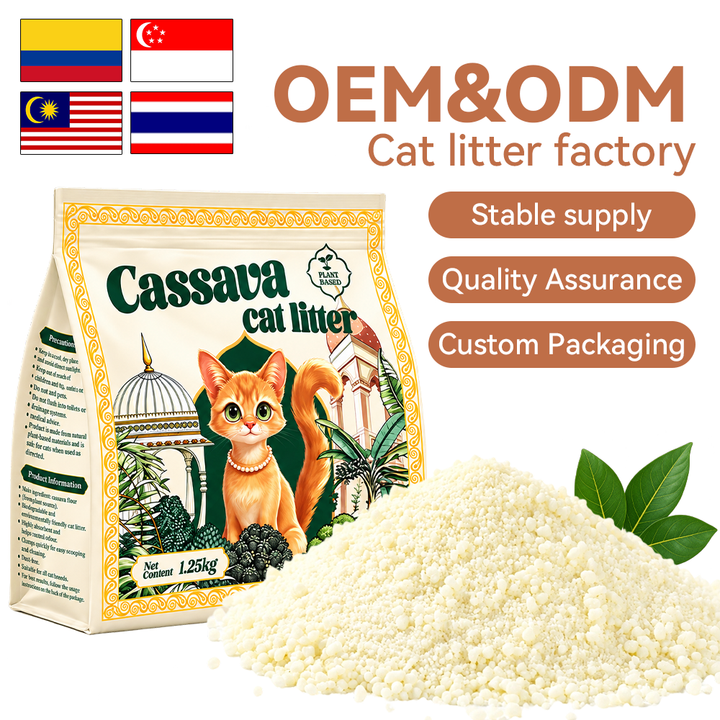
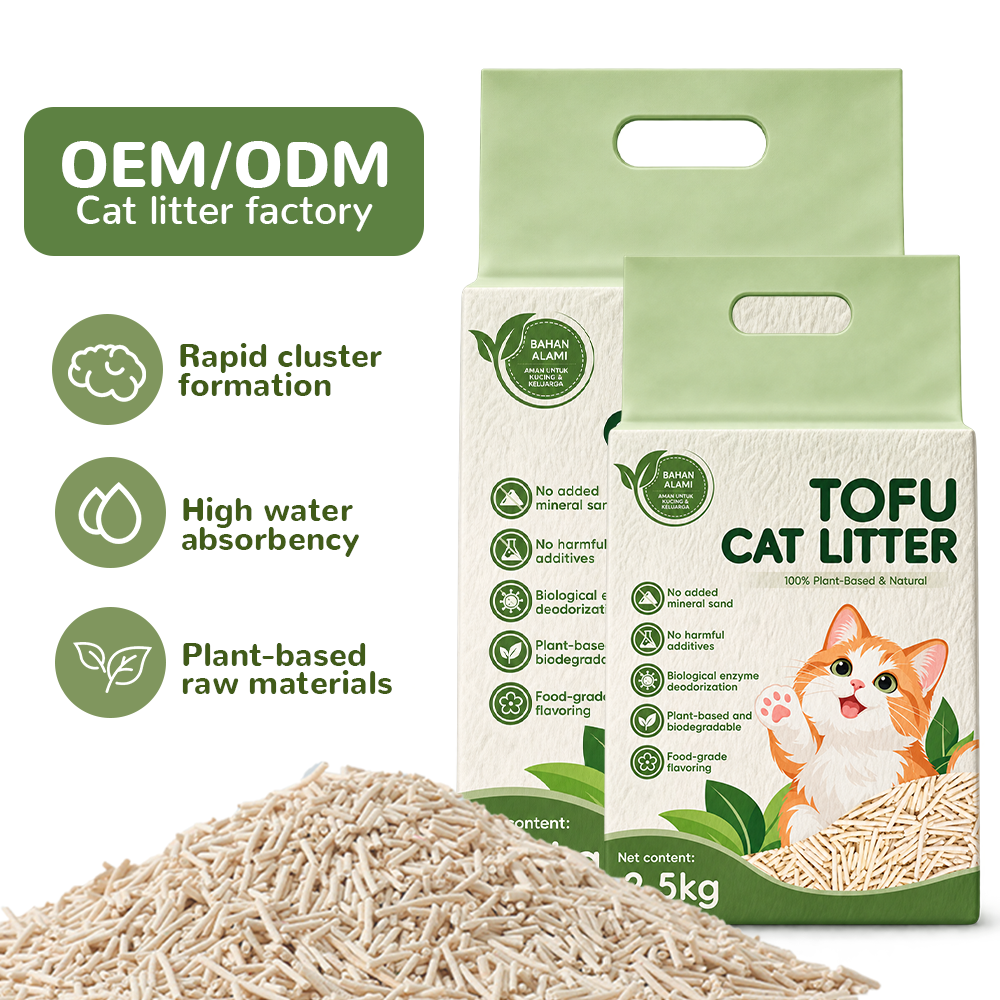
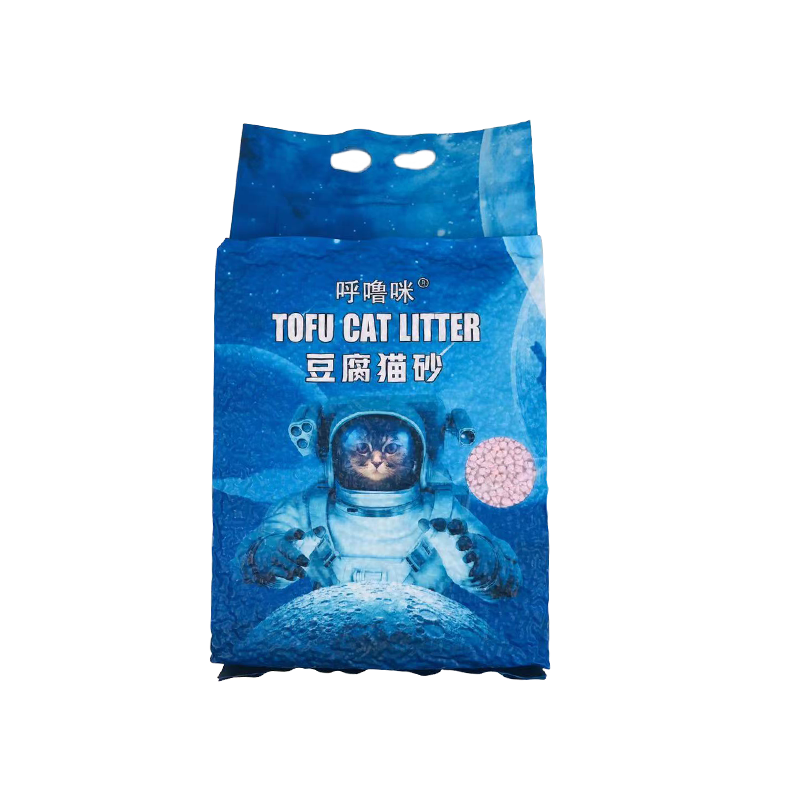
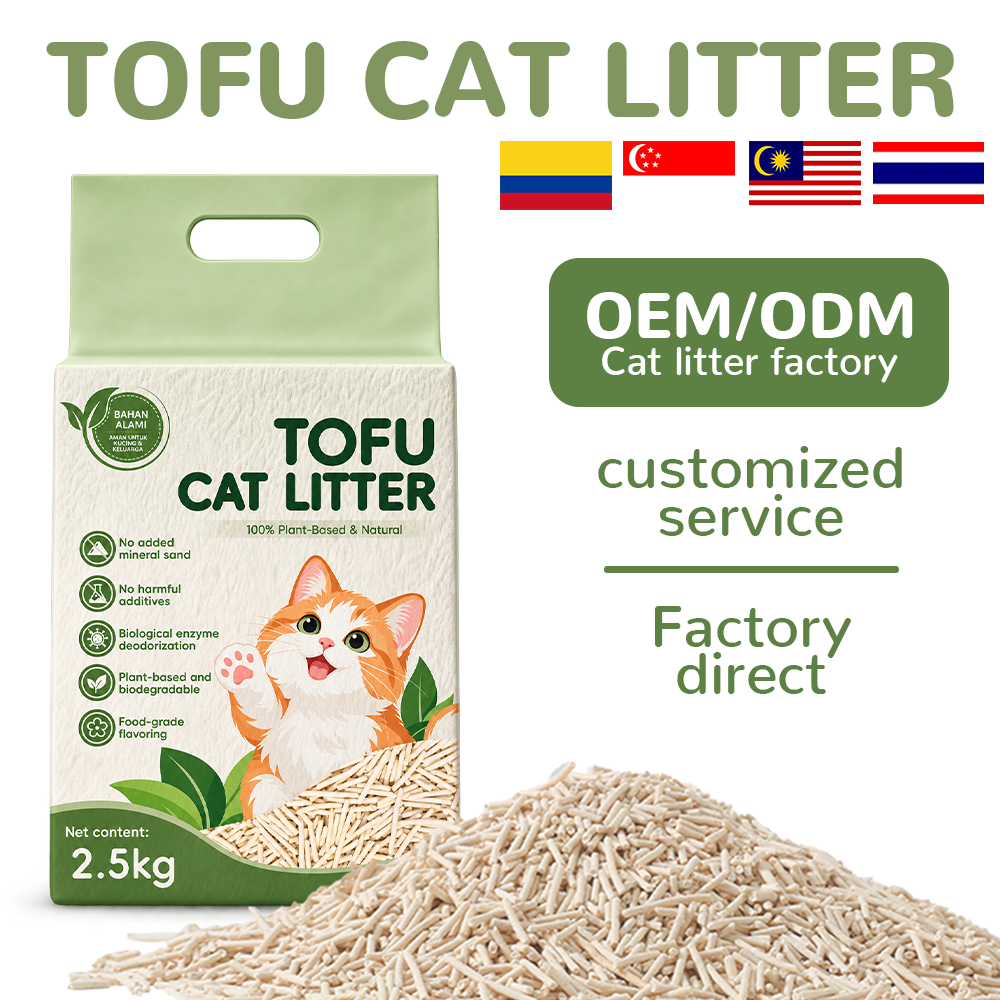
A technical assessment of starch-based polymers, tropical climate dynamics, and the commercial viability of cassava litter in Northern Thailand.
The pet hygiene industry is witnessing a structural transformation away from mined sodium bentonite clay and synthetic silica toward bio-renewable agricultural substrates. At the core of this transition is Manihot esculenta (Cassava), a starch-rich tuber cultivated extensively across Southeast Asia. Cassava root starch possesses an exceptionally high concentration of amylopectin (approximately 80% to 83%), which endows it with unique hydrodynamic gelatinization capabilities when exposed to room-temperature liquid waste (urea and feline moisture).
Unlike conventional wood, paper, or early-generation tofu litters, cassava cat litter does not rely on synthetic cross-linking guar gums, industrial glues, or chemical adhesives. Through advanced thermo-mechanical granulation and starch gelatinization, the starch granules expand instantaneously upon wetting, forming an ultra-tight, non-friable clump. In the context of Chiang Mai and the broader Northern Thailand eco-corridor, this provides a distinct economic and ecological advantage: transforming local agricultural starches into high-value, biodegradable export goods that fulfill stringent European Union (EU Reach), Japanese, and North American consumer standards.
To make data-backed procurement choices, international importers and Chiang Mai-based distributors evaluate specific mechanical performance indicators: clumping speed, residual dust, ammonia gas suppression, and bulk container shipping efficiency.
| Performance Metric | Natural Cassava Litter | Standard Tofu Litter (Soy) | Sodium Bentonite Clay | Silica Gel Crystal |
|---|---|---|---|---|
| Primary Raw Base | Refined Tapioca / Cassava Starch | Soybean Pulp / Pea Fiber | Mined Volcanic Bentonite | Synthetic Silicon Dioxide |
| Clumping Velocity | Instantaneous (< 2 seconds) | Fast (3 – 5 seconds) | Moderate (5 – 10 seconds) | Non-clumping (absorption only) |
| Particulate Airborne Dust | < 0.2% (Quad-screened) | < 0.8% (Extruded pellets) | 2.0% – 5.5% (High tracking) | < 1.0% (Crystalline powder) |
| Toilet Flushability & Septic Safe | 100% Soluble (Cold water break) | Yes (High solubility) | Strictly prohibited (Pipe block) | No (Non-biodegradable) |
| Ammonia Adsorption Efficiency | Natural Starch Acidity Binding | Moderate (Often needs fragrance) | Good (Mechanical entrapment) | High (Chemical pore capture) |
| Biodegradability Cycle | 30 – 45 days in green compost | 40 – 60 days | Non-biodegradable mineral | Permanent inert landfill waste |
Procuring and deploying pet litter in Northern Thailand entails distinct environmental variables that differ significantly from temperate North American or European markets. Chiang Mai experiences a tropical wet-and-dry climate (Köppen Aw), characterized by extreme seasonal shifts:
Monsoon Humidity Management: From June through October, relative humidity levels in Chiang Mai frequently exceed 80% to 88%. Traditional bentonite and low-density plant litters are prone to secondary ambient moisture absorption directly from the air, drastically degrading their clumping capacity inside the retail bag and inside the cat tray. Premium cassava formulations are treated with micro-hydrophobic drying phases, ensuring an intrinsic moisture balance below 8.5%. This allows the litter to selectively absorb concentrated liquid urine rather than passive atmospheric moisture, preventing mould sporulation and premature bag clumping.
Chiang Mai Hospitality & Feline Tourism Hubs: Chiang Mai is widely recognized as a premier sanctuary for digital nomads, wellness retreats, and eco-conscious boutique resorts. The city hosts a high concentration of cat cafes (such as in Nimman and the Old City), animal rescue shelters, and eco-villas where municipal waste collection requires strict segregation. For these commercial hospitality operators, traditional clay litter represents a costly waste liability. Switching to natural cassava litter provides a closed-loop organic waste solution: used litter can be composted into soil-enrichment mulch for non-edible landscaping or directly flushed down septic systems without causing hydraulic clogging in historic municipal plumbing.
Urban Air Quality (Burning Season Protection): Chiang Mai faces significant airborne particulate pressure during the late dry season (February–April). During these months, domestic indoor air quality is paramount. Traditional clay litters emit breathable crystalline silica dust, which exacerbates feline asthma and human respiratory distress. Cassava litter is inherently 99.8% dust-free, ensuring that indoor feline sanctuaries maintain pristine, dust-free breathing zones when indoor air purifiers are operating at maximum load.
The pet sector across Thailand is experiencing unprecedented growth, expanding at an estimated compound annual growth rate (CAGR) of over 11.2% through 2030. The "Pet Humanization" and "Pet Parents" phenomenon in urban centers like Bangkok and Chiang Mai has transformed pet accessories from commoditized animal care products into specialized wellness and lifestyle goods.
Consumers increasingly demand food-grade security: since cats groom their paws continuously, any litter residue tracked from the box is inevitably ingested. Cassava litter, composed entirely of botanical starch and dietary vegetable fibers, poses zero risk of intestinal blockage or systemic toxicity. This biochemical safety profile represents the single highest converting marketing claim for modern direct-to-consumer (D2C) pet subscription brands across ASEAN markets.
A balanced evaluation of manufacturing capabilities, OEM customization parameters, raw supply assurance, and export logistics capacity across the region.
Headquarters & Logistics: Integrated Hub near Tianjin Port with dedicated ASEAN shipping corridors servicing Chiang Mai & Bangkok distributors.
Manufacturing Core: 11 state-of-the-art production lines, 10,000 m² centralized warehousing, 4-tier ISO certified quality systems (ISO 9001, 22000, 14001, 45001), and on-site SGS verification. Specializes in custom private-label plant formulations (cassava, corn, tofu) with flexible low-MOQ mixed container capabilities.
Location: San Kamphaeng Industrial Area, Chiang Mai.
Core Focus: Specializes in raw tapioca conversion and coarse granular starch litter for local Northern Thai veterinary clinics and bulk farm-supply repackers.
Location: Hang Dong District, Chiang Mai.
Core Focus: Pure botanical pellet formulations combining native cassava starch with local lemongrass and kaffir lime peel essential oils for tropical odor control.
Location: Mueang Chiang Mai District.
Core Focus: Large-scale agricultural commodities exporter providing bulk super-sack cassava granules for overseas packaging facilities and private labelers.
Location: Saraphi District, Chiang Mai.
Core Focus: Producer of cold-water dispersible cat litter with customized starch gelation parameters specifically optimized for residential condominium drainage pipes.
Location: Mae Rim Valley, Chiang Mai.
Core Focus: High-density cassava pellet manufacturing using multi-stage thermal drying systems to ensure shelf stability under humid monsoon storage conditions.
Location: San Sai District, Chiang Mai.
Core Focus: Hybrid plant-matrix developer blending industrial cassava starch with reclaimed organic soybean curd fiber to balance cost and clumping firmness.
Location: Doi Saket Distribution Zone, Chiang Mai.
Core Focus: Regional distributor and cross-border trade logistics specialist moving eco-friendly pet litters from regional production plants to cross-border ASEAN channels.
Location: Chiang Mai Logistics Corridor.
Core Focus: Eco-niche private-label contract packager offering biodegradable kraft paper packaging options and certified non-GMO organic cassava grain litters.
Location: San Pa Tong Industrial Park, Chiang Mai.
Core Focus: Research-backed contract supplier producing ultra-low density micro-granular cassava sands designed for rapid clumping and reduced litter box weight.
Combining industrial scale, documented laboratory validation, and flexible trade execution to guarantee commercial consistency.
We operate 11 specialized automated production lines (5 dedicated tofu lines, 3 bentonite lines, and 3 plant/silica lines) producing up to 3,000 tons of bentonite and over 150 tons of tofu/cassava litter per day, assuring zero supply bottlenecks during peak retail promotional cycles.
Our complete manufacturing operation is structured under ISO 9001 (Quality Management), ISO 22000 (Food Safety Management), ISO 14001 (Environmental Systems), and ISO 45001 (Occupational Health). Our production facilities are fully verified on-site by SGS Group.
Every single batch undergoes rigorous analytical testing: moisture percentage via thermal halogen analyzers, clump drop-impact resistance tests (from 1 meter height), particle size distribution sieve analysis, airborne dust fraction assessment, and ammonia headspace chromatography.
Leveraging deep strategic manufacturing partnerships with over 50 verified factories in our industrial cluster, we consolidate cat litter, super-absorbent pet pads, disposable pet diapers, injection-molded litter pans, and premium pet food into single mixed containers shipped via direct sea routes.
Experienced in cross-border trade terms including FOB, CIF, CFR, EXW, and DDP with complete phytosanitary, fumigation, MSDS, and certificate of origin (Form E / Form FTA) documentation for seamless customs clearance across Thailand, ASEAN, the EU, and the Americas.
Direct operational answers addressing minimum orders, formulations, shipping logistics, and tropical performance.
Connect with our technical export engineering team to request complimentary laboratory sample kits, custom formula evaluations, packaging mock-ups, and transparent container landed-cost calculations.