Engineered Cassava & Eco-Pet Hygiene Solutions
Laboratory-formulated tapioca starch, natural pea fiber blends, and hygiene products designed to combat high relative humidity in Central Valley retail logistics.
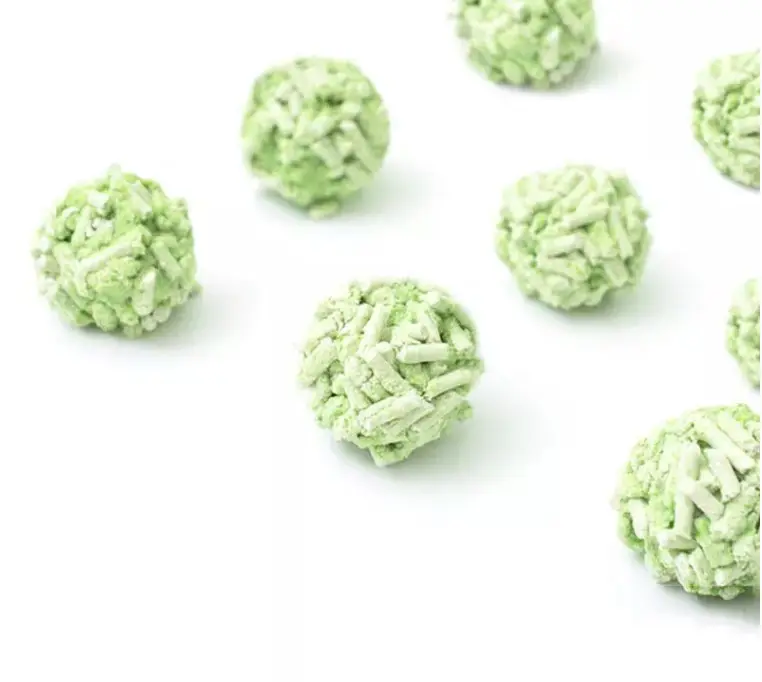 High Clumping
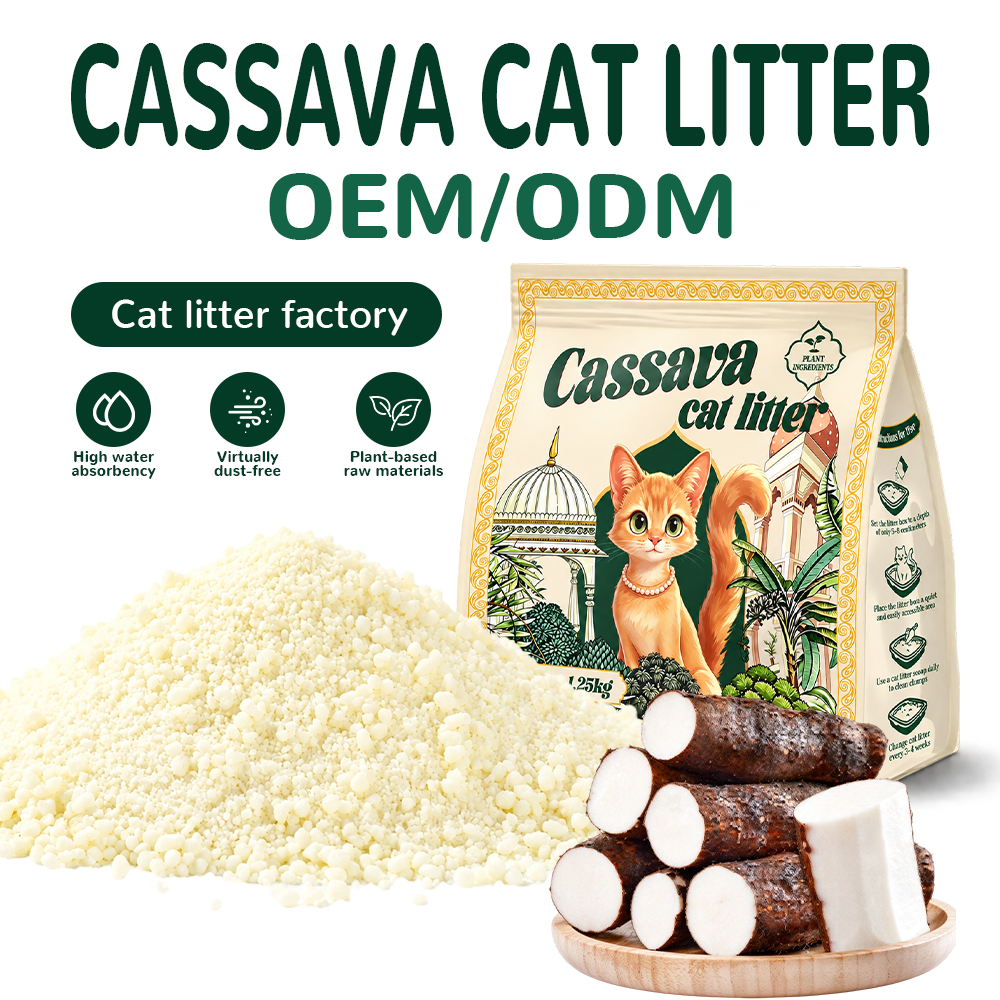 100% Cassava
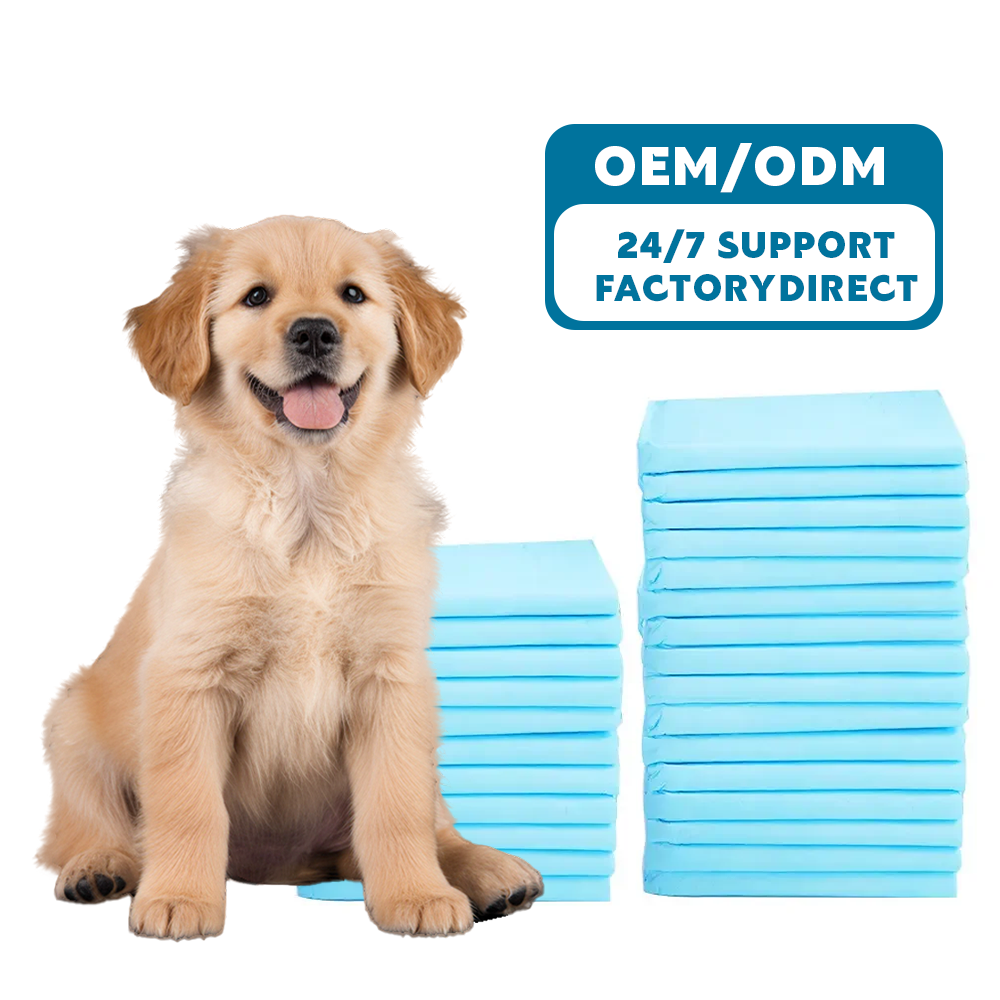 5-Layer Core
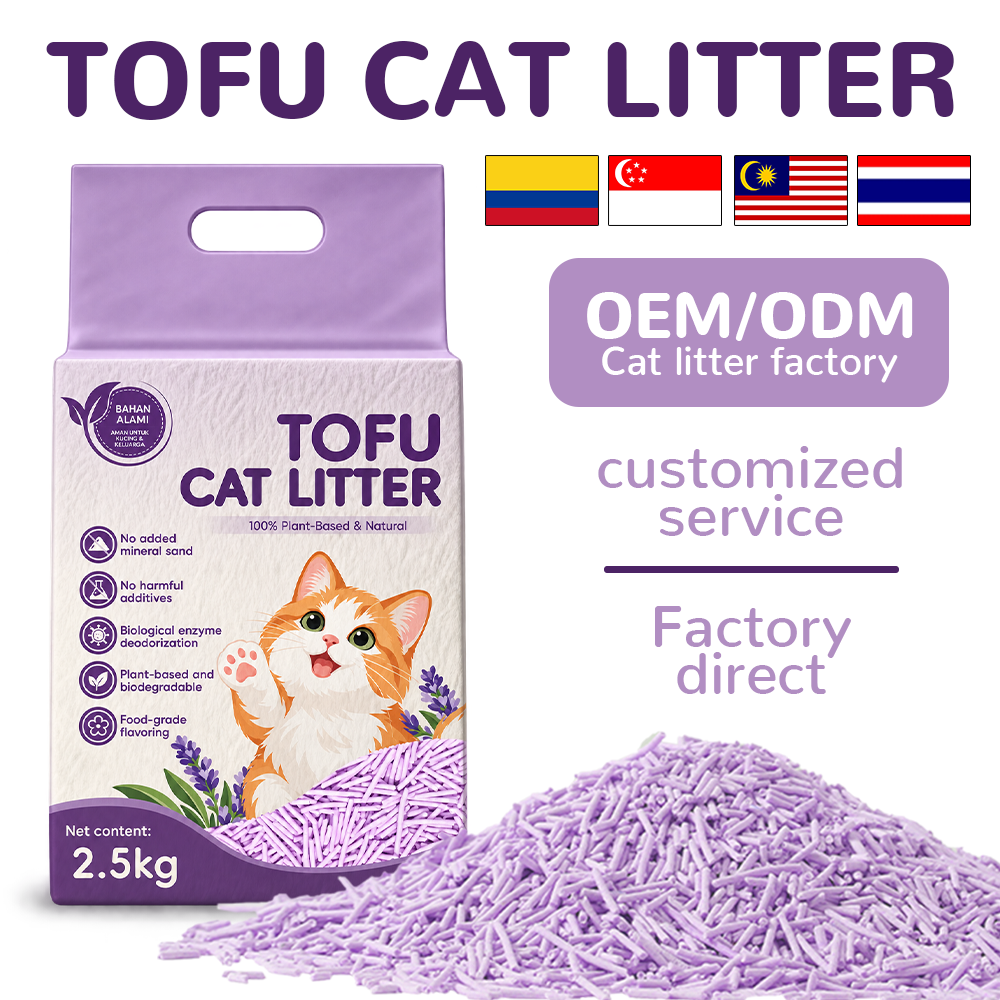
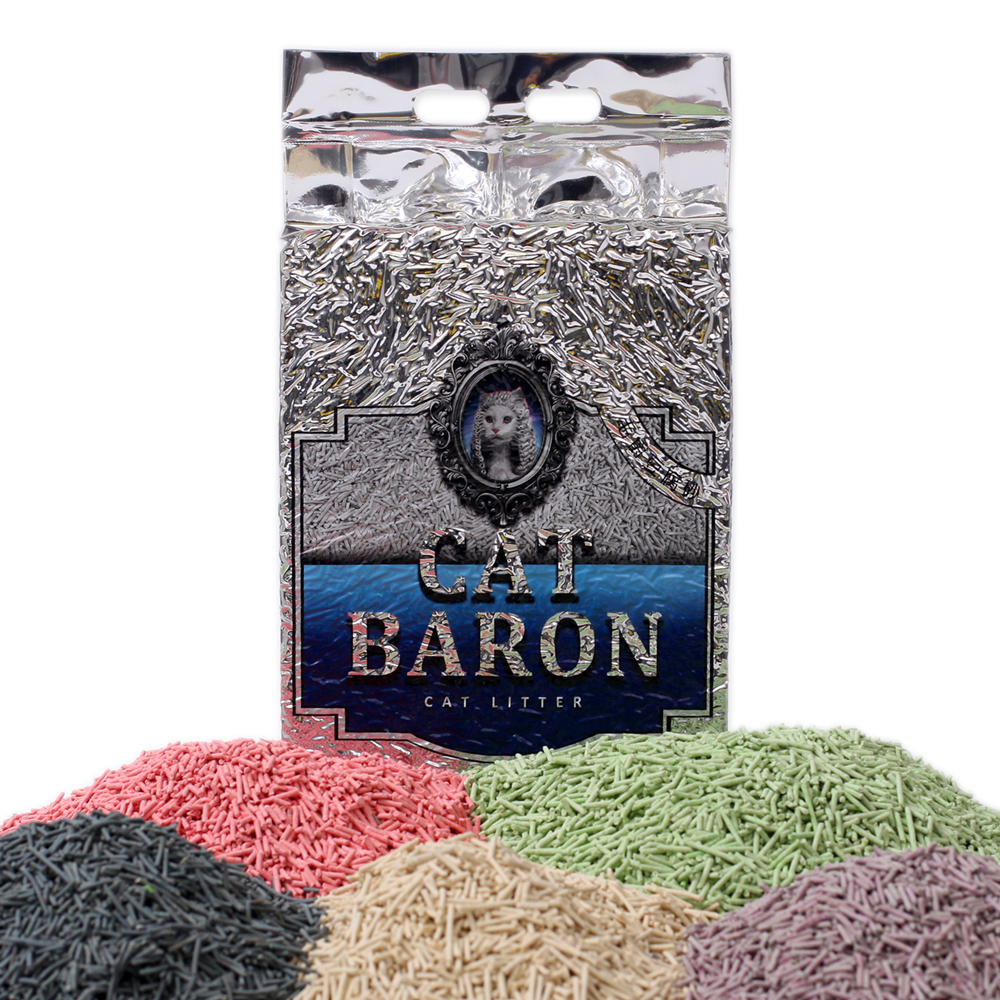 Odor Neutralizer
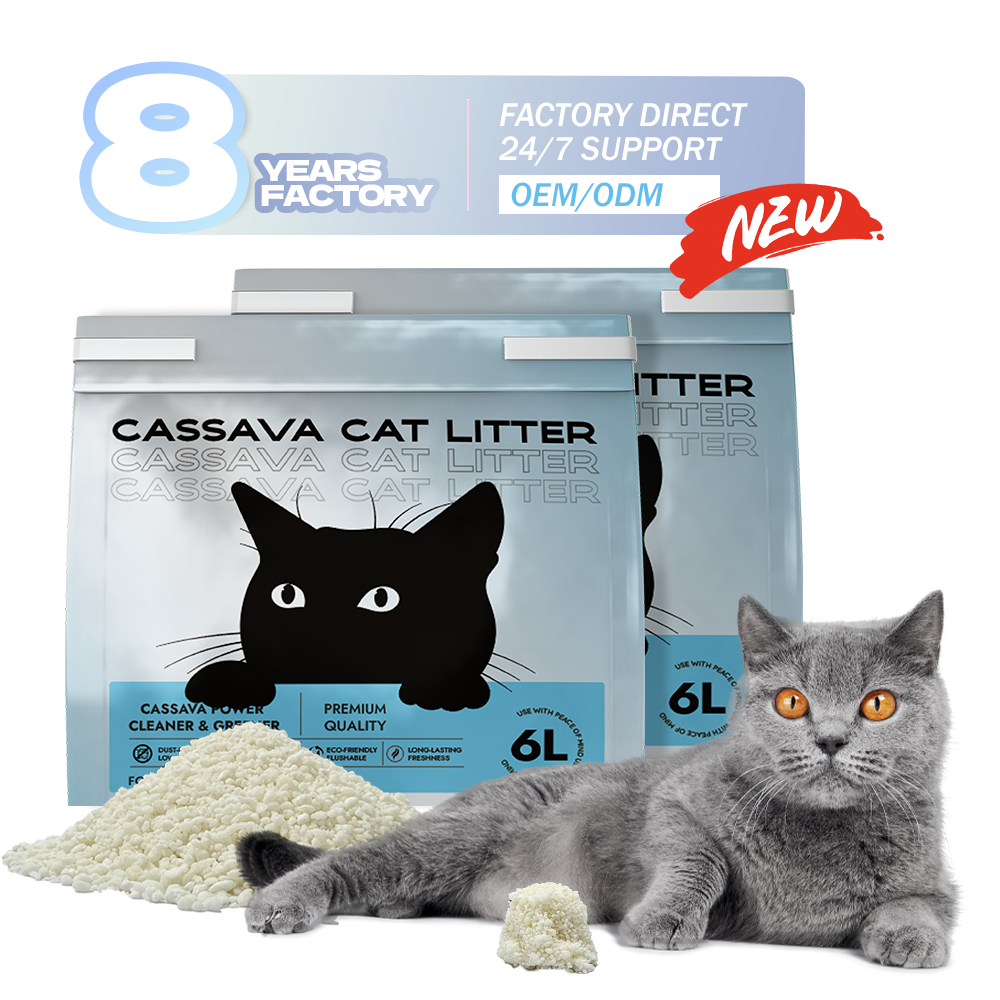 Hybrid Starch
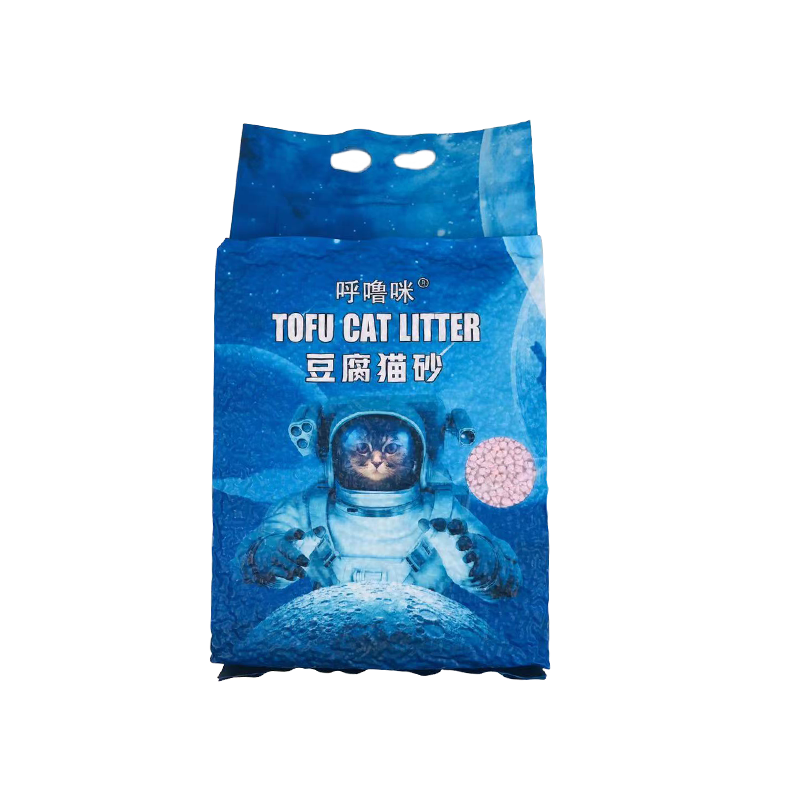
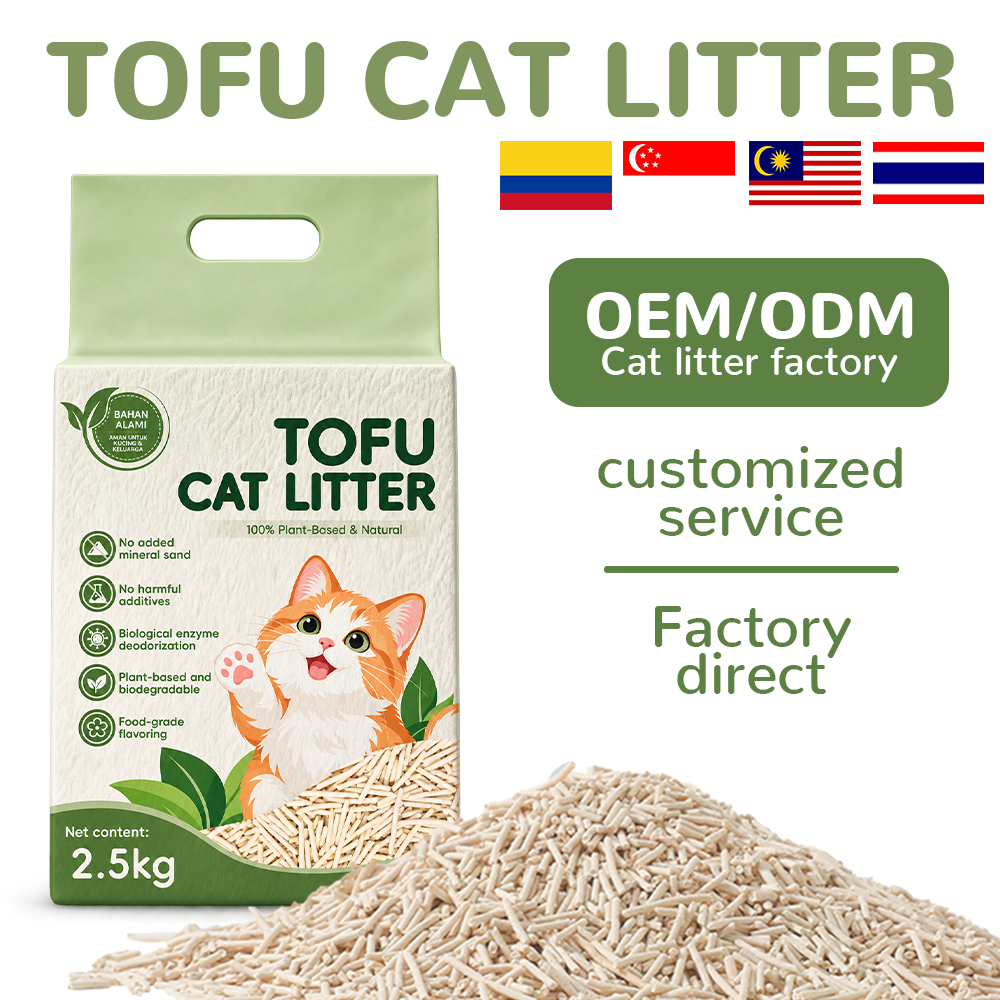
Tropicalized Substrate Engineering: The Heredia Market Application
Operating within the Greater Metropolitan Area (GAM) of Costa Rica, Heredia represents one of the country's most dynamic commercial and residential zones. Characterized by a dual-climatic condition—ranging from high-density modern apartment complexes in San Francisco and Barva to elevated relative atmospheric humidity exceeding 82% during the rainy season—the region presents distinct physical challenges for conventional feline waste containment. Traditional sodium bentonite clays, while cost-efficient, carry substantial drawbacks in urban Heredian households, including persistent dust tracking on hardwood flooring, high freight-to-weight import duties via Puerto Caldera or Puerto Limón, and severe risks of plumbing blockages in residential infrastructure.
This is where Cassava Cat Sand (Arena para Gatos a Base de Yuca) creates massive product differentiation for regional pet distributors and veterinary chains. Formulated through specialized hydrothermal gelation of natural tapioca (Manihot esculenta) starch and fibrous plant residues, cassava litter provides structural benefits calibrated to Central Valley microclimates:
Non-Hygroscopic Clumping Integrity
Under ambient humidity levels above 75%, inferior plant litters absorb atmospheric moisture, resulting in premature structural softening. Our proprietary starch retrogradation controls hydration exclusively upon direct contact with liquid waste, creating compact, rigid clumps in under 3 seconds.
Total Dissolution in High-Flow Plumbing
Unlike mineral bentonite, which forms immovable silicate plugs in septic lines, natural cassava starch rapidly hydrolyzes in water agitation. The clumps disintegrate completely into water-soluble organic compounds within 45 seconds, perfectly matching Heredia apartment sanitation codes.
Micro-Porosity Odor Sequestration
In warm tropical conditions, bacterial proliferation accelerates the decomposition of feline urea into volatile ammonia and methyl mercaptans. Cassava's inherent carbohydrate polymer structure mechanically entraps odorants at a molecular level without relying on irritating chemical perfuming.
Comparative Analysis: Top 10 Cassava Cat Sand Suppliers for Heredia
For supply chain officers, procurement managers, and pet brand founders targeting the Costa Rican and Central American markets, evaluating global manufacturing partners requires analyzing raw-material vertical integration, moisture-barrier packaging capabilities, export track records, and minimum order thresholds. Below is an objective, technical evaluation of the top tiers supplying the regional trade:
Hebei Chupen Pet Products Co., Ltd.
Located in Nanhe District, China’s primary pet industrial core. Operates automated starch-blending and drying lines, offering factory-direct private labeling, custom multi-layer barrier bags, and consolidated container shipping with pet pads and nutrition SKUs.
Siam Tapioca Bio-Polymers Ltd.
Southeast Asian cassava milling group leveraging indigenous cassava root supplies. Specializes in raw pelleted tapioca litter bases with excellent baseline absorbency, though private label custom packaging incurs extended ocean transit times to Central America.
AgroBio Costa Rica Eco-Materiales
Local Central Valley processing consortium utilizing domestic agricultural off-fall. Strong physical proximity to Heredia distributors, though limited by seasonal harvest fluctuations, restricted output scale, and higher price per kilogram.
Zhejiang GreenPet Eco-Technologies
Export facility focused on engineered cassava-corn hybrids and blended activated bamboo carbon formulas. Offers comprehensive visual customization and modern vacuum packaging suitable for humid maritime transit routes.
Paraná Mandioca Pet Sustentable
Brazilian agricultural refiner specializing in coarse-milled mandioca granules. Excellent native clumping characteristics; container logistics require transshipment routing to Pacific Costa Rican ports.
Tianjin Port Pet Hygiene Alliance
Trading and consolidation hub providing rapid container staging for plant-based litters. Provides aggregate ocean booking advantages for importers combining diverse dry goods alongside private label cassava litter.
Vietnam Tapioca CleanPaws Co.
High-volume processing facility focused on entry-level bulk cassava substrates. Best suited for regional private brands seeking low baseline FOB costs, requiring rigorous third-party batch testing for moisture variance.
Iberian Green Pet Repackagers
Spanish blending operation providing refined packaging designs and localized Spanish regulatory labeling for the Americas. Serves boutique operations unable to meet direct industrial mill minimum orders.
Pan-American BioSupply Corp (FL, USA)
Florida-based redistributor carrying inventory of imported natural plant litters. Offers LCL shipments to Costa Rica with rapid transit times, at a pricing structure that incorporates multi-tier handling markups.
Substrate Performance Matrix: Humid Climate Viability
To assist retail category buyers in making informed margin and performance choices, our R&D department tested the primary feline litters distributed across Central Valley supermarkets and specialty pet stores:
| Substrate Material | Clump Dynamic (Speed / Hardness) | Dust Emission Level | Flushability & Septic Safety | Bulk Density (Container Payload) | Target Retail Channel in Heredia |
|---|---|---|---|---|---|
| Chupen Pure Cassava Formula | <2.8s / Exceptional (98.5 HD) | Ultra-Low (<0.1% fine dust) | 100% Flushable (Instant breakdown) | Lightweight (~550 g/L) | Premium Pet Boutiques, Modern Vet Clinics |
| Chupen Pea Fiber / Tofu Sand | <3.5s / High (95.0 HD) | Very Low (<0.3% fine dust) | 100% Flushable (In small batches) | Medium (~520 g/L) | Apartment E-Commerce, Specialized Chains |
| Standard Sodium Bentonite | ~6.0s / Hard Clay Plug | Moderate to High (1.5–3.0%) | Non-Flushable (Severe Clog Risk) | Heavy (~900 g/L) | Price-Sensitive Mass Supermarkets |
| Non-Clumping Silica Gel | Absorption Only (No Clump) | Minimal crystalline fines | Non-Flushable (Insoluble) | Very Light (~450 g/L) | Odor-Specialty Retailers |
Macro Trends Shaping Heredia's Pet Hygiene Market
Consumer behavior in Heredia and the broader San José metro corridor is experiencing an unprecedented evolution driven by three distinct socioeconomic forces:
1. Accelerated Vertical Urbanization: The proliferation of mid-rise and high-rise residential towers across Heredia Centro, Belén, and Ulloa has led to smaller living spaces where cat litter boxes are inevitably positioned within bathrooms, utility closets, or integrated living spaces. Feline owners demand zero-airborne-dust and total absence of lingering urine scents, making flushable cassava litter the superior alternative to heavy, dust-generating bentonite bags that are difficult to transport and dispose of in municipal trash streams.
2. The "Pet Humanization" and Eco-Sustainability Ethos: Costa Rica’s international standing as an environmental pioneer heavily influences consumer buying decisions. Millennials and Gen-Z pet guardians actively inspect packaging for biodegradable certifications, compostability credentials, and non-toxic compositions. Cassava cat sand, being made from edible food-grade starches without silica carcinogens or chemical binders, commands high brand loyalty and justifies higher retail margins per unit.
3. Supply Chain Resilience and Container Consolidation: Escalating maritime freight volatility requires importers in Central America to maximize container space utilization. Shipping heavy sodium bentonite clay often hits container gross weight limits long before physical cubic volume is exhausted. Conversely, the optimized bulk density of cassava litter permits importers to load maximum volume while incorporating higher-margin auxiliary products such as super-absorbent puppy training pads and freeze-dried pet treats in a single 40ft HQ container.
Why Partner with Hebei Chupen Pet Products Co., Ltd.?
Hebei Chupen is strategically based in Nanhe District, Xingtai City—a globally recognized industrial center representing approximately 80% of China's pet food production and 60% of its pet hygienic supplies. We provide international buyers with a rare combination of industrial capacity, laboratory rigor, and comprehensive export logistics:
Direct Industrial Muscle
With 11 dedicated manufacturing lines producing 150 tons of tofu/cassava litter and 3,000 tons of bentonite daily, backed by 10,000 m² of modern warehousing, we insulate your supply chain from peak-season production delays.
SGS Audited & ISO Certified
Our operations undergo rigorous onsite verification by SGS Group. Production facilities strictly comply with ISO 9001 (Quality), ISO 22000 (Food Safety), ISO 14001 (Environmental), and ISO 45001 (Occupational Health) management systems.
Turnkey Container Consolidation
Through our coordinated consortium of 50+ regional manufacturing partners, importers can bundle OEM cassava litter, puppy training pads, sanitary litter boxes, and wet/freeze-dried cat foods into consolidated shipments from Tianjin Port.
Frequently Asked Questions: Costa Rican Sourcing & Compliance
What is the standard MOQ for private-label cassava packaging?
For factory-standard packaging or trial inventories, MOQ starts at 100 bags to facilitate initial market testing. For customized rotogravure-printed composite film bags with your custom brand artwork, barcodes, and Spanish-language regulatory notices, MOQ is typically 13,000 bags.
How does cassava cat litter hold up during 35-day ocean transit to Costa Rica?
Maritime routes from Tianjin Port through the Panama Canal or to Pacific ports (Puerto Caldera) cross intense tropical temperature fluctuations. We protect shipments using vacuum-sealed inner packaging, moisture-barrier multi-layer films, desiccant liners, and fully stretch-wrapped pallets.
Can Chupen provide documentation for SENASA import permits?
Yes. Animal health and agricultural import authorities in Costa Rica (SENASA) require verified non-contamination and raw-material origin certificates. We provide MSDS, certificates of origin, plant hygiene declarations, and SGS factory test reports to streamline regulatory clearance.
What trade and payment terms do you support for Heredian importers?
We accommodate standard international trade structures including FOB (Tianjin), CIF (Puerto Caldera / Puerto Limón), EXW, and DDP terms. Accepted payment instruments include T/T, L/C at sight, and commercial guarantees tailored to long-term purchasing relationships.
Build Your Exclusive Plant-Based Pet Brand Today
Consult with our international sales and chemical engineering team. Request complimentary technical sample kits, full pallet loading schemes, and direct factory pricing for your market.
Contact Us