Engineering-Grade Plant Cat Litter Pellets Portfolio
Factory-direct formulation lines for commercial procurement, regional distribution centers, and multi-channel retailers in Eastern Pennsylvania.
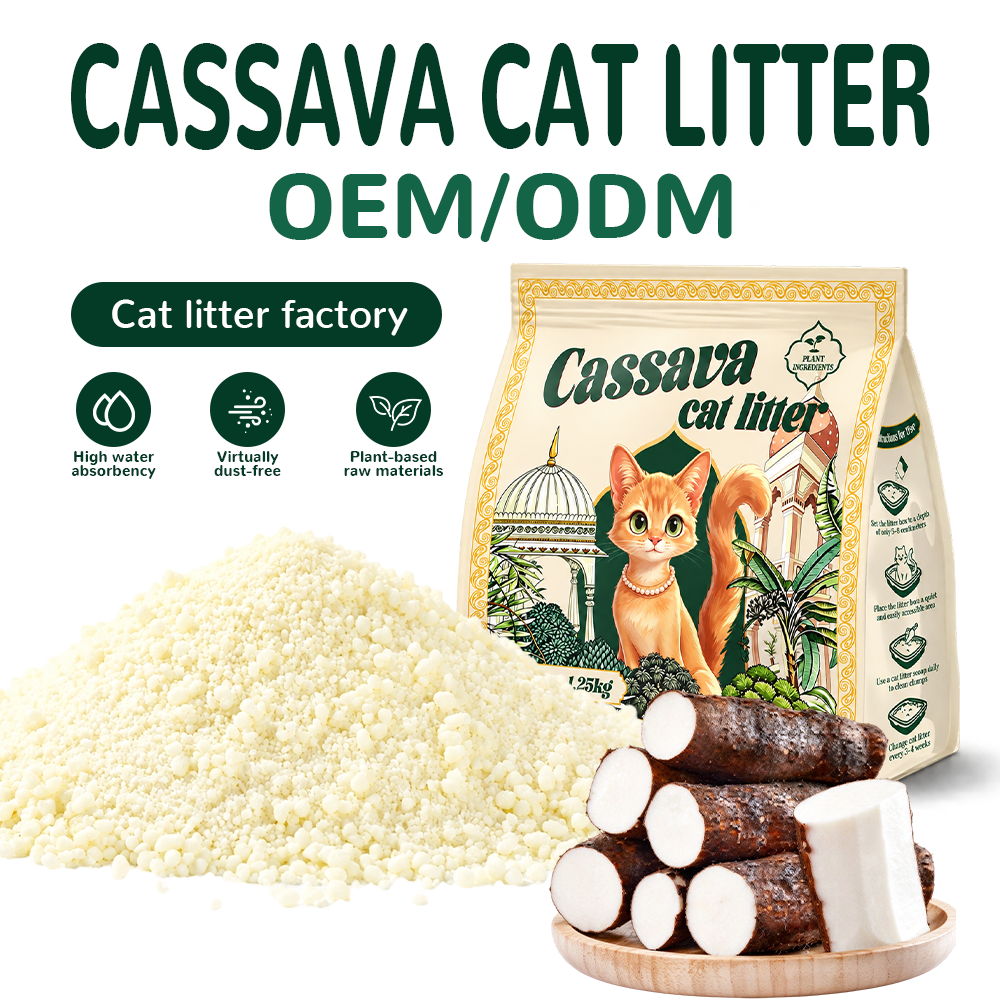
Natural Cassava Cat Litter Fast Clumping
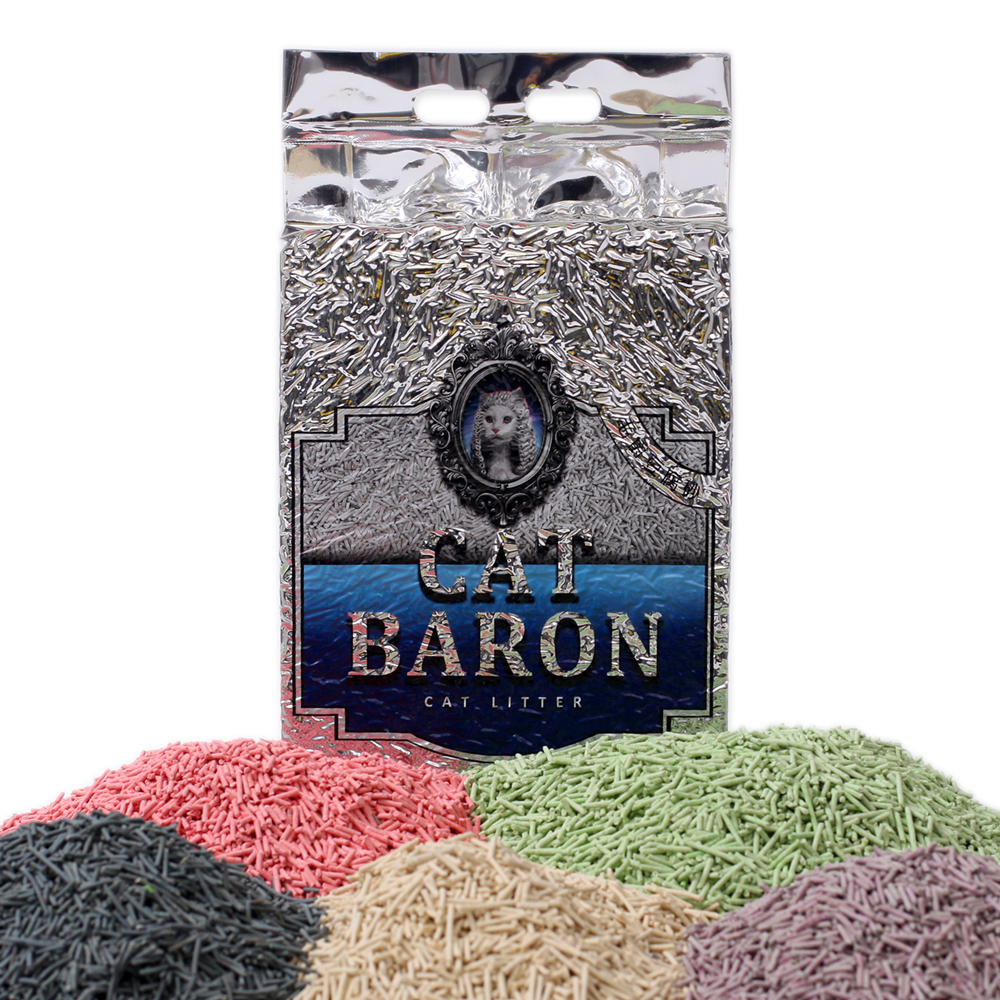
6L Deodorizing Agglomeration Tofu Cat Litter
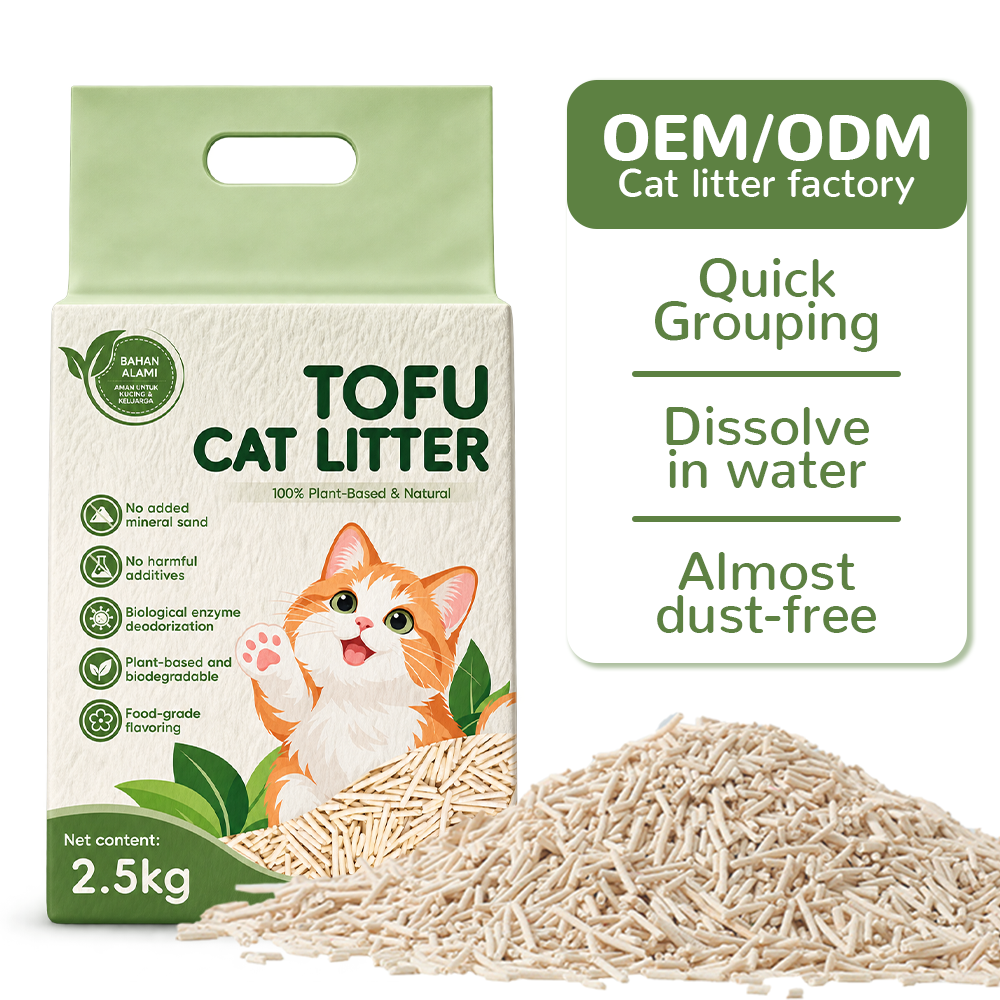
Premium Plant-Based Low Dust Tofu Pellets
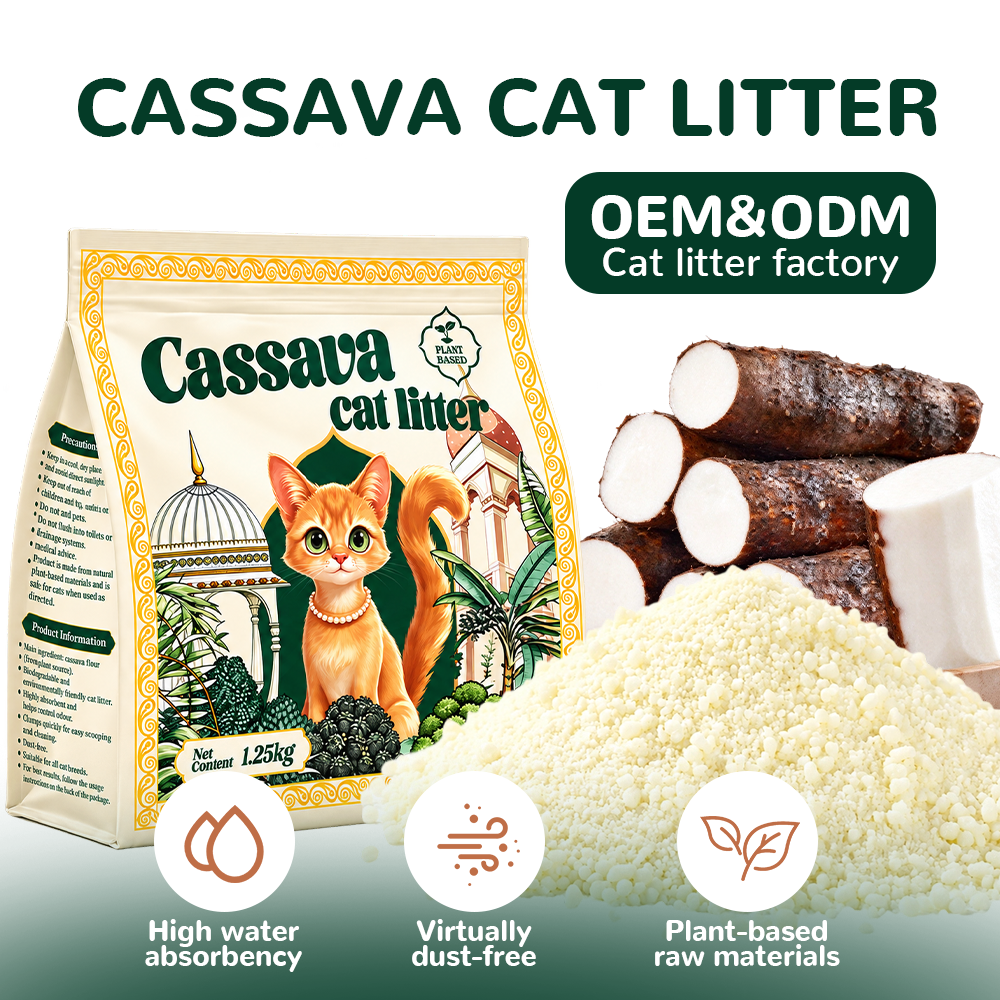
Commercial Cassava Starch Composite Pellets
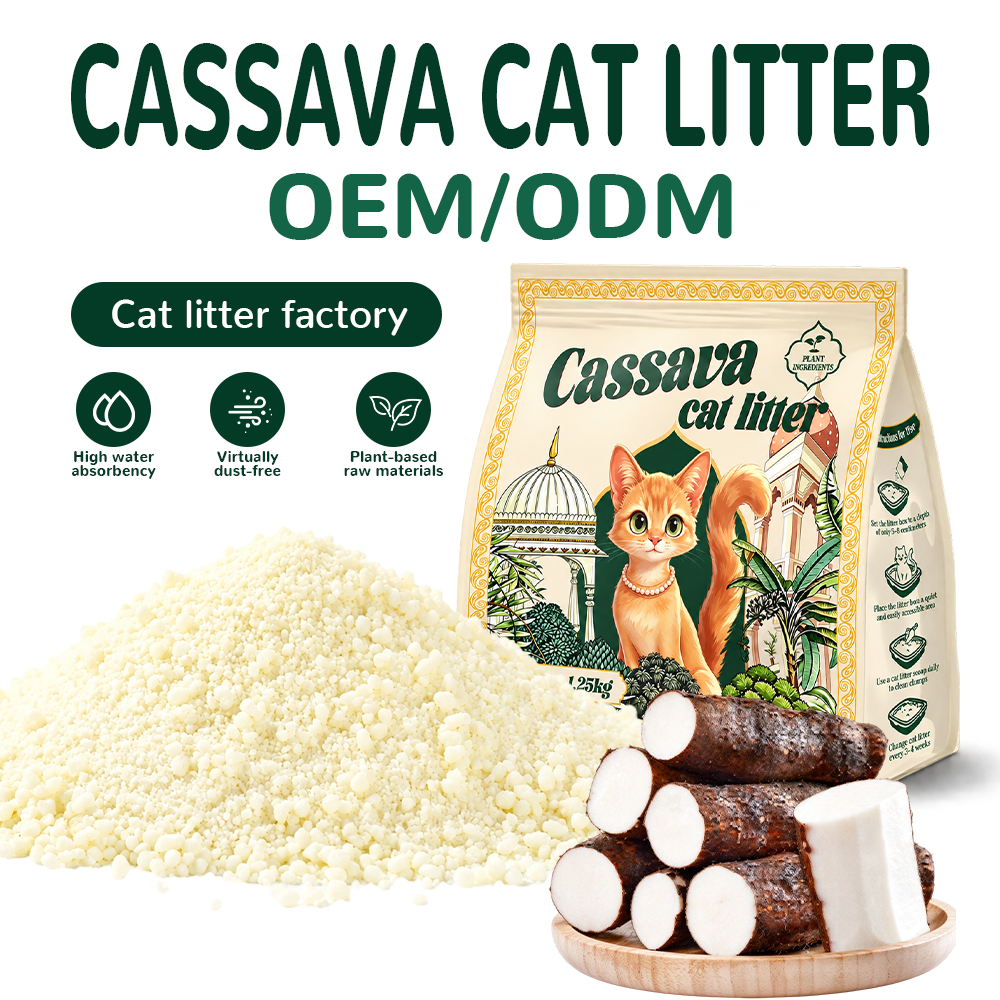
Bulk Direct-Supply Quick Absorbing Cassava
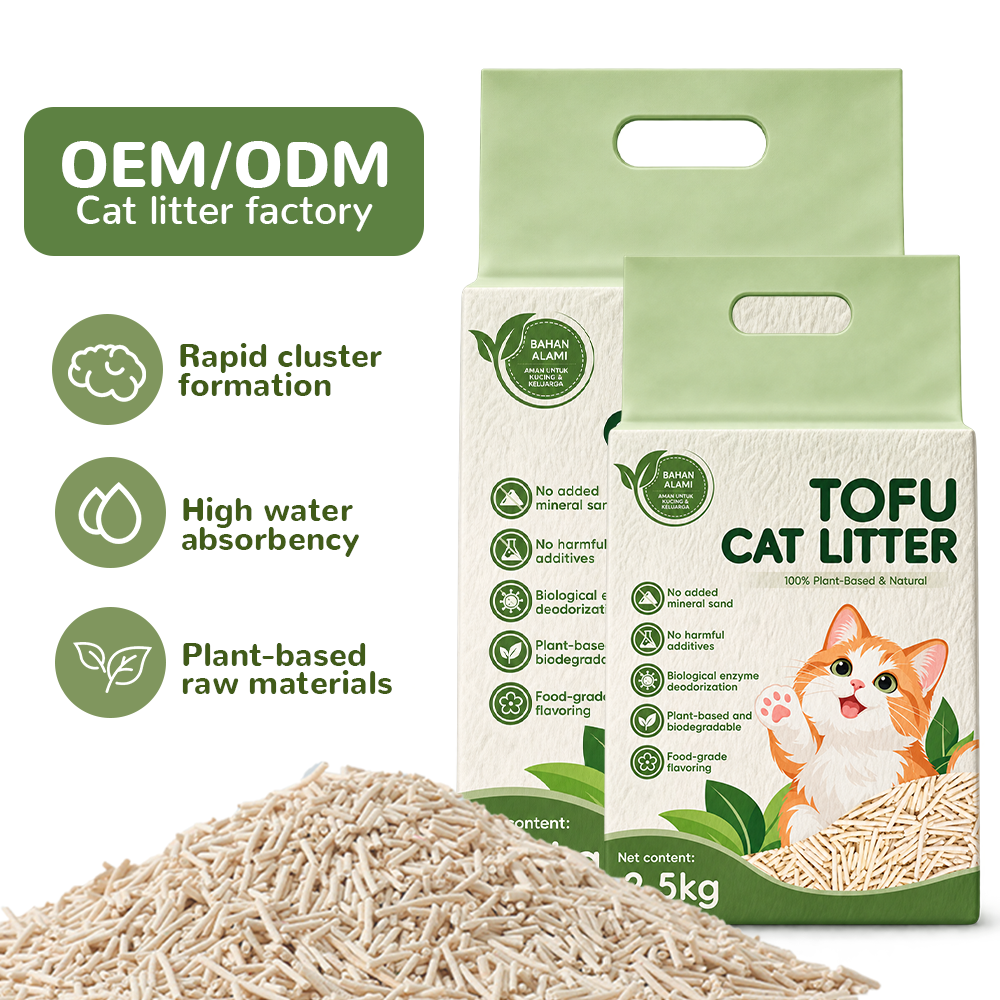
High Absorbency Quick Clumping Plant Sand
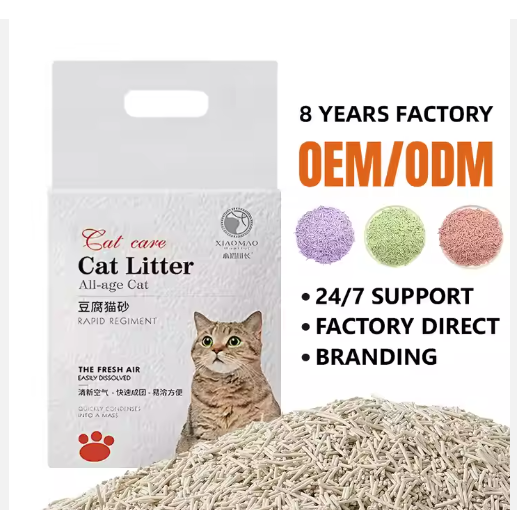
Organic Soybean Residue Extruded Pellets
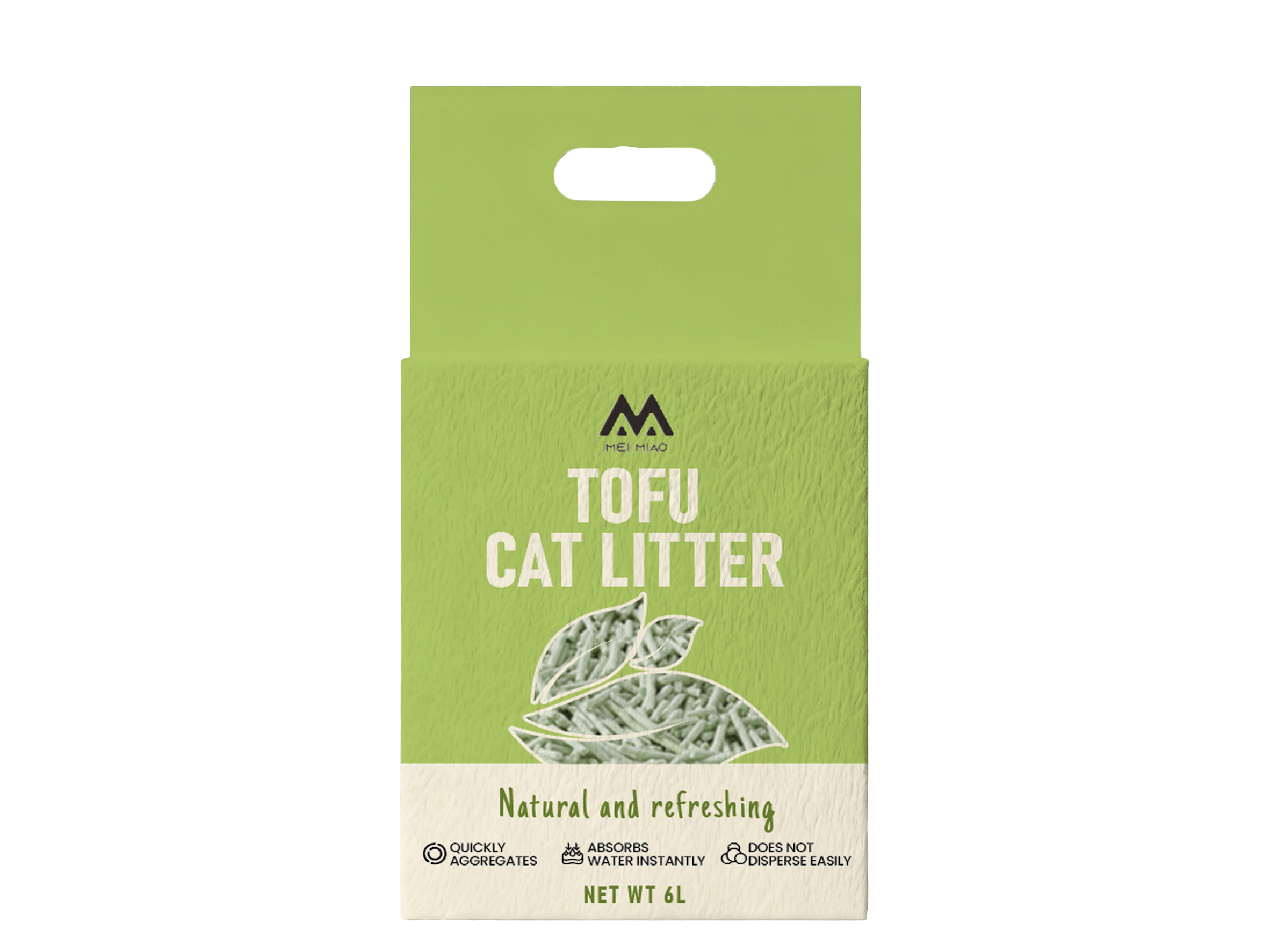
Custom OEM/ODM Blended Hybrid Pellets
Whitepaper: Industrial Tofu Cat Litter Procurement in the Philadelphia Market
The commercial pet hygiene sector in the United States is witnessing a sustained structural migration toward sustainable, plant-based alternatives. Within Pennsylvania and the broader Mid-Atlantic regional corridor, B2B procurement strategies are pivoting away from legacy sodium bentonite extraction to renewable, biodegradable materials. For wholesale distributors, regional chains, and private-label brand owners operating throughout Philadelphia, Bucks, Montgomery, and Chester counties, securing a resilient supply line with certified tofu litter pellets manufacturers is critical to margin defense and regulatory compliance.
1. Physicochemical Engineering of Tofu Pellet Substrates
Modern commercial tofu litter is not simply dried soybean byproduct; it is an engineered aggregate requiring precision food-grade extrusion, controlled gelatinization of starches, and calibrated drying cycles. Our manufacturing framework utilizes food-grade soybean dregs (okara) and high-purity pea fibers, bound together via edible starches and plant guar gum.
- Structural Integrity and Capillary Draw: Pellets manufactured with a diameter of 1.5mm to 2.0mm present the optimal surface-area-to-volume ratio. This geometry accelerates fluid pull, forming firm surface agglomerations within 2 to 3 seconds, thereby mitigating basal pan adhesion.
- Multi-Phase De-Dusting Operations: In high-density housing characteristic of Center City and South Philadelphia, respiratory complaints related to airborne crystalline silica have accelerated consumer migration to plant litter. Our production line incorporates an integrated five-stage negative-pressure cyclonic dedusting process that reduces fine particulates under 100 microns to below 0.1%, ensuring zero dusting upon retail pouring.
- Hydraulic Dispersion Dynamics: True flushability depends on colloidal disintegration in water. When discharged into residential drainage infrastructure, the organic hydrogen bonds in the starch binder relax in standing fluid within 15 seconds, breaking down into a loose suspension that eliminates blockage risks in both vintage municipal piping and modern low-flow residential systems.
2. Localized Application Scenarios Across the Philadelphia Metropolitan Area
The architectural landscape and demographic makeup of Philadelphia impose unique functional requirements on litter performance that standard commodity clay cannot address:
- Historic Row Homes and Multi-Family Walkups: From Fishtown to Queen Village, thousands of pet owners reside in historical brick row homes with narrow interior stairwells and centralized sewer infrastructure dating back over a century. Clay litter’s bulk density creates severe disposal friction, while its insolubility threatens structural plumbing. Lightweight, flushable 6L tofu packaging provides significant convenience for high-density metropolitan living.
- Condominiums and Apartment High-Rises: With continuous residential expansion across Center City and University City, tight apartment footprints mean litter boxes are positioned near active living quarters. Tofu pellets prevent tracking across polished hardwood and synthetic floors, while micro-pore odor capture neutralizes ammonia without volatile chemical perfumes.
- Eco-Centric Suburbs & Boutique Retail: Suburbs like Main Line, Conshohocken, and King of Prussia harbor sophisticated retail pet markets driven by consumers actively seeking non-GMO, compostable, and plastic-neutral alternatives to open-pit mined clays.
3. Regulatory and Sustainability Trends in Pennsylvania
Municipal waste reduction mandates across Pennsylvania are placing tighter constraints on landfill mass. Bentonite clay litter constitutes thousands of tons of non-biodegradable solid waste annually in the Delaware Valley. Modern distributors partnering with ISO 14001 certified manufacturing plants obtain a distinct market edge: tofu litter pellets decompose completely in municipal composting installations or organic waste streams within 60 to 90 days. Concurrently, increasing scrutiny under the Pennsylvania Department of Agriculture concerning feed and pet product labeling standards favors manufacturers verified by independent third parties such as SGS.
Factory Strengths & Infrastructure Scalability
Direct manufacturing execution delivering margin stability, raw material trace-inspections, and predictable shipping cycles.
Direct OEM/ODM Formulation
Full customization across diameters (1.5mm, 2.0mm, 3.0mm), natural tinting, scent formulation (green tea, lavender, peach, unfragranced charcoal), and custom-printed multi-layer vacuum foil packaging.
Stringent Quality Assurance
Production runs compliant with ISO 9001, ISO 22000, ISO 14001, and ISO 45001. Raw ingredients inspected upon receipt; in-house laboratories test for moisture balance, micro-bacterial count, and clump resilience.
Consolidated Container Freight
Ship directly from Xingtai, China via Tianjin Port directly to the Port of Philadelphia (Packer Avenue Marine Terminal) or regional consolidation hubs, lowering middleman markups and reducing cross-docking costs.
Procurement FAQ: Sourcing Tofu Litter in Philadelphia
Core operational and logistics questions addressed for B2B buyers, distributors, and store chain buyers.
What are the baseline minimum order quantities (MOQ) for branded private label production?
For custom gravure-printed retail barrier bags (vacuum-sealed 6L/7L or non-vacuum side-gusset bags), baseline print setup MOQs generally start at 13,000 units. For initial brand rollouts or market trials in the Pennsylvania tri-state area, we provide flexible arrangements using unprinted neutral packaging or specialized branded adhesive labeling starting at significantly lower minimums.
How does tofu litter withstand maritime shipping to the US East Coast without mold formation?
Moisture control is paramount during ocean freight across seasonal variations. Our extrusion and drying process maintains water content below 10% ± 1%. In conjunction with food-grade mold inhibitors and optional high-barrier vacuum barrier bagging, each batch remains stable across 30 to 45 days of ocean transit and extended warehouse storage.
Can our shipment consolidate mixed pet supplies within the same container?
Yes. Taking advantage of our manufacturing base in Nanhe District, we consolidate tofu pellet batches with premium bentonite formulas, cassava litter, 5-layer puppy training pee pads, and pet plastics into single 40ft HQ shipping containers, optimizing your SKU diversity and landed shipping efficiency.
What documentation is provided to satisfy US Customs and Pennsylvania state inspections?
Every commercial export is accompanied by clear Bills of Lading, Certificate of Analysis (COA), Material Safety Data Sheets (MSDS), SGS Onsite Verification summaries, and Phytosanitary Certificates verifying plant-material heat treatment and pest-free integrity.
How does landing cost per unit compare against domestic bentonite mining sources?
While ocean freight represents a line-item variable, plant-based tofu litter enjoys significantly higher retail price points and margins across suburban and metropolitan channels compared to low-margin clay. The lightweight nature of plant fibers yields substantial reductions in regional drayage and consumer last-mile freight fees.
Launch Your Private Label Line with a Direct Manufacturer
Get in touch with our export production team for batch samples, custom formula development, and current ocean freight estimates to Philadelphia terminals.