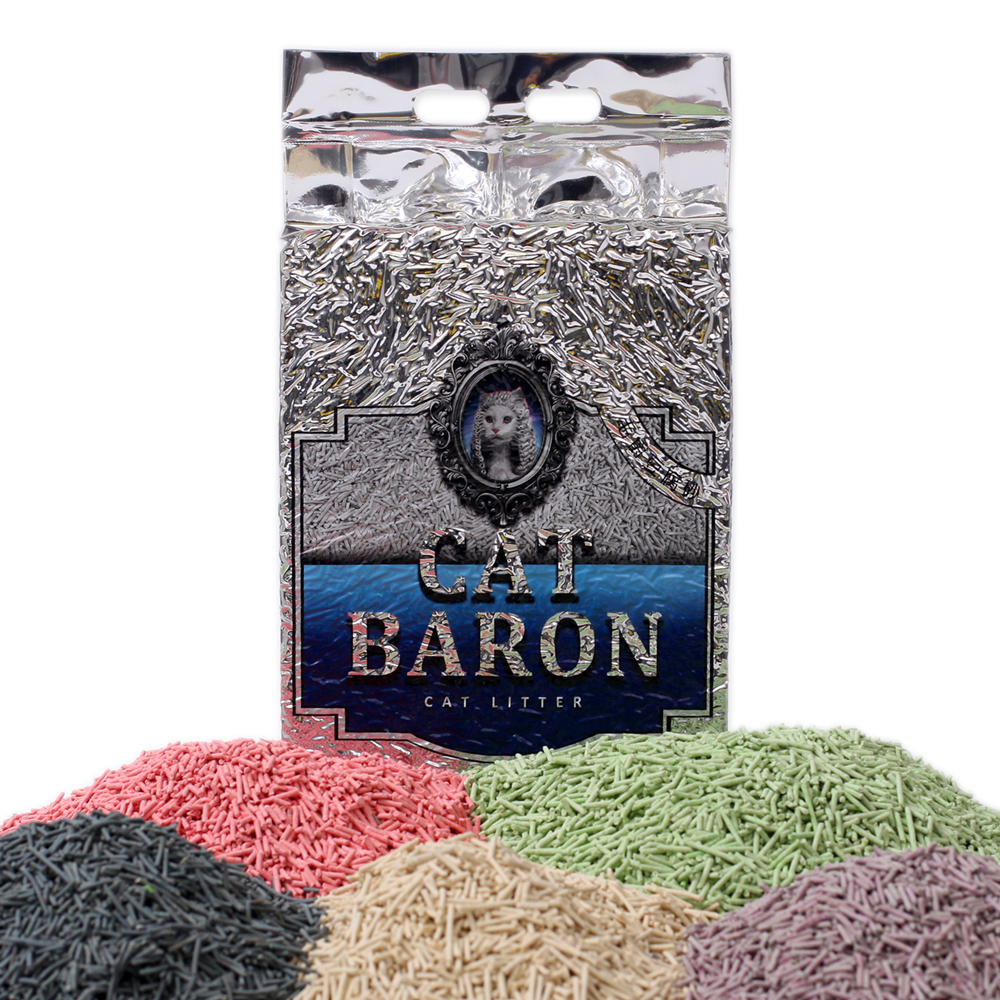
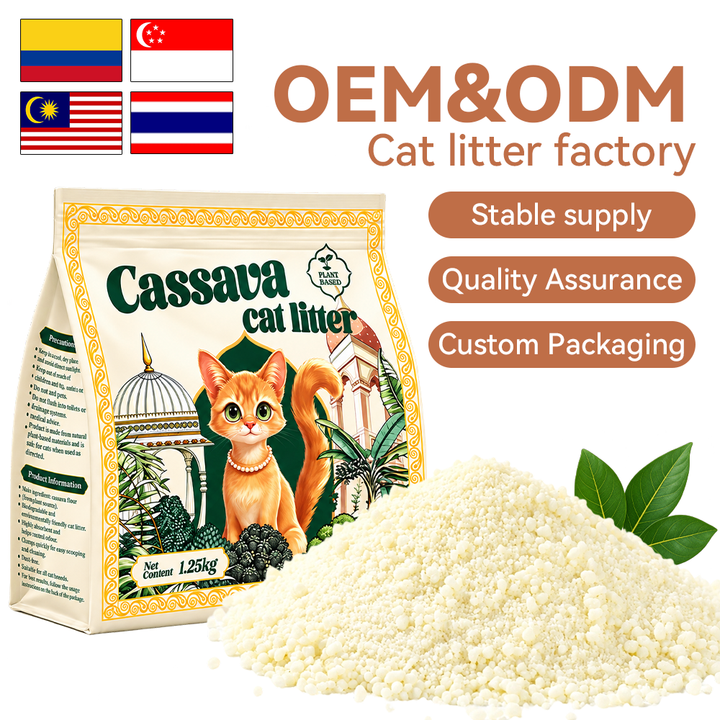
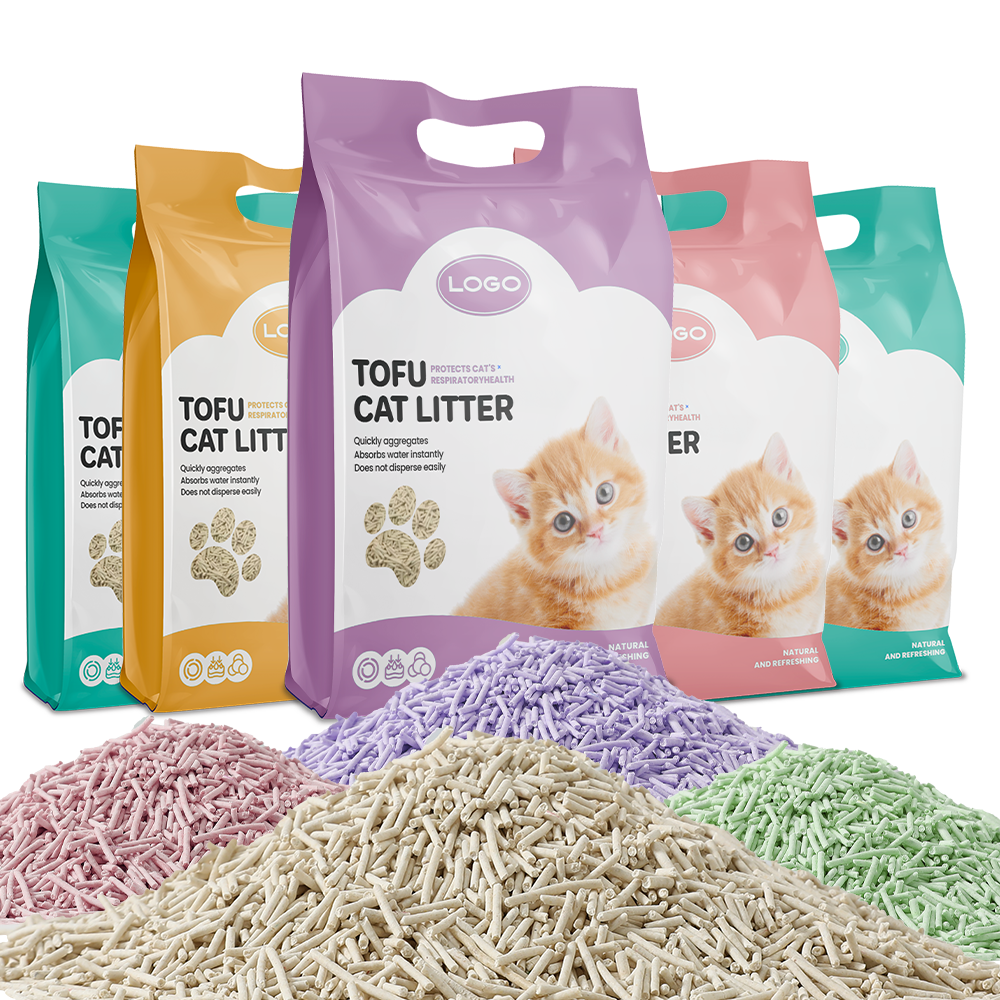
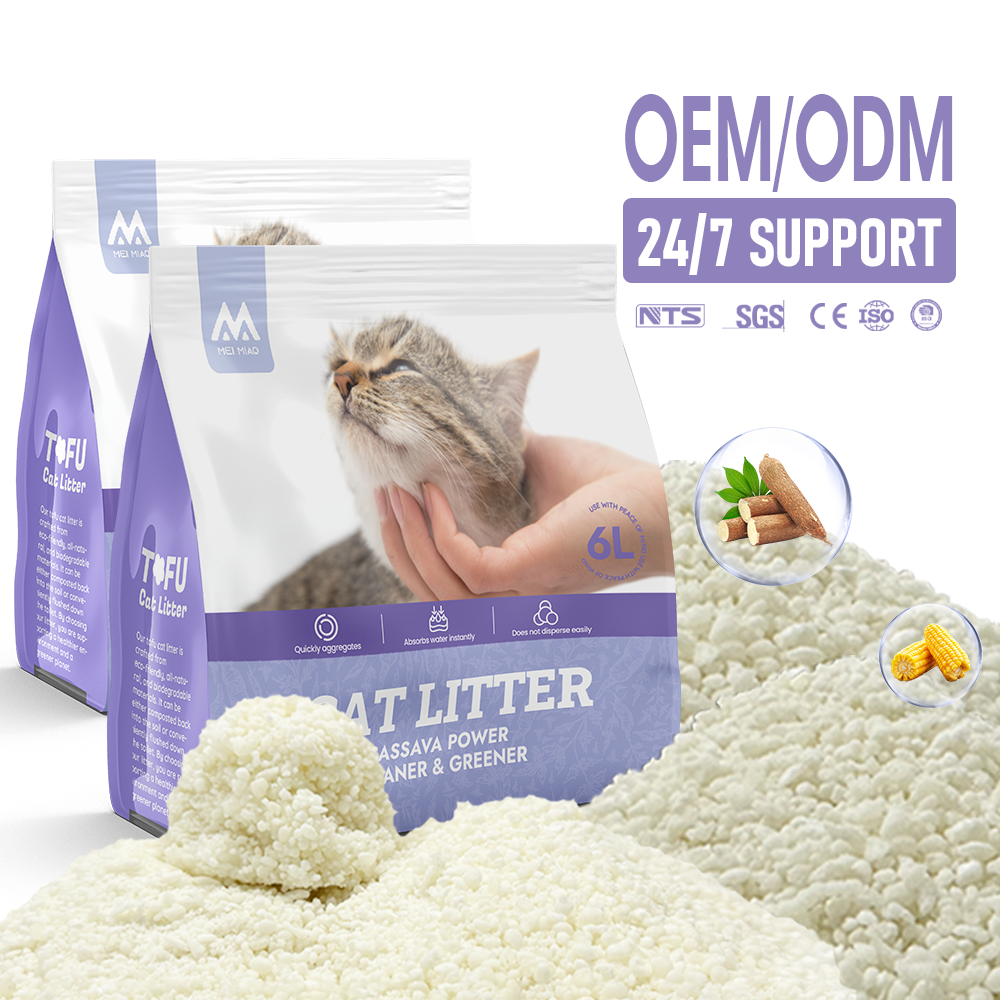
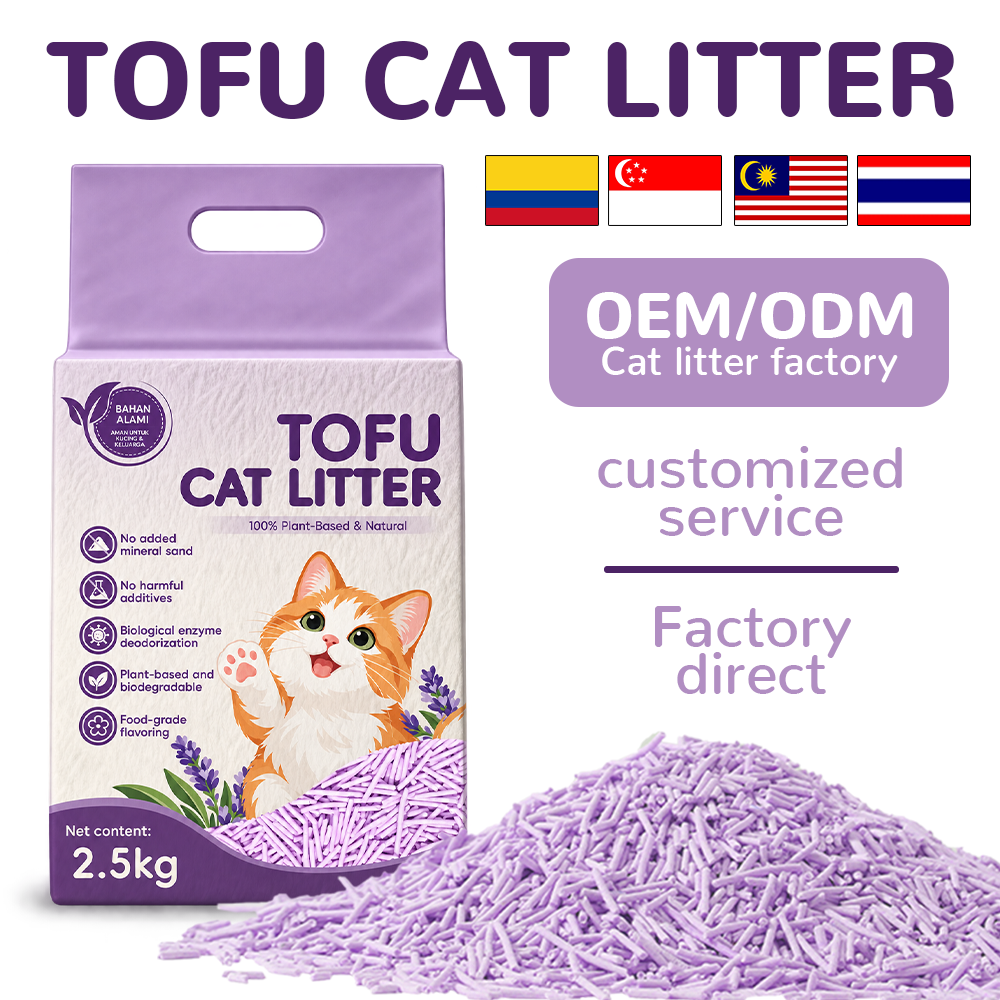
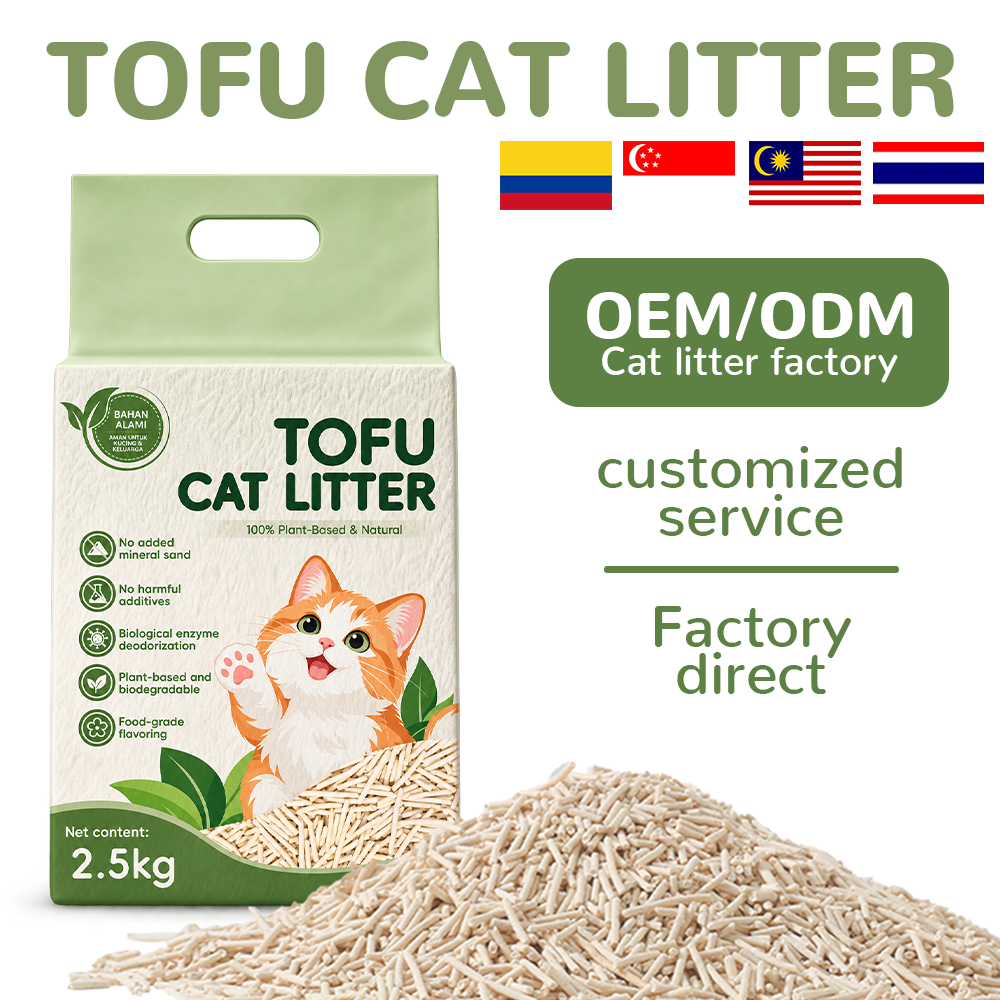
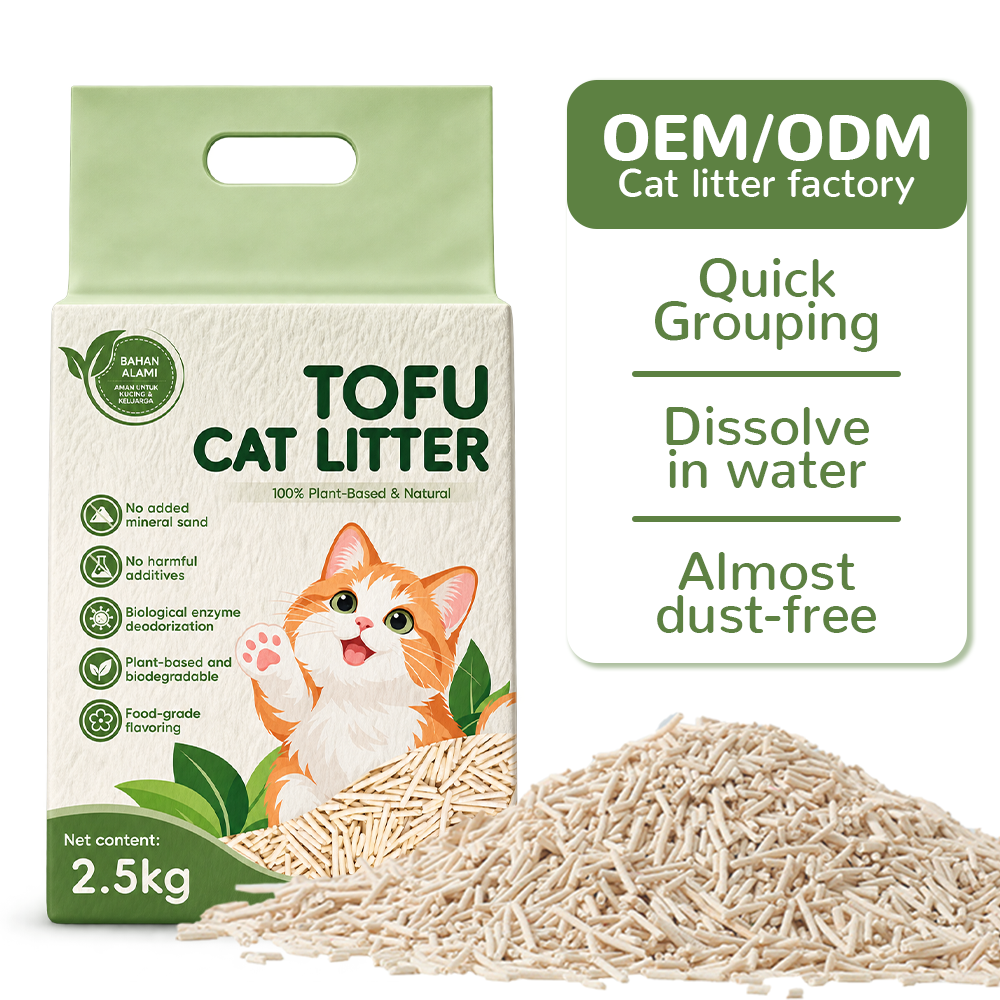
Engineered Cassava Starch Matrixes & Plant-Fiber Formulations Optimized for Extreme Sub-Zero Climates, Sealed Apartment Air Quality, and Rail Freight Logistics via Erenhot–Zamiin-Uud.
Enterprise Product Portfolio
Export-Ready Tapioca & Plant-Fiber Formulations
Laboratory-tested formulas manufactured in our Xingtai industrial center, consolidated directly for wholesale pet supply chains, veterinary distributors, and modern retail franchises across Ulaanbaatar.
Engineering Starch Mechanics: Why Tapioca Cat Litter Outperforms Mineral Clay in Ulaanbaatar's Extreme Climate
Ulaanbaatar represents one of the most chemically and physically demanding urban environments globally for domestic cat hygiene products. Situated at an altitude of over 1,300 meters with extreme subarctic continental meteorological dynamics, the Mongolian capital experiences prolonged winter temperatures plunging below -30°C to -42°C, coupled with acute seasonal atmospheric shifts. In modern apartment developments across Bayanzürkh, Khan-Uul, and Sukhbaatar districts, residential central heating radiators run continuously from September through May. This creates intensely dry, static-heavy indoor microclimates where relative humidity frequently drops below 18%.
Under these arid, sealed conditions, traditional sodium bentonite cat litters present profound respiratory liabilities for felines and household members alike. Sodium montmorillonite clay relies on airborne particulate suspension to shed moisture, and dry radiator convection currents cause microscopic silica crystalline dust (PM2.5 and PM10 fractions) to circulate indefinitely throughout enclosed Mongolian apartments. Conversely, tapioca (cassava) cat litter leverages high-molecular-weight starch polymers derived from the tuberous roots of Manihot esculenta. The amylopectin content—exceeding 80% in our specialized cassava formulations—furnishes immediate hydro-affinity and mechanical gel-locking elasticity without the silica dust footprint.
Technical Insight on Gelatinization Kinetics: When feline urine contacts Chupen's tapioca-based substrate, the hydrophilic hydroxyl groups in the branched amylopectin chains undergo immediate capillary swelling. This traps moisture and ammonia molecules within a three-dimensional starch matrix in under 1.8 seconds, eliminating bottom-sticking in cold plastic litter trays and halting the evaporation of volatile nitrogen compounds.
Sub-Zero Logistics & Mechanical Integrity across the Trans-Mongolian Rail Corridor
A critical operational hazard faced by pet supply importers in Mongolia is product breakdown during winter rail transport. Shipments departing our manufacturing facility in Xingtai, Hebei travel via container wagon through Erenhot (Inner Mongolia) to the Zamiin-Uud border exchange, and onward along the Trans-Mongolian Railway line into Ulaanbaatar Freight Terminal. During January and February, transit temperatures routinely expose shipping containers to sustained thermal stress below -35°C.
Traditional tofu litters fabricated with inferior industrial starch and residual water levels exceeding 12% undergo interstitial water crystallization. When ice expands within the capillary pores of the pellet, the structural integrity collapses; upon arrival in Ulaanbaatar's unheated freight warehouses, the pellets pulverize into useless powder. To prevent this, Chupen integrates a multi-stage fluidized-bed drying and dehumidification protocol that constrains final pellet moisture to precisely 7.5%–8.5%. Our tapioca cat litter exhibits a crush resistance rating exceeding 45 N (Newtons), guaranteeing that cargo arrives in Ulaanbaatar retail centers structurally intact, devoid of settling dust, and completely freeze-thaw stable.
Localized Application Scenarios across Ulaanbaatar’s Expanding Urban Fabric
The pet economy of Mongolia has experienced exponential structural growth over the past half-decade. Driven by demographic shifts, expanding middle-class disposable income, and modern residential construction across Ulaanbaatar, urban companion animal ownership—especially feline companions—has surpassed historic pastoralist paradigms. However, domestic cat husbandry in Ulaanbaatar presents operational challenges unique to its geography and infrastructure.
Sealed Winter Apartments
With exterior air quality in Ulaanbaatar challenging during winter inversion periods, high-rise windows remain hermetically sealed for up to seven months. Pet owners cannot vent indoor air. Cassava cat litter eliminates ammonia vapor through active botanical complexing rather than overpowering artificial perfumes that distress confined cats.
Aging Municipal Plumbing
Many Soviet-era residential blocks in central Ulaanbaatar feature cast-iron drainage infrastructure with narrow bore clearances vulnerable to clogs. Unlike sodium bentonite, which forms hard stone-like blockages in drainpipes, tapioca starch instantly dissolves and disperses in turbulent toilet flush water, making it genuinely flushable.
Cold Solid-Waste Disposal
In yurt (ger) peripheral districts and low-density sub-districts lacking central water mains, municipal waste must be transported by truck to outdoor landfill facilities. Cassava and pea-fiber litters are 100% biodegradable and compostable, decomposing naturally in soil without generating persistent chemical residues in the permafrost layer.
Retail Evolution: The Structural Shift from Bentonite to Premium Cassava Substrates
Data from leading Ulaanbaatar retail networks—including major supermarket chains, e-commerce platforms, and specialized veterinary clinics across Peace Avenue and Ikh Toiruu—demonstrates a rapid premiumization trajectory. Mongolian pet owners increasingly view their companion felines as nuclear family members ("feline humanization"). Consequently, purchase criteria have migrated decisively away from cheap, dusty unbranded clay towards branded, certified, dust-free plant-based options.
For pet product distributors and private-label brand owners in Mongolia, tapioca cat litter delivers exceptional commercial metrics. Compared to bentonite, which incurs heavy shipping weights (typically 10 kg bags yielding razor-thin margins), cassava cat litter provides ultra-lightweight density (a 6-liter bag weighs approximately 2.4 to 2.8 kg). This reduction in mass slashes international rail freight costs per unit by over 55%, expanding retail distributor gross profit margins to 38%–48% while delivering a superior clumping and dust-free user experience.
Empirical Laboratory Testing & Material Performance Comparison
Hebei Chupen Pet Products Co., Ltd. conducts standardized quality-control evaluations across all production batches in our Xingtai analytical facility. In collaboration with researchers from leading agricultural institutions, we benchmarked our high-purity tapioca formula against market-standard bentonite, standard soy tofu litter, and synthetic silica gel under simulated Ulaanbaatar winter ambient conditions (-15°C cold storage transition to +22°C heated indoor room with 20% relative humidity).
Performance Vector
Chupen Tapioca Starch
Standard Bentonite Clay
Generic Tofu (Soy Fiber)
Synthetic Silica Crystal
PM2.5 / PM10 Dust Index
< 0.1% (Near Zero)
3.8% – 6.5% (High)
0.8% – 1.4% (Moderate)
0.5% – 0.9% (Airborne Silica)
Clump Setting Speed
1.5 – 1.8 Seconds
5.0 – 8.0 Seconds
3.0 – 4.5 Seconds
Non-Clumping (Saturates)
Ammonia Capture (24h)
96.8% Efficiency
72.4% Efficiency
84.1% Efficiency
78.0% Efficiency
Winter Logistics Stability (-35°C)
Zero Cracking (Resilient)
High Moisture Settling
Pellet Friability / Shatter
Stable (Inorganic)
Bore Plumbing Flushability
100% Water Soluble
Severe Pipe Clog Risk
Flushable (Single Clump)
Non-Flushable (Landfill Only)
Freight Weight per 6L Equivalent
~ 2.5 kg (High Margin)
~ 5.2 kg (Freight Costly)
~ 2.6 kg (Balanced)
~ 2.1 kg (Volumetric)
*Data verified across 100 consecutive batch trials at Chupen Quality Testing Center. Ambient testing conducted under simulated winter residential atmosphere (21°C ± 2°C, 20% RH).
Hebei Chupen Pet Products Co., Ltd. operates at the core of Nanhe District, Xingtai—the globally recognized pet industry manufacturing epicentre responsible for roughly 80% of China’s pet food supply and 60% of its pet accessory production. With more than a decade of specialized industrial experience, our company has evolved from a regional processor into a fully vertically integrated OEM/ODM supply-chain leader capable of fulfilling large-scale national distributor contracts worldwide.
Our infrastructure encompasses 11 state-of-the-art automated production lines, comprising 5 dedicated tofu and plant-fiber lines, 3 high-volume bentonite granulation lines (delivering over 3,000 tons per day), and 3 advanced silica and synthetic mineral lines. The factory floor integrates 9 specialized automated analytical testing instruments for rapid moisture titration, dust fraction analysis, clump friability measurement, and bio-burden safety control.
Direct Rail Connectivity
Xingtai – Erenhot – Ulaanbaatar
Located in southern Hebei, our distribution depot is positioned directly along Northern China's primary rail logistics network. Freight wagons depart directly for the Erenhot border port, clear Mongolian customs at Zamiin-Uud within 48–72 hours, and arrive at Ulaanbaatar Central Freight Terminal in record transit times.
Consolidated Sourcing
Mixed-Container Flexibility
Through our proprietary manufacturing facilities and equity partnerships with more than 50 local specialized factories, we eliminate inventory lockup for Mongolian importers. Consolidate tapioca cat litter, puppy training pads, sanitary litter boxes, and premium pet treats inside a single high-cube container.
Compliance & Verification
SGS & ISO Quadruple Certified
Our production protocols maintain rigorous compliance with ISO 9001 (Quality Management), ISO 22000 (Food & Feed Safety), ISO 14001 (Environmental Protection), and ISO 45001 (Occupational Safety). Onsite operations are comprehensively inspected, verified, and certified by SGS Group.
Private Label OEM & Tailored Packaging for the Mongolian Market
We provide full-spectrum private label capabilities for retail conglomerates, pet clinic chains, and independent pet brands across Ulaanbaatar. Our creative and structural engineering departments formulate bespoke packaging solutions crafted to withstand severe sub-zero thermal cycling. Options include multi-wall Kraft paper sacks with biodegradable inner PE moisture barriers, high-barrier vacuum-sealed stand-up pouches with frosted windows, heavy-duty side-gusset bags with ergonomic plastic handles, and bulk 1-tonne tote bags for regional repackaging operations.
Artwork adaptations can incorporate dual-language Cyrillic Mongolian and English regulatory labeling, barcode generation, and marketing copywriting optimized for retail conversion in Ulaanbaatar supermarkets and boutique shops.
Frequently Asked Questions for Importers & Wholesalers in Ulaanbaatar
What transit routes and customs clearance procedures apply for deliveries to Ulaanbaatar?
Cargo is typically dispatched from our Xingtai production facility via consolidated railway container wagons or dedicated transport trucks routing directly through the Erenhot (Inner Mongolia) / Zamiin-Uud (Mongolia) border port. From Zamiin-Uud, wagons proceed along the Trans-Mongolian line directly to Ulaanbaatar Central Freight Station or private customs terminals. Chupen provides complete commercial documentation, including verified packing lists, commercial invoices, Certificates of Origin, and SGS material test reports to ensure rapid, seamless Mongolian Customs General Administration (Монголын Гааль) clearance.
How does Chupen protect tapioca cat litter packaging from bursting during extreme Mongolian winter transit?
Airborne transit through -35°C conditions causes standard plastic films to embrittle and rupture upon mechanical impact. For Mongolian winter routes, we utilize high-tensile multi-layer composite film structures (such as PET/NY/PE with specialized cold-temperature plasticizers) and micro-perforated vacuum seals. This packaging configuration withstands both thermal contraction and altitude pressure shifts between the North China Plain and the Mongolian Plateau without vacuum seal decompression or package bursting.
What are the minimum order quantities (MOQ) for custom private-label branding?
For custom rotogravure or digital printed bags sporting your exclusive Mongolian brand artwork, MOQ begins at approximately 10,000 to 13,000 pouches (corresponding to roughly one 20-foot shipping container). However, for market trial orders, startup distributors, or testing consumer acceptance in Ulaanbaatar retail stores, we offer neutral unprinted bags or factory-stock packaging with custom adhesive branding labels starting at just 500 to 1,000 units.
Is tapioca cat litter safely flushable in older Soviet-era apartment drainage systems in Ulaanbaatar?
Yes. Unlike sodium bentonite, which permanently adheres to internal pipe walls and forms rigid concrete-like blockages in cold cast-iron lines, our plant-based tapioca pellets break down via rapid colloidal hydration. Upon contact with copious agitated water in a toilet bowl, the clump disintegrates into fine organic starch and pea cellulose within 60 to 90 seconds, flushing freely through residential plumbing without residual sediment accumulation.
Can we consolidate cat litter with puppy pee pads and pet food into a single shipping container?
Yes. One of Chupen's distinct competitive strengths is consolidated supply capability. Importers in Ulaanbaatar can configure mixed containers combining tapioca cat litter, bentonite clay, 5-layer leak-proof puppy training pads, enclosed hygienic cat litter boxes, and freeze-dried pet snacks sourced directly from our verified manufacturing cluster in Nanhe District. This lowers warehouse overhead and optimizes container payload utilization.
Expand Your Pet Product Margins in Ulaanbaatar
Connect directly with our export engineering team. Request full laboratory technical dossiers, free sample verification kits, and real-time rail freight quotations tailored to your private label specifications.