Engineered Plant-Based & High-Absorption Litter Systems
Direct manufacturer-backed specifications designed for retail pet chains, FMCG brand owners, and high-velocity e-commerce distributors across Utrecht, the Randstad, and European inland logistics corridors.
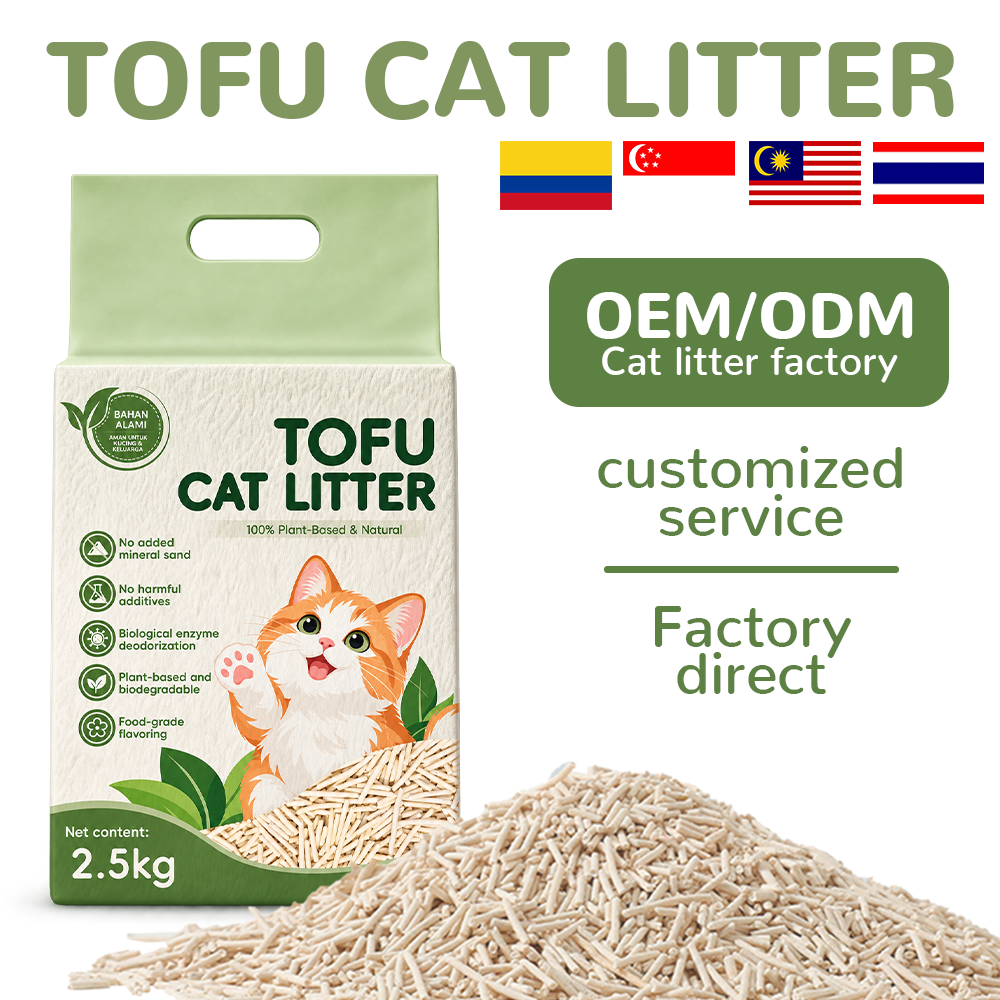
Wholesale Tofu Cat Litter Fast Clumping Low Dust Odor Control Natural Plant Based
- 100% Food-Grade Okara Base
- Flushable Bio-Degradable Matrix
- Moisture Content: ≤ 9.5%
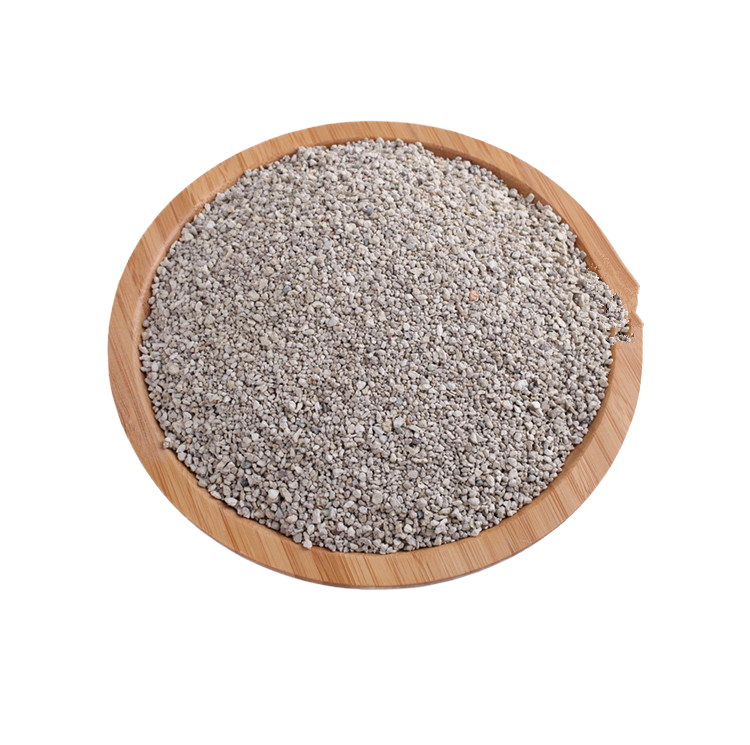
100% Raw Ore Bentonite Cat Litter OEM Customizable Irregular Shape
- High-Density Compact Clumps
- Multi-Stage Dust Extraction
- Mass-Market Price Advantage
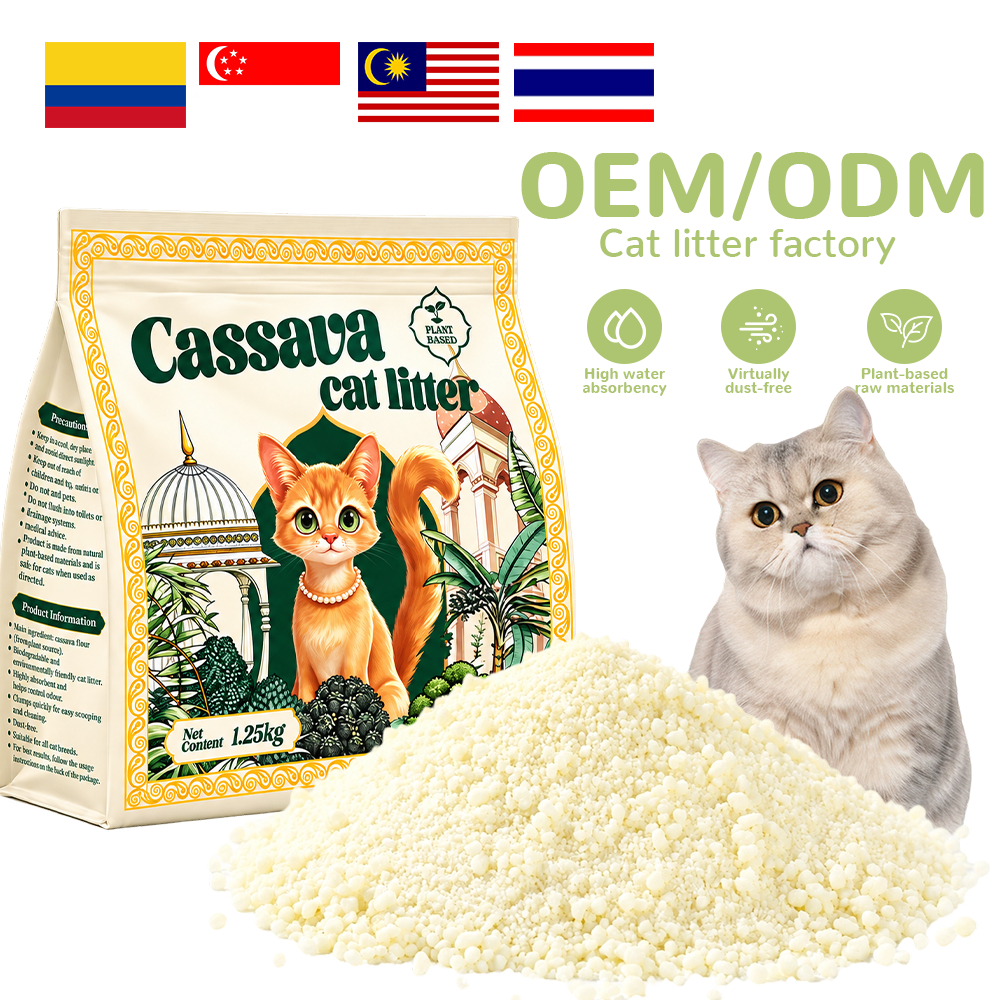
Premium Cassava Cat Litter Fast Clumping Low Dust Plant Based
- 450% Water Absorption Rate
- Hypoallergenic Grain Structure
- Zero Synthetic Chemical Scent
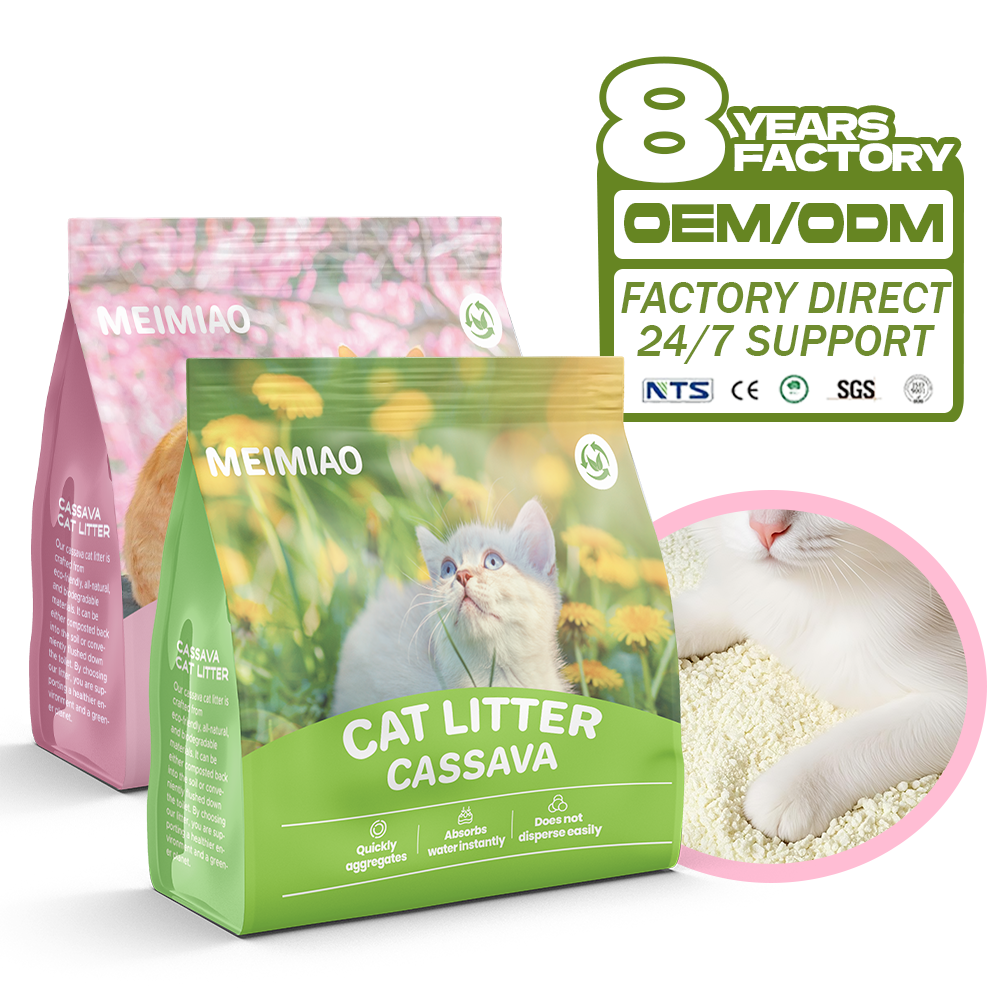
Premium Cassava & Natural Tofu Cat Litter Dust Free Fast Clumping
- Dual Polymer Fast Agglomeration
- Non-Stick Pan Engineering
- Lightweight Transport Volume
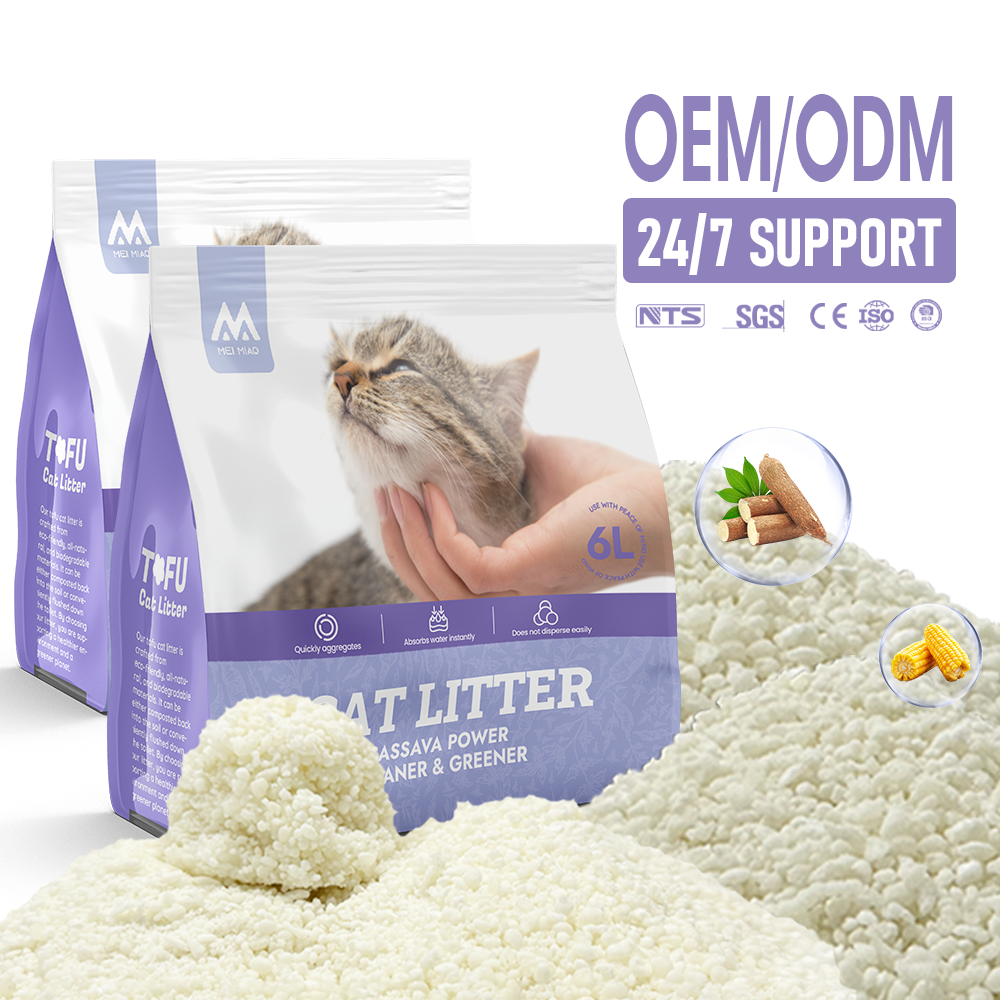
Natural Cassava Cat Litter Clumping Low Dust Private Label Bulk
- Customizable Tonne Sacks / Bags
- Low-Tracking Granular Geometry
- EN 13432 Compost Compliance
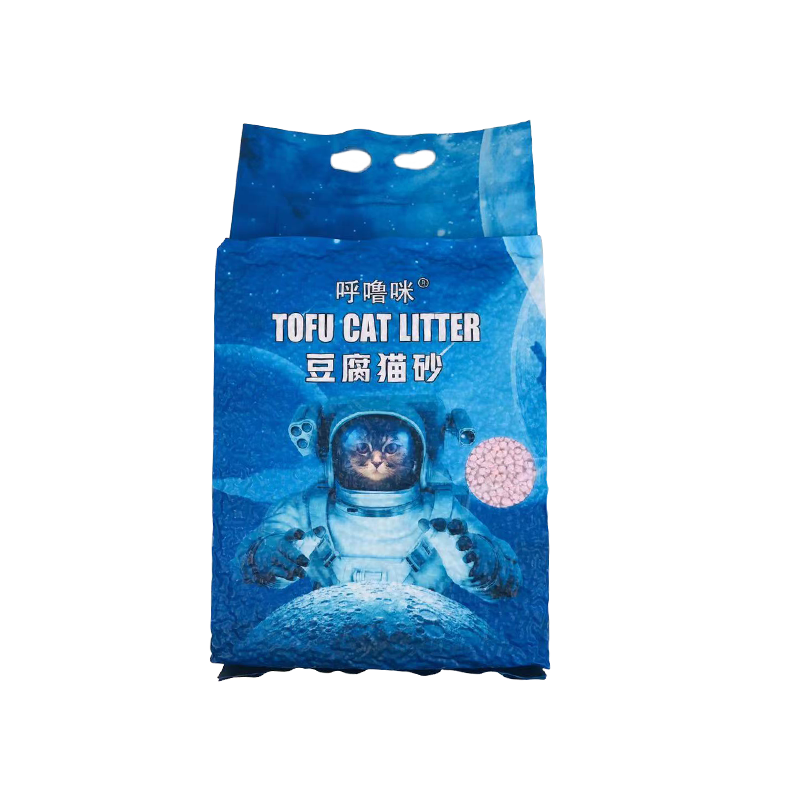
Wholesale Flushable Clumping Soybean Tofu Cat Litter Standard
- 2.0mm High Structural Rigidity
- Rapid Flush Dispersal Kinetics
- Cost-Optimized Packaging Runs
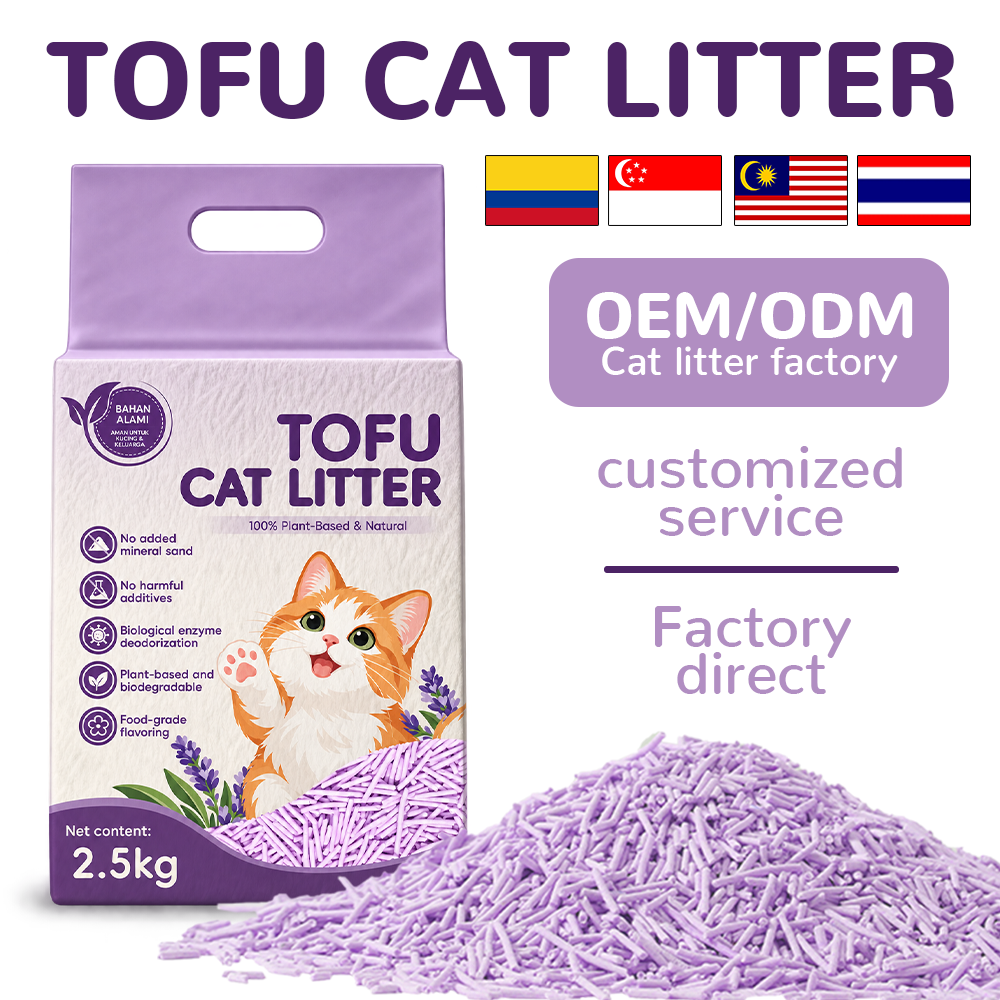
Natural Tofu Cat Litter Strong Absorption Quick Clumping Flushable
- Rapid 1.5-Second Clumping
- Natural Odor Sealing Formula
- Vacuum-Sealed Brick Packaging
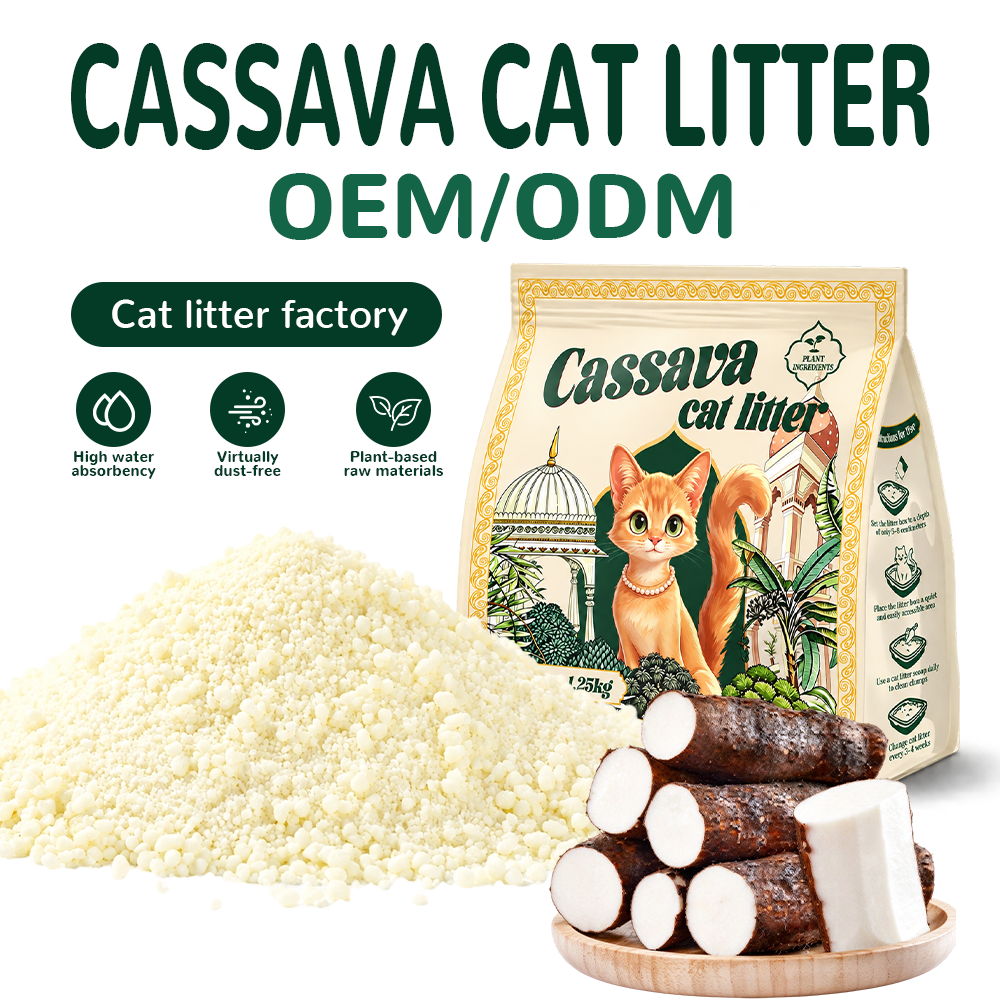
Natural Cassava Cat Litter Fast Clumping Biodegradable Odor Control
- Pure Starch Crosslinked Fibers
- Low-Residue Clump Solidification
- Zero Synthetic Dyes & Chemical VOCs
11 Lines
Automated Production Lines (5 Dedicated Tofu Lines)
150 T/D
Soybean & Plant Litter Daily Output Capacity
4 ISO
Certified Systems: ISO 9001, 22000, 14001, 45001
SGS
Onsite Facility Audit & Technical Verification
Localized Application Scenarios Across Utrecht & Randstad Urban Centers
Analyzing structural, municipal, and residential dynamics influencing feline hygiene product procurement within the central Netherlands logistics corridor.
The municipality of Utrecht represents one of Western Europe's most rigorous testing grounds for pet consumable sustainability. Characterized by high-density urban living, celebrated historic canal apartments (grachtenpanden) featuring narrow, steep stairwells, and modern eco-districts such as Leidsche Rijn, residential infrastructure dictates product form. Traditional 10kg to 15kg bags of mined sodium bentonite clay present severe logistical and physical friction for Dutch apartment dwellers, who overwhelmingly favor lightweight, concentrated, high-yield plant formulations.
Furthermore, indoor feline confinement in well-insulated, energy-efficient Dutch homes requires odor-locking mechanisms that do not rely on aggressive synthetic aromatics. Dutch pet owners demonstrate documented sensitivity to chemical volatilization, seeking unfragranced or naturally scented litters that neutralize volatile fatty acids and ammonia at the molecular level without generating airborne PM2.5 or PM10 crystalline silica particulates.
High-Density Indoor Living
Compact floor plans in Utrecht require immediate moisture lock-in. Our 1.5mm soybean micro-pellets form solid cohesive surface disks within 1.5 seconds, preventing urine from reaching tray bottoms and eliminating anaerobic bacterial decomposition in enclosed indoor environments.
Ergonomic Urban Handling
With an apparent density of only 0.52 to 0.58 g/cm³, a standard 6-liter vacuum brick of Chupen soybean litter weighs approximately 2.4kg to 2.5kg, offering a 65% weight reduction over dense mineral clay. This drastically lowers urban transport strain for consumers traversing multi-floor stairwells.
Circular Waste Compliance
As the Netherlands advances toward the ambitious Nederland Circulair in 2050 roadmap, municipality waste sorting requires zero non-biodegradable mineral contamination. Our soybean litter is formulated from upcycled agricultural okara, ensuring total biological degradation.
B2B Logistics Directive: Utrecht's central geographical position within the Dutch Randstad conurbation allows direct distribution via the Amsterdam-Rhine Canal and major arterial highway networks (A2, A12, A27). Consolidated containerized freight cleared at the Port of Rotterdam reaches Utrecht fulfillment centers within two hours, offering unmatched inland supply velocity for private-label brands.
Macro Trends Reshaping Dutch & European Pet Consumable Procurement
Evidence-based market indicators tracking the wholesale transition from extractive mineral clays to bio-engineered circular substrates across the Benelux market.
Commercial procurement directors at major European pet retail networks are undergoing a rapid portfolio re-engineering. For decades, sodium bentonite clay dominated shelf allocations due to low production costs. However, escalating European environmental scrutiny regarding open-pit bentonite mining, coupled with mounting container shipping weights and revised European Packaging and Packaging Waste Directives (PPWR), has accelerated the shift toward renewable, bio-based alternatives.
In the Netherlands, where consumer environmental literacy is among the highest globally, pet owners actively scrutinize the Life Cycle Assessment (LCA) of pet supplies. Soybean cat litter (manufactured from dried okara—a byproduct of soy beverage and tofu production) serves as a gold standard in agricultural circularity. Rather than redirecting primary food sources, Chupen upcycles structural plant fiber into functional pet hygiene products, eliminating landfill burdens while providing verifiable carbon-offset documentation for private-label brand marketing.
Zero Silicosis Risk
Bentonite extraction and processing inevitably generates fine quartz dust. Soybean cat litter is completely organic, eliminating inhalable crystalline silica hazards for felines and owners with asthma or respiratory sensitivities.
Biodegradable & Flushable
Under hydro-dynamic exposure, soybean pellets dissolve within 12 seconds into loose organic fiber sludge, passing municipal hydraulic shear tests without clogging urban drainage infrastructure or septic disposal systems.
Reduced Landed Carbon
Shipping 24 metric tons of lightweight soybean litter delivers up to 2.4× more usable customer liters than an equivalent tonnage of bentonite clay, slashing international maritime carbon emissions per retail-unit sold.
Natural Odor Neutralization
Rather than using heavy synthetic perfumes that Dutch consumers reject, natural okara proteins and added food-grade organic binders physically encapsulate nitrogen molecules, suppressing ammonia generation at the enzymatic root.
| Performance Parameter | Chupen Okara Soybean Litter | Mined Sodium Bentonite | Crushed Cassava Root Litter | Synthetic Silica Gel Crystal |
|---|---|---|---|---|
| Primary Material Base | Food-Grade Upcycled Soy Fiber | Mined Natural Montmorillonite | Starch-Rich Manihot Esculenta | Synthesized Silicon Dioxide |
| Bulk Density (kg/m³) | 520 – 580 kg/m³ | 850 – 1,000 kg/m³ | 480 – 540 kg/m³ | 420 – 480 kg/m³ |
| Clump Cohesion Time | < 1.5 Seconds | < 3.0 Seconds | < 1.8 Seconds | Non-Clumping (Absorption) |
| Dust Emission Rating | < 0.2% (Quad-Dedusted) | 1.8% – 4.5% (High Silica) | < 0.4% (Ultra-Low) | < 0.1% (Low) |
| Biodegradation Rate | 100% Bio-Organic (30-45 Days) | Non-Biodegradable Mineral | 100% Bio-Organic (20-30 Days) | Inert Synthetic (Zero Degradation) |
| Sewer Flushability | Instant Dissolution Dispersal | Severe Pipe Clogging Risk | Safe in Single Scoops | Zero Flushability (Pipe Hazard) |
Manufacturing Precision Backed by Chupen Industrial Infrastructure
Combining world-class production capacity in Xingtai with SGS-audited procedural oversight to secure long-term European import pipelines.
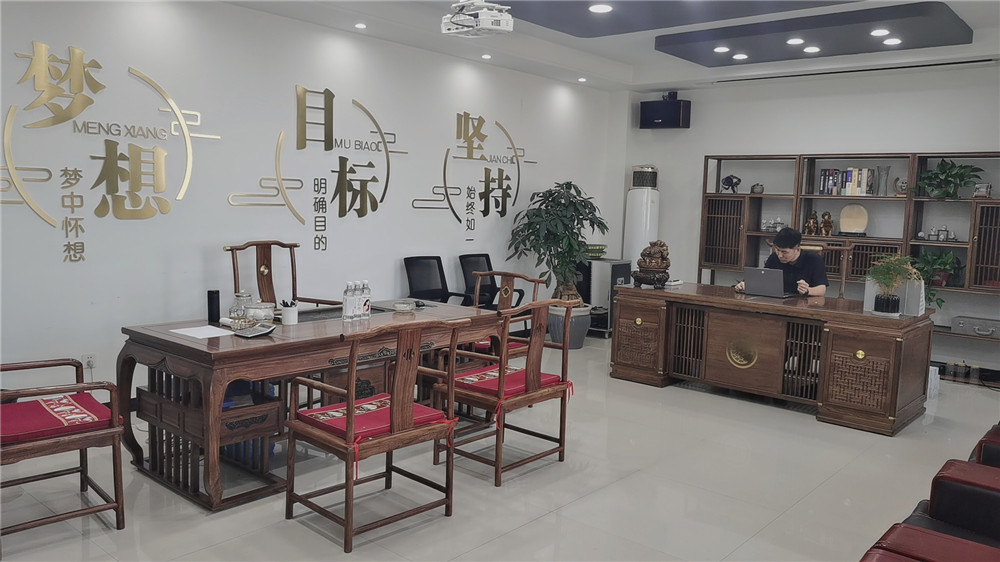
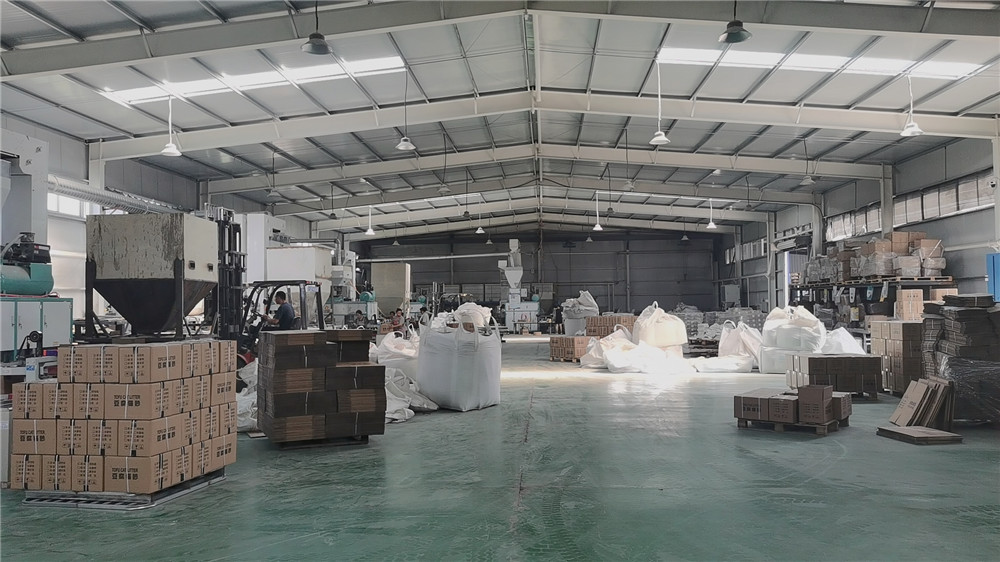
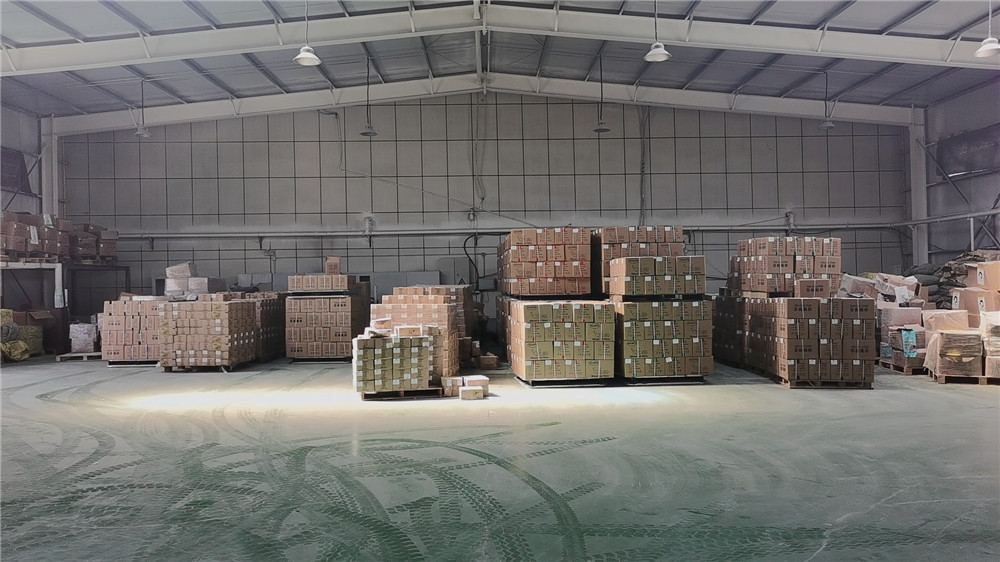
Hebei Chupen Pet Products Co., Ltd. operates in Nanhe District, Xingtai—the undisputed capital of pet product manufacturing responsible for the vast majority of China's pet feed and litter exports. Drawing upon over a decade of core technological innovation, the company combines raw agricultural raw material proximity with high-precision extrusion machinery. Our plant-based cat litter operations encompass five specialized continuous automated extrusion lines, generating an uninterrupted daily output of 150 metric tons of soybean and cassava litters.
Unlike regional brokers, Chupen enforces complete closed-loop manufacturing. Raw okara passes through high-temperature microbial sterilization, moisture stabilization ovens, dual-screw variable frequency extruders, and our proprietary four-stage negative pressure cyclone dust elimination chambers. Each production lot is systematically tested across 9 internal laboratory instruments for clumping shear resistance, moisture equilibrium (≤ 9.5%), fungal resistance, and ammonia headspace absorption.
Multi-Tier ISO Certification
Our quality and safety framework adheres to ISO 9001 (Quality Management), ISO 22000 (Food Safety Management applied to pet hygiene inputs), ISO 14001 (Environmental Systems), and ISO 45001 (Occupational Safety), verified by onsite SGS assessments.
Consolidated Freight Optimization
Located in Xingtai with rapid express freight connectivity to Tianjin Port, Chupen consolidates cat litter, training pee pads, and pet plastics into single ocean containers, lowering handling overhead and landed unit tariffs for Benelux importers.
Full Private-Label Customization
We provide full-spectrum OEM/ODM services: customized pellet diameters (1.5mm micro or 2.0mm standard), functional color highlights, natural botanic scent infusion (green tea, lavender, unscented), and recyclable packaging formats (foil, kraft paper, handle pouches).
Commercial Buyers' Technical FAQ: Importing into the Netherlands
Addressing compliance, supply chain execution, containerization, and product performance questions frequently raised by Dutch purchasing directors.
What are the exact Minimum Order Quantities (MOQ) for custom private-label branding in Utrecht?
How does Chupen ensure maritime moisture stability during ocean transit to Rotterdam?
Does your soybean litter meet Dutch and European chemical safety standards (REACH)?
Is municipal disposal via toilet flushing permissible according to Dutch water authorities?
Can we consolidate multiple pet categories within a single shipping container?
Scale Your Private Label Litter Brand in Utrecht
Consult with our international B2B export engineers. Request custom formulation samples, laboratory test certificates, pallet layout schematics, and firm CIF Rotterdam or DDP Utrecht quotations.