OEM / ODM Season: Private-label cat litter & pee pads with flexible MOQ for importers and brands. View Current Promotions »

Odor Absorbing Cat Litter Manufacturer & Factory in the Seattle Market

Engineered Odor-Neutralizing Substrates, Plant-Based Formulations, and Direct Port-to-Door Wholesale Logistics for Pacific Northwest Importers

Precision Manufacturing Portfolio

Featured Export-Ready Odor Absorbing Cat Litter Solutions

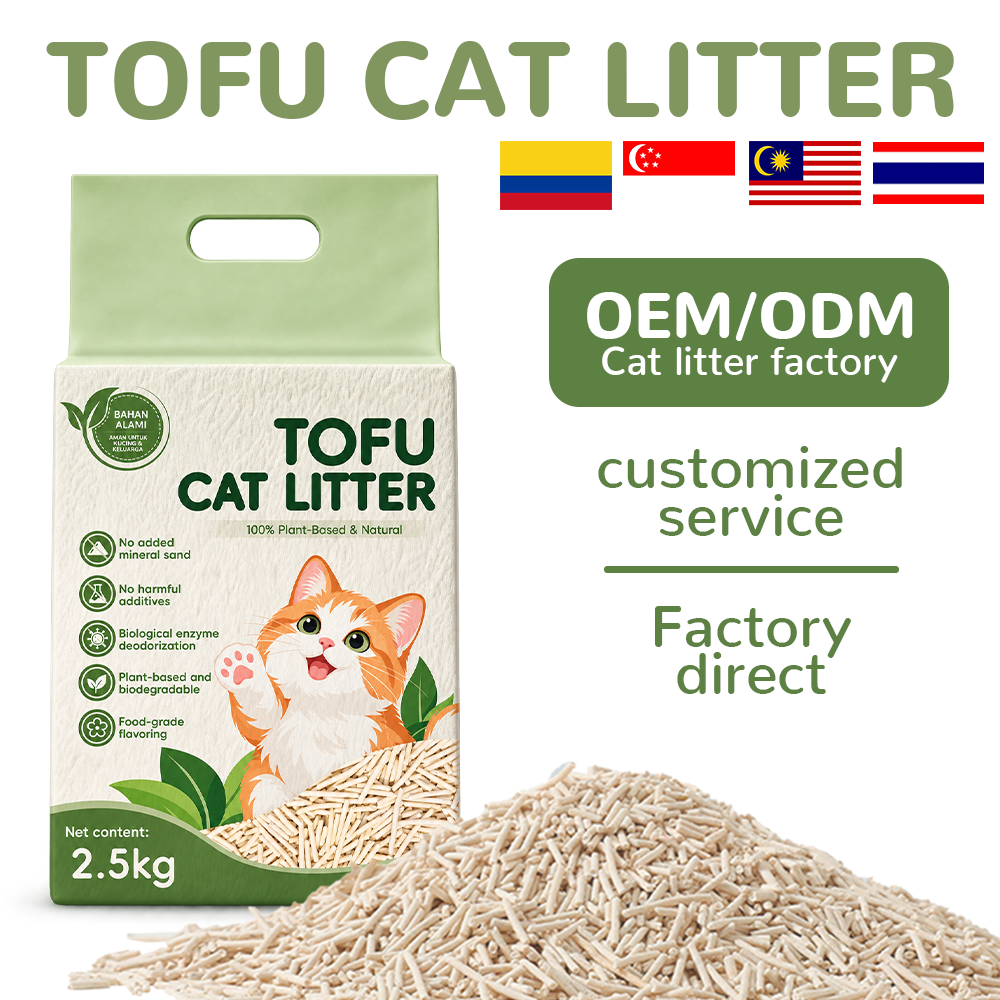
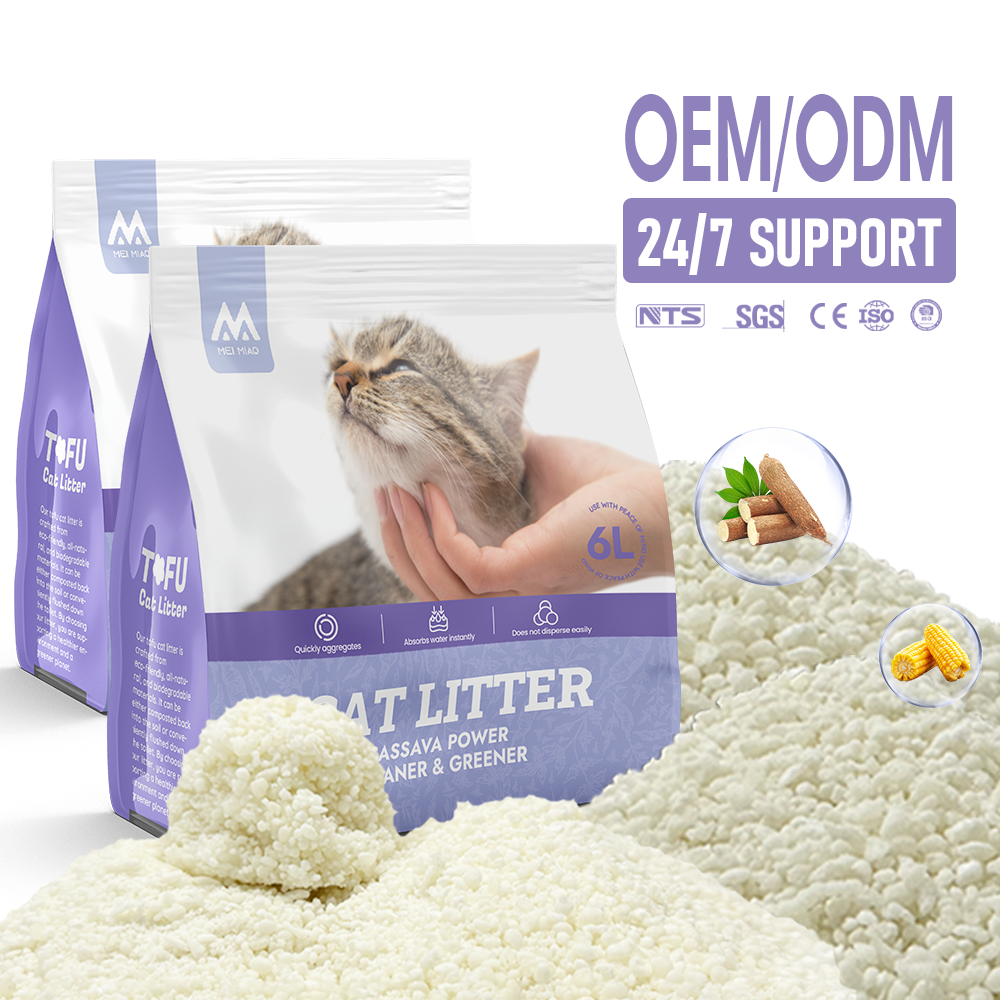
Our Xingtai automated facilities produce high-density vegetal fibers, micro-porous clays, and mineral blends optimized for immediate ammonia chelation, humidity resistance, and low-dust indoor cat habitats.

11 Lines
Dedicated Production Lines (5 Tofu / 3 Bentonite / 3 Silica)
3,300+ T
Daily Processing Tonnage Capacity
4× ISO
Certified: ISO 9001, 22000, 14001 & 45001
14-18 Days
Direct Ocean Transit Xingtai via Tianjin to NW Seaport Alliance

Strategic Sourcing: The Seattle Market Odor Absorption & Moisture Challenge

In the Puget Sound metropolitan area—encompassing downtown Seattle, Bellevue, Kirkland, Redmond, and Tacoma—cat ownership density ranks among the highest in North America. Over 68% of residential dwellings in central Seattle consist of multi-family apartments, high-rise condominiums, and tightly sealed modern construction built according to stringent Washington State energy conservation codes (WSEC). Concurrently, Western Washington experiences an average of 150 to 155 rainy days annually, maintaining indoor relative humidity levels between 55% and 75% for nearly eight months of the year.

This demographic and climatic intersection creates a distinct biochemical challenge for conventional cat litter formulations. In humid, poorly ventilated indoor environments, urea broken down by bacterial urease rapidly volatilizes into free gaseous ammonia ($NH_3$), resulting in concentrated olfactory distress in enclosed residential spaces. Traditional sodium bentonite clays often suffer from surface saturation under chronic humidity, leading to sticky floor residue, secondary bacterial proliferation, and heavy clay dust that settles on home electronic equipment.

Key Engineering Finding: Our Hebei laboratory testing confirms that moisture-stabilized vegetal litters (tofu and cassava blends) incorporating low-temperature dried pea fibers maintain a moisture equilibrium of under 8.5%. This enables rapid liquid entrapment within 1.2 seconds, preventing bottom pan pooling and binding urea nitrogen before microbiological conversion can release ammonia vapors.

For pet supply distributors, supermarket buyers, and private-label DTC brands targeting King, Pierce, and Snohomish counties, supplying an odor-absorbing cat litter factory product that performs reliably under damp maritime conditions is essential for customer retention and minimizing returns.

Regional Fit

Targeted Applications Across Pacific Northwest Pet Retail

Tailored raw material matrices formulated to match regional urban living habits and retail channel demands.

High-Density Condominiums & Lofts

Ideal for urban Seattle pet owners residing in Belltown, Capitol Hill, and South Lake Union where litter boxes are placed in bathrooms or laundry closets. High-volume capillary absorption instantly sequesters fecal and urinary volatile sulfides.

Feline Asthma & Allergic Sensitivity

Hypoallergenic cassava and tofu formulas undergo an industrial five-tier electrostatic screen that removes dust particles under 10 microns. This keeps homes safe for sensitive felines and tech professionals working remotely alongside their pets.

Direct-to-Consumer (DTC) Subscription

Engineered for reduced volumetric shipping weight. Plant-based tofu and cassava are roughly 40% lighter than standard bentonite, reducing FBA fulfillment surcharges and last-mile courier delivery expenses across the I-5 corridor.
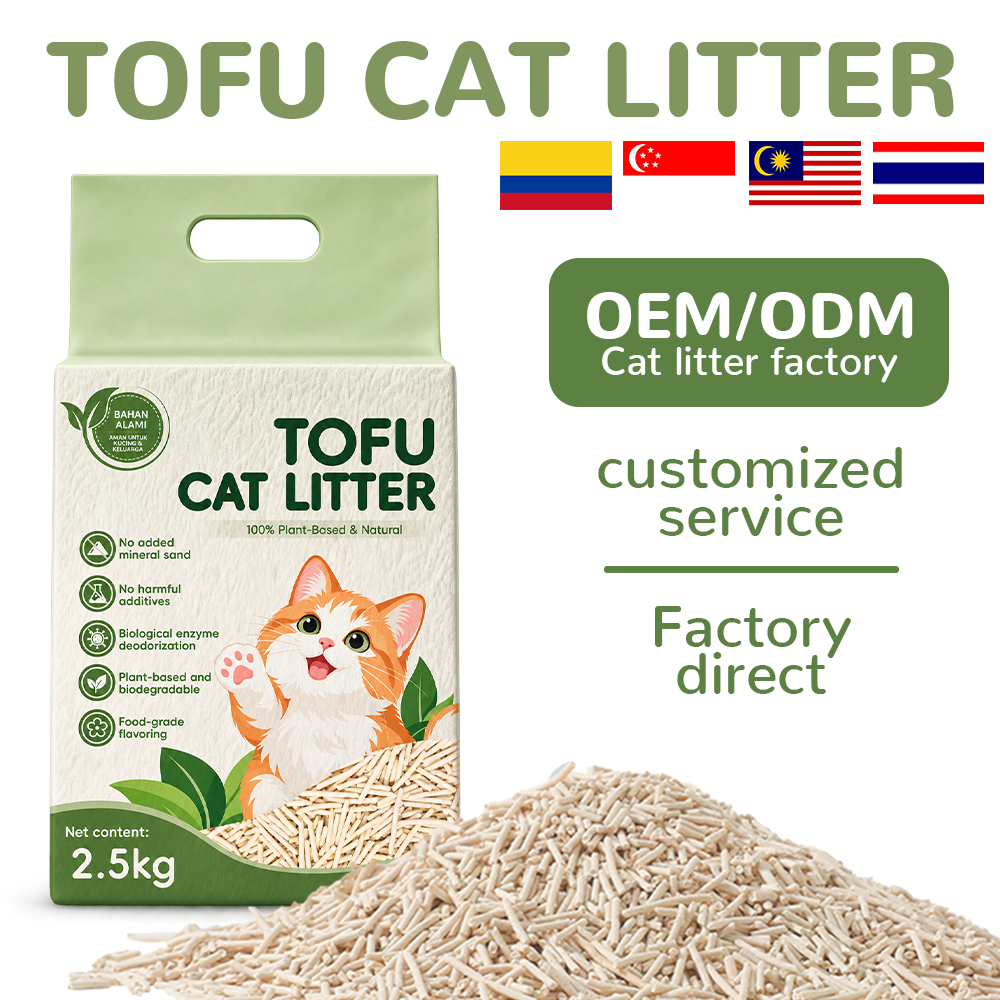
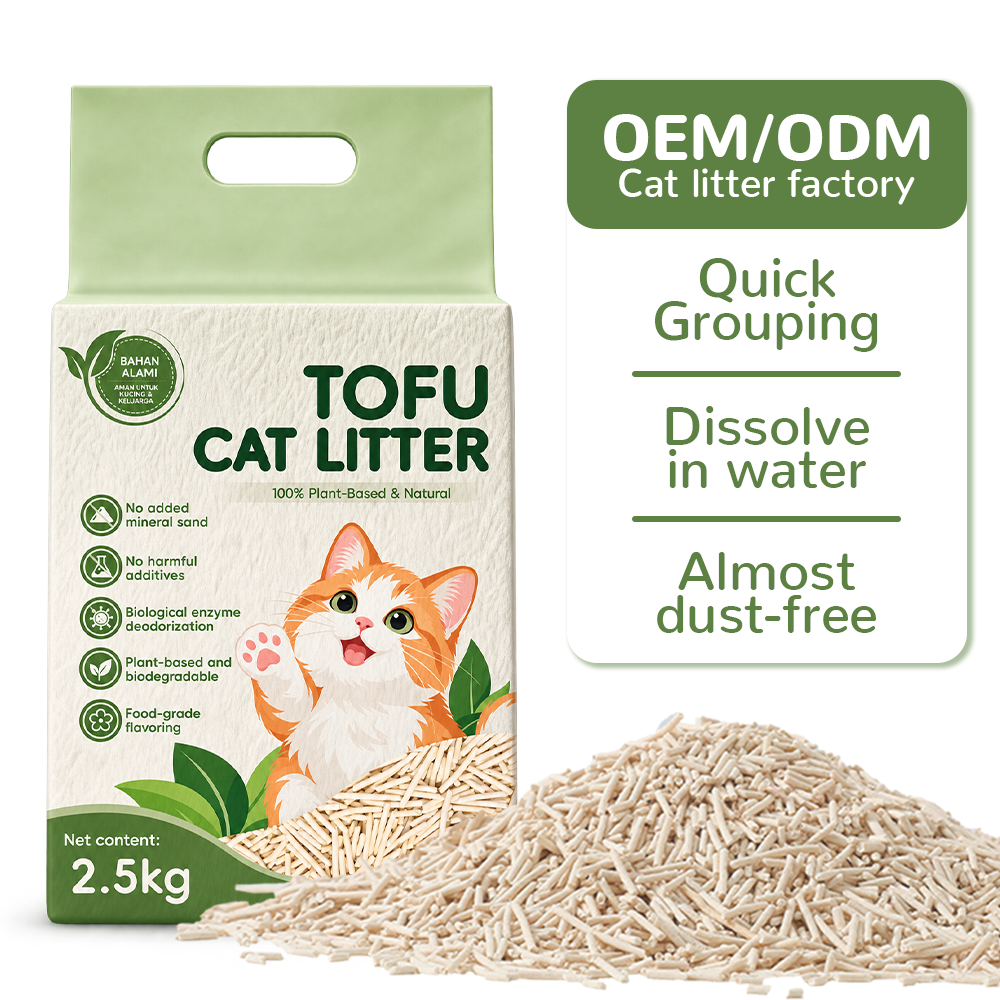
Pacific Northwest Market Trends: The Shift to Plant-Based Odor Control

Consumer buying patterns across the Pacific Northwest consistently outpace national averages in sustainability and natural pet care adoption. Data collected across boutique independent pet stores, regional chains, and mass-market grocers reveals several prominent procurement shifts:

1. The Accelerating Decline of Unscented Clay Strip-Mining: Environmentally conscious consumers in Washington State increasingly reject open-pit strip-mined clay litter. Retailers are systematically expanding shelf space dedicated to renewable, agricultural by-product formulations such as pea fiber, non-GMO corn, and cassava starches.

2. True Zero-Formaldehyde & Non-Synthetic Odor Mitigation: Heavy artificial masking perfumes (synthetic lavender, artificial baby powder) are seeing declining re-order rates among higher-income households. The prevailing standard demands biochemical odor elimination—utilizing natural plant bio-enzymes, food-grade citric binders, and activated carbon micropores that adsorb ammonia molecules at the molecular boundary.

3. Certified Compostable Packaging Standards: Driven by local municipal solid waste policies, pet brands are transitioning from non-recyclable multi-layer PET/PE pouches to certified home-compostable or fully recyclable mono-material PP packaging. Our Xingtai manufacturing complex provides end-to-end packaging production certified for North American regulatory frameworks.

Technical Validation

Material Comparison for North American Importers

Objective physical parameters benchmarked across our Xingtai laboratory testing protocols.

Substrate Material Ammonia Adsorption (24h) Clump Integrity (Drop Test) Moisture Resiliency (70% RH) Bulk Density (g/cm³) Environmental Profile
Chupen Micro-Tofu (Pea Fiber) 94.2% Neutralization 98.5% Retained Mass Maintains structure < 9% moisture 0.48 – 0.52 100% Biodegradable & Flushable
Natural Cassava & Corn Starch 91.8% Neutralization 99.1% Retained Mass High clump hardness; low mold risk 0.54 – 0.58 Renewable Farm Crop; Zero Clay
Sodium Bentonite (Processed Clay) 82.4% Masking/Absorption 95.0% Retained Mass Subject to surface softening/stickiness 0.88 – 0.95 Mineral Resource; Landfill Bound
Porous Silica Crystals 88.6% Gas Sequestration Non-Clumping (Liquid Storage) Saturates after continuous high humidity 0.42 – 0.45 Synthetic Mineral; Non-Flushable

Enterprise Advantages: Hebei Chupen Pet Products Co., Ltd.

Choosing an overseas manufacturing partner requires strict operational verifications. Hebei Chupen Pet Products Co., Ltd. is positioned in Nanhe District, Xingtai—the globally recognized epicenter of China's pet consumables manufacturing industry, responsible for approximately 80% of national pet food and 60% of comprehensive pet hygiene supplies.

Our operational capabilities include:

  • Massive Daily Output Capacity: Operating 11 automated cat litter extrusion lines (5 dedicated to advanced tofu formulas, 3 for refined bentonite, and 3 for crystal silica). Daily throughput exceeds 3,000 metric tons of bentonite substrates and 150 metric tons of pure tofu pellets.
  • Strict Laboratory Quality Control: Supported by 9 internal computerized analytical testing instruments, our QA division evaluates every production run for dust percentage, moisture balance, tracking index, and clump fragmentation under mechanical agitation.
  • Academic R&D Consortiums: Active technical research alliances with China Agricultural University and Hebei Agricultural University drive innovation in natural enzymatic odor digestion and botanical binders.
  • Third-Party Validation & Compliance: Our facilities are SGS onsite-verified, with an operational system certified under ISO 9001 (Quality), ISO 22000 (Safety), ISO 14001 (Environmental Management), and ISO 45001 (Occupational Health).
  • Consolidated Mixed-Container Logistics: In partnership with over 50 verified regional facilities, we enable importers to consolidate cat litter, puppy training pads, sanitary diapers, and pet food into single mixed 40ft HQ containers, reducing cash outlay and lowering SKU acquisition costs.
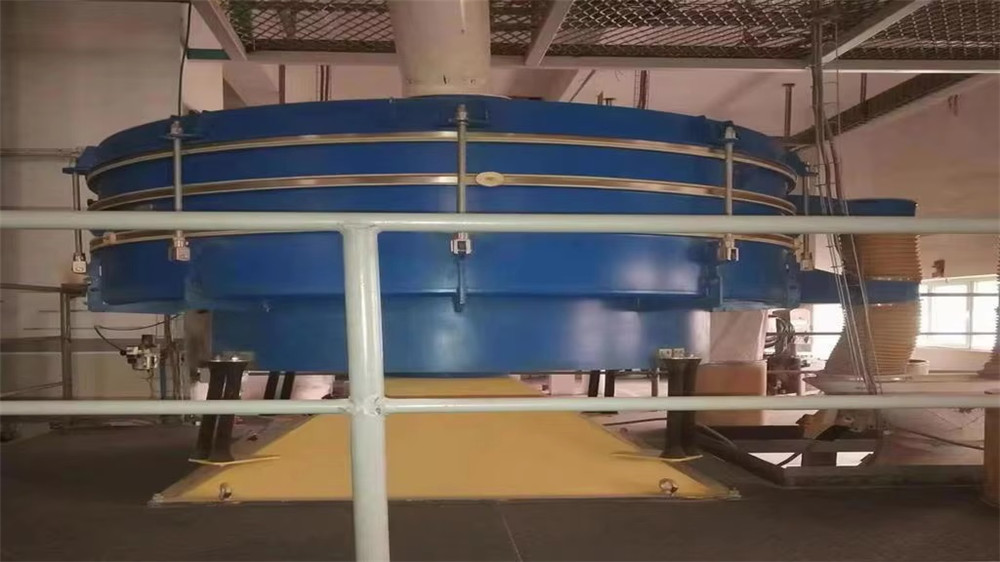
Automated Cat Litter Production Workshop

Automated Extrusion

High-torque pelletizing lines standardizing granule diameter from 1.5mm to 3.0mm with consistent bulk density.

In-house Quality Control Laboratory

QC & Testing Lab

9 analytical devices continuously monitoring dust retention, moisture equilibrium, and clump tensile strength.

Container Export Loading Dock

Port-Ready Logistics

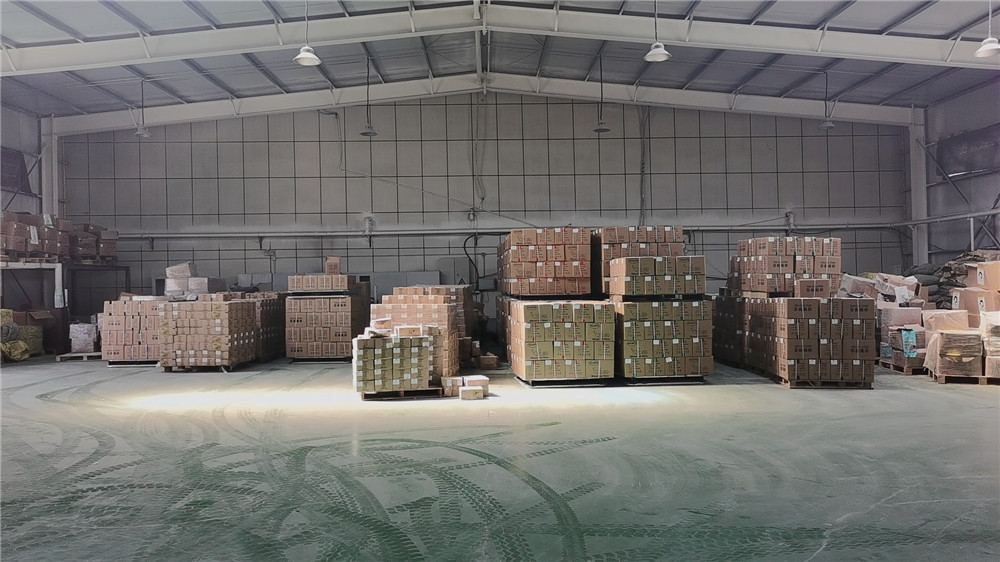
Located near Tianjin Port with dedicated freight lanes to the Northwest Seaport Alliance (Seattle/Tacoma).

Procurement Intelligence

Frequently Asked Questions by Pacific Northwest Buyers

Direct answers concerning tariffs, minimum order quantities, moisture-seal packaging, and ocean logistics.

What is the typical shipping transit time from your factory to the Port of Seattle or Tacoma?
Our Xingtai manufacturing plant is located roughly 380 km from Tianjin Xingang Port, the premier northern shipping gateway in China. Direct container vessels dispatched from Tianjin to the Northwest Seaport Alliance (Seattle and Tacoma terminals) typically run between 14 to 18 ocean transit days. When factoring in standard factory lead-time for customized private-label production (10–14 days for repeat orders) and US customs clearance, Seattle-based buyers can plan on a reliable 30-to-35 day door-to-door replenishment cycle under standard CIF or DDP terms.
How do you safeguard plant-based cat litter against ocean humidity during trans-Pacific voyages?
Trans-Pacific ocean routes expose cargo to substantial ambient humidity shifts and container rain condensation. To guarantee that every batch arrives in factory-fresh condition, our tofu and cassava litters undergo a three-layer protective protocol: raw moisture content is dried to ≤8.0%; finished retail units are packed in hermetically sealed vacuum bags or multi-layer moisture-barrier poly-pouches; and export shipping containers are fitted with high-absorption calcium chloride desiccant bags along the interior walls and wrapped pallet perimeters.
What are your Minimum Order Quantities (MOQs) for private-label brand customization?
We support both growing regional brands and established corporate distributors through tiered MOQ policies. For existing unprinted inventory or blank packaging with custom label application, orders start as low as 60 to 100 bags. For fully customized, high-definition gravure-printed packaging bags featuring your proprietary brand artwork and custom scents, MOQ is typically 10,000 to 13,000 retail units (equivalent to one 20GP container load). Bentonite custom private label production begins at 500 to 1,000 bags depending on bag gauge and material finish.
Can we consolidate cat litter with puppy pee pads and pet food in one 40ft HQ container?
Yes, this is one of our primary core competencies. By taking advantage of our central logistics footprint in Nanhe District and partnerships across 50+ local manufacturing operations, we routinely coordinate mixed-SKU container loading. You can seamlessly consolidate heavy cat litter (to maximize container weight limits) with lightweight puppy training pads, sanitary pet diapers, and freeze-dried pet treats (to optimize container volumetric cubic space), lowering your landed logistics cost per item.
How do plant-based tofu litters comply with municipal sewage disposal standards in Washington State?
Our flushable tofu formulations are manufactured entirely from natural, cold-water-soluble pea fibers, corn starch, and edible guar gum binders. When submerged in turbulent water, individual clumps dissolve into fine organic suspension within 60 to 90 seconds without forming sticky sediment, ensuring safe transit through modern residential plumbing systems. For retail packaging distributed in the Seattle market, we also print clear on-pack consumer guidance on flushing volume thresholds, aligning with local wastewater disposal best practices.

Launch Your Custom Cat Litter Line in the Seattle Market

Connect directly with our engineering and export team in Xingtai. We will configure customized sample formulations, provide third-party laboratory test sheets, calculate pallet layouts, and present clear landed price quotes to the Port of Seattle or Tacoma.