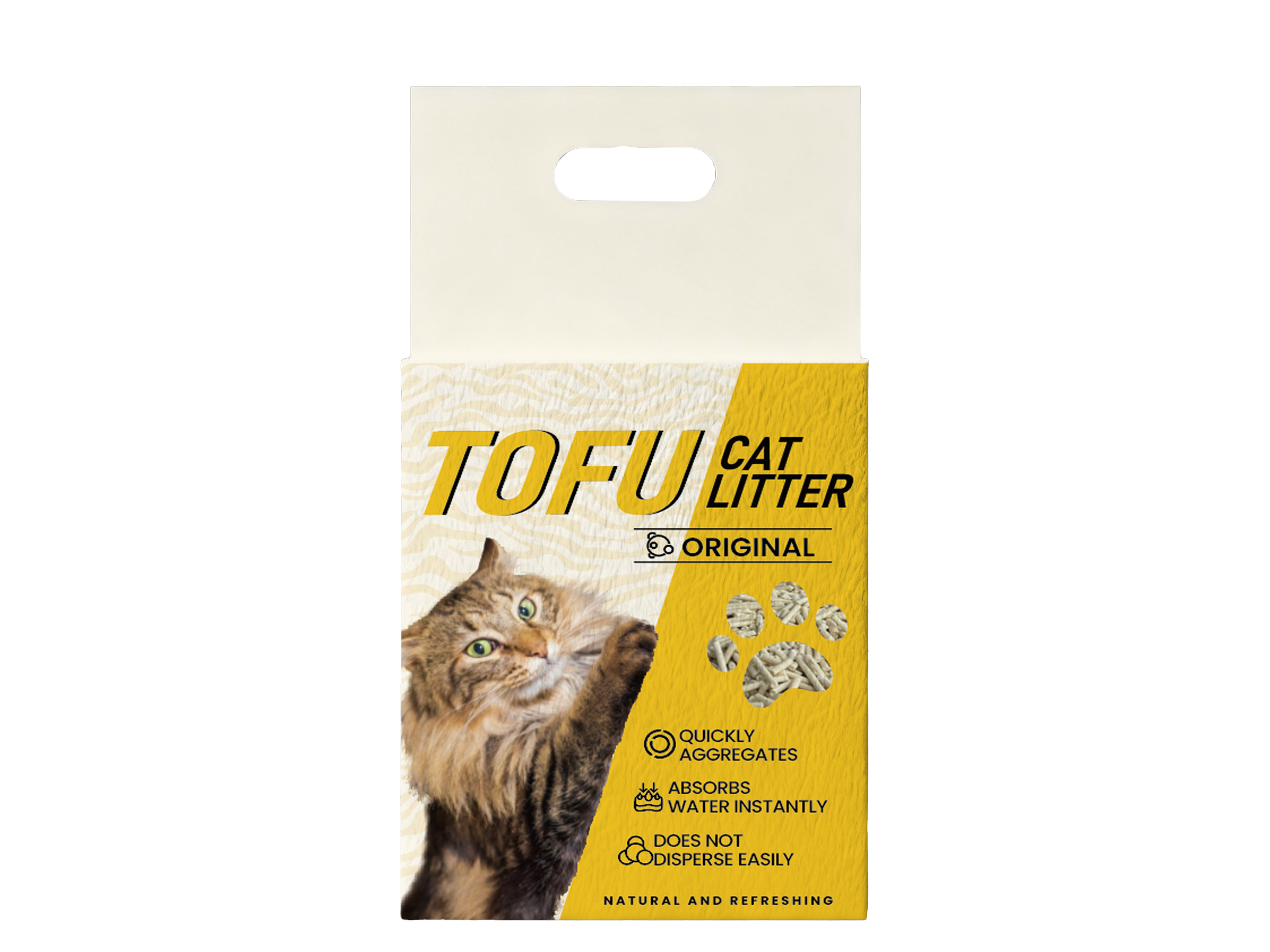
Professional Manufacturer 100% Compostable Plastic Catty Bag Pack Tofu Cat Litter
Pure soybean fibers, rapid dissolution, biodegradable packaging engineered for carbon-neutral retail compliance.
Premium soybean, pea fiber, and cassava starch substrates formulated for rapid agglomeration, zero-dust indoor breathing safety, and effortless flushability.
Pure soybean fibers, rapid dissolution, biodegradable packaging engineered for carbon-neutral retail compliance.
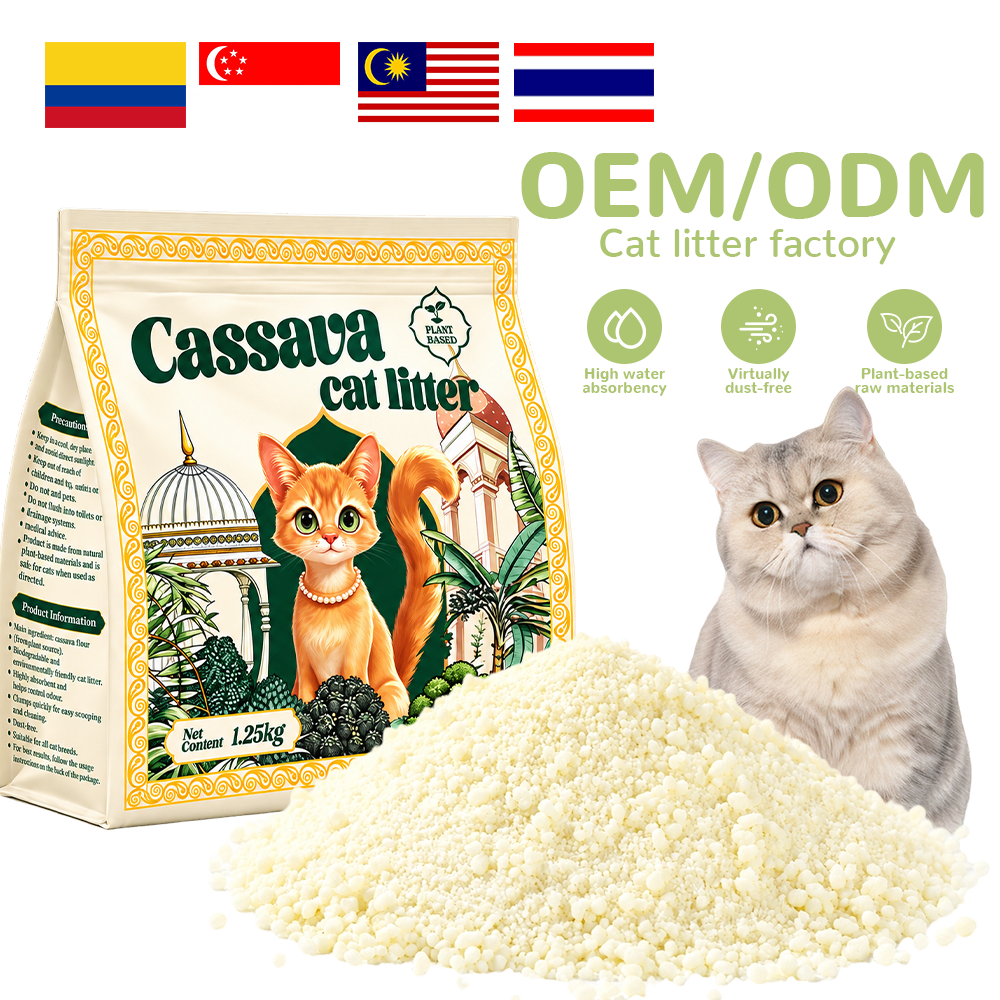
Micro-granule tapioca root structure delivering 3-second hard clumps with zero synthetic binders or dust.
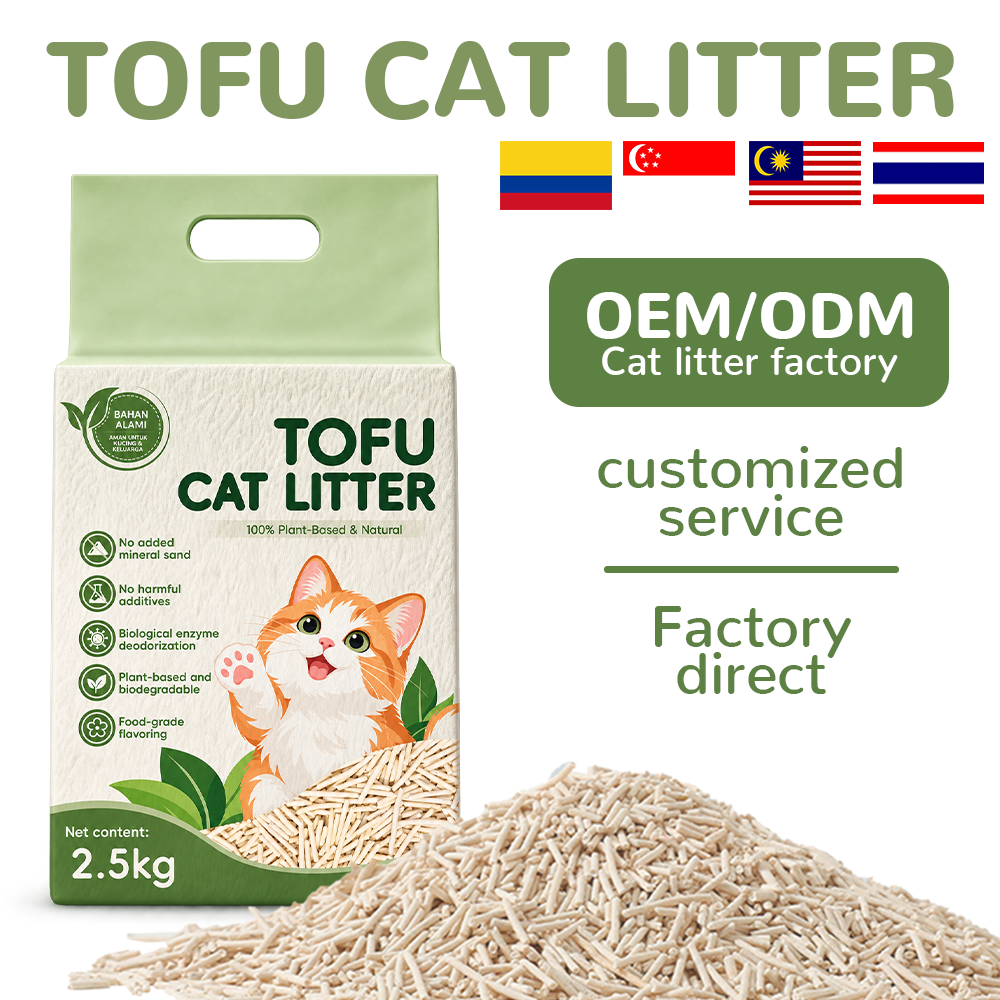
Industrial 2.0mm cylinder pellets designed for high capillary absorption and zero tracking on carpets.
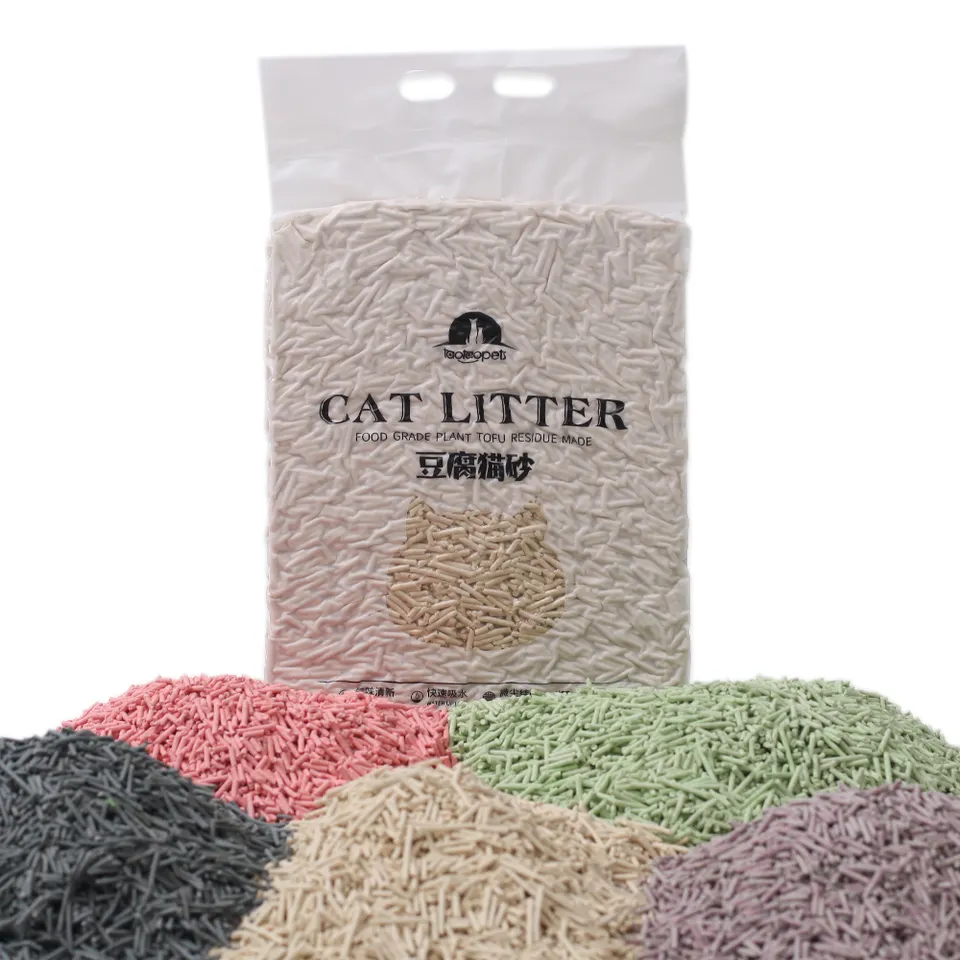
Commercial-grade institutional packaging suited for feline rescues, catteries, and subscription delivery networks.
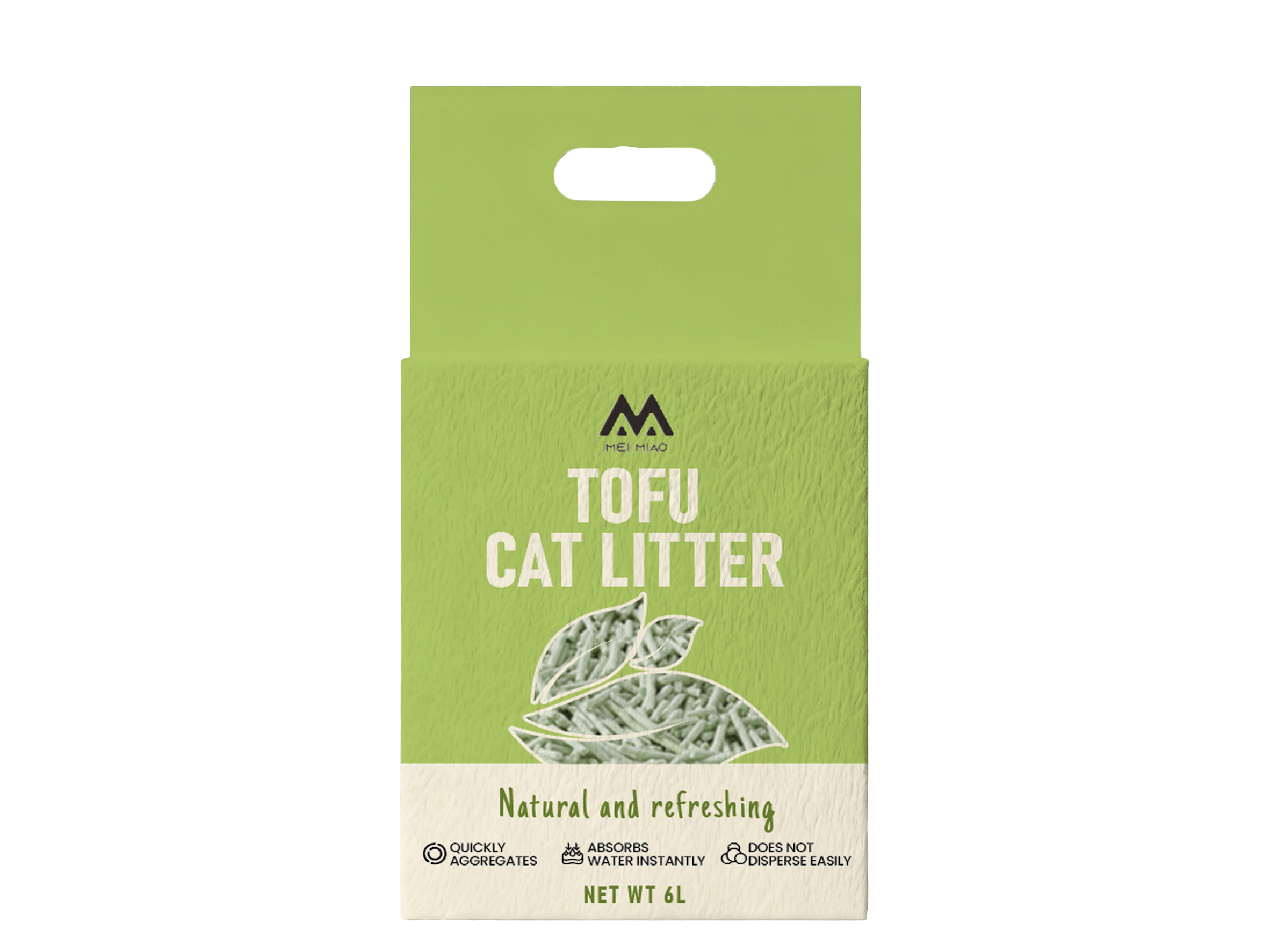
Multi-composite matrix incorporating activated carbon spheres for high-humidity odor locking performance.
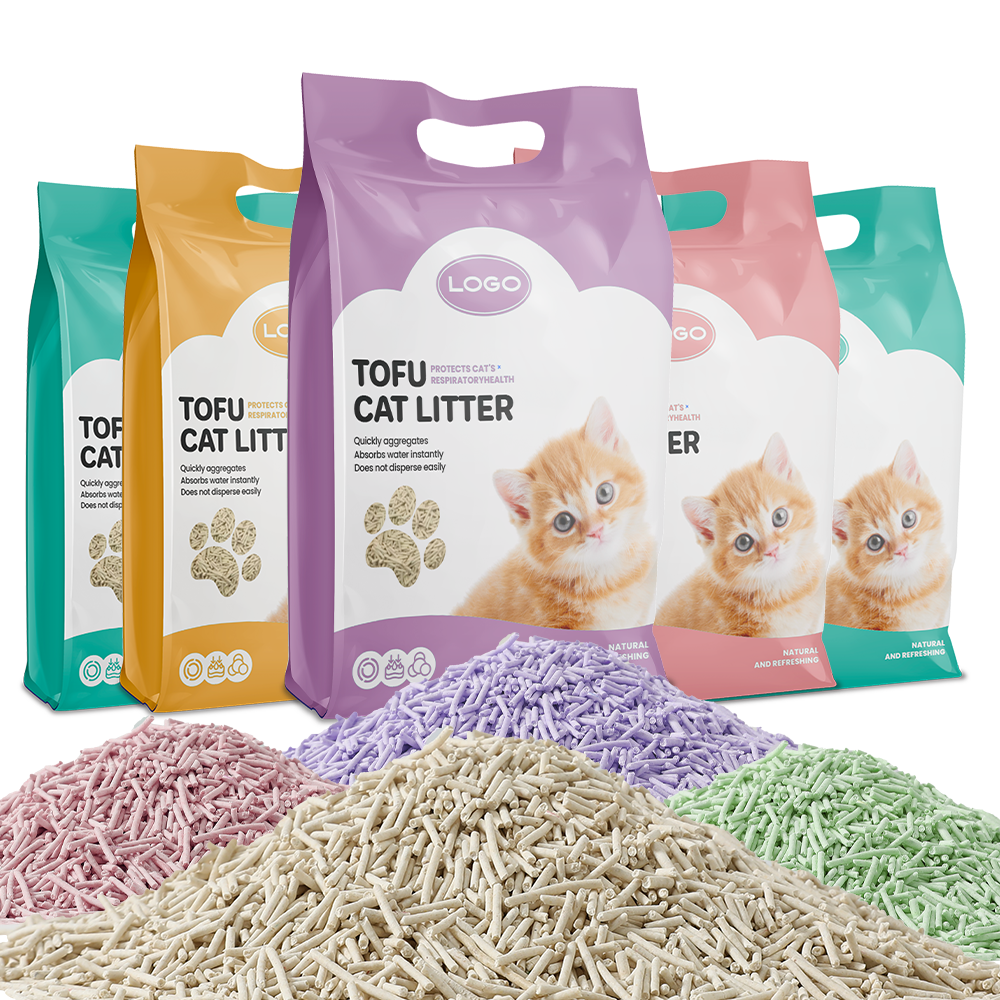
Crushed corn-core substrate treated with food-grade botanicals for hypoallergenic sensory freshness.
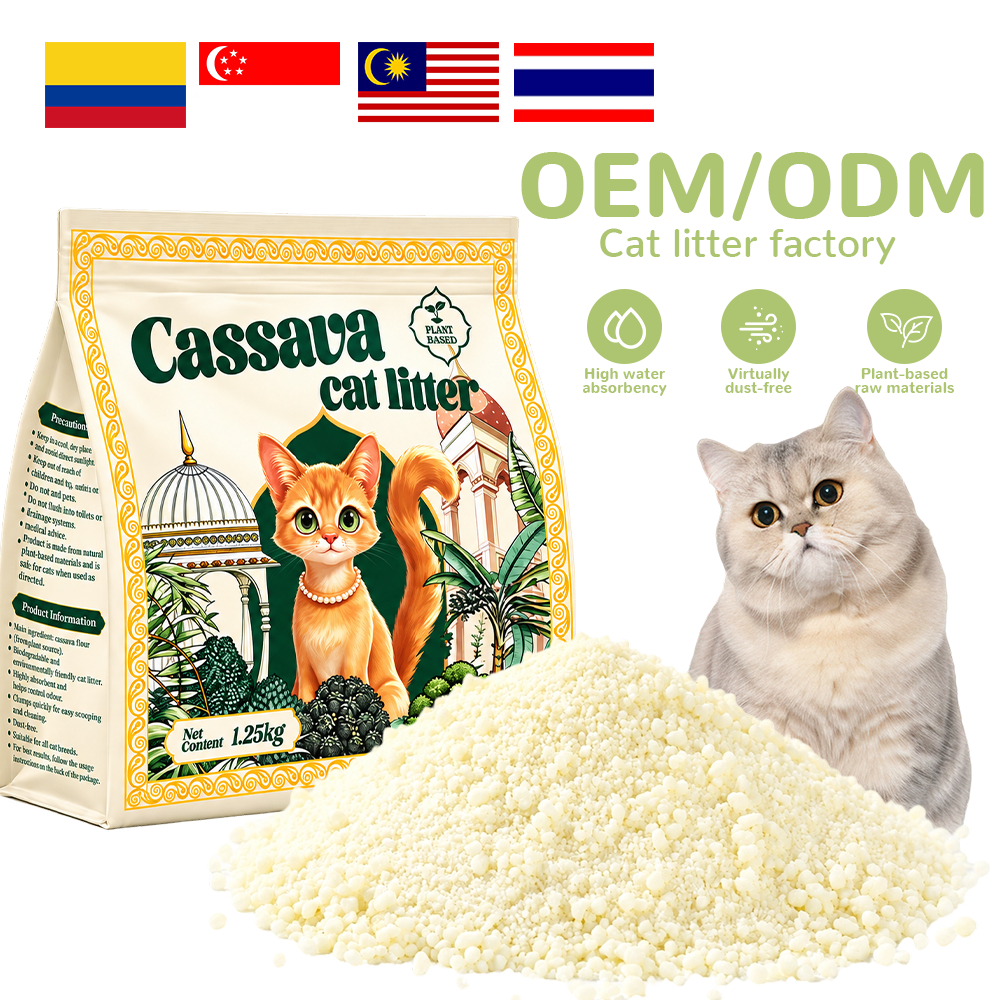
Zero-chemical clumping sand designed to mirror natural soil textures for finicky felines and easy adoption.
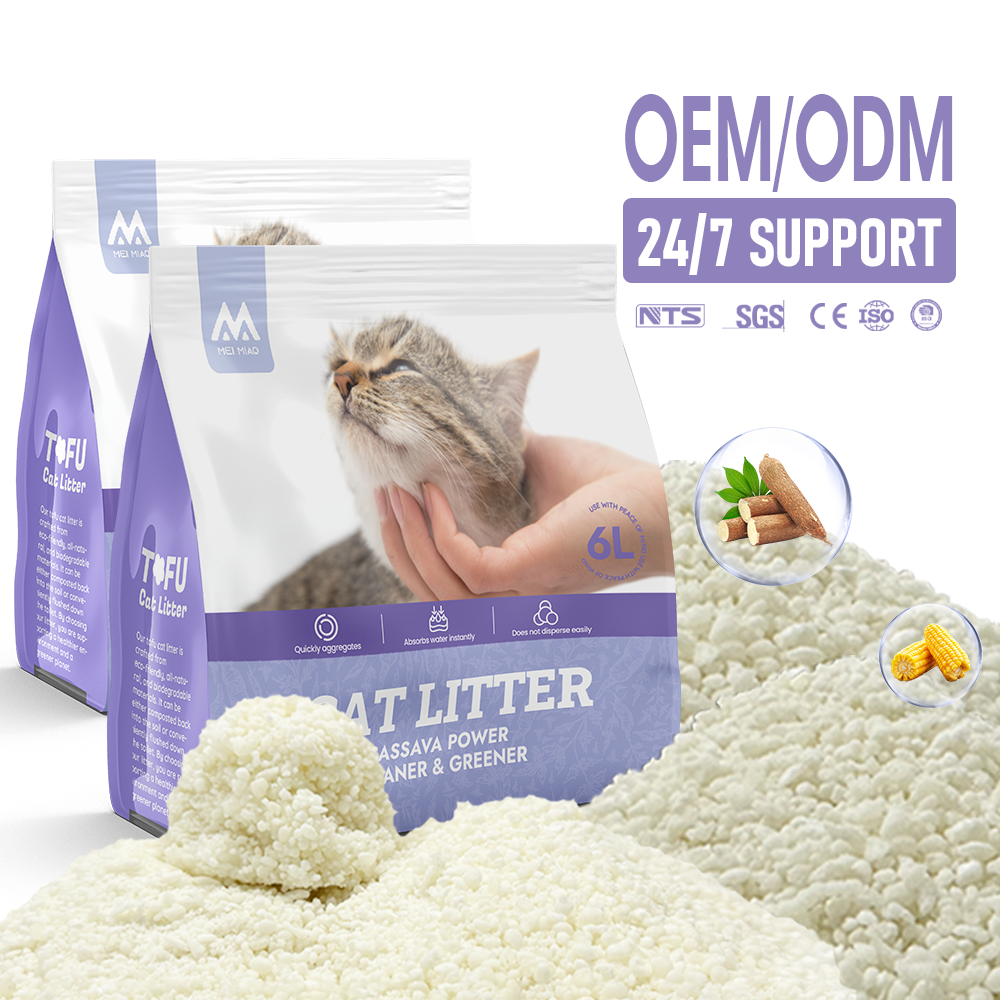
Heavy-duty dust extraction (<0.1%) yielding clean air release during pouring, ideal for tight indoor spaces.
Urban pet ownership dynamics in Cook County demand hyper-specific litter properties driven by residential structures, microclimates, and regional waste management rules.
Condominiums along Lake Shore Drive, the Loop, and River North depend on high-efficiency forced-air heating and ventilation (HVAC) systems. Traditional sodium bentonite releases respirable crystalline silica particulate that circulates inside enclosed urban suites. Our plant-based tofu and cassava options undergo multi-cyclone dedusting processes, maintaining sub-0.1% dust metrics to safeguard indoor respiratory health.
Historic structures in Lincoln Park, Wicker Park, and Lakeview feature aged plumbing systems prone to clogging from non-dissolvable clay clumps. Our laboratory-verified flushable tofu substrates disperse completely in under 20 seconds upon contact with cold water, making them practical for urban pet parents while eliminating heavy waste hauling down multi-story walk-ups.
Chicago winters bring freezing drafts followed by humid summers off Lake Michigan. Traditional litters often fail under sudden indoor humidity fluctuations, breaking down into muddy residue. Our starch-bonded cassava litters feature high structural rigidity and natural pore networks that trap liquid instantly without sweating or releasing pungent ammoniacal vapors in sealed apartments.
A data-informed analysis evaluating environmental footprint, clump shearing resistance, and supply-chain logistics for B2B procurement professionals.
| Substrate Category | Clump Integrity (Shear Test) | Water Absorption Index | Respirable Dust Rate | Disposal & Environmental Footprint | Midwest Logistics Viability |
|---|---|---|---|---|---|
| Soybean Tofu Pellet (1.5-2.0mm) | Exceptional (Tensile Clump) | 350% – 420% Weight/Vol | < 0.1% Multi-Screened | 100% Flushable, Compostable | Lightweight; High container cube efficiency |
| Hydrolyzed Cassava Granules | Ultra-Rapid (< 3 Seconds) | 400% – 480% Weight/Vol | < 0.05% Friction-Resistant | Biodegradable, Municipal Green Bin Ready | Superior moisture barrier in storage |
| Standard Wyoming Bentonite | Heavy Brittle Clump | 200% – 250% Weight/Vol | 1.2% – 3.8% Silica Dust | Non-Biodegradable (Landfill Accumulation) | Heavy deadweight freight surcharges |
| Porous Silica Crystal | Non-Clumping (Liquid Trap) | 180% – 220% Weight/Vol | Low Dust, Micro-Chipping Risk | Non-Degradable Synthetic Mineral | Vulnerable to ambient Midwestern humidity |
Operating from Nanhe District, Xingtai—the international epicenter responsible for nearly 80% of China's pet nourishment and 60% of pet hygiene commodities.
Audited and verified onsite by the SGS Group. Production facilities strictly comply with ISO 9001 (Quality Management), ISO 22000 (Food Grade Sanitation Safety), ISO 14001 (Environmental Impact Control), and ISO 45001 (Workplace Safety Standards).
Factory proximity to Tianjin Port supports rapid ocean freight dispatches to West Coast ports (Los Angeles/Long Beach) and direct intermodal rail transfers straight to the Chicago Rail Terminals (BNSF/UP) under flexible FOB, CIF, or DDP delivery terms.
In strategic partnership with China Agricultural University and Hebei Agricultural University, our in-house lab deploys 9 dedicated testing instruments to measure clump crush resistance, nitrogen retention, and microbial resistance in every lot.
Essential trade details covering import logistics, packaging integrity, and compliance across Illinois and neighboring states.