Engineered for Victoria's High-Density & Eco-Conscious Pet Markets
Direct from our ISO-certified facilities near Tianjin Port, explore our top 8 industrial-grade plant fiber, cassava, and engineered tofu litters formulated for premium Australian brand owners.
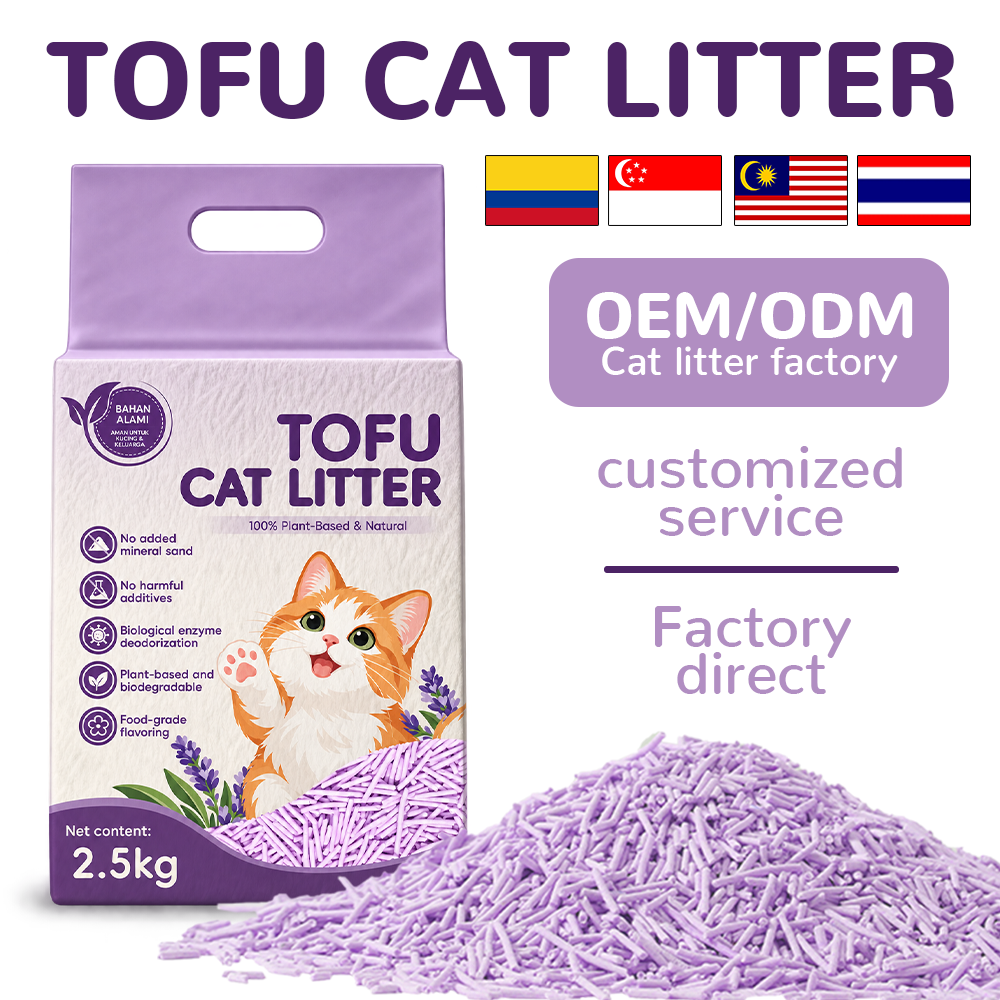
Natural Tofu Cat Litter Strong Absorption Quick Clumping Flushable Cat Litter
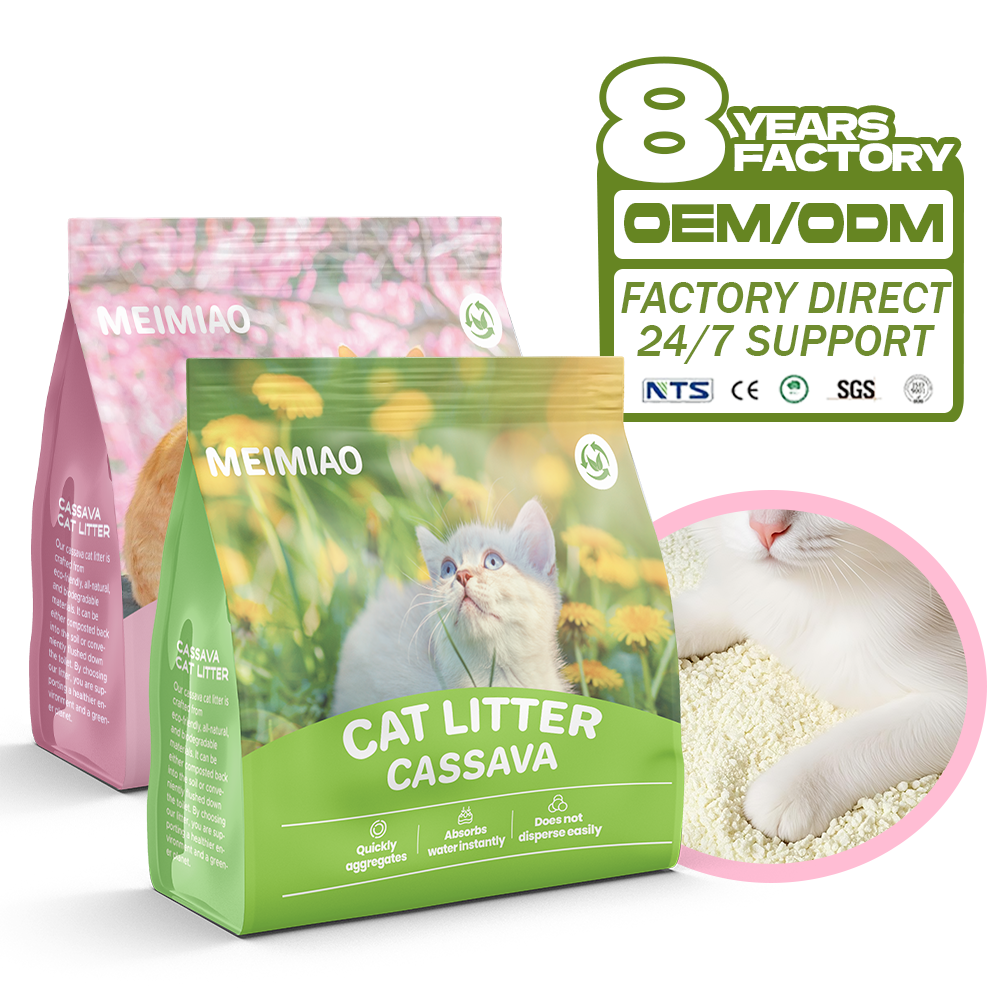
Premium Cassava Cat Litter Natural Tofu Cat Litter Dust Free Odor Control
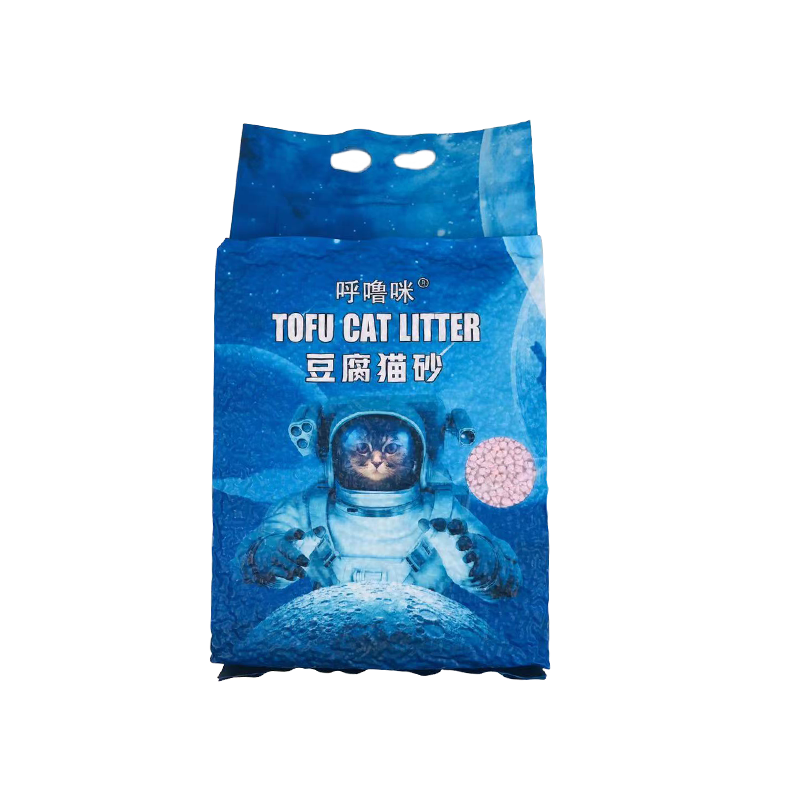
Wholesale Cheap Flushable Clumping Tofu Cat Litter Kitty Accessories
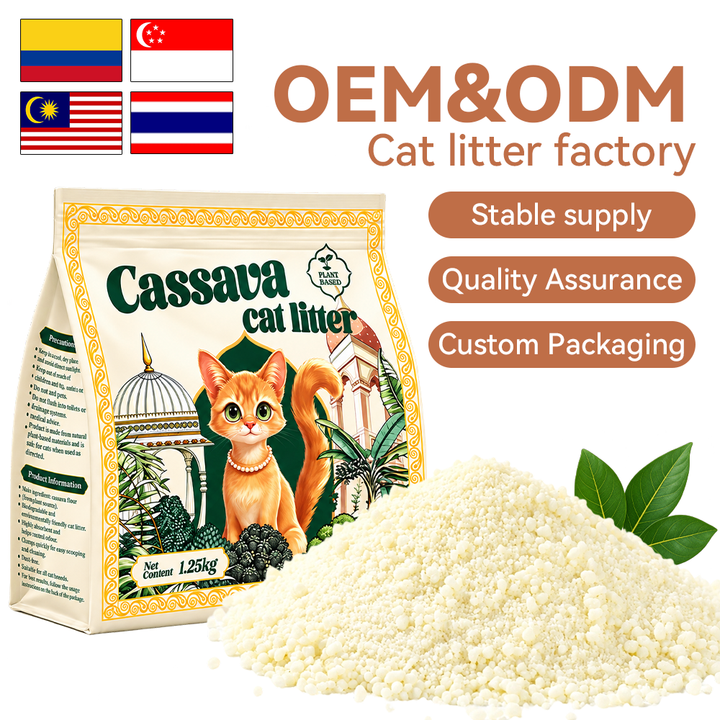
Cassava Cat Litter Manufacturer Natural Plant Based Low Dust ODM Supplier
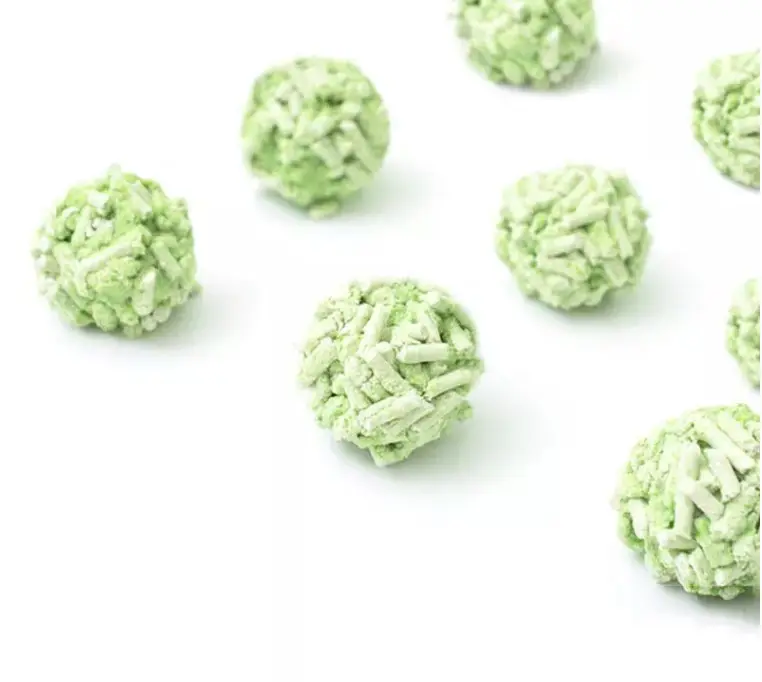
Wholesale OEM Tofu Pet Cat Sand Litter Suppliers Clumping Dust Free Box Filler
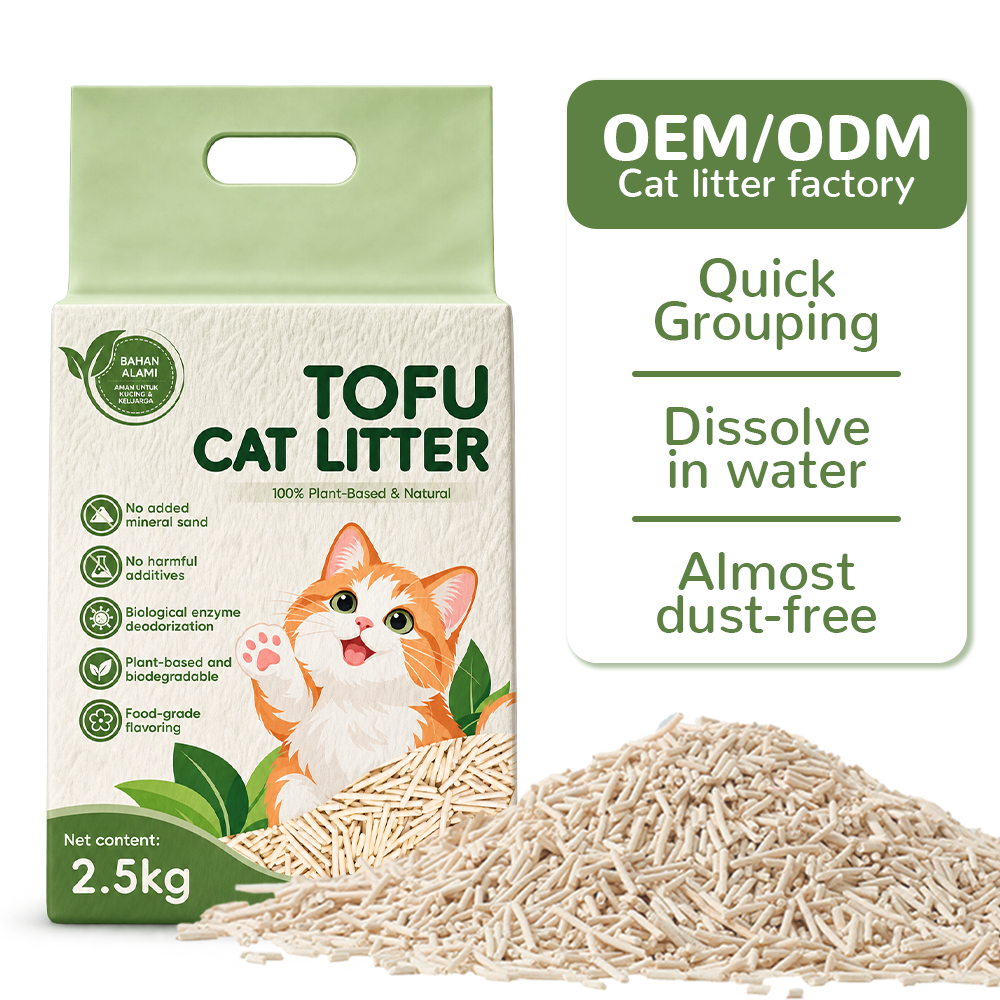
Premium Tofu Cat Litter Biodegradable Flushable Quick Clumping Pet Supplies
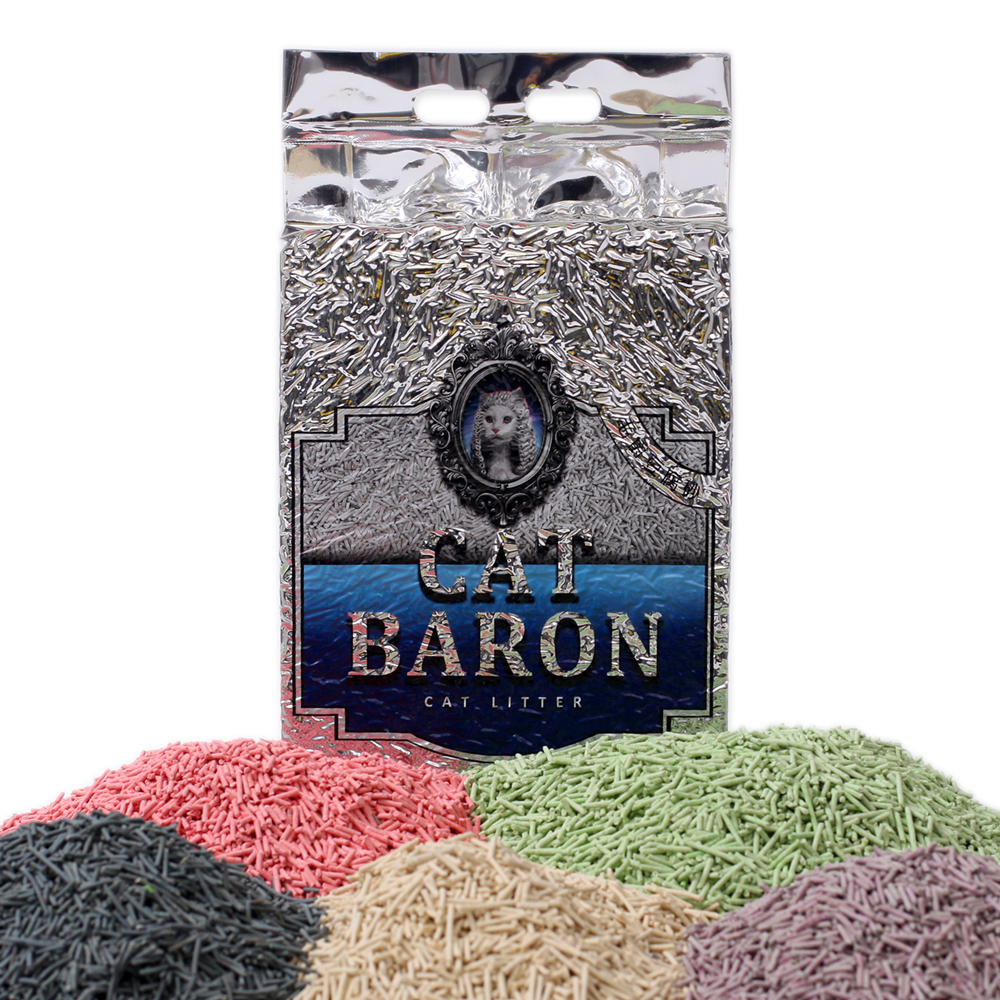
Tofu Cat Litter With 6L Agglomeration Kitty Sand Litter Deodorizing Pet Cleaning
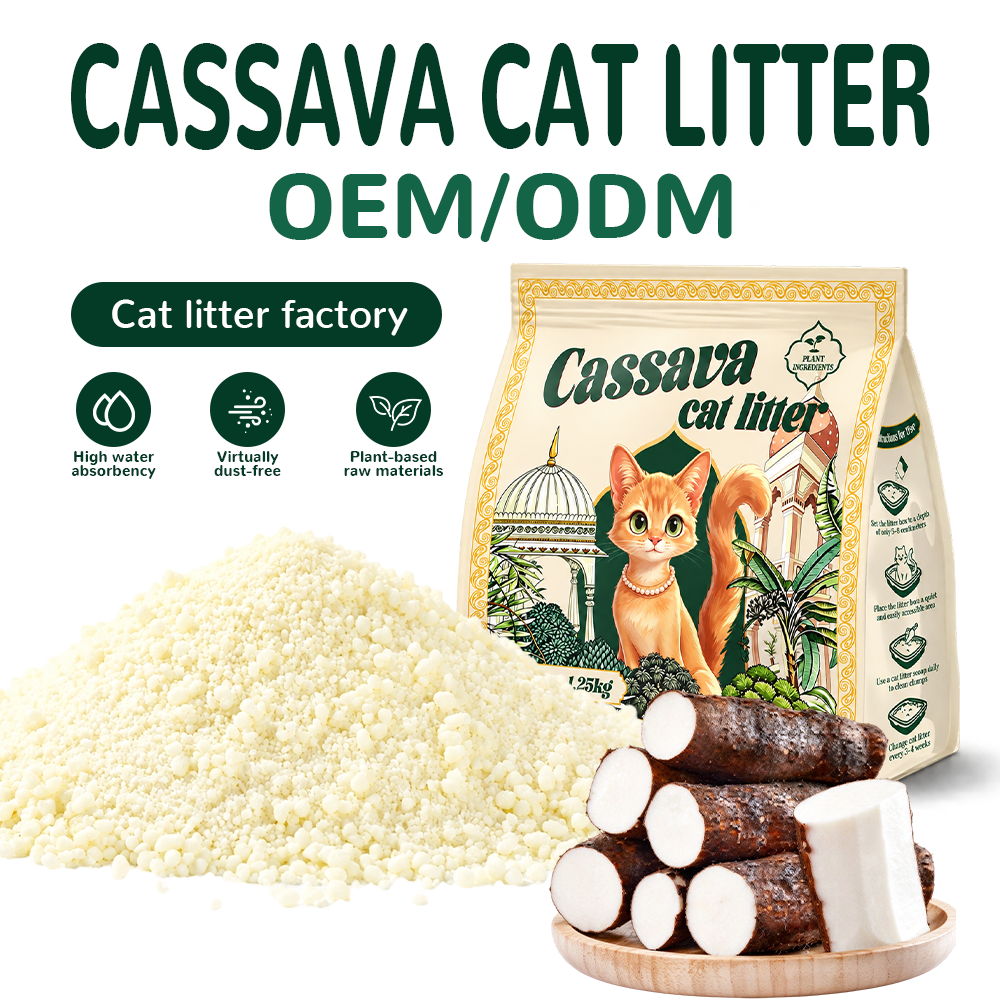
Natural Cassava Cat Litter Fast Clumping Low Dust Biodegradable Odor Control
The Victorian Cat Care Landscape: Shifting Demographics & Municipal Sustainability Mandates
Victoria's companion animal sector has undergone a profound transformation over the last five years. Across metropolitan Melbourne—spanning dynamic urban precincts like the City of Melbourne, South Yarra, Docklands, and Richmond—there has been an unprecedented surge in apartment living and medium-to-high-density housing. Data from Animal Welfare Victoria indicates cats represent an expanding proportion of urban households due to their suitability for indoor lifestyles. However, indoor confinement shifts the entire operational burden of hygiene onto cat litter substrates.
Concurrently, the state of Victoria is implementing some of Australia's most rigorous waste diversion strategies. Under Sustainability Victoria's Resource Recovery directives and the staged statewide rollout of Food Organics and Garden Organics (FOGO) green bin collections across local councils (including Merri-bek, Bayside, Darebin, and Greater Geelong), municipal waste guidelines are placing severe scrutiny on traditional landfill disposal. Mineral-based litters, predominantly imported sodium bentonite clay and crystalline synthetic silica, do not break down in municipal processing, generate high thermal mass in waste haulage, and cause recurring municipal pipe blockages when improperly disposed of. Consequently, corporate pet supply importers, veterinary cooperatives, and independent boutique networks in Victoria are systematically revamping their procurement programs away from mineral strip-mined materials toward certified plant-based and compostable formulations.
Apartment Humidity & Ventilation
Melbourne's rapid weather shifts—shifting from cool coastal squalls to high-temperature north winds—trap humidity inside sealed, double-glazed apartments. Substrates must suppress microbial ammonia development within hours, without artificial off-gassing perfumes that irritate felines.
FOGO & Bio-degradation Directives
Victorian consumers demand clear biodegradable provenance. Natural food-grade soybean residue and modified cassava starches undergo complete anaerobic break-down, offering distributors a strong marketing angle aligned with circular economy policies.
Strict Biosecurity Compliance (DAFF)
Importing plant-based agricultural products into Australian ports requires full adherence to Department of Agriculture, Fisheries and Forestry standards. Thermal extrusion, core kiln sterilization, and audited manufacturing prevent biological vector quarantine issues.
Substrate Performance Benchmarks: Meeting Australian Commercial Standards
As commercial procurement executives assess their supply chain transition, empirical metrics take priority over marketing claims. Below is our factory comparative breakdown evaluating functional metrics across our primary export substrates engineered for Victorian retail shelves:
| Material Engineering | Absorption Ratio (w/w) | Clump Speed & Hardness | De-dusting Stage Standard | Disposal Pathways (Victoria) | Pallet Freight Weight Efficiency |
|---|---|---|---|---|---|
| Pure Food-Grade Tofu (Soy Fiber) | 350% – 400% | < 2.5 sec (>900g hardness) | 4-Stage Air Cyclone & Sieve | Flushable / Municipal Waste | High (Approx. 2.4kg per 6L Bag) |
| Cassava & Pea Starch Matrix | 450% – 520% | < 1.5 sec (>1100g hardness) | 6-Stage Static Dust Extraction | Rapid Dissolution / Flushable | Very High (Lower density, tighter clump) |
| Crushed Mineral Bentonite (Standard) | 180% – 220% | 3.0 – 5.0 sec (Brittle edges) | Mechanical Screen Vibrator | Landfill Only (Heavy Waste Stream) | Low (Heavy tare: 5kg – 10kg per unit) |
| Silica Crystal Beads | 150% (Non-clumping) | N/A (Liquid saturation) | Air De-dusting | Landfill Only (Synthetic Polymer) | Medium (Lightweight, but non-compacting) |
Data verified under controlled laboratory conditions (22°C, 65% RH) at Hebei Chupen R&D Facilities using standard 20ml saline liquid deployment protocols.
Technical Deep-Dive: Manufacturing Integrity, Thermal Sterilization & Australian Port Clearance
Transporting biological, plant-derived products across international maritime routes into Australian borders requires strict biosecurity safeguards. The Australian Department of Agriculture, Fisheries and Forestry (DAFF) maintains rigorous inspection parameters to ensure zero viable plant pathogens, fungal spores, or insect pests cross through the Port of Melbourne or Geelong. Hebei Chupen Pet Products Co., Ltd. addresses this compliance challenge through advanced thermodynamic engineering at our Xingtai manufacturing base.
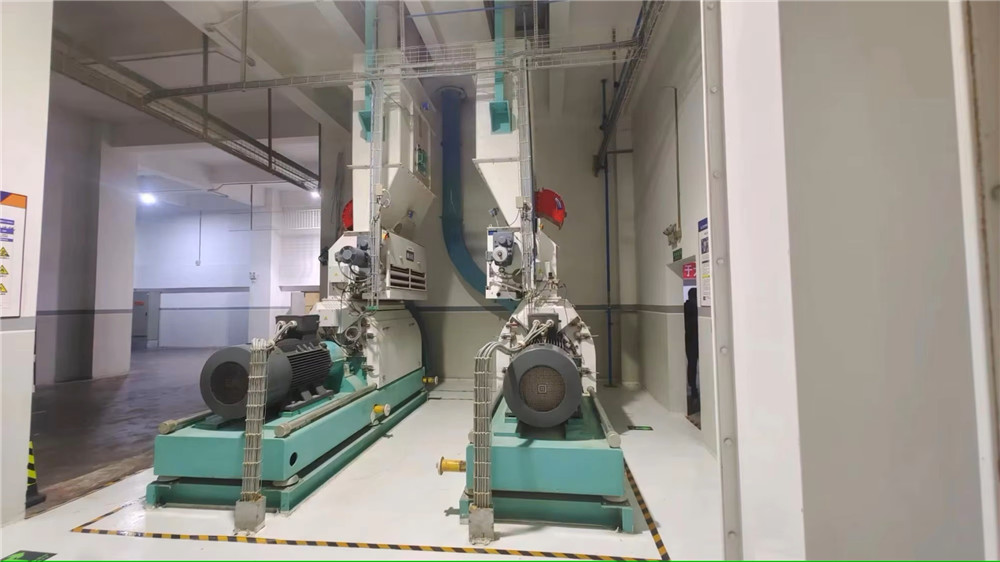
During the manufacturing process of our premium tofu and cassava litters, the substrate materials undergo extreme thermo-mechanical extrusion. The mixture of organic pea fiber, corn starch, and edible guar gum is subjected to temperatures exceeding 120°C under continuous hydrostatic pressures surpassing 4.5 MPa. This thermodynamic phase guarantees the complete denaturing of botanical enzymes and total neutralization of organic microorganisms. Following extrusion into uniform 1.5mm–2.0mm micro-pellets, the material moves through counterflow drying chambers where internal moisture content is calibrated to a stable 8% to 10%. This moisture envelope prevents retroactive mold spore germination during trans-equatorial maritime transport through tropical climatic corridors.
Multi-Tier De-Dusting Engineering
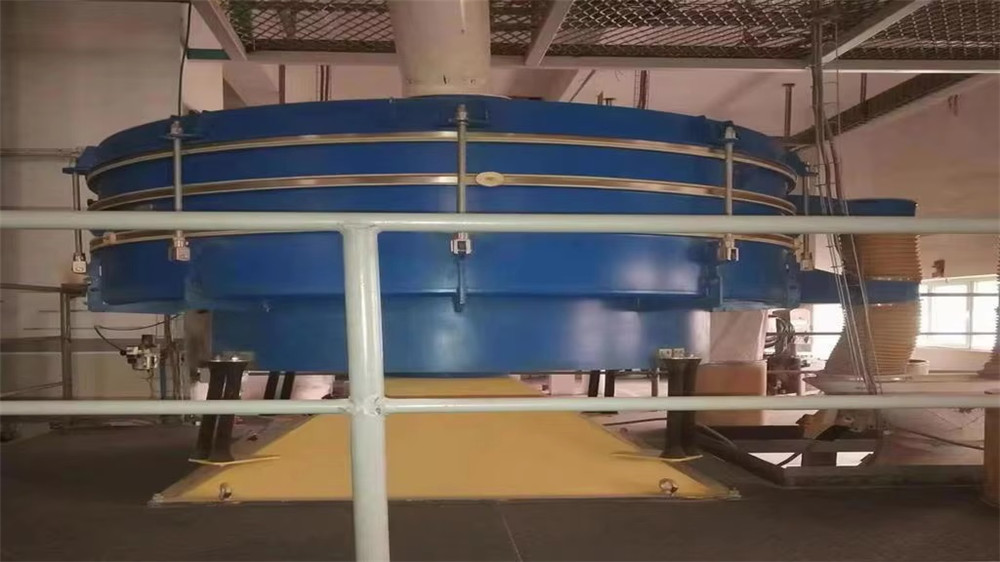
Fine dust particles provoke feline respiratory ailments (feline asthma) and trigger immediate consumer dissatisfaction in confined spaces. Our system channels all finished pellets through four consecutive negative-pressure cyclone towers and vibrating mesh sieves, achieving a verified 99.8% dust-free metric.
Zero Synthetic Formaldehyde
Unlike lower-cost industrial binders that use toxic chemical resins to bind pellets, our plant litters rely entirely on natural amylopectin retrogradation and high-grade organic gums. They are safe if accidentally ingested by weaning kittens or inquisitive indoor cats.
Vacuum Hermetic Bag Packaging
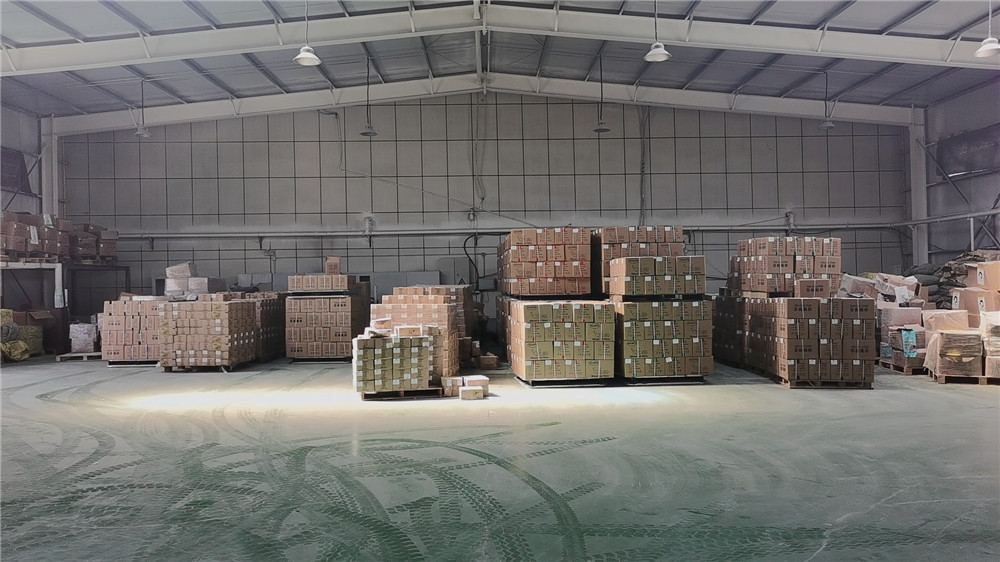
To eliminate shipping abrasion and preserve factory freshness, litters are packed in multi-layer co-extruded plastic or foil barrier pouches with vacuum extraction. This produces rigid, stackable units that optimize pallet volume and prevent in-transit pellet fracture.
Factory Pedigree: Why Chupen Is the Strategic Supply Partner for Victoria
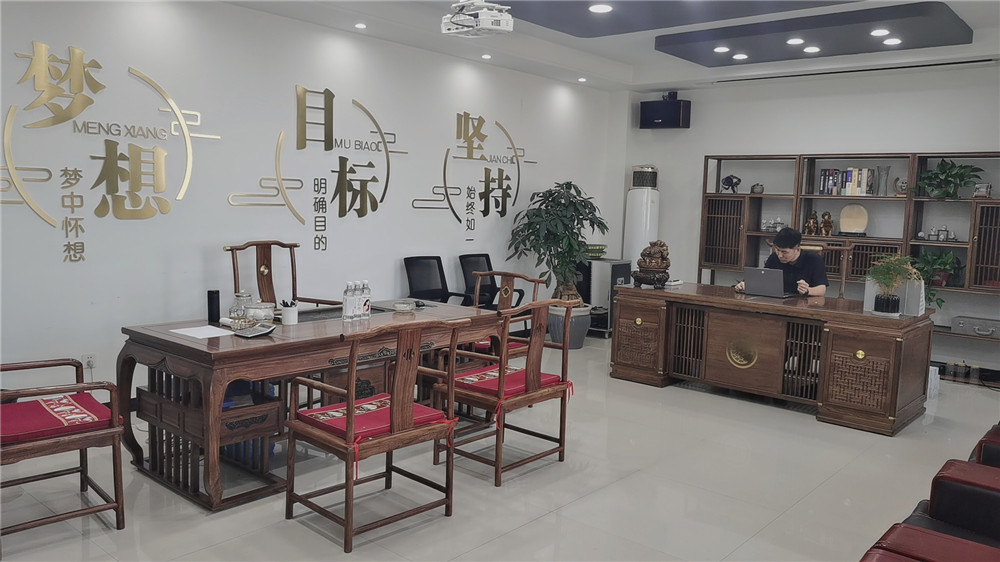
Hebei Chupen Pet Products Co., Ltd. is strategically situated in the Nanhe Industrial Development Zone of Xingtai, Hebei—widely recognized as China's preeminent pet supplies manufacturing cluster. This specialized industrial cluster generates more than 60% of national pet hygiene supplies and 80% of pet nutrition commodities. This scale delivers our clients distinct supply-chain efficiencies, reduced raw-material transport overheads, and resilient supply stability that isolated factories cannot replicate.
Massive Line Scale
With 11 dedicated manufacturing lines (5 plant-based tofu, 3 processed bentonite, and 3 specialized silica), our daily output reaches 150 metric tons of plant litter and 3,000 metric tons of clumping clay. High-volume runs remain prompt even during peak seasonal cycles.
University Research Alliance
We work directly with food science researchers from China Agricultural University and Hebei Agricultural University. Our R&D team analyzes plant polymers to produce firmer clumps using lower binder ratios, lowering cost-per-liter for brand accounts.
Consolidated Containers
Through our cluster network of 50+ vetted regional manufacturers, we consolidate cat litter with matching training pee pads, semi-enclosed PP litter boxes, and premium treats into single mixed containers, streamlining your local landed inventory costs.
Audited International Quality
We maintain ISO 9001, ISO 22000, ISO 14001, and ISO 45001 accreditations, backed by independent on-site audits from SGS Group. All documentation—including complete MSDS and biological safety profiles—is organized for rapid Australian port clearance.
Victorian Buyer FAQ: Practical Procurement & Operational Inquiries
Direct responses to common operational questions asked by Australian commercial importers, supply chain managers, and pet retail buyers:
How does Chupen assist Victorian importers in clearing Australian DAFF biosecurity inspections?
What are the realistic MOQs for launching an exclusive private label in Victoria?
Can multiple product varieties or mixed cat accessories be combined in one container?
What is the standard production and ocean transit schedule to the Port of Melbourne?
How do Chupen's plant-based litters hold up against Melbourne's coastal humidity?
Ready to Expand Your Cat Litter Range in Victoria?
Request our comprehensive product catalog, complete ingredient analyses, and custom OEM packaging layout templates. Our export logistics team provides transparent FOB Tianjin, CIF Melbourne, or door-to-door DDP quotation breakdowns tailored to your procurement volume.
Get Catalog