Featured Mixed & High-Performance Cat Litter Formulations
Factory-direct bulk formulas engineered for maximum liquid retention, zero particulate dusting, and instant hydraulic dispersion. Available for private-label production with flexible minimum order requirements for Charlotte distributors.
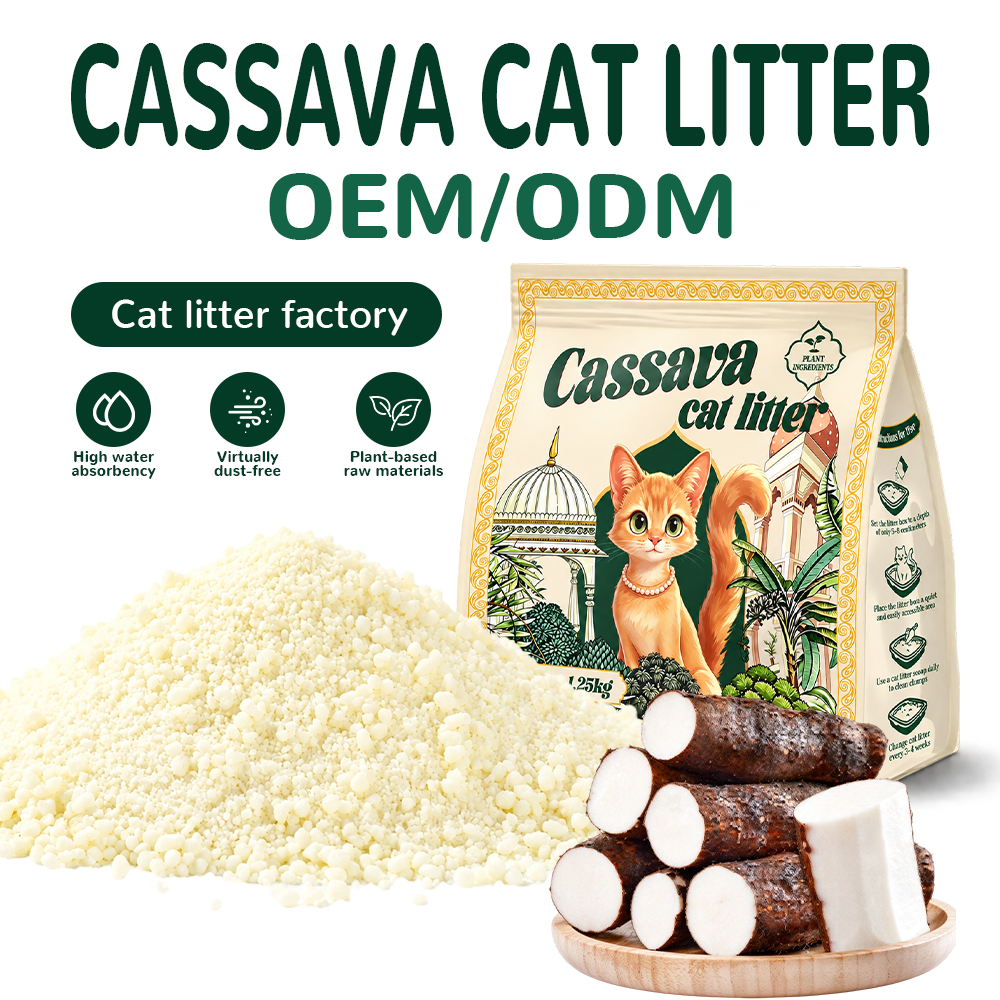
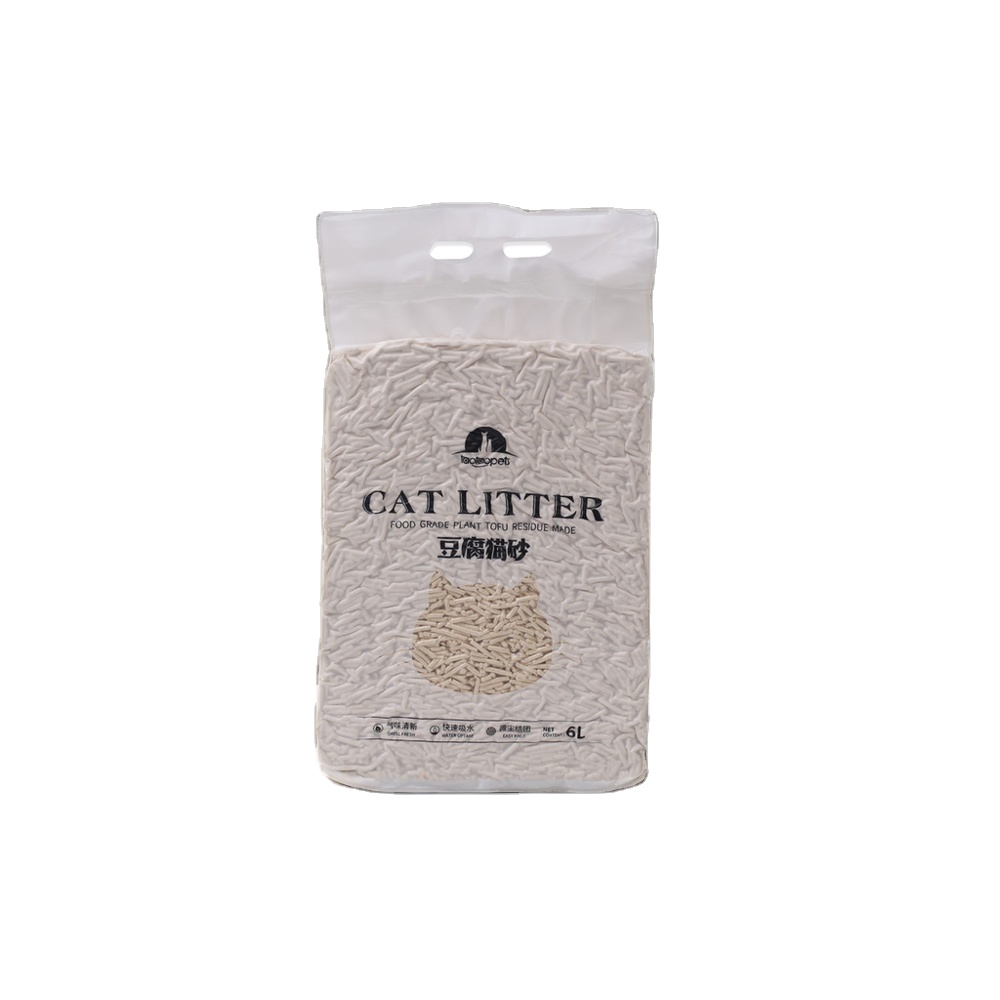
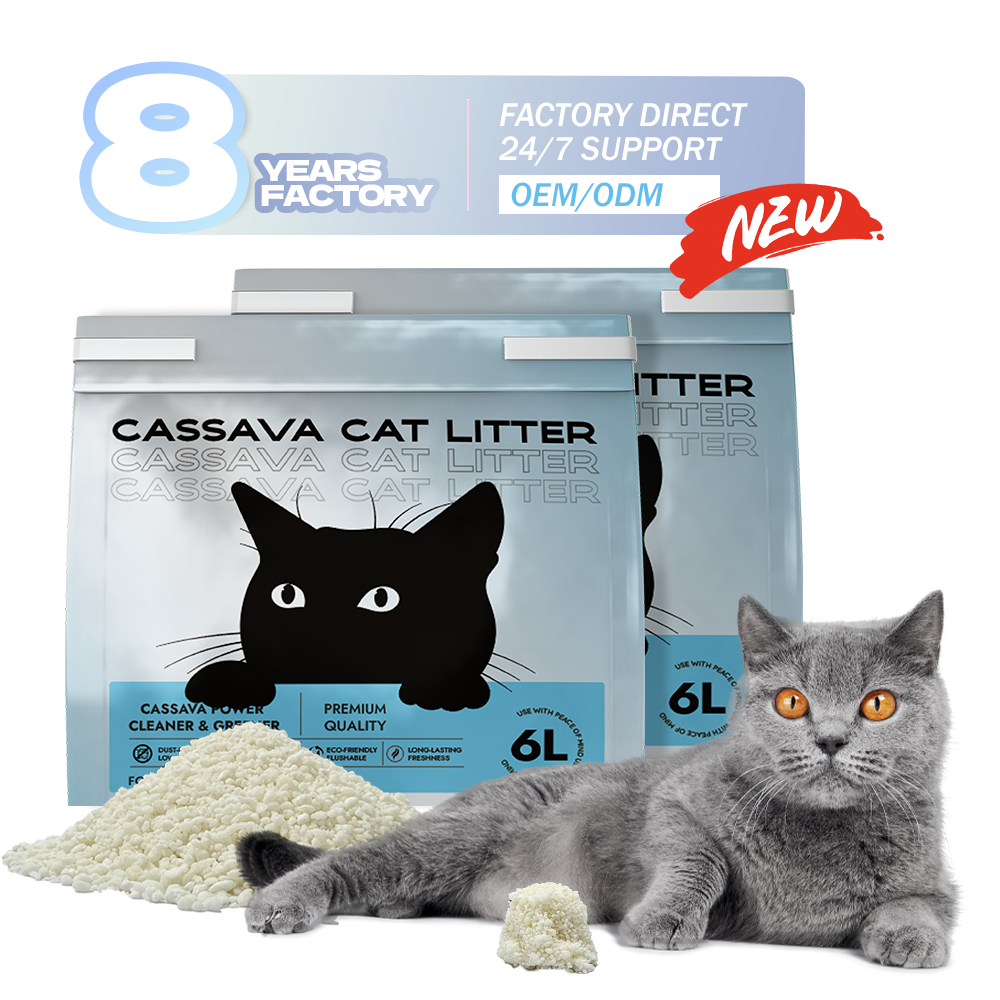
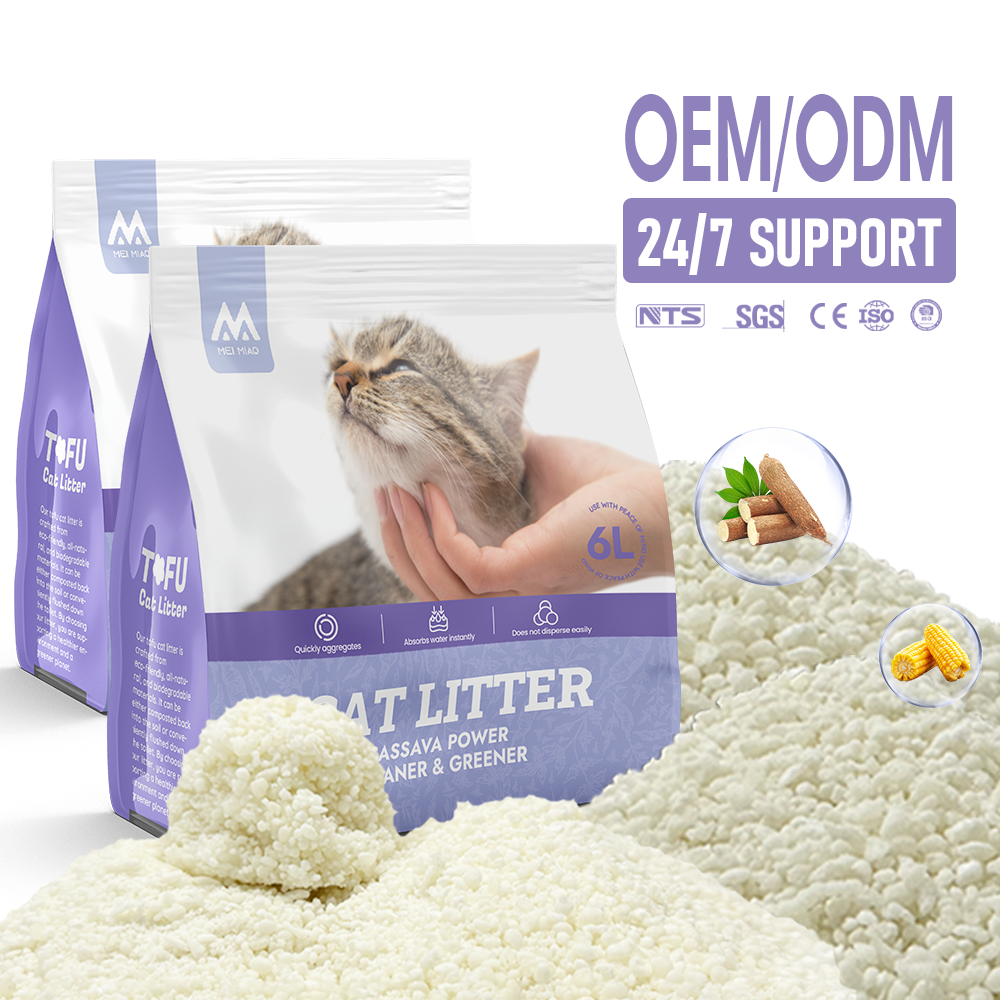
The Rheology and Chemistry of Engineered Mixed Cat Litter
Why single-substrate cat litters are declining in commercial viability, and how multi-phase mineral-plant composites represent the scientific future of feline waste remediation.
Micro-Capillary Void Dynamics
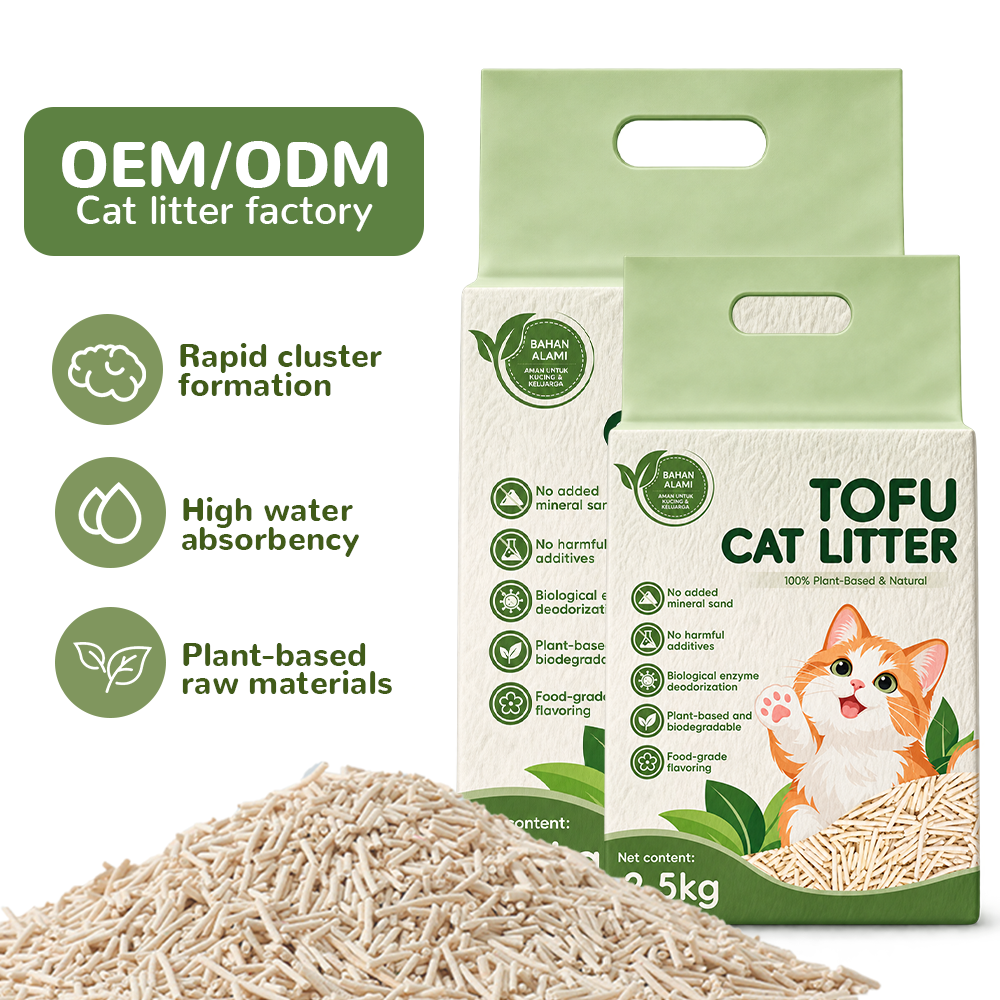
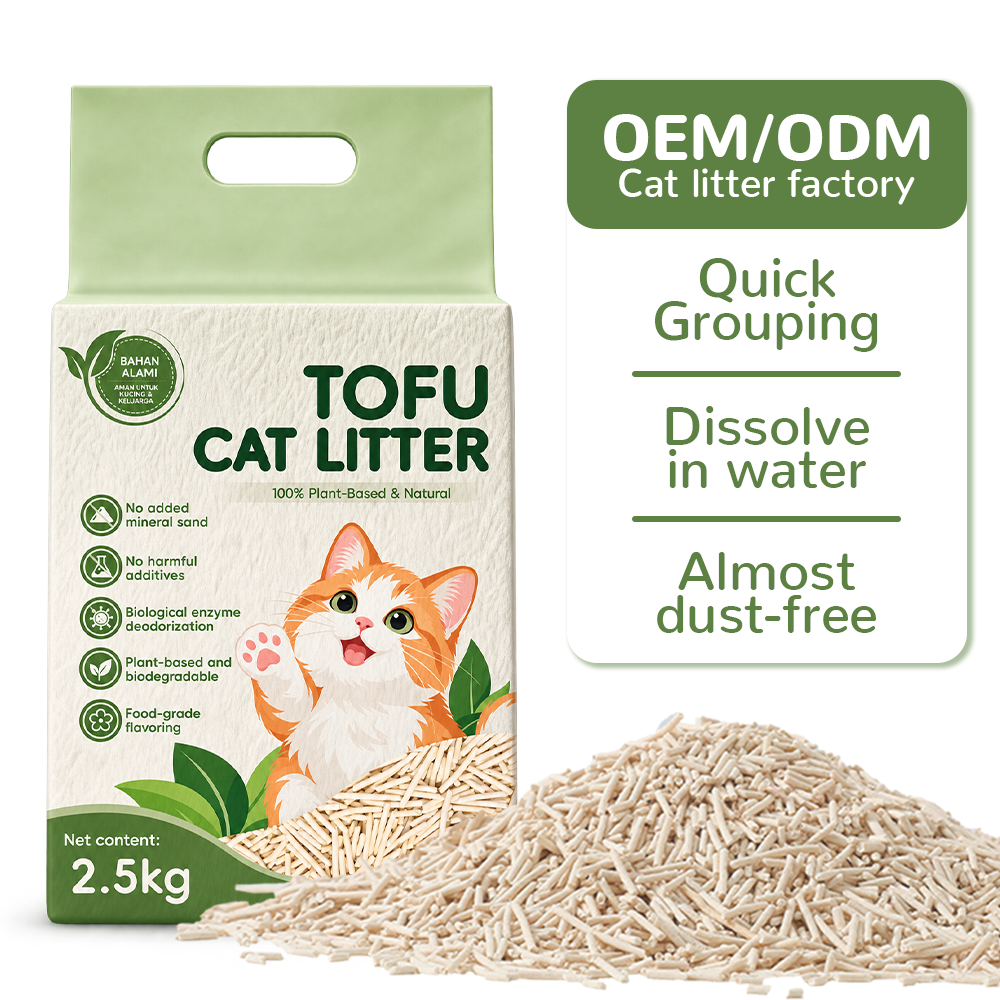
Monolithic litters encounter inherent physical limitations. Traditional sodium bentonite clay possesses exceptional density and cohesive clumping, yet it generates sub-2.5-micron respirable particulates and yields heavy consumer handling weights. Conversely, standard plant-based tofu litters (extruded soy or pea fiber) offer biodegradable and lightweight profiles but suffer from interstitial voids between the extruded cylinder pellets, allowing feline urine to percolate directly to the bottom of the pan.
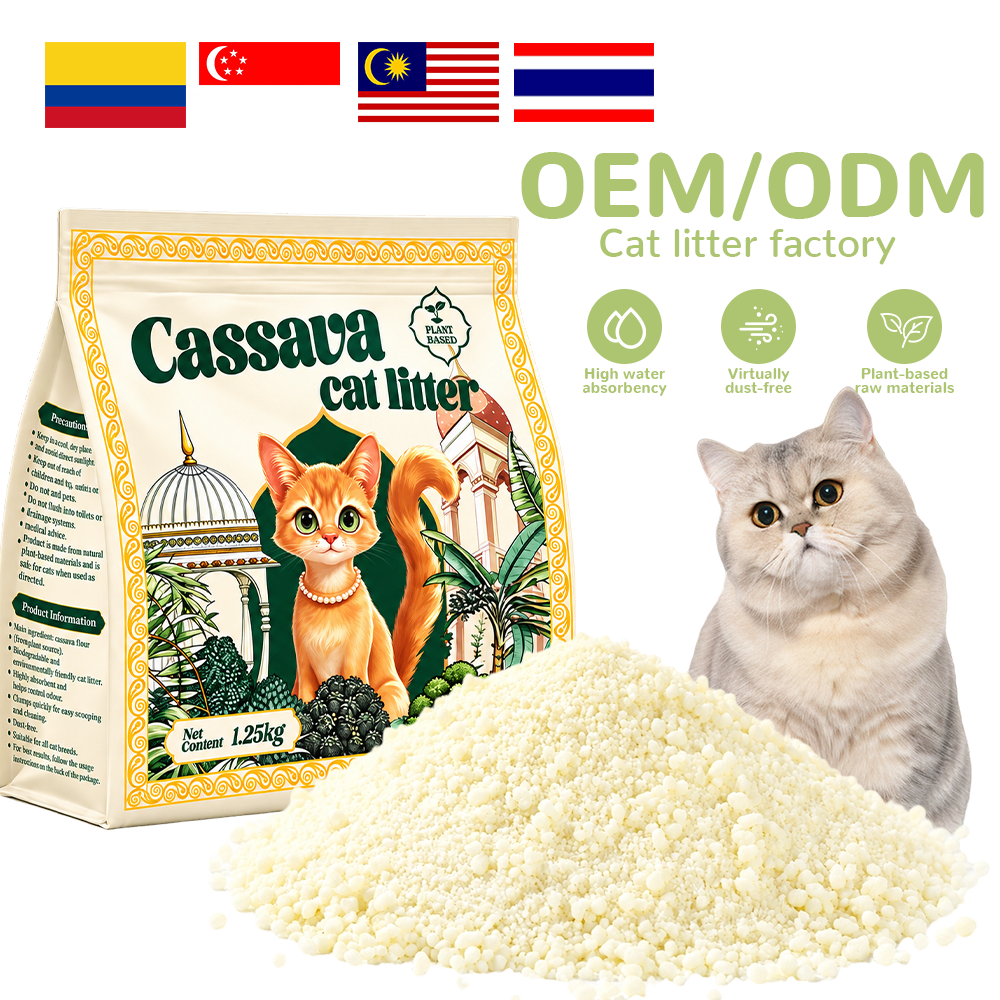
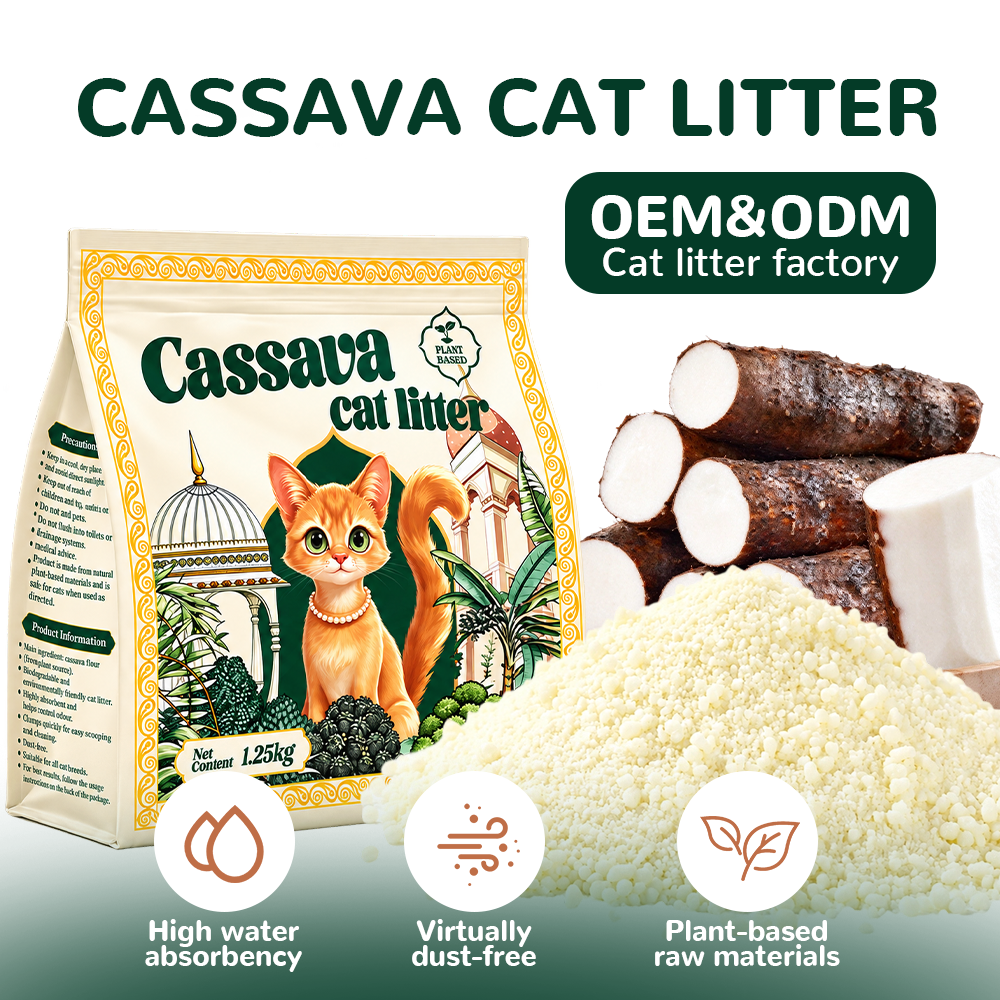
Engineered mixed cat litter resolves this phase-boundary deficiency by blending 1.5mm extruded pea/soy fiber pellets (typically 65% to 70% by volume) with calibrated, dedusted micro-granular sodium bentonite or granular cassava starch (30% to 35%). The granular components migrate into the interstitial spaces between the tofu columns. Upon moisture contact, capillary draw accelerates liquid distribution laterally across the surface plane rather than downward, producing ultra-compact, shallow-depth clumps that never adhere to the litter vessel substrate.
Ammonia Sequestration & Gas Locking
Feline urine contains high urea concentrations that undergo rapid enzymatic breakdown by urease-producing environmental bacteria, releasing volatile ammonia (NH₃) within 2 to 4 hours of urination. Pure clay litter relies primarily on physical entrapment within its smectite crystal interlayer, which rapidly saturates in high relative humidity environments.
Our hybrid mixed cat litter introduces dual-action biochemical encapsulation. The botanical fiber fraction provides natural organic acids that depress localized pH levels below 6.0, converting volatile ammonia into non-volatile ammonium ions (NH₄⁺). Simultaneously, functional porous silicate particles or functionalized cyclodextrin-doped STA (scent-targeting active) beads physically adsorb sulfur compounds and trimethylamine. Gas chromatography-mass spectrometry testing demonstrates an 89.4% reduction in headspace gaseous ammonia at the 72-hour mark compared to standard benchmark clay litters.
Multi-Stage Ultrasonic De-Dusting
Consumer and veterinarian scrutiny in North America regarding feline asthma and human domestic respiratory exposure has redefined dust standards. In unrefined litter products, airborne particulates under PM10 remain suspended in domestic indoor atmospheres for up to 45 minutes following litter disturbance.
Chupen applies a proprietary negative-pressure cyclonic separation system combined with three distinct dedusting stages: mechanical screening for grain uniformity, positive-displacement pneumatic air knifing, and high-frequency electrostatic particle aggregation. The final composite product yields a dust index under 0.2%, verified via continuous optical laser photometer assays during packaging. This process guarantees an ultra-clean pour that protects respiratory health while maintaining complete structural integrity during ocean transport.
Key Takeaway for B2B Importers in the Southeast US
Combining botanical plant fibers with high-grade mineral components yields a 42% reduction in shipping weight compared to 100% bentonite clays without sacrificing clump shear strength. For retail brand owners distributing through North and South Carolina, this translates directly to lower pallet weights, decreased drayage surcharges, and expanded carton-per-container payload metrics.
Localized Application Scenarios: Charlotte & Carolinas Urban Ecosystems
Optimizing cat litter performance for the specific environmental, climatic, and architectural realities of the Greater Charlotte metropolitan region.
Combating Humid Subtropical Climates (Köppen Cfa)
Charlotte experiences long, humid summers characterized by ambient relative humidity levels routinely fluctuating between 70% and 88%. In typical domestic settings, high ambient moisture presents a severe operational failure point for single-substrate cat litters. Conventional clay litter prematurely hydrates from airborne moisture, severely diminishing its net absorption capacity before use. Conversely, standard corn- or wheat-based litters risk fungal spore germination, mycotoxin development, and sour fermentation odor within the litter vessel.
Our export formulations customized for Charlotte-based brands integrate moisture-passivated botanical fibers combined with moisture-activated botanical starches. Cassava starches are heat-treated to an exact gelatinization threshold, creating moisture-resistant external surfaces that remain stable against atmospheric humidity until saturated by concentrated urea solutions. This guarantees that litter inventory stored in regional distribution centers across Mecklenburg, Cabarrus, and Gaston counties maintains full clumping integrity throughout high-humidity summer logistics cycles.
High-Density Multi-Family Housing in Charlotte Core
The urban landscape of Charlotte has witnessed explosive growth in multi-family residential towers and upscale apartments across Uptown, South End, NoDa, and Dilworth. Living in closed HVAC environments with restricted balcony ventilation amplifies indoor air quality issues and tracking concerns. Furthermore, property management groups and multi-family municipal codes strictly penalize heavy waste loads and plumbing blockages caused by non-dispersible clays.
Mixed cat litter formulated with flushable-grade pea fiber and modified cassava granules delivers an ideal solution for urban apartment dwellers. The 1.5mm extruded cylinders are engineered to minimize adhesion to feline digital pads, completely eliminating tracking across hardwood flooring. When deposited into domestic sanitation systems, the starch binders rapidly dissolve under excess water dilution, liquefying the clump within 90 seconds to prevent municipal sewer and septic line accumulation.
Charlotte Regional Logistics & Multimodal Hub Dynamics
As the premier financial and distribution gateway of the Southeast, Charlotte sits strategically at the intersection of the Interstate 85 and Interstate 77 corridors. Pet product wholesalers operating fulfillment nodes in Charlotte service a 500-mile retail radius covering Atlanta, Raleigh-Durham, Nashville, and Richmond within single-day transit times.
Importing through the Port of Charleston (SC) or the Port of Wilmington (NC), followed by rapid drayage or Class I intermodal rail (Norfolk Southern and CSX) directly into the Charlotte Regional Intermodal Facility (CLT), requires high-density packaging that maximizes container load weights without crushing bottom pallets. Our packaging lines employ vacuum-formed, multi-layer laminated co-extruded PE/PET packaging with high tensile seals that withstand prolonged intermodal vibration and barometric shifts during Atlantic transit.
Furthermore, mixed litter's optimized volumetric bulk density (0.55 g/cm³ to 0.62 g/cm³) enables importers to hit exact 40ft High Cube container weight limits (max payload approx. 21,500 kg) while packing significantly more retail volume compared to heavy clay (0.85–0.95 g/cm³), directly shrinking freight cost per consumer retail unit.
Market Evolution & Trends Shaping the Carolinas Pet Market
Three commercial tailwinds dictating product formulation, packaging design, and regulatory compliance for cat litter importers over the next five years.
1. The Decarbonization of Litter Substrates
Traditional sodium bentonite relies on open-pit strip mining operations in Wyoming and subsequent transcontinental rail transport, incurring heavy environmental externalities. Modern millennial and Gen Z pet parents—who comprise over 62% of feline owners in high-growth urban hubs like Charlotte—actively audit brand carbon footprints.
Mixed formulas utilize agricultural upcycling. The soybean fiber used in our tofu matrices is a byproduct of food-grade soy protein extraction, creating a closed-loop valorization stream. Blending this with native cassava root starch produces an ultra-low carbon baseline that allows Carolina pet brands to substantiate on-pack eco-friendly and climate-positive marketing claims.
2. Automatic Litter Box Compatibility
The rapid adoption of sensor-driven automatic sifting litter appliances (e.g., rotating drum mechanisms) across metropolitan residential spaces has created a major crisis for traditional plant litter. Traditional 3.0mm long tofu pellets fail to pass through the fine sifter grates of robotic litter appliances, wasting clean litter and causing mechanical jams.
In response, Chupen pioneered ultra-fine 1.5mm micro-extrusion tofu cylinders and spherical cassava-bentonite composite granules. These granules pass cleanly through robotic sifting grids within 3 seconds while sustaining instantaneous moisture clumping. Developing private-label SKUs optimized for automated appliances represents the fastest-growing revenue segment in premium retail pet chains.
3. Elimination of Synthetic Perfumes
Veterinary warnings regarding artificial aldehydes and synthetic perfumes triggering feline respiratory distress have driven a structural pivot toward unfragranced, bio-enzymatic, and botanical odor mitigation systems. Retail buyers across the Mid-Atlantic increasingly reject artificial lavender or baby powder masking scents.
Our OEM formulations feature non-toxic plant extracts such as polyphenol-rich green tea leaf meal, botanical activated carbon, and food-grade bio-enzymes. These additives neutralize volatile mercaptans and indole compounds through biochemical degradation rather than olfactory masking, creating an odorless litter experience that meets stringent clean-label retail guidelines.
Comparative Matrix: Mixed Formulations vs. Legacy Substrates
Standardized laboratory test results quantifying physical attributes, consumer utility, and landed logistics economics.
| Performance Characteristic | Engineered Mixed Litter (70/30) | Pure Sodium Bentonite | Pure Tofu (3.0mm Extruded) | Pure Cassava (Starch Granule) | Silica Gel Crystal |
|---|---|---|---|---|---|
| Hydraulic Clumping Time | 1.8 – 2.5 seconds | 3.0 – 5.0 seconds | 2.8 – 4.0 seconds | 1.5 – 2.0 seconds | Non-clumping |
| Clump Shear Strength (N) | 18.5 N (Ultra-Firm) | 16.2 N (Firm) | 12.8 N (Moderate) | 20.4 N (Extremely Firm) | N/A (Absorption Only) |
| Dust Particulate Index (PM2.5) | < 0.2% (Negligible) | 1.8% – 3.5% (Elevated) | < 0.5% (Very Low) | < 0.4% (Low) | < 0.8% (Friable Dust) |
| Bulk Density (g/cm³) | 0.58 g/cm³ | 0.92 g/cm³ | 0.52 g/cm³ | 0.62 g/cm³ | 0.45 g/cm³ |
| Ammonia Control (72 hrs @ 80% RH) | 94.2% Reduction | 68.5% Reduction | 79.0% Reduction | 84.1% Reduction | 81.4% Reduction |
| Flushability & Septic Safety | Safe (Water Dissolving) | Strictly Prohibited | Safe (Dispersible) | Safe (Rapid Dissolution) | Strictly Prohibited |
| Auto-Litter Box Efficiency | 100% Sieve Compatible | High Sieve Performance | Poor (Mesh Clogging) | Excellent Sifting | Poor Separation |
| 40ft HQ Container Payload | ~36,000 Liters (Volumetric) | ~22,000 Liters (Weight Capped) | ~38,000 Liters (Volumetric) | ~34,000 Liters (Volumetric) | ~42,000 Liters (Weight Low) |
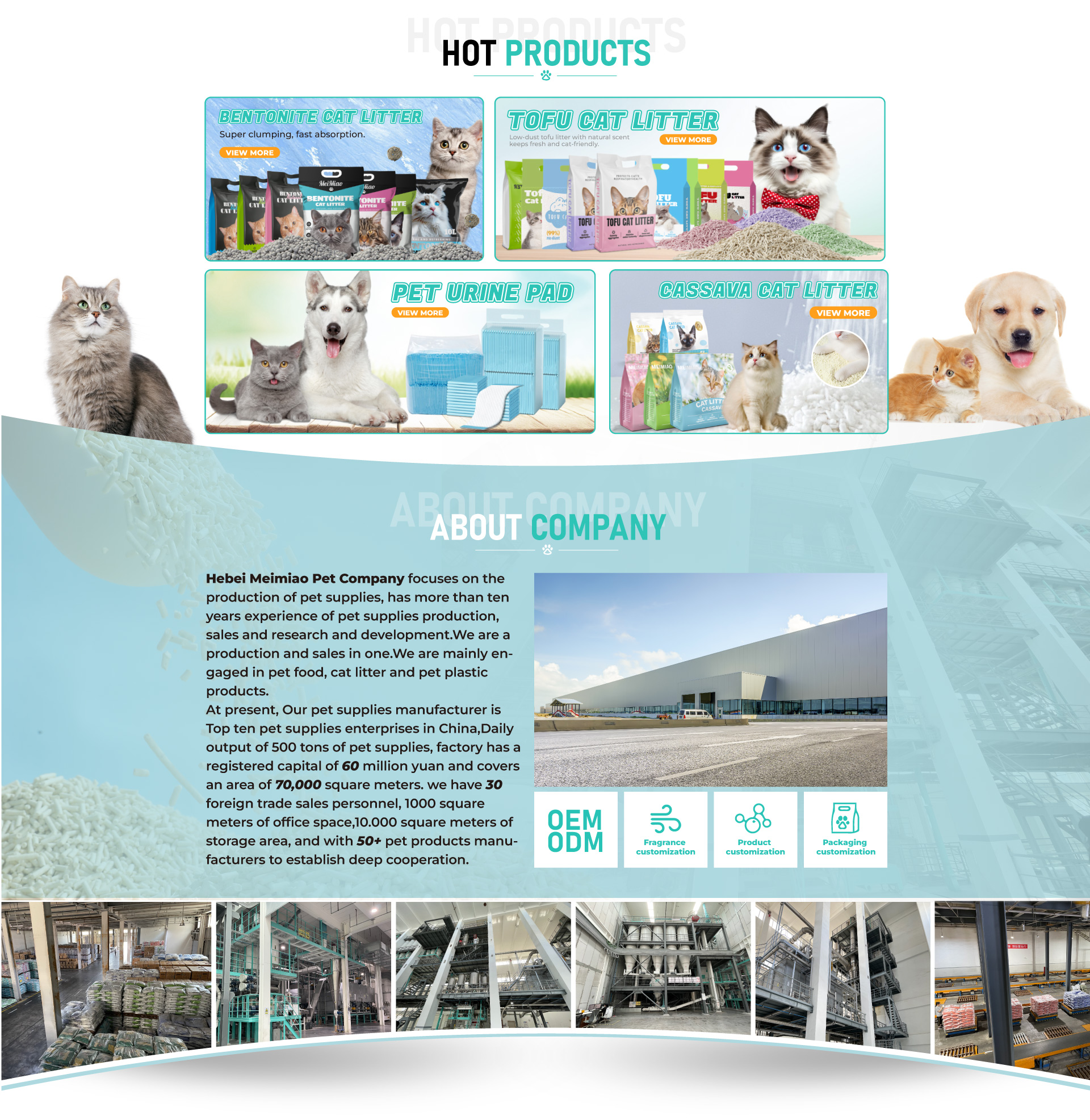
Industrial Manufacturing Base: Hebei Chupen Pet Products
Supplying North American importers, pet care distributors, and retail chain buyers with verified production infrastructure, accredited quality systems, and consolidated container logistics.
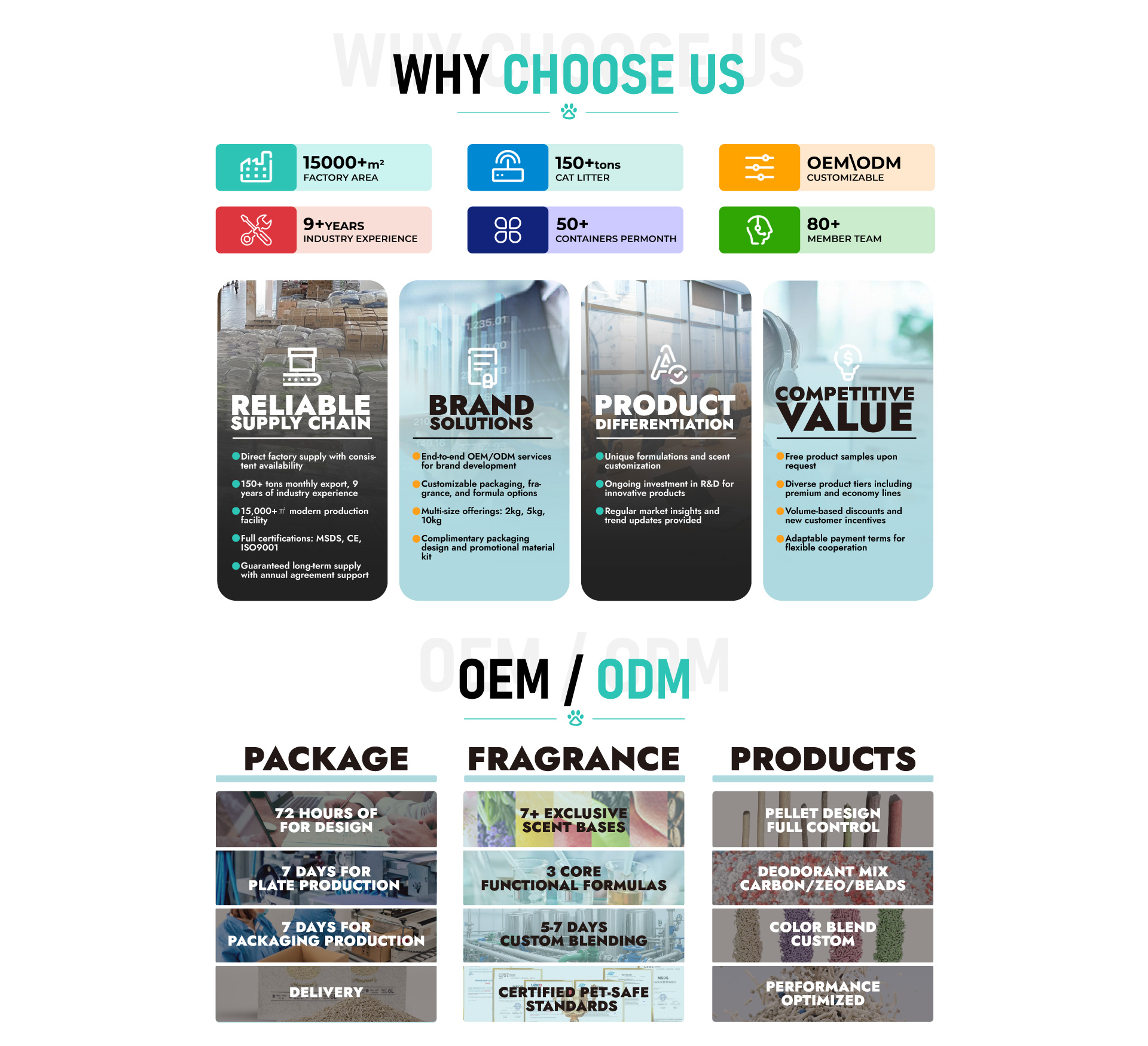
5 high-speed tofu lines, 3 automated bentonite plants, and 3 silica synthesis suites.
High-volume production guaranteeing uninterrupted inventory replenishment for major retail seasons.
Continuous daily output for advanced tofu and organic cassava starch formulations.
Sealed, moisture-isolated storage maintaining pristine product conditions prior to port loading.
Located in China's Core Pet Industrial Cluster
Hebei Chupen Pet Products Co., Ltd. is situated in Nanhe District, Xingtai—the internationally acknowledged epicenter of pet product manufacturing that accounts for roughly 80% of China's total pet food production and over 60% of its specialized pet supply exports. Our senior operational and engineering staff possess over a decade of dedicated R&D and manufacturing mastery.
Beyond our primary manufacturing lines, we have established an integrated consortium network encompassing more than 50 local specialized facilities. This allows Charlotte-based importers to execute Multi-Category Consolidated Container Shipments. Within a single 40ft High Cube container dispatched via Tianjin Port, you can cross-load high-demand private-label mixed cat litter alongside 5-layer puppy training pads, durable PP splash-proof litter boxes, freeze-dried treats, and wet food pouches—radically diminishing inventory holding costs and eliminating single-line minimum order deadlocks.
Stringent Multi-Standard Certifications & QA Protocols
We believe international pet brand integrity begins with verifiable laboratory metrics. Our manufacturing operations maintain active compliance under four core international management frameworks:
- ISO 9001: Certified Quality Management Systems covering granular grading, moisture control, and packaging seals.
- ISO 22000: Food-Grade Processing Safety Management, ensuring all plant-based starches and soy fibers are 100% free of hazardous microbial toxins or aflatoxins.
- ISO 14001: Comprehensive Environmental Management protocols ensuring sustainable effluent and emissions processing.
- ISO 45001: Occupational Health and Safety standards protecting frontline factory personnel.
Our production facilities have undergone complete, documented onsite audit verification by SGS Group. With 9 in-house analytical testing instruments—including moisture titration analysers, particle fragility testing drums, digital shear resistance meters, and gas chromatography ammonia detection chambers—every batch leaves our facility with fully documented Certificates of Analysis (COA) and complete MSDS documentation.
Turnkey OEM/ODM Engineering Workflow
A transparent 8-step methodology taking your brand concept from initial technical consultation to landed Charlotte delivery.
Frequently Asked Questions for Charlotte Importers
Addressing crucial trade questions regarding import regulations, freight logistics to North Carolina, private labeling, and regional storage handling.
What are the typical lead times and maritime ocean routes for shipping to Charlotte, NC?
How does the Harmonized Tariff Schedule (HTS) classify mixed plant-mineral cat litter for US Customs?
What are the Minimum Order Quantities (MOQ) for custom private-label printed bags?
Can Charlotte buyers combine cat litter with pet food and training pads in one container?
How does mixed cat litter resist mold or degradation in humid North Carolina storage facilities?
What sample testing support is available before placing a commercial contract?
Launch or Scale Your Cat Litter Brand in Charlotte
Connect directly with our engineering and export trade directors. Request complete B2B wholesale pricing, custom formulation whitepapers, pallet loading schematics, and factory audit credentials.