Engineering Whitepaper
Structural Anatomy of Nordic-Spec Leak-Proof Pee Pads
A rigorous examination of fluid containment mechanics, thermal dissipation, and composite layering designed specifically for high-latitude residential realities.
The operational environment for pet containment textiles in Denmark and across the wider Nordic geography diverges fundamentally from Southern European and North American usage profiles. Characterized by tightly sealed, triple-glazed residential construction (strictly regulated under Bygningsreglement BR18) and prolonged indoor occupancy during the extended dark months (*mørketiden*), Danish homes require hygiene solutions that mitigate moisture transmission, eliminate ammoniacal off-gassing, and prevent micro-leakage onto expensive treated parquet and timber floorings.
Our export-grade pet training pads utilize a specialized 5-Layer Hydraulic Interceptor Architecture. The top layer comprises an ultra-soft, hydrophilic non-woven polypropylene web, treated with micro-embossed diamond drainage channels to route fluids vertically downward in less than 2.1 seconds. Beneath this permeable boundary, an airlaid tissue matrix encapsulates high-viscosity Super Absorbent Polymer (SAP) imported directly from Sumitomo (Japan), blended uniformly with sustainable virgin fluff pulp. Upon contact with canine or feline urine, this compound cross-links chemically, transitioning from liquid fluid to an immobile, non-migrating cohesive hydrogel.
Rapid Gel Lock Architecture
Japanese SAP particles convert up to 1,200ml of liquid into inert hydrogel in under 3.5 seconds, locking urea tightly inside the polymer matrix and preventing sticky paws (*poteryst*) across delicate wooden floors.
100% Hermetic Side Sealing
Dual-pressure edge embossing guarantees 45mm anti-channeling barriers around the entire periphery, eliminating edge-spill disasters even when pets relieve themselves off-center or along skirting boards.
Zero-Odor Atmospheric Seal
Integrated organic polyphenols and activated botanical neutralizers inhibit the microbial enzymatic breakdown of urea into volatile ammonia, preserving healthy indoor air quality inside airtight Danish apartments.
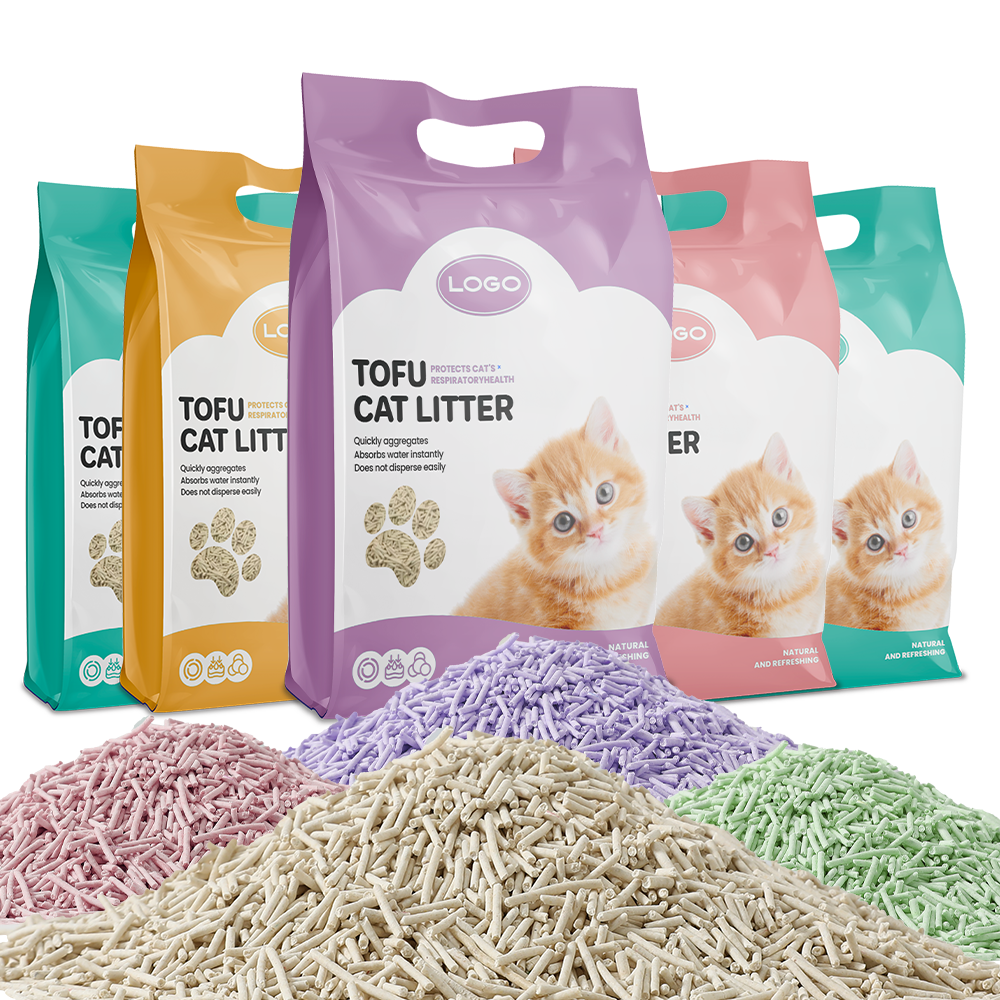 OEM Custom Formulated