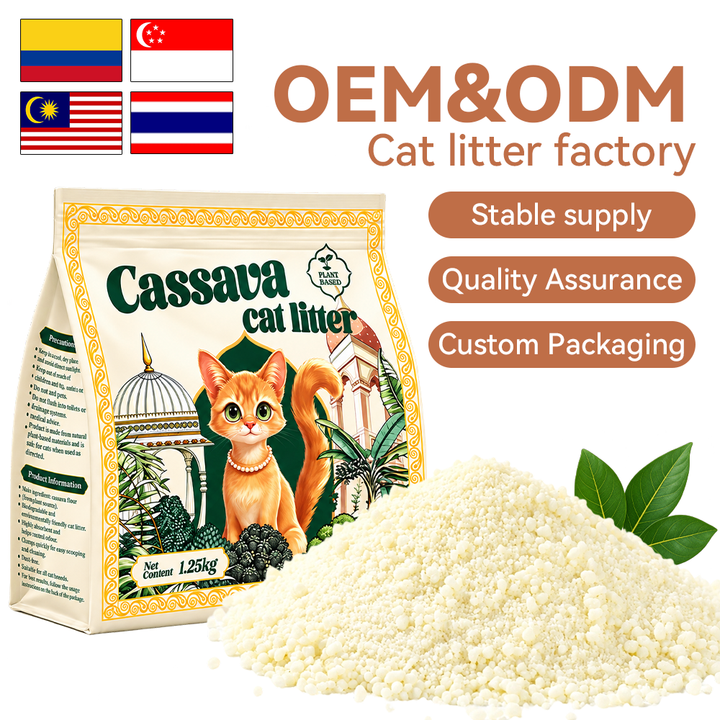
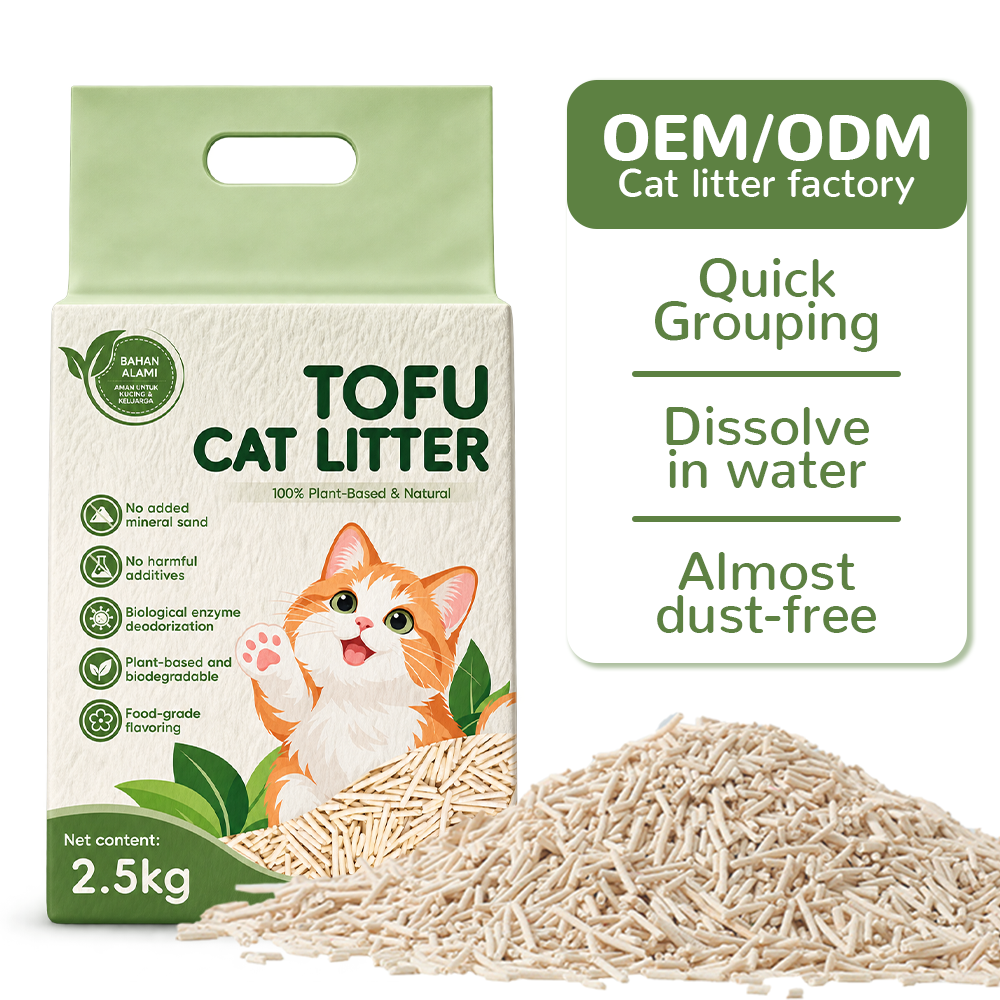
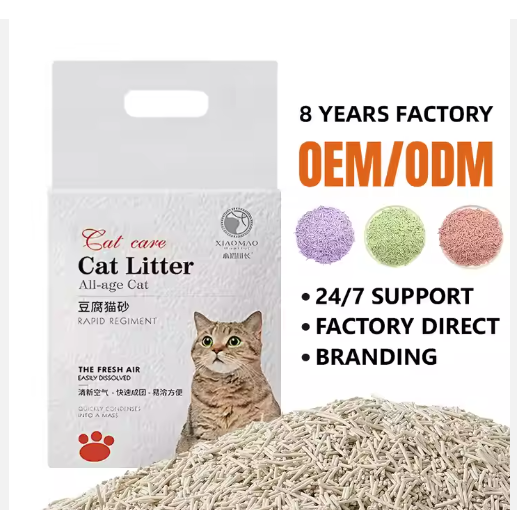
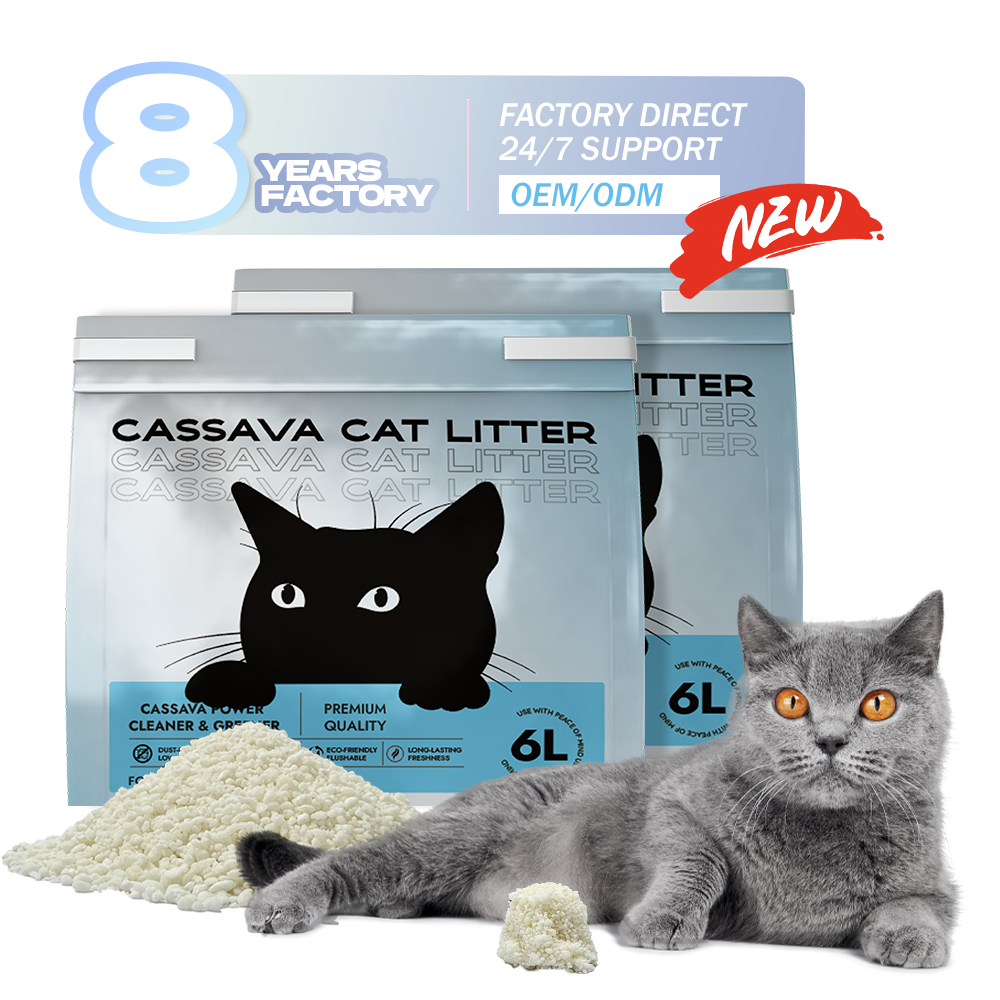
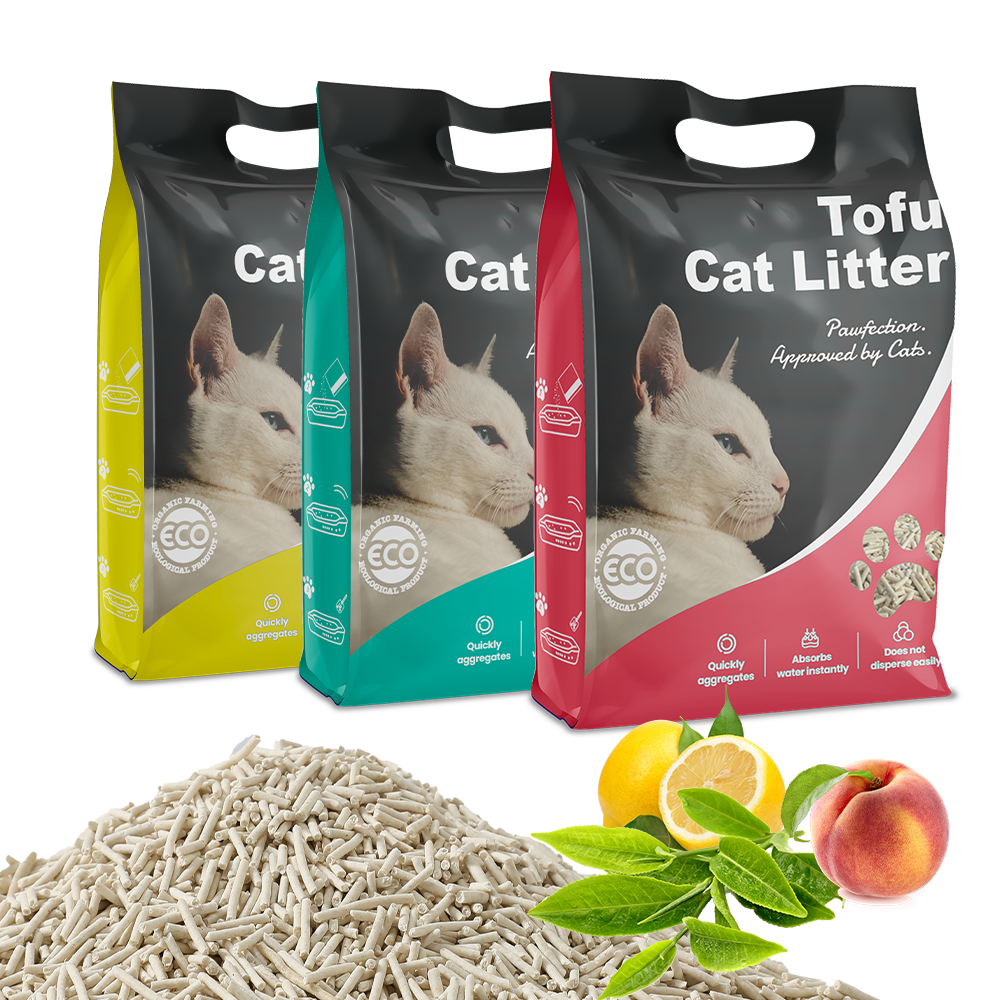
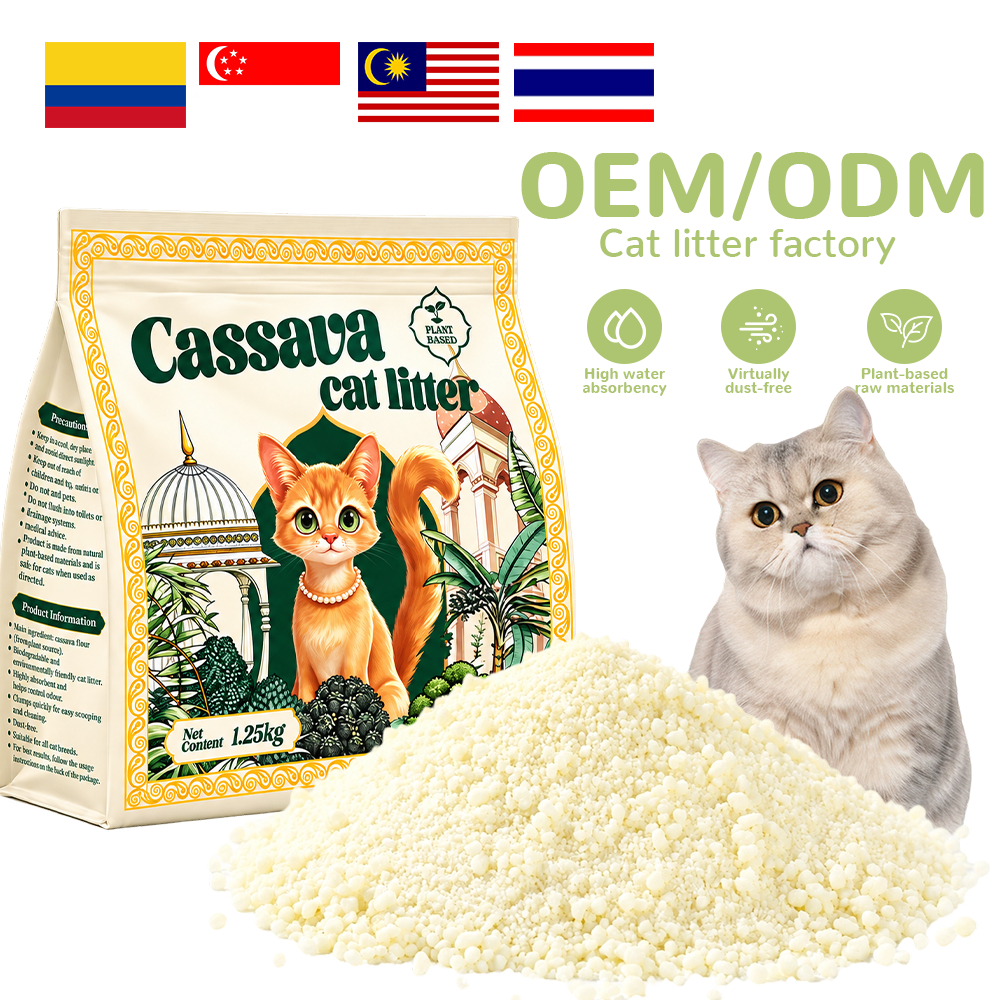
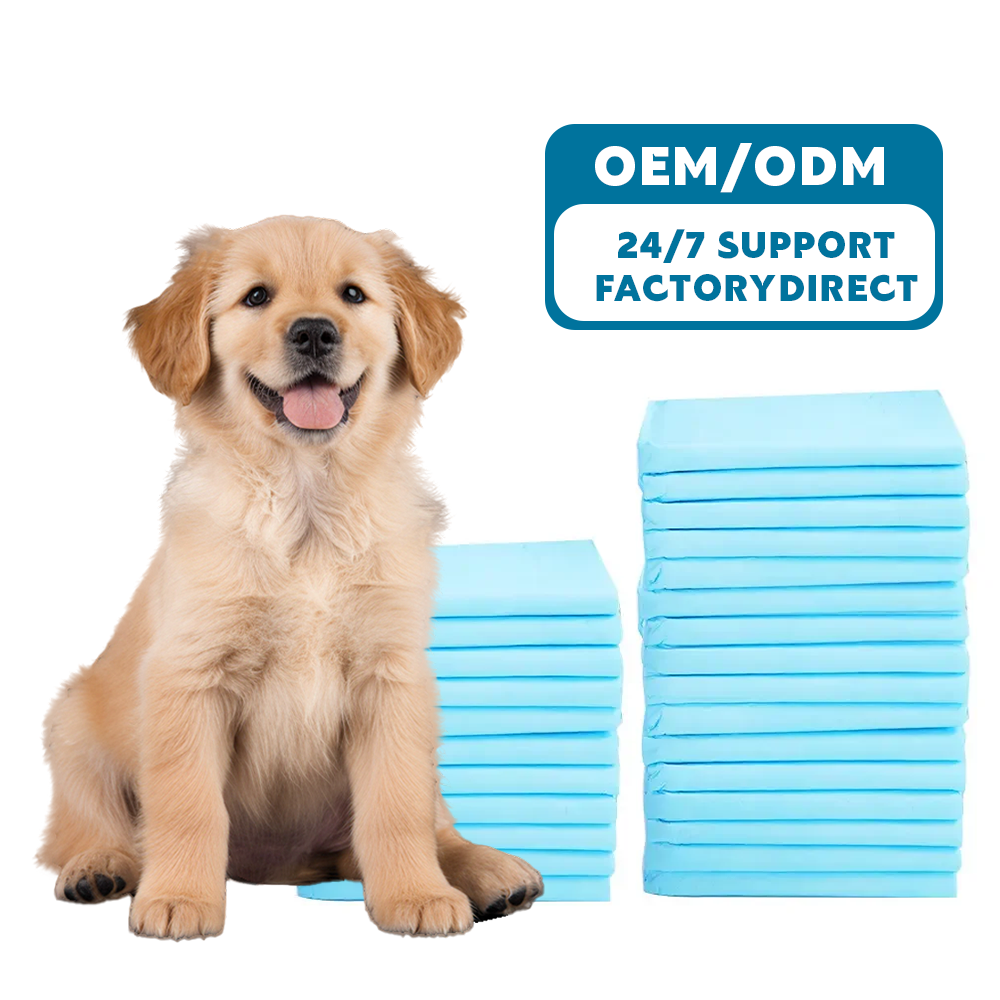
OEM / ODM Season: Private-label cat litter & pee pads with flexible MOQ for importers and brands. View Current Promotions »
Nordic B2B Procurement Whitepaper

Fragrance Free Cat Litter Supplier & Exporters for the Stockholm Market

Engineered Zero-Additive Clumping Formulas, VOC Elimination, and Scalable Turnkey OEM/ODM Export Architecture for Swedish Importers, Retail Chains, and Veterinary Brands

Export Catalog for Nordic Importers

Certified Fragrance-Free & Botanical Substrates Ready for Stockholm Distribution

High-density agglomeration, pure unfragranced pea-fiber, food-grade cassava starch, and non-perfumed bentonites designed to comply with Swedish chemical restrictions and modern indoor living standards.

Send an Inquiry
Stockholm Urban Living Realities

Why the Stockholm Market Demands Fragrance-Free (Oparfymerad) Formulations

In Sweden, pet humanization is accompanied by some of the most rigorous consumer protection, animal welfare, and eco-conscious consumption practices in the world. Within Stockholm—spanning compact urban apartments in Södermalm, Vasastan, Kungsholmen, and modern low-energy housing in Hammarby Sjöstad—cat ownership patterns present distinct technical challenges that traditional scented cat litter cannot resolve.

Modern Swedish residential buildings are engineered under stringent Nordic building codes (Boverkets byggregler, BBR) emphasizing thermal envelope integrity, triple-glazed insulation, and balanced mechanical heat recovery ventilation (FTX systems). During Stockholm's extended winter period—spanning November through April—indoor air exchange rates are tightly controlled to conserve heat. In this enclosed indoor microclimate, cat litters treated with artificial chemical fragrances (such as synthetic lavender, baby powder, or chemical pine scents) rapidly release volatile organic compounds (VOCs). Rather than neutralizing odor, these synthetic masking agents saturate the air, causing acute sensory discomfort, feline olfactory fatigue, and allergic flare-ups among pet parents.

“Swedish pet parents actively reject the concept of ‘masking’ foul odors through synthetic perfumes. Technical buyers representing pet specialty chains like Arken Zoo, Granngården, or online pure-players such as VetZoo and Foderbilen specifically demand pure, fragrance-free substrates that capture ammonia (NH3) at the molecular level through porous entrapment rather than aromatic masking.”

Furthermore, feline respiratory health has emerged as a primary veterinary talking point throughout the Stockholm County (Stockholms län) veterinary community. Cats possess an olfactory receptor system roughly fourteen times more acute than humans. When trapped indoors during freezing temperatures, exposure to fragranced dust particles and perfume plumes can trigger feline asthma, chronic coughing, and idiopathic cystitis linked to litter box aversion. Fragrance-free cat litter is therefore not a niche market segment in Sweden; it is rapidly consolidating into the baseline standard across veterinary clinics, premium eco-retailers, and private supermarket brand tiers.
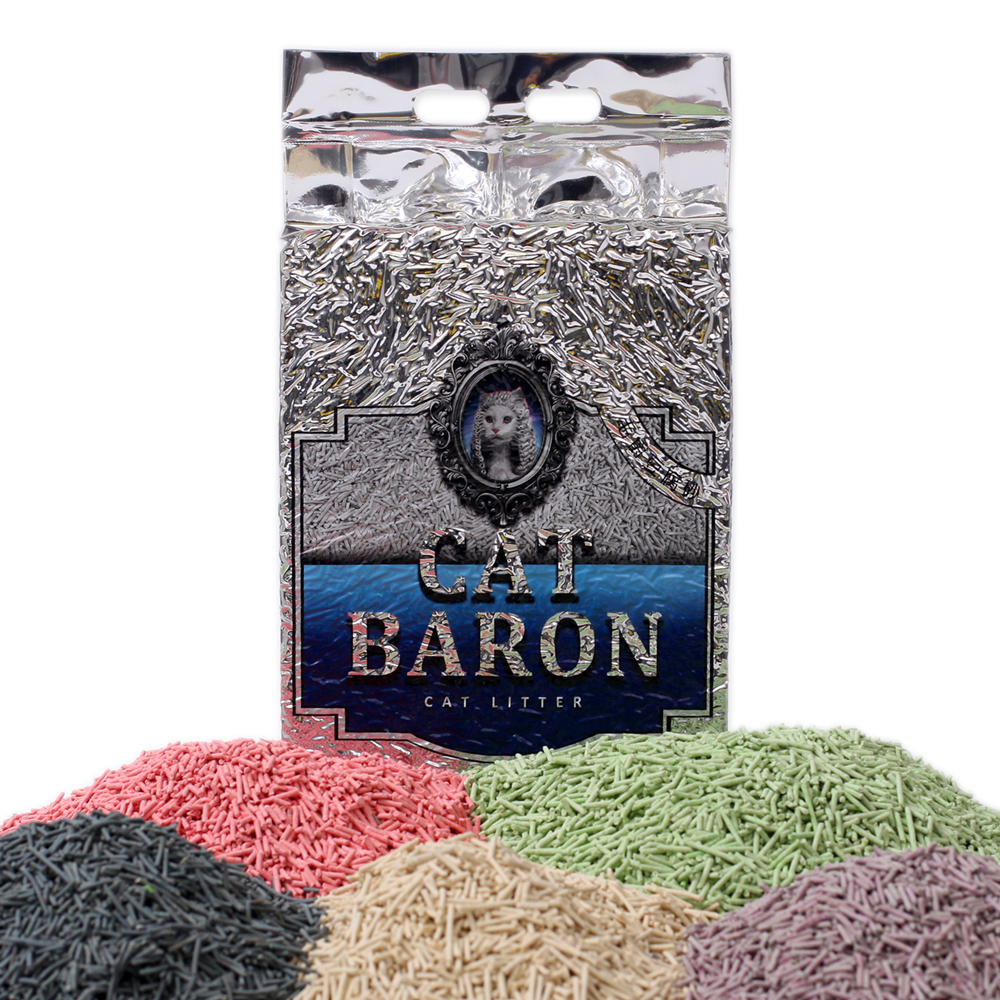
FTX-Ventilated Urban Flats

Stockholm's tightly sealed passive and low-energy apartment structures trap synthetic VOCs. Our unscented plant-based pellets eliminate volatile gas dispersion in low-circulation rooms.

Hypoallergenic Compliance

Aligns with Swedish consumer expectations championed by Astma- och Allergiförbundet. Formulated with zero perfumes, essential oils, colorants, or synthetic agglomeration binders.

Zero-Dust Air Quality

Stockholm cat parents prioritize pristine floors and uncompromised feline lungs. Our 5-stage dedusting system yields a particle rating <0.5%, avoiding crystalline silica residue.

Comparative Material Science

Technical Substrate Benchmarking for Nordic Commercial Portfolios

A detailed biochemical analysis comparing unfragranced pea-fiber tofu, pure cassava starch, and micro-granule sodium bentonite against Nordic retail performance parameters.

To successfully capture shelf share in Swedish retail environments, professional buyers must evaluate litter materials beyond basic absorption figures. The interaction between relative humidity (which drops significantly indoors during cold Swedish winters, frequently hovering around 25%–35% RH) and litter moisture absorption rates dictates clump firmness and bottom-stick tendencies. Below is our lab-tested performance matrix across core fragrance-free substrates exported from our Xingtai manufacturing plant.

Material Category Clumping Mechanism Ammonia Adsorption (24h) Dust Index (%) Disposal Alignment (Stockholm) Swedish Market Segment
Pure Pea-Fiber Tofu (1.5mm) Hydrogen-bonded plant fiber matrix; fast gelatinization 94.6% (Natural capillary lock) < 0.35% (Multi-cyclone filtered) Restavfall / Incineration Eco-specialty, online subscriptions, city dwellers
Native Cassava Root (Starch) High-amylopectin instantaneous coalescence 91.2% (Starch pore encapsulation) < 0.20% (Near zero dust) Restavfall / Bio-recovery Ultra-premium, allergic cats, vet clinics
Unscented Sodium Bentonite Montmorillonite inter-lamellar swelling 88.5% (Enhanced with activated carbon) < 1.10% (Screened fines) Restavfall Only Mass retail, supermarket volume, low unit price
Composite Tofu + Cassava + Carbon Dual fiber-starch crosslinked agglomeration 97.8% (Synergistic micropore adsorption) < 0.40% (Anti-breakage coating) Restavfall / Energy Recovery High-performance modern Swedish brands

The Biochemical Mechanism of Unscented Odor Adsorption

A common inquiry from Nordic retail categories is: "How does a cat litter eliminate odor without masking fragrances?" The answer lies in surface pore architecture and raw chemical affinity. Unlike perfumes that merely mask volatile mercaptans and free ammonia, our pure plant-derived substrates rely on two distinct mechanisms:

1. Capillary Interstitial Entrapment: Our 1.5mm tofu litter is produced using high-temperature thermal extrusion of dried pea fiber, forming an open-pore cellular network. When liquid waste contacts the pellet, moisture is pulled inward within 1.5 to 2.5 seconds via intense capillary suction, depriving urea-splitting bacteria of the atmospheric oxygen and mobile aqueous medium necessary to catalyze ammonia gas conversion.

2. High-Purity Activated Carbon & Natural Mineral Blends: For private-label clients seeking maximum odor neutralization in unfragranced lines, we incorporate 2% to 5% high-iodine virgin coconut activated carbon or natural sodium bentonite micro-crumbs. The high specific surface area of activated carbon (exceeding 900 m²/g) functions as a broad-spectrum physical adsorptive sieve, permanently locking in dimethyl sulfide, trimethylamine, and hydrogen sulfide molecules via London dispersion forces.

Nordic Regulatory Architecture

Stockholm Waste Ecosystem, Stockholm Vatten och Avfall Rules, and EU Norms

Navigating municipal sorting mandates, packaging recycling standards (NPA), and the European Union’s REACH safety protocols for seamless Swedish customs release.

Stockholm Vatten Mandates

Stockholm Vatten och Avfall strictly prohibits flushing any clumping cat litter into residential toilets to prevent pipe clogging and sewage sludge contamination. Even though plant fibers are naturally water-soluble, responsible Swedish private brands label all litter for disposal in Restavfall (residual household waste for district heating incineration).

EU REACH & Heavy Metals

All raw components exported by Chupen undergo comprehensive third-party lab testing verifying compliance with EU Regulation (EC) No 1907/2006 (REACH). Zero lead, cadmium, mercury, hexavalent chromium, or SVHC (Substances of Very High Concern). Verified non-toxic even if accidentally ingested by inquisitive kittens.

NPA Recyclable Packaging

Comply with Sweden’s Näringslivets Producentansvar (NPA) packaging regulations. We manufacture private-label barrier packaging in 100% recyclable mono-material Low-Density Polyethylene (LDPE 4) or FSC-certified biodegradable Kraft paper laminate, minimizing your producer responsibility fees.

The Role of District Heating & Residual Waste (Restavfall) in Sweden

Unlike markets that rely heavily on landfill dumping, Sweden has achieved near-total waste diversion from landfills. In Stockholm, municipal residual waste (Restavfall) is directed to advanced high-efficiency waste-to-energy incineration facilities such as the Högdalen and Värtaverket power plants, generating local district heating (fjärrvärme) and electricity.

In this local circular energy ecosystem, plant-based litters (pea fiber, tofu, and cassava) hold a massive environmental advantage over traditional heavy bentonite clay. When burned, botanical litters offer high calorific recovery value with virtually zero corrosive residual slag and negligible heavy ash generation. Conversely, bentonite clay contains non-combustible aluminosilicate minerals that contribute significantly to bottom-ash accumulation. Presenting plant-based, unfragranced cat litter as an eco-fuel restorative material gives Swedish brands a tangible Information Gain advantage on consumer retail packaging.

Enterprise Manufacturing Authority

Hebei Chupen Pet Products: Industrial Scale Engineered for Nordic B2B Reliability

Headquartered in the Nanhe industrial hub with direct transit to Tianjin Port, Chupen integrates massive daily extrusion capacity, certified multi-system management, and academic R&D partnership.

11
Dedicated Litter Lines (5 Tofu / 3 Bento / 3 Silica)
3,000+
Metric Tons Daily Bentonite Capacity
150+
Metric Tons Daily Plant-Based Litter Output
10,000
Square Meter Humidity-Controlled Staging Hub

SGS Onsite-Verified Facility

Production facilities inspected and verified onsite by the SGS Group. Fully certified under ISO 9001 (Quality), ISO 14001 (Environmental), ISO 22000 (Safety), and ISO 45001 (Occupational Health).

University-Backed R&D Hub

Strategic formulation partnership with China Agricultural University and Hebei Agricultural University. Constant refinement of cold-water dissolution kinetics and natural antimicrobial preservation.

Direct Maritime Logistics

Rapid intermodal rail and highway transit from our Xingtai plant to Tianjin Port. Consolidated multi-SKU container loading featuring cat litter, puppy pee pads, and litter accessories in a single manifest.

Consolidated Sourcing: 50+ Partner Industrial Alliance

Beyond our direct cat litter extrusion workshops, Chupen operates as the anchor exporter for an alliance of over 50 specialized pet manufacturers throughout Hebei’s Nanhe Industrial Cluster—the geographic manufacturing center responsible for an estimated 80% of China’s pet food supply and 60% of its pet accessories. This enables European buyers to assemble complex mixed shipments under one bill of lading (B/L):

  • Bottom-Tier Ballast: Dense pallets of fragrance-free bentonite or tofu cat litter optimizing container center-of-gravity.
  • Middle-Tier Hygiene: Ultra-absorbent 5-layer puppy training pads and compostable dog waste bags.
  • Top-Tier Lightweight Volume: Ergonomic semi-enclosed PP litter boxes and cat hygiene accessories.

By eliminating LCL (Less-than-Container-Load) break-bulk charges and reducing container stuffing inefficiencies, our Stockholm partners save an average of 14% to 22% on landed per-unit freight costs at Ports of Stockholm (Stockholm Norvik Port).

Direct Procurement Answers

Frequently Asked Questions by Swedish Importers & Procurement Directors

Clear operational facts on Swedish customs clearance (Tullverket), packaging localization, freight routes to Stockholm Norvik, and test sampling protocols.

What are the exact import duty rates and HS codes for importing plant-based cat litter into Sweden?
Plant-based cat litters (tofu/pea fiber and cassava starch) entering Sweden through Swedish Customs (Tullverket) typically fall under TARIC / HS Code 1404.90.00.00 (Vegetable products not elsewhere specified) or 2309.90 depending on formulation classification. The standard third-country EU customs duty is generally 0% to low single digits, subject to VAT (Moms) of 25%. Bentonite clay enters under HS Code 2508.10.00.00 (Bentonite, whether or not calcined) with 0% conventional duty. Chupen provides complete Certificate of Origin (Form A / CO), commercial invoices, packing lists, and export declarations to ensure uninterrupted clearance at Stockholm Norvik Port or Gothenburg.
Can packaging artwork be customized with dual Swedish and English text, EAN-13 barcodes, and Nordic Eco-labels?
Yes. We provide complete OEM private-label packaging printing services. Our in-house prepress design department collaborates with your marketing team to ensure compliant Swedish labeling (including accurate ingredient breakdowns: ärtfiber, stärkelse, aktivt kol), Swedish disposal instructions (sorteras som restavfall), EAN-13 barcode registration, batch coding, and mandatory safety notices. We support multi-color gravure and flexographic printing on soft-matte LDPE, PET/PE barrier pouches, quad-seal gusseted flat bottom bags, and vacuum-sealed bricks.
How do you guarantee that unfragranced cat litter does not develop mold during transit across varied ocean climate zones?
Transit from Tianjin Port through the Suez Canal (or Cape route) to Northern Europe takes 32 to 45 days, subjecting cargo to extreme temperature shifts and humidity. To prevent moisture uptake, mold formation, or premature starch degradation, our plant-based litters are kiln-dried to a strict internal moisture content of ≤ 8.5%. Bags are hermetically vacuum-sealed or nitrogen-flushed. Furthermore, every export container is lined with industrial moisture-absorbing desiccants and craft paper insulation walls, maintaining relative humidity inside the container below the 60% threshold across the entire shipping lane.
What is the standard lead time and minimum order quantity (MOQ) for custom private label orders to Stockholm?
For stock neutral packaging or trial batches, MOQ starts as low as 60 to 100 bags. For custom rotogravure printed private-label bags, the MOQ is determined by the minimum packaging film run, typically around 13,000 bags (equivalent to roughly one 40ft High Cube container holding 24 to 26 metric tons). Repeat mass production cycles require 10 to 15 days following packaging film arrival. Maritime shipping from Tianjin Port to Ports of Stockholm (Norvik) typically requires 35–42 days depending on direct or transshipment routes via Rotterdam/Hamburg.
Can we request comparative laboratory sample kits prior to placing a full container order?
Yes. We routinely dispatch technical evaluation sample kits directly to corporate offices in Stockholm, Uppsala, Gothenburg, and Malmö via DHL or FedEx Express (delivery within 4 to 6 business days). Kits include unfragranced 1.5mm pea-fiber tofu litter, pure cassava starch granules, composite carbon-infused plant pellets, and dust-screened bentonite, accompanied by full laboratory test certificates, moisture data, and heavy metal MSDS documentation.

Secure Your 2025/2026 Nordic Supply Allocation

Whether you are formulating a new hypoallergenic cat litter brand for the Swedish pet retail market, or auditing your supply chain for improved margins and consistent zero-fragrance quality, our export engineering team is ready to assist with formulation customization, pallet planning, and regulatory compliance.

Direct dispatch from Tianjin Port • Certified ISO 9001, ISO 14001, ISO 22000 • Verified Onsite by SGS