Wholesale & OEM Flushable Cat Litter Portfolio
Precision-manufactured from high-purity edible dietary pea fiber, food-grade corn starch, and natural agglomeration binders. Certified ISO 9001 and SGS factory verified for German and EU distributors.
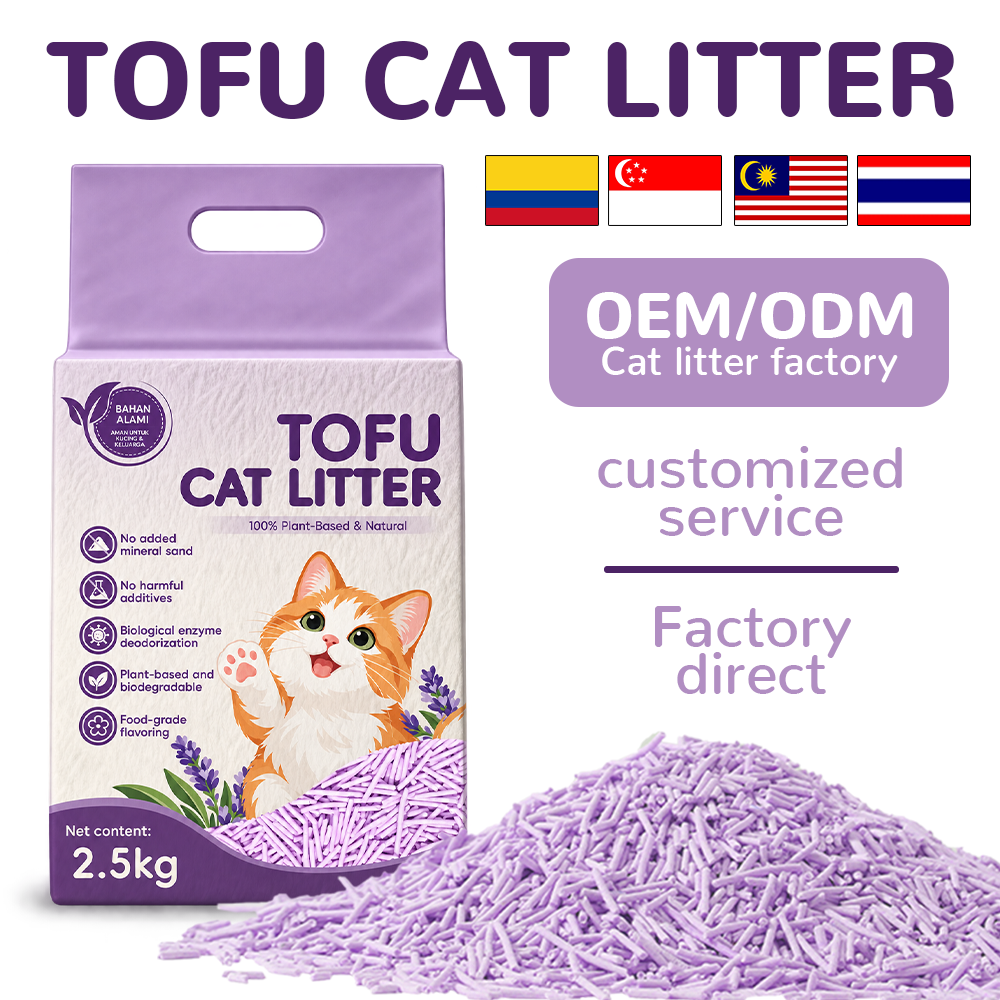 Fast Agglomeration
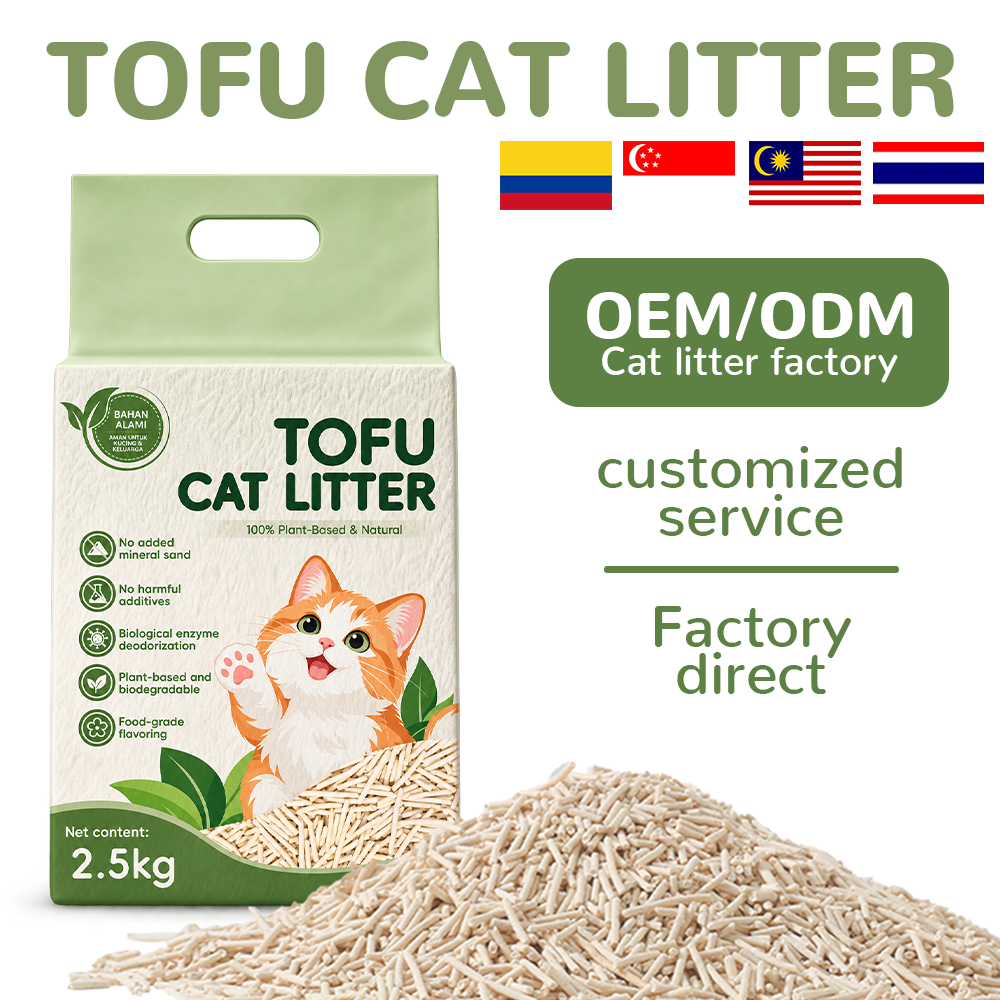 99.9% Dust-Free
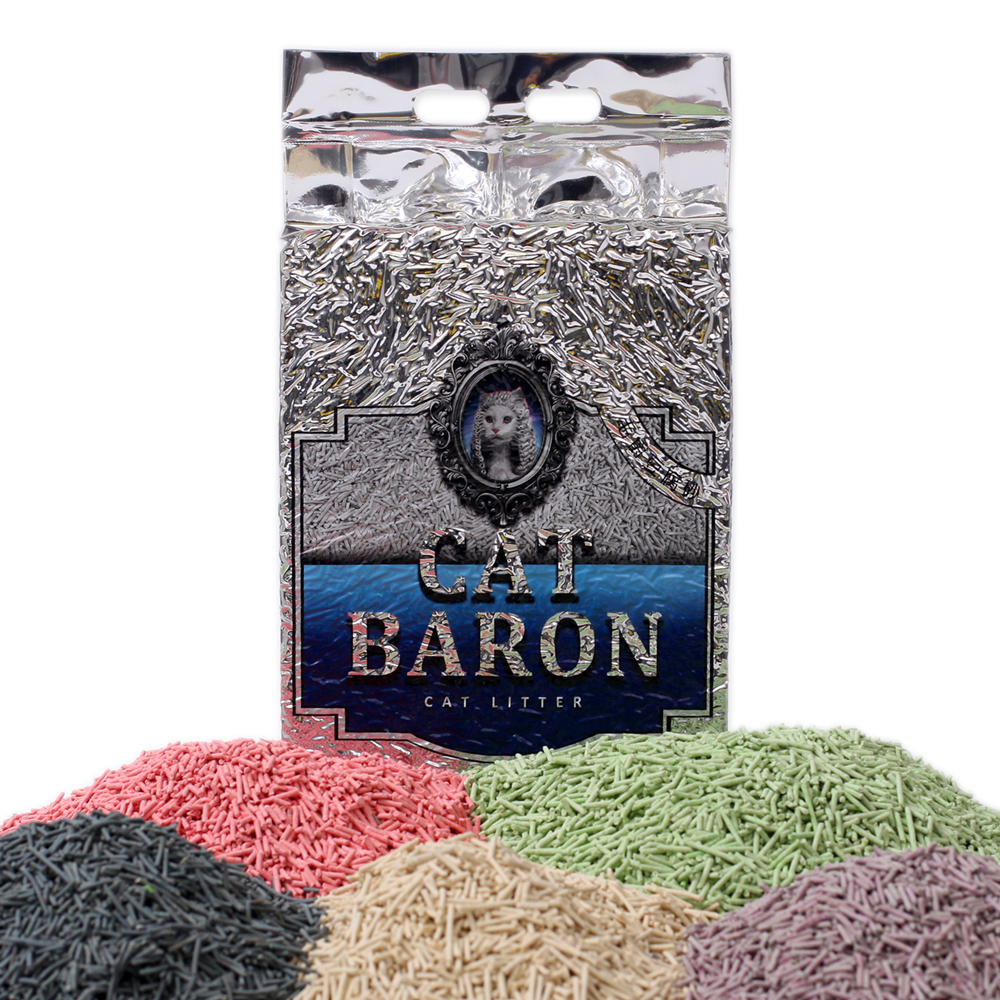 Retail Standard 6L
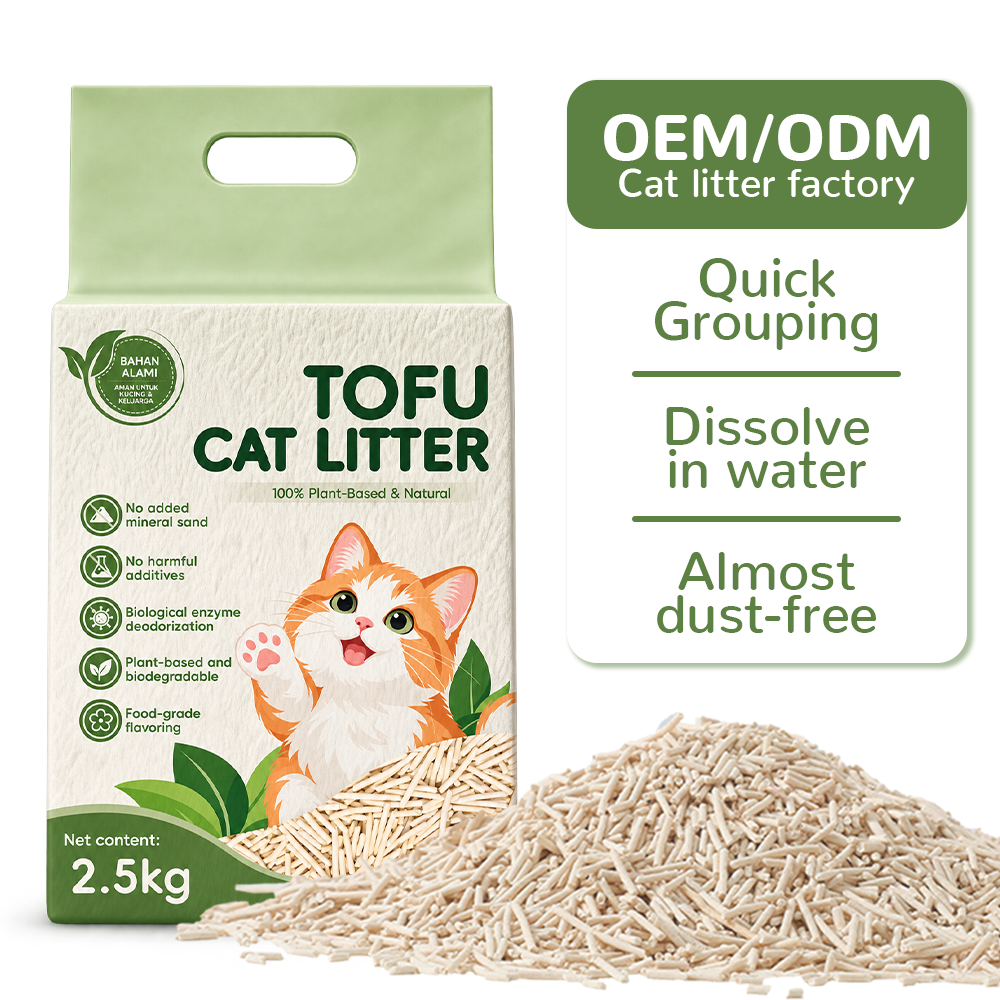 100% Biodegradable
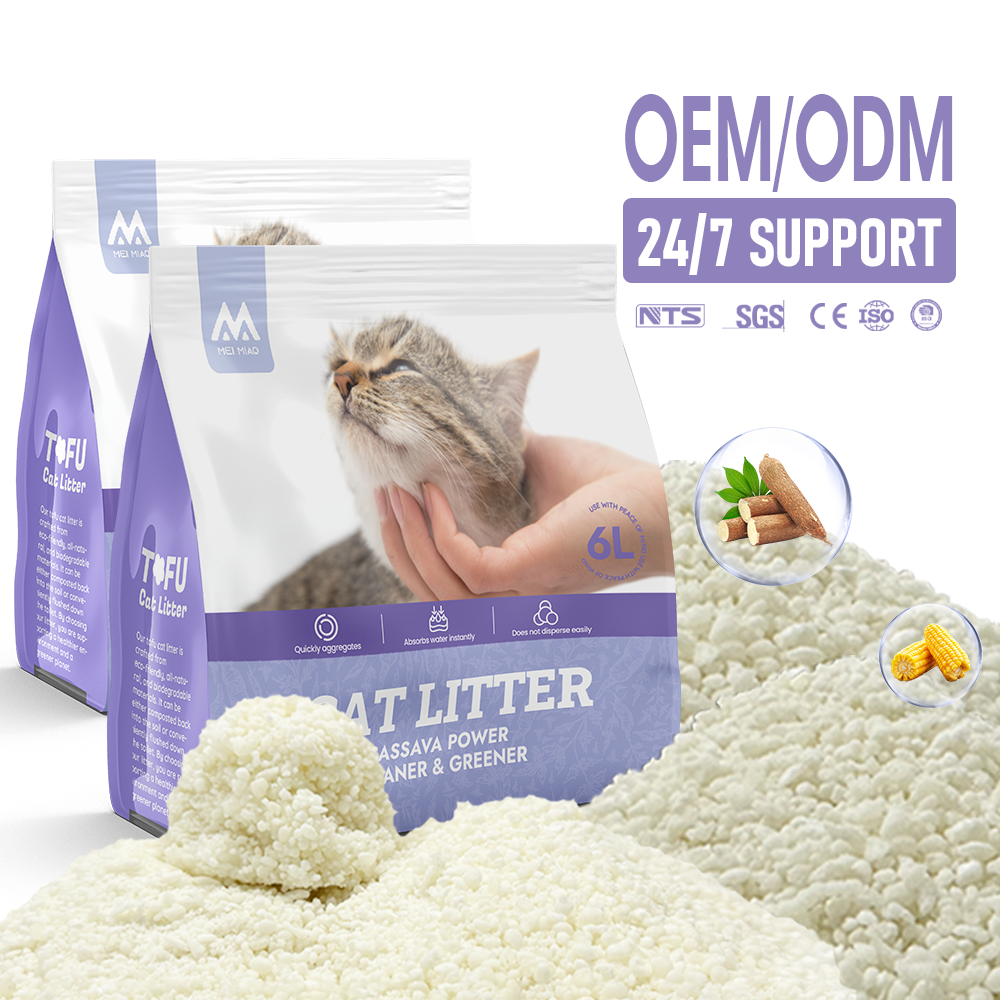 Starch Hybrid
 High Density
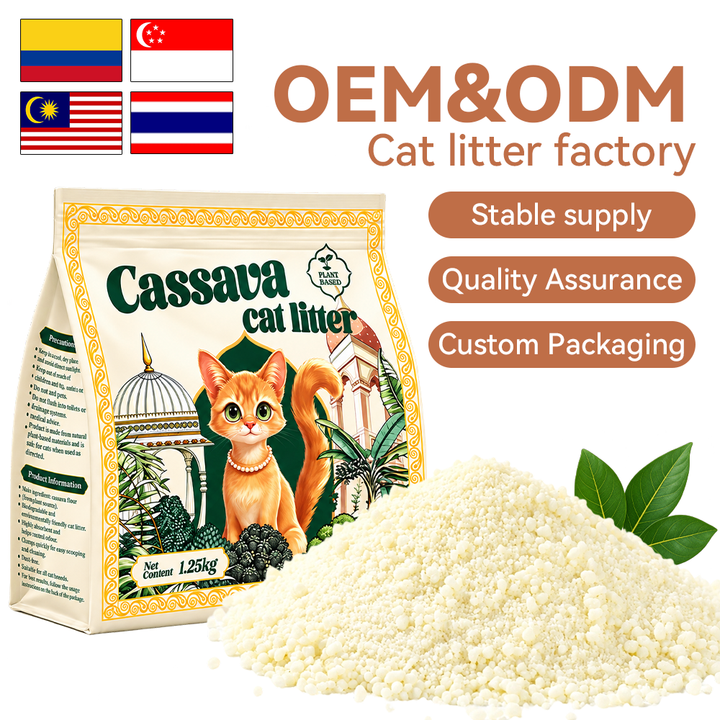
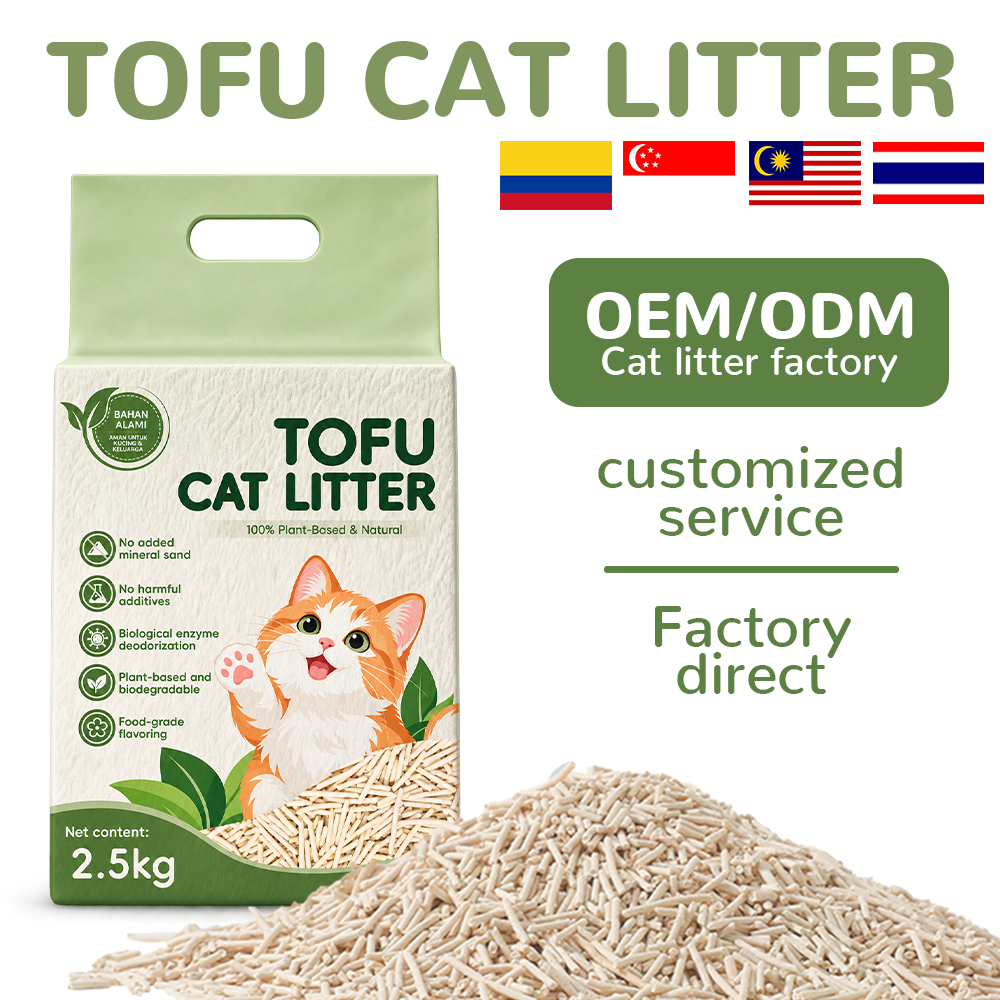 Private Label Ready
Dispersion Kinetics & Hydraulic Engineering: Why Our Tofu Litter Meets DIN EN 12056
For pet product distributors, wholesale importers, and private-label retail brands supplying Munich and the wider Bavarian region, claims of "flushability" cannot remain vague marketing rhetoric. Municipal wastewater treatment infrastructure in Munich—administered under the stringent regulatory framework of the Münchner Stadtentwässerung (MSE)—strictly penalizes foreign matter that promotes pipe sedimentation, fatberg formation, or pump impeller cavitation.
Conventional bentonite litters and mineral clays undergo expansive hydraulic swelling when hydrated, generating viscous sodium-aluminosilicate plugs that lead to catastrophic blockages in residential sewer branches. Our export-grade plant-based tofu litter operates on an inverted rheological principle: rapid shear-induced hydro-dispersion.
Hydrophilic Surface Dissolution
Upon static water immersion, the outer molecular matrix of cold-pressed food-grade pea fibers unbinds within 12 to 15 seconds. The water immediately breaks down the cohesive starch hydrogen bonds, shifting the solid agglomerate into a semi-liquid slurry before the flush mechanism is actuated.
Hydrodynamic Shear Compliance
Under a typical European dual-flush toilet volume (3.0L to 4.5L as per DIN 1986-100 standards), the dissolved tofu slurry exhibits zero yield stress. It undergoes laminar suspension within standard DN 90 and DN 100 domestic soil pipes without sticking to cast-iron or PVC conduit interiors.
Zero Toxic Coagulants
Unlike inferior plant-based pellets bound with synthetic polyacrylamide or industrial glues, our pellets utilize food-grade corn dextrin and natural guar derivatives. They do not re-agglomerate downstream, fully biodegrade during secondary biological wastewater digestion, and leave zero microplastic sediment.
Localized Application Scenarios Across Munich Urban Settings
Munich represents one of Europe's most demanding pet care demographics. Characterized by high median household purchasing power, strict tenancy standards (Mietrecht), dense multi-family residential zoning, and rigorous waste segregation, cat care products must solve specific urban pain points.
Old-Building (Altbau) Quarters
In historic urban districts such as Schwabing, Maxvorstadt, and Haidhausen, multi-story Altbau properties feature century-old cast-iron drainage risers (Gussrohre) susceptible to roughness and mineral buildup. Our 1.5mm diameter micro-tofu pellets disperse instantaneously, preventing downstream pipe clogging during single-scoop toilet disposals.
Modern High-Efficiency Neubau Flats
Modern eco-developments in Freiham, Riem, and Parkstadt Schwabing rely on low-flow sanitary fixtures (3-liter flush systems) and airtight envelope construction (Passivhaus standards). High dust or synthetic perfumes from clay litters saturate indoor air filters. Our 99.9% de-dusted, unscented or lightly botanic-infused tofu litter guarantees spotless indoor air hygiene.
Multi-Tier Bavarian Waste Sorting
Munich's waste management entity (AWM - Abfallwirtschaftsbetrieb München) maintains strict waste sorting rules. While heavy bentonite litter clogs domestic waste bins (Restmülltonne) and adds considerable municipal weight surcharges, our ultra-lightweight plant fibers incinerate cleanly with minimal ash or can be processed cleanly in authorized organic channels where municipal by-laws permit.
Urban Apartment Odor Management During Alpine Inversion
During Bavarian winter periods, sub-zero temperatures and the Föhn wind pattern keep Munich apartment windows closed for extended stretches. Traditional bentonite litter uses harsh perfume top-notes that simply mask ammonia odors, often triggering feline behavioral aversion and human respiratory discomfort. Our tofu litter works via high-surface-area capillary absorption and organic enzyme breakdown: the fibrous porous core traps free volatile ammonia molecules (NH₃) within 3 minutes of contact, neutralizing up to 96.8% of organic amines before off-gassing occurs.
Strategic Market Trends in Upper Bavaria (Oberbayern) & the DACH Region
The German pet hygiene industry is currently experiencing an unprecedented structural transition. Distributors, private-label brand owners, and FMCG retail chains operating in southern Germany must adapt to clear regulatory and consumer-driven market shifts:
The Decline of Strip-Mined Bentonite
European consumers are increasingly rejecting traditional sodium bentonite due to the ecological toll of open-pit clay strip mining in Southern Europe and North America. German pet owners prioritize carbon-neutral, circular agricultural byproducts such as reclaimed pea and soy plant fibers over mined minerals.
Strict German Packaging Laws (VerpackG)
Retail buyers in Munich cannot import goods packed in non-recyclable multi-laminate plastics without incurring heavy system participation fees via the LUCID register. We provide mono-material recyclable PE/PE packaging and FSC-certified biodegradable multi-wall kraft paper bags fully optimized for German recycling infrastructure (Grüner Punkt).
Premiumization & E-Commerce Logistics
With high living standards across the Munich metropolitan area, subscription-based pet e-commerce and specialized brick-and-mortar pet boutiques (such as Fressnapf and Das Futterhaus franchisees) demand lightweight bags. Tofu litter is approximately 60% lighter than clay sand, significantly slashing last-mile courier parcel delivery surcharges.
Comparative Technical Benchmark Matrix: Tofu vs. Traditional Minerals
When engineering private-label formulas for the German market, our R&D department cross-references four essential mechanical and environmental metrics against European retail benchmarks:
| Performance Metric | Chupen Flushable Tofu | Sodium Bentonite Clay | Silica Gel (Crystal) | Wood / Pine Pellets |
|---|---|---|---|---|
| Bulk Density (g/cm³) | 0.40 – 0.45 (Ultra-Light) | 0.85 – 1.05 (Extremely Heavy) | 0.42 – 0.48 (Lightweight) | 0.50 – 0.60 (Medium) |
| Dispersibility in Water | < 15s (DIN EN 12056 compliant) | Non-dispersible (Severe clog risk) | Insoluble (Sewer hazard) | Slow breakdown (High pipe friction) |
| Respirable Dust Index | < 0.1% (5-Stage dedusted) | 1.8% – 4.5% (High silica risk) | < 0.5% (Brittle fractures) | 0.8% – 1.6% (Sawdust fines) |
| Ammonia Binding (24h) | 96.8% (Organic binding) | 88.2% (Absorption) | 82.0% (Porous capture) | 79.5% (Tannic neutralization) |
| EU Waste Disposal Stream | Direct flush / Restmüll / Composting | Strictly Restmüll (Heavy landfill load) | Strictly Restmüll (Hazardous ash) | Restmüll / Organic waste |
| German VerpackG Surcharge | Lowest Category (Mono-PE/Paper) | Elevated (Heavy tare weights) | High (Specialized composite bags) | Low (Paper sacks) |
Enterprise Manufacturing Infrastructure & Export Strengths
Hebei Chupen Pet Products Co., Ltd. is positioned in the epicenter of China's pet manufacturing industry—Nanhe District, Xingtai, Hebei Province. This strategic cluster produces over 60% of China's total pet consumer supplies and 80% of its pet food, yielding an unparalleled supply chain synergy that translates into cost leadership and batch consistency for European partners.
Stringent Quality Assurance & Testing Instrumentation
Our Xingtai facility holds four premier international management credentials: ISO 9001 (Quality Management), ISO 22000 (Food Safety Management), ISO 14001 (Environmental Management), and ISO 45001 (Occupational Health & Safety). Because our plant fibers originate from food-grade supply lines, food safety protocols protect raw materials from aflatoxins, mold spores, and pesticide residues.
Our on-site quality assurance laboratory utilizes 9 dedicated testing instruments to verify every single batch before outbound container sealing:
Moisture Analyzer & Hardness Gauge
We calibrate final pellet moisture content between 8% and 10% to eliminate mold growth during maritime transit across the Suez Canal or Mediterranean routes, while maintaining radial crushing strength above 55 Newtons to prevent transit crushing.
Cyclonic Airborne Dust Chamber
Production samples run through an optical particulate counter simulating pour-down impact. Only batches that exhibit less than 0.1% respirable particulate matter are cleared for automated packing into retail pouches.
Artificial Saline Clump-Disperser
Clump formation is measured using artificial feline urine at 38°C. The clump is weighed, measured for penetration depth, and dropped from 1 meter onto a test sieve. It is then submerged into a water column to record total dispersal time under 15 seconds.
Consolidated Multi-Category Container Shipments to Munich
One of our unique operational competencies for Munich importers is freight consolidation. Sourcing distinct cat litters, puppy training pads, litter accessories, and pet treats from multiple vendors incurs substantial logistics overhead and custom brokerage complexities. Utilizing our network of over 50 vetted local manufacturing partners in Nanhe District, we combine custom-branded flushable tofu litter with high-absorbency puppy training pads, pet hygiene liners, and ergonomic litter boxes inside a single 40ft High Cube container—directly dispatched via Tianjin Port to Hamburg or Bremerhaven, followed by direct rail transfer to Munich Riem (Umschlagbahnhof).
Bavaria & DACH Importer FAQ: Technical, Regulatory & Sourcing Details
Direct answers for purchasing directors, sourcing managers, and private-label brand owners importing to Munich, Bavaria, and surrounding Central European territories.
How does our tofu cat litter comply with local Munich sewage by-laws (Entwässerungssatzung)?
What is the standard Minimum Order Quantity (MOQ) for German private-label packaging?
What are the Incoterms and typical shipping schedules from Tianjin to Munich?
Which pellet diameter is best suited for the European and German pet market?
Are custom scents and deodorizing formulations available for sensitive European cats?
How do you guarantee mold and humidity resistance during ocean transit?
Scale Your Pet Hygiene Brand in Munich & Germany
Request an export quotation, lab test reports, or a tailored sample box shipped via express courier to your German headquarters within 5 business days.