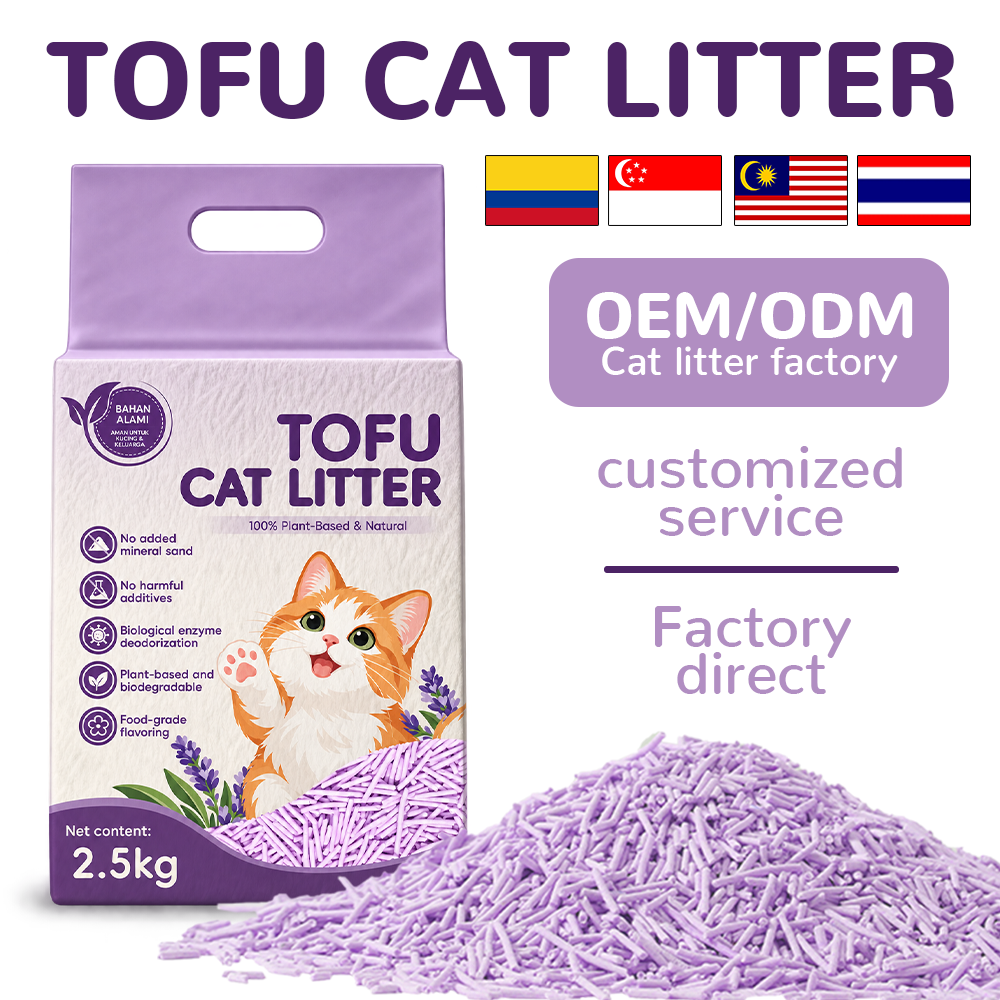
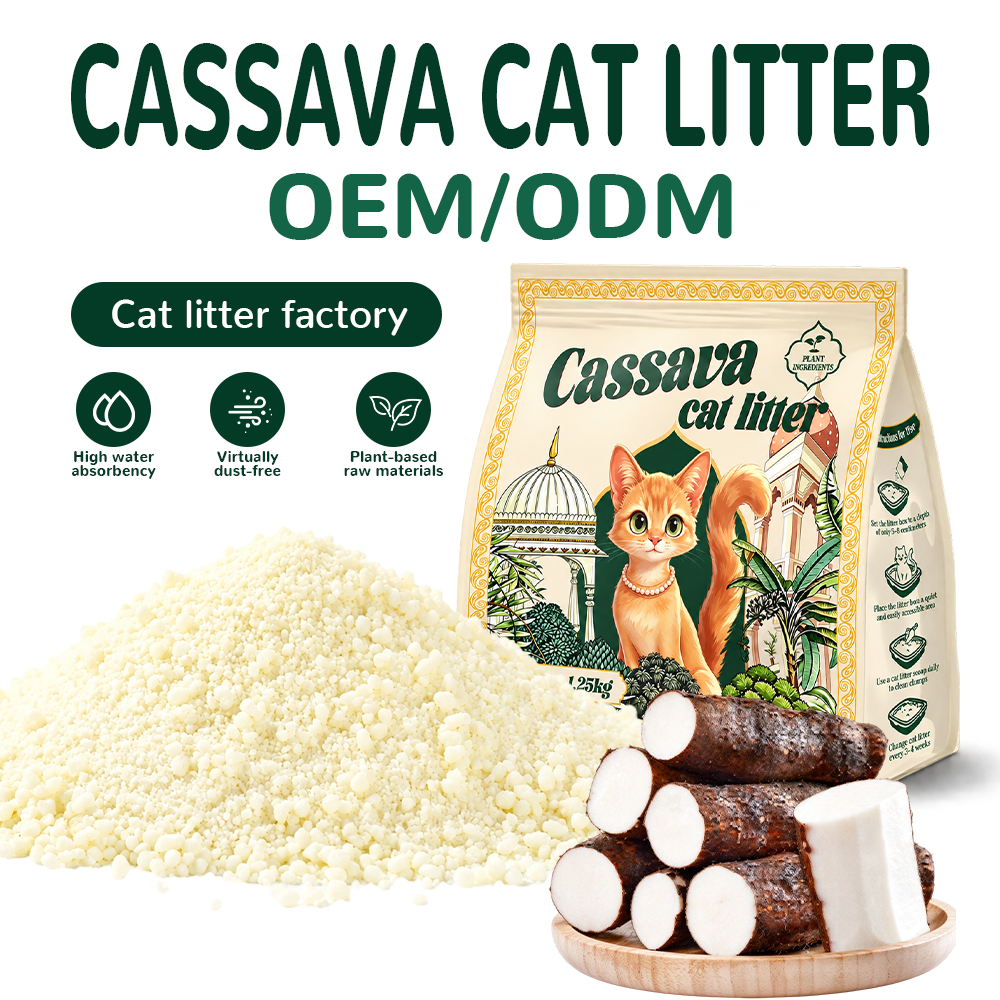
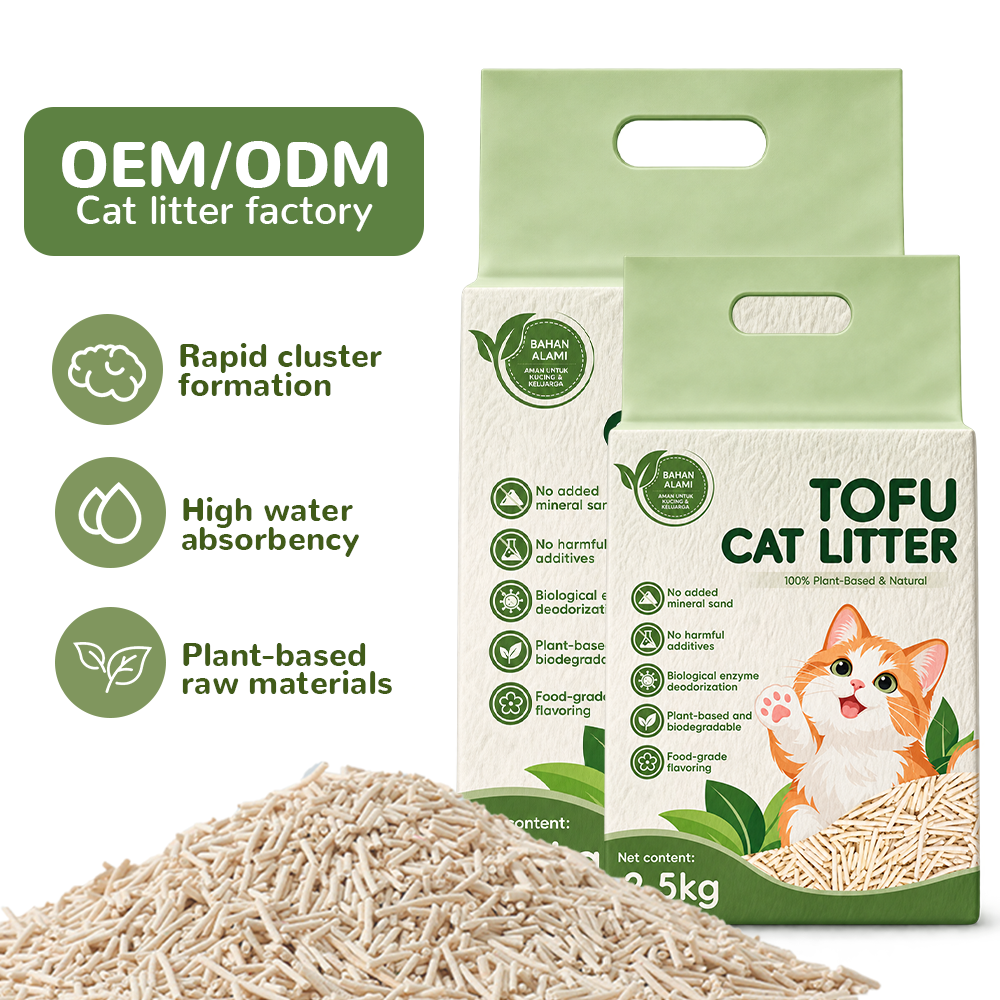
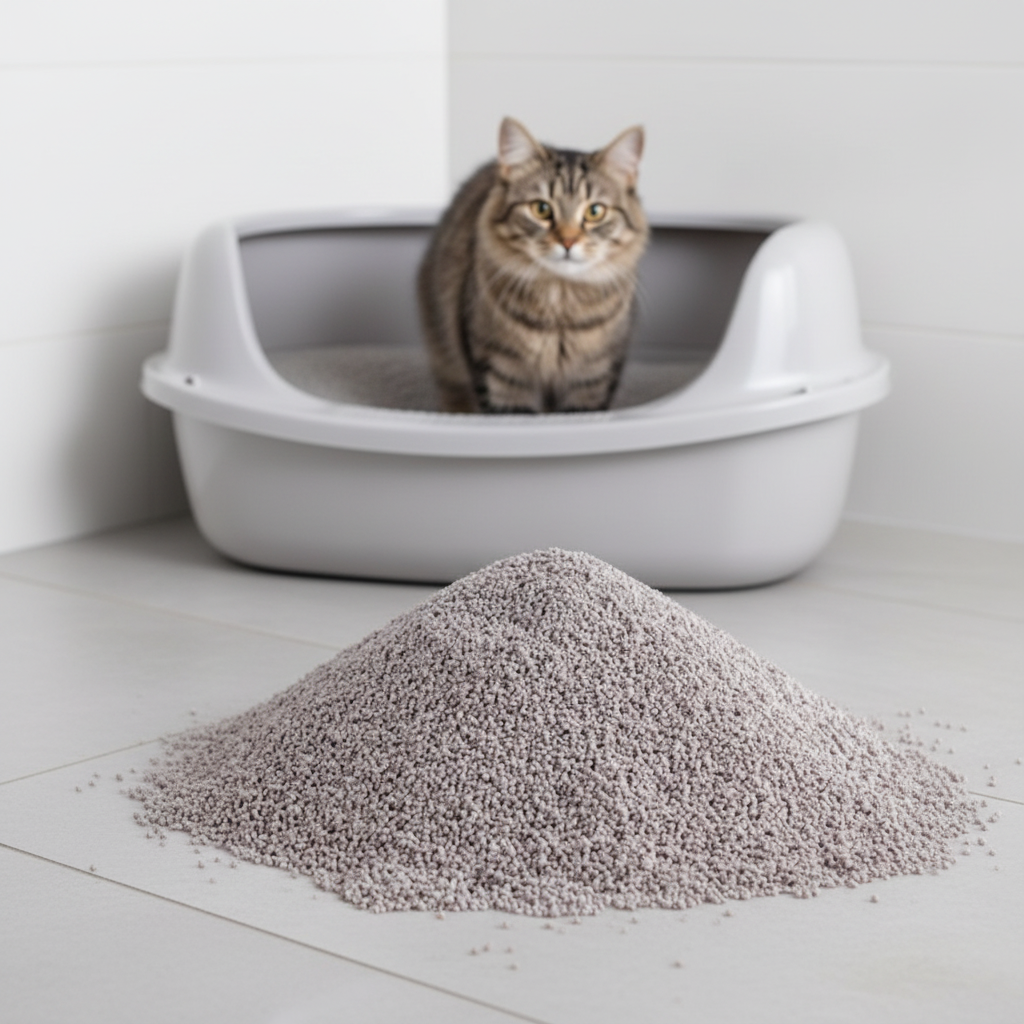
Custom OEM Tapioca Cat Litter Manufacturers & Factory in the Hungary Market
Technical Whitepaper on Sustainable Cassava-Based Hygiene Products, Supply Chain Resilience, and Private-Label Manufacturing for Central European Pet Retailers.
Enterprise Product Portfolio
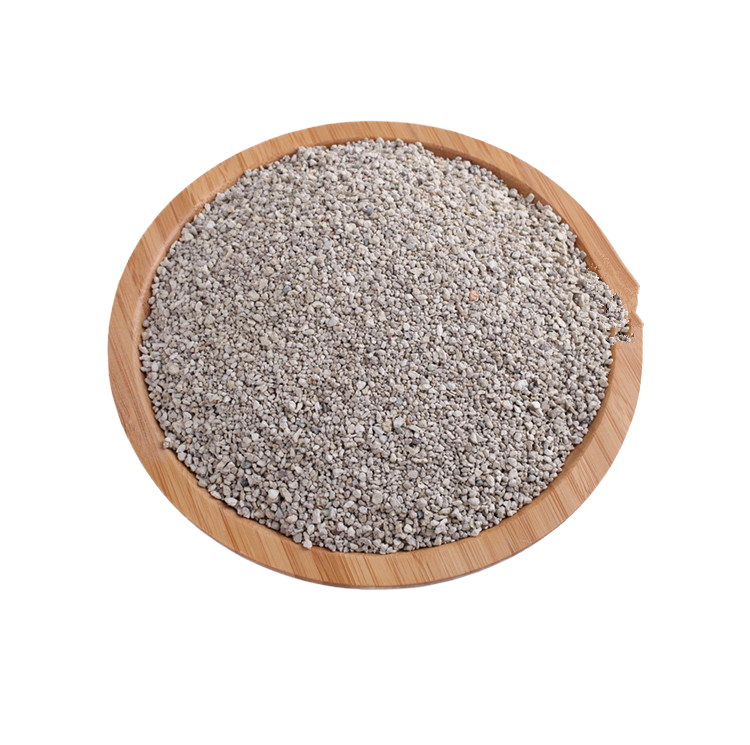
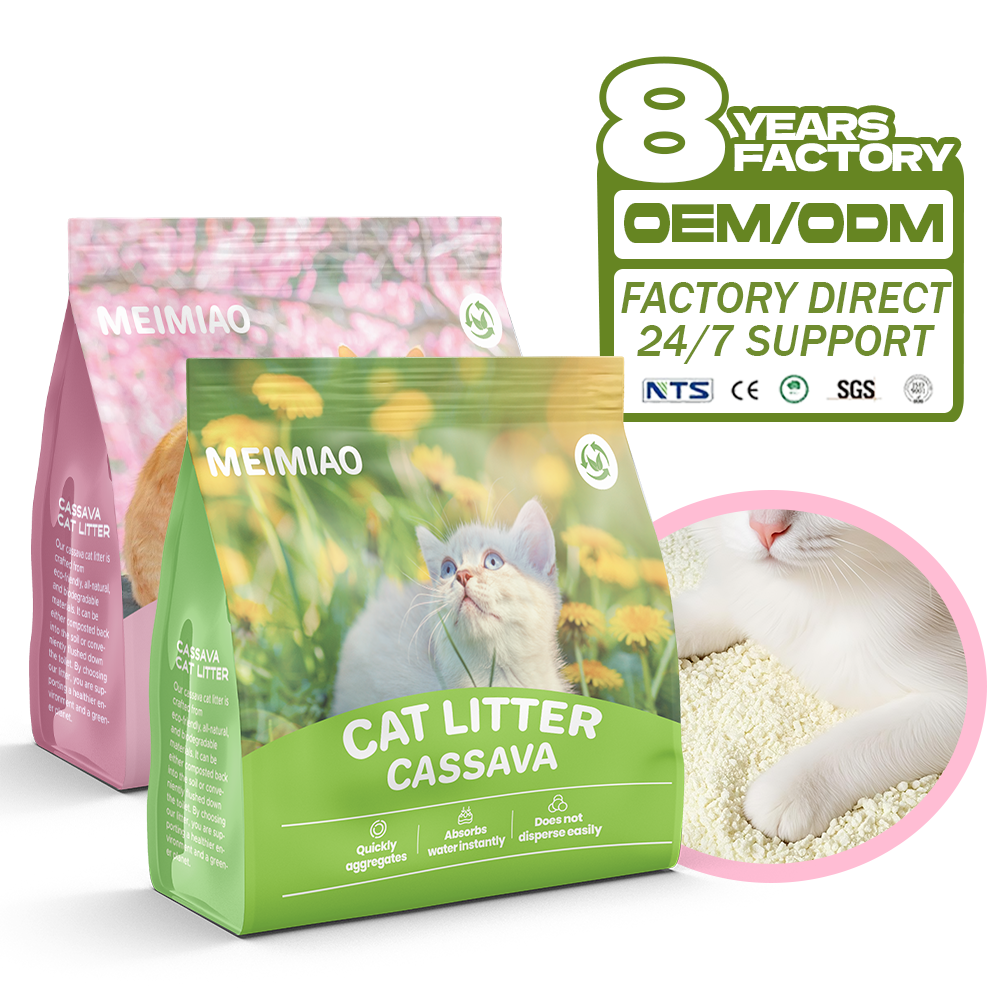
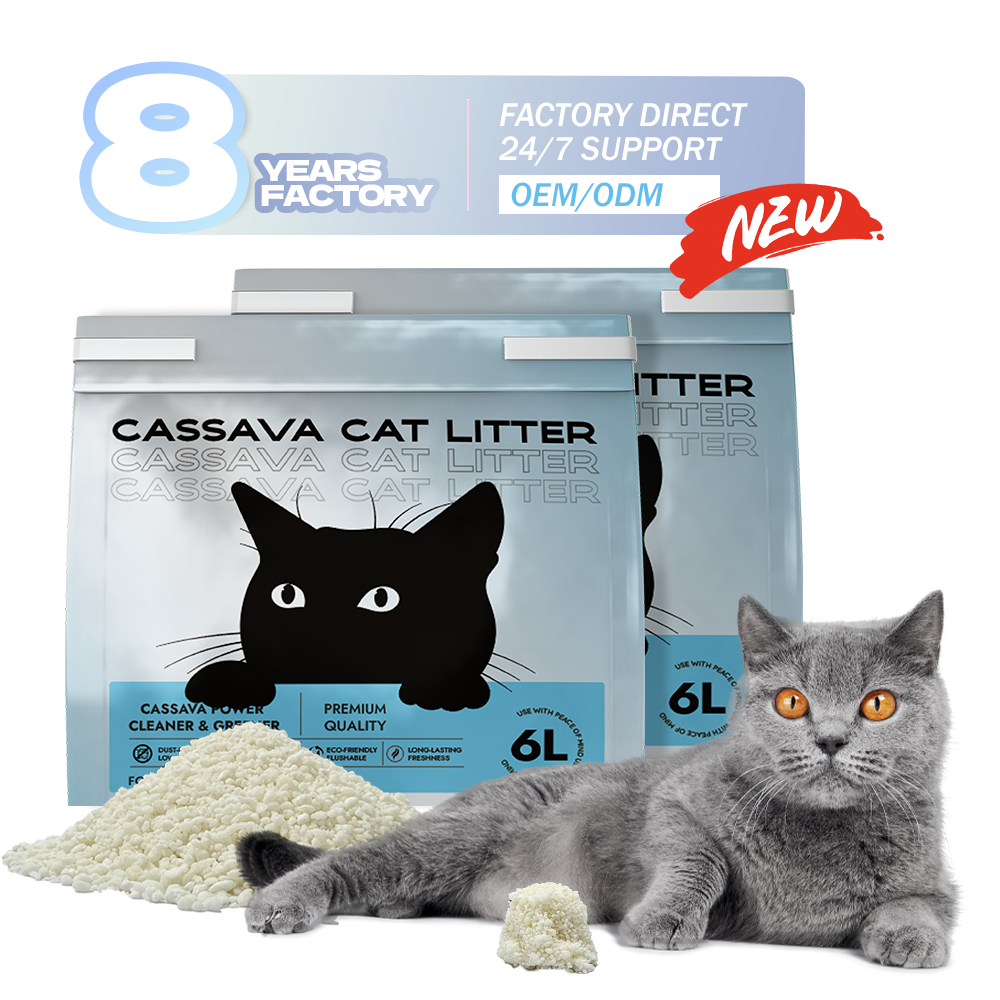
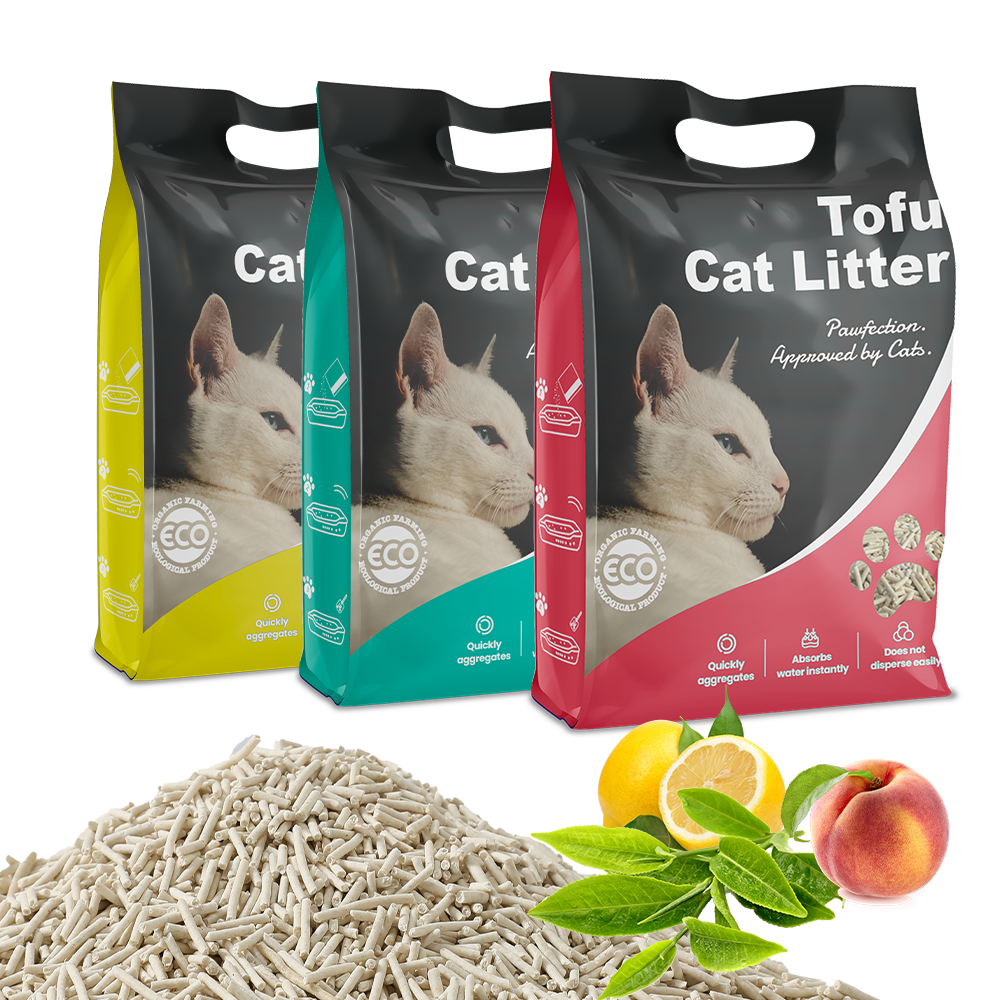
Engineered Tapioca, Cassava & Mineral Litter Solutions
Direct factory configurations manufactured under ISO 9001 and ISO 22000 standards. Flexible private-label branding, customized clumping kinetics, and optimized packaging for the Hungarian and Central European trade corridors.
Tapioca / Cassava Cat Litter Mechanics in European Urban Ecosystems
As the European Union intensifies enforcement of ESG benchmarks, waste diversion mandates, and the circular bioeconomy framework, pet hygiene products have faced structural scrutiny. In Central and Eastern European (CEE) markets, traditional sodium bentonite and non-biodegradable silica crystal litters dominate mass retail. However, their reliance on open-pit strip mining, high trans-continental freight weights, and non-biodegradable landfill disposal conflicts with municipal sustainability goals. Tapioca cat litter—synthesized primarily from native cassava starch (Manihot esculenta)—presents an engineered plant-based alternative that reconciles the consumer demand for rapid clumping with uncompromising ecological responsibility.
"Tapioca cat litter does not rely on synthetic cross-linking agents or chemical adhesives. Through precise gelatinization under thermal extrusion, amylose and amylopectin matrices form tight, insoluble clumps within 1.8 seconds of moisture exposure."
For private-label brand owners, OEM importers, and national supermarket distributors in Hungary, procuring cassava and tapioca cat litter provides measurable advantages over legacy formulations. Cassava boasts a higher starch density than pea, corn, or wheat fractions, resulting in instant cohesive clumps that do not fracture when scraped against tray sidewalls. Moreover, the raw material is completely renewable, emits zero breathable crystalline silica dust, and is naturally flushable in urban wastewater infrastructures.
1.8s Clumping Speed
Upon hydration, natural tapioca starch polymers exhibit swift swelling kinetics, locking liquid and dissolved ammonia within a localized agglomerate, preventing box base contamination.
99.5% Dust Separation
Utilizing a multi-stage negative pressure cyclonic dedusting system, the finished cassava granules contain virtually no airborne particulates, preserving feline and human respiratory health.
Rapid Biodegradability
Full microbial decomposition in municipal composting facilities within 30 to 45 days, aligning seamlessly with strict municipal biological waste separation initiatives.
Local Market Applications
Operational Scenarios Across Hungary’s Municipal Landscapes
Hungary presents distinct consumption micro-climates that determine pet hygiene performance. In high-density urban zones such as Budapest (notably the dense condominium belts of District VII, XIII, and XI), apartment floor plans are compact, and municipal trash disposal involves communal multi-story chutes or centralized collection bins. Heavy 10-kilogram bentonite sacks impose severe physical handling burdens and rapid landfill waste generation.
Urban Condominiums (Budapest)
Compact apartments demand instant flushability and total odor elimination. Tapioca litter dissolves completely in toilet drainage systems without pipe sedimentation or blockages.
Suburban Estates (Debrecen, Szeged)
Detached households with private gardens utilize spent tapioca waste as organic compost for ornamental flora, achieving closed-loop zero-waste household operations.
Automated Self-Cleaning Trays
Tapioca's uniform granular structure (1.5mm to 3.0mm) operates cleanly with robotic rake-style litter boxes widely adopted by younger Hungarian cat owners.
Strategic Market Intelligence
Emerging Procurement Trends in the Hungarian Pet Trade
Procurement directors and brand category managers across CEE are navigating major structural shifts in consumer purchasing behavior. In Hungary, data compiled from regional retail channels indicates three primary purchasing trends:
Evaluation Parameter
OEM Tapioca / Cassava Litter
Conventional Bentonite
Standard Tofu (Soy Fiber)
Hydration Capacity
450% - 550% (Instant)
250% - 300% (Medium)
350% - 400% (Linear)
Bulk Density (Logistics)
~480 - 520 g/L (Ultra-lightweight)
~850 - 950 g/L (Heavy freight)
~500 - 550 g/L (Lightweight)
Dust Index (PM 2.5/10)
< 0.5% (Cyclonic screened)
2.5% - 6.0% (Mineral friable)
< 1.2% (Extruded fiber)
Municipal Sewer Flushability
Complete Dispersal (< 20s)
Unflushable (Pipe clogging)
Flushable (Small volume)
EU Carbon Footprint Metric
Substantially Negative / Bio-based
High (Strip extraction & calcination)
Low / Agronomical by-product
1. Shift to Plant-Based Lightweight Formats: The physical mass of traditional clay litter increases intra-European road and rail logistics overheads. A standard 40ft high-cube sea freight container holds up to 26 metric tons; tapioca's high volume-to-weight ratio allows distributors to retail more functional volume per container while lowering transport fuel surcharges. 2. Premiumization & Hypoallergenic Demands: Hungarian cat owners are increasingly humanizing pets, seeking non-toxic, food-grade raw ingredients. In multi-cat households, feline ingestive safety (preventing bentonite-induced gastrointestinal impaction) has become a primary selling proposition. 3. Private-Label Omnichannel Expansion: Regional brands and e-commerce merchants are actively replacing legacy white-label mineral sands with tailored, branded tapioca configurations, driving higher margins per retail bag.
Enterprise Capabilities
Engineered Manufacturing & Global Supply Strengths
Operating from Nanhe District, Xingtai—the epicenter responsible for approximately 80% of China’s pet food and 60% of pet supplies—Hebei Chupen Pet Products Co., Ltd. delivers institutional-grade OEM/ODM reliability.
11
Dedicated Production Lines
3,000 t/d
Bentonite Crushing Capacity
150 t/d
Plant-Based Extrusion Yield
10,000 m²
Finished Goods Warehouse
Verified Quality Protocols
Fully compliant with ISO 9001, ISO 22000, ISO 14001, and ISO 45001 management systems. Facilities verified onsite by SGS Group, with 9 in-house analytical testing instruments.
Academic R&D Backbone
Joint developmental research partnerships with China Agricultural University and Hebei Agricultural University, advancing non-stick bottom formulations and plant fiber clumping stability.
Consolidated Mixed Containers
Streamlined logistics consolidation: Combine private-label tapioca and tofu litters with puppy training pads, durable PP litter boxes, and premium pet foods shipped directly via Tianjin Port.
Flexible European Trade Terms
Support for FOB, CIF, EXW, and comprehensive DDP (Delivered Duty Paid) clearing through Koper, Rijeka, or Hamburg with multimodal rail/truck transit to Budapest distribution hubs.
Procurement Knowledge Base
Frequently Asked Questions for Hungarian Importers
Authoritative operational answers regarding compliance, formulations, logistics, and private-label manufacturing.
What are the minimum order quantities (MOQ) for custom private-label tapioca cat litter?
For standardized unprinted or pre-stocked packaging, our trial MOQ begins at just 100 bags. For fully custom, multi-color rotogravure or soft-touch matte bags branded exclusively under your trademark, production runs typically start at 13,000 bags (which precisely matches one full 40ft HC shipping container). We also offer tiered plate-sharing solutions for multi-SKU product introductions.
Does tapioca cat litter comply with European Union environmental and chemical safety regulations?
Yes. Our tapioca and cassava formulations are produced strictly from 100% natural, food-grade botanical ingredients, completely free of chemical adhesives, formaldehyde, artificial binding synthetics, and heavy metals. Full product safety documentation—including MSDS (Material Safety Data Sheets), REACH compliance declarations, SVHC non-inclusion certifications, and SGS physical safety tests—is supplied with each shipment.
What shipping route and delivery lead times apply to shipments destined for Budapest or regional Hungary?
Production lead times average 14 to 21 days following packaging artwork sign-off. Freight is dispatched from Tianjin Port via modern container carriers. For Hungarian buyers, the optimal ocean route enters via the Adriatic ports of Koper (Slovenia) or Rijeka (Croatia), followed by direct intermodal rail or container truck transfer into Budapest terminals (BILK / Metrans), achieving port-to-door transit times of roughly 28 to 34 days.
How does tapioca cat litter perform in terms of mold prevention during humid European summer cycles?
Raw cassava starch contains negligible moisture after high-temperature twin-screw extrusion drying, maintaining a stable internal moisture balance below 8.5%. Furthermore, all packaging is hermetically vacuum-sealed or fitted with high-barrier one-way degassing valves that resist environmental humidity ingress during maritime transit and retail warehousing, guaranteeing a shelf stability life of 24 months.
Can we consolidate other pet care categories into the same container with tapioca cat litter?
Absolutely. Leveraging our Xingtai industrial consortium of over 50 verified manufacturing partners, we routinely engineer mixed-container loading plans. Importers can combine private-label tapioca and bentonite cat litters with 5-layer puppy training pads, ergonomic cat litter pans, and extruded wet/dry treats under a single bill of lading, significantly reducing landed capital requirements per SKU.
Ready to Build Your Private-Label Tapioca Brand in Hungary?
Consult with our international pet care technical engineering team. Obtain custom recipe samples, complete packaging dies, and direct factory freight quotations today.