High-Efficiency Wholesale Cat Litter Portfolios
Industrial formulations engineered for instant encapsulation, dust suppression, and high ambient humidity stabilization in the Southeast Asian corridor.
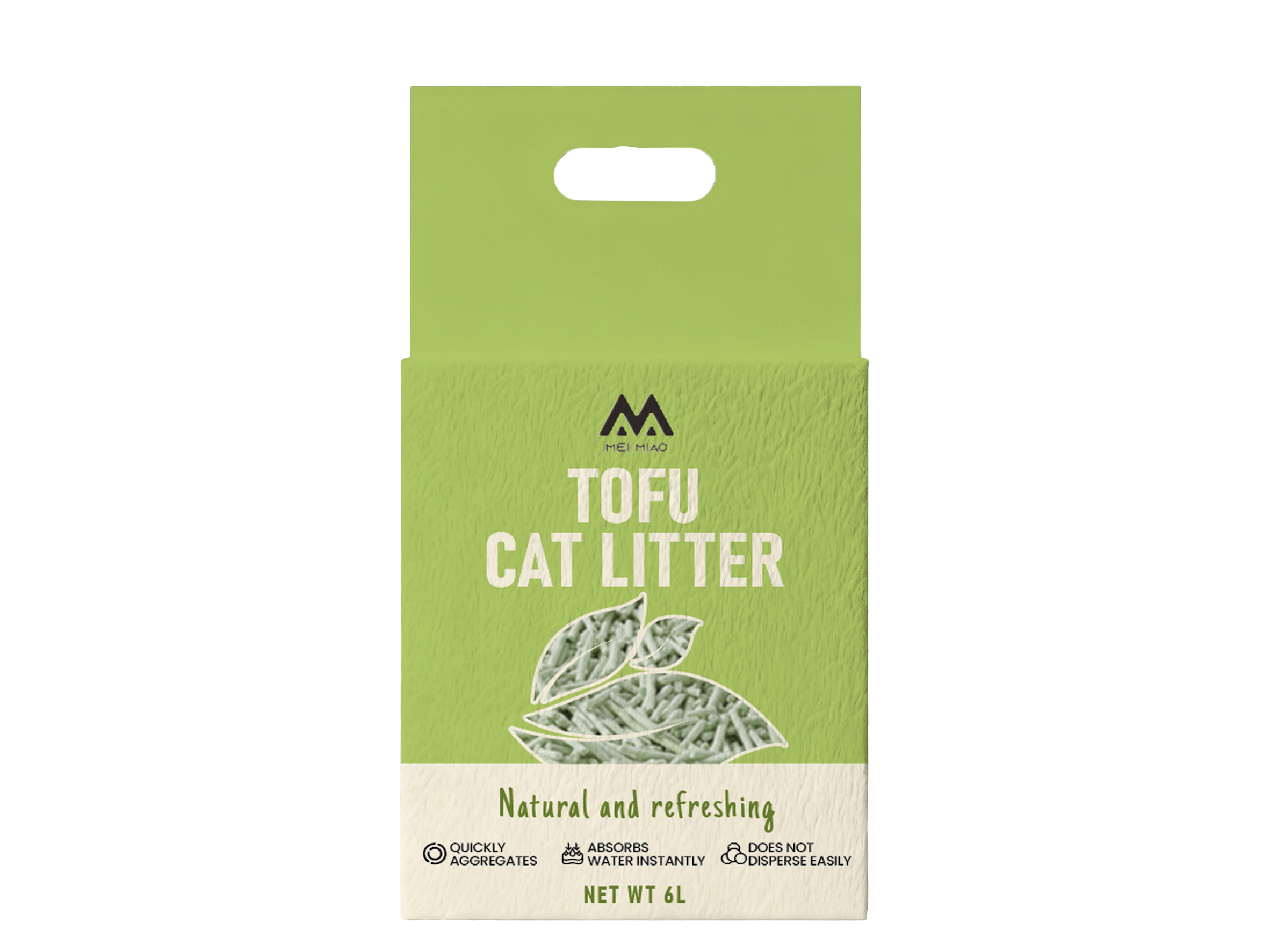
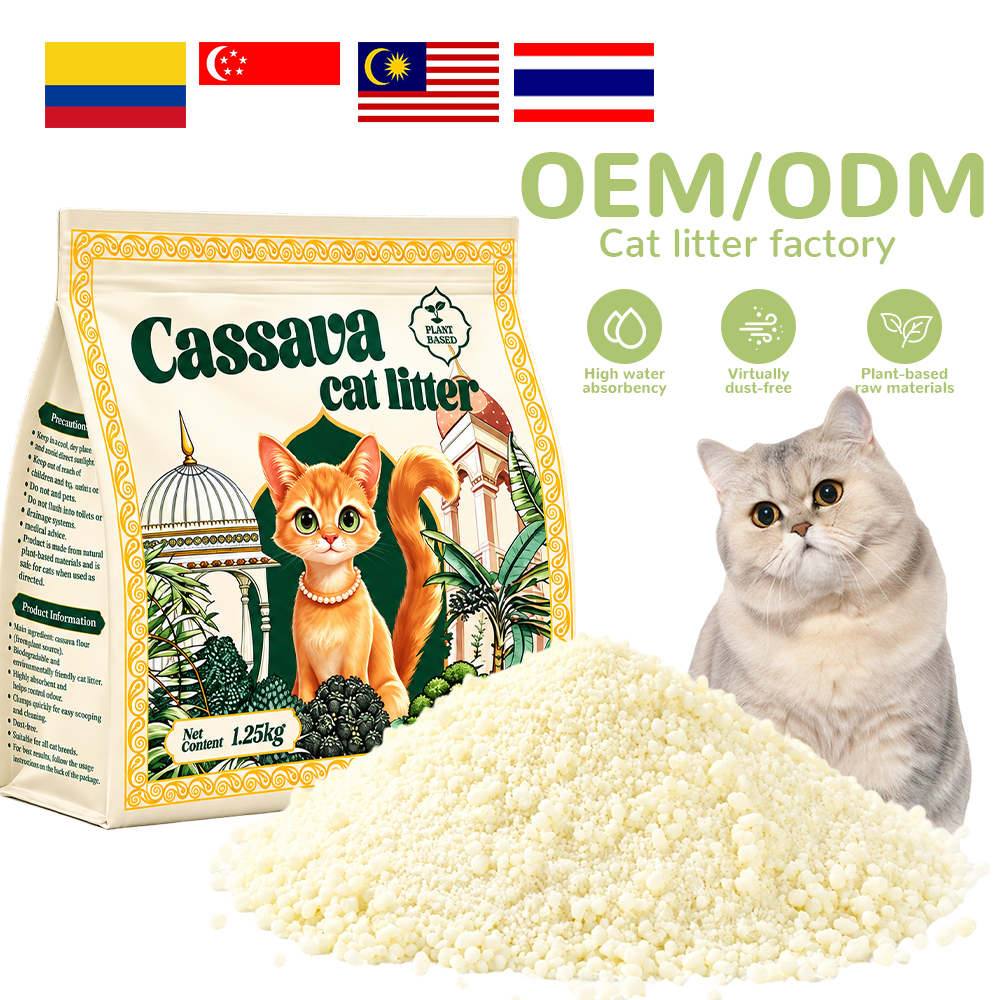
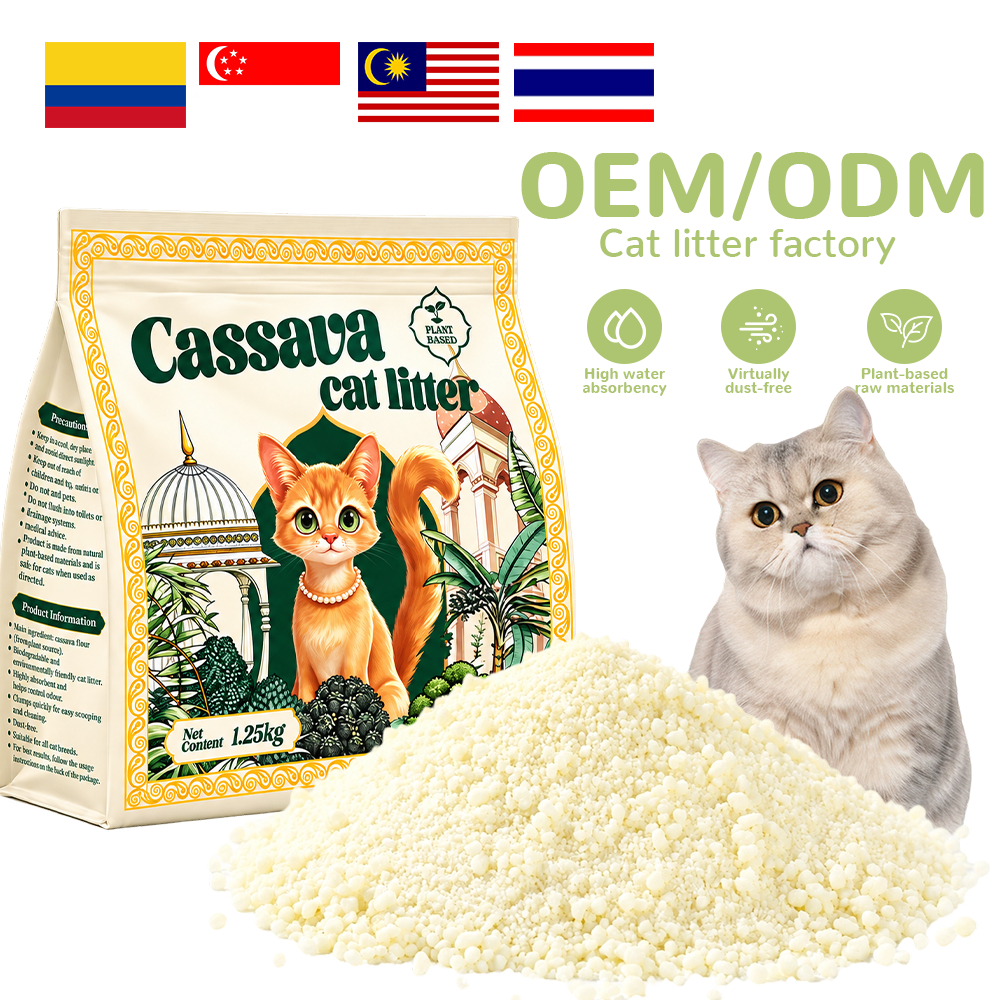
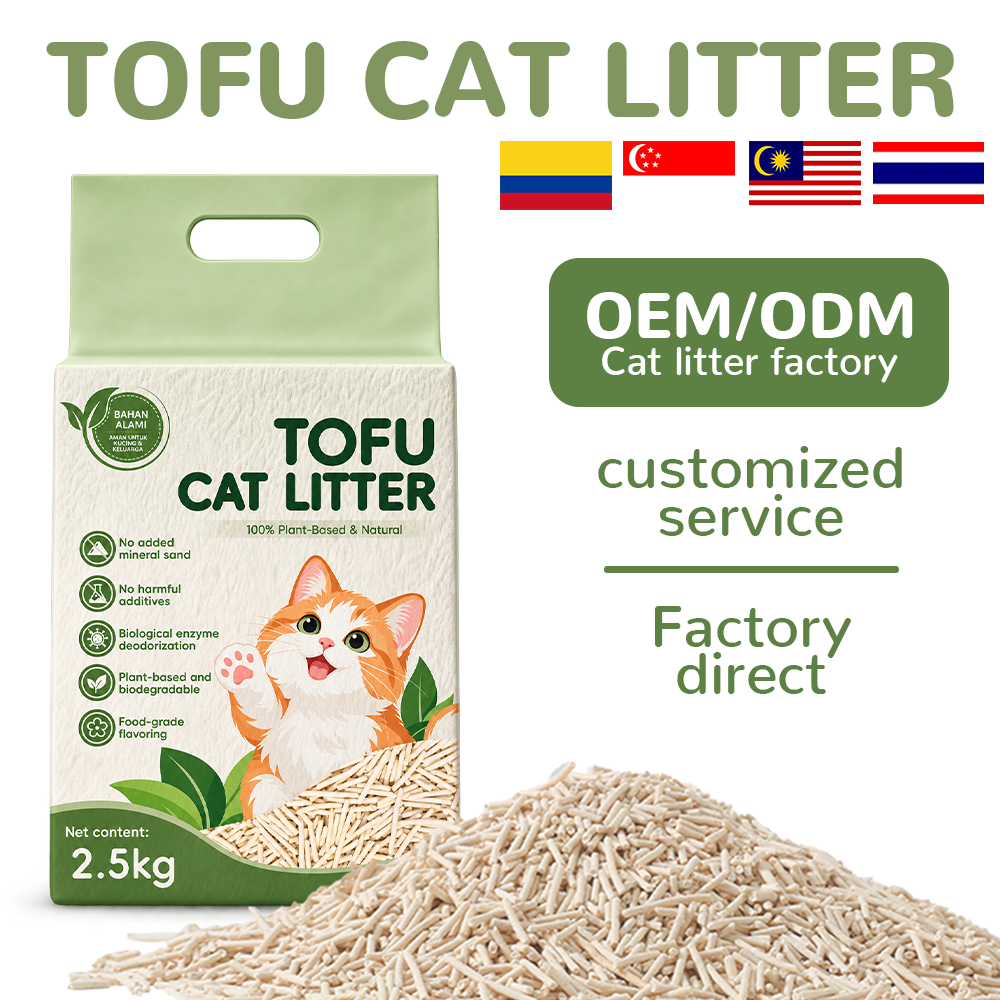
Engineering Porous Silica Gel Against Mandalay’s Semi-Arid Heat & Monsoon Cycles
A rigorous examination of crystal cat sand (silica gel) hydration dynamics under the climatic extremes of Upper Myanmar.
Mandalay represents the commercial crossroads of Central and Upper Myanmar, characterized by a tropical wet-and-dry climate with pronounced extremes. Between March and May, ambient temperatures frequently exceed 40°C with severe atmospheric dryness, followed immediately by the Southwest Monsoon from June to October, when localized relative humidity (RH) routinely surpasses 85%. For commercial pet supply distributors and wholesale buyers situated across Chanayethazan, Mahaaungmyay, and Pyigyidagun industrial townships, maintaining chemical and mechanical litter stability during transport and retail shelf-storage constitutes an ongoing supply-chain challenge.
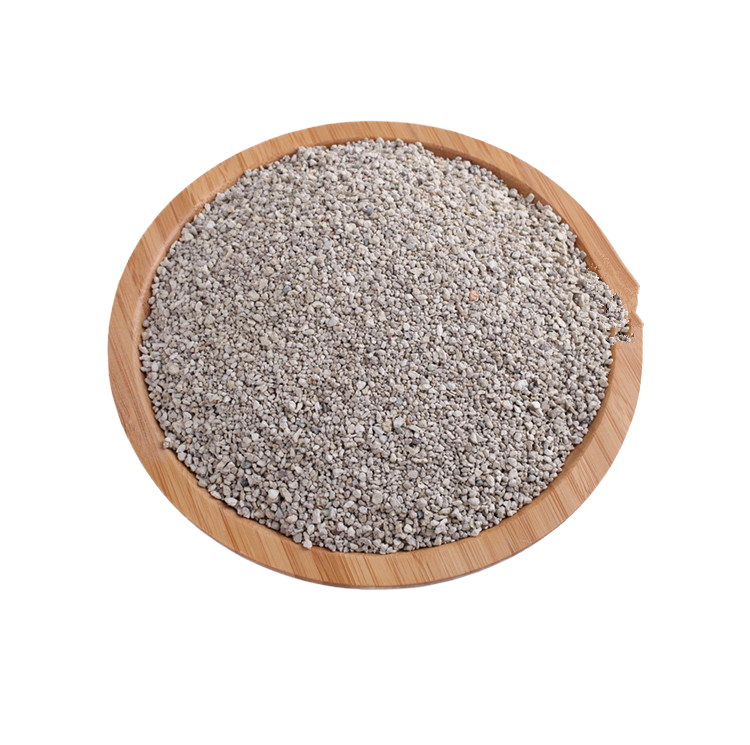
Crystal cat sand, chemically synthesized as synthetic amorphous silicon dioxide ($SiO_2 \cdot nH_2O$), provides an engineered solution to these environmental hurdles. Unlike traditional sodium bentonite clays, which rely on mechanical clay swelling, or plant-based substrates (such as tofu and cassava) that rely on starch agglomeration, synthetic silica gel features an internal network of nanoscale interconnected pores. These pores average between 2.0 and 8.0 nanometers in diameter, generating a specific surface area typically exceeding 650 to 800 square meters per gram.
Under Mandalay's high-temperature conditions, standard organic litters face accelerated bacterial fermentation when exposed to aqueous waste, releasing pungent ammonia ($NH_3$) and volatile amine gases into unconditioned living quarters. Crystal cat sand counteracts this via non-clumping internal capillary capture. Liquid feline waste is wicked deep into the internal silanol matrix within seconds. While water molecules are slowly and harmlessly desorbed through natural evaporation across the extended crystalline surface area, volatile malodorous molecules, such as ammonia and trimethylamine, remain chemically trapped inside the internal pore geometries. This makes crystal silica gel suitable for modern apartments and townhomes in urbanized sectors of Mandalay.
Local Application Scenarios in Upper Myanmar’s Pet Sector
Operational optimization across multi-cat breeding catteries, urban residential dwellings, and specialized veterinary facilities.
Commercial Catteries & Boarding
Mandalay's professional feline breeders (handling British Shorthairs, Persians, and exotic breeds) experience high operational labor costs. Daily scooping of heavy, crumbling clay clumps in humid conditions is labor intensive. Non-clumping crystal sand requires solely the removal of solid desiccated feces, allowing the liquid bed to operate continuously for weeks, reducing labor overhead by up to 60%.
High-Density Urban Residences
Multi-story shop-houses and condominiums along 73rd and 78th Streets operate with limited natural cross-ventilation. Moisture-absorbing clumping clay litters can track fine dust into indoor air-conditioning systems, irritating respiratory tracts. Silica cat sand delivers sub-0.05% dust generation, minimizing particulate suspension and tracking marks on polished teak or tile surfaces.
Veterinary Clinics & Hospitals
Post-operative recuperation bays in veterinary clinics require sterile environments where non-dusty, non-adhering litter is essential. Regular clay or starch crumbs can adhere to post-surgical abdominal incisions or sensitive paws. Silica crystals dry out moisture rapidly without adhering to animal fur, reducing secondary infection vectors in clinical recovery wards.
Furthermore, the physical density of silica litter provides logistical advantages for inland transit. While standard bentonite clay averages 0.85 to 0.95 grams per cubic centimeter, granular silica cat sand ranges between 0.40 and 0.45 g/cm³. For Upper Myanmar distributors managing line-haul logistics along the Yangon-Mandalay Expressway or onward to Pyin Oo Lwin, Lashio, and Monywa, crystal silica provides more than double the litter volume per metric ton transport payload, lowering per-unit freight costs.
Engineering Evaluation: Silica Gel vs. Bentonite, Tofu & Cassava Litters
Quantitative baseline metrics across primary physical parameters under tropical testing standards (35°C / 75% RH).
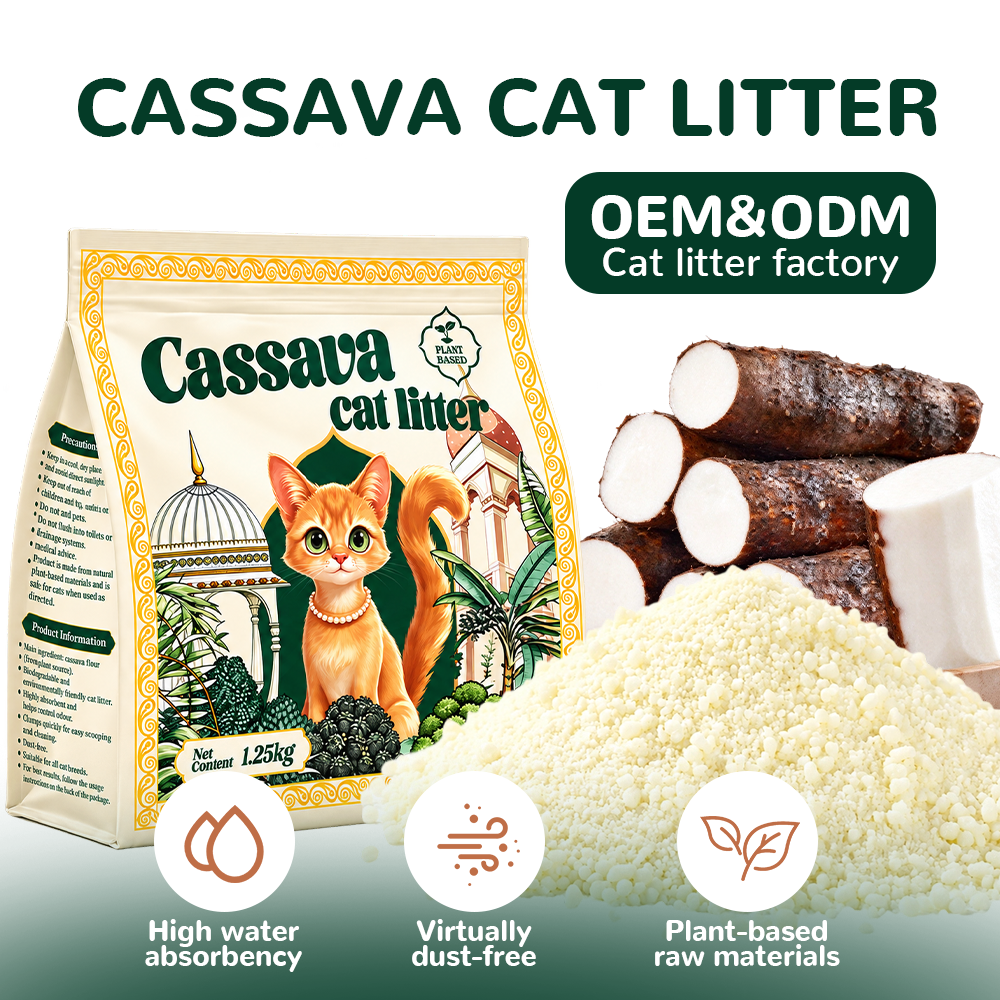
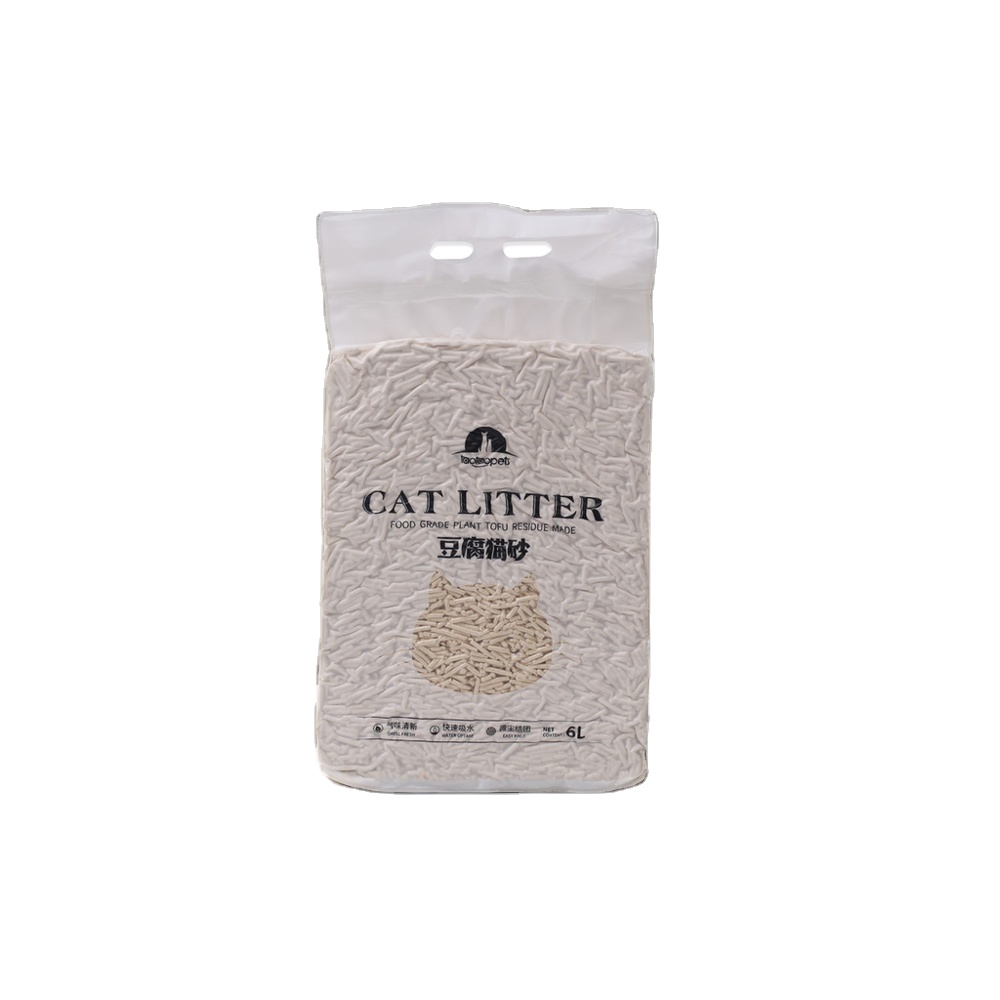
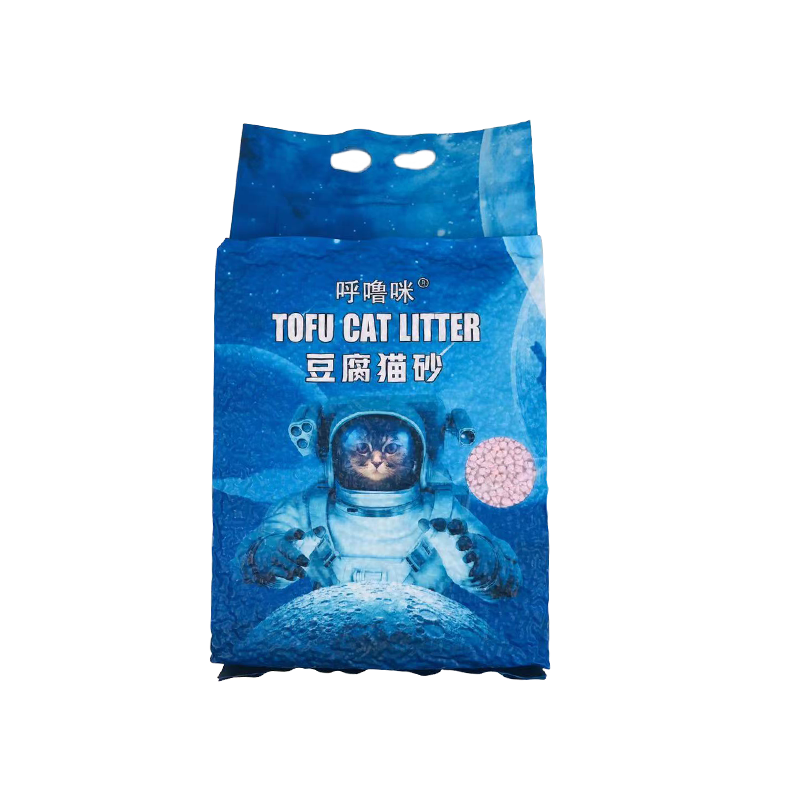
| Evaluation Parameter | Porous Crystal Silica | Raw Ore Bentonite | Extruded Tofu (Soy) | Cassava Starch Matrix |
|---|---|---|---|---|
| Primary Action Mechanism | Capillary Internal Porosity | Montmorillonite Clay Swelling | Plant Fiber Gelatinization | Starch Agglomeration |
| Bulk Density (g/cm³) | 0.40 - 0.45 (Lightest) | 0.85 - 0.95 (Heavy) | 0.50 - 0.55 (Medium) | 0.52 - 0.58 (Medium) |
| Dust Index (% airborne particles) | < 0.05% | 1.2% - 2.5% | < 0.3% | < 0.2% |
| Mold Resistance (Monsoon Season) | Inorganic / Zero Spore Growth | Inorganic / Stable | Susceptible if unsealed | Moderate / Requires desiccants |
| Monthly Consumption (1 Cat) | 3.8 L - 5.0 L (Single Bag) | 10 L - 15 L (Frequent Scooping) | 6 L - 7 L | 5 L - 6 L |
| Inland Transit Freight Efficiency | Optimal (High Volume / Low Wt) | Low (Heavy Weight Bound) | Moderate | Moderate |
This empirical profile demonstrates why crystal cat sand maintains a specialized presence in the Upper Myanmar market. While raw-ore bentonite remains widely consumed due to low acquisition costs per gross metric ton, crystal silica's high volumetric yield makes it attractive for boutique retail outlets, veterinary facilities, and upscale supermarkets across Mandalay's emerging commercial corridors.
Macro Trends & Import Pathways Shaping Mandalay’s Cat Litter Market
Market segmentation, hybrid formulation adoption, and cross-border shipping reliability from Northern China.
1. Urban Demographic Shift Toward Indoor Feline Companionship
Over the past five years, urbanization in Mandalay has shifted pet ownership dynamics. Feline companionship has expanded rapidly among young professionals, small-business proprietors, and apartment owners. Unlike outdoor-roaming working canines common in rural agricultural outskirts, domestic indoor cats rely entirely on clean, packaged litter management. This shift has accelerated retail demand for deodorizing, dust-free cat sand throughout local pet store channels.
2. The Surge of Hybrid & Composite Litter Formulations
Recognizing the diverse preferences of local pet owners, manufacturers have introduced blended formulations. Hybrid litters combine small-granule crushed silica with fine-grain sodium bentonite or micro-pellet tofu substrates. In these combinations, the silica crystals serve as internal desiccant engines, drawing excess ambient moisture out of the litter bed, while the surrounding plant or bentonite fibers secure fast mechanical clumps. This hybrid balance prevents clump stickiness on litter pan floors during monsoon seasons.
3. Freight Routing & Inventory Strategies for Upper Myanmar
Importing pet hygiene inventory into Mandalay requires navigating specific transit corridors. While cross-border road transit via Ruili-Muse faces periodic border fluctuations, direct container ocean freight from Tianjin Port to Yangon Port (Thilawa / MITT), followed by bonded inland container transit or line-haul trucking along the National Highway 1 corridor to Mandalay, offers consistent predictability for containerized loads (20GP / 40HQ). Importers can hedge against supply interruptions by partnering with manufacturing facilities equipped with large inventory staging and multi-category container loading capabilities.
Why Importers Source from Hebei Chupen Pet Products
Direct manufacturing scale, verified industrial compliance, and consolidated container logistics from China’s pet production capital.
11 Specialized Production Lines
Integrated manufacturing hub running 5 dedicated tofu lines, 3 sodium bentonite processing lines, and 3 high-volume silica crystallization and sorting lines.
High-Throughput Output
Daily output capacity exceeding 3,000 tons of bentonite, 150 tons of tofu, and 150 tons of silica cat sand, with 10,000 m² of staging warehousing.
Certified System Standards
Operating under ISO 9001, ISO 22000, ISO 14001, and ISO 45001 frameworks, with on-site corporate physical audits verified by SGS Group.
Multi-Category Consolidated Shipments
Consolidate cat litter, 5-layer puppy training pads, litter boxes, and premium pet treats into single container loads dispatched via Tianjin Port.
Frequently Asked Questions: Mandalay B2B Cat Litter Procurement
Operational, chemical, and contractual clarifications for importers, distributors, and private-label buyers.
How does crystal cat sand perform during Mandalay’s humid monsoon months?
What is the minimum order quantity (MOQ) for private-label OEM packaging?
Can silica crystal cat litter be mixed with other products in one import container?
What shipping methods and payment terms are available for Myanmar distributors?
How does crystal cat sand compare to plant-based litters in local retail turnover?
What quality testing procedures are conducted prior to container dispatch?
Launch or Scale Your Cat Litter Brand in Mandalay
Connect with our technical export division for custom formulation consultations, unprinted testing samples, palletizing configurations, and container pricing.