Export-Grade Cat Litter Formulations Ready for Canadian Supply Chains
Engineered at our high-capacity production facility in Nanhe District, our range balances heavy clumping performance, odor suppression, and clean-air indoor requirements for commercial pet brands.
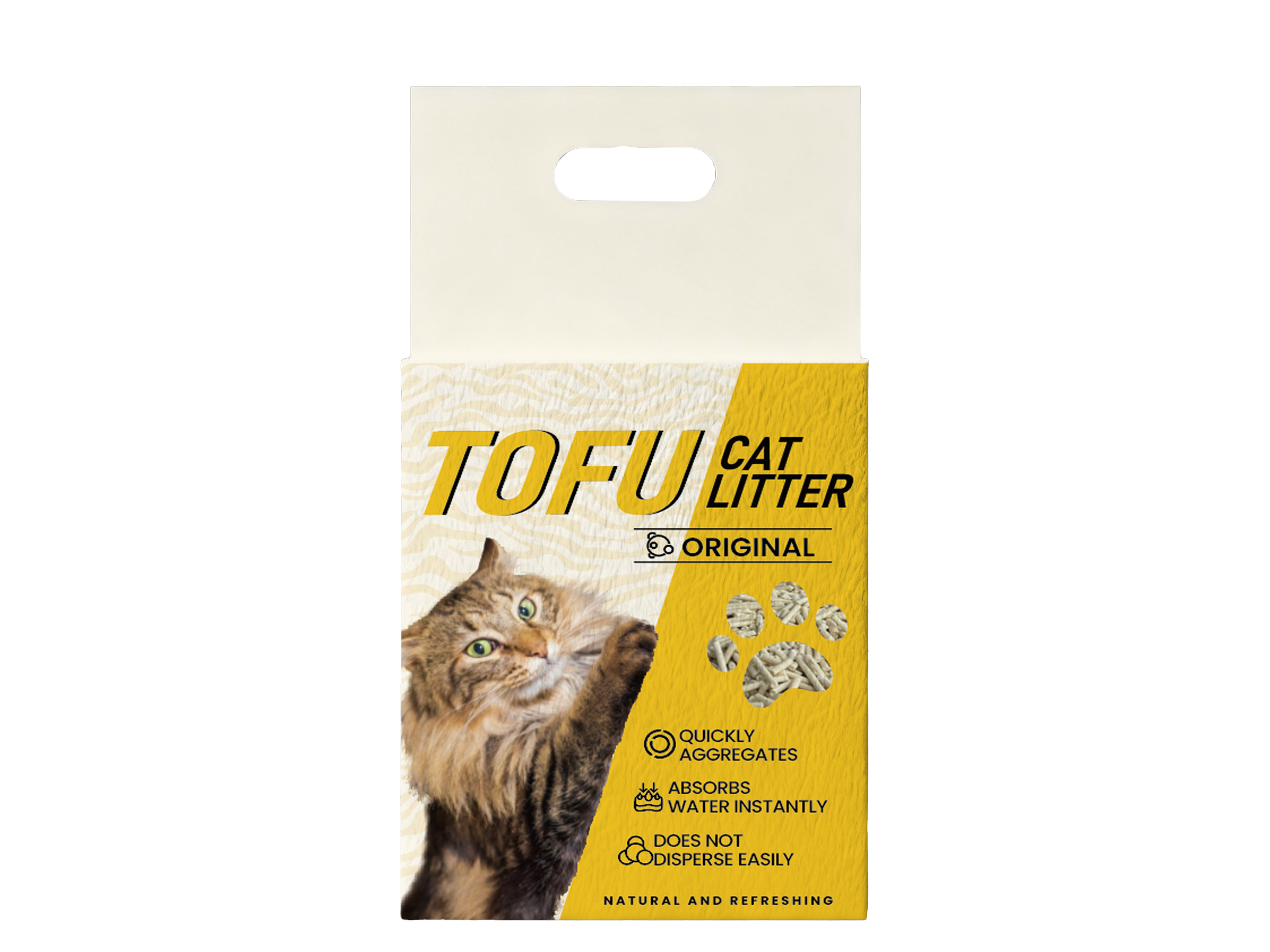
Professional 100% Compostable Bag Pack Tofu Cat Litter
Certified biodegradable outer film, ultra-fast water absorbency, designed for high-density eco retail.
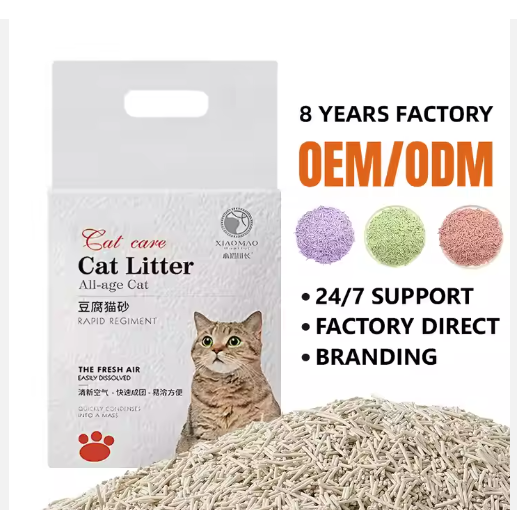
Natural Dust-Free Quick Clumping Organic Cat Sand
Triple dedusted botanical fibers, instant moisture bonding, minimal respiratory irritation for indoor felines.
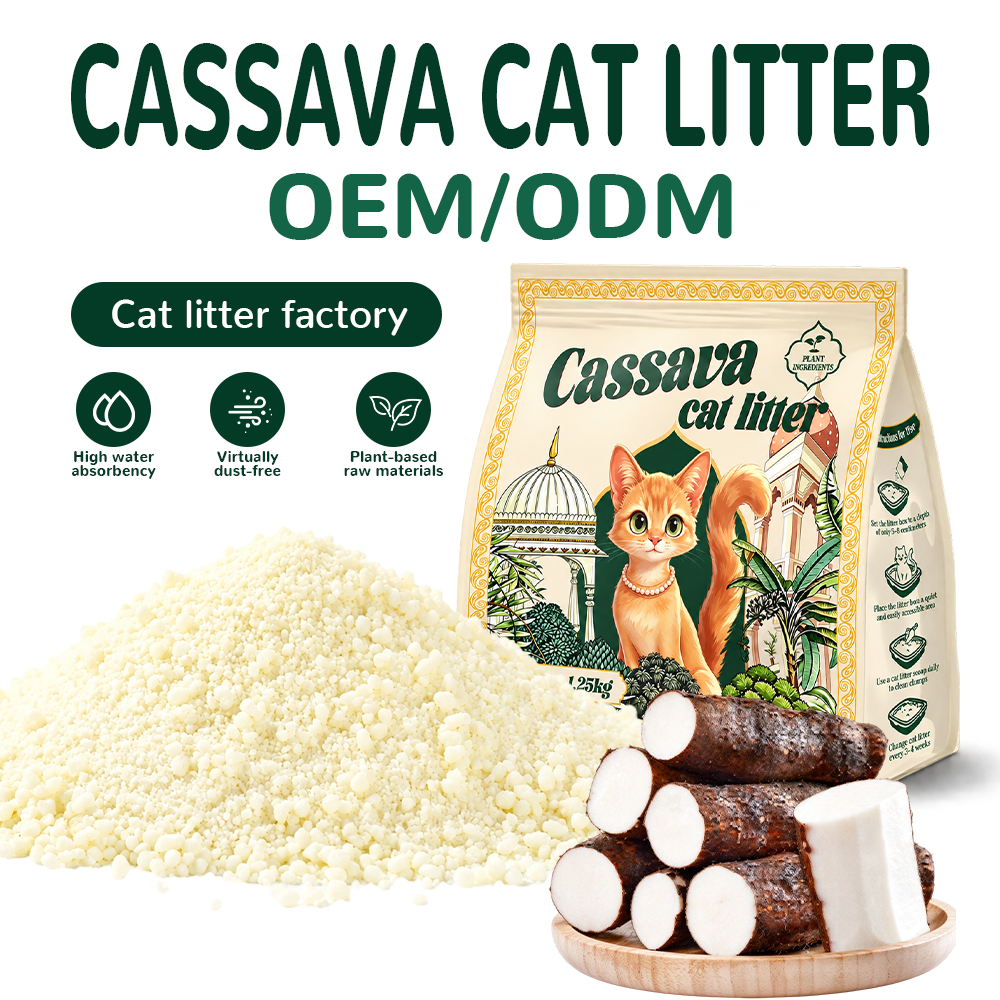
Premium Cassava Cat Litter Odor Control Direct Supply
Pure tapioca root starch substrate, solid cohesive clumps, superior ammonia neutralization without harsh scents.
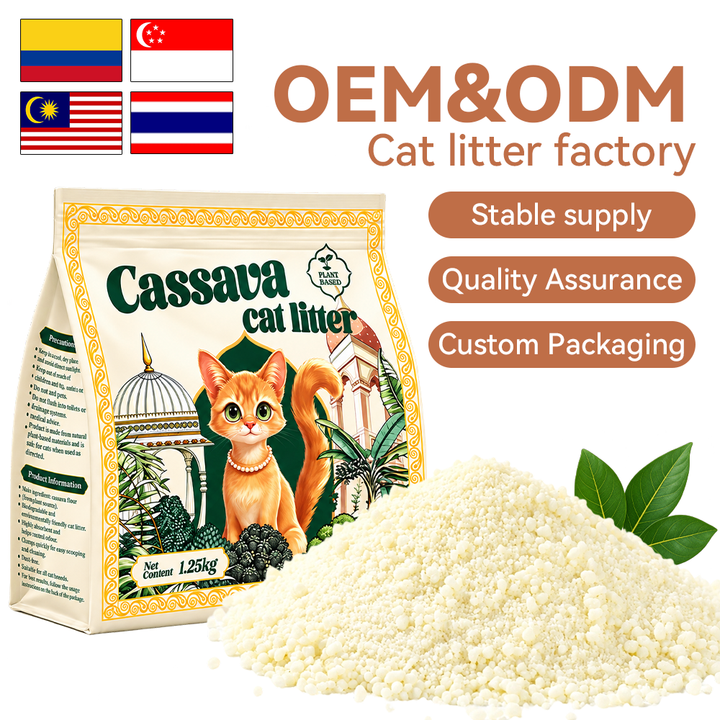
Natural Plant-Based Low Dust Cassava Litter OEM/ODM
Custom grain size profiling, private label branding available, zero chemical binders or artificial silica additives.
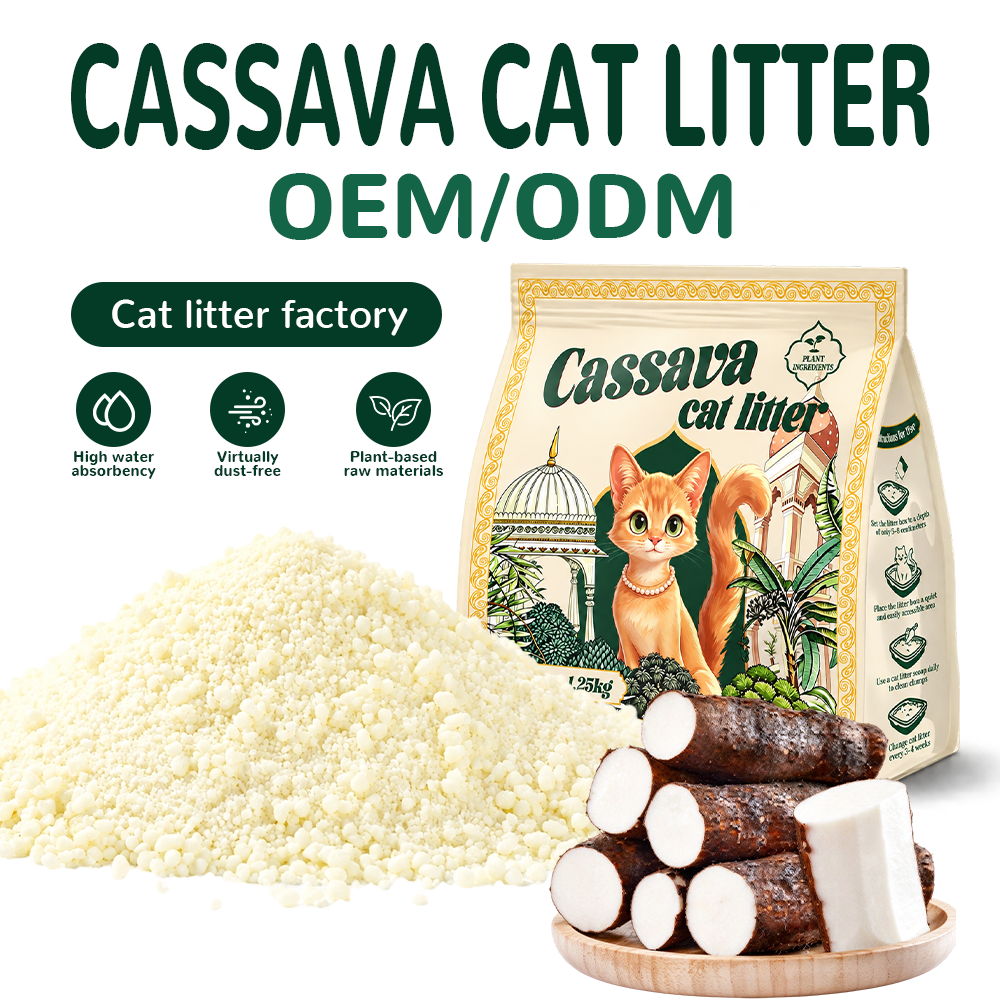
Fast Clumping Biodegradable Cassava Toilet Sand
Tight cohesion in under 3 seconds, non-stick pan formulation, optimized for automatic and manual litter trays.
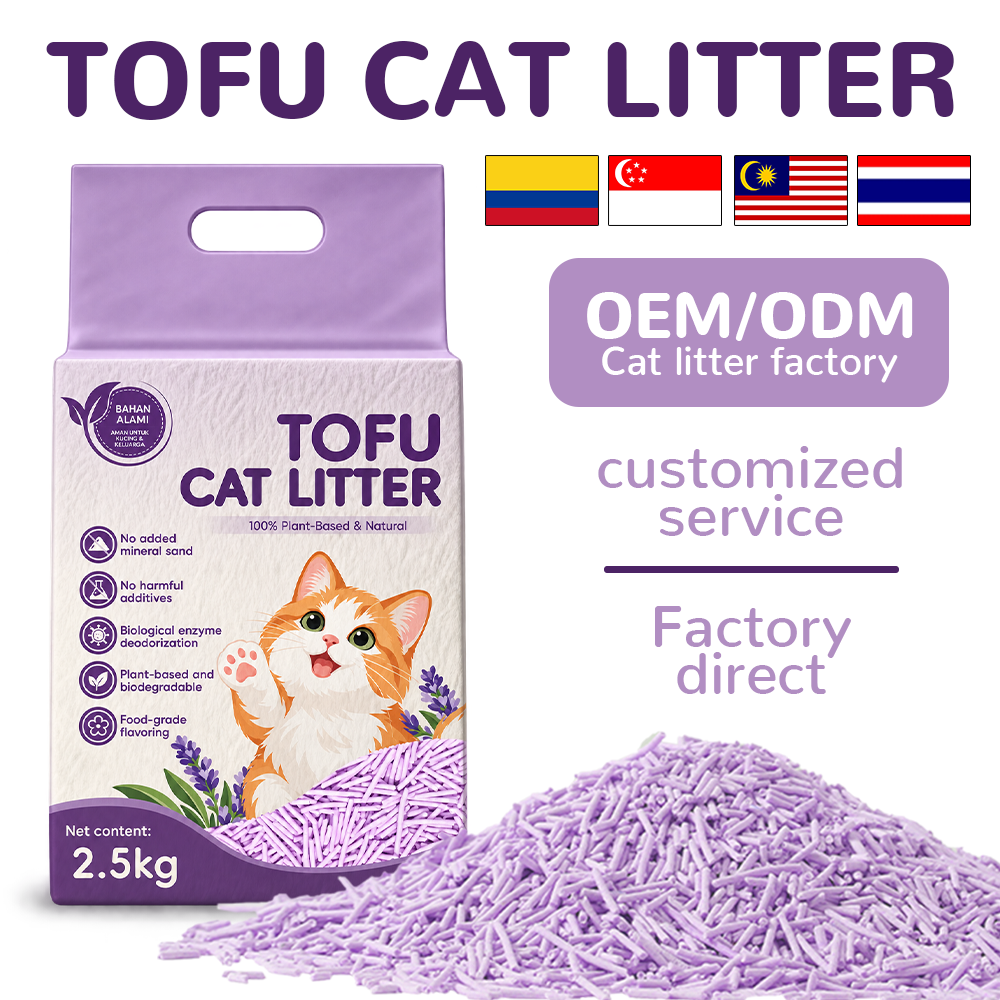
Strong Absorption Flushable Tofu Bulk Cat Litter
1.5mm/2.0mm micro-pellet extrusion, dispersible in water flows, clean low-tracking geometry for condominium living.
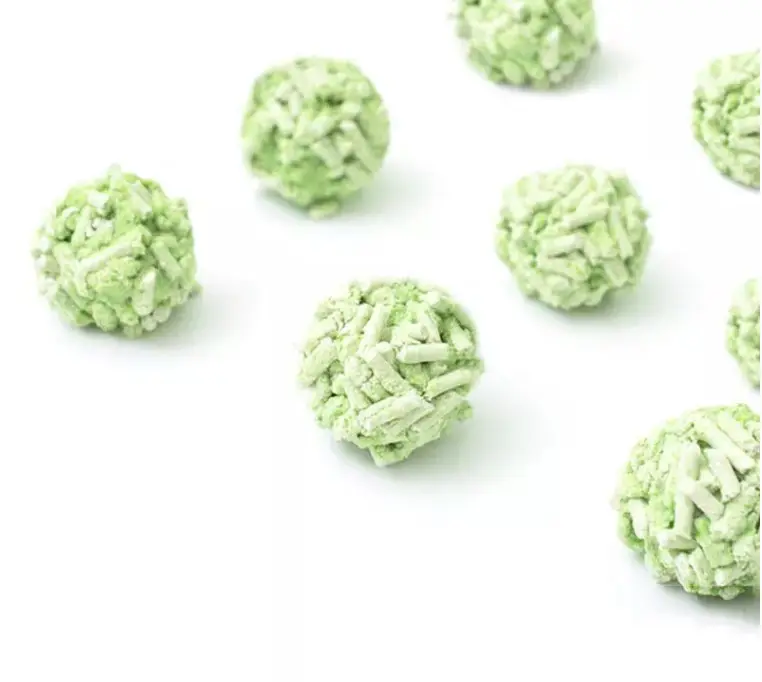
Wholesale Clumping Dust-Free Cat Box Filler
Cost-optimized packaging, high-tensile multi-wall bag engineering, built for palletized long-haul transoceanic cargo.
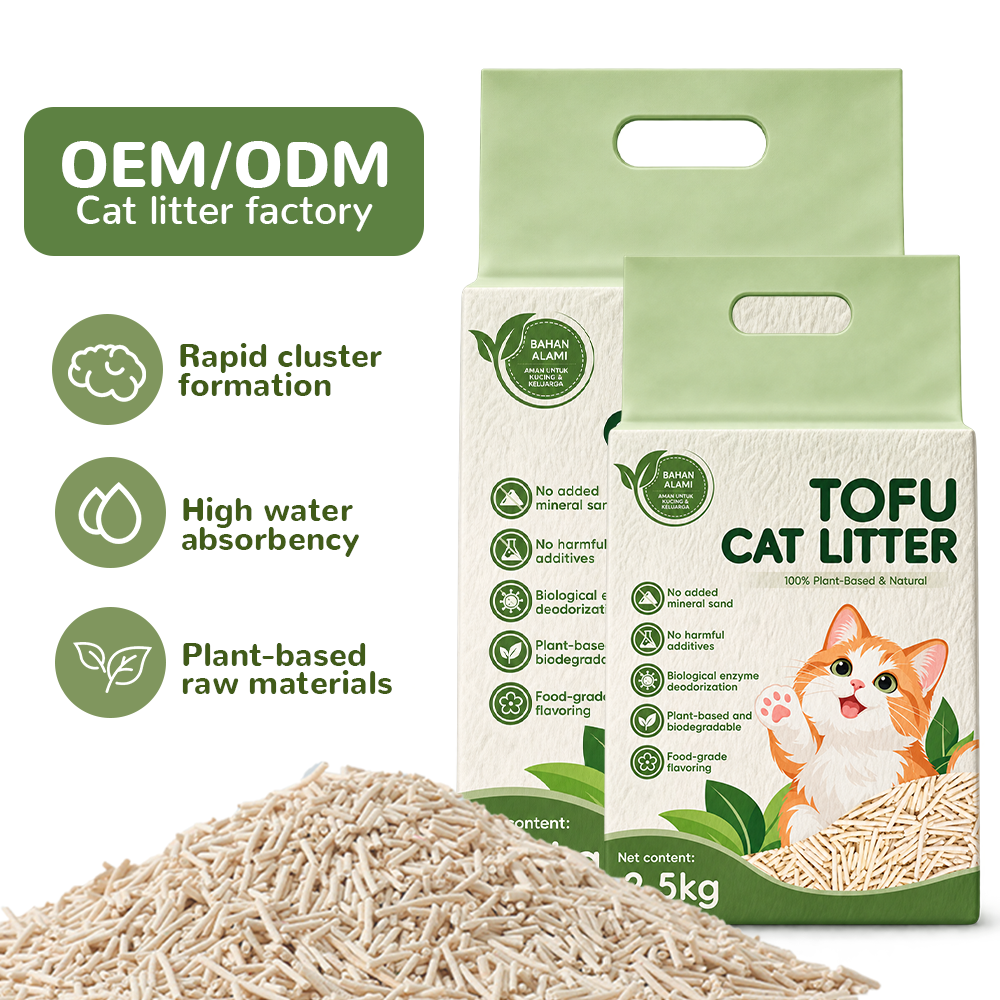
High Absorbency Quick Clumping Plant-Based Sand
Food-grade pea and bean fiber base, fortified natural starch binder, zero synthetic dyes or heavy masking chemicals.
Localized Application Scenarios: Toronto’s Dense Residential & Climatic Demand
Sourcing clay and bentonite cat litter for Southern Ontario requires navigating unique structural housing demographics, localized municipal waste guidelines, and extreme cold-season indoor living cycles.
High-Rise Condominium HVAC & Airborne Dust
Over 55% of Toronto’s urban core households (Downtown, North York, Liberty Village) reside in multi-residential condominium towers with forced-air heating and recirculation ventilation. Standard sodium bentonite clay often releases fine crystalline silica and airborne particulate that fouls filter systems and triggers respiratory reactions in enclosed apartments. Our multi-stage cyclonic dust extraction removes particles under 0.5mm, ensuring near-zero airborne residue during vigorous pouring and box maintenance.
Winter Containment & Static Odor Locking
From late November through early April, southern Ontario residential structures remain sealed against freezing sub-zero winds, limiting cross-ventilation. Cat urine deposits release ammonia vapors rapidly inside insulated living rooms. Our export-grade clay mixes incorporate naturally activated montmorillonite minerals blended with porous carbonized granules that chemically chelate volatile volatile organic compounds (VOCs) and sulfur complexes, providing continuous ambient odor neutrality without synthetic chemical off-gassing.
Waste Compliance: Toronto Solid Waste & Green Bin
Under City of Toronto waste bylaws, traditional bentonite cat litter is designated strictly for black-bin garbage and cannot be flushed into municipal plumbing without risking costly drainage calcification. Concurrently, regional consumers increasingly demand hybrid bio-clumping solutions that integrate plant starch with pure bentonite to reduce landfill weight fees. We supply distributors with certified dual-stream formulations that satisfy both budget mass-retail and municipal environmental stewardship expectations.
Emerging Procurement Trends Shaping Ontario’s Pet Care Sector
Canadian pet care expenditures surpassed $9.2 billion CAD, with Ontario commanding the largest market share. B2B buyers must strategically adapt their product mix to shifting customer demographics and logistics constraints.
1. Proliferation of Private-Label Retail Brands
Large independent pet chains across the GTA (such as in Mississauga, Markham, Vaughan, and Oakville) are transitioning away from multinational legacy brands to protect margin velocity. Distributors seek customizable OEM packaging programs offering foil-barrier pouches, side-gusset handles, and custom print finishes that command premium retail shelf prices while protecting contents from ocean humidity.
2. Surge in Direct-to-Door E-Commerce Formats
With high urban density and winter weather challenges, subscription-based pet e-commerce delivery across Ontario has accelerated rapidly. Traditional 40-lb heavy clay sacks cause courier surcharge penalties and box tears. Procurement managers are prioritizing compact, hyper-concentrated 12-lb to 20-lb clay-plant composite bags that deliver superior fluid absorption at a fraction of the freight tariff.
3. Mineral Purity and Chemical Transparency
Discerning Canadian consumers scrutinize ingredient safety. Raw sodium bentonite containing heavy metals or artificial coloring fails consumer acceptance audits. Our bentonite deposits undergo systematic elemental screening and testing for arsenic, lead, and mercury, ensuring complete adherence to Canadian product liability standards and veterinary-level safety benchmarks.
Specification Benchmark: Engineering for Greater Toronto Importers
Compare how our specialized industrial formulations compare against traditional commercial cat litters across performance indicators critical to Ontario retail buyers.
| Substrate Category | Primary Granulometry | Hydration Bonding Speed | Particulate Dedusting | GTA Waste Compliance | Logistics Landed Efficiency |
|---|---|---|---|---|---|
| Chupen Industrial Bentonite | 0.8 mm – 2.5 mm Crushed Core | < 2.0 Seconds (Dense Ball) | Triple Cyclonic (< 0.2% fines) | Standard Black Bin (Landfill) | Maximum Container Weight Load (Tianjin to CN Rail) |
| Plant & Clay Hybrid Blend | 1.2 mm Extruded / Micro-ball | < 3.0 Seconds (Dry Surface) | 99.8% Dust-Free Rating | Dual Option (Varies by Municipality) | Lightweight Freight Optimization (-35% mass) |
| Organic Tofu / Cassava Starch | 1.5 mm / 2.0 mm Pellets | < 1.5 Seconds (Flat Disc) | Zero Mineral Silica Particulate | Flushable / Green Bin Compatible | High Volume / Premium E-Commerce Margins |
| Generic Commodity Clay | Variable Non-Uniform 1-5 mm | 5.0 – 8.0 Seconds (Fragile Clump) | Single Sieve (> 2.0% fines) | Standard Black Bin | High Breakage Risk / Floor Spillage in Transit |
Hebei Chupen Pet Products: Industrial Scale Grounded in Nanhe
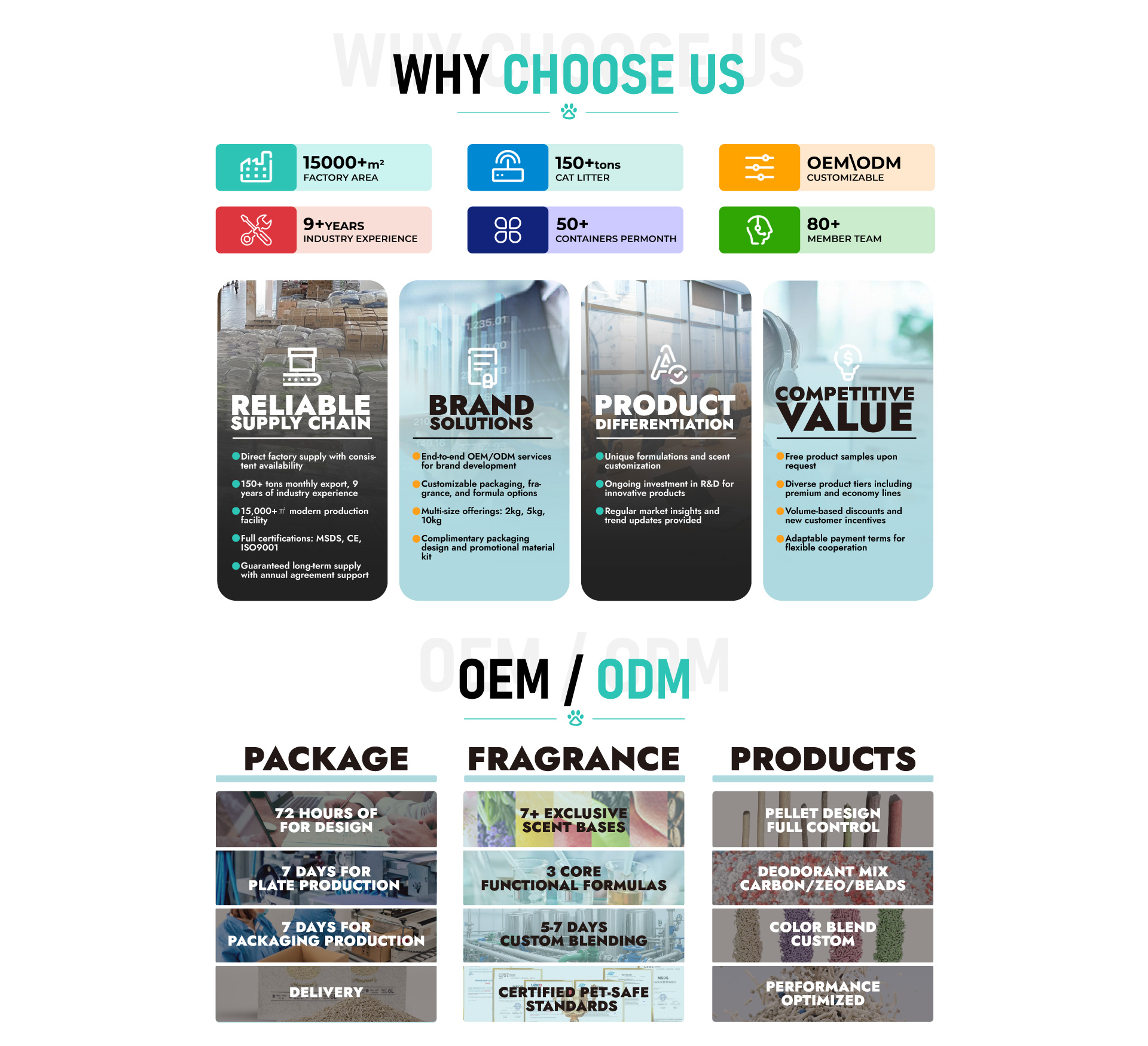
Hebei Chupen Pet Products Co., Ltd. operates from Nanhe District, Xingtai City — the recognized heart of China’s pet supply manufacturing cluster, generating approximately 80% of national pet nutrition and 60% of comprehensive pet hygiene supplies.
Leveraging over a decade of deep manufacturing pedigree, our operations integrate 11 advanced production lines spanning dedicated tofu, bentonite, and silica facilities. Backed by research alliances with prestigious agricultural institutes like China Agricultural University and Hebei Agricultural University, we guarantee technical formula stability across every shipping container.
- 3,000 Metric Tons/Day Bentonite Capacity: Unmatched raw material security ensuring steady supply lines through seasonal retail demand spikes.
- Rigorous In-House Laboratory: 9 high-precision testing instruments performing continuous batch checks for absorption capacity, hardness, tracking, and moisture retention.
- Consolidated Mixed Shipments: Combine premium clay cat litter, botanical litter, pee pads, and pet foods into singular 40ft HQ containers to streamline customs clearing.
- Strategically Situated for Export: Rapid trucking corridor to Tianjin Port facilitates swift ocean dispatch to Canadian gateways (Port of Vancouver / Port of Montreal).
Frequently Asked Questions: Importing to the Toronto Market
Direct operational answers addressing customs documentation, intermodal rail logistics, packaging resilience, and minimum order requirements for Canadian trade buyers.
What routing is used for ocean containers destined for Toronto?
Cargo departs Tianjin Port via direct ocean carriers. Shipments route either via the Port of Vancouver connecting through Canadian National (CN) or Canadian Pacific Kansas City (CPKC) intermodal rail directly to the Brampton or Vaughan terminals, or via the St. Lawrence Seaway through the Port of Montreal. Door-to-door transit times typically average 22 to 32 days depending on carrier schedules.
Do your packaging materials comply with Canadian bilingual labeling laws?
Yes. We routinely provide private label pre-press prep for the Canadian market, ensuring English and French bilingual compliance pursuant to the Canada Consumer Packaging and Labelling Act. Our design team supports the correct layout of metric net quantities, manufacturer identification, universal product codes (UPC), and localized disposal statements.
How do you prevent clay clumping or moisture degradation during winter transit?
Cold-season Canadian maritime logistics present extreme temperature differentials that generate condensation within shipping containers. We counter this by sealing all master cartons with moisture-barrier liners and loading high-capacity dry-bag desiccants inside every container. Bags are fabricated from laminated BOPP/PET polymers that prevent atmospheric water ingress during transport.
What are the standard Minimum Order Quantities (MOQs) for custom branding?
For custom printed multi-color retail bags (roto-gravure or flexographic film), initial production runs typically require 10,000 to 13,000 bags per SKU to achieve optimal packaging unit costs. However, for initial market trials and catalog entry, distributors can leverage our neutral in-stock bags with custom branded adhesive labeling starting from 500 units.
Are pallet configurations standardized to North American rack dimensions?
Yes. All Canadian consignments are packed on standard 48" x 40" (1200mm x 1000mm) 4-way entry GMA-spec wooden or composite plastic pallets, fully heat-treated and certified under ISPM-15 guidelines. Pallets are robotic-stretch wrapped with corner protectors to allow automated forklift handling at Ontario 3PL distribution hubs.
Can we mix bentonite cat litter with pet pads and cat boxes in one order?
Absolutely. Because our manufacturing ecosystem in Nanhe encompasses plastic injection molding for litter pans and hygienic production lines for training pee pads, we offer container consolidation. We balance heavy clay floor loads with lightweight bulky items, maximizing container volumetric utility and decreasing landed freight overhead per unit.