Corn & Tofu Blend
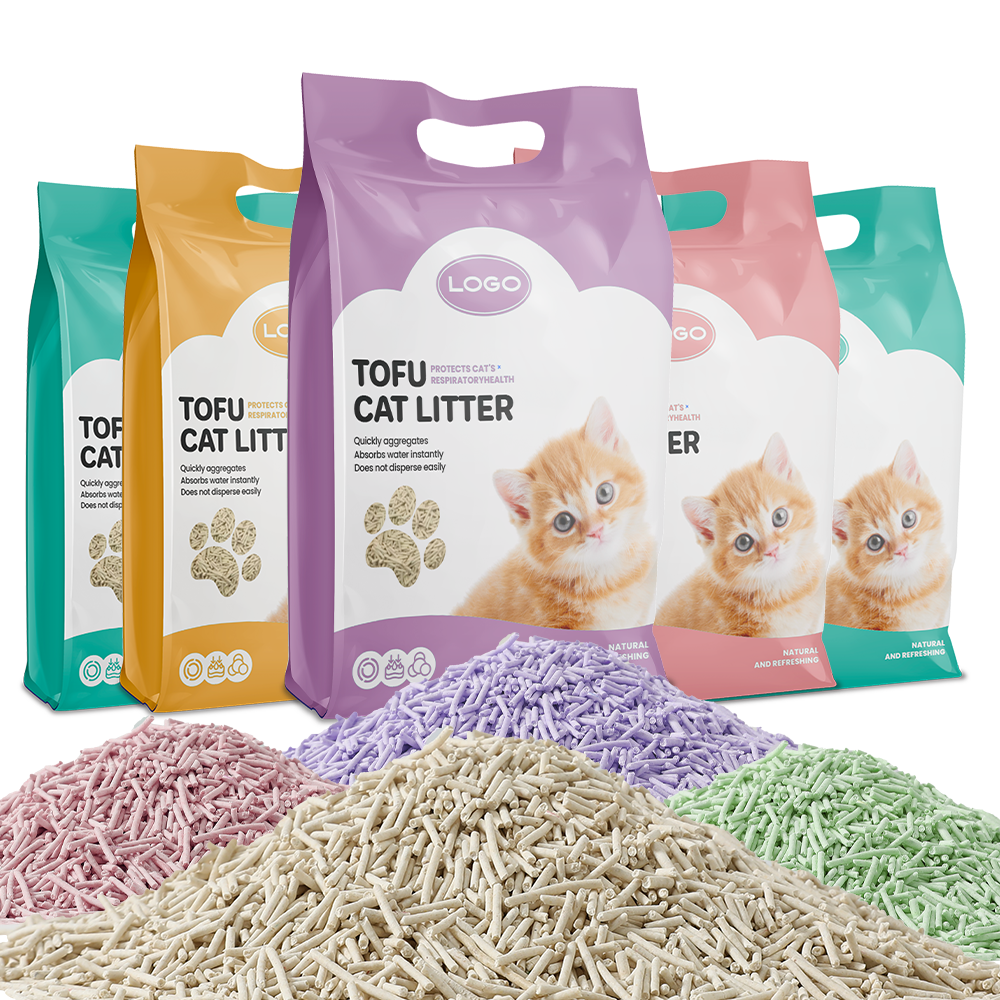
Corn-Based Ball Pattern Clumping Tofu Sand
Spherical composite grain combining food-grade pea fibers with corn starch for micro-void interstitial absorption.
View Product SpecsDirect export configurations engineered to comply with UK chemical safety, anti-spoilage transit limits, and urban home efficiency standards.
Spherical composite grain combining food-grade pea fibers with corn starch for micro-void interstitial absorption.
View Product Specs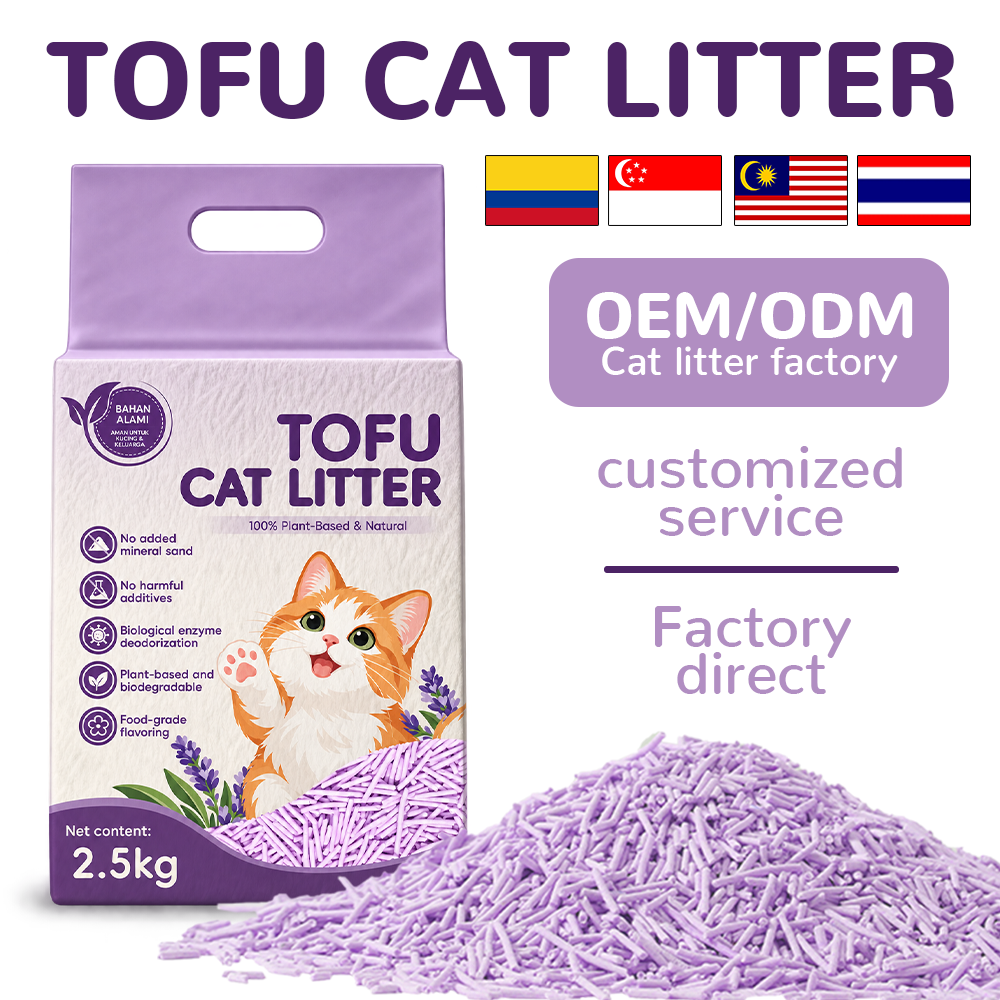
Pure unscented soybean strip structure that disaggregates rapidly in static water within 15 seconds without clogging pipes.
View Product Specs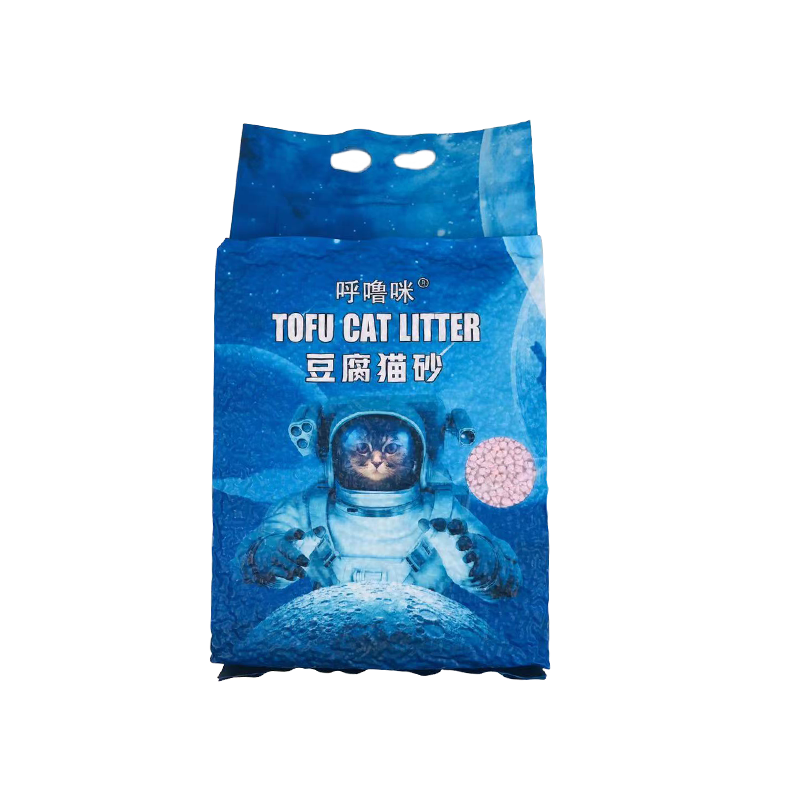
Cost-optimized plant-fiber formulation suited for discount store chains and private-label commercial distribution.
View Product Specs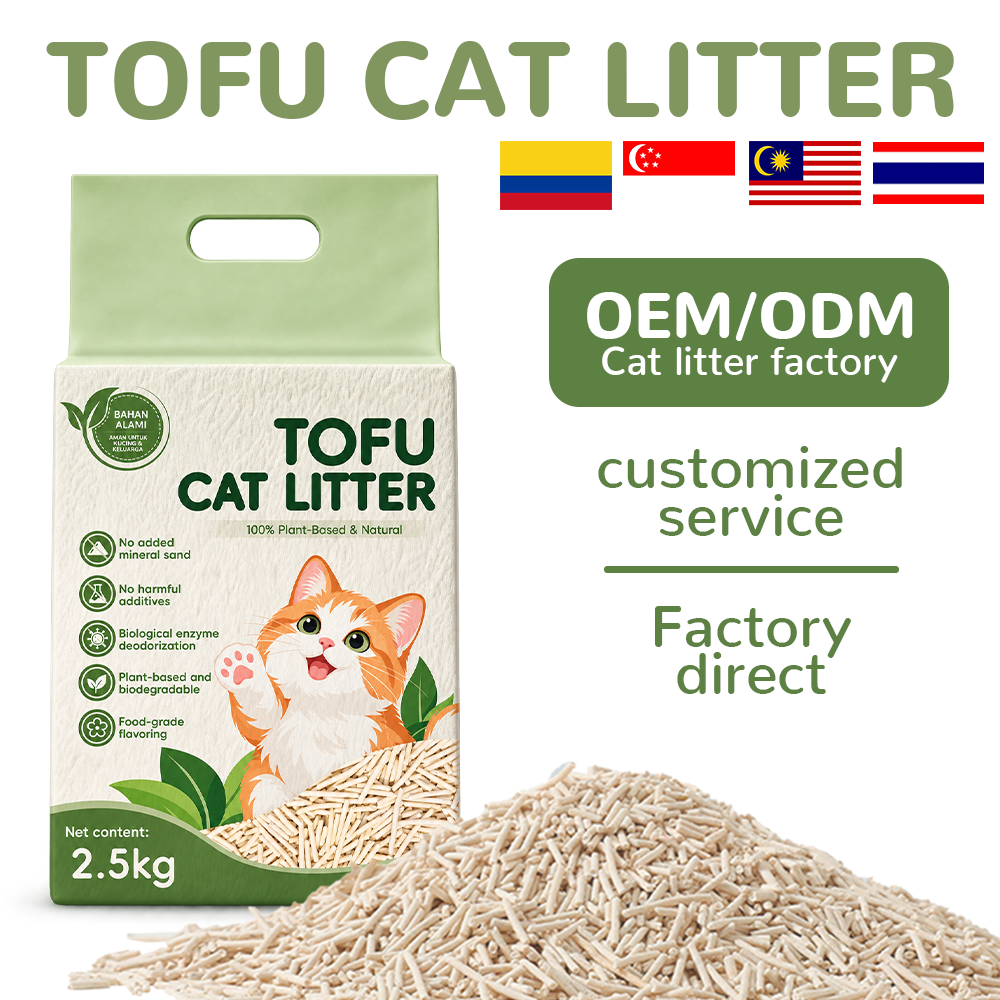
Seven-stage air-cyclone dust extraction ensures a dust-free formulation suited for indoor London apartments.
View Product Specs
Utilizes tapioca starches to form tight clumps without industrial cross-linking binders.
View Product Specs
White plant-based granule matrix provides natural visual indicators for feline urinary pH monitoring.
View Product Specs
Designed with higher mass density to prevent litter from sticking to paw hair in carpeted flats.
View Product Specs
Compression-molded starches designed to maintain structural integrity across seasonal humidity shifts.
View Product SpecsAnalysis of real consumer operating environments across Greater London and how unfragranced tofu litter resolves dense indoor living issues.
London housing stocks predominantly feature converted multi-floor Victorian terrace flats lacking private gardens and outdoor waste storage. Clay litters require disposal in borough rubbish bins that sit uncollected for up to fourteen days under alternate-week collection schedules. Unscented tofu litter provides urban tenants with the option to flush single urine clumps safely through internal plumbing or store waste in sealed compost caddies without the cloying, nauseating stench produced when artificial lavender masks feline ammonia in unventilated bathrooms.
Inner London Borough councils—including Camden, Islington, Hackney, and Westminster—enforce heavy landfill diversion quotas and penalize municipal domestic refuse volumes. Clay litter deposits tons of non-biodegradable mineral sludge into council incinerators and landfills each year. Plant-based tofu litter manufactured from recycled agricultural byproduct (soy curd residue) is entirely organic and compatible with emerging bio-waste streams, aligning commercial pet supply operations with environmental council directives.
Modern pet owners residing across Canary Wharf, Stratford, and Southwark rely heavily on doorstep subscription deliveries through Royal Mail or DPD. Traditional 10-litre sodium bentonite sacks weigh approximately 8.5 to 9.2 kilograms, driving last-mile carrier shipping surcharges past sustainable unit economics. By contrast, a 6-litre vacuum-compressed brick of Hebei Chupen unscented tofu litter weighs just 2.4 kilograms while yielding comparable operational days, reducing delivery overhead and courier strain in walk-up properties.
Strategic shift factors driving wholesale migration away from synthetic mineral substrate imports into UK distribution hubs.
Across the British veterinary sector, practitioners consistently point to respiratory inflammation in indoor domestic cats exposed to airborne synthetic fragrances and respirable crystalline silica. Artificial perfumes (often derived from synthetic linalool, limonene, or phthalate-heavy scents) generate aerosolized volatile organic compounds (VOCs) whenever an animal agitates the substrate box. Because felines exhibit an olfactory sensitivity up to fourteen times sharper than humans, heavy synthetic floral scents lead to box avoidance, litterbox distress, and feline lower urinary tract diseases (FLUTD). The professional market consensus has shifted: high-end London retail shelves now prioritize unfragranced, food-grade soybean fiber substrates that neutralize ammonia through natural organic acid chemistry rather than synthetic cover sprays.
Sourcing plant-based agro-goods into Britain requires rigorous technical compliance under the UK Plant Health Regime, Department for Environment, Food & Rural Affairs (DEFRA) animal by-product boundaries, and cross-border customs declarations via Felixstowe, Southampton, or London Gateway. Chinese manufacturers operating without formal thermal sterilization lines risk entire container rejections at UK Border Force inspection posts due to microbiological growth or pest transfer. Hebei Chupen applies thermal extrusion processes exceeding 120°C alongside controlled low-temperature counterflow cooling. This stabilizes moisture below 9% and eliminates biological activity prior to nitrogen-flushed or vacuum secondary packaging, ensuring containers clear border audits without port delays.
The operational balance between raw material handling costs, consumer convenience, and retail unit economics across mainstream cat litter formats entering the London supply chain:
| Evaluation Parameter | Hebei Chupen Unscented Tofu | Standard Sodium Bentonite | Wood Pellet Fuel Repurposed | Synthetic Silica Gel Beads |
|---|---|---|---|---|
| Raw Material Foundation | Food-grade soybean & pea dietary fiber | Quarried natural clay minerals | Pine sawdust / softwood industrial residue | Synthesized sodium silicate chemicals |
| Weight / 6L Bag Equiv. | 2.3 – 2.5 kg (Optimized freight) | 5.4 – 6.2 kg (Heavy carrier surcharge) | 3.2 – 3.6 kg (Medium bulk weight) | 2.1 – 2.4 kg (Lightweight handling) |
| Disposal Route in London | Soluble flushing / home green waste | General landfill bin refuse only | General rubbish / industrial compost | General landfill waste only |
| Dust Index (<100μm) | < 0.15% (Multi-stage extraction) | 1.2% – 4.5% (Severe indoor tracking) | 0.8% – 2.1% (Sawdust fines settling) | < 0.5% (Chemical powder residue) |
| Indoor Odor Mechanism | Pore encapsulation & plant organic acids | Clay absorption + synthetic perfumes | Pine natural resin masking | Liquid absorption into crystal micropores |
| Retail Margin Target | 54% – 68% (Premium clean category) | 22% – 35% (Price-sensitive commodity) | 28% – 40% (Budget hardware lines) | 42% – 52% (Specialized pet retail) |
Established manufacturing capacity in China's central pet industrial base, delivering verified quality control and supply chain stability for high-volume brand programs.
Hebei Chupen is situated in Nanhe District, Xingtai—the designated pet manufacturing hub producing over 60% of China's pet supplies and 80% of its domestic pet nutrition. This concentration allows us to source pristine raw materials directly from adjacent agricultural processing complexes, securing pure white pea fibers, corn meal starches, and food-grade gelling agents at stable, year-round baseline price points.
Our complete operational system is certified under ISO 9001, ISO 22000, ISO 14001, and ISO 45001. Company grounds, labor safety records, and manufacturing lines are verified on-site by SGS Group. Brand partners receive full access to clean safety datasheets, MSDS document packs, heavy-metal laboratory analyses, and zero-formaldehyde certification to streamline UK corporate compliance.
Located near the deep-water terminal infrastructure of Tianjin Seaport, our logistics team manages efficient container drayage without extensive overland routes. We support full incoterms including FOB Tianjin, CIF Felixstowe/London Gateway, and fully cleared DDP shipments delivered directly into your regional distribution centers across Kent, Essex, or the Midlands.
Technical details covering formulation options, factory minimums, shipping stability, and regional market compliance.
Request our export product guide, material safety data sheets, and custom packaging templates. Our technical export sales team will provide a comprehensive quotation tailored to your target UK port.
Get Catalog