Verified Catalog for Kansai Wholesalers & Supermarkets
Engineered for high density, instantaneous clumping, low tracking, and complete flushability in compliance with Japanese municipal standards.
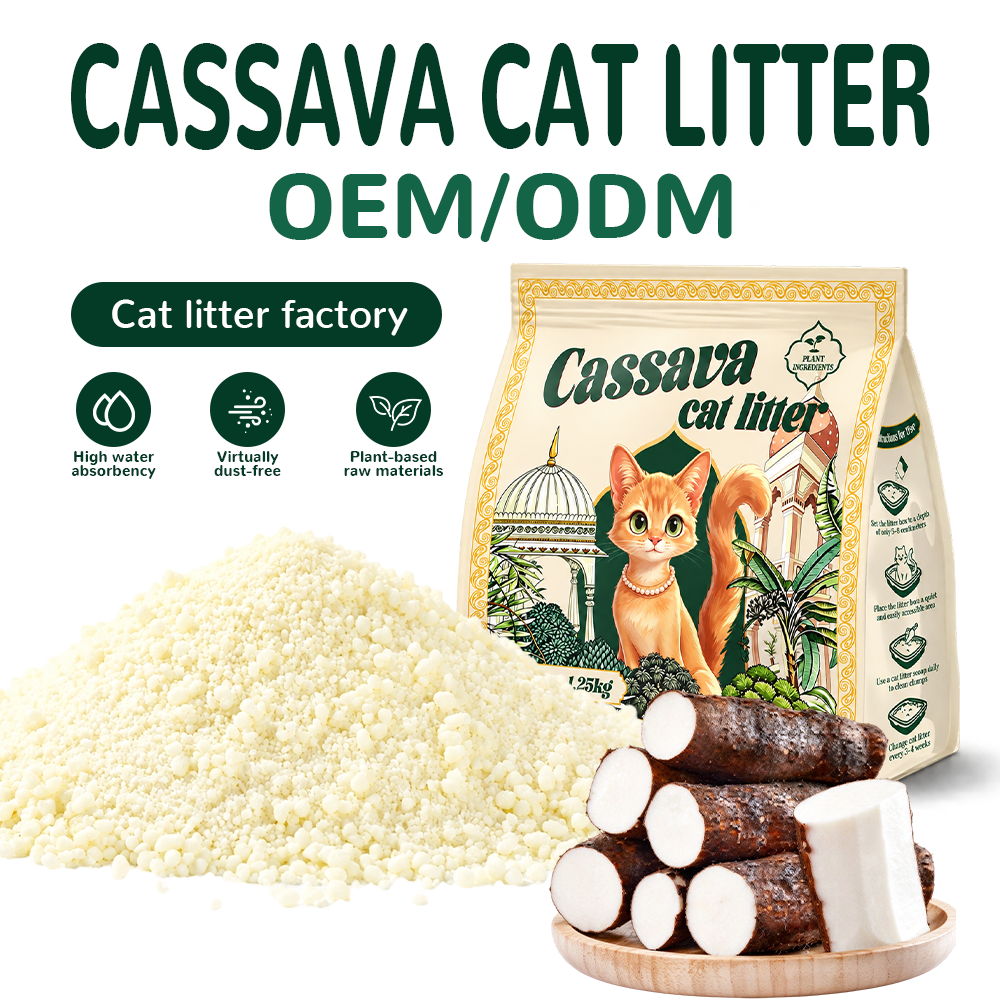
Natural Cassava Cat Litter Fast Clumping Low Dust
Starch-fortified botanical micro-pellet structure. Immediate capillary hydration, ultra-low tracking, and completely organic flushable disposal for modern Osaka housing complexes.
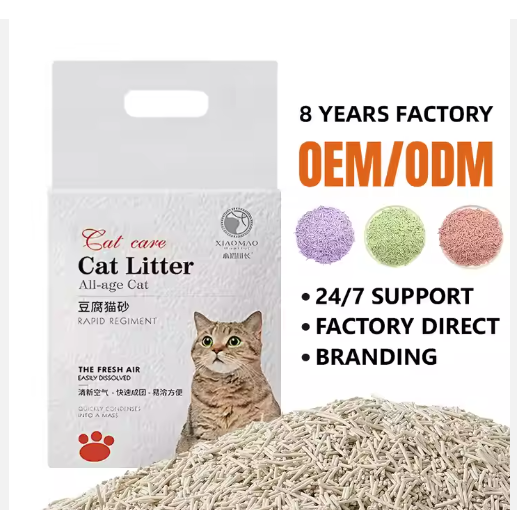
Factory Eco-Friendly Dust-Free Tofu Cat Litter
High-purity dietary food-grade pea and soybean fiber formulation. 5-stage dedusting system yields <0.1% atmospheric particulate count for multi-cat ventilation.
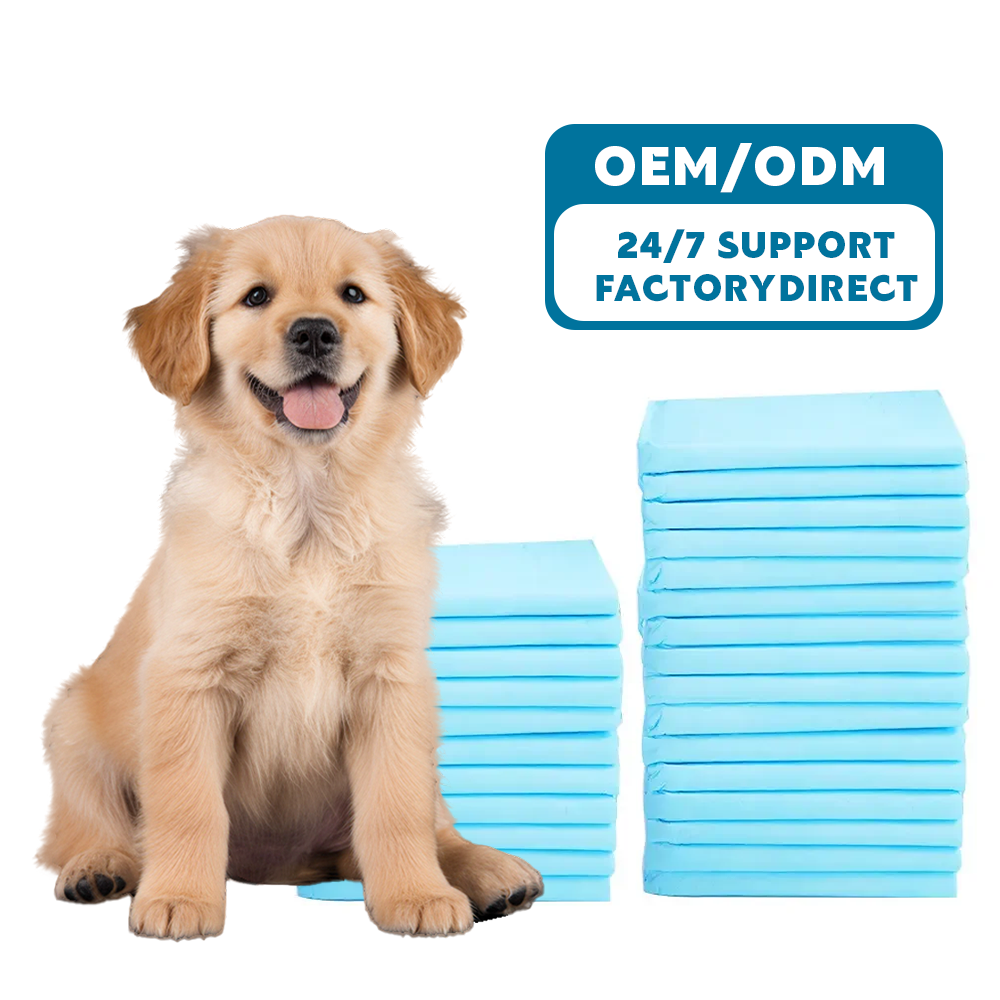
Custom Super Absorbent Pet Training Pads
5-layer diamond embossed structure with Sumitomo SAP core. Essential companion merchandise for pet supply chains, two-tier litter systems, and dog pads.
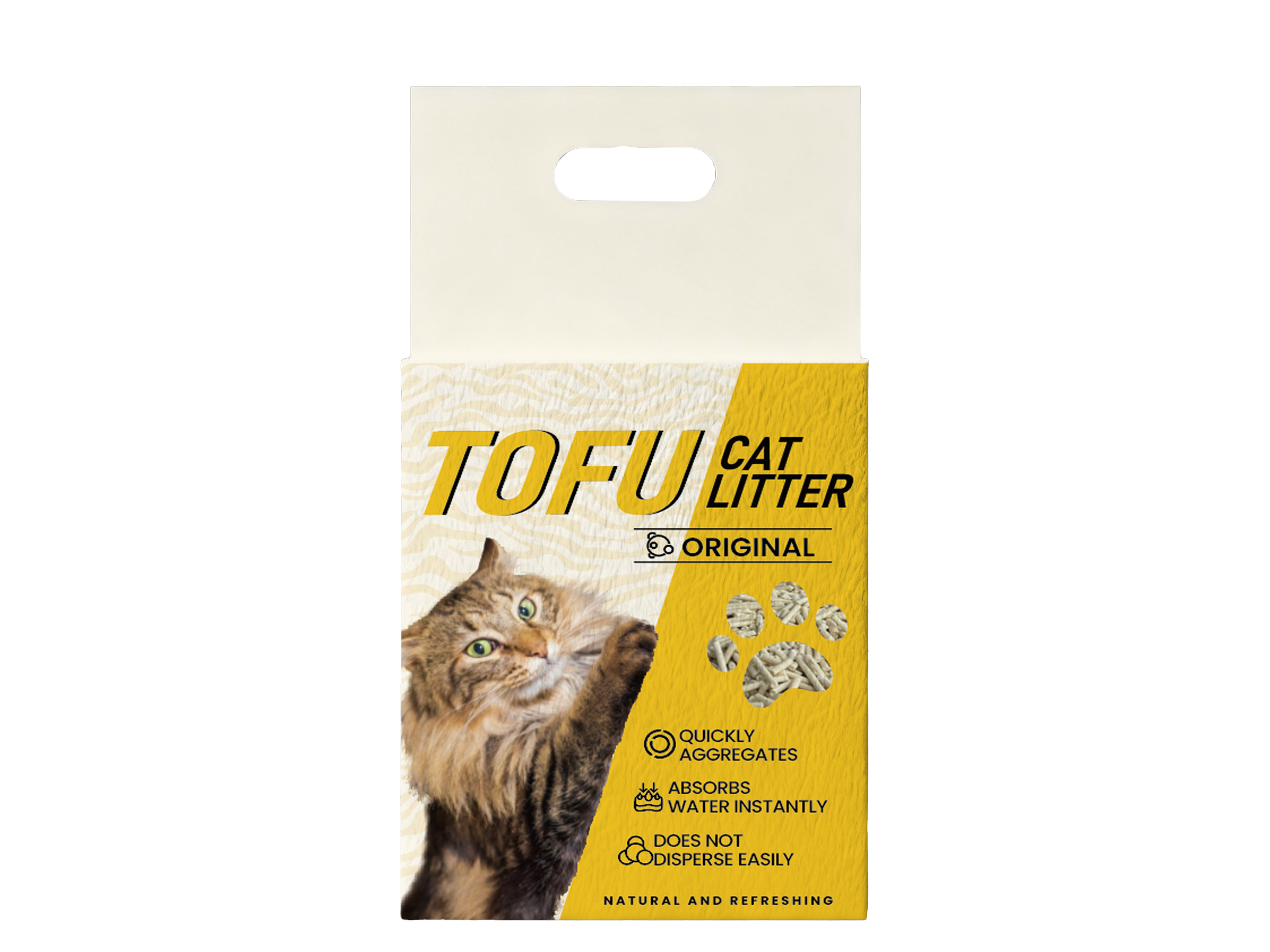
100% Compostable Bag Pack Tofu Cat Litter
PLA + PBAT certified biodegradable consumer packaging tailored for Japanese eco-retail regulations and conscious Kansai consumer demographics.
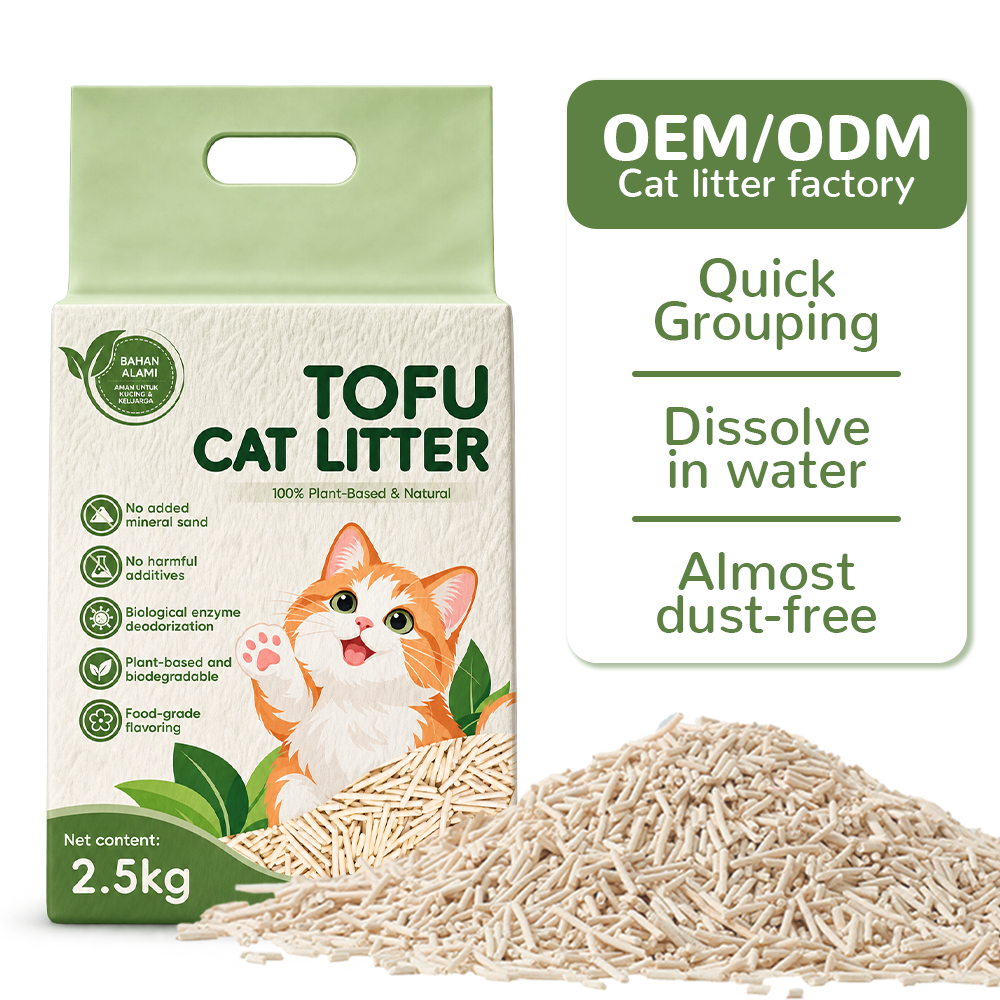
Premium Flushable Quick-Clumping Tofu Litter
Engineered pellet density dissolvable in under 15 seconds upon contact with domestic wastewater plumbing. Non-adhesive formulation eliminates residual tray stickiness.
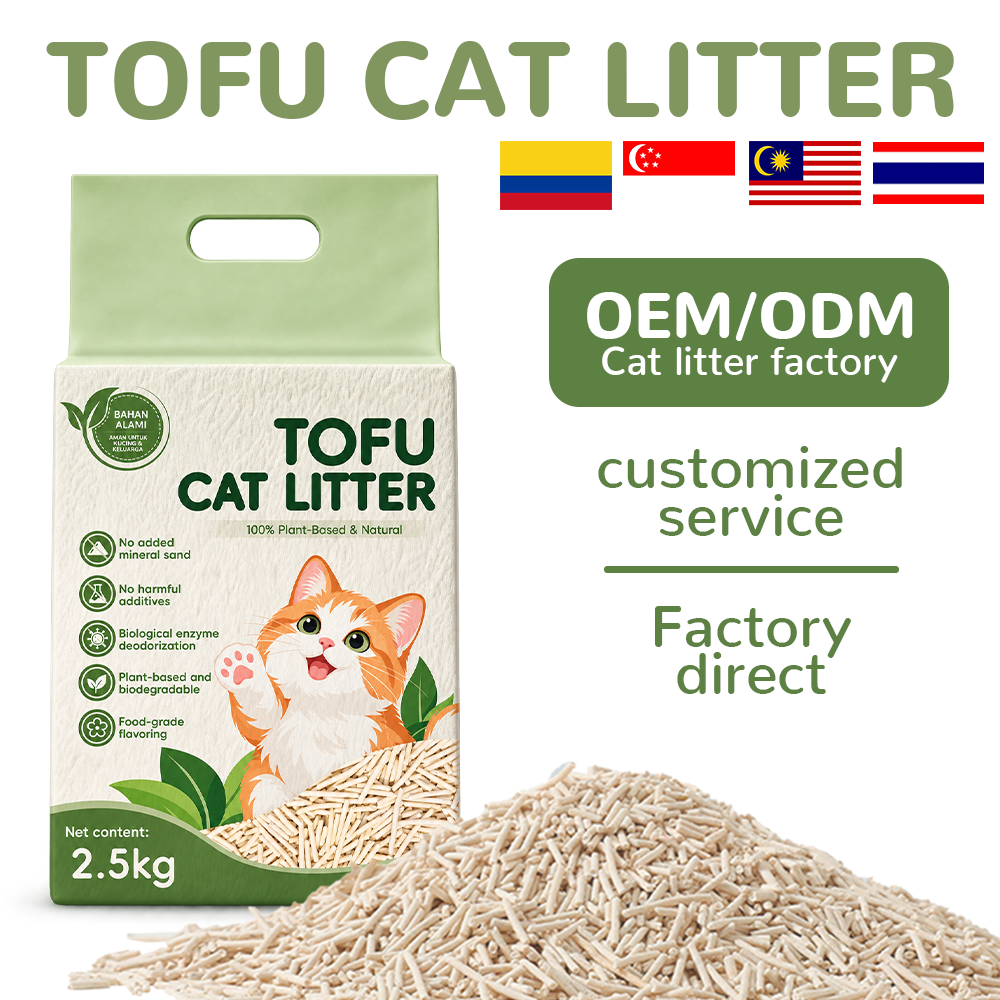
Natural Plant-Based Odor Control Tofu Litter
Infused with active deodorization agents, Hinoki wood notes, Matcha green tea extract, or activated carbon blends tailored for indoor space moisture control.
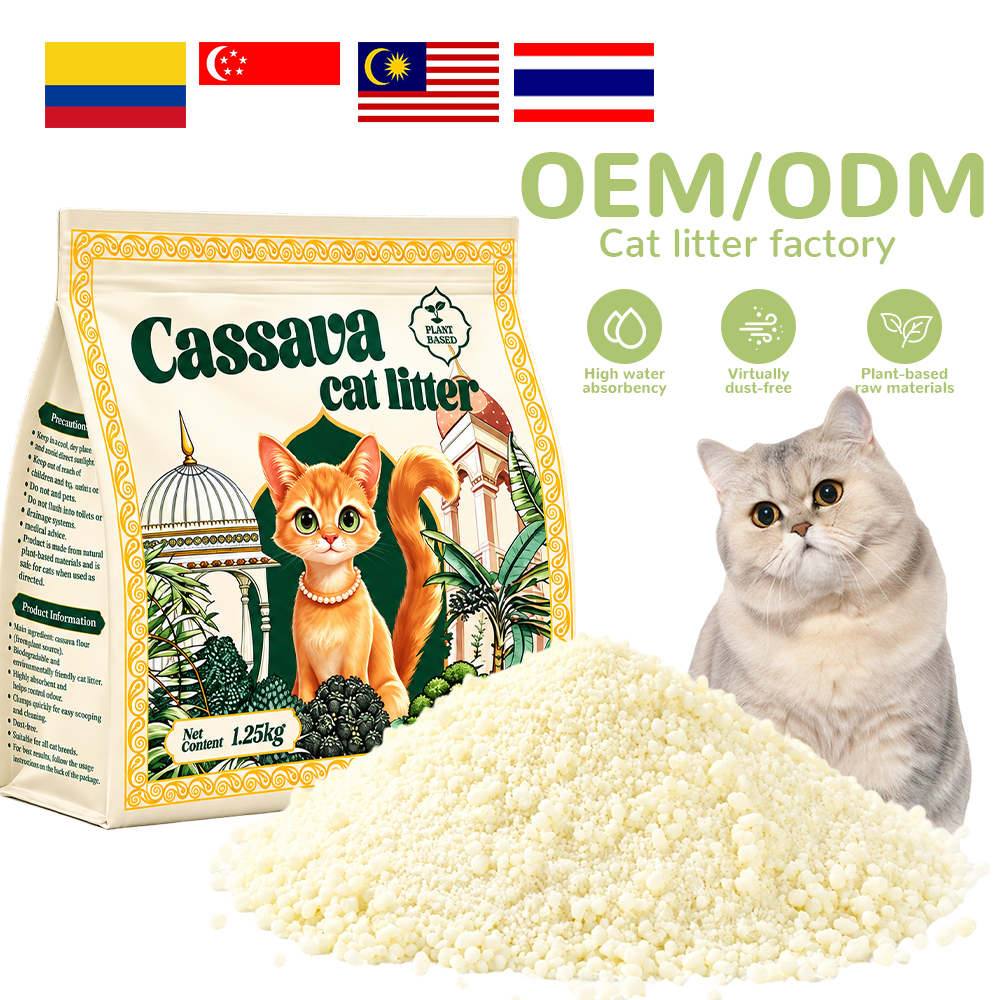
Private Label Cassava Blend Clumping Litter
Dual matrix combining cassava agglomeration with bean fiber. Ultra-firm mechanical cohesive properties designed for automated robotic self-cleaning litter appliances.
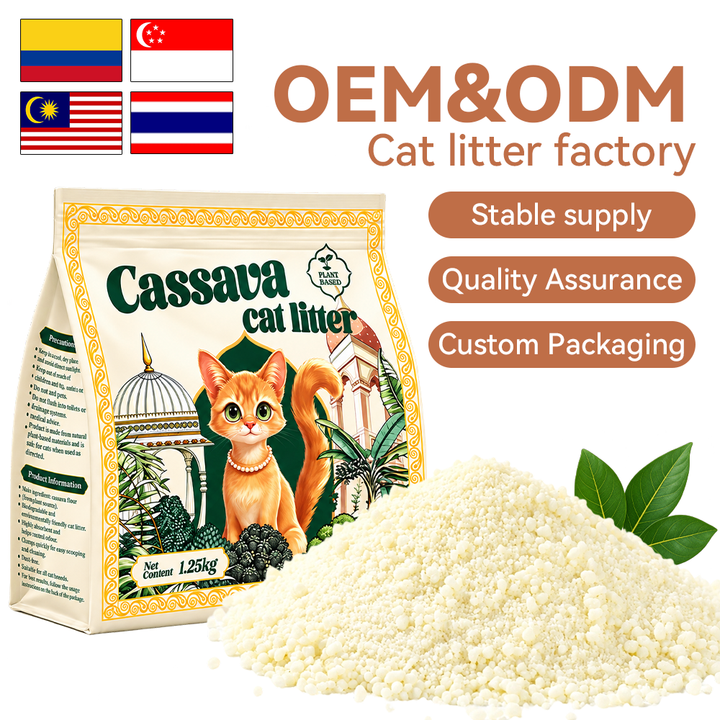
High-Absorption Botanical Aggregate Litter
300%+ liquid retention rating using premium non-GMO botanical feedstocks. Extreme compression resilience prevents breakage during transoceanic shipping and regional handling.
Local Application Scenarios in the Osaka & Kansai Metropolitan Area
The urban landscape of Osaka—spanning dense commercial hubs like Kita (Umeda), Chuo (Shinsaibashi/Namba), and surrounding residential districts such as Sakai, Toyonaka, and Suita—imposes strict technical constraints on domestic pet care products. Japanese multi-story urban housing (mansion complexes) features tightly sealed window architectures designed for energy efficiency, compounding ambient indoor humidity during Osaka's warm, wet summers (tsuyu) and requiring absolute performance from cat litter odor control systems.
Plant-based tofu litter manufactured by Hebei Chupen Pet Products Co., Ltd. resolves these micro-environmental challenges through engineered natural micro-capillary fiber matrices. Sourced directly from our industrial cluster in Nanhe District, Xingtai, our pellets rely on food-grade soybean residue and pea fiber, treated via pressurized thermomechanical cooking to deactivate enzymatic decay and eliminate spoilage risks under fluctuating humidity. For Osaka pet parents, who live in close quarters with companion animals, airborne particulate matter poses serious health risks. Our proprietary five-step dedusting procedure—incorporating mechanical vibration sieving, cross-flow cyclonic air separation, and electrostatic extraction—ensures an atmospheric dust level below 0.1%, protecting feline and human respiratory health across closed-window Osaka apartments.
Furthermore, disposal infrastructure in Osaka Prefecture adheres to stringent municipal sorting guidelines. Traditional bentonite clay cannot be incinerated in domestic burnable waste (moeru gomi) streams without creating heavy bottom ash that clogs incinerator grates, nor can it be discharged into modern plumbing systems without causing expensive blockages. Our flushable tofu litter dissolves rapidly into biodegradable micro-slurry within 15 seconds of immersion in turbulent toilet water, preventing pipe buildup and fully integrating with municipal sewage processing standards.
Kansai Pet Market Trends: The Structural Shift Toward Botanical Litters
Data from the Japan Pet Food Association (JPFA) confirms that the national cat population has surpassed the domestic dog population, stabilizing at approximately 8.8 million felines. Within the densely populated Keihanshin metropolitan region (encompassing Osaka, Kyoto, and Kobe), cat adoption metrics continue an upward trajectory, driven by elderly single-person households and dual-income urban professionals seeking low-maintenance companion animals. This structural demographic transition has catalyzed four major purchasing dynamics across Osaka's home centers, drugstores, and specialized pet retail banners:
The "Burnable Waste" Regulatory Squeeze
Kansai municipalities are tightening waste management levies and sorting regulations. Bentonite clay and silica crystals are increasingly rejected in municipal burnable streams, accelerating consumer demand toward 100% plant-based, biodegradable tofu and cassava aggregates that comply with local sorting rules.
Rise of Smart Automatic Litter Trays
Adoption of automatic sensor-driven litter boxes across Osaka apartments requires litter with high mechanical cohesion that will not shatter during rake or drum cycles. Chupen's hybrid starch formulations produce ultra-compact 1.5mm micro-pellets that preserve motor longevity.
Supply Chain Diversification Beyond Domestic Bottlenecks
Japanese pet brand owners increasingly hedge against local raw material shortages and rising manufacturing costs by partnering with direct source factories in Xingtai, China—securing predictable container capacity via direct shipping lanes to Nanko Port, Osaka.
Technical Specifications: Botanical Tofu Litter vs. Conventional Alternatives
When selecting catalog lines for Osaka's competitive retail shelves, distributors must evaluate technical indices including bulk density, clumping cycle time, moisture retention, and ambient particulate distribution. The comparative performance matrix below reflects verified testing metrics from Chupen's internal quality assurance laboratories and third-party SGS certifications:
| Performance Parameter | Chupen 1.5mm Micro Tofu | Chupen Cassava / Tofu Blend | Standard Bentonite Clay | Synthetic Silica Crystal |
|---|---|---|---|---|
| Raw Material Origin | Food-grade soybean & pea fiber | Tapioca starch + bean fiber | Sodium bentonite clay | Amorphous silicon dioxide |
| Clumping Speed | ≤ 2.5 seconds | ≤ 1.8 seconds | 4.0 – 6.0 seconds | Non-clumping (Absorbent) |
| Tensile Clump Hardness | > 850 gf/cm² | > 980 gf/cm² | > 750 gf/cm² | N/A |
| Dust Count (<10 μm) | < 0.1% (5-stage dedusting) | < 0.05% | 1.5% – 3.5% | 0.5% – 1.0% |
| Water Dissolution Rate | Full collapse in 15 sec | Full collapse in 25 sec | Insoluble (Causes blockage) | Insoluble |
| Osaka Municipal Waste | Combustible (Moeru Gomi) / Flush | Combustible / Flushable | Non-combustible / Heavy fee | Non-combustible / Industrial |
Enterprise Advantage: Nanhe Industrial Cluster & Chupen Capabilities
Hebei Chupen Pet Products Co., Ltd. operates at the core of China's pet supplies capital—Nanhe District, Xingtai City, Hebei Province. This industrial cluster produces roughly 80% of China's domestic pet nutrition and 60% of its pet hygiene exports. Chupen's fully integrated infrastructure gives Osaka B2B buyers distinct competitive advantages over regional intermediaries:
1. Scale, Consistency, and Dedicated Lines: Our production base operates 11 independent processing lines—including 5 automated high-pressure extrusion lines for tofu cat litter (150 tons daily capacity), 3 lines for bentonite aggregate (3,000 tons daily capacity), and 3 lines for engineered silica crystals. This volume allows us to maintain consistent batch colors, granular diameters, and clumping behavior across peak seasonal purchasing windows.
2. R&D Partnerships and In-House Analytics: We collaborate directly with academic teams at China Agricultural University and Hebei Agricultural University to refine botanical binder chemistries. Our QA laboratory houses 9 specialized testing instruments—including moisture analyzer balances, automated clumping drop testers, gas chromatography for odor lock quantification, and particulate laser counters. Our affiliated facilities house a live testing base with over 1,300 feline and canine subjects to evaluate behavioral acceptance, tracking resistance, and scent neutrality.
3. Comprehensive Sourcing in a Single Container: Through our operational network of more than 50 verified local manufacturers across Nanhe District, Kansai importers can consolidate diverse pet SKUs into a single 40ft HQ container loaded directly at our 10,000 m² warehouse. Buyers can blend high-margin private-label tofu cat litter with 5-layer SAP disposable puppy training pads, splash-proof semi-enclosed PP litter trays, and premium wet cat treats—optimizing ocean freight per cubic meter and reducing inventory risk.
4. Streamlined Logistics to the Port of Osaka: Situated with direct highway access to Tianjin Port (Xingang), our logistics coordination team manages export clearance, phytosanitary certificates, non-hazardous material documentation, and customs filing. Ocean carriers maintain frequent direct sailings from Tianjin to the Port of Osaka, with a typical transit time of only 5 to 7 days. This allows Japanese distribution centers to maintain lean just-in-time (JIT) stock profiles without carrying costly safety stock.
5. Certified Quality and Trade Transparency: Our production framework operates under certified ISO 9001 (Quality), ISO 22000 (Food Safety), ISO 14001 (Environmental Management), and ISO 45001 (Occupational Health & Safety) standards. Furthermore, our corporate premises, financial standing, and manufacturing facilities are verified onsite by SGS Group—providing Japanese trading companies with the audited documentation required by regional retail compliance boards.
Frequently Asked Questions by Kansai Buyers
Direct answers to regulatory, logistical, and technical questions commonly asked by Japanese importers, trading companies, and chain store category managers.
What is the minimum order quantity (MOQ) for custom private-label packaging for the Japanese market?
How does Chupen ensure that tofu cat litter does not grow mold during the humid Osaka summer (Tsuyu)?
What specific import documentation is required for importing plant-based cat litter into Japan?
Can we consolidate cat litter with pet pee pads and plastic litter boxes into a single container for Port of Osaka delivery?
What are your standard trade terms, foreign exchange settlement options, and sample dispatch protocols?
Connect Directly with Our Nanhe Technical Export Factory
Request comprehensive product catalogs, custom formula consultations, FOB/CIF Osaka pricing tables, or arrange an audit of our ISO/SGS verified manufacturing floor.