Featured Cassava & Botanical Pellets for Wholesale Import
Engineered for instantaneous capillary hydration, monolithic clump consolidation, low-dust indoor decanting, and total municipal sewer dispersion across British urban residential setups.
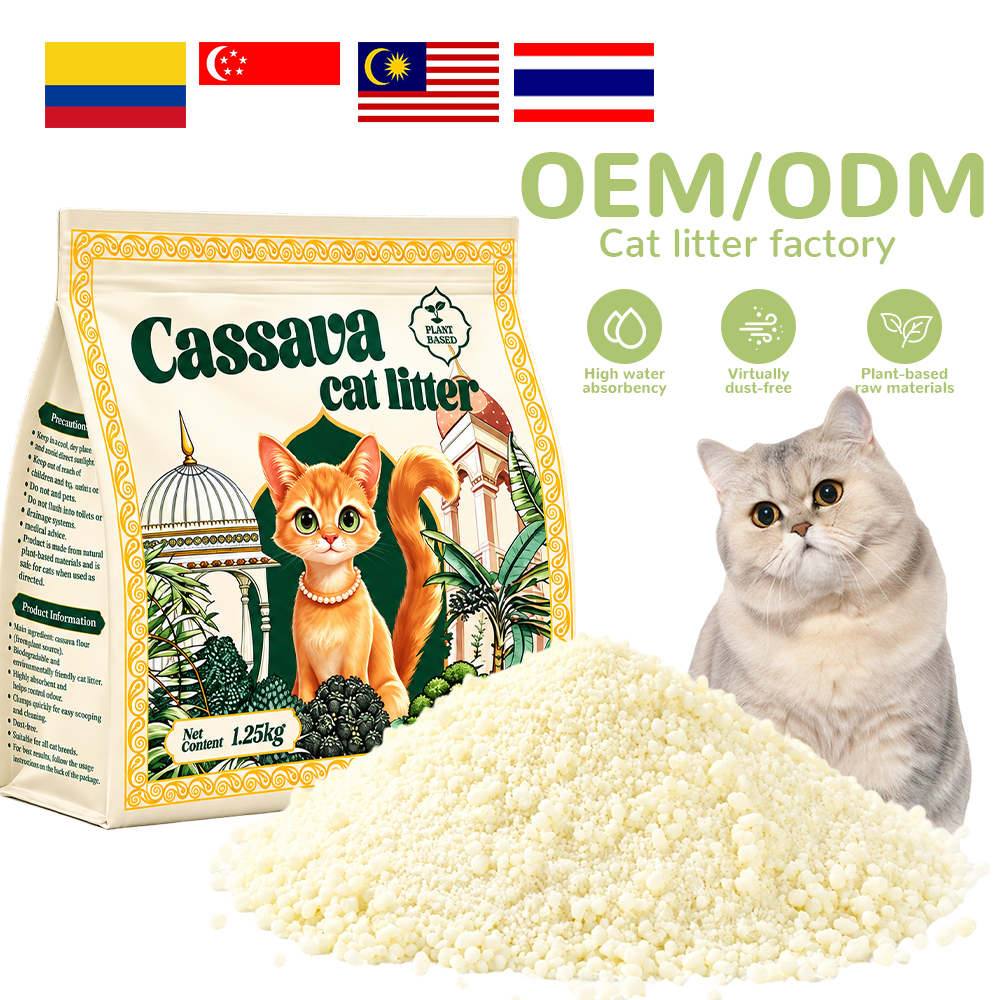
Premium Cassava Cat Litter Private Label OEM ODM Flushable Natural Plant Based Cat Litter for Bulk Wholesale Export
- 1.5mm - 2.0mm Micro-Pore Pellets
- 100% Starch Matrix • Zero Gum
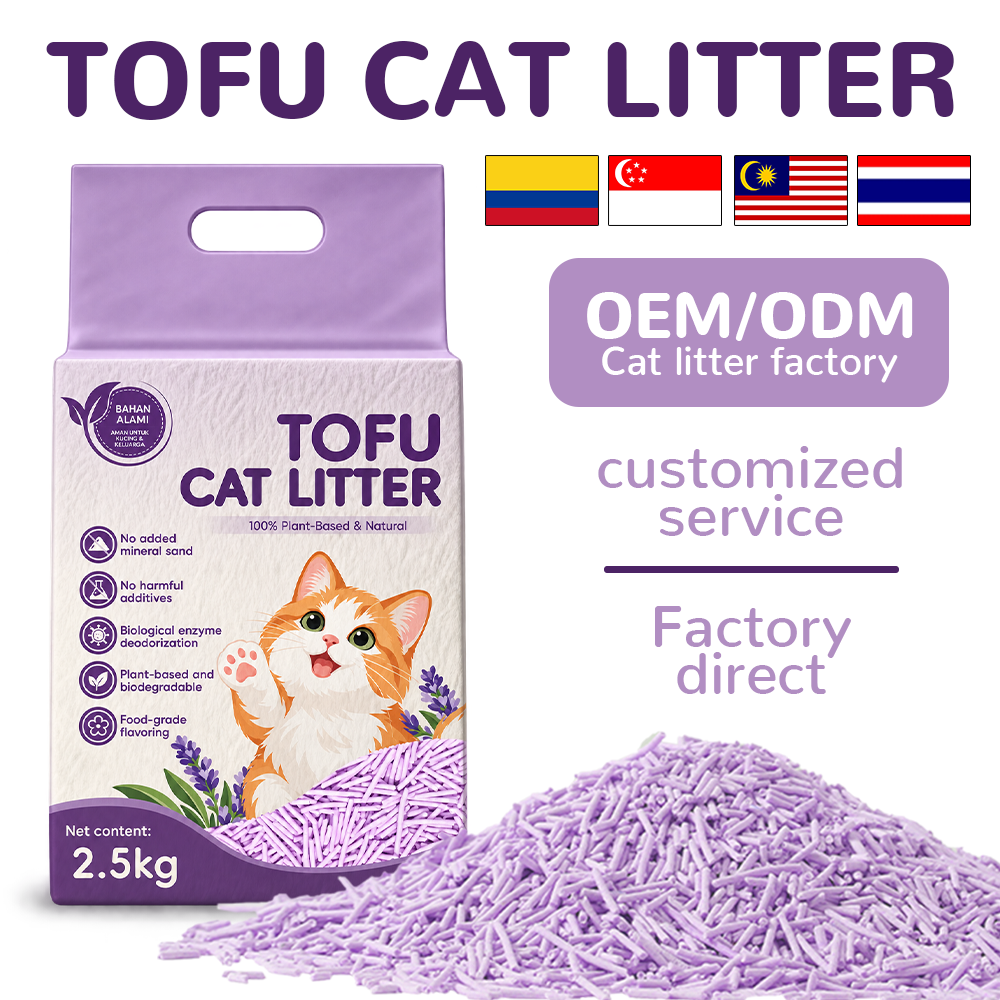
Natural Tofu Cat Litter Strong Absorption Quick Clumping Flushable Cat Litter Bulk Wholesale Manufacturer OEM ODM
- Natural Soybean & Botanical Fibres
- Rapid Flush Breakdown within 15s
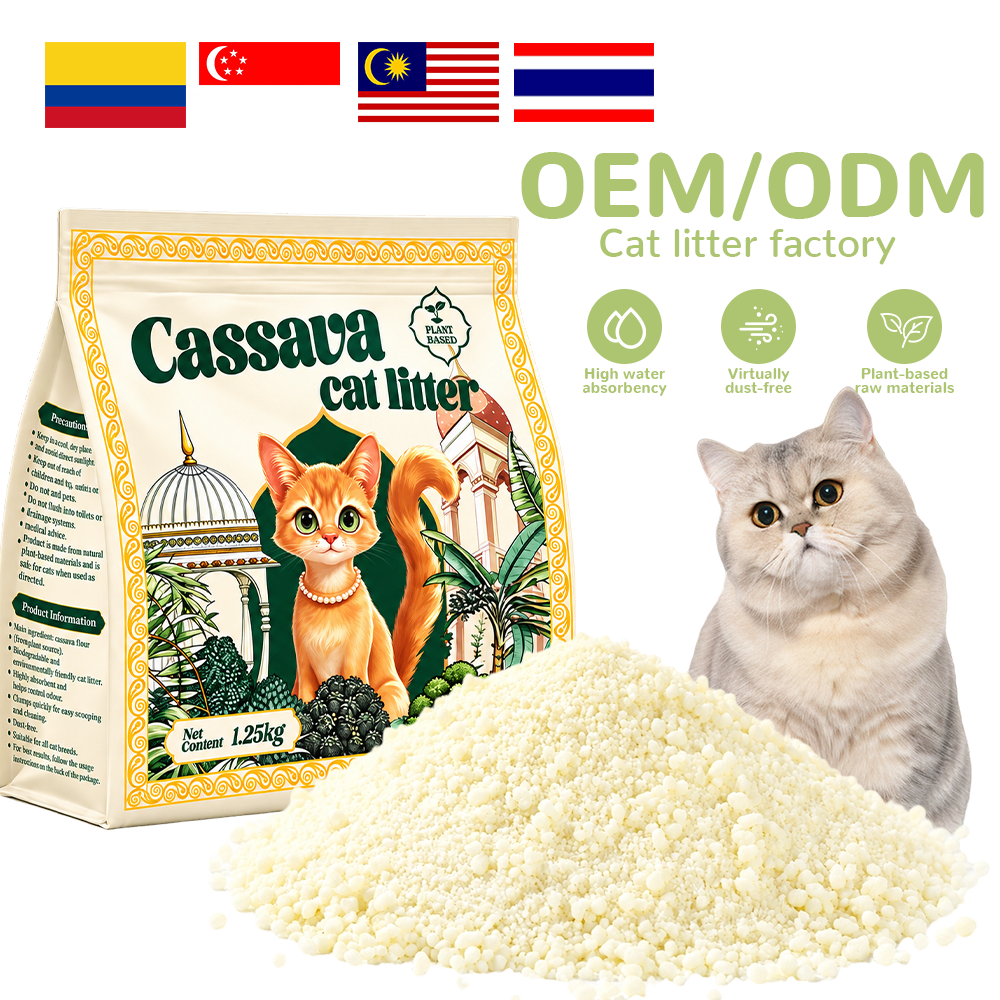
Premium Cassava Cat Litter Eco Friendly Quick Clumping Odor Control Biodegradable Cat Litter Bulk Wholesale Supplier
- Food-Grade Tapioca Base
- Triple Dedusted • Zero Silica Residue
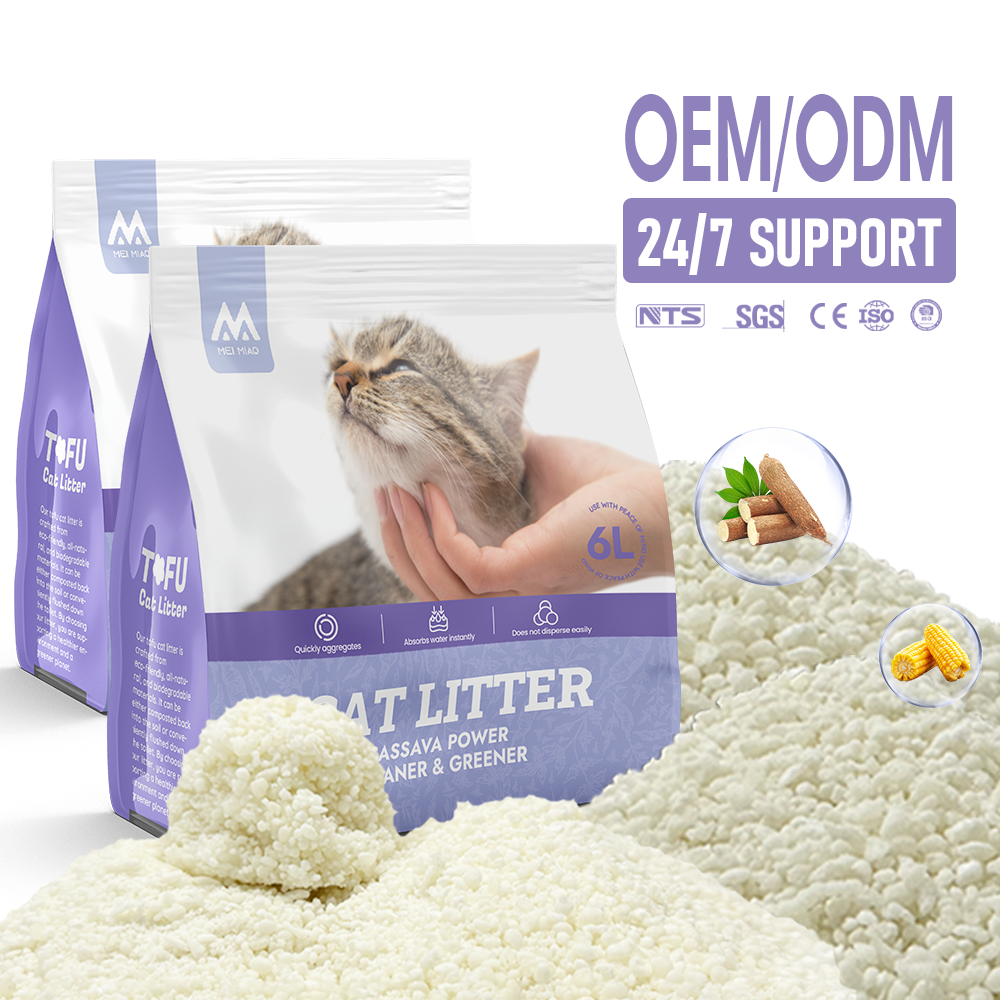
Natural Cassava Cat Litter Clumping Low Dust Odor Control Pet Cat Litter Supplier OEM Private Label Biodegradable Cat Sand Bulk
- Paw-Friendly Granulometry
- Private Label Stand-Up Pouches
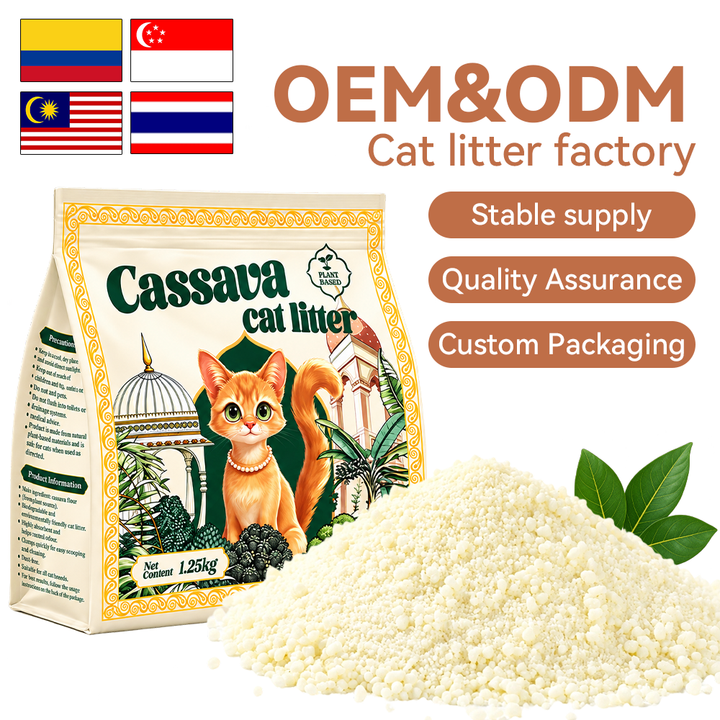
Natural Cassava Cat Litter Eco Friendly Quick Clumping Strong Odor Control Biodegradable Cat Sand Private Label Bulk Supplier
- Fast Gelation Moisture Trap
- 400% Liquid Absorption Capacity
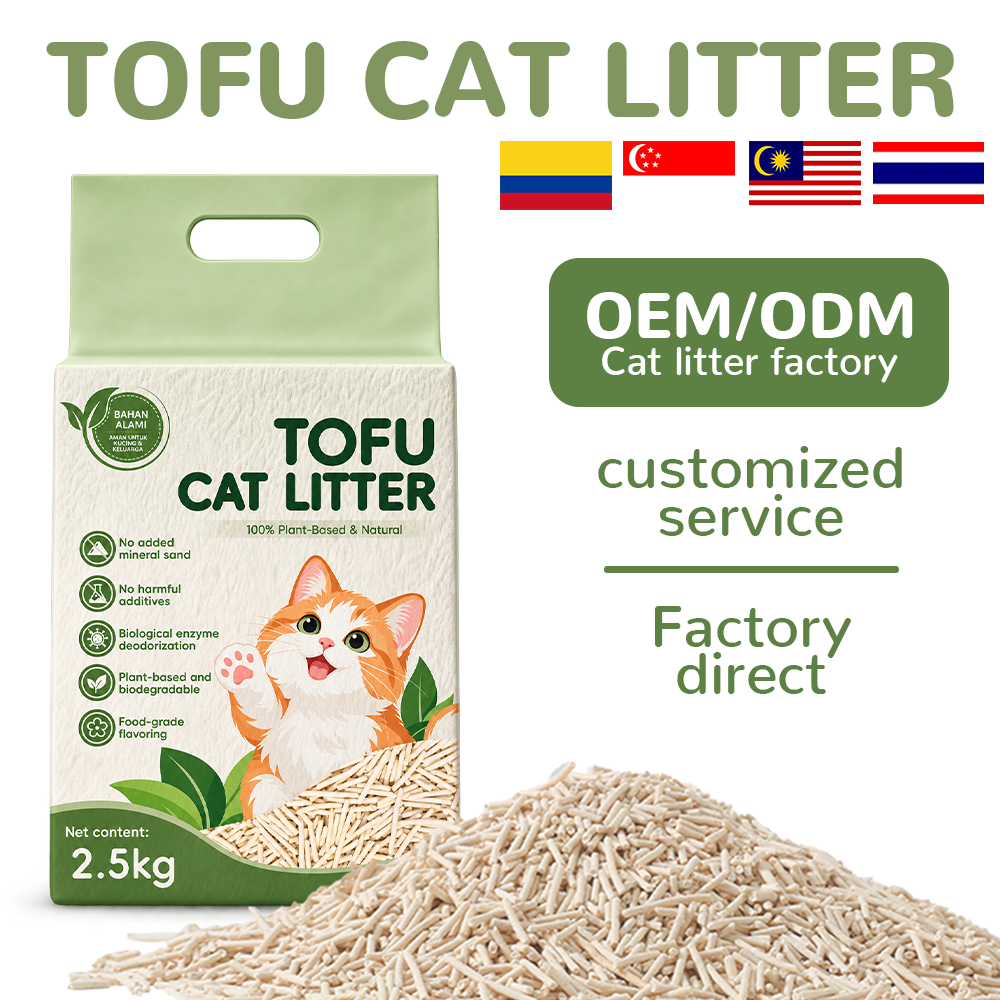
Wholesale Tofu Cat Litter Fast Clumping Low Dust Odor Control Eco Friendly Cat Litter OEM ODM Factory Supplier
- 5 Dedicated High-Speed Lines
- Unscented or Custom UK Scents
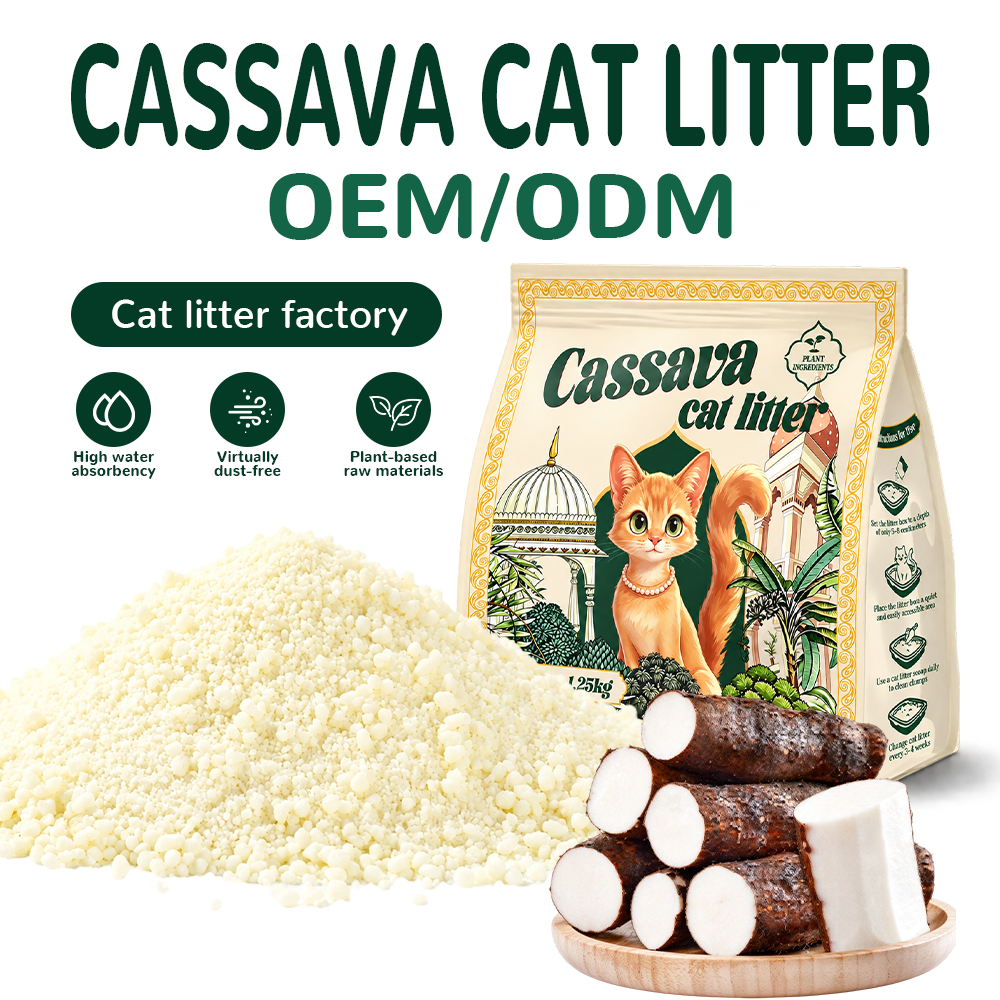
Premium Cassava Cat Litter Factory Direct Supply Biodegradable Quick Absorbing Odor Control Custom Packaging Bulk
- Food-Grade Raw Starch Quality
- Palletized for Container Sea Freight
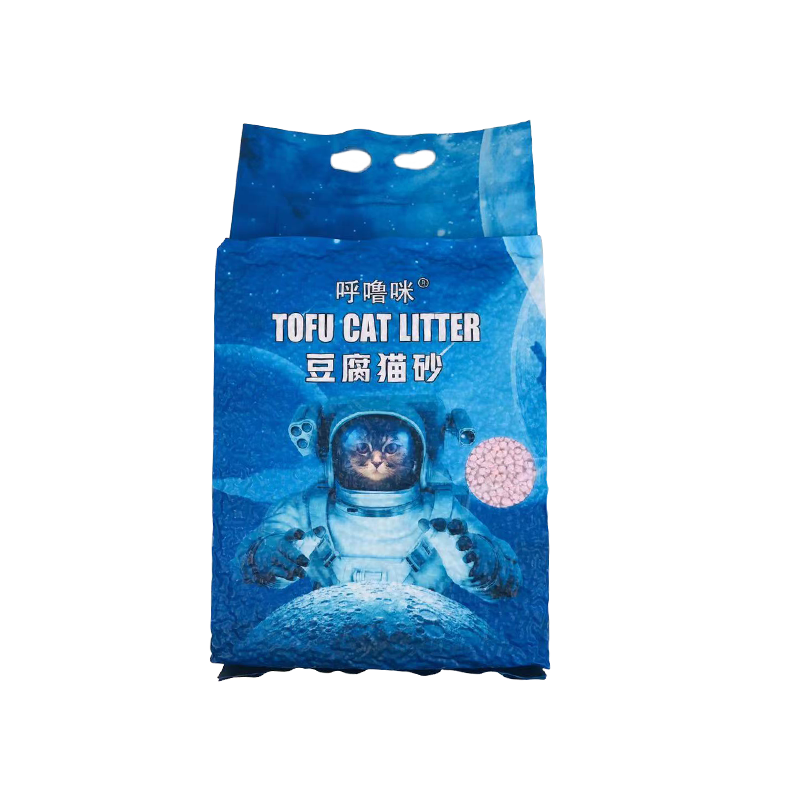
Wholesale Cheap Flushable Clumping Tofu Cat Litter Cat Litter Accessories Kitty Litter
- High Bulk Density Yield per Bag
- Competitive Cost for Retail Chains
Technical Whitepaper: The Transition to Cassava Pellet Substrates in British Commercial Pet Retail
In the rapidly modernizing landscape of United Kingdom companion animal hygiene, commercial purchasing directors and brand managers across West Yorkshire face unprecedented systemic disruption. The convergence of strict UK municipal waste diversion mandates, mounting consumer antipathy toward strip-mined calcium and sodium bentonite clays, and the domestic realities of metropolitan residential living in Leeds demand a fundamental rethinking of substrate formulation. Cassava (*Manihot esculenta*) root-derived cat litter pellets represent the scientific zenith of botanical clumping media, offering an extraordinary balance between mechanical agglomeration velocity, gaseous ammonia neutralisation, and biological degradability.
Starch Gelatinisation and Molecular Rheology of Cassava Starch Matrixes
The functional core of cassava-based litter lies in the unique ratio of amylose to amylopectin present within the tuber's root starch. Unlike wood pellet substrates that depend primarily on secondary moisture swelling, or bentonite clays that rely on hydration of sodium montmorillonite platelets, cassava litter operates on thermal pre-gelatinisation and rapid surface adhesion. During our precision twin-screw extrusion process in Hebei, raw cassava meal undergoes controlled hydrothermal treatment. This partially unfolds the branched amylopectin chains, fixing them into micro-porous tubular or crushed granulates.
When exposed to feline urine (containing urea, electrolytes, and low-volatility fatty acids), the capillary pores rapidly induct the liquid along the hydrostatic gradient. The starch chains rehydrate instantly, establishing cross-linked hydrogen bonds that trap fluid within a self-sealing, cohesive disk. This mechanical reaction locks ammonia (NH₃) molecules in suspension before urease bacteria can volatilise the compounds into airborne malodour. In commercial testing under UK ambient conditions, clump compressive integrity withstands over 14 Newtons of shear force without fracture, eliminating tracking dust and base-tray scraping.
Substrate Performance Matrix: Cassava Pellets vs Conventional Media
For Leeds-based retail categories, e-commerce direct-to-consumer (D2C) brands, and veterinary distributors, understanding physical-chemical properties across media types is crucial for optimizing unit economics and managing customer churn:
| Evaluation Parameter | Chupen Cassava Pellets | Sodium Bentonite Clay | Traditional Tofu (Soy) | Recycled Softwood Pellets |
|---|---|---|---|---|
| Bulk Density (kg/m³) | 480 - 520 kg/m³ (Lightweight) | 850 - 950 kg/m³ (Heavy) | 520 - 560 kg/m³ | 600 - 680 kg/m³ |
| Fluid Absorption Yield | 400% - 450% by weight | 200% - 250% by weight | 300% - 350% by weight | 180% - 220% (Non-clumping) |
| Agglomeration Integrity | Solid Hard Clump (< 2s) | Rigid Mud Clump (3-5s) | Semi-Hard Clump (2-4s) | Disintegrates into Sawdust |
| Respirable Dust (<10μm) | < 0.08% (Triple Dedusted) | 1.5% - 4.2% (High Inhalable) | 0.3% - 0.8% (Moderate) | 0.8% - 1.9% (Wood Ash) |
| Sewer Flush Dissipation | Immediate (< 15s in Cold Water) | Forbidden (Pipe Blockages) | Full Dissolution (< 30s) | Forbidden (Filter Hazards) |
| Carbon Footprint per Metric Ton | 0.42 t CO₂e (Renewable) | 1.85 t CO₂e (Open-cast mined) | 0.78 t CO₂e (Agricultural) | 0.65 t CO₂e (Forestry) |
Localized Application Scenarios Across Leeds and West Yorkshire
B2B sourcing decisions cannot be made in isolation from the geographical, architectural, and infrastructural environments of the consumer. Leeds—the regional capital of Yorkshire and the Humber—presents distinct socio-environmental variables that dictate consumer satisfaction and product return rates.
Victorian Terraced & Modern Urban Flats
Leeds features extensive historical Victorian back-to-back terraces in districts like Harehills, Hyde Park, and Burley, alongside modern multi-story residential towers around Leeds Dock and the South Bank. Indoor square footage is constrained, with central heating running during damp northern winters. Heavy silica or bentonite dust creates airborne particulate hazards in tightly sealed flats. Chupen's low-dust cassava pellets prevent dust tracking across hardwood and carpeted floors while eliminating respiratory irritation for both cats and indoor owners.
Pennine Maritime Damp & Cold Humidity
West Yorkshire experiences an oceanic climate characterized by elevated relative humidity (averaging 75% to 85% RH throughout autumn and winter). Traditional bentonite clay becomes gummy and clogs litter trays when exposed to ambient moisture, while poor-quality pine pellets break down prematurely. Our cassava pellets maintain structural integrity through surface barrier optimization, activating clumping chemistry only when in direct contact with warm, localized liquid discharges.
Yorkshire Water Compliance & Urban Sanitation
Leeds homeowners increasingly demand flushable convenience. However, Yorkshire Water strictly regulates residential drain systems against blockages from hydraulic non-dispersibles (such as wet wipes and clay sand). Our cassava formulation rapidly hydrolyzes in water volumes exceeding 1.5 liters, dispersing into loose botanical micro-fibers within 15 seconds. It passes domestic U-bends without accumulating in older Victorian municipal sewage conduits.
Procurement Insight for West Yorkshire Wholesalers
Leeds City Council's aggressive "Net Zero 2030" climate emergency initiatives place increasing scrutiny on commercial packaging waste and municipal incinerator loads. Retail brands marketing biodegradable, zero-mineral, agricultural-origin cat litters hold a demonstrable competitive edge in tender negotiations with local pet shop co-operatives, garden centers across Otley, Wetherby, and Pudsey, and independent eco-boutiques throughout Chapel Allerton.
Market Intelligence: Northern England Pet Sector Trends (2025–2030)
The UK pet industry is undergoing an unprecedented structural transition. Data from the Pet Food Manufacturers' Association (PFMA / UK Pet Food) reveals that cat ownership across West Yorkshire has surged past 28% of households. However, the qualitative profile of this ownership base is shifting toward younger, highly educated, climate-conscious consumers whose shopping behaviors redefine inventory velocity:
The De-Bentonitization of UK Shelves
Supermarket chains and boutique pet stores throughout Leeds and Yorkshire are phasing out non-renewable strip-mined bentonite. The extraction of sodium bentonite is energy-intensive and produces significant mining spoil, conflicting directly with corporate ESG targets. Cassava pellets, derived from renewable root tubers, provide the identical clumping performance UK cat owners demand—without the heavy environmental burden.
The Rise of E-Commerce D2C Subscriptions
With parcel carriers like Royal Mail, DPD, and Evri maintaining regional sorting super-hubs across Yorkshire and the M62/M1 corridors, home delivery of pet supplies has grown rapidly. Bentonite litter, weighing 10 kg per bag, incurs prohibitive last-mile delivery surcharges. Lightweight cassava litter (yielding equivalent flushes at half the mass) provides major courier cost savings, driving higher margin profiles for online pet subscription services.
The "Clean-Paw" Aesthetic Movement
Modern cat owners in Leeds favor clean, white or light-cream litter substrates that contrast with dark, muddy bentonite clay or grey industrial pellets. Cassava litter provides a naturally pale, uniform visual appearance that looks sanitary in the home and allows cat owners to monitor changes in their pet's urinary health (such as hematuria or proteinuria) through clear visual inspection.
Enterprise Advantages: Hebei Chupen's Global Supply Infrastructure
Hebei Chupen Pet Products Co., Ltd. operates from the heart of Nanhe District, Xingtai City, Hebei Province—widely recognized as China's premier pet industry manufacturing cluster, accounting for approximately 80% of China's pet food production and 60% of its pet hygiene supplies. Sourcing directly from Chupen provides UK importers with direct factory pricing, high production capacity, and strict quality control.
11 Advanced Extrusion Lines
Our modernized industrial facilities operate 11 dedicated manufacturing lines—including 5 specialized tofu litter lines, 3 bentonite refining lines, and 3 advanced silica/plant-fiber lines. We maintain a daily output capacity of 150 metric tons of botanical plant litter and over 3,000 tons of mineral substrates, ensuring prompt fulfillment of large distributor purchase orders.
SGS Onsite Verified & 4-Fold ISO Systems
Our company premises have undergone rigorous onsite physical audits by the SGS Group. We operate under four internationally recognized management standards: ISO 9001 (Quality Management), ISO 22000 (Food Safety Management, applied to ensure pet-grade botanical safety), ISO 14001 (Environmental Protection), and ISO 45001 (Occupational Health & Safety).
Academic R&D & In-House Laboratory
Through ongoing technical partnerships with China Agricultural University and Hebei Agricultural University, our formulations reflect rigorous agronomic and veterinary science. Our central quality assurance laboratory houses 9 specialized testing instruments to monitor moisture retention, clump hardness, dust particulate fragmentation, and bactericidal efficacy.
Full OEM/ODM Private Label Services
We provide comprehensive private label customization for UK brands, including granule diameter calibration (1.5mm, 2.0mm, crushed micro-pellets), custom aromatics (original unscented, English lavender, green tea, baby powder), and custom packaging formats ranging from 6L/7L vacuum bricks to 10kg bulk bags and retail display cartons.
Cluster Synergies & Multi-Category Consolidation
Leveraging our network of over 50 vetted partner factories across Nanhe, we offer mixed-container consolidation. Importers in Leeds can combine cassava cat litter, 5-layer puppy training pads, ergonomic litter boxes, and freeze-dried pet treats into a single shipment, optimizing inventory turnover and reducing freight overhead.
End-to-End Maritime Logistics to Leeds
Located close to Tianjin (Xingang) Port, our container stuffing and dispatch operations are streamlined for direct ocean carriage to the UK. We offer complete Incoterms support (FOB, CIF, EXW, and DDP) with direct routing to major UK ports including Immingham, Hull, Felixstowe, and Liverpool, backed by container desiccant protocols to protect product quality across transit zones.
Maritime Supply Chain: From Tianjin Port to Leeds Logistics Hubs
Efficient international freight management protects product margins. Shipping cat litter from northern China to West Yorkshire requires clear visibility and control across every transport leg:
Optimized Ocean Routing Options for West Yorkshire Importers
While southern ports like Felixstowe and Southampton handle high volumes of UK container traffic, importers in Leeds and the wider M62 corridor often see improved turnaround times and reduced inland haulage costs by routing via the Humber Ports (Port of Immingham and Port of Hull) or the Port of Liverpool. Goods are trucked from our Xingtai factory directly to Tianjin Port (a 4-hour transit), where containers are loaded onto major carrier services (such as COSCO, Evergreen, or Maersk) with transit times to the UK typically ranging from 28 to 35 days.
Moisture Management Across Tropical Sea Lanes
Because cassava pellets are hydrophilic by design, oceanic transit through the Suez Canal and Red Sea involves temperature variations and moisture challenges. Left unaddressed, condensation ("container sweat") can damage packaging and compromise pellet performance. Chupen enforces strict export packing standards: each 40HQ container is loaded with high-absorption calcium chloride desiccant poles, and pallet loads are shrink-wrapped in heavy-duty polyethylene film with a breathable top slip. Moisture levels are held below 10% from factory dispatch to warehouse arrival in Leeds.
Pallet Configurations: UK Standard (1200x1000mm) vs Euro (1200x800mm)
We configure pallet layouts to match your warehouse rack profiles across Leeds, Bradford, and Wakefield depots. While Euro pallets (1200x800mm) are widely used, most UK distribution centers favor standard UK CHEP-sized pallets (1200x1000mm). In a standard 40-foot High Cube (40HQ) container, we pack either 24 metric tons in loose-loaded floor configurations (maximizing cube efficiency) or up to 21 tons across 20-21 tightly wrapped pallets, ensuring smooth forklift handling upon arrival.
Leeds Importers & Wholesalers FAQ
Key regulatory, financial, and logistical considerations for pet trade professionals importing plant-based cat litter into the United Kingdom:
What are the applicable UK Customs Tariff Codes (HS Codes) and import duties for cassava cat litter?
What is the minimum order quantity (MOQ) for custom private-label packaging in Leeds?
Are laboratory health and safety certificates provided for UK trading standards compliance?
How does flushability hold up against Yorkshire Water sewage regulations?
Can Chupen consolidate mixed containers with other pet supplies?
What is the total lead time from PO issuance to warehouse delivery in Leeds?
Strengthen Your Pet Range with Premium Cassava Pellets
Connect directly with our export team in Xingtai. We provide comprehensive wholesale pricing, CIF/DDP freight calculations for Leeds, custom packaging mockups, and sample evaluation kits delivered directly to your commercial address.