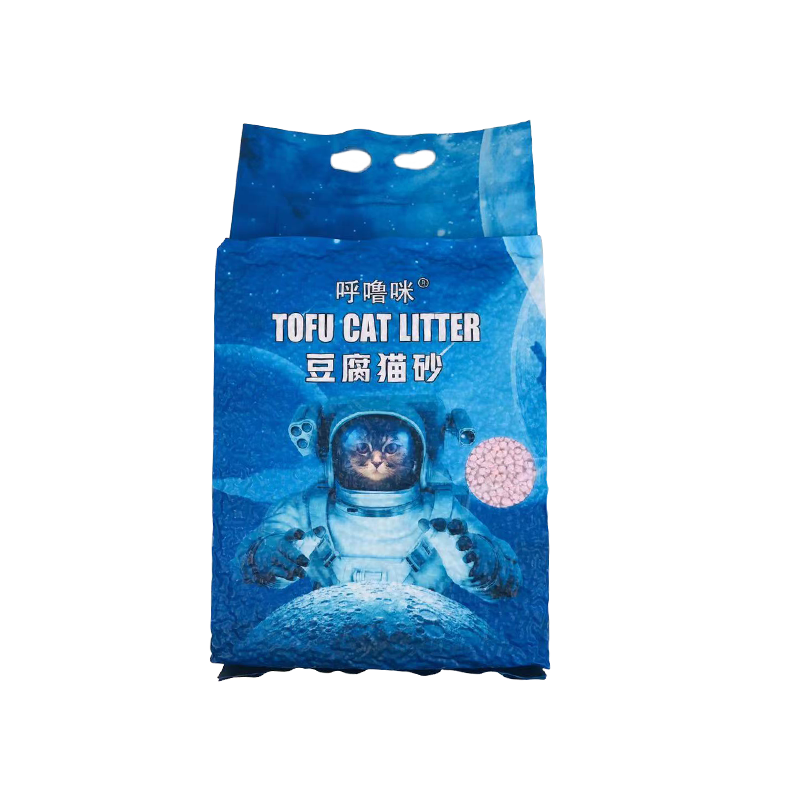
Factory Direct Portfolio
Export-Ready Cassava & Plant-Based Pellets Catalog
Engineered for high density, instantaneous gelatinization upon liquid contact, and unmatched moisture handling across multi-climate logistics networks.
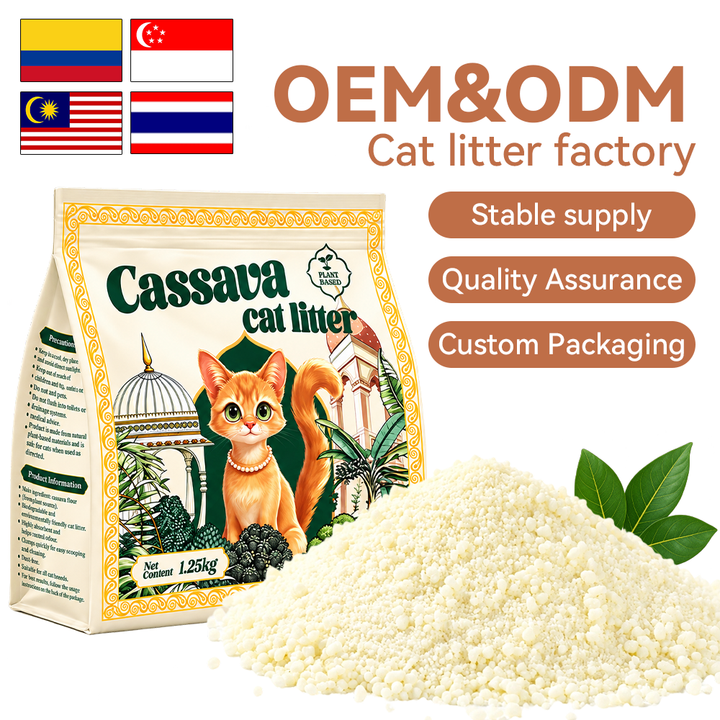
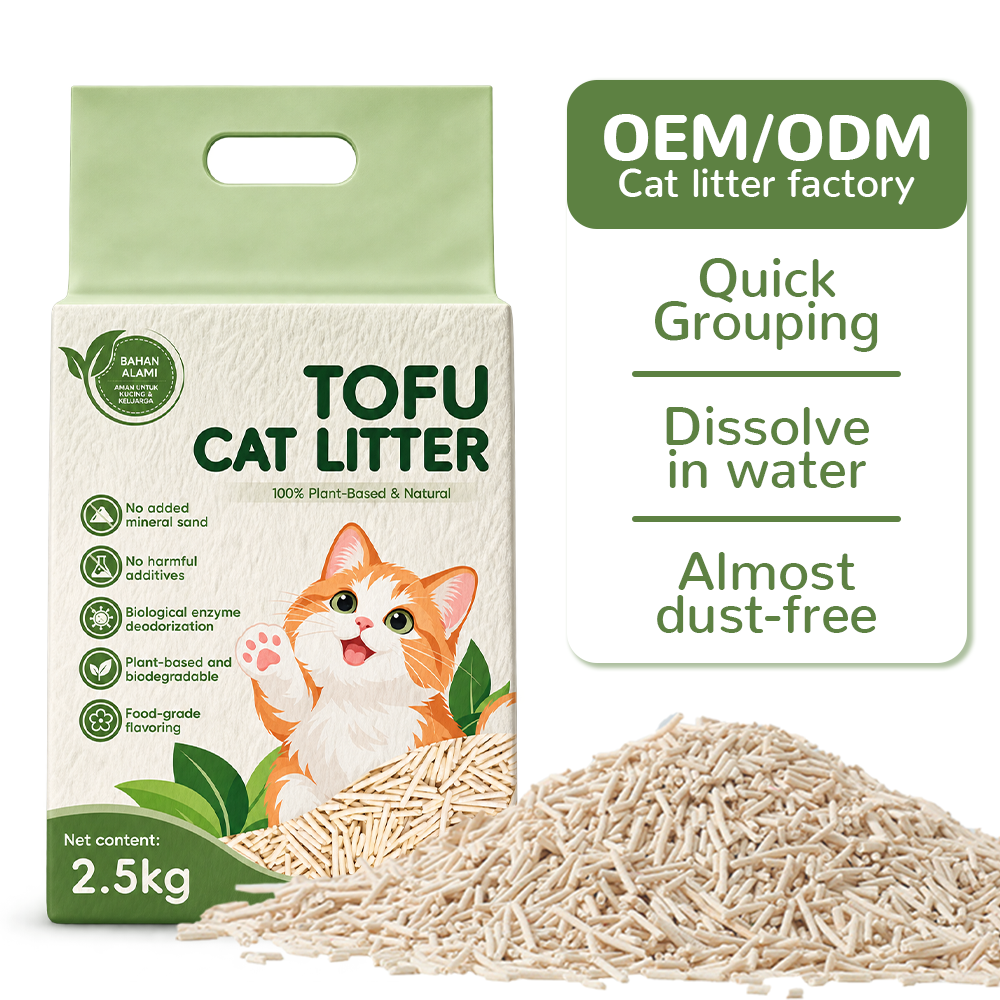
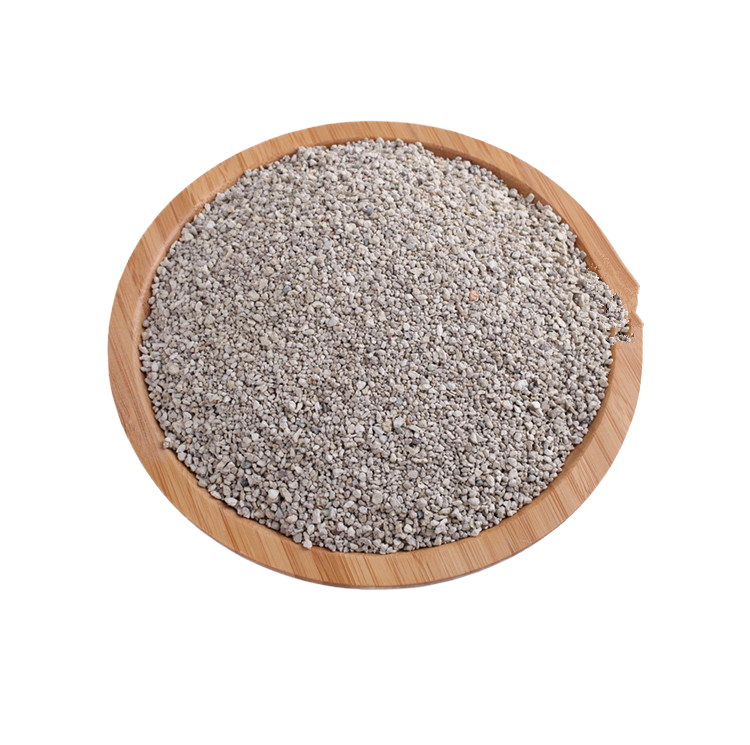
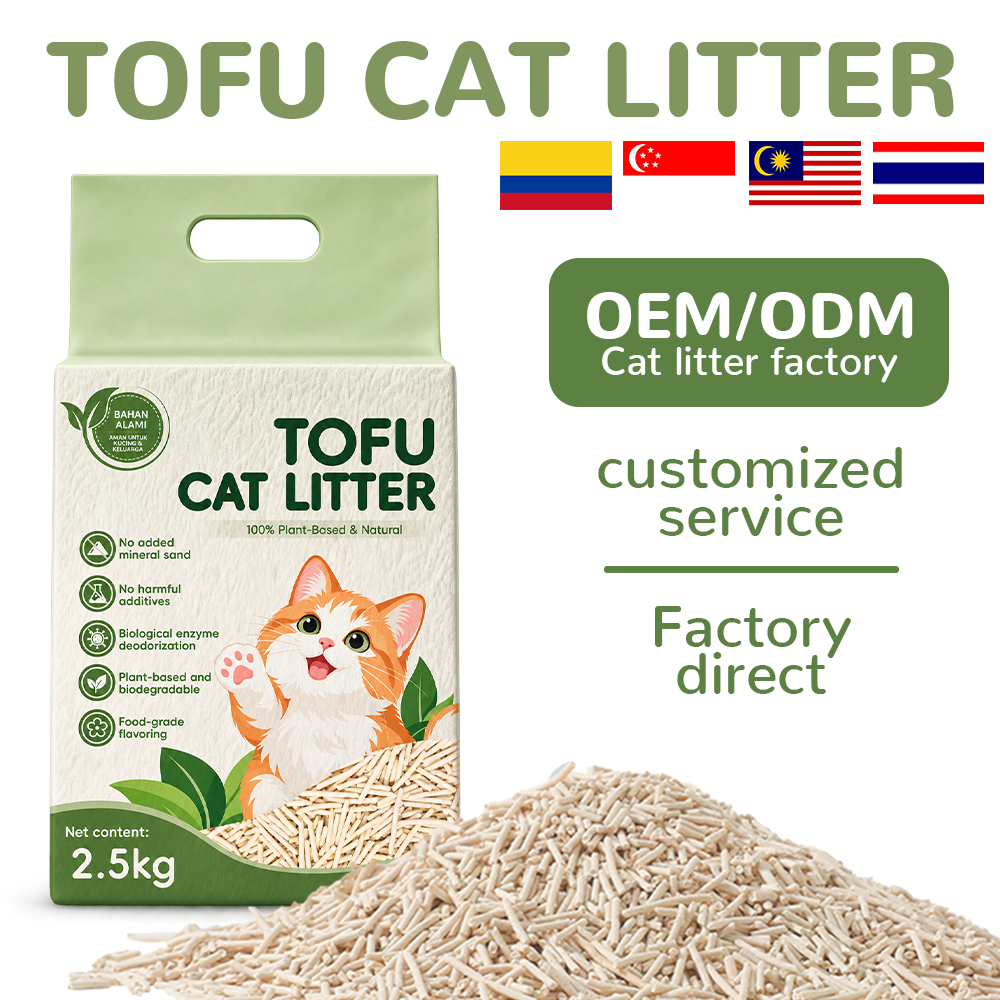
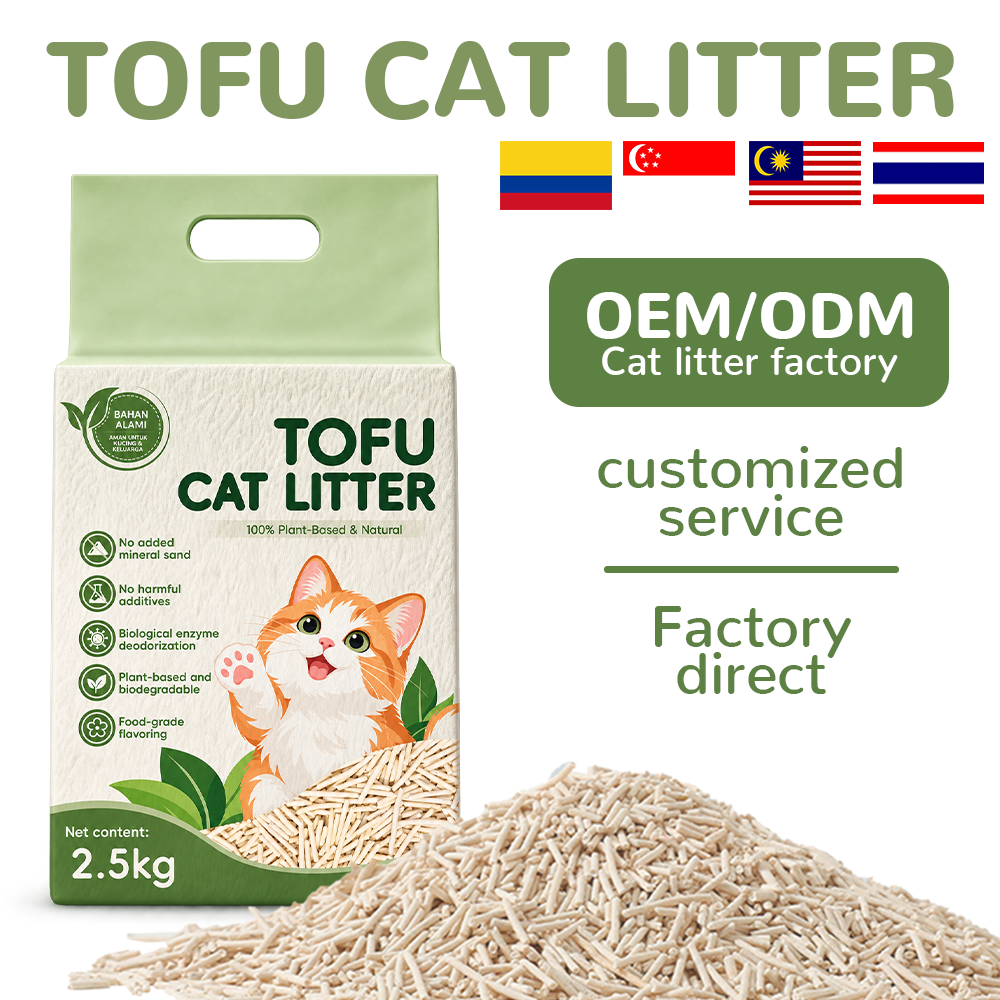
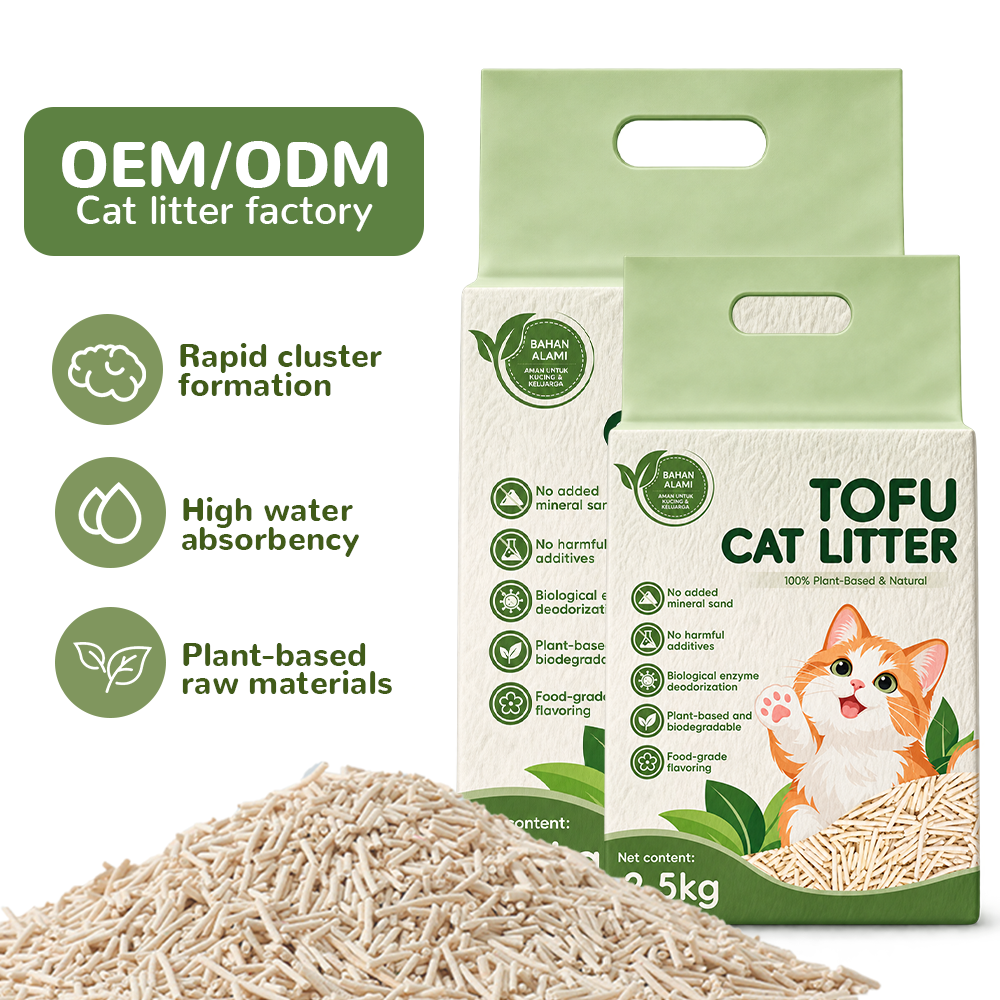
11
Modern Automated Lines
3,000T
Daily Output Capacity
99.8%
Dust Elimination Standard
10,000m²
Consolidated Export Warehousing
Technical Whitepaper
Why Cassava Pellets Outperform Conventional Mineral & Wood Substrates
An in-depth biochemical and physical breakdown of functional cassava starch pellets engineered specifically for commercial volume importers.
The Macromolecular Chemistry of Rapid Gelatinization
Cassava (Manihot esculenta) contains an exceptionally high concentration of native amylopectin—the highly branched glucose polymer responsible for intense visco-elastic network formation. When feline urine contacts our hot-extruded cassava pellets, the branch-chain starches undergo instantaneous swelling without requiring artificial synthetic polyacrylates or sodium carboxymethyl cellulose (CMC).
Within 1.5 to 2.0 seconds, liquid is mechanically trapped within the expanding starch granules, generating an ultra-dense, low-mass disk that remains completely on the surface of the litter bed. Unlike sodium bentonite, which sinks to the bottom of the tray and forms cement-like pan adhesion, cassava clumps exhibit zero box tackiness, significantly reducing litter replenishment frequency for multi-cat households.
Engineered Pellet Density vs. Dust Generation Mechanics
One of the primary failure points in overseas shipping of plant-based litter is mechanical attrition. Prolonged maritime vibrations across trans-Pacific transit cause friable pellets to rub together, arriving at Canadian West Coast ports with 3% to 6% fine powder accumulation—an immediate cause for consumer returns.
Our Hebei manufacturing complex employs a dual-stage post-extrusion curing process followed by a 5-step positive-and-negative air pressure dedusting tower. Our pellets achieve an axial crushing resistance rating exceeding 28 N, yielding a certified dust index of less than 0.2%. This creates a genuinely hypoallergenic environment that safeguards feline respiratory airways against chronic feline bronchitis and asthma.
Information Gain Insight: Amylopectin-driven cassava pellets deliver up to 3.8x their weight in water retention, achieving higher absorption efficiency than standard softwood or wheat litter. Because cassava clumps do not desiccate into fragile wafers over time, they survive routine sifting without crumbling back into clean substrate.
Market Adaptation
Localized Applications Across Canadian Household Environments
Addressing structural urban density, closed-window winter confinement, and municipal solid waste divergence programs from Vancouver to Montreal.
High-Rise Condominiums & Compact Suites
In high-density metropolises like Toronto and Vancouver, indoor apartments remain tightly sealed throughout long winter months. Cassava's natural carbohydrate-level volatile compound absorption traps pungent ammonia molecules directly at the molecular level without requiring heavy perfumes that trigger indoor allergies.
Municipal Composting & Green Bin Compatibility
With Canadian provincial initiatives aggressively targeting landfill diversion (such as Ontario's Food and Organic Waste Framework and Metro Vancouver's organics bans), our 100% biodegradable cassava pellets decompose naturally in municipal and industrial composting systems within 60 to 90 days.
Sub-Zero Supply Chain Freeze-Thaw Resilience
Canadian winter freight routinely experiences temperatures below -25°C between Prince Rupert rail terminals and Calgary intermodal depots. Bentonite clay and low-grade wet pastes often crack or experience starch re-crystallization failure under these thermal swings; our pellets maintain molecular stability without brittleness.
Strategic Foresight
Emerging Canadian Pet Care Industry Trends
Capitalize on consumer-led shifts from strip-mined clay toward circular, non-toxic bio-based substrates.
The Phasing Out of Strip-Mined Bentonite
Eco-conscious Canadian pet guardians increasingly reject open-pit bentonite mining due to its carbon-intensive quarrying and non-renewable environmental impact. In contrast, cassava is an annually renewable root crop characterized by drought tolerance and high caloric density per acre. Brand narratives centered on sustainability are winning market share at Canadian independent pet retailers and national pet chains alike.
Additionally, silica dust from low-grade clay products has come under increased consumer scrutiny for potential crystalline silica inhalation hazards. Cassava pellets, produced exclusively from edible root starches and food-grade plant fibers, provide absolute peace of mind for kitten rearing and post-operative recovery care.
E-Commerce Shipping Weight Optimization
With Canada's vast geography, direct-to-consumer e-commerce logistics charges are heavily governed by volumetric weight and cubic foot parcel thresholds (Canada Post, UPS, and Purolator). Cassava litter pellets carry a bulk density of approximately 0.50–0.58 g/cm³, nearly half the volumetric mass of sodium bentonite (which averages 0.95–1.05 g/cm³).
This massive weight reduction yields two decisive commercial advantages: it halves final-mile shipping charges for e-commerce subscription box brands, and it relieves urban pet parents of the physical burden of carrying 40-pound clay bags up multi-story apartment buildings.
Factory Infrastructure
Engineered Scale in the Heart of China's Pet Cluster
Operating from Xingtai, Hebei—responsible for over 60% of national pet product exports—we guarantee batch-to-batch consistency and raw-material traceability.
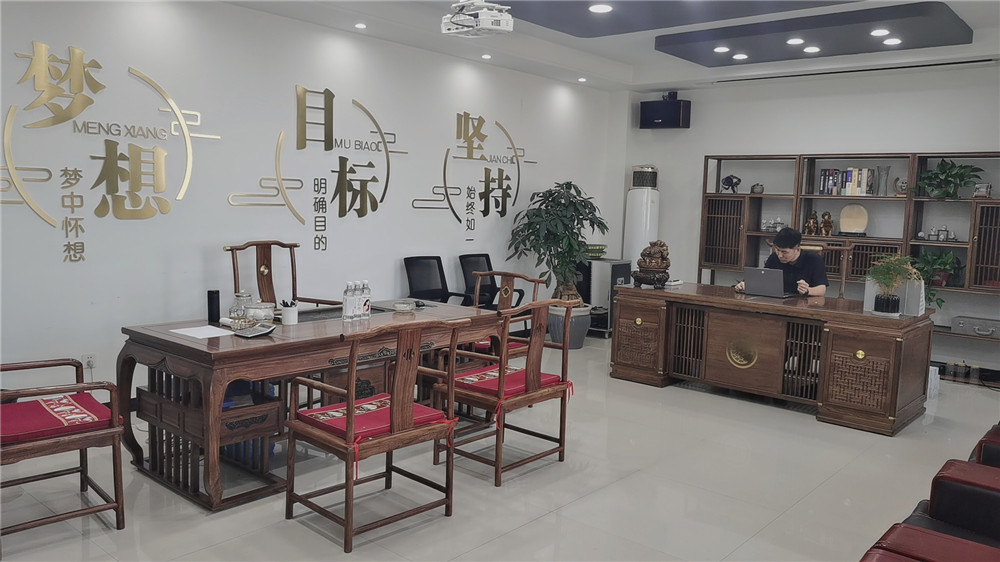
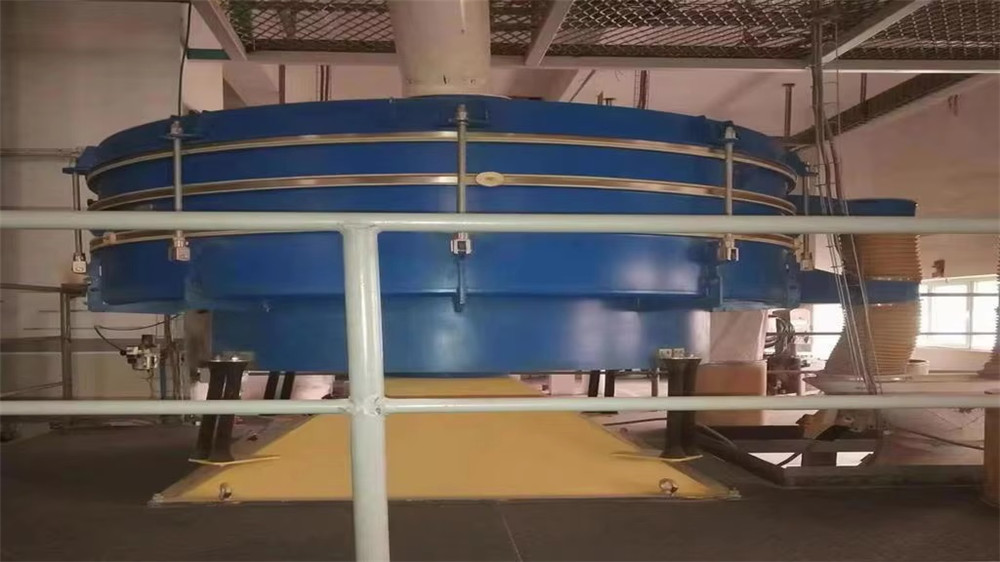
Automated Granulation & Extrusion Lines
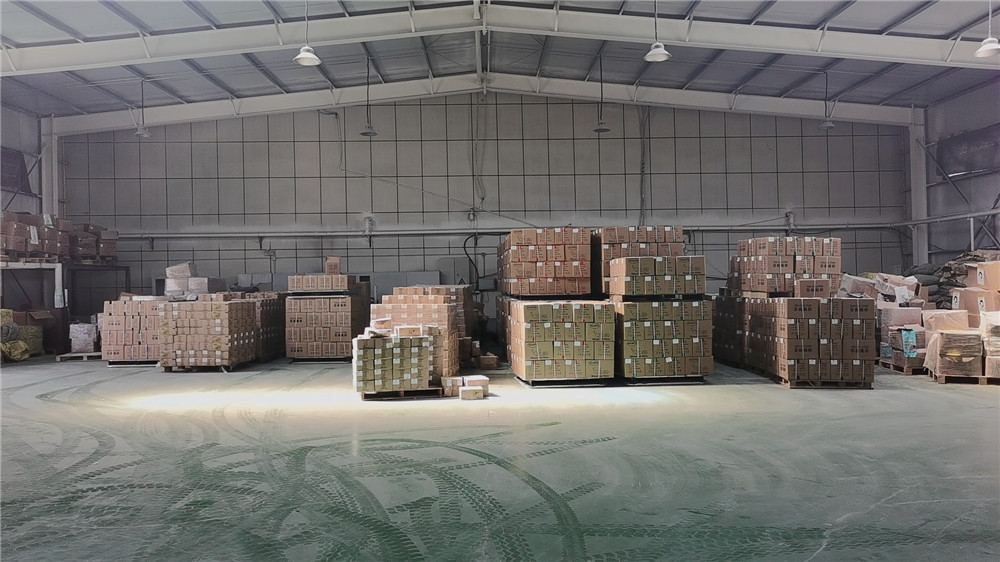
In-House Physicochemical Testing Lab
Tianjin Port Direct Container Drayage
 SGS Onsite Verified
 ISO 9001 Certified
 ISO 14001 Compliant
 ISO 22000 Production Standard
Procurement Knowledge Base
Frequently Asked Questions by Canadian Buyers
Detailed technical, regulatory, and trade mechanics for commercial purchasers entering plant-based pet product programs.
Does cassava cat litter require Canadian Food Inspection Agency (CFIA) permits?
Cassava litter manufactured at our Hebei facility is classified as a fully processed, non-viable, heat-extruded plant derivative (HS Code: 1404.90 / 3307.90). Because the starch matrix is thermally treated above 120°C during pelletizing, all organic pathogens and germination potentials are destroyed. We provide comprehensive phytosanitary documentation, non-wood packing certificates, and manufacturer process flow declarations to ensure seamless customs clearance through the Canada Border Services Agency (CBSA) and CFIA automated import declaration portals.
How does cassava litter compare with bentonite and tofu litter in sub-zero shipping conditions?
Unlike sodium bentonite—which is vulnerable to exterior freeze-thaw condensation cycles that can generate micro-clumping inside uninsulated sea containers traversing the northern Pacific—cassava litter retains a balanced equilibrium moisture content below 9.5%. In contrast to low-grade tofu litter containing high free soy protein that can attract mildew if damp, cassava starch consists of inert polysaccharides that do not hydrolyze or sour inside cold, sealed container holds during transit to Vancouver or Prince Rupert.
What are the minimum order quantities (MOQ) for Canadian private-label branding?
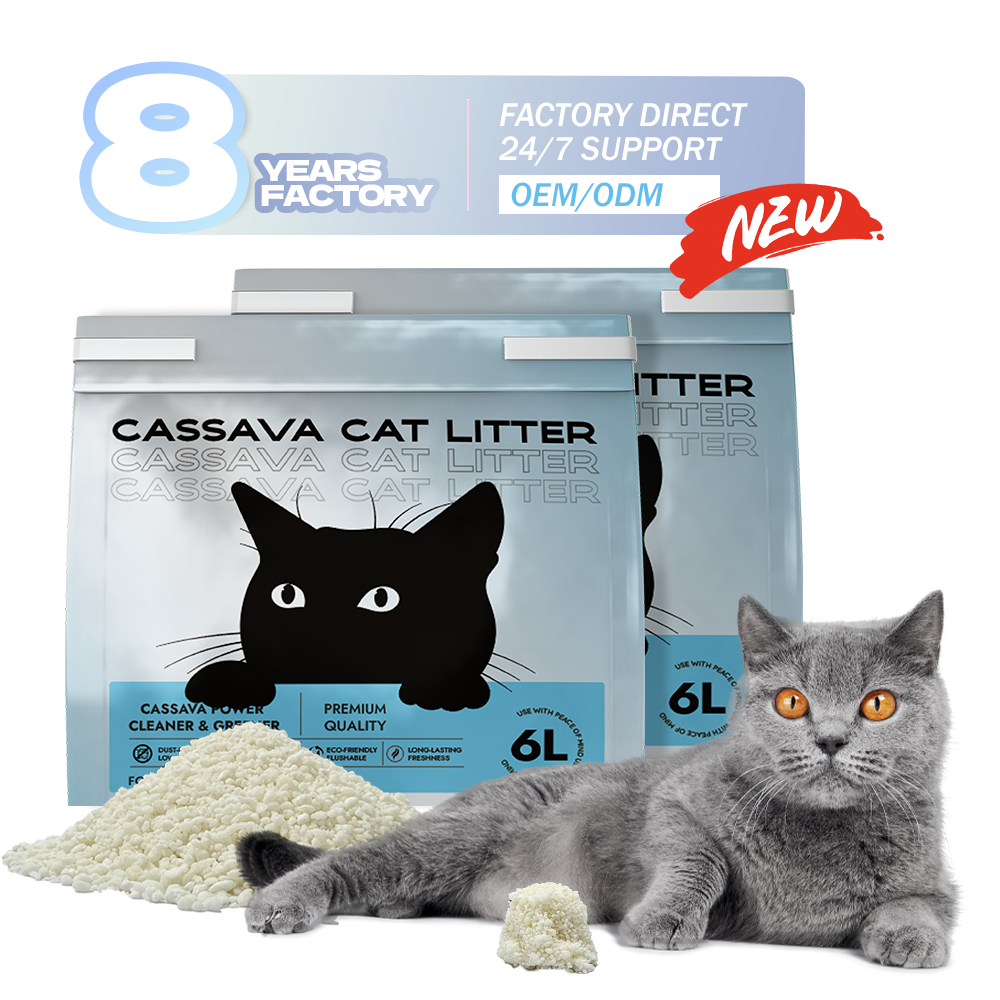
We offer staged entry points designed for both growing direct-to-consumer e-commerce companies and national retail chains. For neutral factory-branded trial runs or stock-formula bags, our MOQ begins at just 100 bags. For custom-gravure-printed quad-seal or flat-bottom foil pouches (6L or 2.5kg configurations) displaying your proprietary branding and bilingual English/French labeling, the MOQ is typically 13,000 bags. We also accommodate split flavor and granule size runs across consolidated 40-foot HQ containers.
Can Canadian buyers consolidate cat litter with puppy pee pads or pet food in one container?
Yes. Leveraging our cluster integration across Nanhe District's 50+ specialized pet production facilities, we provide multi-category container consolidation. Importers can place high-density pallets of cassava pellets on the container floor, topped with lighter volumetric goods such as our 5-layer SAP training pee pads, semi-enclosed litter boxes, or freeze-dried treats. This fully maximizes both payload weight and cubic meter utilization, driving down average freight cost per SKU.
Is cassava cat litter safe for multi-cat households and older residential plumbing systems?
Yes. Unlike clay, which hardens inside sewer traps and residential piping, cassava pellets undergo rapid dispersion when exposed to high volumes of water. Because the cohesive forces are based on water-soluble starch bonds rather than irreversible mineral bonds, the clumps soften and break down completely within 60 to 90 seconds of bowl submersion, ensuring complete safety for residential plumbing systems when flushed in individual clusters.
What incoterms and maritime trade conditions are available for Canadian ports?
We provide FOB Xingang/Tianjin Port, CIF Port of Vancouver, CIF Port of Montreal, and full DDP (Delivered Duty Paid) door-delivery programs directly to your third-party logistics (3PL) fulfillment centers across Canada. We accept flexible commercial payment instruments including T/T, Irrevocable Letters of Credit (L/C at sight), and documented open terms for long-standing distributor accounts.
Build Your Premium Canadian Private Label with Hebei Chupen
Speak directly with our senior pet product export engineers. Receive custom formulation samples, full pallet packing configurations, and transparent FOB/CIF pricing within 24 hours.