Core Catalog: Plant-Based Soybean, Cassava & Hygiene Solutions
Precision-extruded soybean fiber pellets, high-tack tapioca blends, and pet training consumables optimized for Coupang Rocket Delivery, Naver SmartStore, and Daegu regional retail distributors.
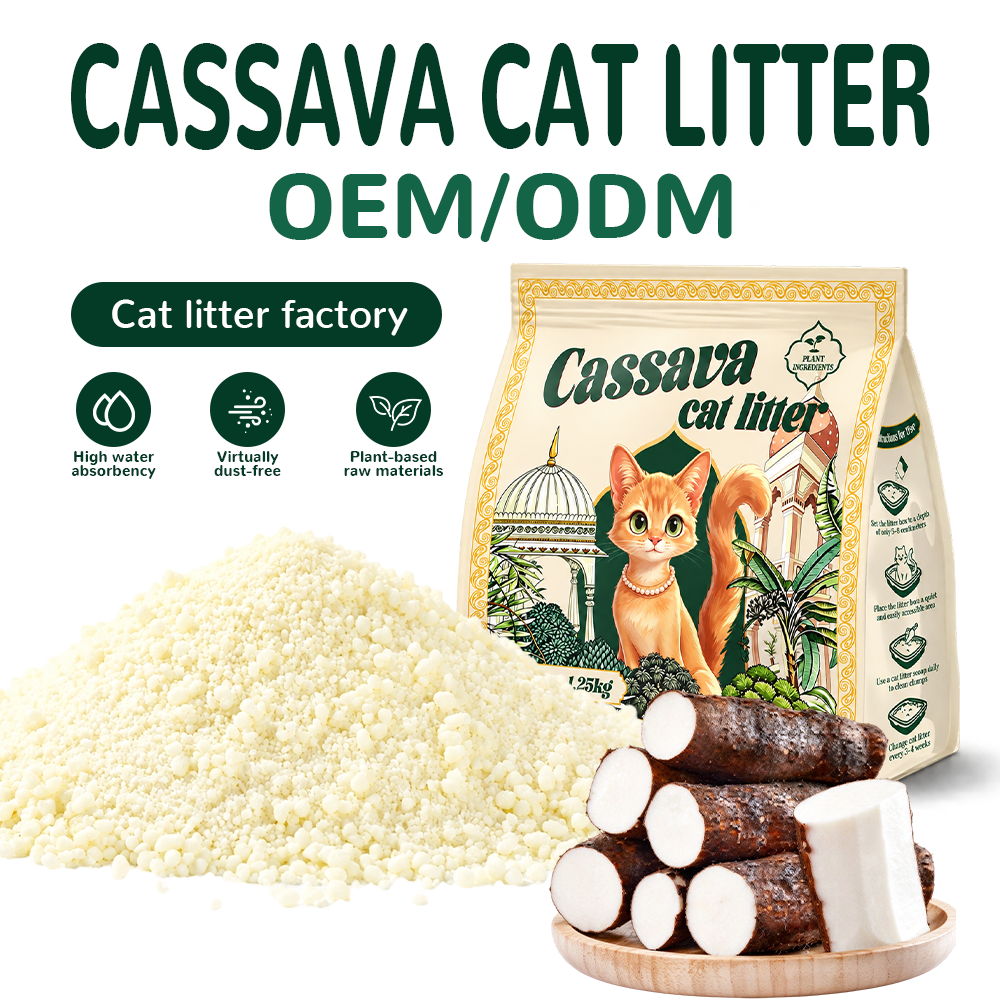 Plant Formula
 Hygiene Core
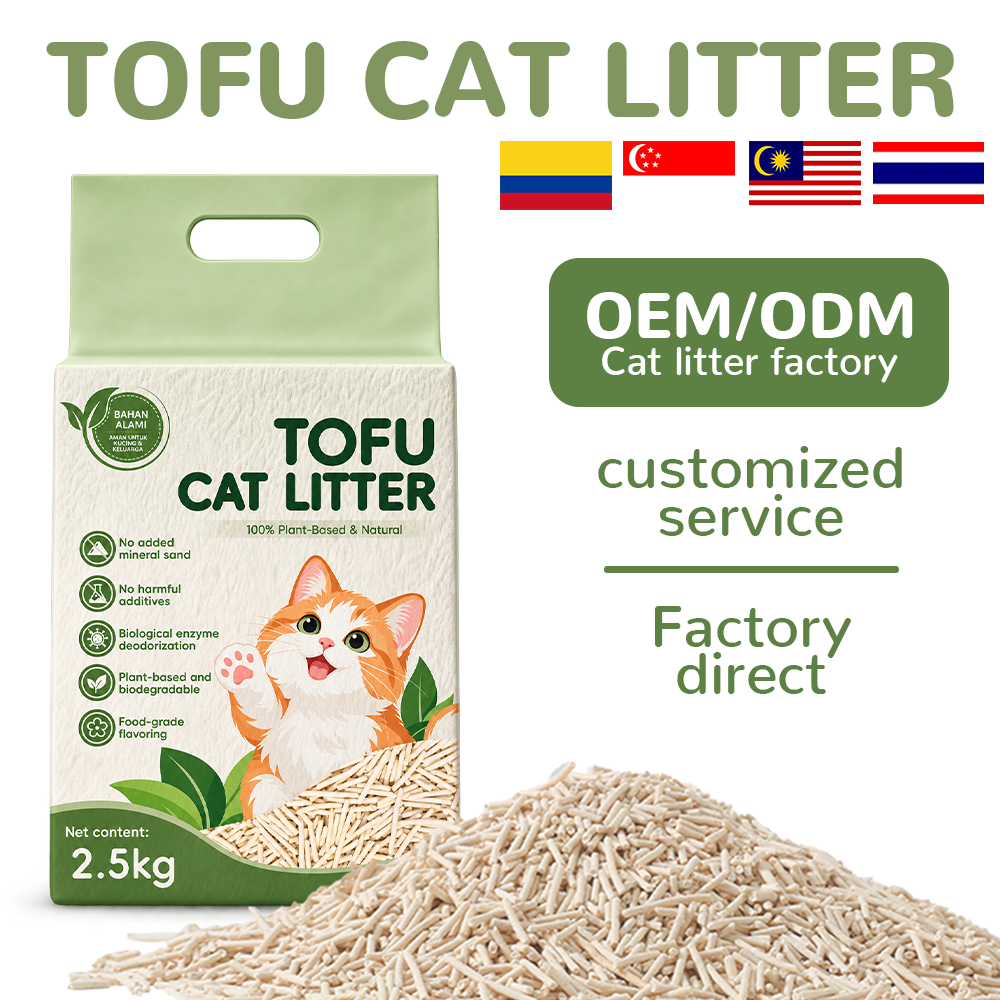 High Seller
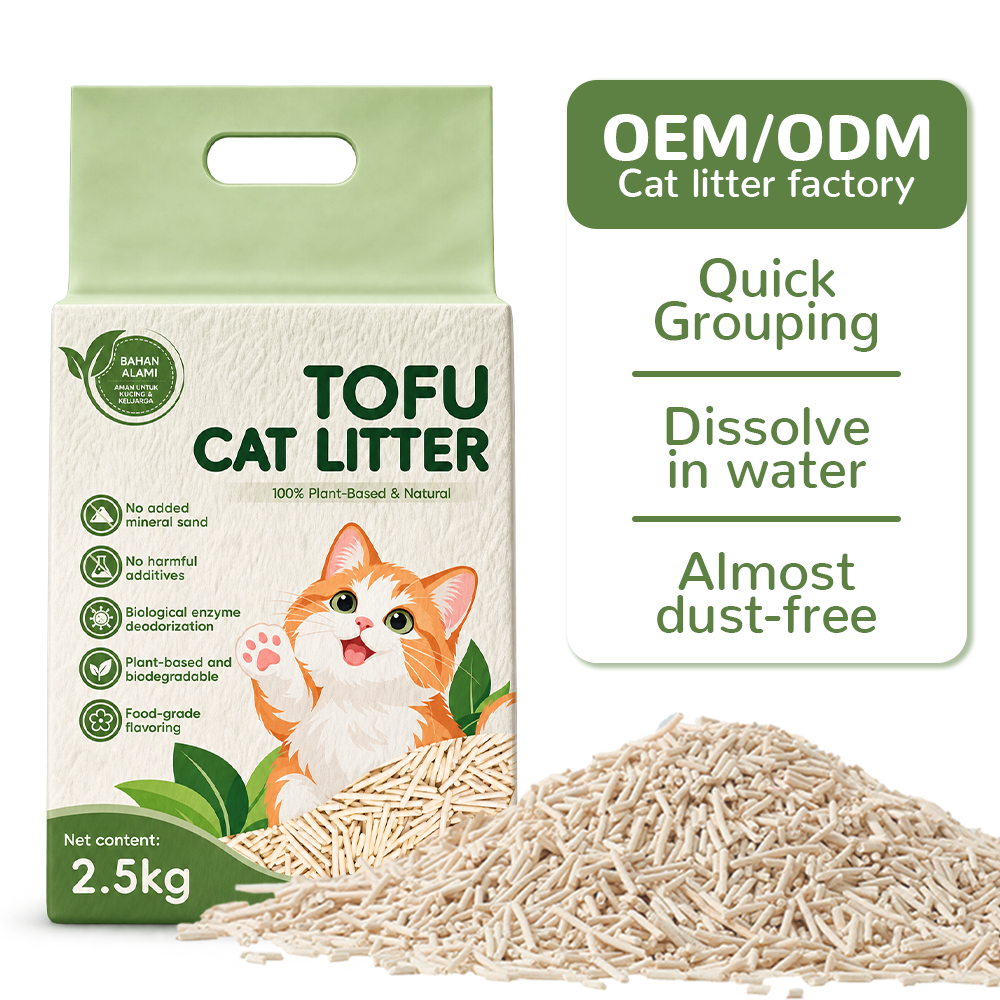 Quick Flush
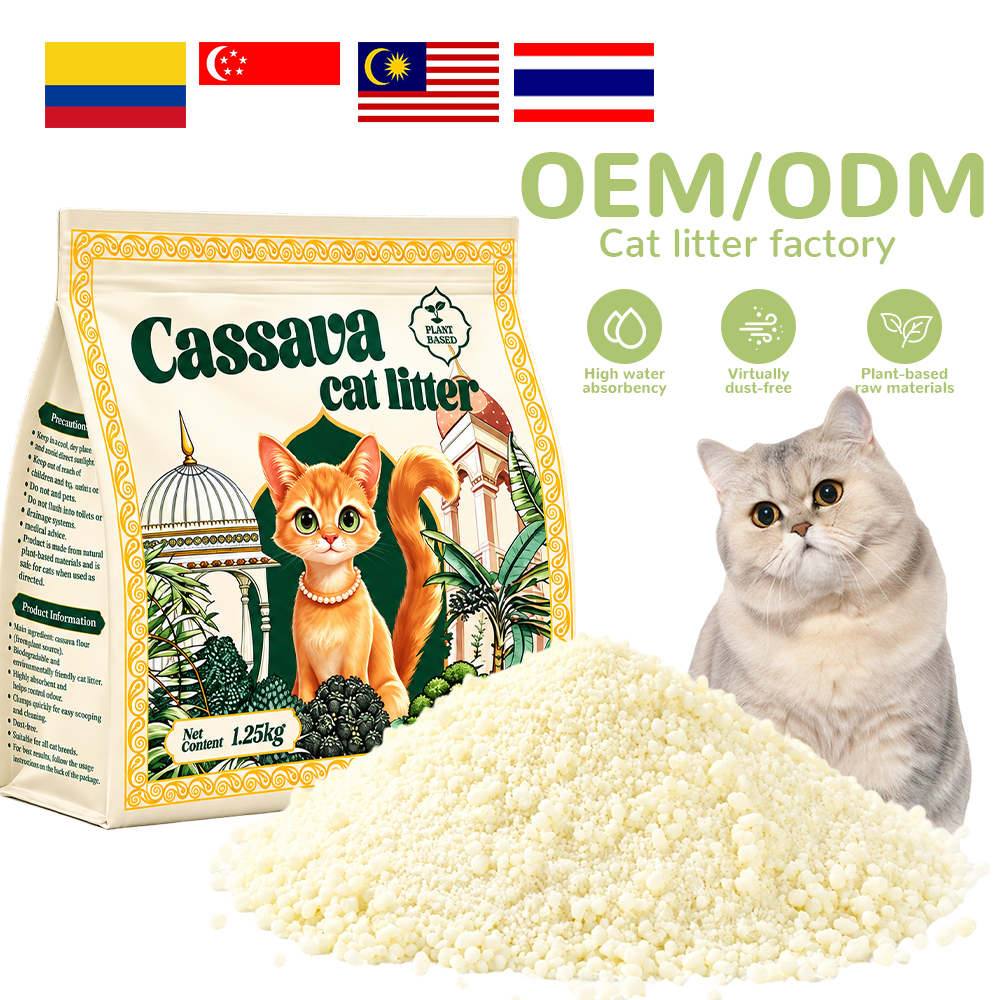 Private Label
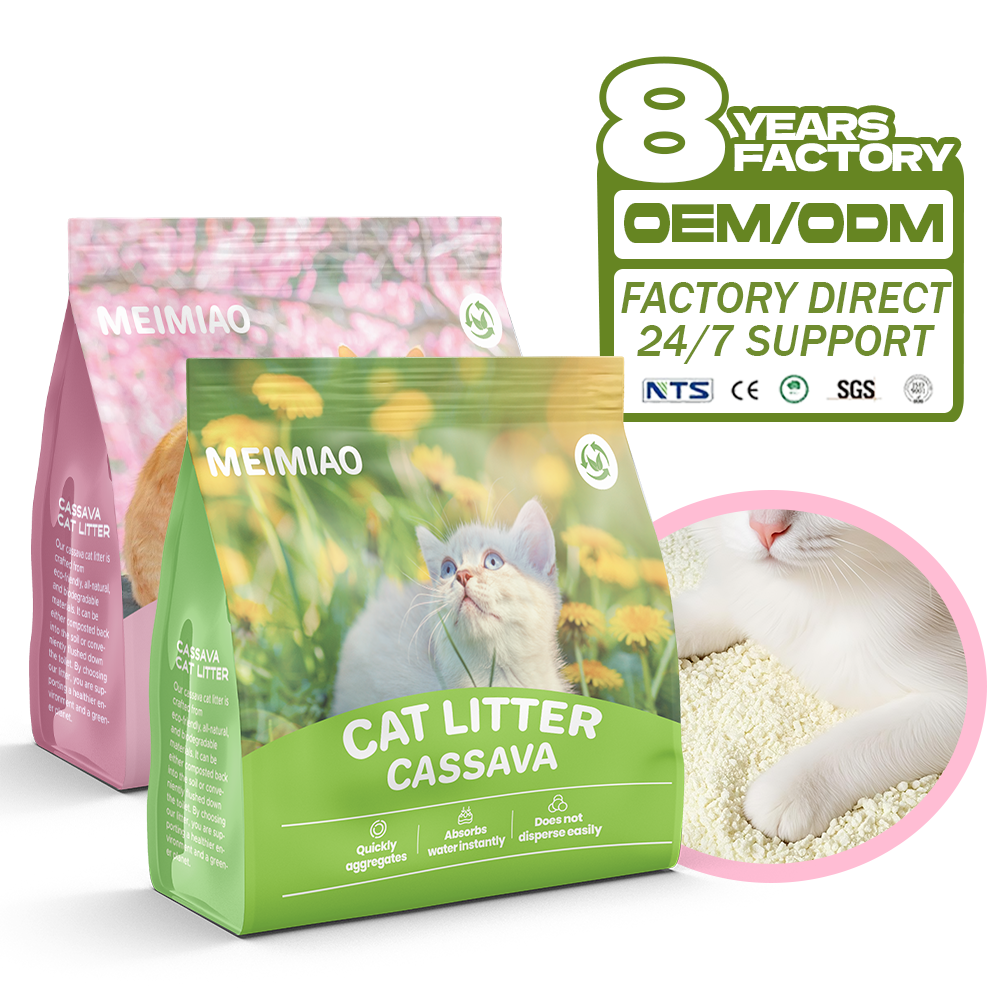 Hybrid Tech
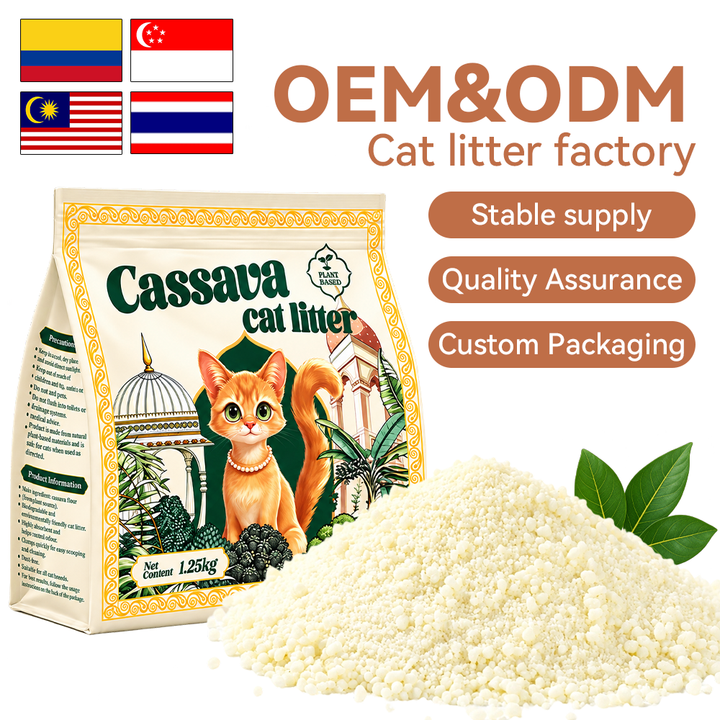 Factory Bulk
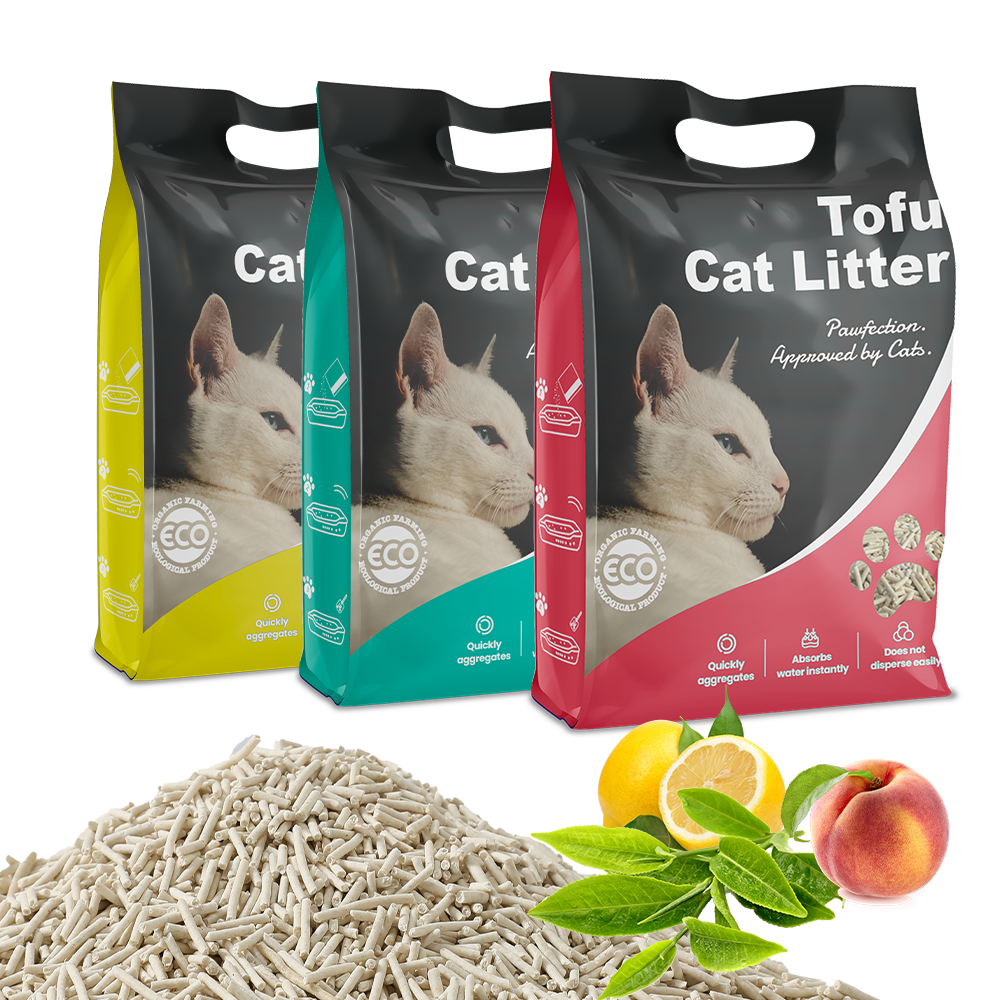 Anti-Dust Tier
The Daegu Metropolitan Landscape: Why Soybean Tofu Litter Dominates Local Procurement
The commercial distribution of companion animal substrates in Daegu Metropolitan City (대구광역시) has reached an inflection point. With over 67% of Daegu’s pet-owning demographics residing in high-density multi-family housing (아파트) across districts such as Suseong-gu (수성구), Dalseo-gu (달서구), and Buk-gu (북구), feline hygiene habits are directly bound to municipal regulations, micro-apartment architectures, and regional meteorological realities. Professional Korean procurement officers and OEM brand directors no longer view cat litter as an undifferentiated bulk commodity; it is an engineered urban waste-management substrate.
Unlike suburban domestic pet environments in Western continents where bentonite clay can be discarded into outdoor yard bins or garden trash collectors, Daegu operates under South Korea's rigid Jongnyangje (종량제)—the national Volume-Rate Garbage Disposal System. Under this framework, heavy sodium bentonite creates catastrophic recurring costs for pet owners, as every liter of wet clay must be hauled down central apartment towers in costly official pre-paid plastic bags. Natural soybean (tofu) cat litter, derived from recovered food-grade soybean dregs (okara) and edible corn/pea starches, offers an instant solubility dynamic. This allows pet owners to discard scooped aggregations directly into standard Korean low-flow sanitary plumbing without sewer sediment agglomeration or hydraulic back-siphonage.
Furthermore, Daegu's inland basin geography—notoriously termed "Daefrica" (대프리카) due to intense summer heat spikes coupled with extreme relative humidity reaching upwards of 85% RH—poses severe micro-biological hazards for inferior plant-based substrates. Sub-standard plant litters with high free moisture content rapidly hydrolyze, curdle, and develop offensive fungal spores inside indoor litter trays. Hebei Chupen Pet Products Co., Ltd. resolves this structural issue by applying precision micro-extrusion alongside multi-stage infrared dehydration, keeping finished pellet residual moisture consistently below 8.5%. This guarantees a stable 24-month unopened shelf life across Daegu warehouses and retail stockrooms, even throughout the peak East Asian monsoon cycles.
Designed specifically for South Korea's vertical apartment plumbing, Chupen tofu pellets collapse and disperse in standing cold water within 12 seconds, preventing pipe encrustation.
A closed negative-pressure ventilation cycle removes micro-particulates down to <0.1%, protecting feline respiratory tracts and maintaining pristine wooden flooring in Daegu homes.
High-barrier 5-layer co-extruded nylon vacuum bricks (standard 2.5kg / 6L) resist Courier drops and friction during Coupang fulfillment and terminal distribution in Gyeongsangbuk-do.
Substrate Performance Matrix: Soybean Tofu vs. Traditional Minerals
B2B technical metrics calibrated for regulatory compliance under the South Korean Framework Act on the Management of Domestic Animal Feeds and Consumables.
| Evaluation Parameter | Chupen Micro-Pellet Tofu | Hybrid Cassava-Tofu Blend | Standard Bentonite Clay | Synthetic Silica Gel |
|---|---|---|---|---|
| Primary Raw Material | Food-Grade Soybean Fiber + Pea Starch | Tapioca Starch (70%) + Tofu (30%) | Raw Sodium Bentonite Clay | Amorphous Silicon Dioxide |
| Hydration Clumping Speed | < 2.5 Seconds | < 1.5 Seconds (High Tack) | 3.0 - 5.0 Seconds | Non-Clumping (Absorbent Only) |
| Municipal Disposal Method | Direct Toilet Flush / Food Compostable | Direct Toilet Flush (Micro-batch) | Jongnyangje Bag (Paid Waste) | General Incineration Waste |
| Average Clump Mass (50ml) | 42 - 48 grams (Lightweight) | 36 - 40 grams (Ultralight) | 90 - 110 grams (Heavy) | N/A |
| Free Airborne Dust Ratio | < 0.08% (Certified Lab) | < 0.05% | 1.2% - 3.5% (High tracking) | 0.5% - 1.0% |
| Formaldehyde / Harmful VOCs | 0.00 mg/kg (Zero Detection) | 0.00 mg/kg (Zero Detection) | Traces depending on mine quarry | Synthetic processing residuals |
| Daegu Apartment Compatibility | Optimal (98% Rating) | Excellent (95% Rating) | Moderate (High waste overhead) | Poor (Odor saturation issues) |
Emerging Procurement Trends Across South Korea & Gyeongsang Basin (2024–2030)
The South Korean companion animal sector has entered the era of the "Petfam" (Pet + Family), a social shift recognized by the Ministry of Agriculture, Food and Rural Affairs (MAFRA). In Daegu, where specialized pet distribution corridors along Jungang-daero and the Dongdaegu multi-modal transfer hub handle wholesale traffic for the entire Yeongnam region, procurement protocols are evolving across three definitive vectors:
1. The Proliferation of Hyper-Segmented Private Labels (PB) on Quick-Commerce: Traditional offline wholesale in Daegu is transitioning toward automated fulfillment networks. Importers who previously purchased generic white bags now require turn-key OEM/ODM brand incubation. Chupen provides turn-key packaging solutions: from micro-perforated glossy gravure bags to matte stand-up pouches equipped with laser-scored easy-tear notches and heavy-duty nylon side handles designed for seamless ergonomics during Coupang Rocket Delivery handling.
2. Micro-Pellet Form Factors Replacing Standard Cylinders: While traditional tofu cat litter measured 3.0mm in diameter, the South Korean feline behavior research indicates domestic indoor cats prefer finer particle sizes mimicking natural desert soil. Chupen’s export facility features cutting-edge German-engineered die plates producing 1.5mm micro-strips. This reduces consumption volumes by up to 28% per clump, limits inter-pellet air pockets, and prevents the "scatter-and-shatter" effect common in low-density plant litters.
3. Activated Carbon & Bio-Enzymatic Odor Trapping: Because Daegu apartments are heavily winterized with triple-pane insulated glass and airtight underfloor heating (Ondol / 온돌) systems, litter box odor cannot easily vent outdoors. Warm winter floors accelerate bacterial decomposition of urea into volatile ammonia. To combat this, our R&D facility incorporates steam-activated coconut-shell carbon granules and food-safe antibacterial organic agents directly into the tofu slurry before high-pressure extrusion, neutralizing ammonia volatilization at the molecular level within 30 seconds of contact.
Hebei Chupen Pet Products Co., Ltd.
Headquartered in Nanhe District, Xingtai—China's pet industry manufacturing capital producing 80% of the nation's domestic pet foods and 60% of pet commodities—Chupen operates an expansive supply infrastructure engineered for high-volume, reliable B2B exports.
With 11 dedicated industrial cat litter lines (5 for tofu, 3 for bentonite, 3 for silica) backed by an active daily output of 150 metric tons of plant litter and 3,000 metric tons of bentonite, our facilities provide guaranteed container scheduling, batch-to-batch chemical uniformity, and continuous quality audits.
The Daegu Logistics Corridor
- Factory to Port: 350 km dedicated freight route directly to Tianjin Port (3–5 hours transit).
- Ocean Line: Tianjin Port to Busan Port (부산항) direct feeder service in 36–48 hours.
- Domestic Overland: Busan Container Terminal via Gyeongbu Expressway (경부고속도로) directly into the Chilgok Daegu Inland Container Depot (ICD) within 1.5 hours.
- Total Transit: Rapid port-to-door cycles under 5–7 business days, ensuring fresh stock rotation and minimal inventory overhead.
Daegu Importers & Distributors FAQ
Direct answers covering South Korean quarantine protocols, customs clearance, private labeling, and port logistics.