Optimizing Plant-Based Litter Sourcing for South Korea’s Maritime Gateway
A technical guide for pet product distributors, online brand aggregators, and commercial importers in Busan and Gyeongsangnam-do.
As the principal logistics hub and maritime entrance of South Korea, Busan represents an extraordinary strategic corridor for pet consumer products. The metropolitan pet demographic across Haeundae, Busanjin, and Suyeong districts has mirrored nationwide urbanization trends, characterized by dense apartment living (Officetels and multi-story residential towers) and intensely discerning feline caretakers. Within this domestic environment, traditional bentonite formulations face continuous headwinds: dust precipitation triggers automated indoor air purification systems, heavy waste aggregates burden municipal volume-based trash bag systems (Jongnyangje), and maritime ambient humidity compromises low-grade clay absorbency.
Meeting the procurement expectations of modern Korean retail chains and specialized platforms (such as Coupang Rocket Delivery and Kurly) demands far more than basic packaging. It requires CE-certified, heavy-metal-free, and formaldehyde-tested natural soybean formulations engineered to resist ocean freight hygroscopic degradation during transit through the Bohai Bay to the Port of Busan. As an experienced exporter located in the core pet industry manufacturing cluster of Xingtai, Hebei, our production ecosystem delivers the microbiological purity, structural tensile integrity, and flushable dispersion rates mandatory for high-tier Korean commercialization.
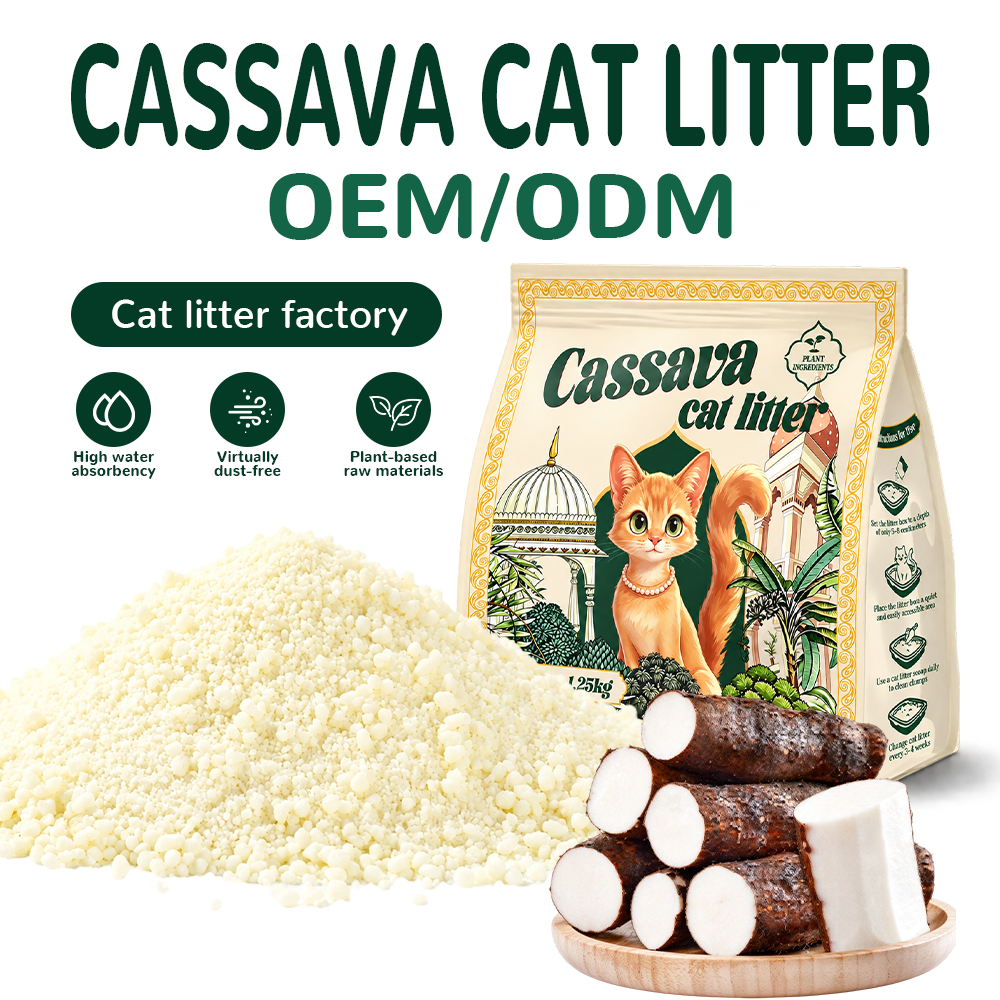
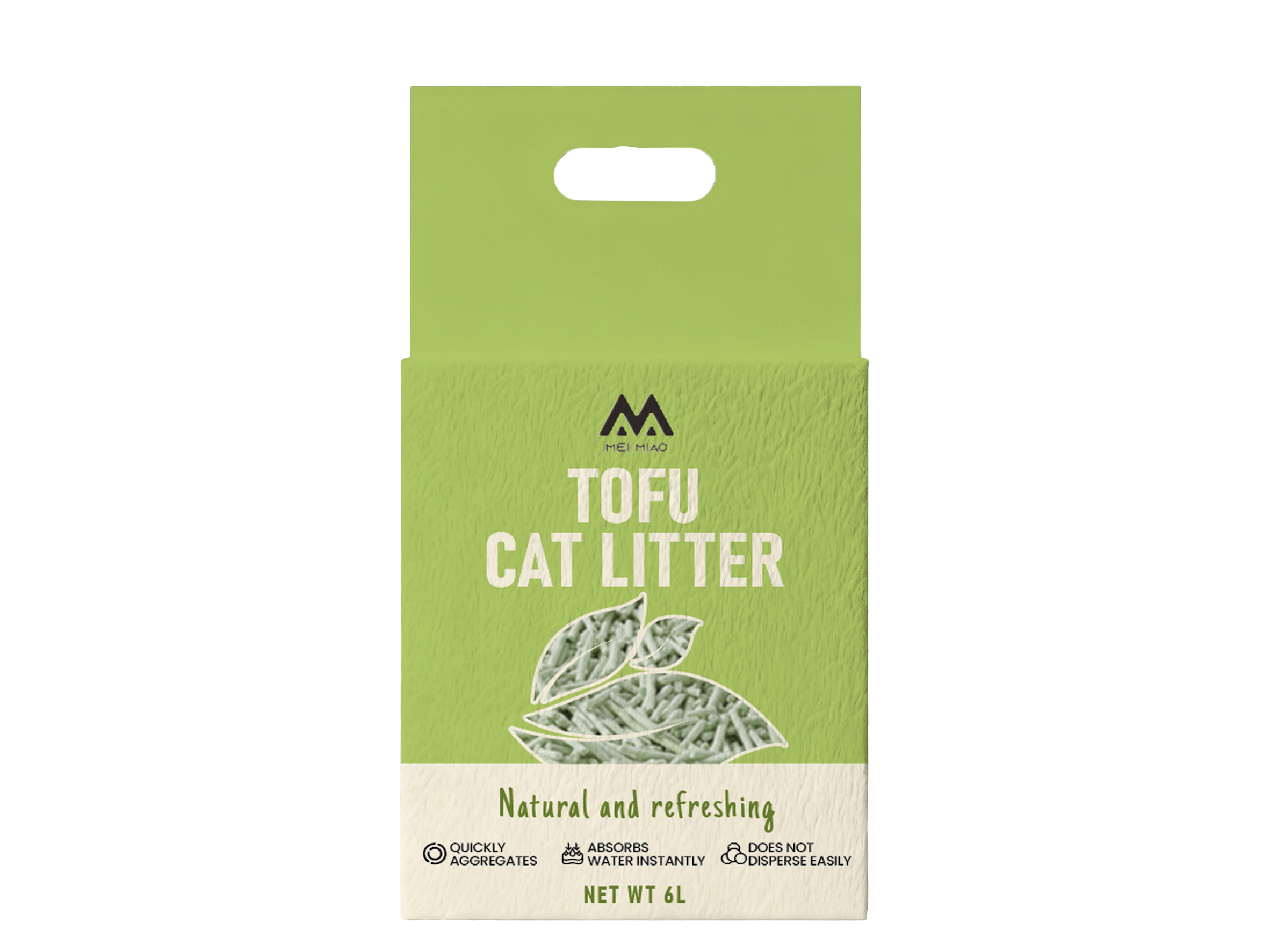
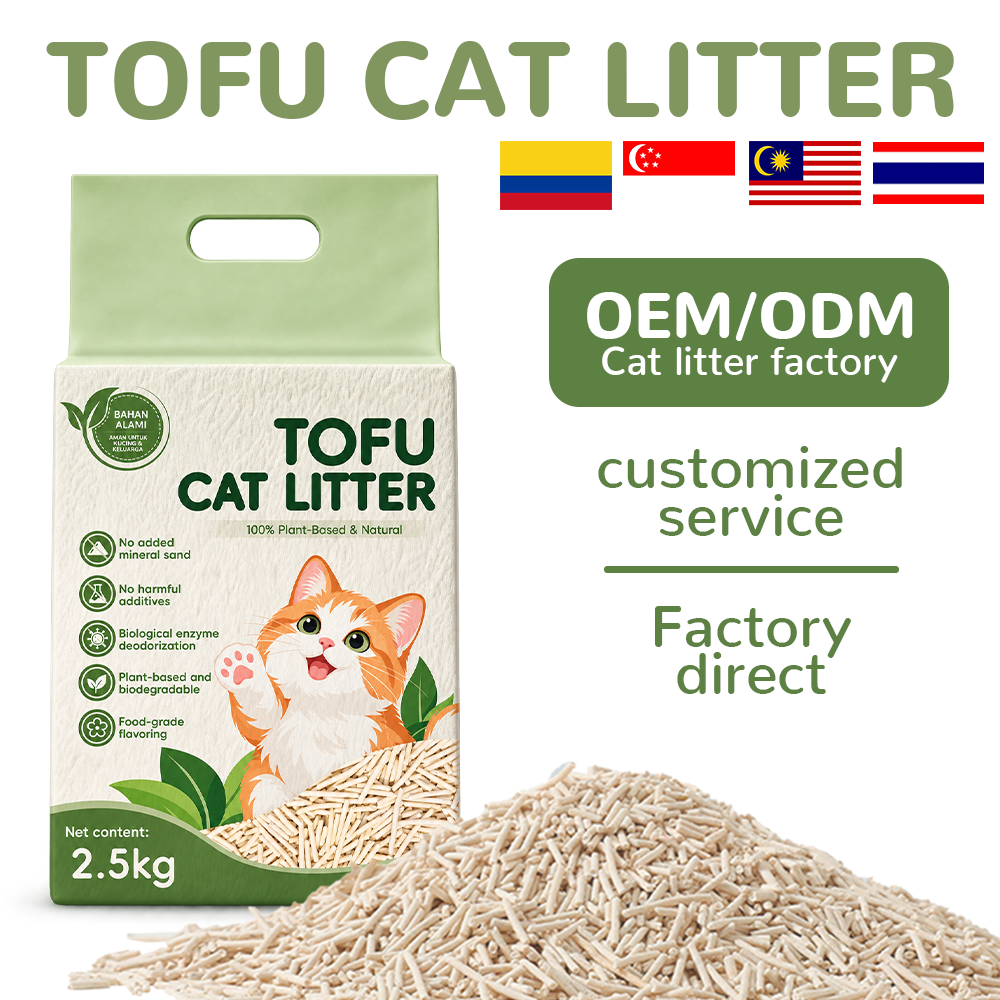
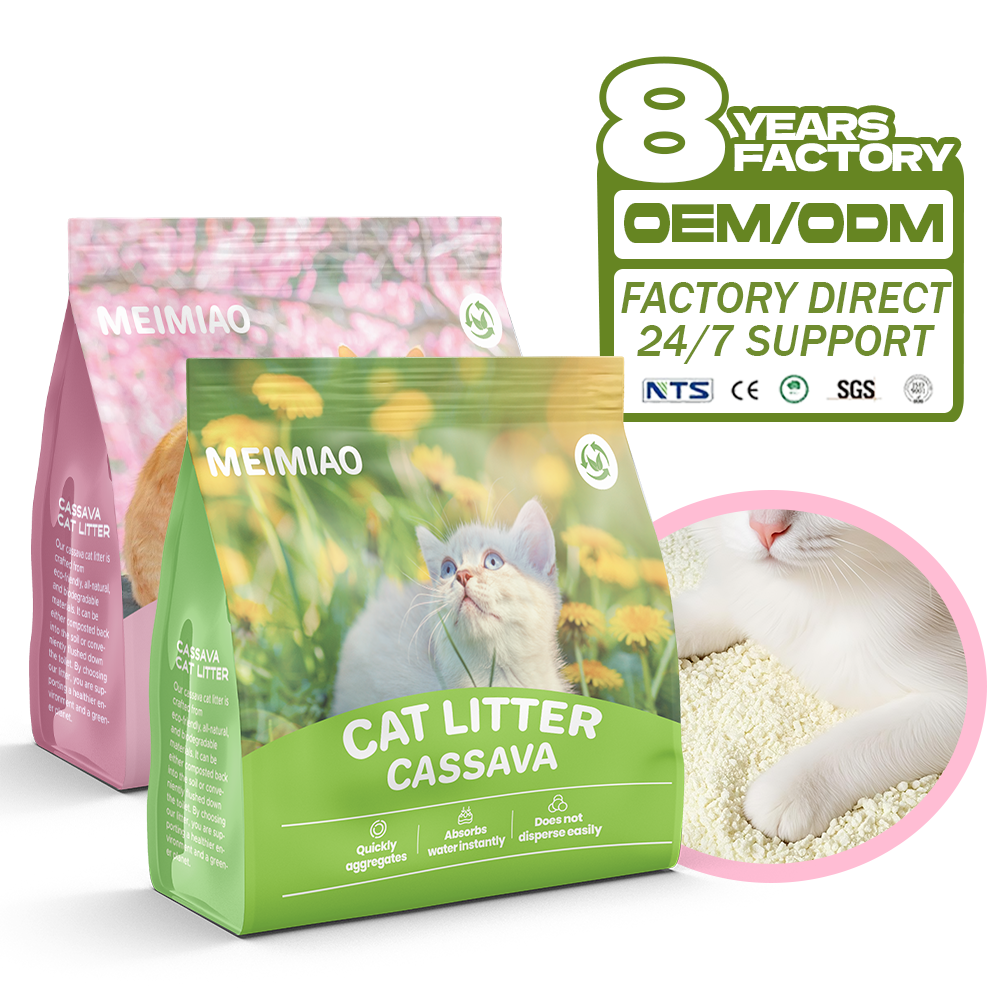
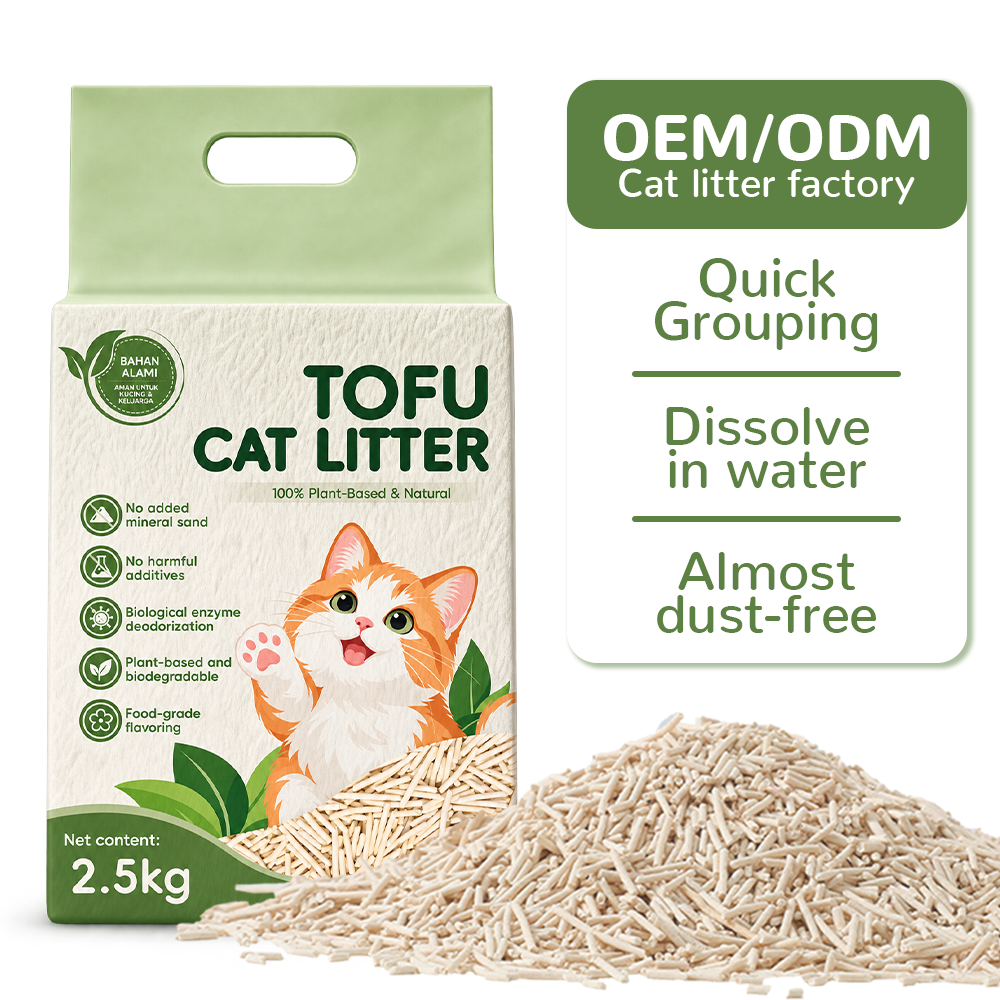
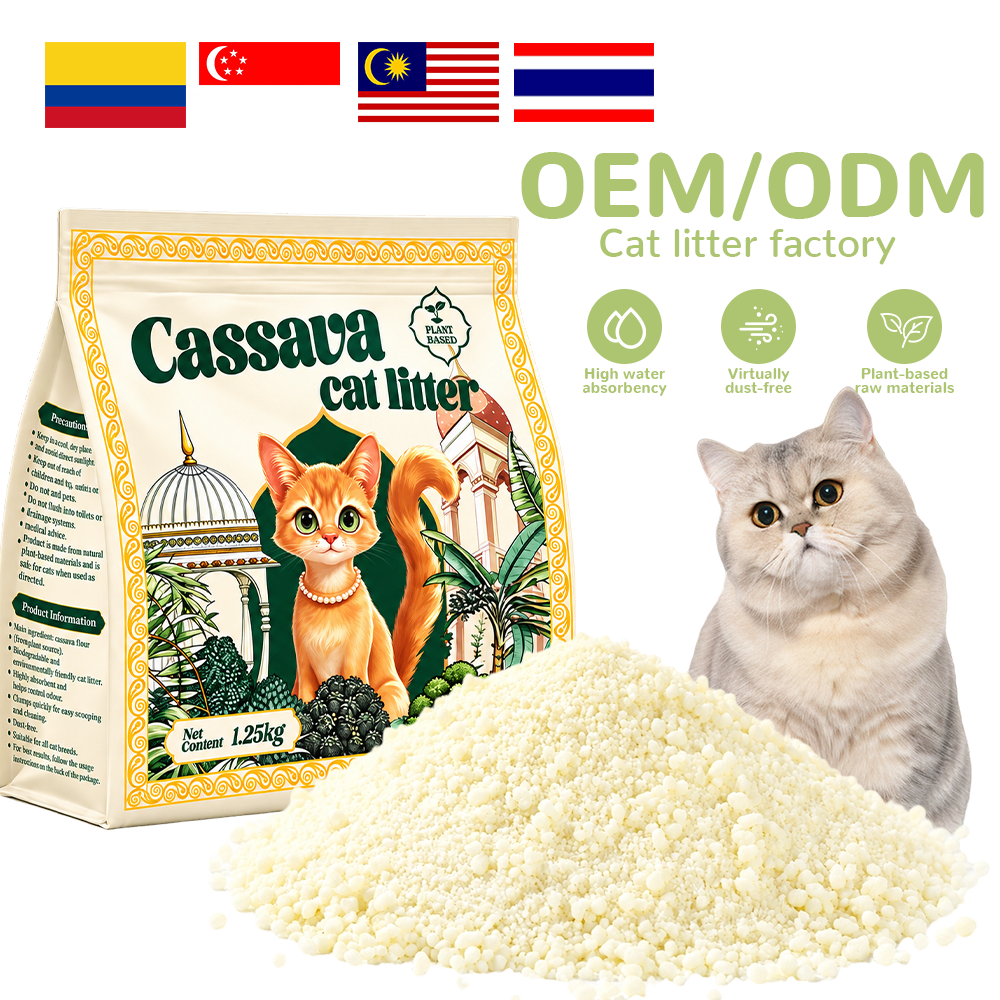
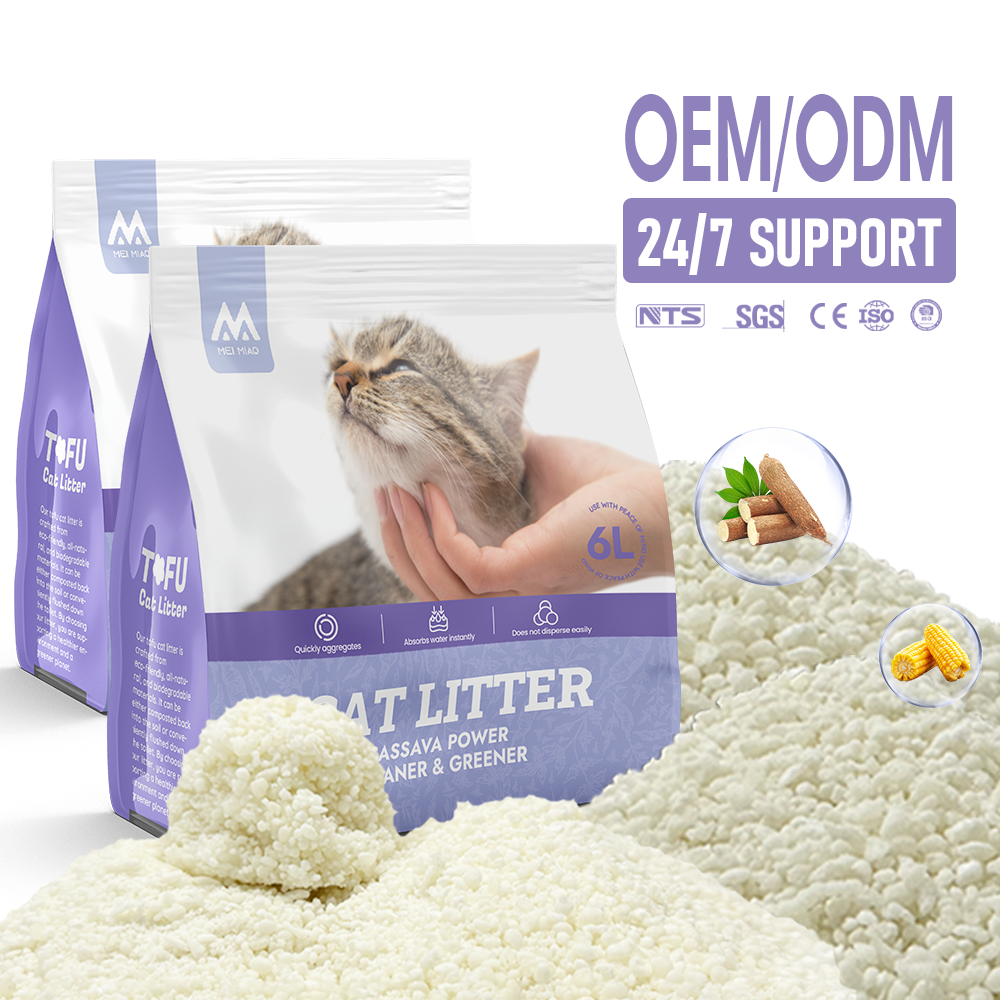
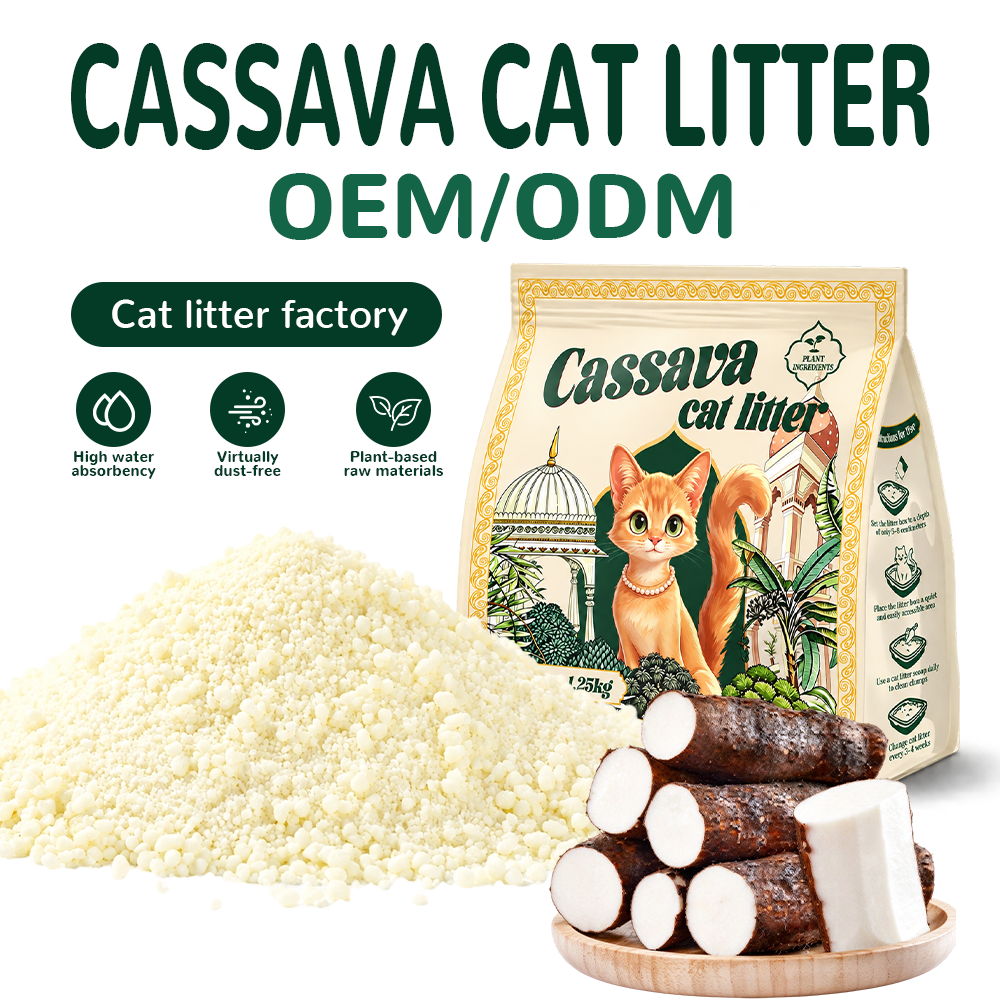
High-Performance Tofu & Cassava Formulations Ready for Busan Export
Selected biodegradable formulas engineered for high clumping speed, low dust emissions, and instant water dispersibility.
Material Performance Analysis for Busan Port Consignments
Comparative benchmarks against mandatory maritime transit integrity standards.
| Evaluation Metric | Chupen CE-Grade Tofu Litter | Standard Commercial Tofu | Imported Sodium Bentonite |
|---|---|---|---|
| Hydraulic Clumping Time | < 2.5 seconds (tight cohesion) | 4.5 – 6.0 seconds | 3.0 – 5.0 seconds |
| Base Material Composition | Food-grade soybean fiber & pea starch | Feed-grade bean byproducts | Quarried montmorillonite clay |
| Free Airborne Dust Ratio | < 0.15% (3-stage cyclone screening) | 0.8% – 1.5% | 1.2% – 3.8% |
| Ocean Freight Moisture Cap | ≤ 8.5% guaranteed at stuffing | 10.0% – 12.0% (mold risk) | ≤ 9.0% |
| Dispersion in Cold Water | 100% breakdown in < 15 seconds | Partial clump dissolution | Non-flushable (plumbing blockage) |
| Formaldehyde & Heavy Metals | Undetected / Nil (SGS Verified) | Variable / non-standardized | Trace mineral impurities |
Addressing the Environmental Demands of Busan Pet Households
How physical product properties directly solve urban living friction across South Gyeongsang.
High-Density Coastal Residential Towers
Marine moisture in Busan’s beachfront communities (such as Marine City and Haeundae LCT) exposes open cat pans to perpetual relative humidity exceeding 75%. Traditional plant litters soften and lose clumping efficacy. Our thermo-sealed starch stabilization process ensures pellets maintain low water-activity levels (< 0.55 aw), resisting ambient saturation and preventing early spoilage.
Apartment Plumbing & Toilet Flushability
Busan apartment regulations discourage heavy solid waste disposal in standard chutes, while high trash bag fees (Jongnyangje) incentivize flushable waste. Chupen tofu pellets undergo rapid hydraulic deflocculation upon contacting excess water volume, ensuring smooth transit through modern P-traps and residential drainage pipes without pipe scale aggregation.
Stringent Volatile Compound Protocols
Korean pet parents place great emphasis on companion health, rejecting volatile organic chemicals and synthetic binders. Manufactured with CE-compliant protocols and certified through SGS laboratory panels, our formulations contain zero detectable acetaldehyde, benzene, or heavy metals—protecting feline respiratory and urinary tracts.
Emerging Market Trends Across the Korean Pet Hygiene Sector
Strategic directions defining brand competition and buyer acquisition in 2025–2026.
The South Korean pet care market is experiencing structural sophistication. In metropolitan centers like Busan, three micro-trends are actively shaping retail distribution contracts:
Transition to 1.5mm Micro-Pellets
Traditional 3.0mm diameter cylinders are being phased out in favour of ultra-fine 1.5mm pellets. Korean consumers demand paw-feel comparable to natural sand, ensuring feline acceptance without the dust cloud typically associated with mineral bentonite.
Plant-Hybrid Formulations
The latest Korean market entrants utilize synergistic blends: 70% fine tofu pellets infused with 30% crushed cassava granules or activated charcoal elements. This hybrid structure eliminates ammonia vapor quickly while maintaining complete flushability.
Rapid Logistics Feeder Alignment
Busan-based distribution centers prioritize high-frequency, predictable shipping rotations over massive warehouse stockpiling. Our factory proximity to Tianjin Port enables 48-to-72 hour ocean transit schedules, optimizing cash conversion cycles for Korean importers.
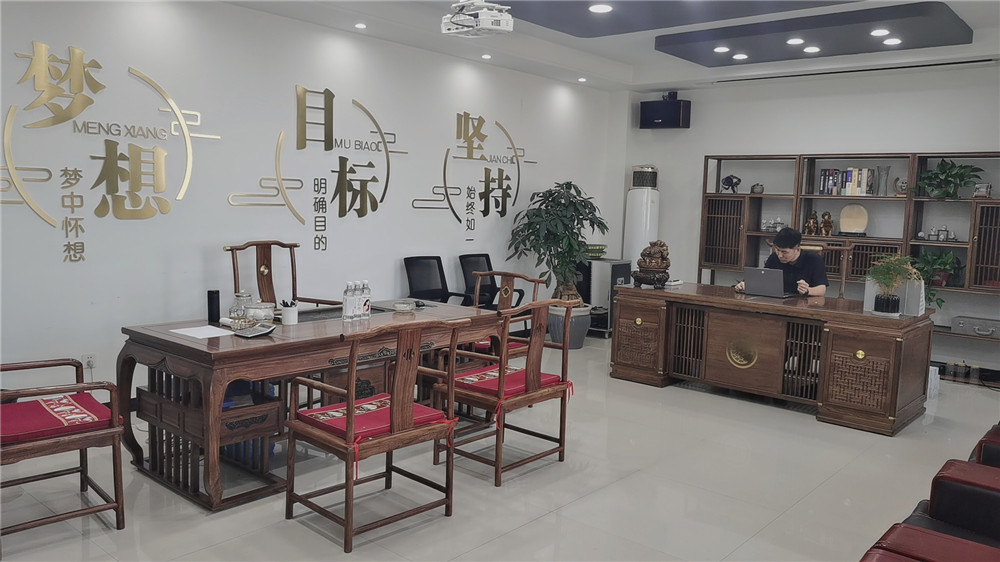
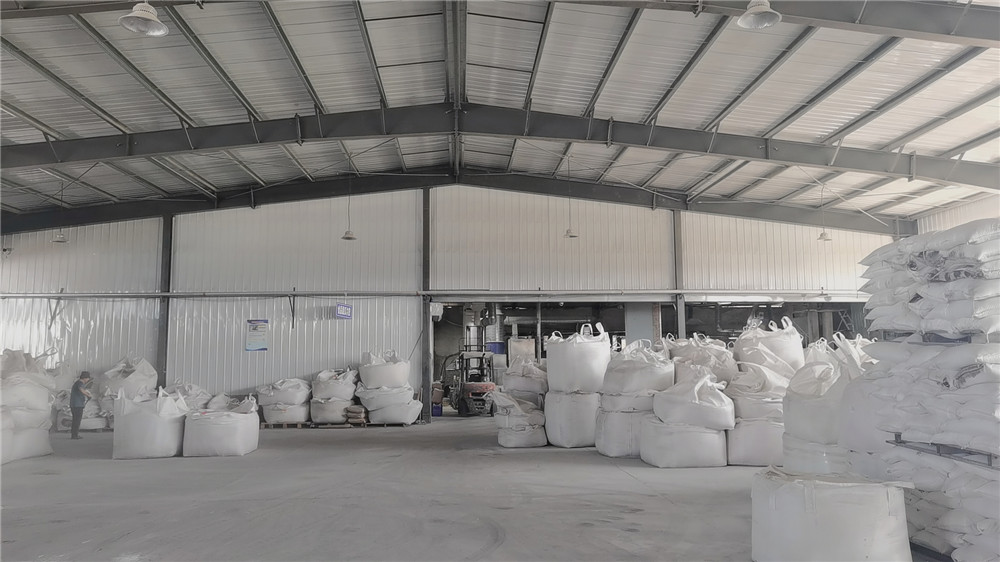
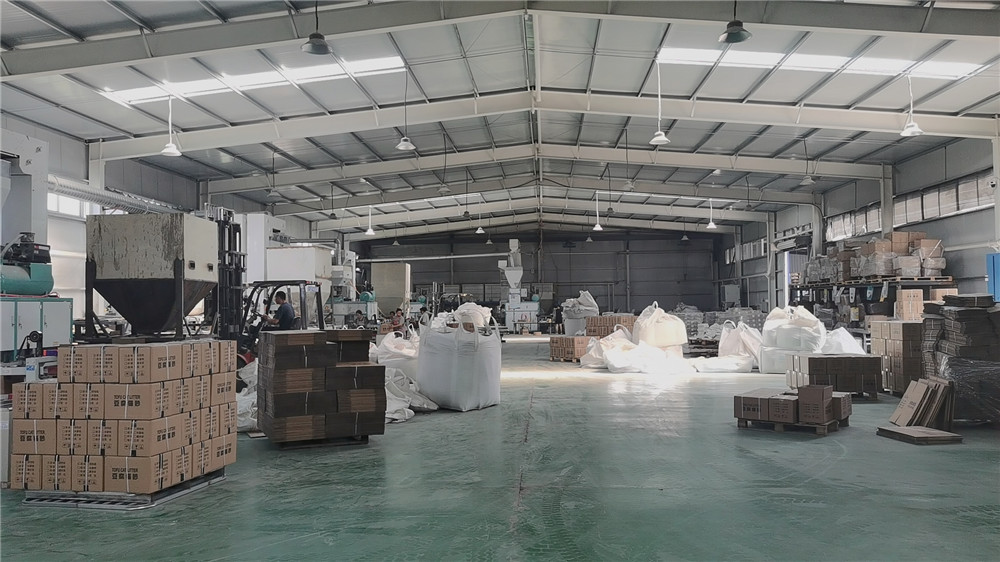
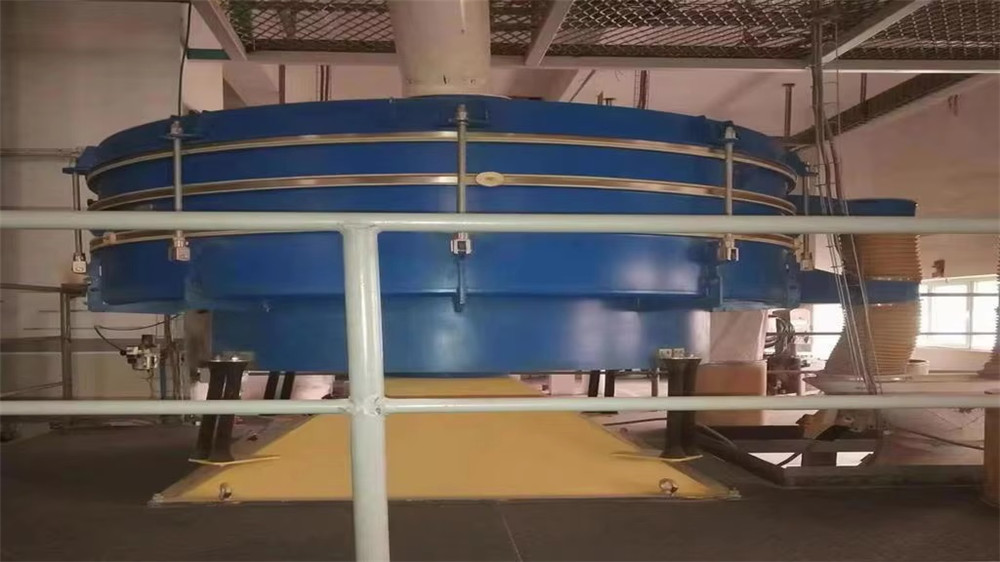
Backed by World-Class Manufacturing Infrastructure in Xingtai
Direct supply scale from Hebei Chupen Pet Products Co., Ltd. — Verified on-site by SGS Group.
ISO 9001 & ISO 22000 Quality Rigor
Our production ecosystem operates under synchronized ISO 9001, ISO 22000, ISO 14001, and ISO 45001 certifications. Every production shift documents raw starch inspection, continuous moisture tracking, and microbiological controls.
11 Dedicated Automated Lines
Equipped with 5 dedicated tofu lines delivering 150 tons daily, alongside 3 bentonite lines (3,000 t/day) and 3 silica lines. Our massive 10,000 m² warehouse facility buffers high-demand production spikes for reliable scheduled dispatches.
Consolidated Mixed Container Programs
Leveraging partnerships with 50+ regional pet product suppliers in Nanhe District, we consolidate tofu cat litter, puppy training pee pads, pet food, and litter boxes into unified FCL shipments through Tianjin Port, lowering logistics overhead.
Frequently Asked Questions by South Korean B2B Importers
Key operational answers regarding clearance, palletization, and OEM manufacturing for Busan buyers.
How does your factory ensure tofu litter avoids mold during maritime shipping to Busan?
Can you provide customized packaging with Korean KC certification markings and barcode systems?
What is the typical shipping lead time and MOQ for private-label containers arriving at Busan Port?
Are Chupen plant litters verified safe from heavy metals and formaldehyde?
Do you support FOB Tianjin, CIF Busan, and DDP warehouse delivery terms?
Launch Your Premium Cat Litter Brand for the Busan Market
Connect directly with our engineering and export team. Receive comprehensive OEM sample boxes, specification sheets, and competitive FOB/CIF Busan quotations within 24 hours.