Export-Grade Cat Litter Formulations for B2B Importers
Engineered across 11 precision production lines with ISO 9001, ISO 22000, ISO 14001, and ISO 45001 certification. Directly containerized from factory facilities to the Port of Bordeaux and Western European distribution hubs.
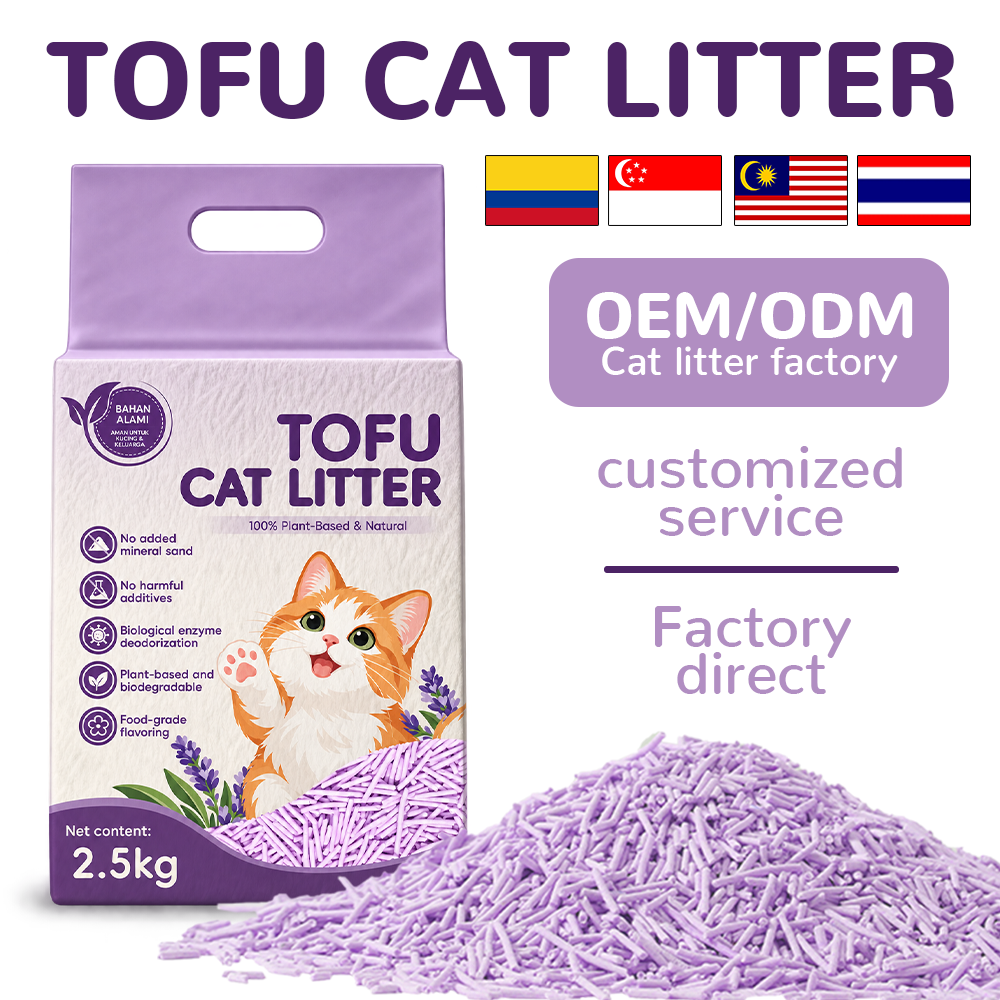 Plant-Based
Natural Tofu Cat Litter Strong Absorption Quick Clumping Flushable Cat Litter Bulk Wholesale Manufacturer OEM ODM
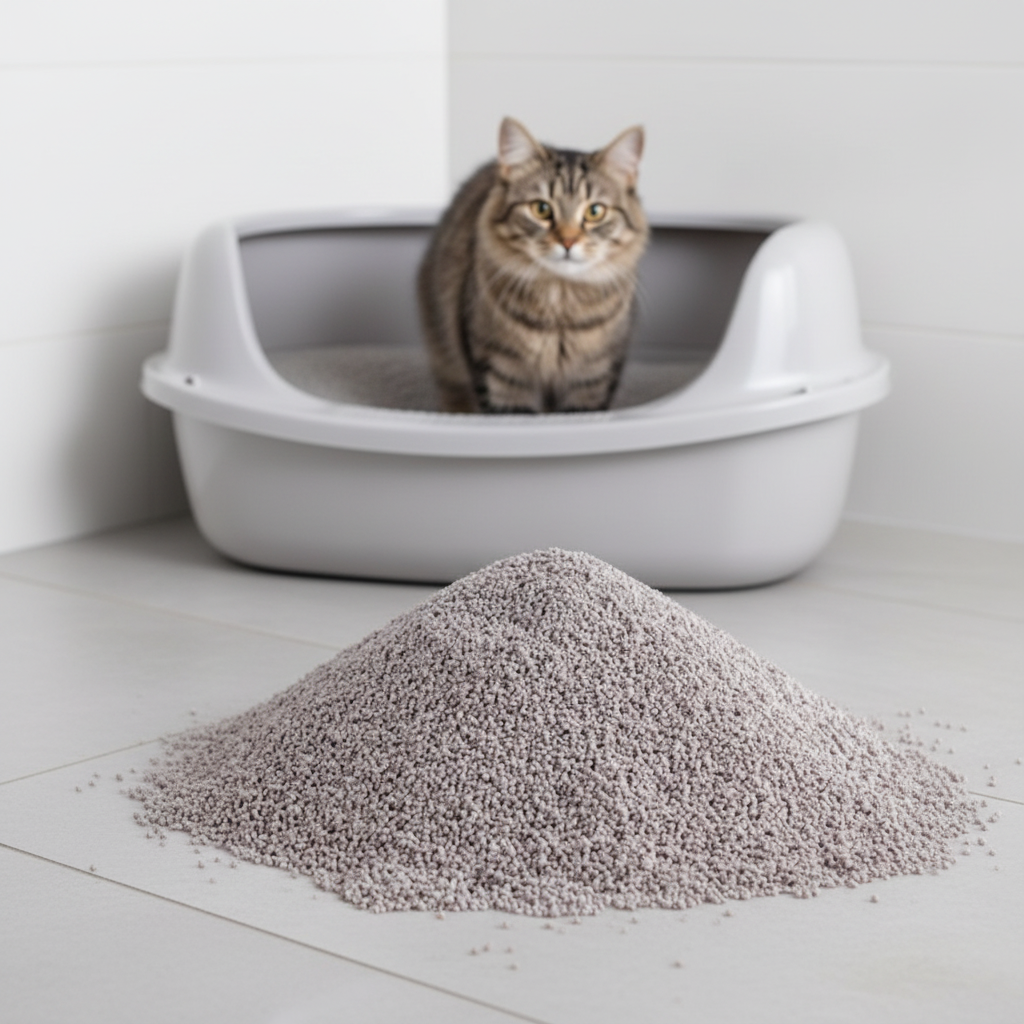 High Density
Wholesale Cat Litter Suppliers Broken Cat Litter Sand Sodium Base Soil Crushed Bentonite Cat Litter
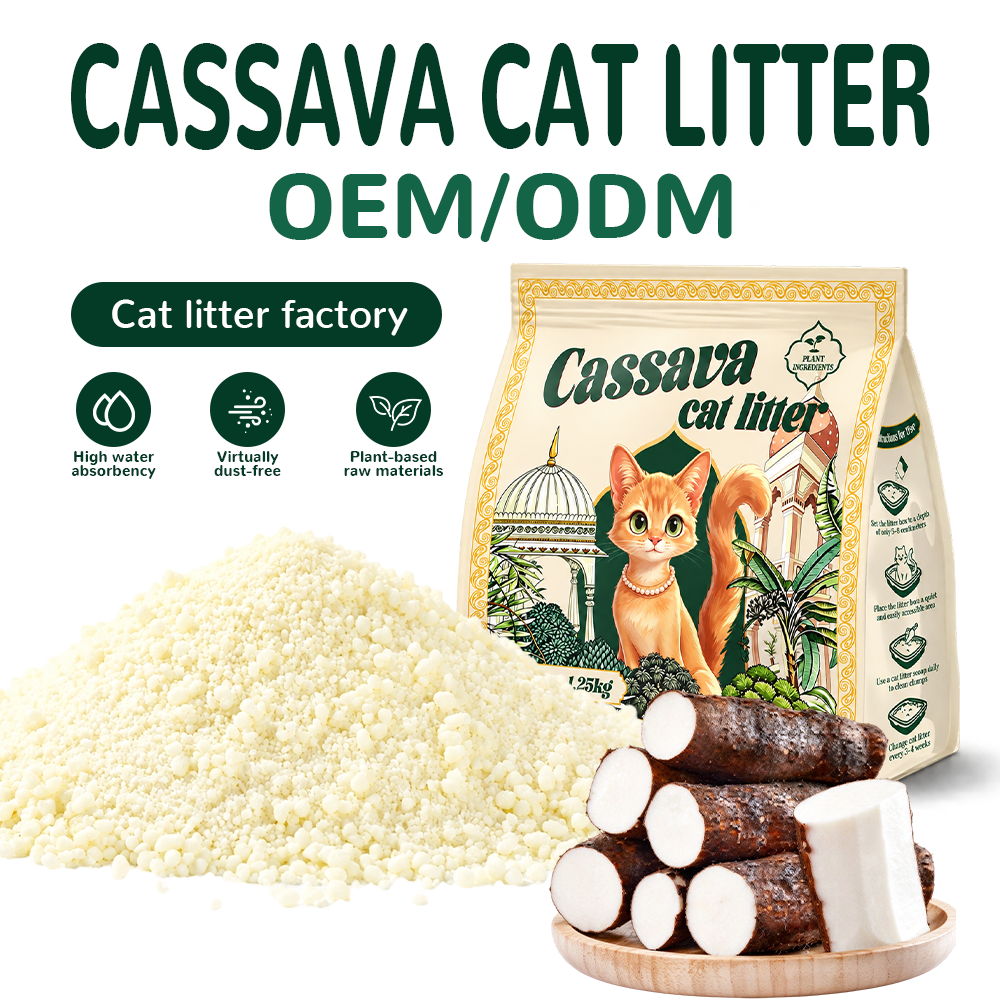 Eco Pioneer
Natural Cassava Cat Litter Fast Clumping Low Dust Biodegradable Odor Control Eco Friendly Cat Toilet Litter Wholesale
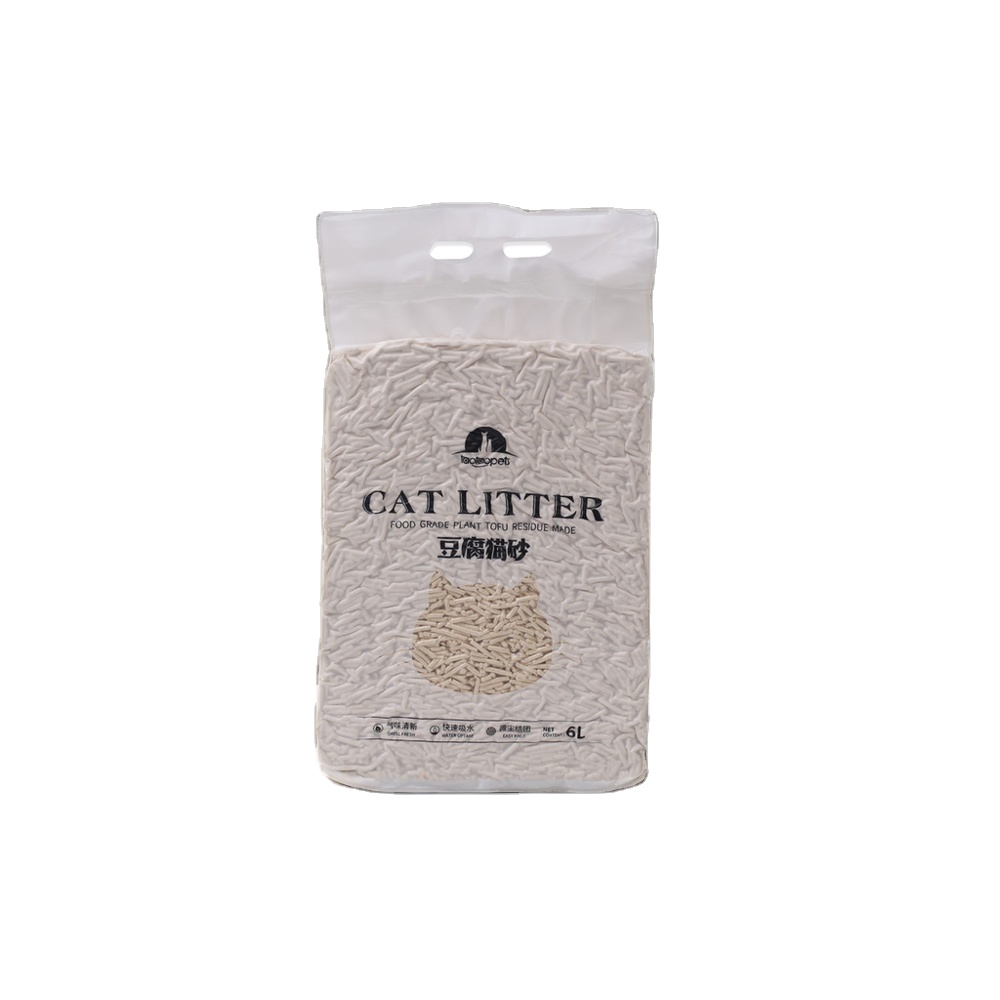 Custom Retail
Wholesale 2.5KG Corn-Based Tofu Litter for Cats Custom Logo Natural Plant Dust Free Flushable Cat Litter Box
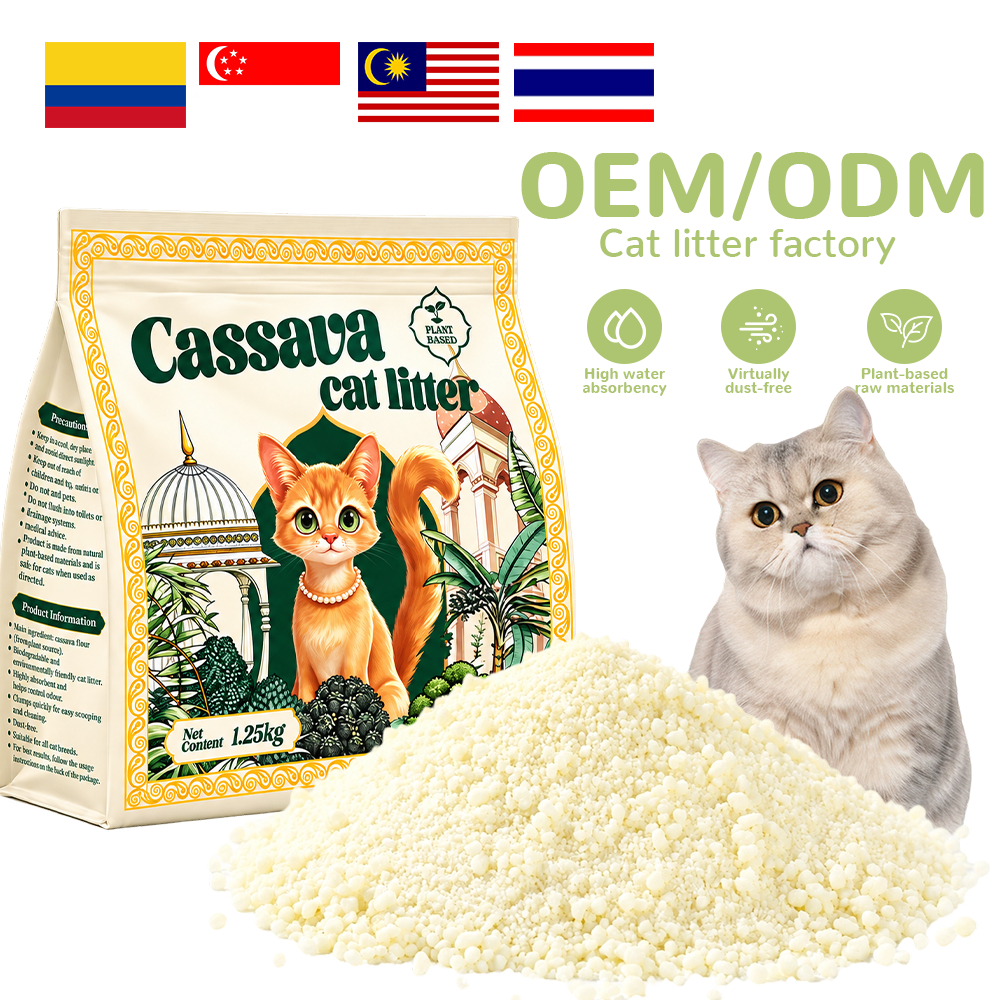 Private Label
Premium Cassava Cat Litter Fast Clumping Low Dust Natural Plant Based Odor Control Cat Sand OEM ODM Factory Wholesale
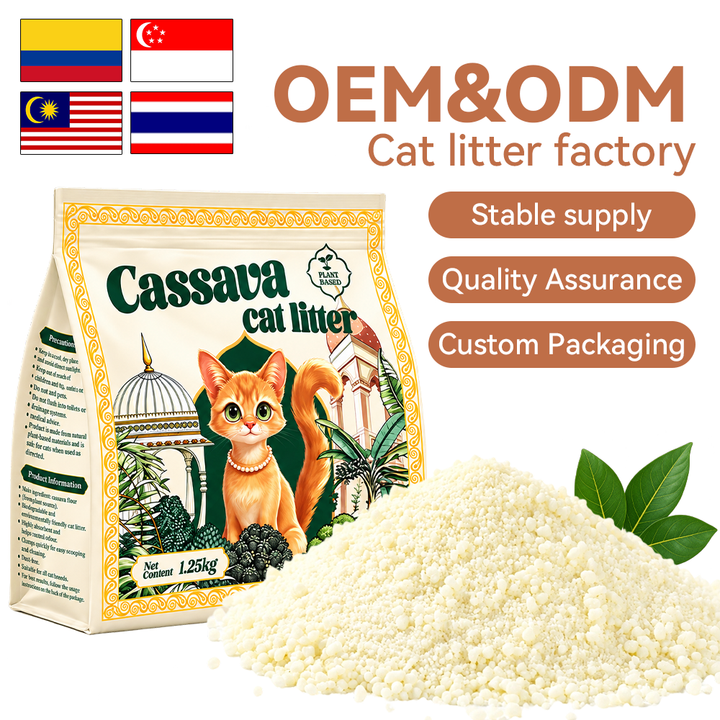 Bulk OEM
Natural Cassava Cat Litter Eco Friendly Quick Clumping Strong Odor Control Biodegradable Cat Sand Private Label Bulk Supplier
 Factory Direct
Cassava Cat Litter Manufacturer Natural Plant Based Fast Clumping Low Dust OEM ODM Private Label Wholesale Supplier
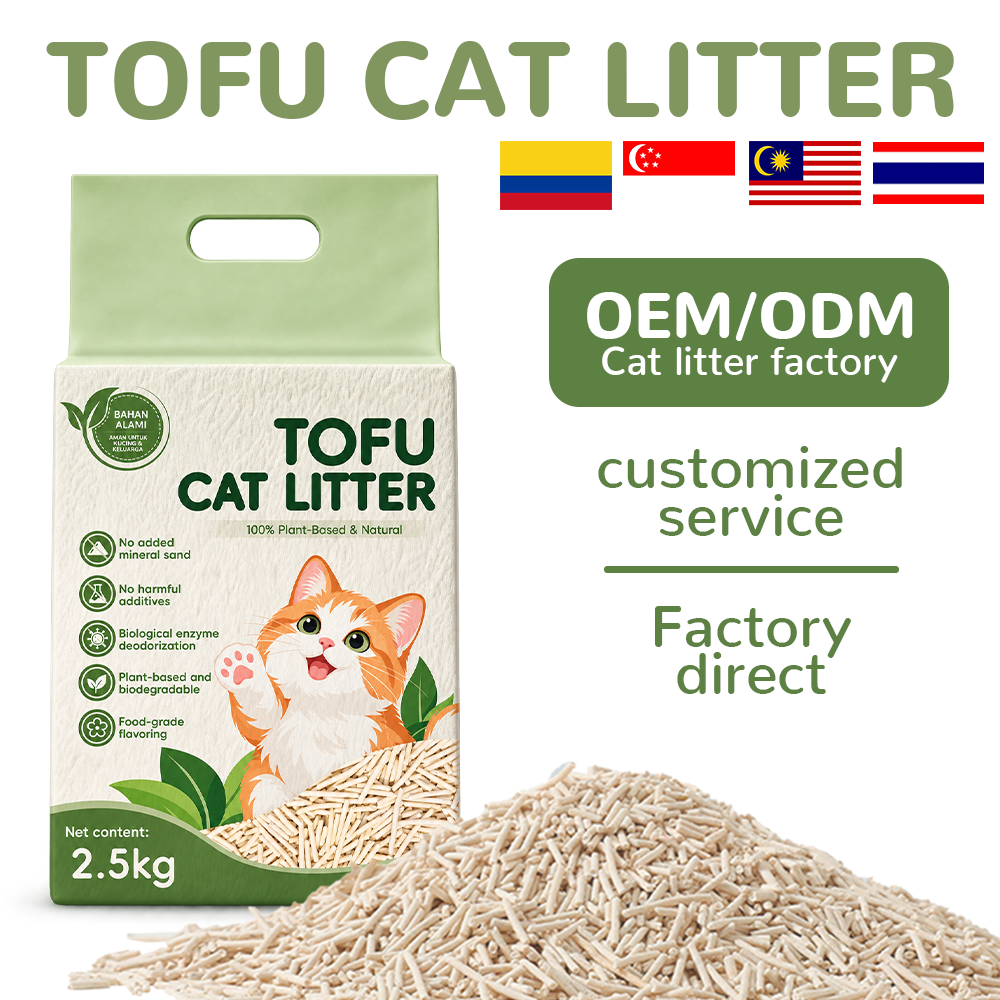 European Standard
Wholesale Tofu Cat Litter Fast Clumping Low Dust Odor Control Natural Plant Based OEM ODM Factory Supplier Export
The Mechanics of High Absorbency: Capillary Dynamics & European Standards
Evaluating molecular swelling indices, volatile organic compound management, and regulatory compliance protocols for modern commercial feline hygiene substrates.
In the high-tier pet care sectors of Southwestern France, feline hygiene is no longer approached merely as inert mineral disposal. Today's commercial distribution landscape across Bordeaux, Mérignac, Pessac, and the greater Nouvelle-Aquitaine region demands scientifically verifiable absorption kinetics, total particulate stabilization, and rigorous environmental traceability. When assessing feline waste management within high-density urban living conditions, substrate absorbency operates under two distinct thermodynamic mechanics: interlayer clay hydration (in smectite-group sodium bentonites) and capillary micro-porous starch locking (in botanical tofu and cassava matrixes).
1. Montmorillonite Interlayer Swelling in Sodium Bentonite
Industrial sodium bentonite sourced and refined in our ISO 9001 certified processing plants relies upon high-purity montmorillonite crystallites. The characteristic 2:1 layer structure—consisting of two silicon-oxygen tetrahedral sheets sandwiching an aluminum-oxygen octahedral sheet—exhibits a profound cation exchange capacity (CEC). When feline liquid waste enters the granule bed, exchangeable sodium ions (Na+) initiate expansive osmotic hydration, forcing interlayer basal spacing from an initial 1.2 nm to beyond 4.0 nm. This physical phenomenon causes an immediate volumetric swelling index surpassing 300% to 500% of the dry mineral weight. The resulting agglomerate exhibits tensile clump strength capable of withstanding mechanical scooping without fragmenting, thereby arresting the degradation of clean secondary litter.
2. Macro-Molecular Starch Gelatinization in Plant-Based Formulations
Conversely, our natural cassava and tofu substrates function through carbohydrate amylose and amylopectin molecular cross-linking. Upon hydration, dry starch polymers undergo rapid swelling, forming an interconnected, viscoelastic gel matrix in under three seconds. This instantaneous cohesion permanently immobilizes liquid waste at the top stratum of the litter box, preventing viscous seepage to the plastic container base. For residential areas across Bordeaux characterized by classical stone architecture and enclosed apartments, this rapid immobilization restricts anaerobic microbial digestion, containing uric acid decomposition before ammonia (NH3) volatilization reaches human sensory thresholds.
| Performance Parameter | Crushed Sodium Bentonite | Engineered Tofu Pellets (1.5mm) | Refined Cassava Granules | Silica Gel Crystal |
|---|---|---|---|---|
| Hydraulic Absorbency (% w/w) | 320% - 380% | 400% - 480% | 450% - 520% | 180% - 220% |
| Agglomeration Speed (Seconds) | < 3.0 s | < 2.5 s | < 1.8 s | Non-clumping |
| Dust Content (ISO Dedusted) | < 0.2% | < 0.05% | < 0.08% | < 0.15% |
| Bulk Density (g/cm³) | 0.85 - 0.95 | 0.50 - 0.58 | 0.52 - 0.60 | 0.40 - 0.45 |
| Bordeaux Domestic Disposal Path | Residual Waste (Bac Noir) | Toilet Flushable / Compost | Compostable / Toilet Flushable | Residual Waste (Bac Noir) |
| European CE / REACH Status | Certified Inert Mineral | Food-Contact Grade Material | Zero Formaldehyde / Non-Toxic | Synthetic Amorphous Silica |
Engineered for Bordeaux: Micro-Climate & Domestic Use Cases
How our moisture-stabilized formulas perform within Gironde's maritime conditions, historic stone residences, and strict French municipal waste frameworks.
Gironde Maritime Oceanic Humidity Mitigation
Bordeaux endures sustained relative humidity averages oscillating between 70% and 85% throughout the winter and spring seasons. Typical low-tier clay litters suffer from ambient air pre-saturation, degrading clump hardness before feline utilization. Our vacuum-degassed packaging and anti-hygroscopic surface treatments guarantee shelf and box stability, maintaining moisture-capture capacity strictly for direct feline contact.
Historic Apartment Living in Central Bordeaux
In classical 18th-century stone residences across Bordeaux Centre, Chartrons, and Saint-Michel, ventilation is often restricted to vertical shafts and high-ceiling window openings. In-home confinement makes ammonia gas buildup an acute domestic health concern. Our formulations incorporate botanical polyphenol enzymes that neutralize amine compounds on contact, ensuring zero noxious odor emissions even in compact urban flats.
Gironde Municipal Sorting & Composting Integration
With Bordeaux Métropole enforcing stringent sorting mandates (tarification incitative and organic collection expansion), retail consumers actively seek eco-friendly litter that does not bloat black-bin household tonnage. Our pure cassava and tofu formulations conform to domestic organic degradation benchmarks, dispersing completely in municipal sewer infrastructure without creating plumbing blockages.
Veterinary Clinics & Feline Boarding Patios
Across feline clinics in Mérignac, Pessac, and Talence, post-operative patients and purebred felines (such as British Shorthairs and Chartreux) require hypoallergenic environments. Our multiple dedusting cycles eliminate fine silica micro-particulates below 2.5 microns, safeguarding delicate post-surgical feline airways and human veterinary staff from chronic silicosis exposure.
High-Efficiency Last-Mile Transport
Urban logistics along the Garonne riverfront face stringent low-emission zone (ZFE) regulations. Traditional heavy clay litters impose severe payload penalties on electric courier fleets. By supplying concentrated 2.5kg plant-based litters yielding equivalent usage cycles to 10kg mineral bags, French online pet shops reduce parcel handling overhead and fleet carbon emissions by up to 60%.
Wine Estate & Eco-Château Gîte Pet Accommodation
Hospitality operators in Saint-Émilion, Graves, and the Médoc hosting tourists with pets require uncompromising cleanliness and zero synthetic fragrances. Our unscented, certified biodegradable cassava litter provides a non-invasive, premium pet hygiene amenity that honors the environmental integrity of French vineyard agro-tourism.
Nouvelle-Aquitaine & French Pet Industry Trajectory
Navigating regulatory transitions, consumer decarbonization priorities, and the rise of high-specification private labels across French retail networks.
The pet hygiene market across France has entered a structural shift. With a national feline population exceeding 15 million cats, France maintains one of the highest cat ownership rates in Western Europe. Within this mature retail ecosystem, traditional low-margin gravel sand is losing market share across hypermarkets (GMS like Carrefour, E.Leclerc, and Auchan) as well as specialized pet superstores (Maxi Zoo, Jardiland, Botanic). Three key drivers dictate current B2B sourcing strategies for French procurement managers:
1. The Impact of the Anti-Waste Law for a Circular Economy (Loi AGEC)
French regulatory mandates under the Loi AGEC require comprehensive phase-outs of single-use, non-recyclable multi-laminate plastics. Importers in Bordeaux must ensure their packaging substrates comply with CITEO sorting criteria. Our manufacturing facility provides 100% recyclable mono-material Polyethylene (PE/PE), FSC-certified Kraft paper bags, and unbleached inner liners that lower corporate eco-contribution tariffs while enhancing brand perception among French consumers.
2. Rapid Acceleration of Plant-Based Biodegradable Substrates
Consumer sentiment in urban Nouvelle-Aquitaine is firmly oriented toward sustainable home solutions. Sales of plant-based clumping litters (tofu, cassava, corn) are growing at an annual rate exceeding 14.2% across France, heavily outpacing traditional minerals. Retailers offering private-label plant formulations secure higher gross profit margins while insulating themselves from volatility in European cross-border trucking freight costs.
3. Direct-from-Factory Consolidation Models
Historically, French distributors relied on intermediate European trade houses. However, inflationary pressures have forced top-tier distributors in Southwestern France to establish direct, audited relationships with industrial manufacturers. By bypassing third-party traders, distributors secure tailored OEM formulas, proprietary granulate coloring, custom European fragrance formulations (such as lavender, baby powder, or Provence herbal extracts), and immediate factory dispatch through primary sea-freight corridors.
Why Global Importers & French Brands Partner with Chupen
Over a decade of manufacturing mastery, university-backed laboratory testing, and an extensive industrial network in the heart of China’s pet hygiene sector.
SGS Onsite Verified & 4 ISO Standards
Our operating plant in Nanhe District, Xingtai, is officially verified onsite by SGS Group. Production strictly conforms to ISO 9001 (Quality), ISO 22000 (Food Safety Standards for plant raw materials), ISO 14001 (Environmental Stewardship), and ISO 45001 (Occupational Safety), guaranteeing frictionless European customs entry.
University-Led R&D Formulation
In direct strategic cooperation with China Agricultural University and Hebei Agricultural University, our formulation laboratories employ 9 high-precision testing instruments to monitor water activity (aw), volatile amine absorption, and micro-particulate friability across every batch.
Flexible Consolidation & Low MOQs
Leveraging partnerships with more than 50 local specialized manufacturers, we offer mixed-container logistics. Consolidate premium cat litter with pet training pads, disposable dog diapers, and semi-enclosed PP litter boxes in a single 40HQ container shipped directly via Tianjin Port.
Rapid Turnaround & Direct Trade Terms
We offer seamless FOB, CIF, EXW, and door-to-door DDP arrangements for European consignees. Backed by 30 dedicated export specialists, custom artwork plate production is executed in 7 days, with bulk order dispatch completed within 14-21 calendar days.
Frequently Asked Questions for Bordeaux & European B2B Buyers
Direct answers covering import customs, compliance documentation, freight routing, packaging compliance, and sample protocols.
What certifications are supplied to clear French (DGDDI) customs and European ports?
What is the standard Minimum Order Quantity (MOQ) for private-label brand production?
How are maritime logistics organized for consignments bound for Bordeaux and Nouvelle-Aquitaine?
Can we consolidate cat litter with other pet supplies in a single shipping container?
How does your plant prevent mold growth in plant-based litters during oceanic transit?
What is the sample dispatch timeline for evaluation by our commercial purchasing team?
Secure Factory-Direct Capacity for Your European Pet Brand
Connect with our technical engineering team to evaluate custom formulations, request free physical sample assortments, or receive a formal CIF Bordeaux container quotation.