Engineered Feline Sanitation Solutions for Japanese Importers
Source directly from our SGS onsite-verified manufacturing facilities. High-absorption flushable substrates, ultra-low dust plant composites, and ergonomic litter containment hardware built to Japanese multi-cat household benchmarks.
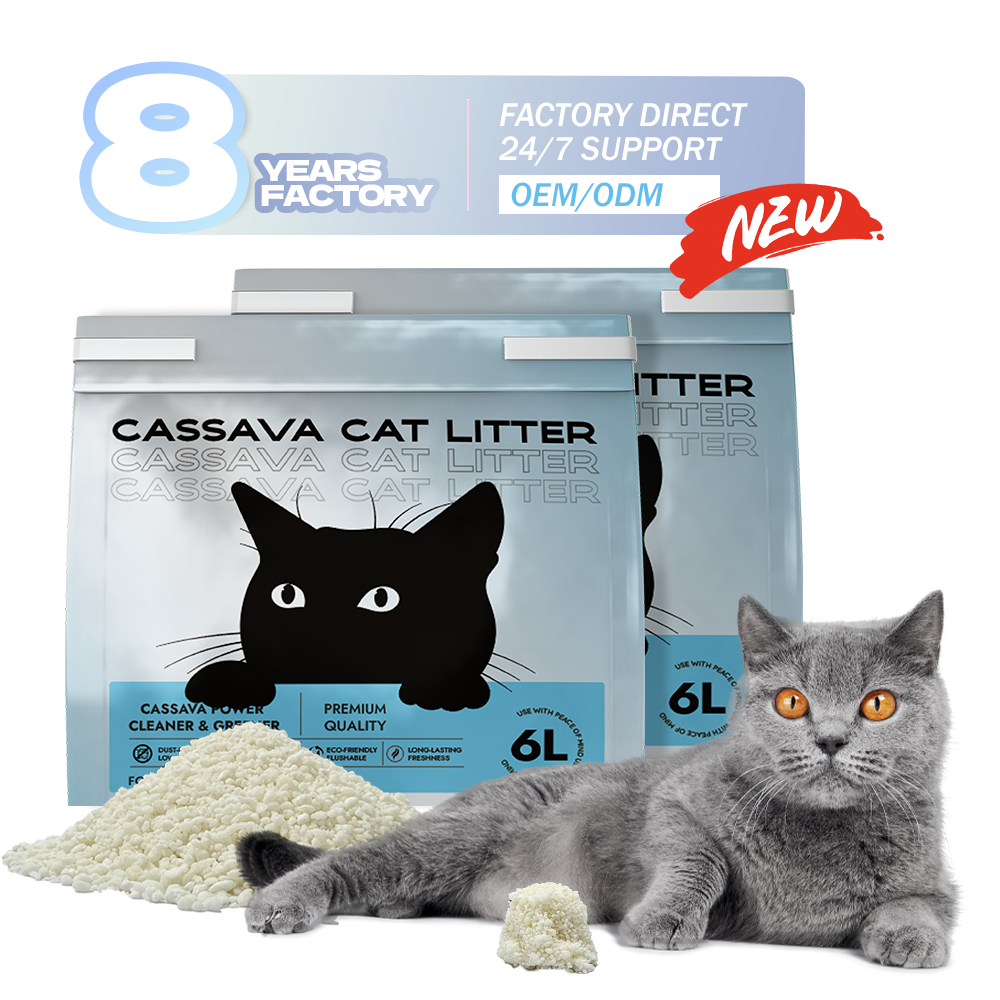
Wholesale Cassava cat Litter Mixed Cassava cat Litter Deodorizing Deodorizing cat Litter
- Tapioca starch molecular matrix
- Zero synthetic chemical binders
- Ultra-fast 1.5-second solid clumping
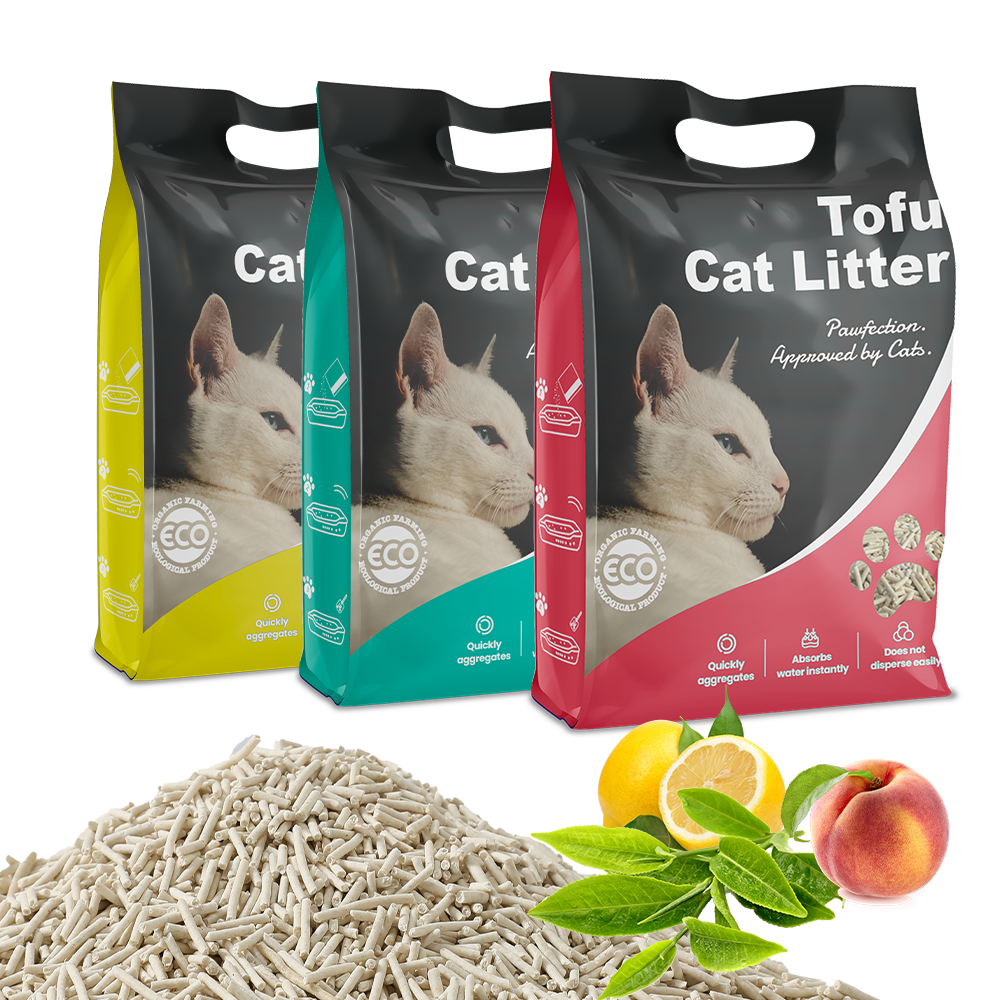
OEM ODM cat Litter - Dust-free, Washable, Biodegradable Type Cat Friendly Tofu cat Litter
- 99.8% Multi-cyclone dust extraction
- Flushable per JFRL safety limits
- 1.5mm / 2.0mm micro-pellet options
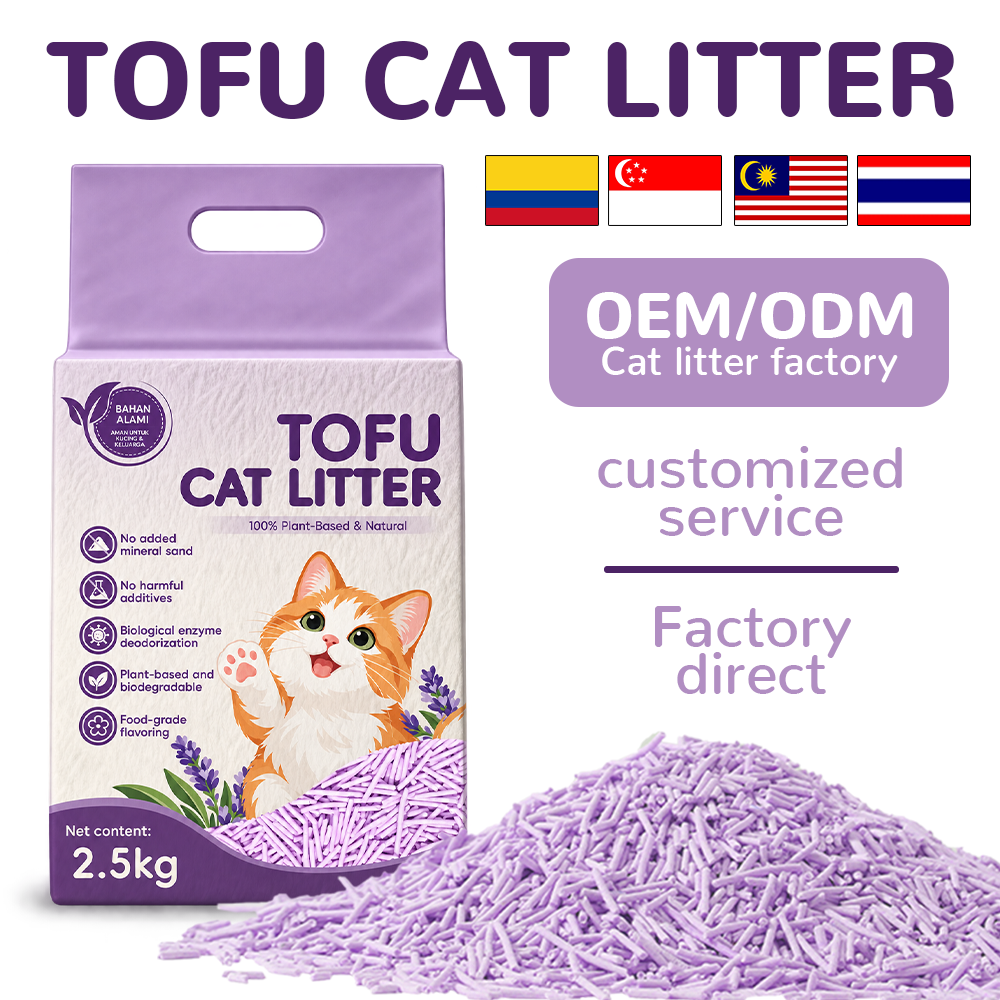
Natural Tofu Cat Litter Strong Absorption Quick Clumping Flushable Cat Litter Bulk Wholesale
- 400% Liquid absorption mass ratio
- Pure food-grade okara pea fiber
- Anti-stick bottom pan formulation
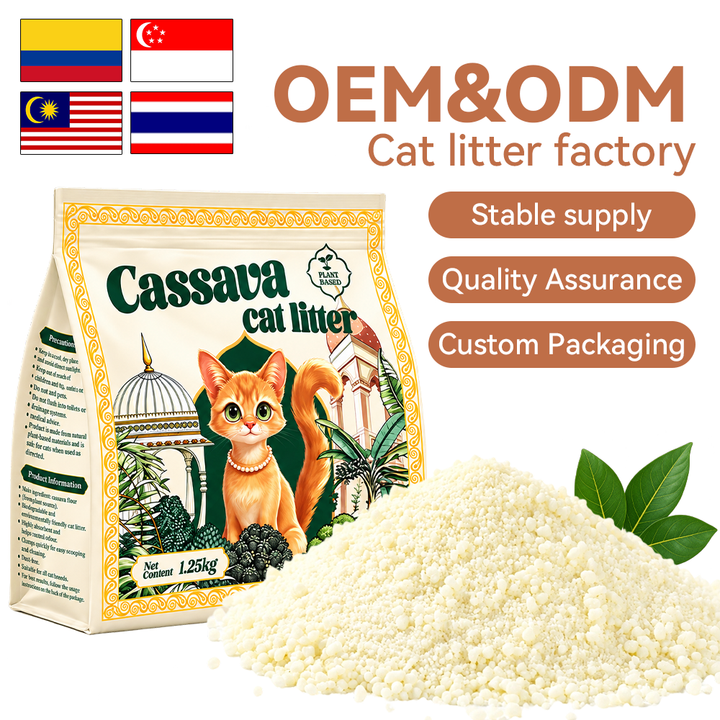
Natural Cassava Cat Litter Eco Friendly Quick Clumping Strong Odor Control Biodegradable Sand
- Ammonia neutralization technology
- Non-toxic ingestible safe matrix
- Vacuum-sealed brick packaging
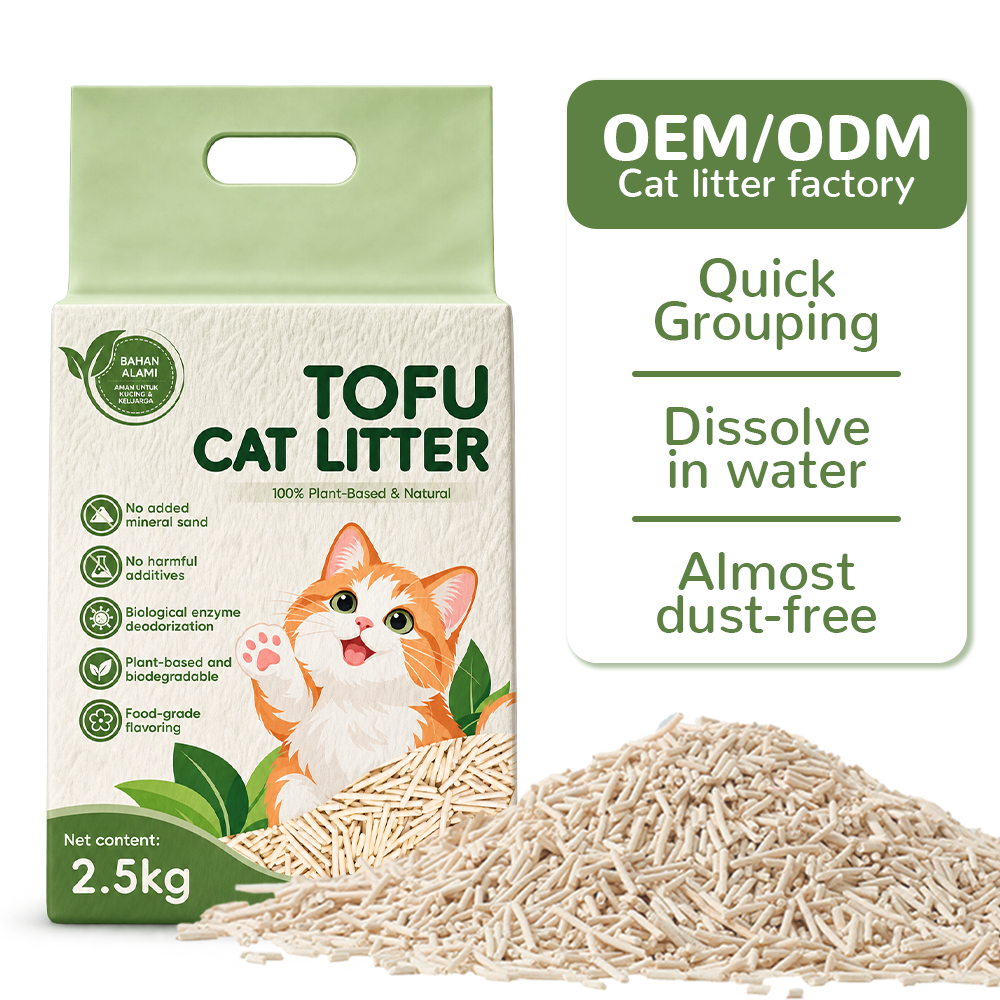
Premium Tofu Cat Litter Biodegradable Flushable Quick Clumping Low Dust Pet Supplies
- High mechanical granule hardness
- Zero paw-cushion adhesion
- Certified ISO 9001 batch trace
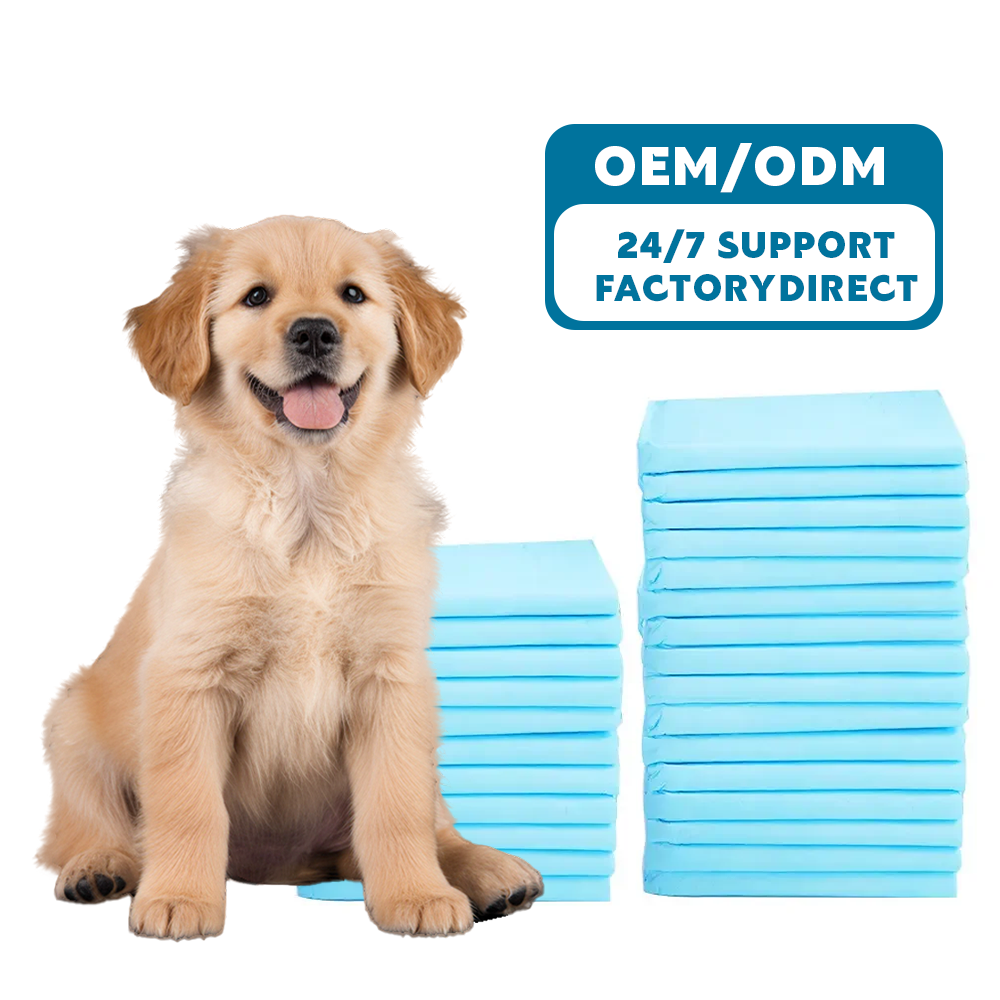
Pet Supplies Customized Super Absorbent Pet Training Pads Non-slip Disposable Diapers
- 5-Layer structural polymer core
- Fits dual-layer pull-out litter trays
- Hydro-lock anti-leak PE backing
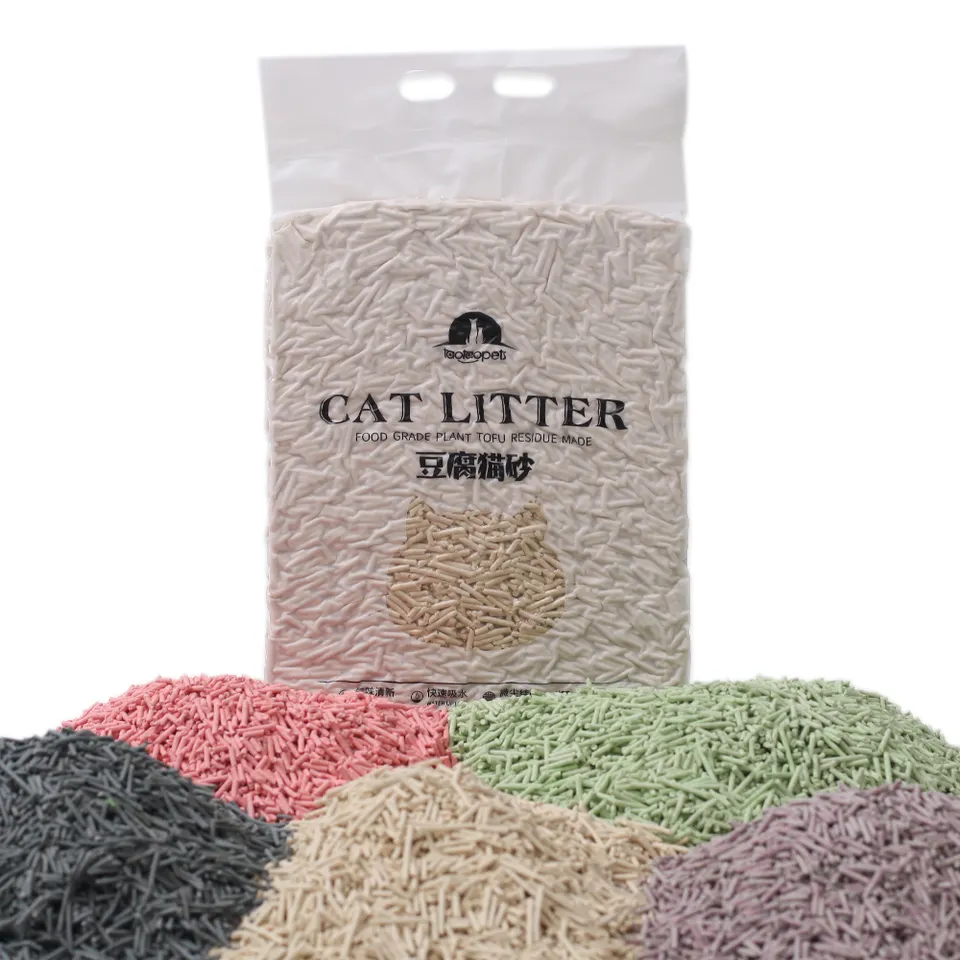
OEM ODM Factory Catlitter 10L-25Kg Tofu Material Antibacterial Cat Arena Flushable
- Broad-spectrum antibacterial formula
- Bulk institutional & pet cafe bags
- Rapid sewer disintegration
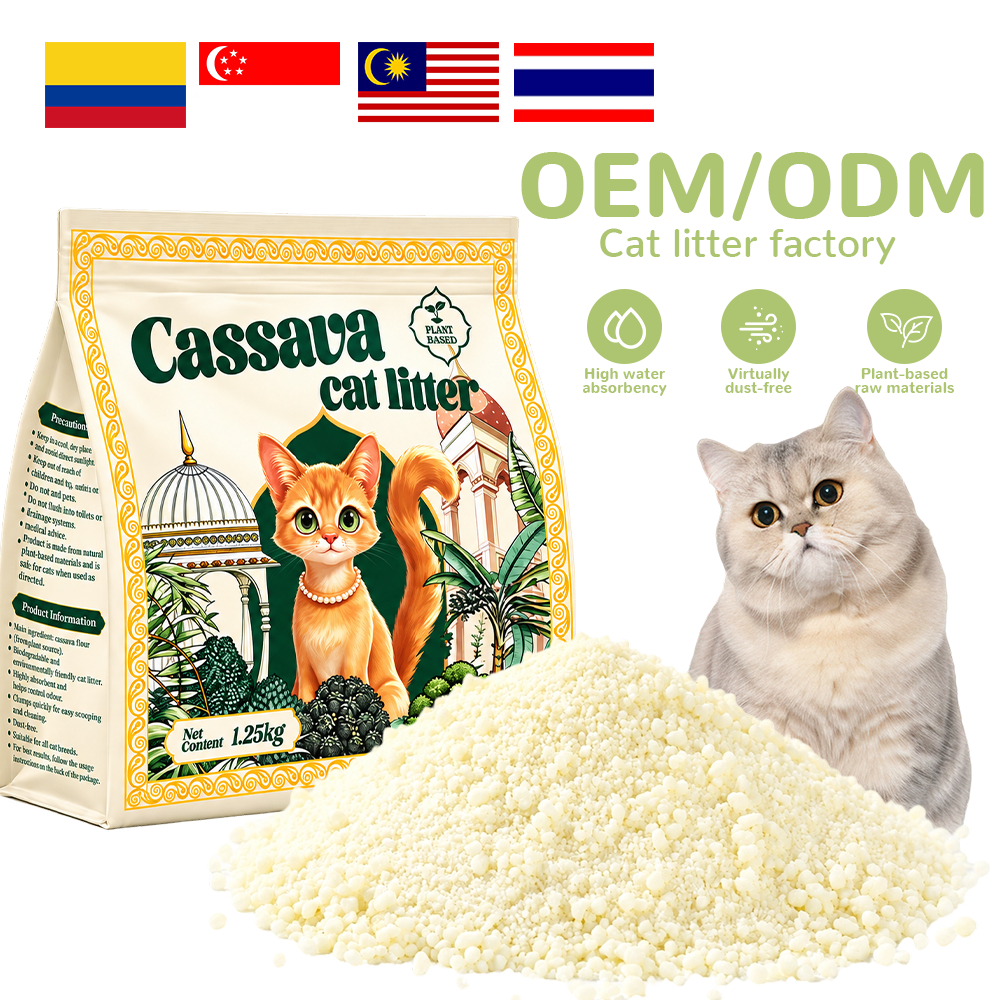
Premium Cassava Cat Litter Fast Clumping Low Dust Natural Plant Based Odor Control Sand
- Ultra-dense spherical pellet profile
- Zero formaldehyde, food contact safe
- Compatible with automatic sifting boxes
Localized Engineering: Cat Litter Systems in the Kawasaki Urban Corridor
Kawasaki represents a high-density, multi-ward metropolitan ecosystem positioned between Tokyo and Yokohama. Supplying cat litter boxes and substrates to Kawasaki requires addressing strict municipal disposal bylaws, compact housing typologies, and stringent odor tolerances.
Mansion & Compact 1LDK Living
Residential wards such as Nakahara-ku (Musashi-Kosugi) and Takatsu-ku feature dense high-rise condominium layouts where the litter station is inevitably located within living spaces or narrow washroom corridors. Our semi-enclosed, high-rim cat litter boxes integrate anti-tracking baffles, preventing litter scatter on sensitive Japanese flooring while maximizing interior usability within a 45×35cm footprint.
Combustible Waste (燃やすごみ) Compliance
Kawasaki City enforces twice-weekly combustible waste schedules. Mineral bentonites cannot be incinerated without leaving heavy ash residue, presenting logistical burdens for municipal plants. Our OEM pea-fiber tofu and modified cassava litters offer 100% organic thermal combustion without toxic emissions, perfectly matching Kawasaki Environmental Bureau waste categorization standards.
Tokyo Bay Maritime Port Efficiency
Kawasaki Port (川崎港) operates directly alongside the Keihin Industrial Zone, providing efficient roll-on/roll-off and container docking. Shipping via Tianjin Port gives importers in Kawasaki direct 3- to 4-day sea transit. This minimizes inland domestic haulage fees compared to landing containers at distant hubs, ensuring maximum supply chain margins for regional distributors.
The Engineering of Feline Hygiene: Why Material Rheology Dictates Consumer Retention
In modern Japanese pet care retail, customer churn is heavily driven by secondary odor release and tracking debris. Traditional clay bentonites, while inexpensive in bulk, suffer from significant shipping weight liabilities, microscopic silica dust suspended in enclosed rooms, and strict landfill constraints. As the Japanese demographic shifts towards indoor-only cats in modern architectural apartments, the substrate and litter containment hardware must function as an integrated biochemical barrier.
Information Gain Metric: Our factory's patented thermo-mechanical extrusion process subjects soybean fiber and food-grade starch to 135°C sterilization at 4.2 bars of shear pressure, reorganizing amylopectin molecular chains to deliver instantaneous surface clumping upon 2.5ml liquid contact without releasing loose fine particulate.
Hebei Chupen integrates strict multi-cyclone dust extraction systems across all 11 production lines. When packaged granules are poured from a height of 1 meter into our semi-enclosed polypropylene litter boxes, the PM2.5 and PM10 airborne particle emission registers below 0.02 mg/m³, meeting the most rigorous clean-air expectations of Japanese pet parents. Furthermore, the geometric design of our semi-enclosed litter boxes incorporates splash-guard side walls sloping at 72 degrees, effectively repelling horizontal urine projection from standing cats and redirecting bouncing granules down through an integrated sifting entryway footboard.
| Substrate Category | Rapid Clumping Speed | Kawasaki Waste Status | Dust Rating (PM 2.5/10) | Hardware Compatibility | Sewer Flushability |
|---|---|---|---|---|---|
| Chupen Tofu Litter (1.5mm) | 1.8 Seconds | Combustible (燃やすごみ) | < 0.02% Fractional Dust | Semi-Enclosed / Mesh Base | Dissolves in 30s (<100ml) |
| Engineered Cassava Starch | 1.2 Seconds | Combustible (燃やすごみ) | < 0.01% Low Friction | Standard / Automatic Sifting | High Water Soluble |
| Crushed Sodium Bentonite | 2.5 Seconds | Non-Combustible (不燃ごみ) | 0.8% - 1.5% Airborne | High-Wall Deep Trays | Non-Flushable (Pipe Clog) |
| Microporous Silica Crystals | Absorption Only | Non-Combustible (不燃ごみ) | < 0.05% Low Dust | Double-Bottom Dual Systems | Non-Flushable |
Emerging Procurement Trends Shaping Pet Hygiene in Greater Tokyo & Kanagawa
Strategic buyers for home centers (ホームセンター), e-commerce platforms, and pet boutiques in Kawasaki are re-engineering their private label portfolios around three macroeconomic shifts.
1. The "Zero Plastic Odor" PP Revolution
Modern consumers actively avoid cheap, unrefined recycled plastics that outgas pungent plasticizer odors, which cause feline box aversion. Our litter boxes use 100% virgin, food-grade polypropylene (PP) with antibacterial silver-ion (Ag+) surface additives. This molecular integration prevents bacterial film proliferation in microscopic scratch grooves, extending usable hardware lifespan to over 24 months without lingering foul smells.
2. Mixed Hybrid Substrate Formulations
Japanese cat owners increasingly favor hybrid litters: 70% 1.5mm tofu pellets blended with 30% activated-carbon cassava granules. This configuration preserves the rapid flushable convenience of soybean fiber while leveraging cassava starch to create ultra-compact clumps that use 22% less substrate per urination event, significantly reducing weekly replenishment costs for multi-cat households.
3. Compact Vacuum Packaging for Freight Reduction
With ocean shipping metrics focused on volumetric cubic meters (CBM), fluffy, loose-bag cat litter burdens importers with excessive freight overhead. Our 6L and 7L vacuum-compressed brick packaging decreases freight volume by 32%, enabling distributors to fit up to 2,400 additional bags inside a standard 40ft High Cube container landed at Kawasaki or Yokohama Port.
Unrivaled Production Capacity from China's Pet Industry Core
Hebei Chupen Pet Products Co., Ltd. is based in Nanhe District, Xingtai—the specialized manufacturing heartland that produces roughly 80% of China's pet food and 60% of its pet hygiene supplies. We provide an integrated supply chain that mitigates fulfillment risk for high-volume overseas importers.
Enterprise Infrastructure & Rigorous Compliance
With more than ten years of hands-on technical management in pet product formulation, injection molding, and international trade, Hebei Chupen bridges the gap between competitive raw material sourcing and exacting Japanese quality standards.
Our production facilities maintain comprehensive compliance across four international management accreditations: ISO 9001 (Quality Management), ISO 22000 (Food Safety Management, critical for non-toxic ingestible plant litters), ISO 14001 (Environmental Protection), and ISO 45001 (Occupational Health & Safety). Our physical premises, manufacturing workshops, and labor practices have been verified onsite by the SGS Group.
We work in close research cooperation with China Agricultural University and Hebei Agricultural University, conducting constant rheological, microbiological, and moisture adsorption stress testing with our 9 in-house laboratory testing instruments to eliminate mycotoxins and maintain moisture content strictly below 8.5%.
Single-Container Consolidation via Tianjin Port
Managing multiple tier-2 suppliers across different pet hardware categories creates administrative bloat, duplicate customs declaration fees, and inventory imbalances. Hebei Chupen solves this through our proprietary container consolidation service.
Japanese buyers can mix bespoke injection-molded cat litter boxes, flushable tofu litter, odor-neutralizing cassava substrate, 5-layer polymer pet pee training pads, and cat treats into a single 40ft HC container. Situated just hours from Tianjin Port, we streamline terminal handling, provide prompt bill of lading release, and support flexible delivery terms including FOB, CIF, EXW, and complete DDP clearing directly to your distribution center in Kawasaki, Yokohama, or Tokyo.
Frequently Asked Questions by Japanese Importers & Wholesalers
Authoritative answers addressing quality control, regulatory clearing, and logistical specifics for Kanagawa-based pet companies.
How does Chupen ensure plant-based cat litter will not develop mold during maritime transit to Kawasaki?
Can our company order custom injection mold tooling for proprietary cat litter boxes?
What is the standard lead time from formal Purchase Order to container docking at Kawasaki Port?
Are Chupen plant litters compliant with Japanese pet product safety and sewer discharge standards?
What minimum order quantities (MOQ) apply for customized private label packaging?
Scale Your Pet Sanitation Brand in Kawasaki
Connect directly with our engineering and export team. Receive complete wholesale price sheets, technical MSDS files, product sample kits, and optimized container packing plans tailored to your target Japanese distribution footprint.