High-Efficiency Export Formulations for Caribbean Markets
Manufactured under strict ISO 9001 and ISO 22000 quality standards. Engineered specifically with high tensile clump hardness and moisture-resistant natural starches to withstand extreme oceanic transit and tropical microclimates.
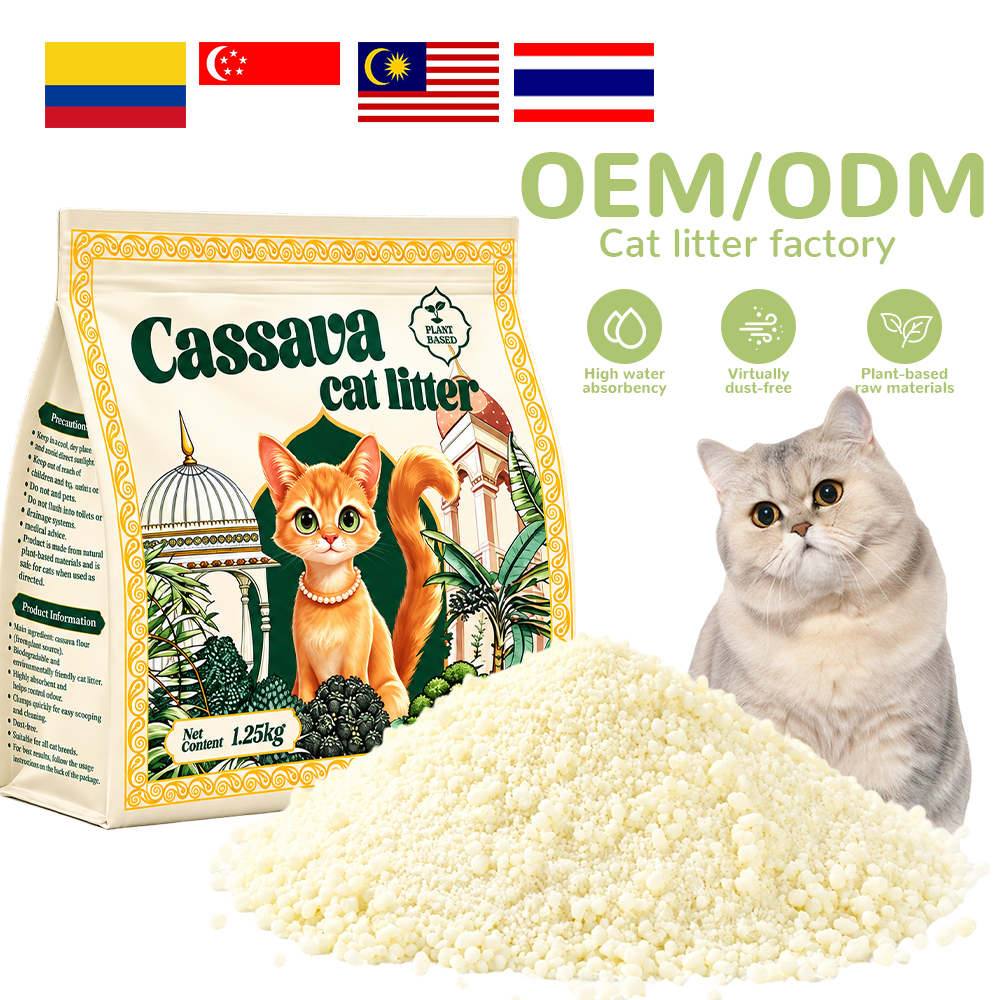
Premium Cassava Cat Litter Private Label OEM ODM Flushable Plant-Based Sand
Micro-granule tapioca starch matrix. Instant clump locking in under 1.8 seconds. 99.9% dust-free processing ideal for closed apartments.
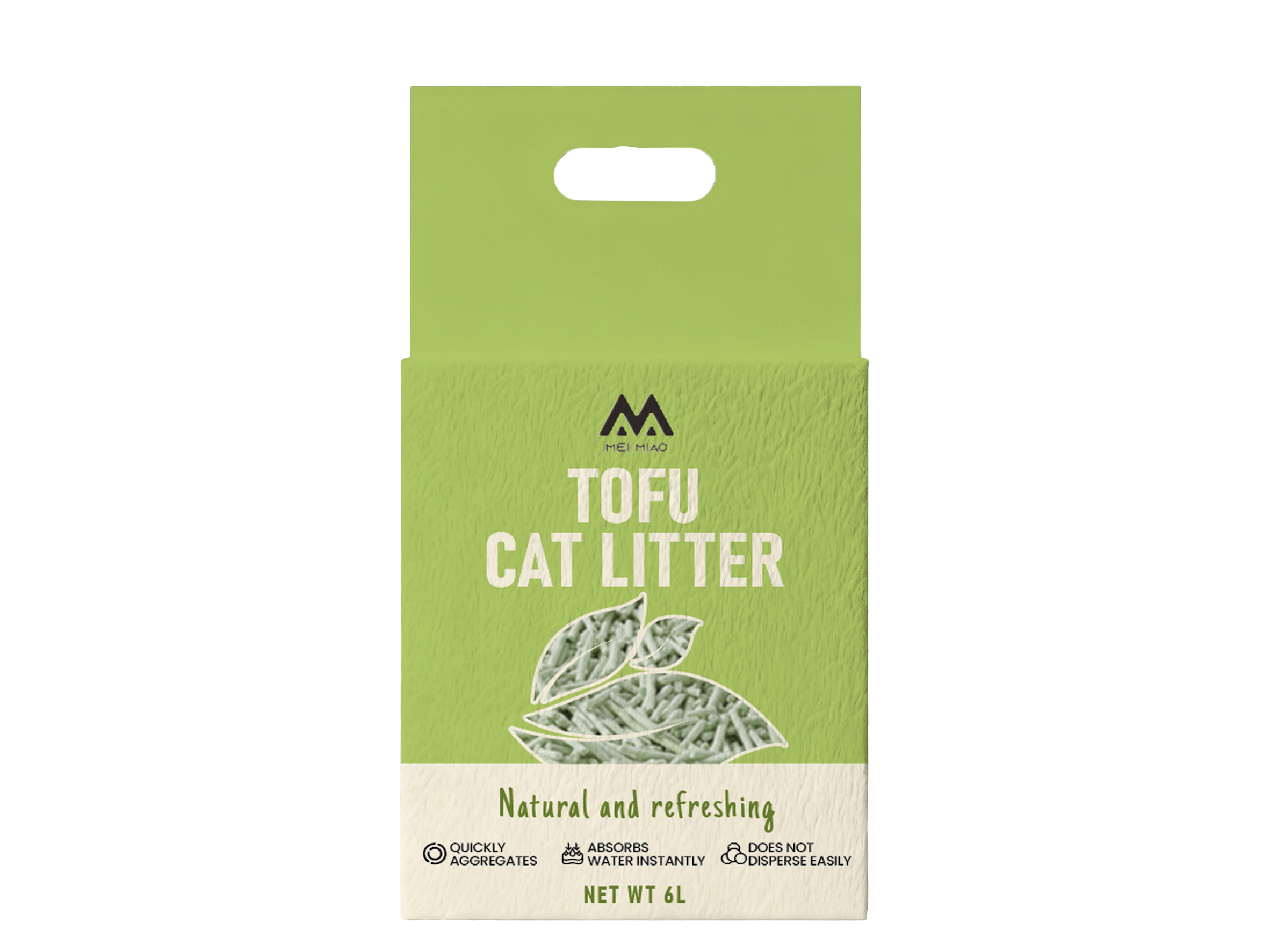
ODM/OEM Blended Tofu Litter Private Label Soybean & Cassava Composite
Dual-action formula combining dietary soybean pea fiber with cassava binding agents for balanced capillary absorption and odor lock.
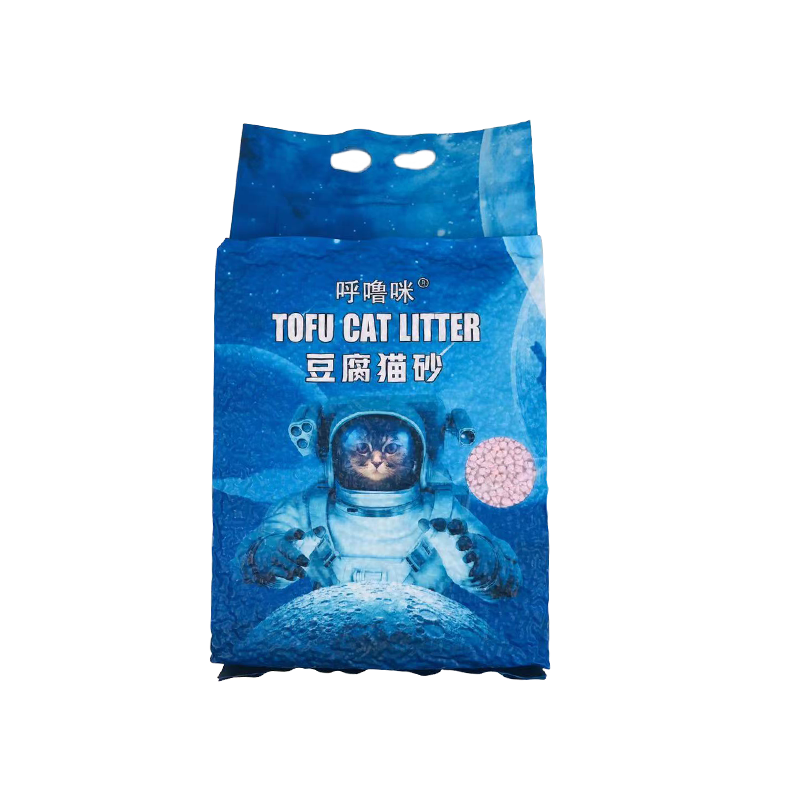
Wholesale Cheap Flushable Clumping Tofu Cat Litter Bulk Kitty Sand
High cost-to-performance ratio for commercial mass retail. Safe dissolution dynamics in municipal and private plumbing systems.
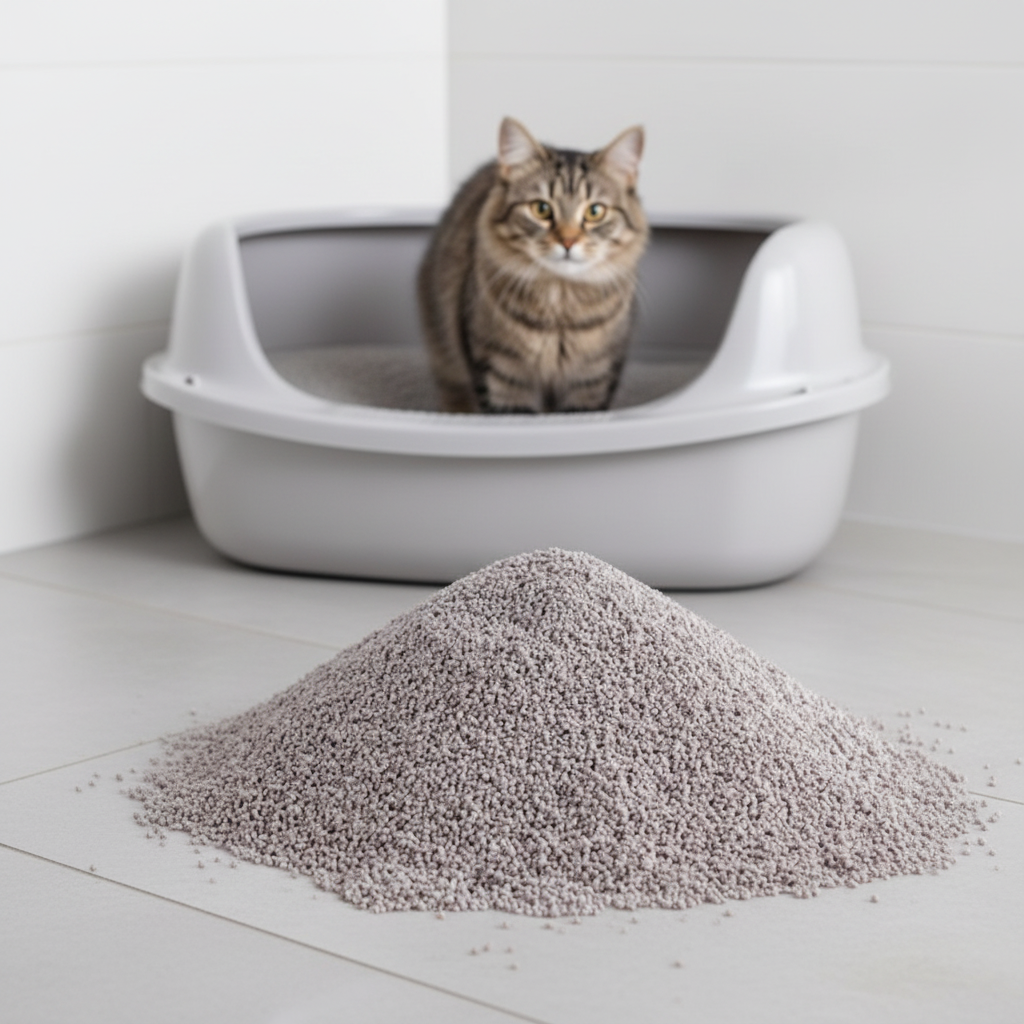
Wholesale Broken Sodium Base Soil Crushed Bentonite Cat Litter
High-swelling natural raw montmorillonite content. Irregular broken granules recreate natural outdoor soil texture for high feline acceptance.
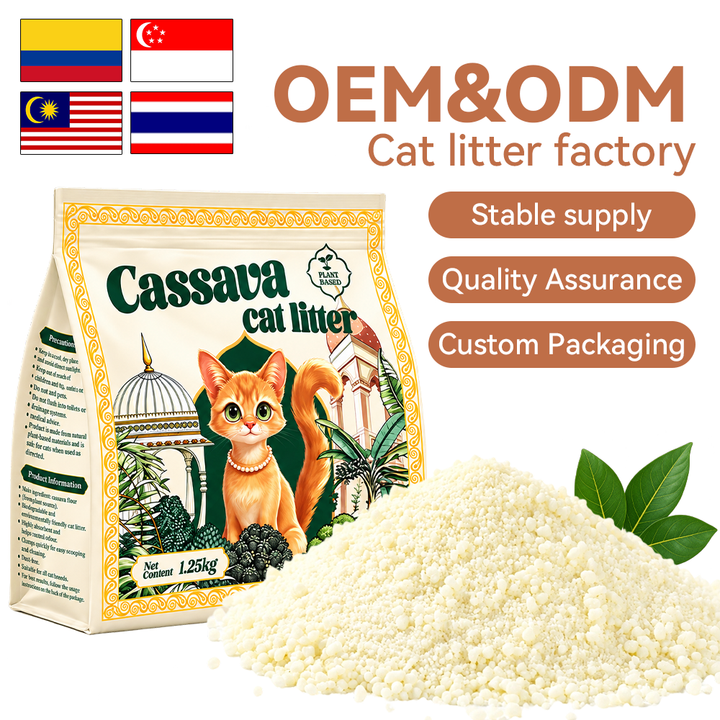
Natural Cassava Quick Clumping Strong Odor Control Biodegradable Sand
Pure botanical root extraction, zero chemicals or artificial glues. Natural pale tone allows early clinical observation of feline urinary health.
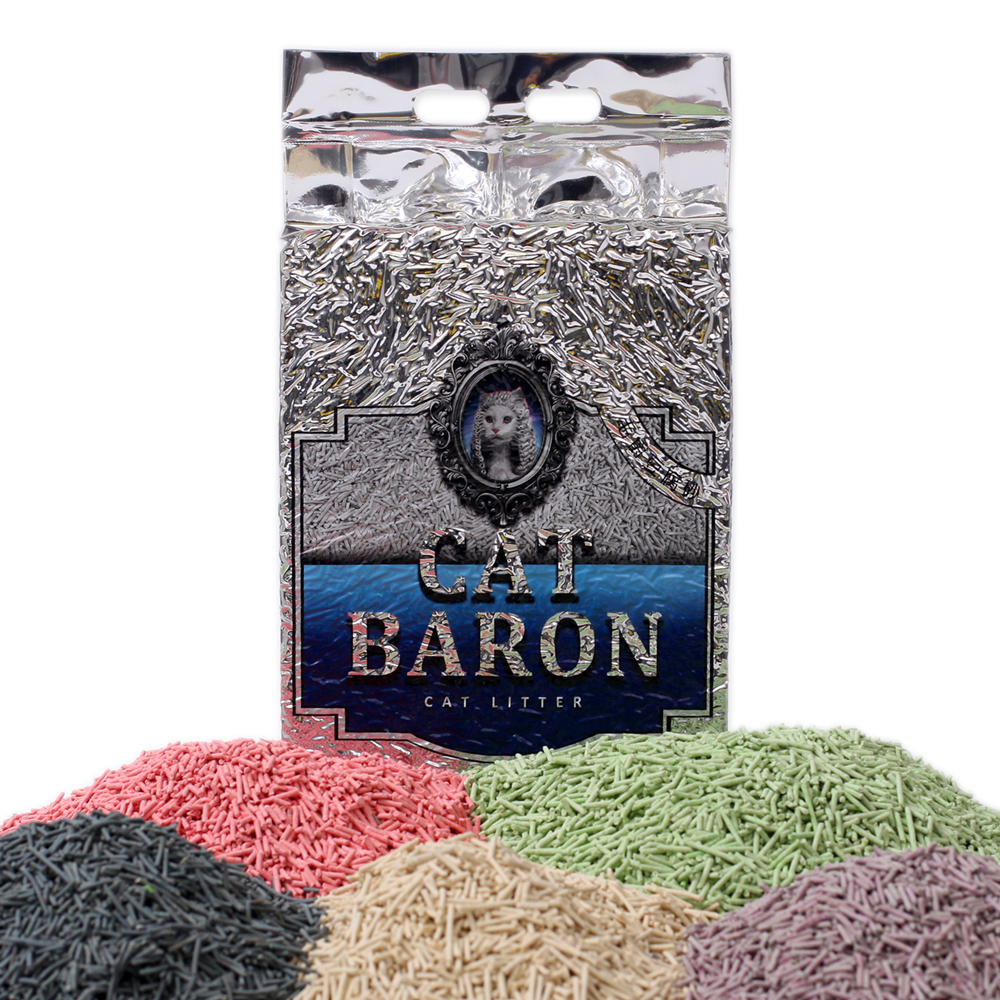
Tofu Cat Litter With 6L Agglomeration Deodorizing Cat Pet Cleaning Sand
Infused with natural deodorizing enzymes that eliminate free ammonia gas molecules rather than masking them under high ambient heat.
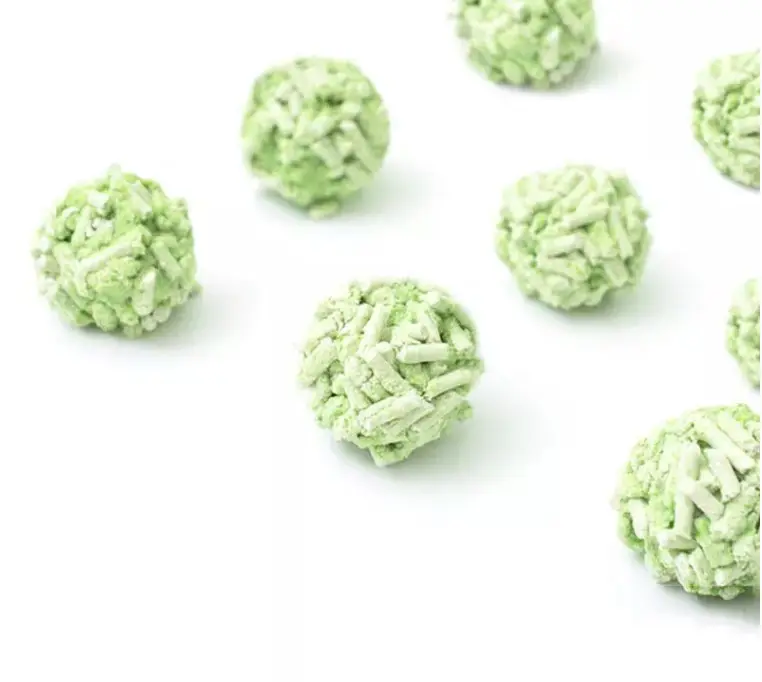
Wholesale OEM Tofu Pet Cat Sand Strong Clumping Dust-Free Litter
Quadruple dedusted using dual negative-pressure cyclones. Protects the feline ocular and respiratory tracts in humid environments.
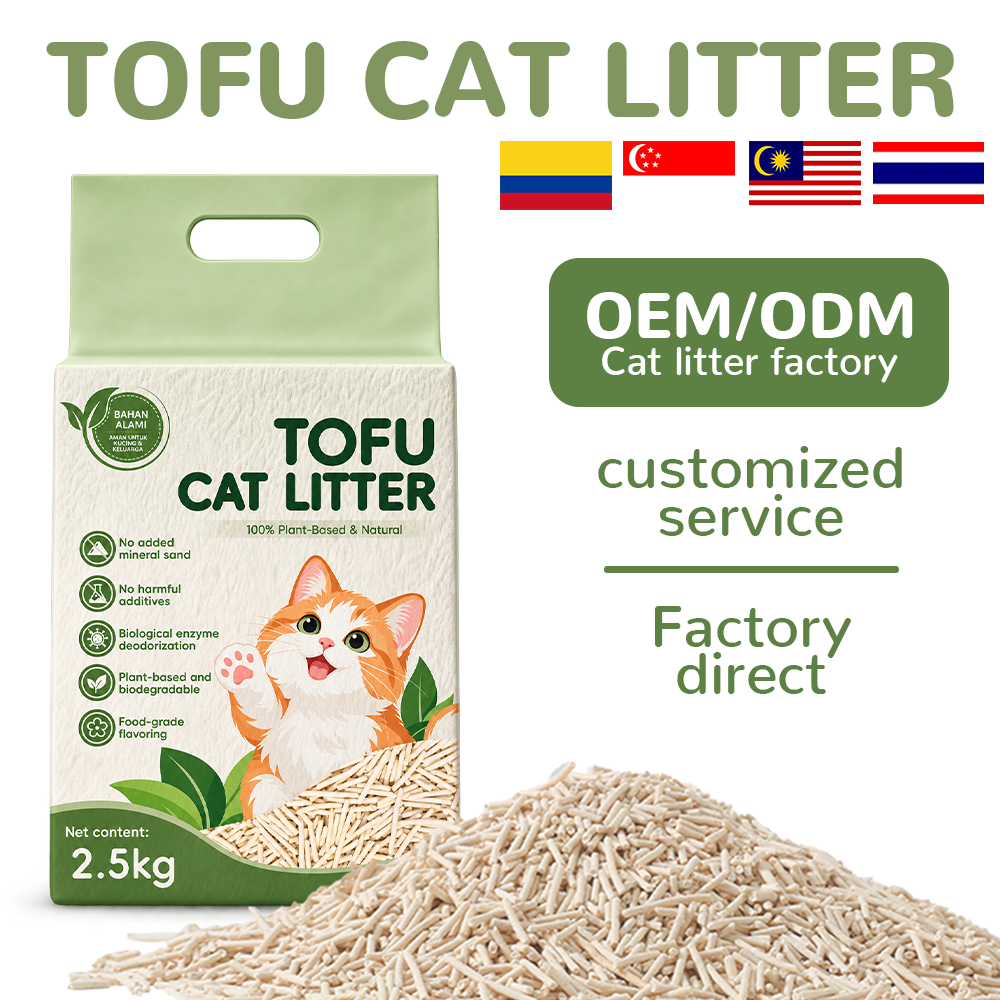
Wholesale Tofu Cat Litter Fast Clumping Low Dust Eco-Friendly Factory
Reinforced mechanical cohesion preventing bottom-sticking in high-frequency multi-cat households. Direct bulk supply from source plant.
Engineering Supply Stability from China's Pet Industrial Core
Hebei Chupen Pet Products Co., Ltd. operates in Nanhe District, Xingtai—the epicenter supplying 80% of China's pet food and 60% of national pet commodities. Our scaled infrastructure guarantees production rhythm, batch uniformity, and freight prioritization.
5 plant/tofu lines, 3 bentonite facilities, 3 silica lines operating with automated dry-mixing and secondary vacuum extraction.
Daily mineral throughput coupled with 150 tons/day plant-based cassava and tofu output capacity for uninterrupted export cycles.
Climate-stabilized storage ensuring safety stock buffers, rapid container stuffing, and minimal lead times to maritime terminals.
Direct consolidation of pet puppy pads, cat food, and sanitizing accessories within unified container loads to lower CIF unit costs.
Operational Performance in Santiago de Cuba's Tropical Microclimate
Deploying pet hygiene commodities across Eastern Cuba demands acute engineering adaptations to survive chronic coastal humidity, marine salt content, and unique Caribbean residential structures.
1. The Maritime Humidity Dilemma in the Oriente Region
Santiago de Cuba experiences persistent tropical savanna and coastal climate dynamics where ambient relative humidity regularly crosses 80% to 88%, coupled with average year-round temperatures exceeding 30°C. Standard sodium bentonite clay products often absorb ambient aerial moisture prior to cat urination, triggering premature swelling, sticky clay slumping, and complete breakdown of capillary odor retention. Conversely, low-grade plant litters manufactured without gelatinized cassava starch are susceptible to mold spore amplification under tropical warmth.
Chupen's proprietary cassava cat sand leverages high-amylose tapioca extracts processed through thermal expansion drying. The physical surface pore structure remains hydrophobic to atmospheric ambient vapor but reacts aggressively within 1.8 seconds when challenged with targeted liquid volumes (urea), forming dense, non-crumbly agglomerations that sit cleanly atop dry substrate.
2. Residential Plumbing & Waste Management Realities
In municipal centers such as Vista Alegre, Reparto Sueño, and the historic urban core surrounding Parque Céspedes, residential infrastructure relies heavily on older municipal discharge lines or residential septic soakaways. Heavy mineral clays cannot be flushed; when dumped in urban waste channels, bentonite accumulates in pipe elbows, requiring manual excavation and creating heavy solid-waste municipal footprints.
Our engineered cassava cat sand exhibits hydraulic disaggregation: once submerged in high-volume, static or moving water (such as a standard domestic toilet bowl), the intermolecular starches rapidly soften and disperse within 90 seconds into micro-particulates. This ensures total flushability, zero pipe caking, and rapid organic biodigestion inside local septic systems without chemical residual toxicity.
Thermal Anti-Mold Stabilization
Treated through an advanced 120°C high-temperature thermal sterilization line to eliminate microbial spores, guaranteeing 24-month unopened shelf life across Caribbean shipping corridors.
- Moisture controlled below 8.0%
- Zero chemical preservatives
- Anti-fungal biological barrier
Hermetic Barrier Packing
Supplied in reinforced 5-layer composite moisture-proof foil or nylon vacuum bags designed to resist puncture, sea spray intrusion, and long-term dock warehousing at Port of Santiago.
- High mechanical puncture resilience
- Zero humidity transmission rate
- Optimized pallet cubic density
Veterinary Respiratory Safety
Zero respirable free silica dust. Essential for the health of household felines and pet owners residing in naturally ventilated or indoor air-conditioned Caribbean apartments.
- Airborne particulate ≤ 0.05%
- Non-toxic if ingested by kittens
- Hypoallergenic natural aroma
The Structural Shift from Clay to Organic Root Starches in Caribbean Retail
Macro analysis on why modern pet import channels are pivoting toward natural plant-derived cat litters for long-term commercial margin expansion.
The Economic and Logistical Case for Lower Tare Weight
Historically, commercial pet supplies in the Caribbean basin have been dominated by heavy mineral clays (sodium bentonite). However, maritime container shipping from Asia involves volumetric and deadweight payload thresholds. A standard 20-foot GP container hits statutory road and vessel weight caps with only 18 to 21 metric tons of clay, transporting an enormous amount of useless packaging deadweight relative to usable absorption capacity.
In contrast, cassava cat sand features a bulk density of approximately 0.52 to 0.58 g/cm³—roughly 40% lighter than mineral sand. For importers landing goods into the Port of Santiago de Cuba (Guillermón Moncada Port), this volumetric efficiency allows up to 60% higher functional absorbent litter volume per landed container. The downstream impact lowers per-liter ocean freight amortizations and simplifies interior island ground transport where fuel economy and vehicular load limits are strictly monitored.
| Physical & Chemical Parameter | Chupen Cassava Root Matrix | Standard Bentonite Clay | Traditional Wood/Paper Pellets |
|---|---|---|---|
| Liquid Absorption Velocity | < 2.0 seconds (Instant surface clump) | 5.0 - 8.0 seconds | 15.0 - 30.0 seconds (Slow saturation) |
| Hydraulic Flusability | 100% biodegradable in 90 seconds | 0% (Risk of severe pipe blockage) | Partial (Prone to matting in septic traps) |
| Bulk Density (Freight Factor) | 0.52 - 0.58 g/cm³ (High volume/ton) | 0.88 - 0.96 g/cm³ (Heavy deadweight) | 0.45 - 0.50 g/cm³ (Low clumping capacity) |
| Odor Trap Mechanism | Starch cross-linking & enzyme lock | Pore adsorption (Saturation cap) | Wood phenol masking (Fades fast) |
| Dust Index (PM 2.5 / PM 10) | ≤ 0.18% (Vacuum air-extracted) | 1.5% - 4.5% (Silica hazard) | 0.8% - 1.2% (Cellulose particulate) |
Consumer Behavior: Eco-Conscious Urban Households
Throughout Santiago de Cuba's expanding private entrepreneurial sector (including registered micro, small, and medium-sized pet enterprises / MiPyMEs), pet owners increasingly value clean, flushable, and dustless living solutions. The absence of industrial fragrance chemicals protects cats from dermatitis and asthma, aligning with global organic welfare trends. As an agricultural root crop product, cassava carries zero environmental extraction burdens compared to open-cast strip mining of bentonite clays, securing high brand equity for private-label distributors.
Why Global Buyers Depend on Hebei Chupen
Combining proprietary high-tech manufacturing lines with comprehensive supply-chain consolidation to deliver unmatched commercial reliability.
SGS Audited & ISO Certified
Factory premises rigorously audited onsite by SGS Group. Certified management frameworks covering ISO 9001 (Quality), ISO 22000 (Safety), ISO 14001 (Environment), and ISO 45001 (Occupational Health).
One-Stop Container Consolidation
Lower ocean shipping overhead by combining cassava cat sand with 5-layer leak-proof puppy pee pads, pet food snacks, and ergonomic plastic litter boxes sourced from our 50+ local partner plants.
Strategic Export Hub Access
Rapid transit via direct highway corridors from our Xingtai production base to Tianjin Port, ensuring expedited customs clearance, priority container vessel staging, and smooth Caribbean shipping schedules.
Frequently Asked Questions by Caribbean Importers
Essential trade details covering shipping logistics, custom formulation adjustments, packaging integrity, and private-label terms.
Q1: How does cassava cat litter maintain shelf stability during sea transit to Cuba?
Maritime routes from Tianjin Port to the Caribbean take between 35 to 50 days. To prevent moisture uptake in tropical marine environments, our goods are sealed in heavy-gauge multilayer BOPP/PE laminated bags or vacuum packaging, packed with internal desiccant buffers, and shipped in dry, pristine shipping containers with container-floor moisture barriers.
Q2: What is the Minimum Order Quantity (MOQ) for custom private branding?
For custom gravure-printed private packaging bags, our standard starting run is 13,000 bags. However, for emerging distributors testing the Santiago de Cuba market, we provide flexible low-MOQ pilot options starting from 60 to 100 bags using standardized neutral moisture-proof packaging with custom branded labels.
Q3: Can we consolidate cat litter with puppy pee pads and pet food in one container?
Yes. Many Caribbean importers take advantage of our Nanhe industrial cluster alliance to consolidate 40ft HQ containers with high-volume cat litter on the floor pallets and lightweight puppy training pads or wet food strips stacked above, maximizing both weight and volumetric container payload capacity.
Q4: Does cassava cat sand attract pests or insects under tropical Cuban conditions?
No. Our plant matrix undergoes complete thermal starch gelatinization and microwave sterilization at temperatures surpassing 120°C, stripping fermentable crude sugars while preserving natural amylopectin binding strength. Pests find no nutritive attractants in the finished, dry granules.
Q5: What incoterms and documentation do you offer for maritime shipments to Cuba?
We routinely execute FOB Tianjin, CIF Santiago de Cuba, or CIF Mariel/Havana contracts. Our dedicated export documentation team provides commercial invoices, packing lists, clean bills of lading, Certificates of Origin (CO), phytosanitary certificates, and SGS inspection reports.
Q6: How does cassava litter perform in multi-cat or shelter scenarios?
Because cassava starch forms a significantly denser and harder clump than traditional tofu or paper litter, it uses less virgin product per urination event. A 6L bag of premium cassava sand typically lasts an adult cat 30 to 35 days, lowering replenishment frequency and reducing overall consumption costs.
Request Direct Factory Quotation & Specification Samples
Partner directly with Hebei Chupen Pet Products Co., Ltd. Discover high-margin private label OEM/ODM opportunities customized for Santiago de Cuba and regional Caribbean markets. Contact our technical export division today for full laboratory test sheets and container loading plans.