Factory-Direct Cat Sand & Hygiene Formulations for Saint Kitts & Nevis
Sourced directly from our automated Hebei manufacturing hub. Available for mixed-container loading, private label branding, and customized moisture barrier packaging.
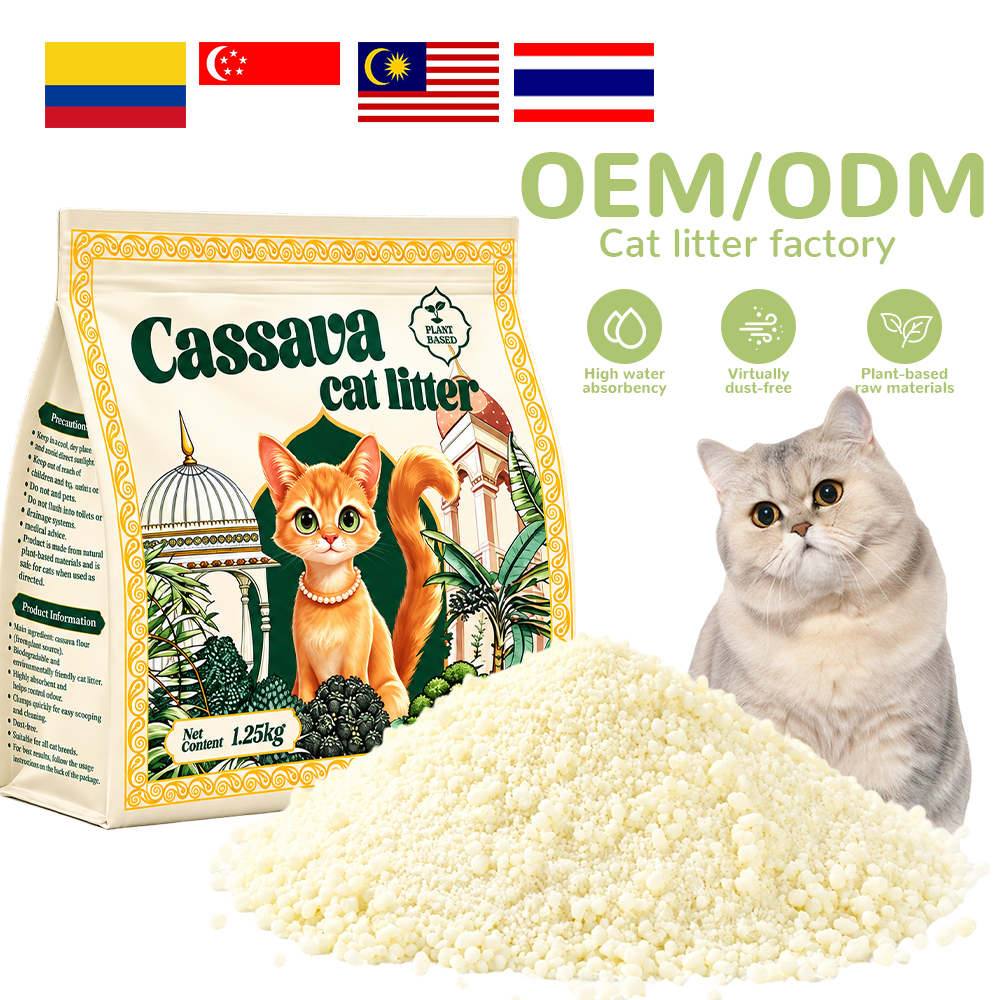
Premium Cassava Cat Litter Private Label OEM ODM Flushable Natural Plant Based Cat Litter
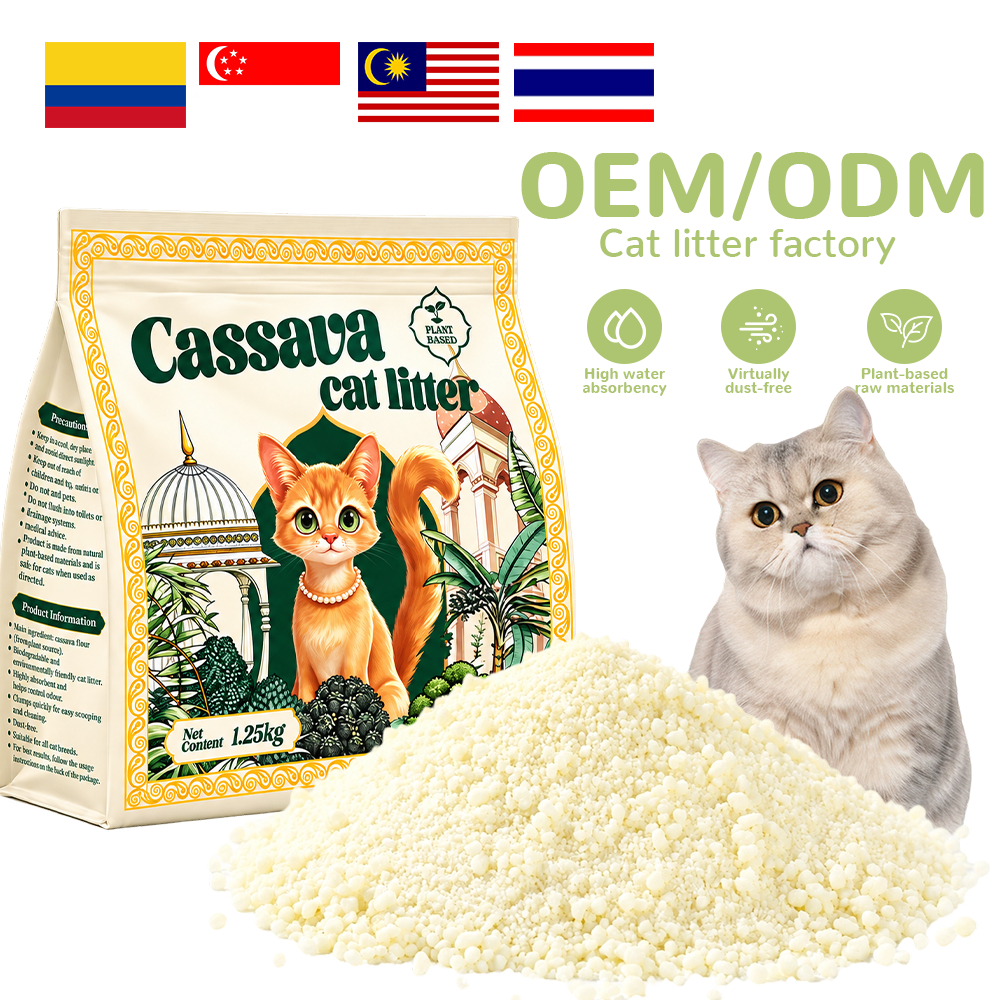
Premium Cassava Cat Litter Fast Clumping Low Dust Natural Plant Based Odor Control Cat Sand
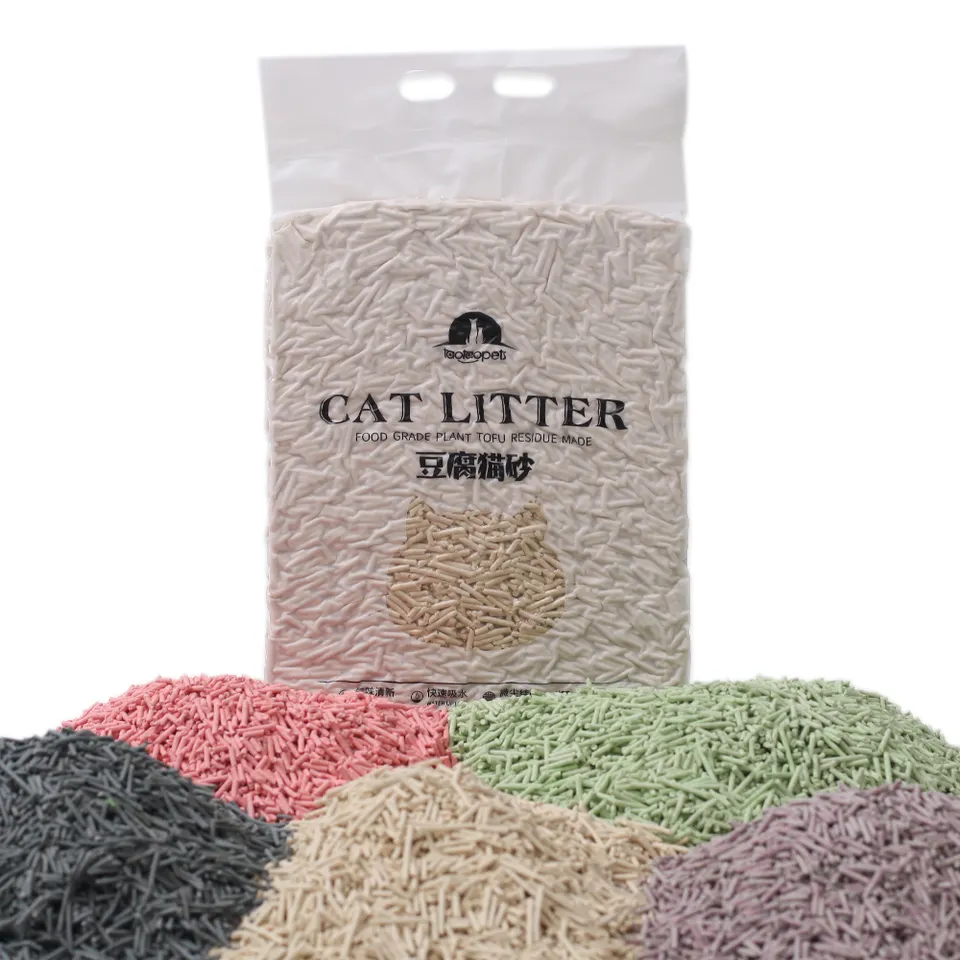
OEM ODM Factory Catlitter 10L-25Kg Tofu Material Antibacterial Cat Arena Application Flushable
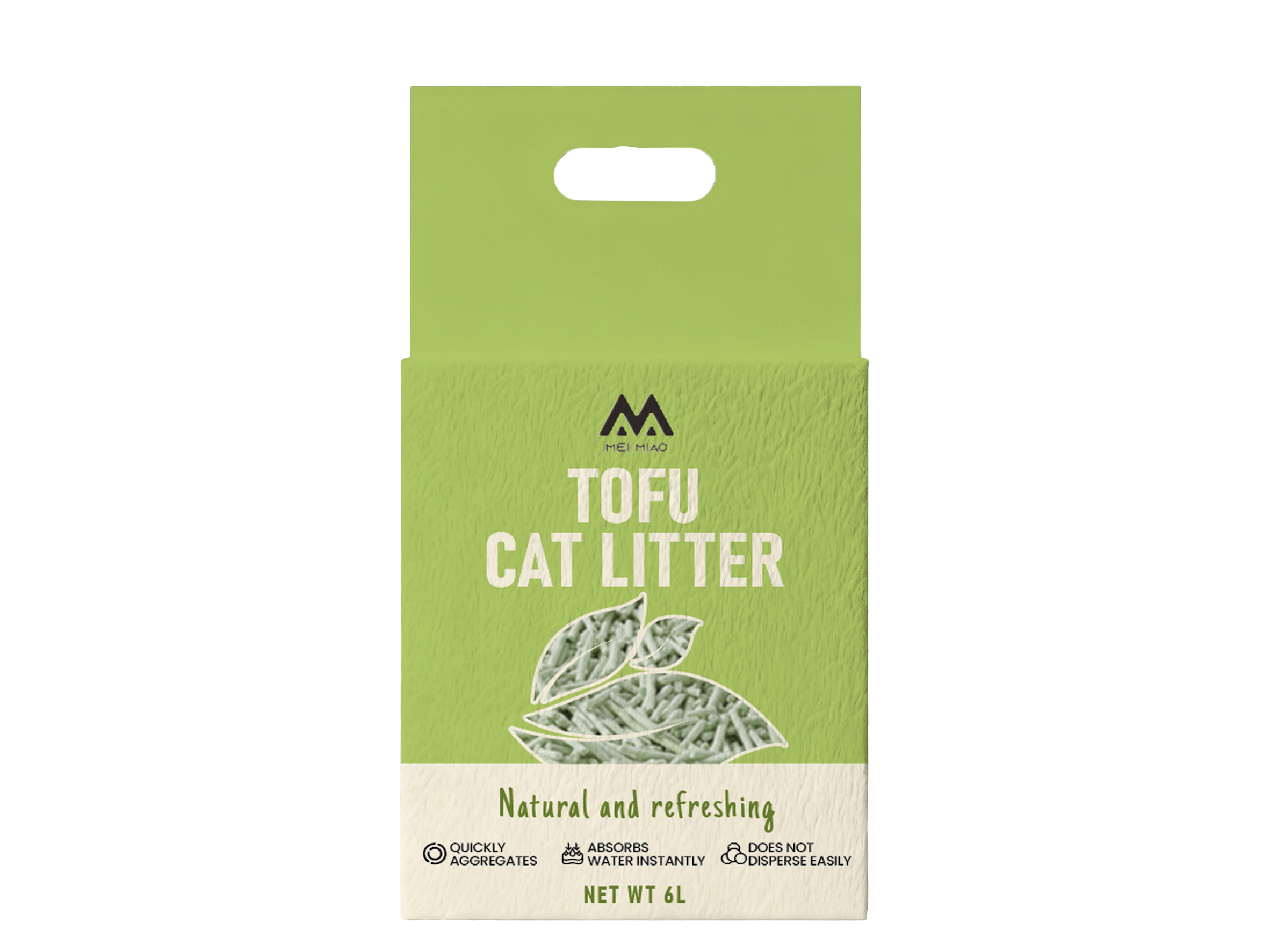
ODM/OEM Blended Tofu Litter Private Label Tofu Litter Premium Soybean Tofu cat Litter
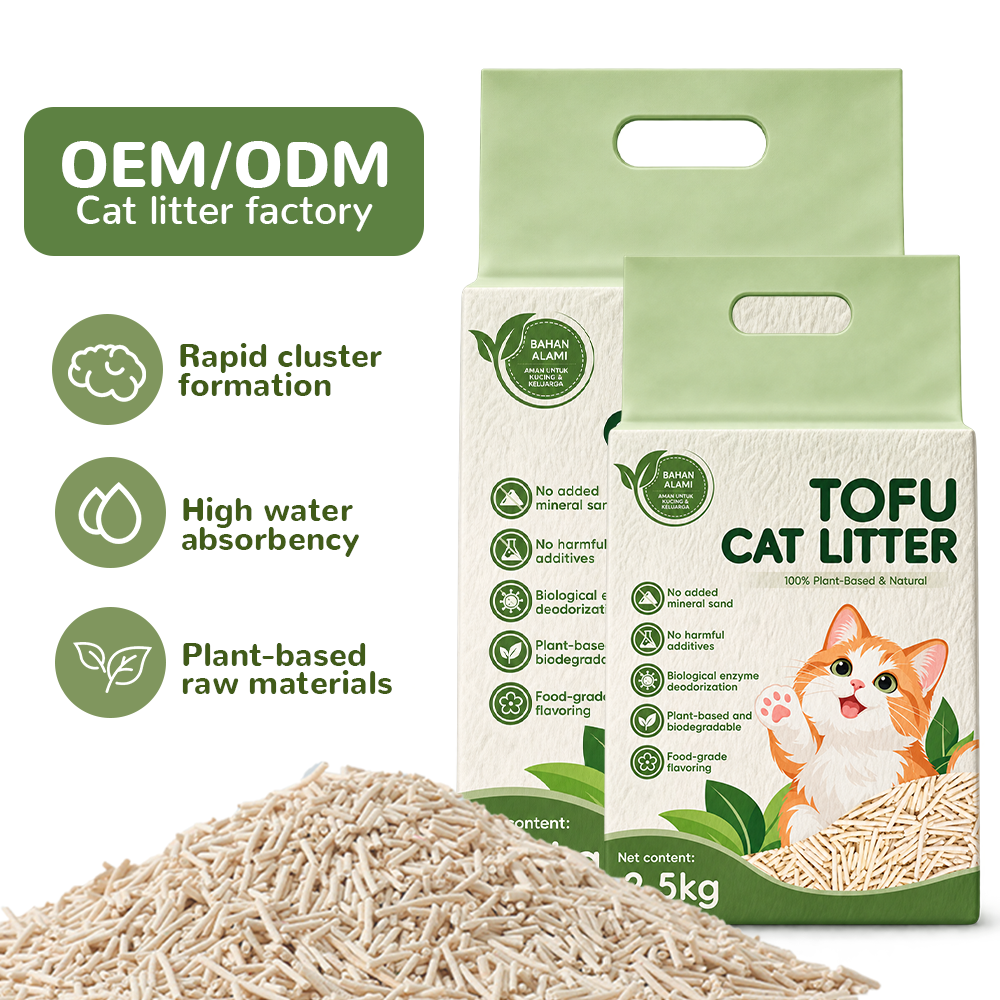
Premium Tofu Cat Litter High Absorbency Quick Clumping Plant Based Cat Sand Bulk Wholesale
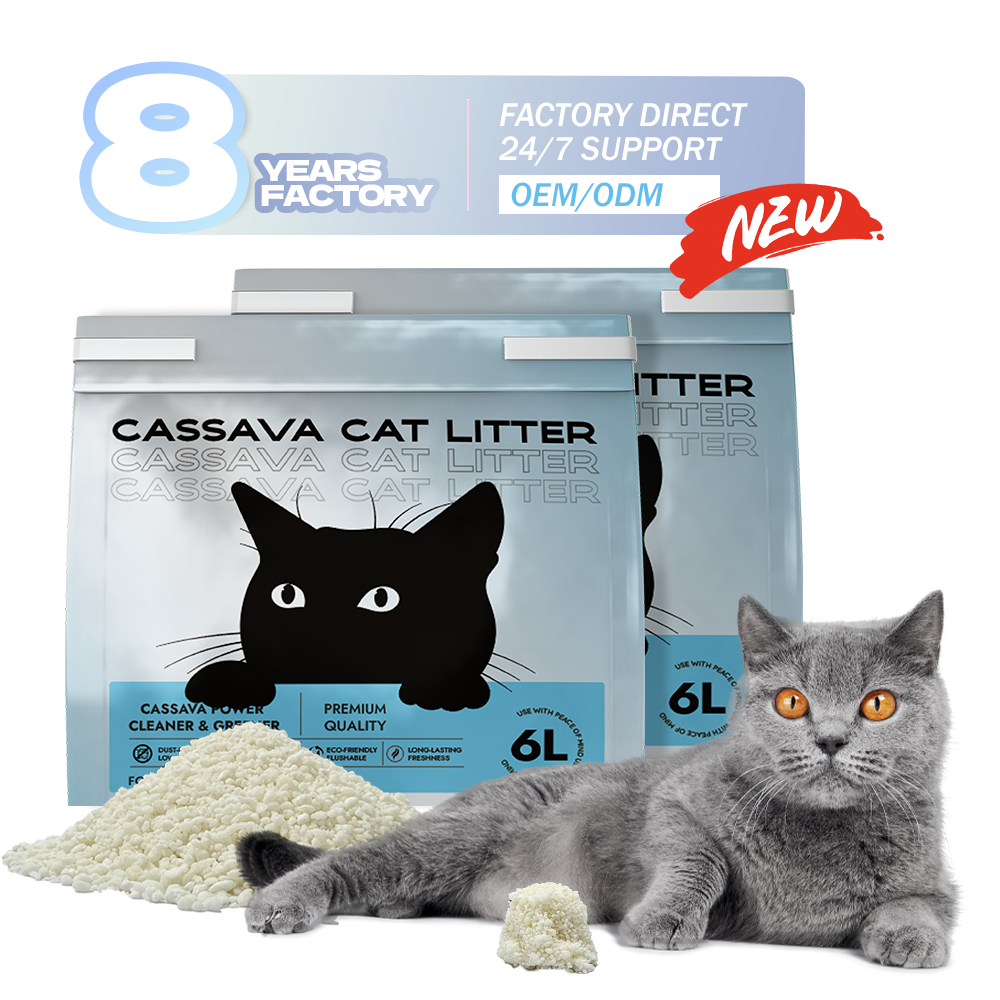
Wholesale Cassava cat Litter Mixed Cassava cat Litter Deodorizing Odor Control Sand
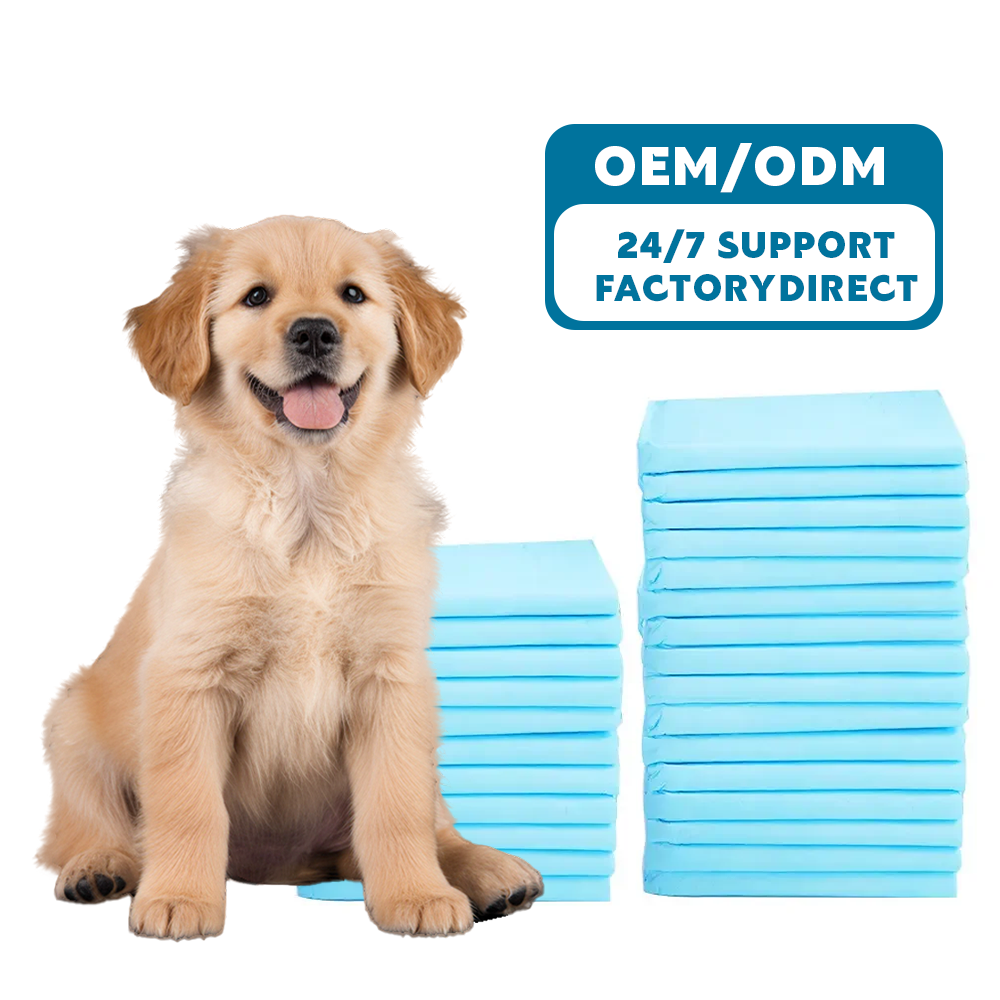
Pet Supplies Customized Super Absorbent Pet Training Pads Non-slip Disposable Puppy Pee Diapers
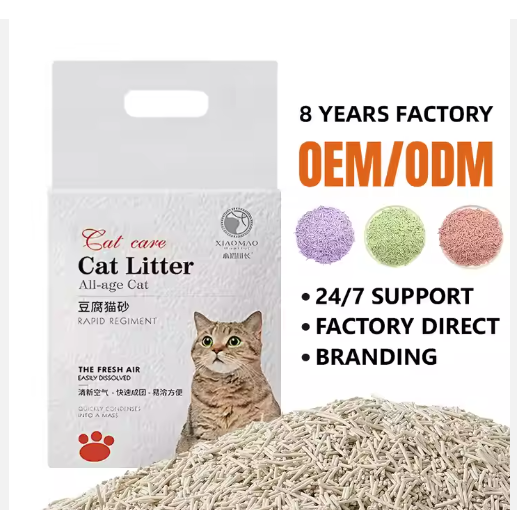
Factory cat Litter Eco-friendly Natural Dust Free Organic Cat Sand Premium Quick Clumping Tofu
The Paradigm Shift Toward Plant-Derived Cat Litter in Small Island Developing States (SIDS)
In the dual-island Federation of Saint Kitts and Nevis, modern pet ownership patterns are undergoing a profound structural evolution. Traditionally reliant on imported sodium bentonite clay litter, local pet care retailers, resort properties, and animal welfare institutions face escalating ecological and logistical constraints. Bentonite cat litter, derived from strip-mined volcanic ash clays, represents a deadweight burden on maritime supply chains connecting mainland transshipment ports with Port Zante and the Deep Water Harbour in Basseterre. Possessing bulk densities exceeding 850–950 kg/m³, sodium bentonite rapidly consumes ocean container payload margins while contributing zero post-consumer biodegradability. In an island territory with finite landfill acreage—notably the capacity-strained Conaree Landfill on Saint Kitts and Nevis’ Low Ground site—the disposal of non-degradable, sludge-forming bentonite constitutes an ecological liability.
"Saint Kitts and Nevis represents an inflection point in Caribbean pet retail: high disposable household incomes, world-class veterinary education standards, and delicate coastal groundwater ecosystems necessitate an immediate transition to biodegradable, low-density cassava starch cat sands."
Cassava (Manihot esculenta) cat sand fundamentally alters this supply-chain equation. Synthesized via precise thermal-mechanical gelatinization of refined cassava root starch and renewable agricultural fibers, cassava litter achieves a bulk density of approximately 420–480 kg/m³—nearly 50% lighter than mineral clays. For local Caribbean importers and commercial wholesalers, this weight reduction directly decreases container landed freight costs per cubic meter. Furthermore, cassava amylopectin molecular structures form resilient hydration bonds upon liquid contact, forming compact, surface-clamping pucks without the inclusion of synthetic sodium polyacrylate binders or artificial glues. When discarded, cassava litter undergoes total enzymatic breakdown in aerobic compost piles and passes smoothly through island septic tanks and marine-adjacent plumbing systems without forming heavy obstructive clay plugs.
Tailored Deployments Across Saint Kitts & Nevis Commercial Channels
From premier veterinary lecture halls to luxury resort villas, discover how cassava cat sand resolves specific regional operational pain points.
Ross University Vet Ecosystem
Saint Kitts is globally recognized as the home of Ross University School of Veterinary Medicine (RUSVM) in West Farm. Hundreds of veterinary students, clinical faculty, and specialized animal hospitals demand rigorous indoor hygiene protocols. Our cassava cat litter is 99.9% dust-free, completely eliminating respirable crystalline silica dust that can trigger feline asthma and chronic respiratory infections in enclosed student accommodations and clinic catteries.
Luxury Villas & Yacht Marinas
High-net-worth residents and seasonal visitors frequenting Christophe Harbour, Frigate Bay, and the secluded hillsides of Nevis demand discreet, premium pet amenities. Cassava cat sand provides rapid ammonia containment without artificial, overpowering chemical scents. Moreover, yacht owners and waterfront villa proprietors benefit from immediate in-toilet disposal without risking the delicate wastewater pumps common to coastal Caribbean architectures.
Basseterre & Charlestown Retail
Supermarkets, agricultural co-ops, and boutique pet outlets (such as Rams Supermarket, Horsford's, and local specialty storefronts) encounter shelf-life degradation under tropical relative humidity (often exceeding 75–85%). Our vacuum-sealed, multi-layer aluminum or metalized PET private-label bags protect cassava granules against premature moisture adsorption, ensuring rock-solid shelf stability and long-term clump integrity.
Material Performance: Cassava Starch Matrix vs Conventional Media in Tropical Environments
In maritime tropical climes characterized by ambient temperatures ranging between 26°C and 32°C year-round, substrate microbial growth and ammonia volatalization accelerate dramatically. Below is an engineering comparison of primary commercial cat litter substrates evaluated under tropical ambient conditions (28°C, 80% RH).
| Evaluation Parameter | Refined Cassava Sand | Soybean Tofu Litter | Sodium Bentonite Clay | Silica Gel Crystal |
|---|---|---|---|---|
| Bulk Density (kg/m³) | 430 - 470 (Lightweight) | 480 - 520 (Medium) | 880 - 980 (Heavy) | 420 - 460 (Lightweight) |
| Clump Tensile Rigidity | High (Gel Starch Matrix) | Moderate to High | Extremely Rigid (Clay Mass) | Non-Clumping (Liquid Absorbent) |
| Tropical Humidity Resistance | Superior (Hydrophobic Skin) | Moderate (Prone to Softening) | Low (Passive Pre-hydration) | Poor (Early Saturation) |
| Respirable Dust Index | < 0.1% (Near Zero) | < 0.5% (Very Low) | 2.5% - 6.0% (Silica Hazard) | < 1.0% (Synthetic Particulates) |
| Septic Tank Biodegradation | Complete (24 - 48 Hours) | Complete (48 - 72 Hours) | Zero (Forms Clogging Mud) | Zero (Non-Biodegradable) |
| Container Landed Freight Factor | Optimal Payload Utilization | Favorable | Heavy Tare Penalties | Moderate Cost Ratio |
Emerging Sourcing Dynamics in the Saint Kitts & Nevis Market
Capitalizing on shifting consumer ethics, regulatory waste fees, and e-commerce distribution models.
Stricter Solid Waste Directives
As the Solid Waste Management Corporation (SWMC) in Saint Kitts reinforces mandates to prolong landfill lifespans, commercial importation of non-degradable mineral items faces growing scrutiny. Distributors pioneering plant-based, 100% compostable cassava litters align directly with local green tourism covenants and national sustainability platforms.
Private Label Customization Demand
Caribbean regional chains are increasingly transitioning away from generic multinational brands toward high-margin private-label intellectual property. Our facility provides end-to-end bespoke packaging: matte finish foil gusseted pouches, vibrant local tropical motifs, customized barcode/SKU integration, and specialized scent formulations (e.g., coconut charcoal, white sakura, unscented hypoallergenic).
Consolidated Mixed Shipments
Given island warehouse limitations and the need for capital agility, importers rarely require 40-foot containers filled exclusively with a single SKU. We empower buyers in Basseterre to consolidate cassava cat sand, tofu pellets, bentonite lines, 5-layer puppy training pads, and cat feeding treats into a single unified bill of lading from Tianjin Port.
Hebei Chupen Pet Products Co., Ltd.
Situated in the heart of the Nanhe Industrial District, Xingtai, Hebei—a global hub representing roughly 80% of China's pet food and 60% of pet hygiene manufacture. Backed by 11 high-speed automated production lines, dedicated laboratory validation, and partnership with premier agricultural research universities, we deliver unparalleled B2B supply continuity to Caribbean markets.
Production & Logistics Thresholds
- 150 MT/Day dedicated plant-based cat litter capacity
- 3,000 MT/Day bentonite aggregation infrastructure
- 10,000 m² modern palletized finished-goods warehousing
- 9 In-House Lab Testing Instruments (moisture, drop, clump hardness)
- Direct Rail & Highway Haulage to Tianjin Port for Caribbean sailings
Frequently Asked Questions for Saint Kitts & Nevis Importers
Practical commercial answers regarding shipping terms, moisture barriers, and private labeling.
How does cassava cat sand perform against high coastal humidity in Basseterre and Charlestown?
What are the standard shipping routes and delivery lead times to Port Zante / Basseterre Deep Water Port?
What is the Minimum Order Quantity (MOQ) for custom private-label branding?
Is cassava cat litter genuinely safe for residential septic tanks and municipal sewers in Saint Kitts?
Can Saint Kitts and Nevis distributors combine cat litter with puppy training pads and pet food?
Expand Your Caribbean Pet Product Portfolio Today
Connect directly with our export engineering division to request certified MSDS, laboratory dust analytics, sample swatch packs, and CIF Basseterre price quotations.