OEM / ODM
Cassava Top-Pick
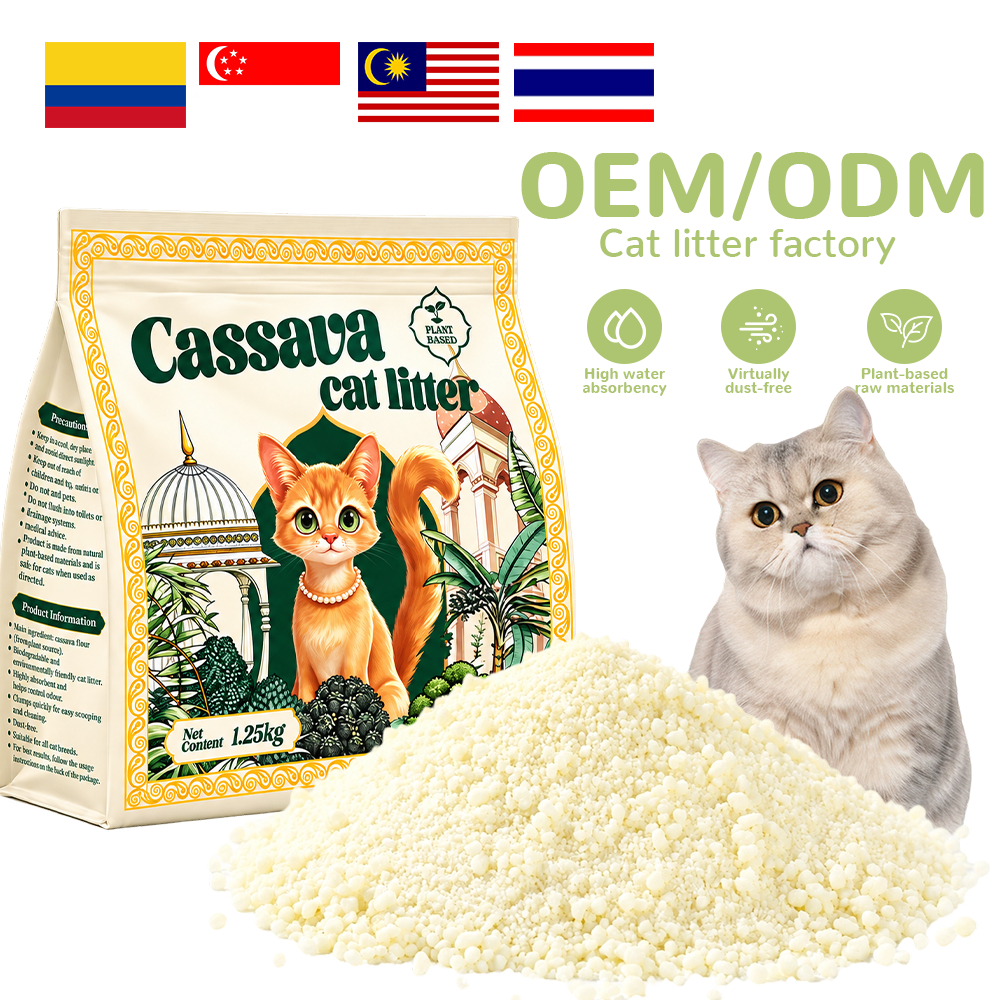
Engineered for Japanese retail and direct-to-consumer pet hygiene brands. Featuring hyper-dense molecular agglomeration, sub-0.5% dust extraction, and zero formaldehyde binder networks.
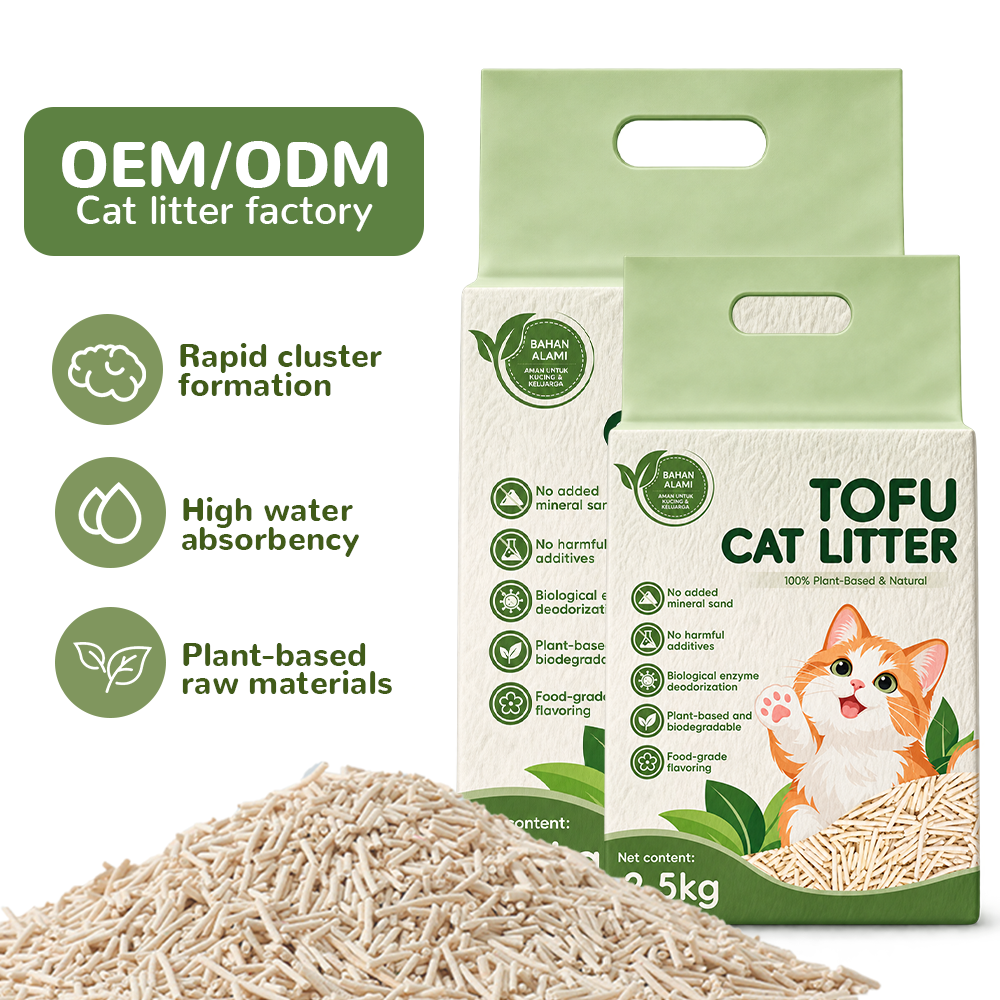
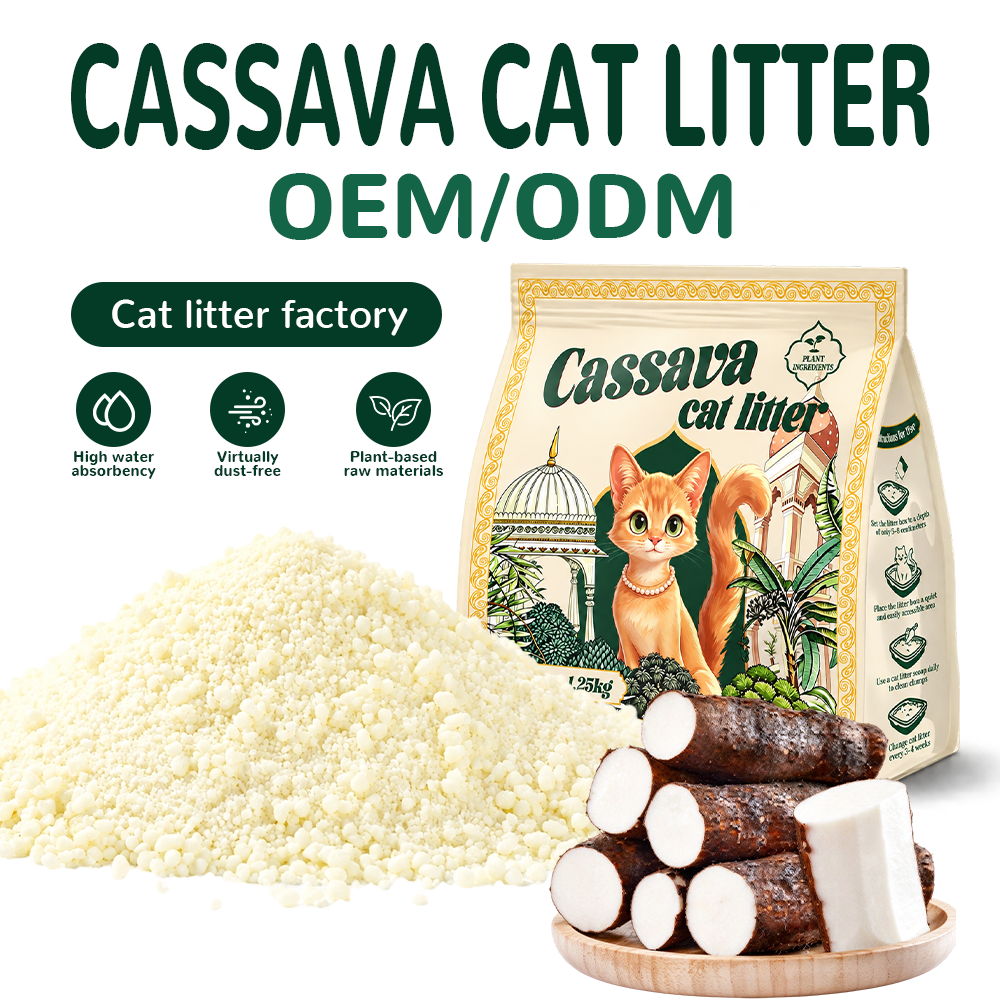
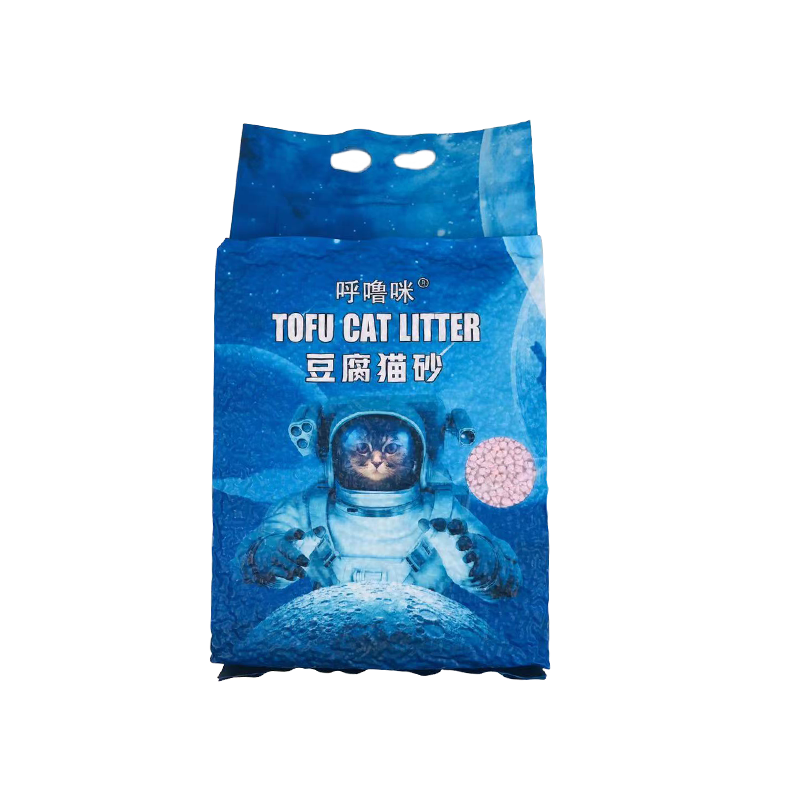
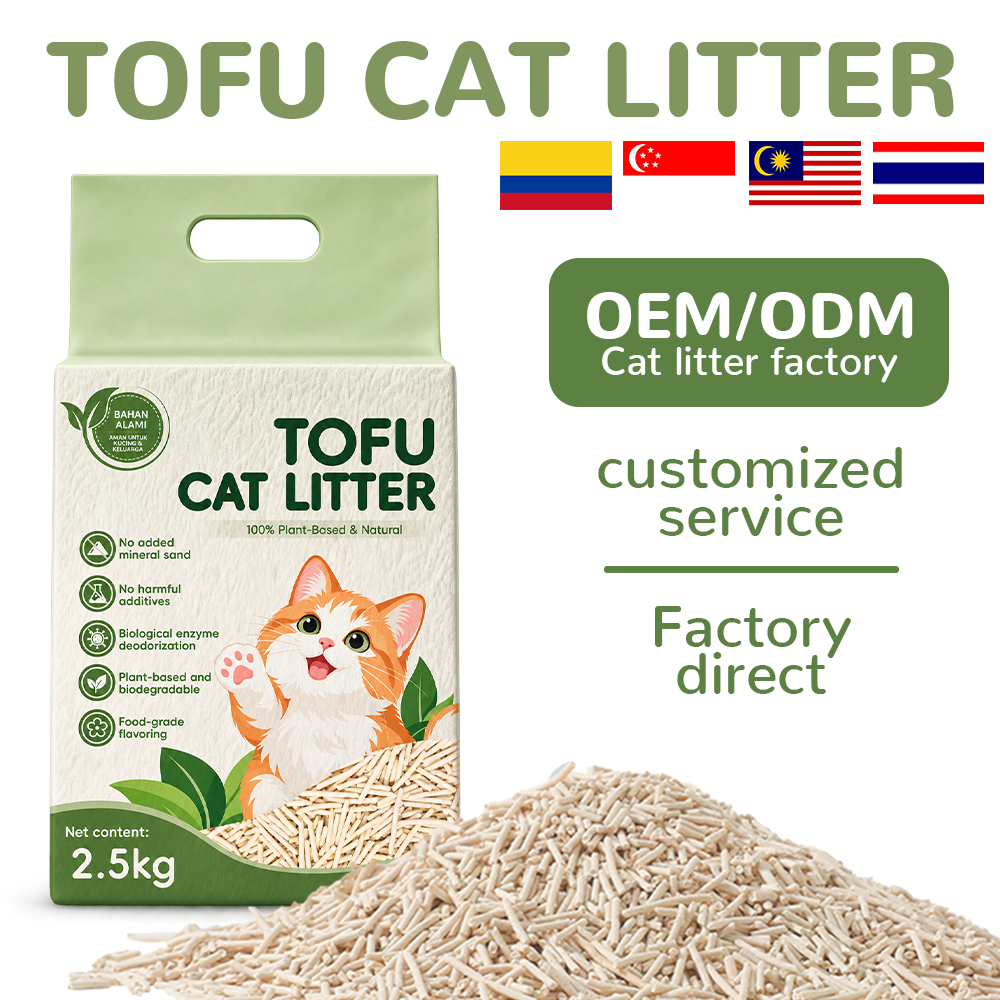
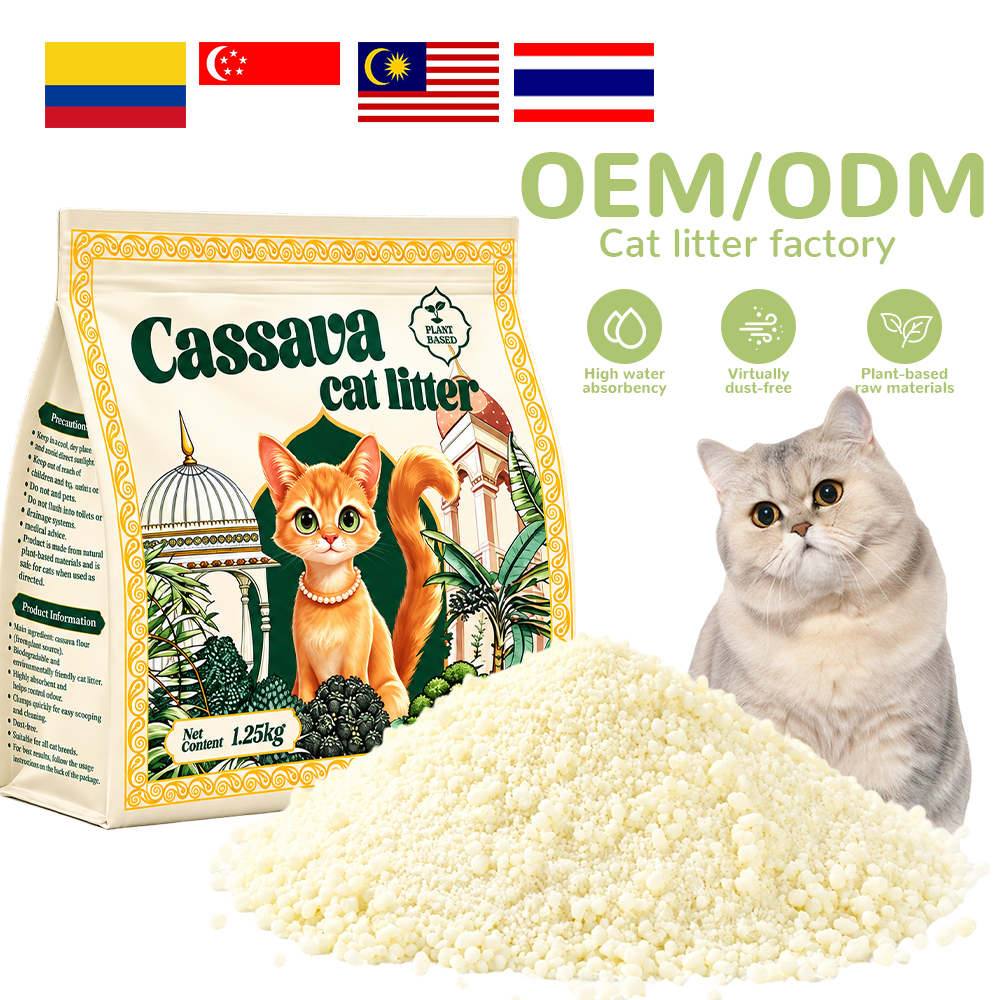
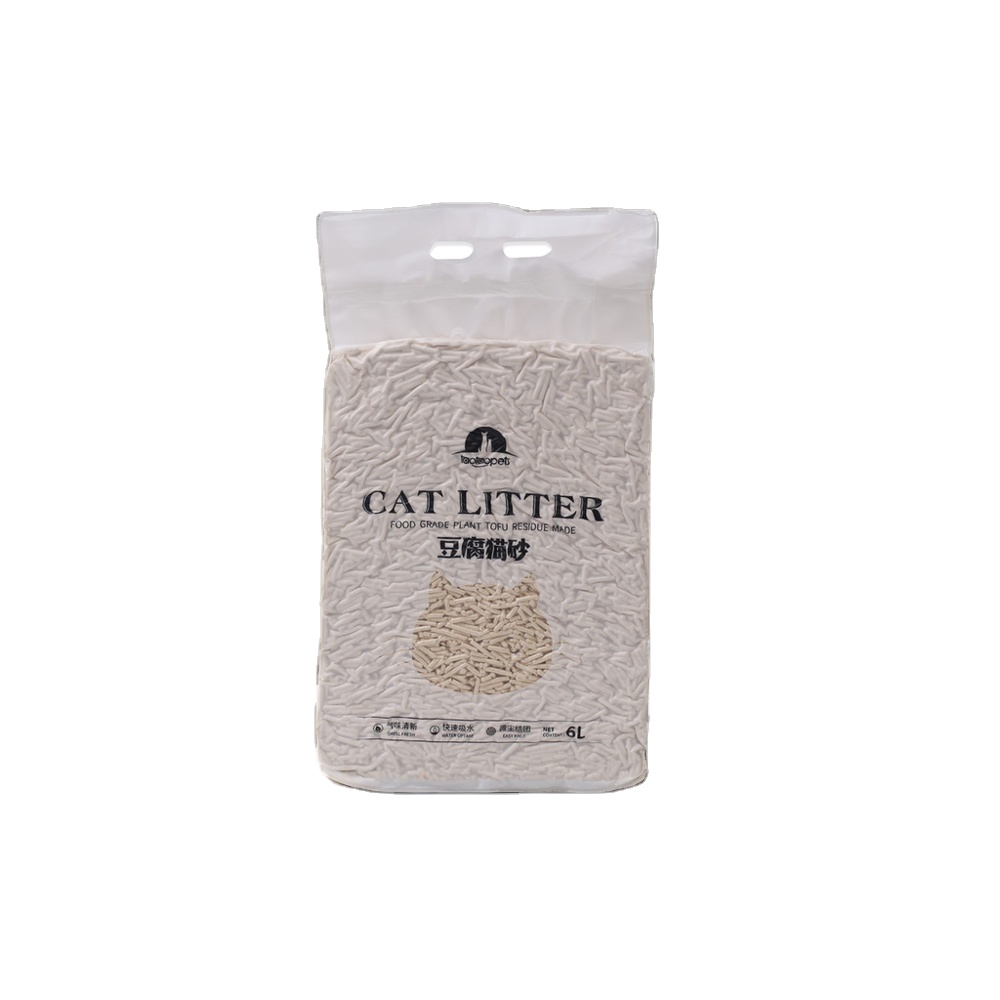
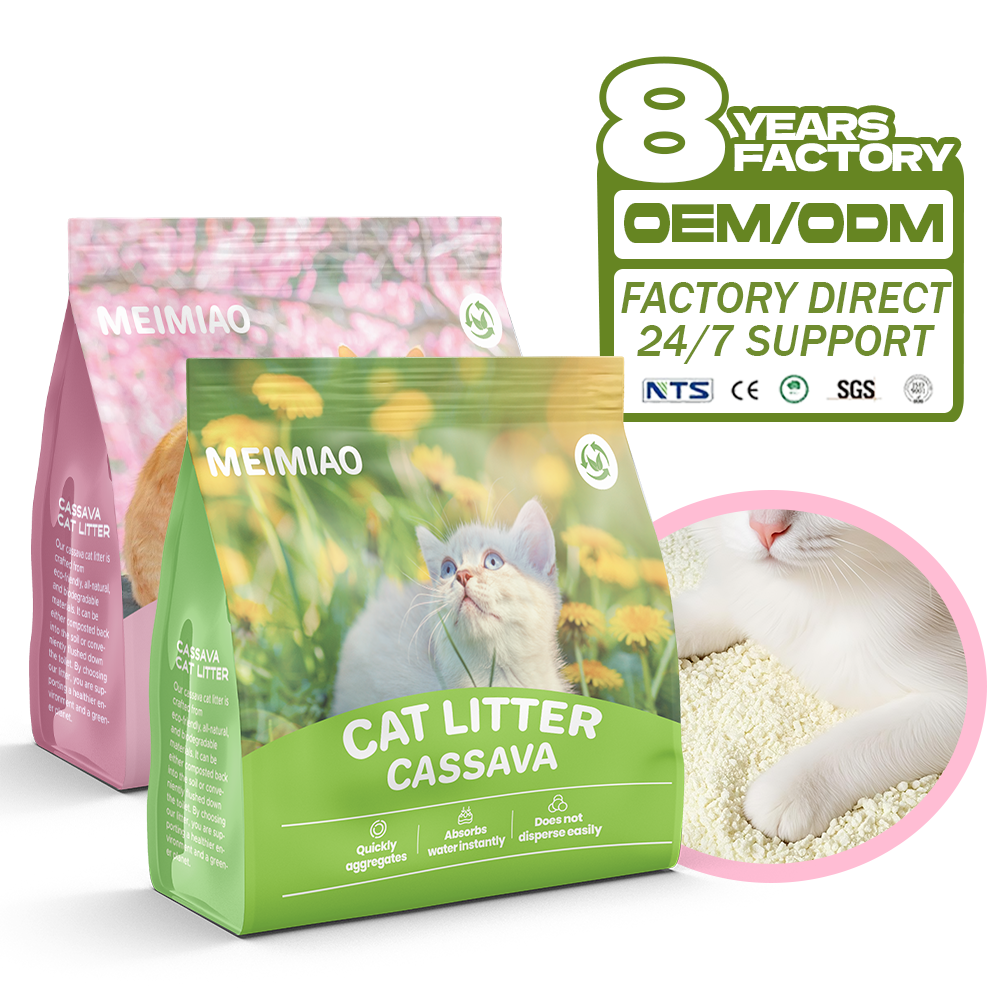
Directly operating from the heart of the Nanhe Pet Industrial Cluster in Xingtai, Chupen delivers predictable supply chains, strict moisture equilibria, and containerized logistics into Japanese hub ports.
Formulating cat litter for Tokyo, Osaka, and Fukuoka requires solving distinct spatial, thermal, and municipal constraints that typical western bulk clay litters fail to address.
In compact Japanese apartments (1K/1LDK), litter tray odor disperses rapidly throughout living quarters. Our blended formula incorporates activated organic starch and natural polyphenol tea extracts that trap volatile ammonia (NH₃) molecules in seconds, ensuring zero pungent gas buildup in confined spaces without offensive artificial perfuming.
During Japan's prolonged rainy season (Tsuyu), standard plant litters soften, turn gummy, and develop microbial growth inside the box. Chupen applies high-temperature secondary puffing and treats starch granules to maintain an equilibrium moisture content under 8.5%, maintaining brittle, rock-hard clumps even at 85% ambient relative humidity.
Japanese municipal waste segregation laws require either non-hazardous incineration or safe sanitary drainage. Our cassava-tofu blends are 100% biodegradable, yielding near-zero ash residue during municipal incineration, and disintegrate within 15 seconds in cold water to prevent sewer line blockages across aged Tokyo apartment infrastructures.
Data from Japanese retail tracking demonstrates a generational shift from pure bentonite clay and wood pellets toward engineered "Hybrid Blends" and refined starch-fiber substrates.
Historically dominant due to low unit costs, standard bentonite is increasingly challenged in Japan by aging pet demographics and urban waste restrictions. Traditional clay litter creates high packaging mass—burdensome for elderly consumers who buy in physical drugstores (ドラッグストア) and home centers (ホームセンター)—and its mineral origin precludes disposal via standard municipal combustible channels (燃えるゴミ).
Consequently, Japanese major private brands are rapidly substituting pure clay with lighter plant-mineral hybrids, balancing clumping performance with lightweight carriage and incineration compatibility.
Chupen's proprietary blended litter solves the traditional flaws of conventional tofu litter: fragile clumping, bottom-pan sticking, and tracking outside the pan. By compounding 70% low-diameter tofu strips (1.5mm) with 30% spherical micro-cassava granules, we achieve an inter-particulate interlocking dynamic known as the "Void-Filling Matrix".
Fine cassava grains settle into the interstices between extruded tofu cylinders, absorbing urine instantly before it reaches the pan bottom and creating a tight, unbreakable mass that uses 22% less substrate per excretion event.
| Core Metric | Chupen Blended (Tofu+Cassava) | Traditional Pure Tofu | Standard Bentonite Clay |
|---|---|---|---|
| Clump Speed & Hardness | Instant (<2s) / 950g+ hardness | Moderate (3-5s) / 600g hardness | Fast (<3s) / 800g hardness |
| Dust Measurement (<0.1mm) | Sub-0.3% (7-stage vacuum dedusting) | 0.8% - 1.5% (High tracking) | 2.5% - 5.0% (Airborne hazard) |
| Tokyo Waste Class (処分区分) | Combustible (燃えるゴミ) & Flushable | Combustible & Flushable | Non-combustible landfill (不燃ゴミ) |
| Humidity Resistance (RH 80%+) | Stable (Puffed tapioca moisture barrier) | Prone to softening & souring | Moderate (Agglomerates prematurely) |
Operating from Nanhe District, Xingtai—producing over 80% of China's pet food and 60% of pet supplies—Hebei Chupen integrates academic R&D with strict Tier-1 industrial quality control.

Factory premises, production capacity, and labor standards strictly audited and certified on site by SGS Group.

Fully compliant with ISO 9001 (Quality), ISO 22000 (Safety), ISO 14001 (Environment), and ISO 45001 (Occupational).

Technical joint venture with China Agricultural University and Hebei Agricultural University for natural odor synthesis.
Overland trucking within hours of loading; short maritime transit to Tokyo, Yokohama, Kobe, and Hakata ports.
Through our local cluster of 50+ vetted manufacturers, we consolidate blended cat litter with antibacterial pee pads, disposable diapers, and cat treats into mixed FCL containers. Maximize space utilization and eliminate multi-supplier port charges.
Direct operational answers concerning packaging certifications, moisture testing, pallet configurations, and custom private label terms for the Japanese archipelago.
Whether you require a turn-key private label formulation with custom Japanese packaging or consolidated mixed-container shipments via Tianjin Port, our export directors are ready to engineer your catalog's competitive edge.