Featured Cat Litter OEM/ODM Export Catalog
Direct Factory Product Portfolio from Verified Production Lines in Nanhe District, Hebei
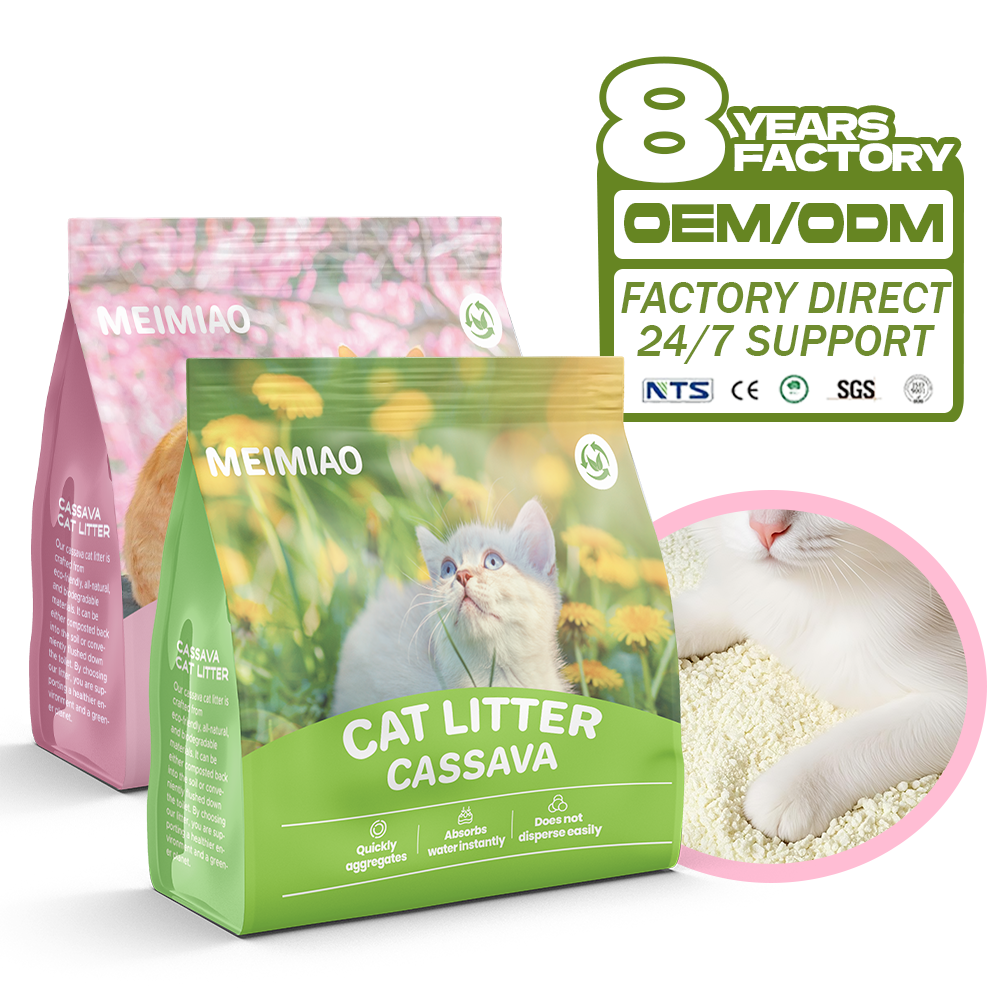
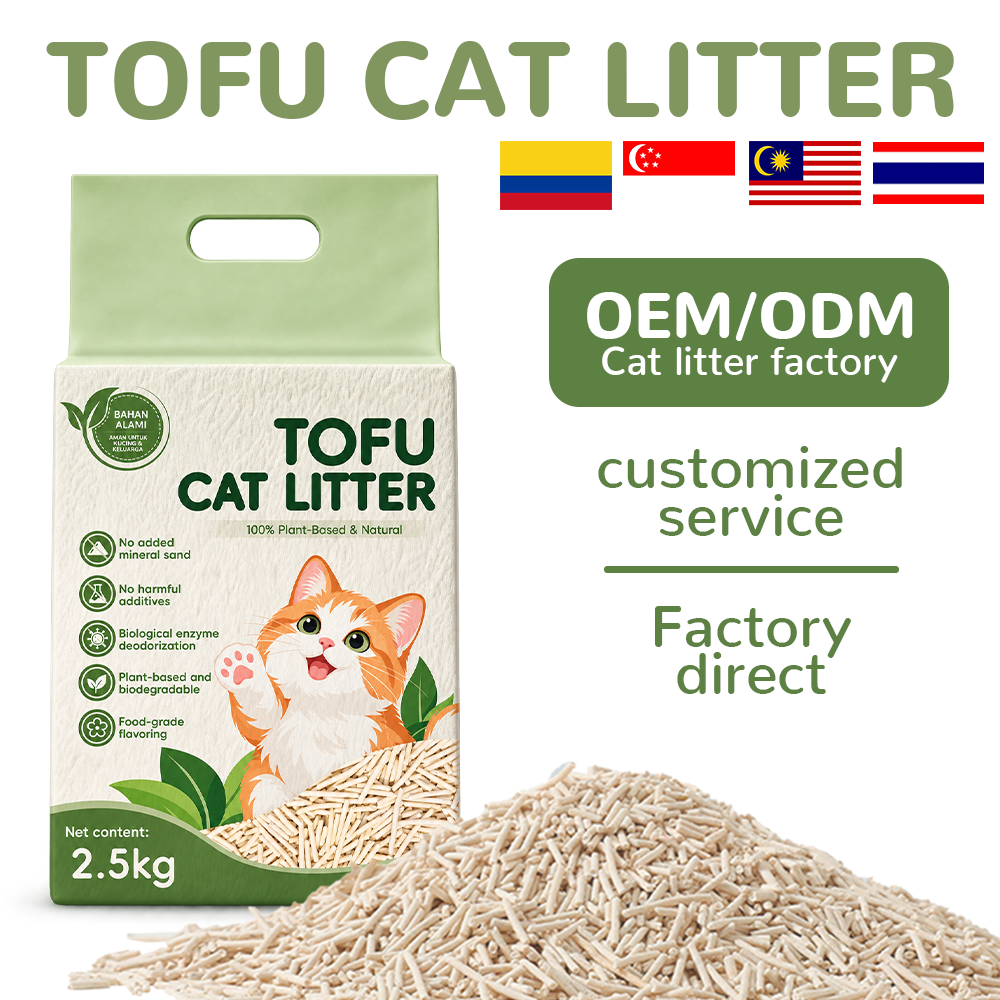
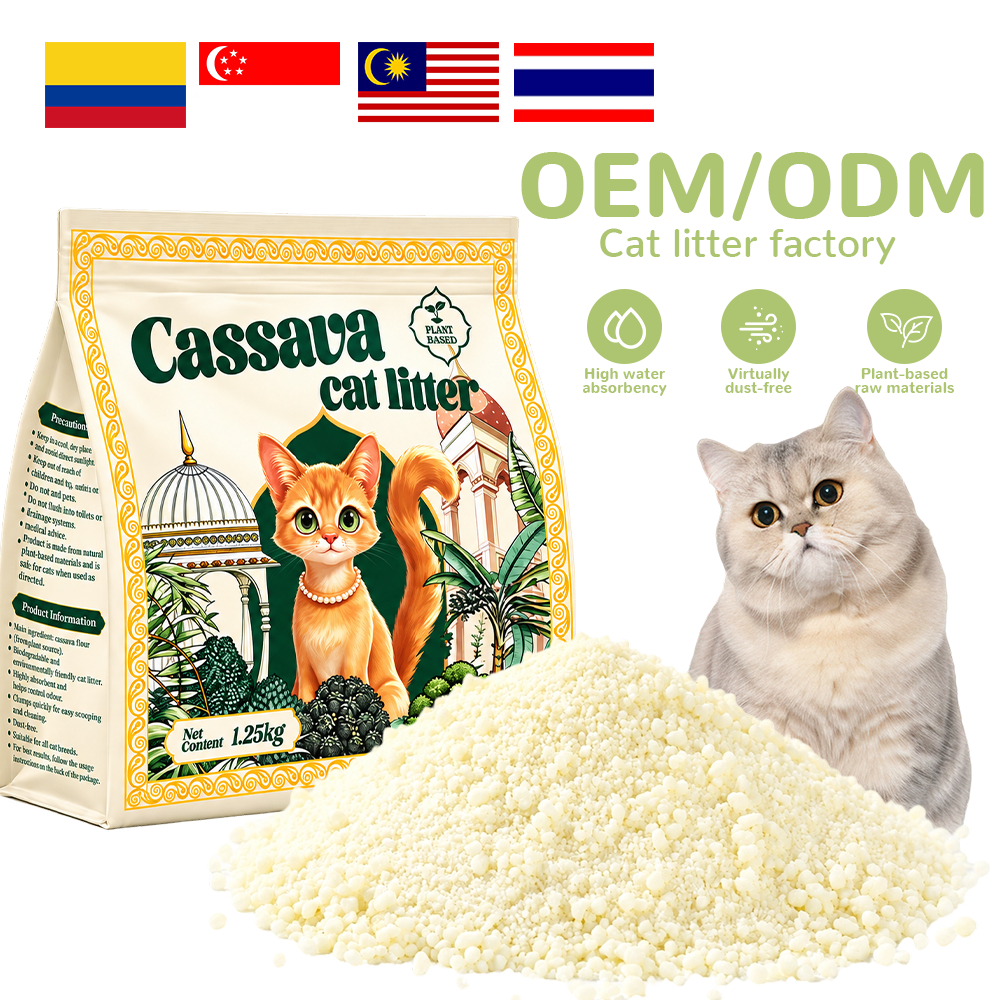
1. Executive Summary: The Structural Shift Toward Tapioca & Cassava Cat Litter
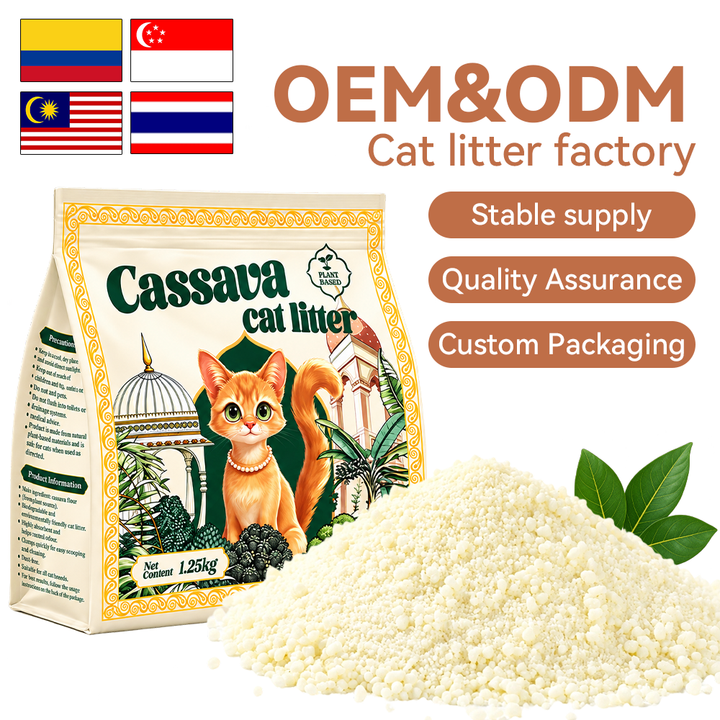
The global pet waste care market is undergoing a seismic transition. Historically dominated by sodium bentonite clay and synthetic silica gel crystals, the modern feline hygiene landscape is rapidly pivoting toward sustainable, ultra-low-dust, plant-based formulations. Among these, tapioca cat litter—derived from the natural starch of the cassava root (Manihot esculenta)—has emerged as the gold standard for high-performance eco-friendly pet products.
For B2B importers, global distributors, and private-label brand owners, partnering with top trusted tapioca cat litter factories and exporters is no longer merely a sustainability initiative; it is a critical competitive strategy. Tapioca cat litter exhibits extraordinary starch gelatinization properties when exposed to feline urine, resulting in instantaneous moisture binding, rock-solid agglomeration, and superior ammonia entrapment without relying on chemical tackifiers or artificial binders.
Information Gain Benchmark: Tapioca starch contains approximately 17% amylose and 83% amylopectin. This biochemical ratio grants cassava litter a swelling capacity and tensile clump strength up to 300% higher than conventional soybean pea-fiber tofu litters, while generating under 0.1% airborne particulate dust (EN 15051 test standard compliance).
As European and North American regulatory bodies intensify scrutiny on airborne crystalline silica (OSHA standard 29 CFR 1910.1053) and municipal waste systems encourage flushable, biodegradable materials, tapioca cat litter stands out as the ultimate multi-channel retail asset. This white paper outlines the core manufacturing metrics, technical superiority, global supply chain dynamics, and OEM/ODM sourcing standards established by leading Chinese pet product manufacturers—headlined by Hebei Chupen Pet Products Co., Ltd.
2. Chemical Physics & Technical Benchmarks of Cassava Starch Agglomeration
Understanding why global consumers are migrating to tapioca cat litter requires evaluating the physical chemistry of starch gelatinization under aqueous stress. When feline urine enters the litter bed, tapioca granules absorb liquid at an unprecedented capillary velocity. The amylopectin molecular chains rapidly hydrate, swelling to create a hydrogel matrix that locks liquid before it can migrate to the base of the litter box.
Sub-2-Second Agglomeration
Instantaneous liquid entrapment forms tight, non-stick clumps that preserve box cleanliness and reduce litter consumption by up to 35% per cat per month.
99.9% Dust-Free Purity
Multi-stage ultrasonic dedusting during extrusion protects feline respiratory systems and prevents tracking across indoor household surfaces.
100% Flushable & Compostable
Completely water-soluble matrix breaks down seamlessly in residential plumbing and septic tanks without causing municipal pipe blockages.
Furthermore, raw tapioca starch exhibits a naturally bright white or light cream aesthetic. This provides an advantageous canvas for private-label brand owners. Exporters can offer pure white granules, custom pastel color variations, or functional scent beads (such as activated carbon spherical inserts, green tea essence, or lavender micro-encapsulations) to differentiate their product line on retail shelves and Amazon storefronts.
Material Performance Comparison: Technical Evaluation Matrix
| Performance Metric | Tapioca / Cassava Litter | Premium Bentonite Clay | Standard Pea Tofu Litter | Silica Crystal Litter |
|---|---|---|---|---|
| Hydration & Clumping Speed | < 1.5 seconds (Ultra-Fast) | 3.0 – 5.0 seconds | 2.5 – 4.0 seconds | Non-Clumping (Absorbent) |
| Bulk Density (g/cm³) | 0.45 – 0.55 (Lightweight) | 0.90 – 1.05 (Heavy) | 0.50 – 0.60 (Medium) | 0.40 – 0.48 (Lightweight) |
| Dustparticulate Index (PM2.5/PM10) | < 0.1% (Ultrasonic Dedusted) | 1.5% – 3.5% (High Airborne Dust) | 0.3% – 0.8% (Moderate Dust) | 0.5% – 1.2% (Respirable Silica) |
| Ammonia Lock & Odor Retention | Starch Encapsulation + Carbon | Mineral Ionic Binding | Plant Fiber Absorption | Porous Moisture Trapping |
| Septic & Environmental Disposal | 100% Flushable & Biodegradable | Non-Biodegradable Landfill | Flushable (Slow Dissolution) | Non-Biodegradable Synthetic |
| Container Shipping Yield (20ft) | ~ 18 Metric Tons (High Efficiency) | ~ 24 Metric Tons (Weight-limited) | ~ 16 Metric Tons | ~ 12 Metric Tons |
3. Industrial Ecosystem Advantage: Hebei Chupen Pet Products Co., Ltd.
When evaluating top trusted tapioca cat litter factories and exporters, geographic location and supply chain integration represent critical risk mitigation factors for enterprise procurement officers. Hebei Chupen Pet Products Co., Ltd. is strategically situated in Nanhe District, Xingtai City, Hebei Province—the indisputable heartland of China's pet supply industry. The Nanhe industrial cluster accounts for approximately 80% of China's domestic pet food production and over 60% of its global pet supply exports.
Capitalizing on over a decade of specialized expertise in feline waste management engineering, Chupen operates a fully integrated industrial complex featuring 11 advanced production lines:
- 5 Specialized Plant-Based Lines: Dedicated to high-speed extrusion of tapioca cassava litter, pea tofu litter, and hybrid plant formulations.
- 3 High-Volume Bentonite Lines: Producing up to 3,000 metric tons per day of raw ore, sodium-activated clumping clay.
- 3 Synthetic & Silica Lines: Yielding 150 metric tons daily of specialized indicator and odor-lock crystal litters.
Quality Assurance Credentialing: Our manufacturing plant is SGS onsite-verified and strictly adheres to ISO 9001 (Quality Management), ISO 22000 (Safety Standards), ISO 14001 (Environmental Management), and ISO 45001 (Occupational Health). We operate 9 in-house laboratory testing instruments to monitor starch gelatinization, moisture equilibrium (kept strictly below 8%), and crush strength (>45N per granule).
In addition to our core manufacturing operations, Hebei Chupen maintains an active R&D collaborative alliance with China Agricultural University and Hebei Agricultural University. This academic synergy allows us to continuously optimize starch swelling kinetics, develop non-toxic bio-enzymatic odor neutralizers, and perfect eco-friendly PLA/PBAT 100% compostable packaging bags for modern private-label brands.
4. Strategic Procurement Outlook: Global B2B Trends in Tapioca Litter Sourcing
As global logistics costs fluctuate and consumer environmental awareness peaks, procurement directors must align with suppliers capable of anticipating market shifts. Over the next five years (2025–2030), several key trends will dictate profitability and supply chain resilience in the pet waste management sector:
Trend A: Hybrid Granulation (Cassava-Tofu Fusion Formulations)
To balance price elasticity with premium performance, factories are increasingly exporting hybrid cassava-tofu litters. By blending 30% tapioca starch with 70% pea fiber, manufacturers produce a litter that retains the light weight and flushability of tofu while gaining the instantaneous, non-breaking clump strength of pure cassava starch. This hybrid model optimizes landed costs per bag while exceeding consumer performance expectations.
Trend B: Container Consolidation & One-Stop OEM Ecosystems
Importers are moving away from fragmented vendor networks. Partnering with a consolidated supplier in Nanhe like Hebei Chupen enables buyers to mix multiple SKUs—such as Tapioca Cat Litter, Raw Ore Bentonite, 5-layer Waterproof Dog Pee Pads, and Semi-Enclosed Litter Boxes—into a single 40ft High Cube container shipped directly from Tianjin Port. This practice minimizes inventory hold times, reduces demurrage risk, and dramatically lowers administrative customs overhead.
Trend C: Strict Compliance with European Green Claims Directives
With upcoming EU anti-greenwashing legislation, claims such as "Eco-Friendly," "100% Natural," or "Biodegradable" require rigorous laboratory verification. Leading Chinese exporters now provide comprehensive testing dossiers, including heavy metal screening, formaldehyde-free certifications, and compostability validation. Private-label buyers can confidently market their products in premium retail chains knowing their supply chain is fully documented and audit-ready.
5. Comprehensive B2B Procurement FAQ (Sourcing & OEM Guidance)
Below are technical and operational answers to common inquiries raised by international buyers, retail buyers, and brand owners during factory audits and contract negotiations.
What is the Minimum Order Quantity (MOQ) for private-label tapioca and cassava cat litter?
MOQ varies based on customization level. For standard stock formulations in unbranded transparent or generic bags, trial orders start as low as 60 to 100 bags. For fully customized private-label color-printed bags (vacuum sealed, aluminum foil, or compostable PLA bags), the standard production run starts at approximately 13,000 bags (which aligns with one full 20ft container load). Bentonite private label runs typically range between 500 and 10,000 bags depending on packaging specifications.
How does tapioca cat litter compare to tofu cat litter in terms of clumping strength and shelf life?
Tapioca (cassava) litter offers significantly higher clumping strength and faster hydration than traditional soybean pea-fiber tofu litter due to its higher amylopectin starch concentration. When exposed to liquid, tapioca forms a flatter, harder disk-like clump that does not crumble when scooped. Furthermore, because tapioca starch has lower residual protein content than soybean dregs, it is far less susceptible to mold growth or pest attraction during ocean transit, granting it an extended unopened shelf life of 24 to 36 months when stored in moisture-sealed packaging.
Can tapioca cat litter be safely flushed down household toilets?
Yes. Tapioca cat litter is 100% plant-based and water-soluble. Upon immersion in large volumes of water (such as a toilet bowl), the starch gel matrix dissolves rapidly within 30 to 45 seconds, returning to a fluid starch-water suspension. Unlike bentonite clay—which expands and hardens in drainpipes, causing severe blockages—tapioca litter passes effortlessly through domestic plumbing and septic infrastructure. We recommend advising consumers to flush clumps individually for optimal plumbing flow.
What certifications and quality control protocols protect my order during shipment?
Our production facilities hold ISO 9001 (Quality Management), ISO 22000 (Food & Bio-Safety), ISO 14001 (Environmental), and ISO 45001 (Occupational Safety) certifications. Furthermore, company premises have been verified onsite by SGS Group. Every outgoing batch undergoes 9 mandatory laboratory checks: moisture equilibrium testing (<8%), bulk density calibration, drop-test attrition analysis, dust particulate counting, and 24-hour microbial incubation assays. Third-party inspection agencies (such as SGS, BV, or Intertek) are always welcome to conduct pre-shipment inspections on site.
What trade terms, currencies, and shipping arrangements are available for international export?
We support all standard Incoterms, including EXW, FOB (Tianjin Port), CIF, CFR, and DDP (Delivered Duty Paid to your warehouse door). We accept payments via T/T (Telegraphic Transfer), L/C (Letter of Credit at sight), D/P, and D/A. Transactions can be settled in major international currencies including USD, EUR, GBP, JPY, CAD, AUD, and RMB. Our logistics team handles full customs documentation, export declarations, phytosanitary certificates, and MSDS paperwork to ensure smooth clearance at destination ports.
Can we combine cat litter with puppy pee pads or pet food in a single consolidated container?
Absolutely. Leveraging our strategic location in Nanhe District and our direct network of over 50 vetted partner manufacturers, Hebei Chupen specializes in mixed-container consolidation. Importers can combine high-density items (such as bentonite or tapioca cat litter) on the bottom pallets with lighter, high-volume items (such as 5-layer leak-proof puppy training pads, pet diapers, dry kibble, wet treat pouches, or plastic litter boxes) on top. This maximizes container volume and payload capacity, significantly driving down landed freight costs per item.
Partner with China's Premier Tapioca Cat Litter Manufacturer
Accelerate your pet brand's growth with custom plant-based formulations, private-label packaging design, and verified factory-direct pricing. Contact our export engineering team today for technical data sheets, sample kits, and instant freight quotes.