1. The Physics and Colloid Chemistry of "Strong Clumping" Performance
In international pet hygiene procurement, the operational definition of a strong clumping cat litter surpasses superficial consumer descriptors. From an analytical perspective governed by ISO 9001 quality criteria and pet industrial standards, clumping strength represents a precise tri-phasic interaction: fluid interception capillary velocity, adhesive hydration crystallization, and mechanical shear modulus under compression. When feline urine (averaging a 1.025–1.040 specific gravity and rich in electrolytes, urea, and creatinine) contacts the substrate surface, an immediate competitive dynamic unfolds between horizontal fluid dissipation and downward gravitational channeling.
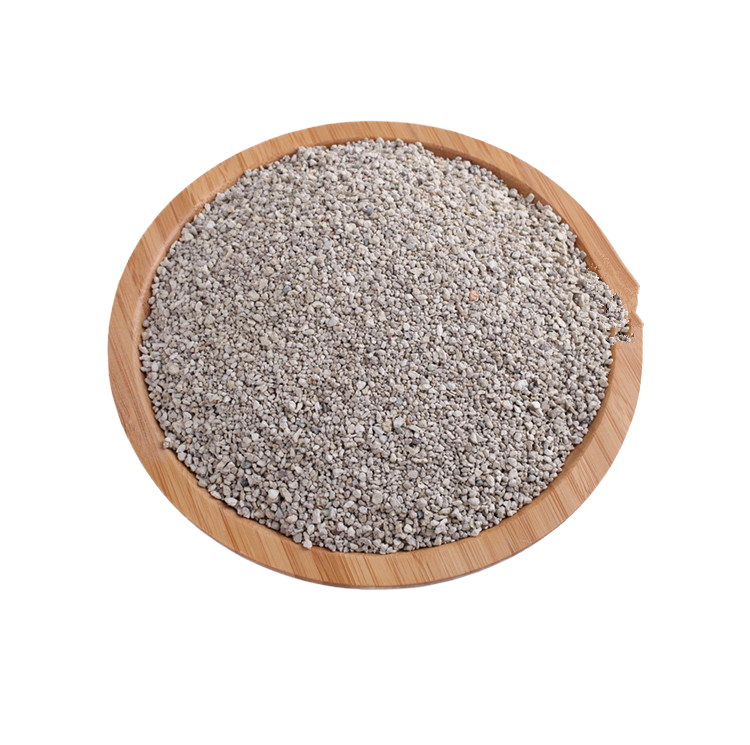
For premium sodium bentonite litters, agglomeration efficacy depends entirely on montmorillonite purity. High-grade sodium bentonites sourced from certified raw ore deposits possess a three-layer expandable phyllosilicate structure comprising two tetrahedral silica sheets sandwiching an octahedral alumina sheet. Interlayer exchangeable sodium ions (Na⁺) initiate rapid spontaneous hydration when exposed to aqueous waste, creating an electrostatic double layer that yields volumetric swelling up to fifteen times dry dimensions. This expansion locks liquid into an impermeable, highly cohesive gel matrix within 2 to 3 seconds, preventing fluid from leaching toward the bottom of the litter box where adhesion to polyethylene resin causes severe maintenance friction for end consumers.
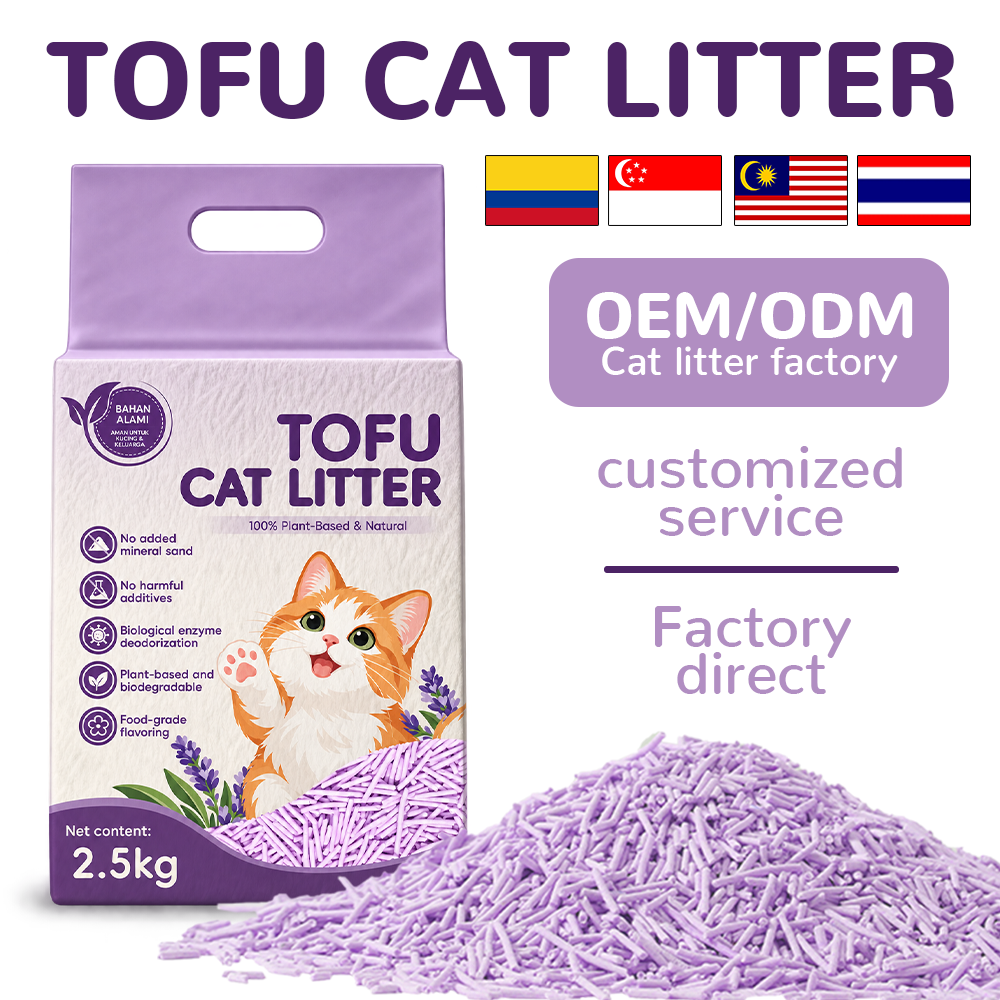
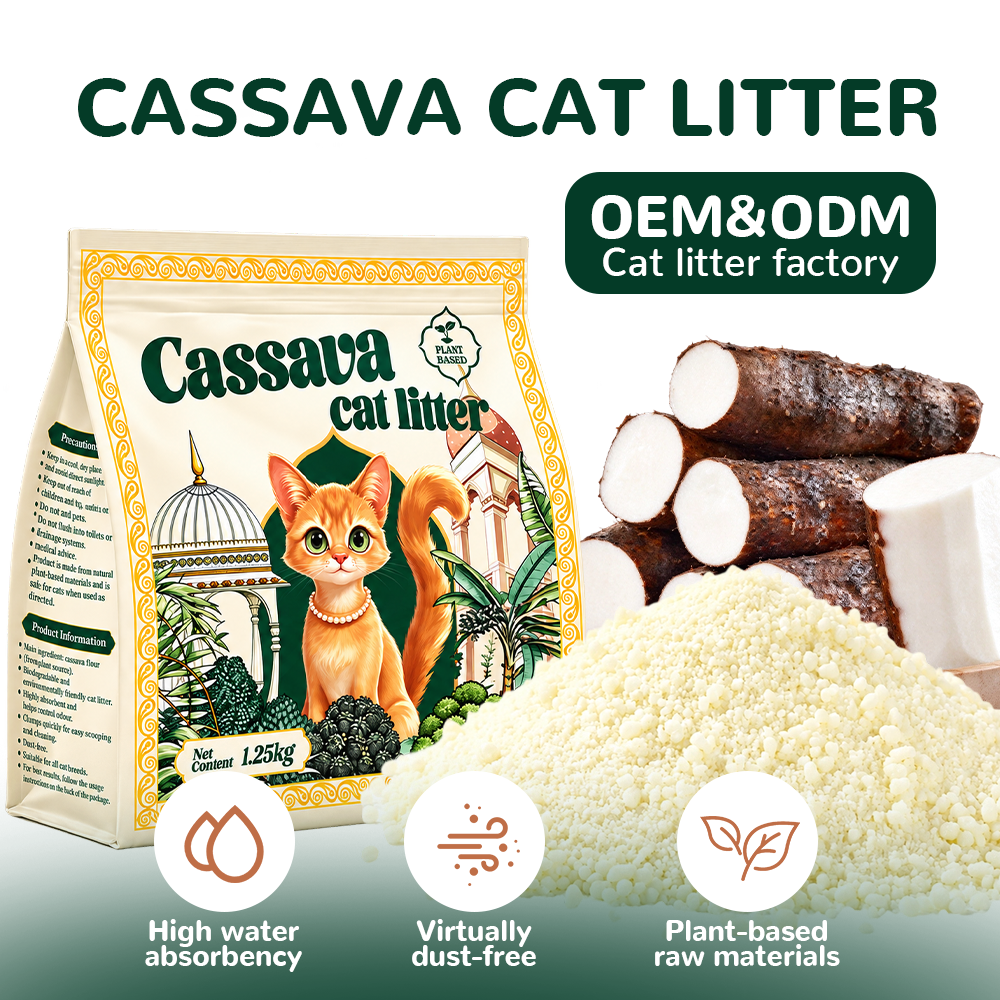
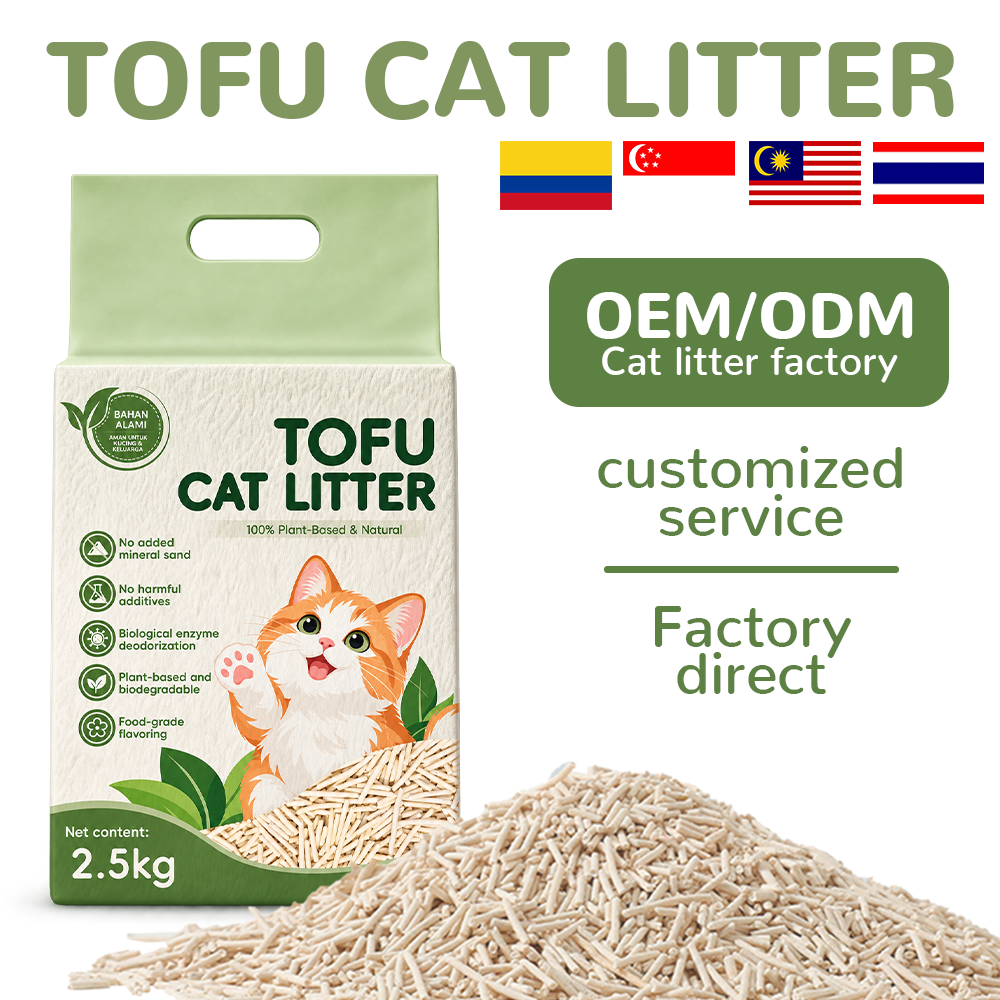
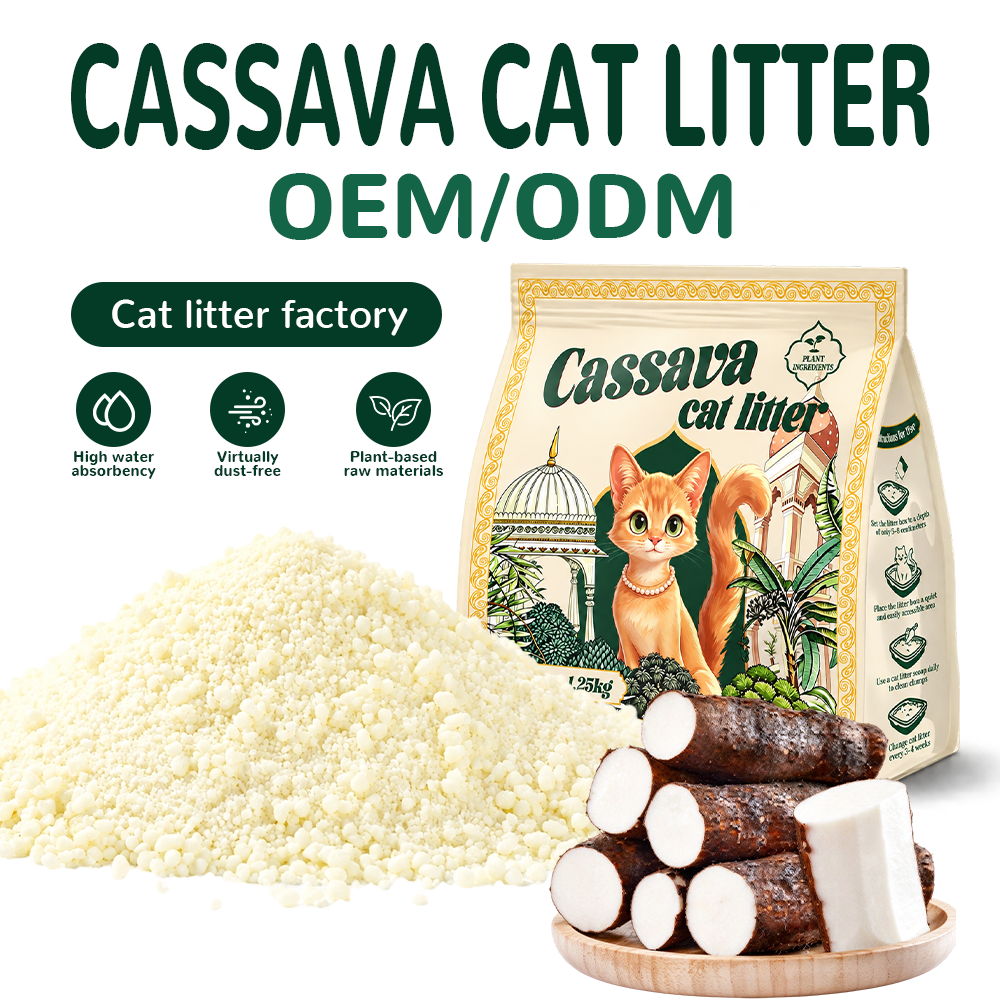
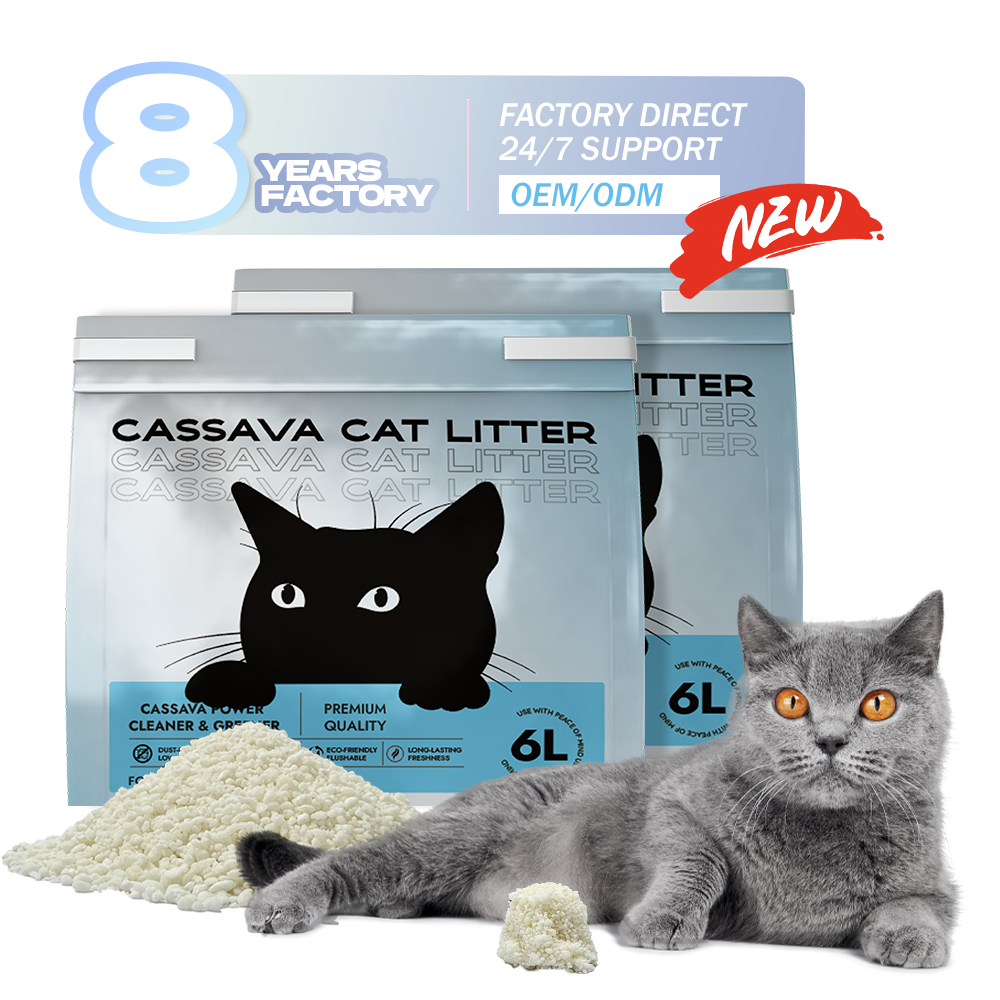
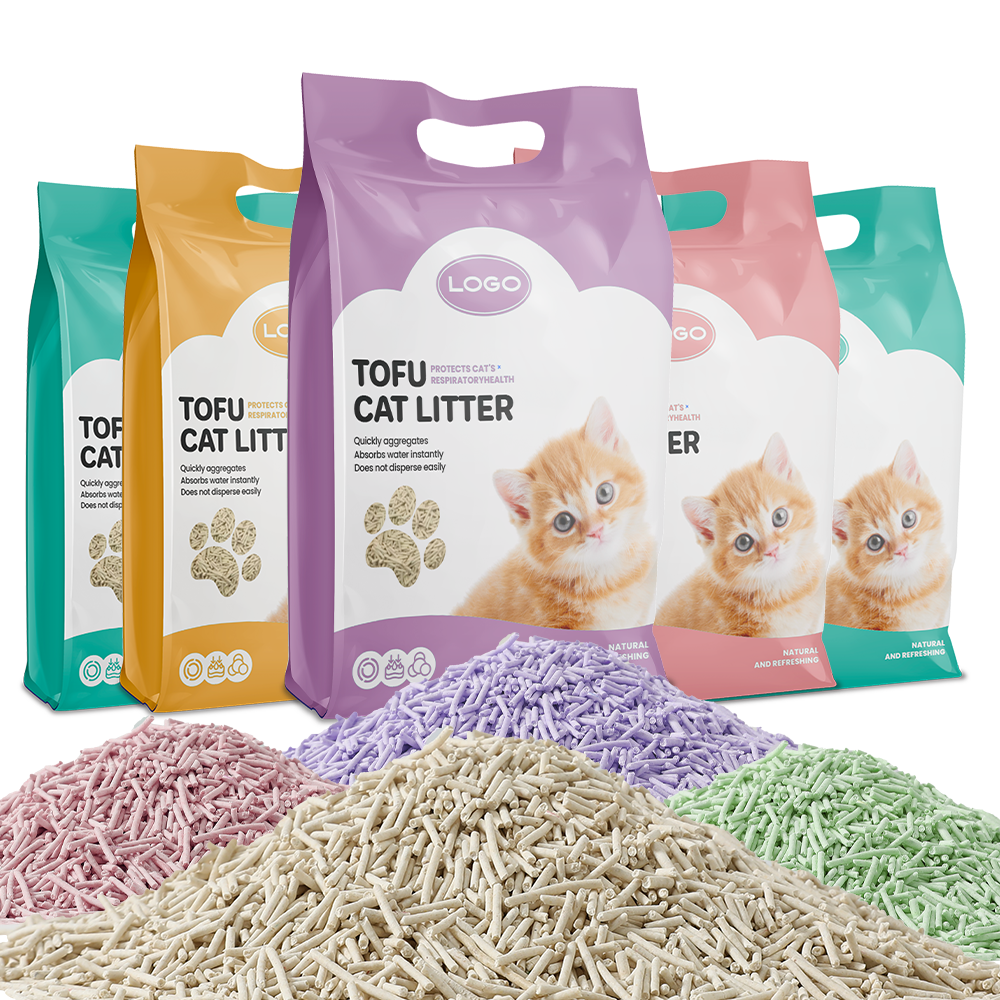
Conversely, in the rapidly burgeoning eco-friendly domain of plant-based formulations (dominated by pea fiber, soybean residue tofu, and cassava/tapioca starches), strong clumping kinetics operate through colloidal starch gelatinization and intermolecular hydrogen bonding. In cassava-based substrates, native amylose and amylopectin molecules exhibit instant surface hydration upon liquid contact, forming a rigid polysaccharide cross-linked lattice. This mechanical bond hardens within 30 to 60 seconds into a resilient disc. Rigorous lab drop tests—wherein a formed clump is dropped from a standardized 1.0-meter height onto a stainless-steel sieve—demonstrate clump retention weights exceeding 98.5%, proving that properly formulated plant matrices achieve mechanical shear stability comparable to raw ore mineral clays.
2. Particle Size Distribution (PSD) and Dust Mitigation Dynamics
Dust generation during feline agitation and pouring represents the leading consumer complaint and veterinary respiratory hazard (exacerbating feline asthma and human rhinitis). Engineering a world-class clumping litter requires managing fine particulate matter (PM2.5 and PM10 fractions) through multi-stage industrial cyclone screening, fluidized bed air washing, and electrostatic suction bridges during post-extrusion and packaging stages.
Granulometry directly impacts both clumping speed and bulk density. Cylindrical tofu pellets calibrated to an ultra-thin 1.5mm diameter achieve an optimal balance: they provide a denser superficial surface area that arrests liquid flow in the upper 20mm layer of the bed while avoiding the inter-pellet void channels characteristic of coarse 3.0mm sticks. Meanwhile, in crushed bentonite and granular cassava sands, a bell-shaped particle size distribution between 0.5mm and 2.5mm allows micro-granules to rapidly fill interstitial spaces between macro-granules. This dual-size packaging geometry creates a tightly packed structural lock around feline waste, decreasing total litter consumption per urination event by up to 34% compared to uniform coarse granules.