Engineered Plant-Based Substrates: Precision OEM Products
Sourced directly from automated manufacturing hubs, our high-density plant-fiber pellets and granular cassava formulations provide zero-dust performance, instantaneous starch-gel aggregation, and verifiable municipal flushability.
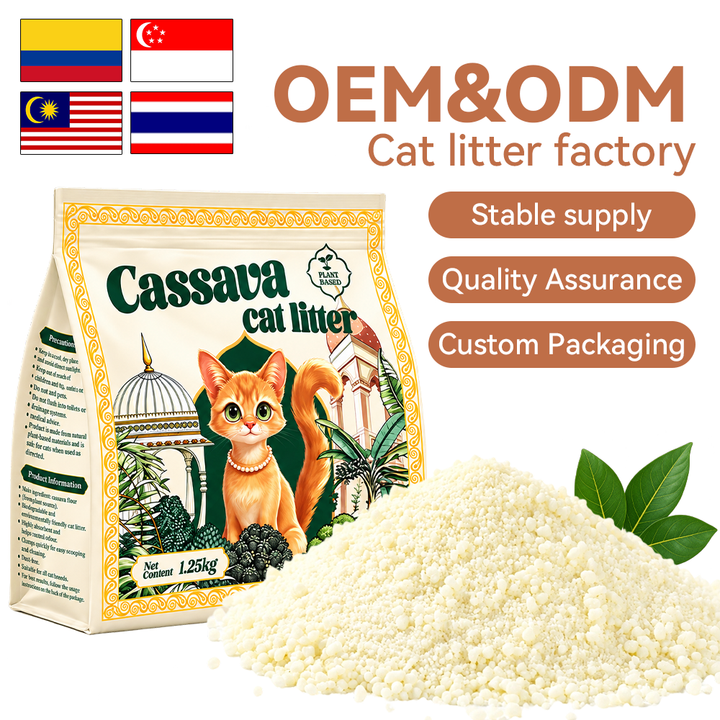
Natural Cassava Cat Litter Eco Friendly Quick Clumping Strong Odor Control Biodegradable Cat Sand Private Label Bulk Supplier
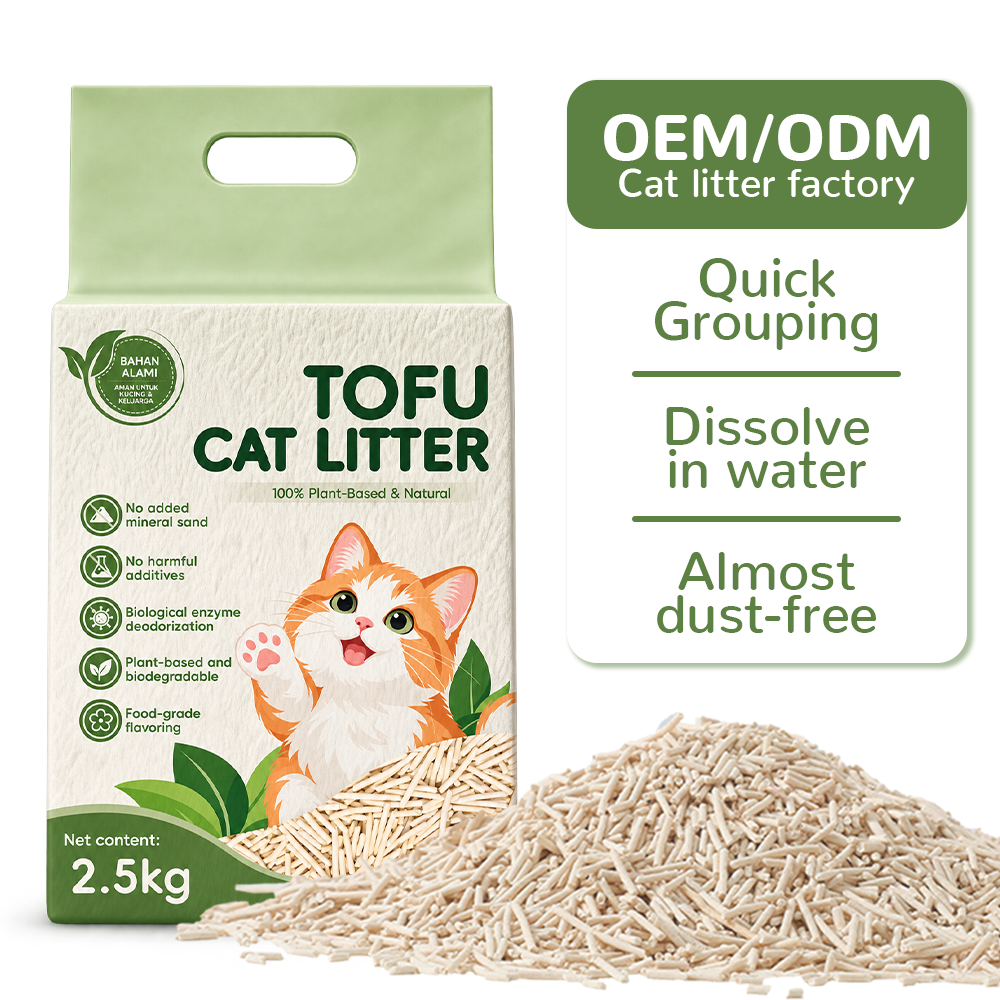
Premium Tofu Cat Litter Fast Clumping Low Dust Eco Friendly Biodegradable Cat Litter Wholesale OEM ODM Supplier
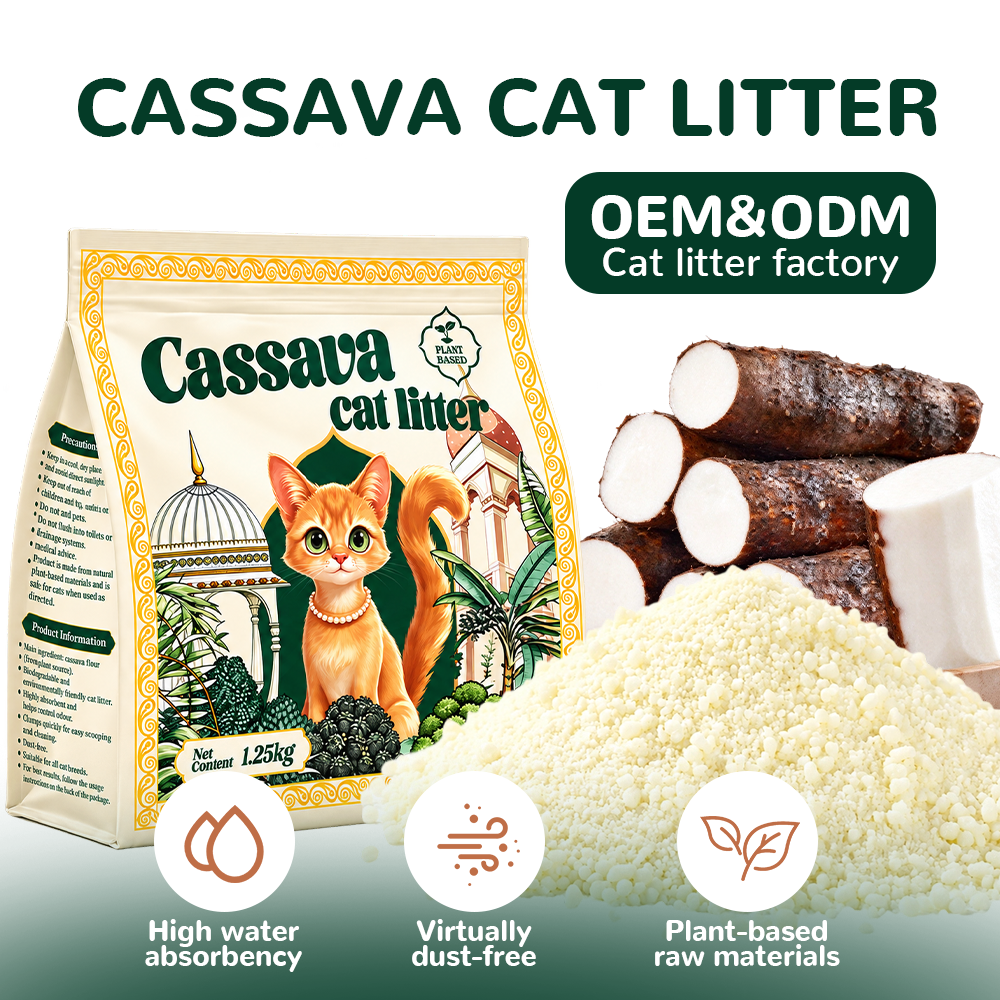
Wholesale Cassava Cat Litter Fast Clumping Low Dust Natural Plant Based Cat Litter OEM ODM Factory Supplier China
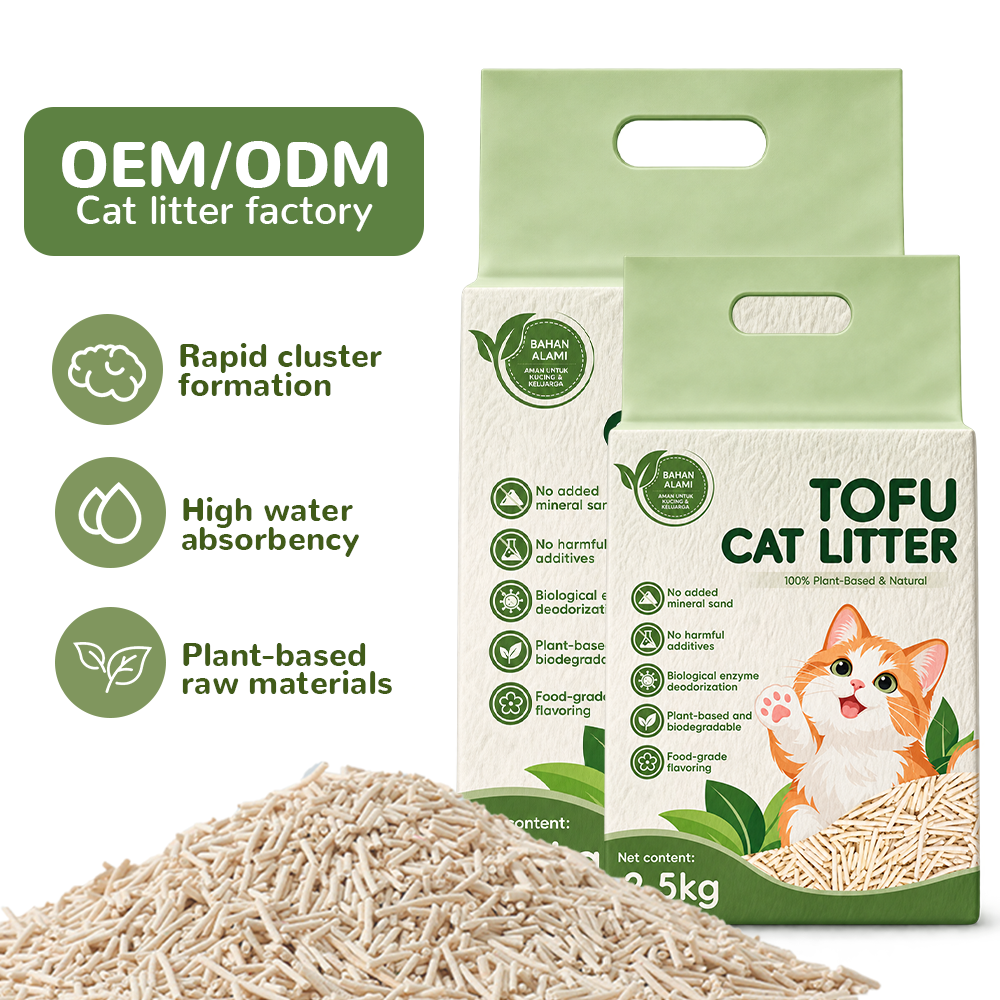
Premium Tofu Cat Litter High Absorbency Quick Clumping Plant Based Cat Sand Bulk Wholesale OEM ODM Manufacturer
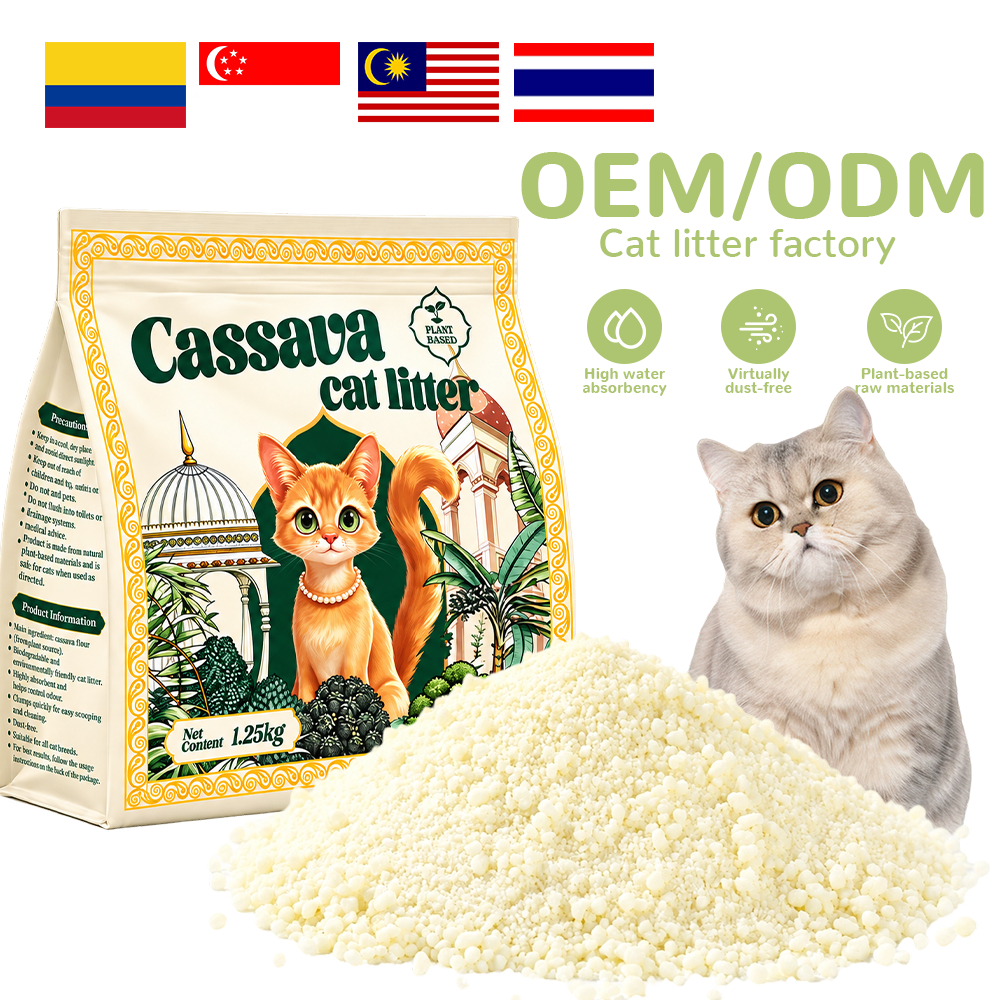
Premium Cassava Cat Litter Fast Clumping Low Dust Natural Plant Based Odor Control Cat Sand OEM ODM Factory Wholesale
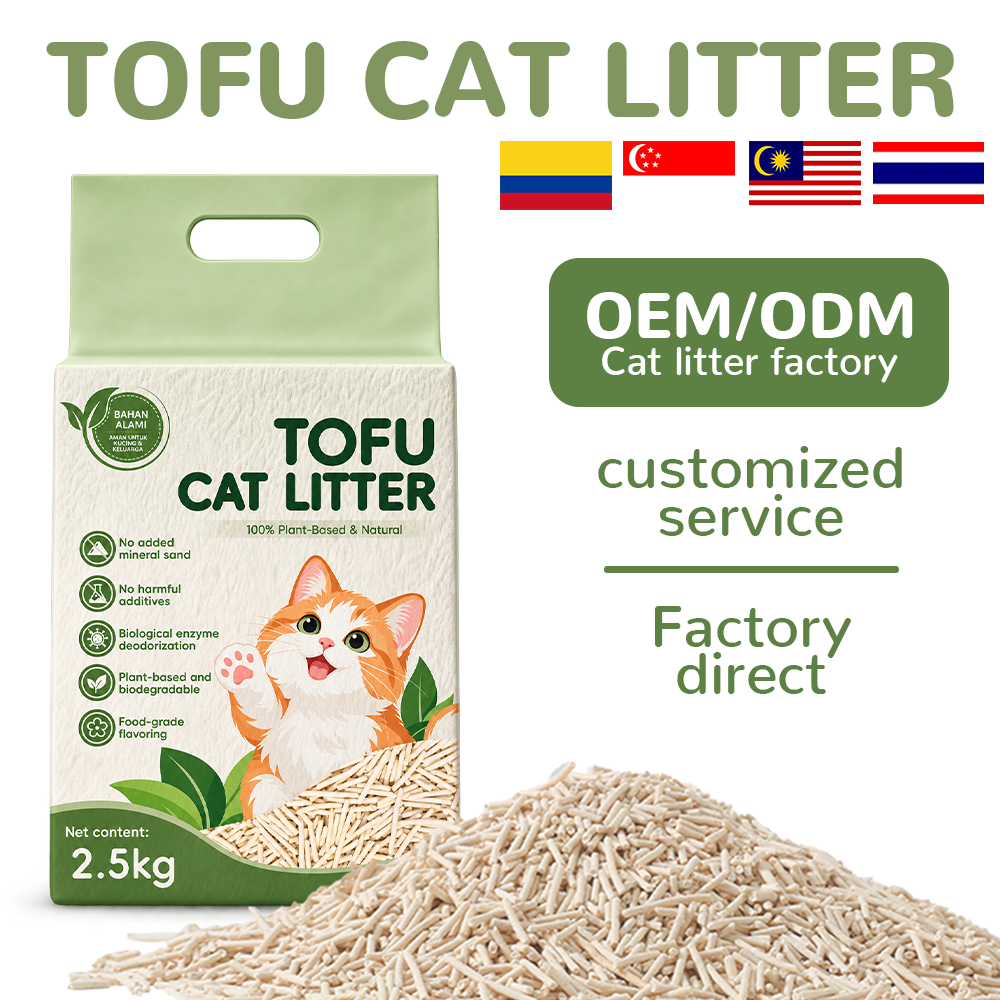
Wholesale Tofu Cat Litter Fast Clumping Low Dust Odor Control Eco Friendly Cat Litter OEM ODM Factory Supplier
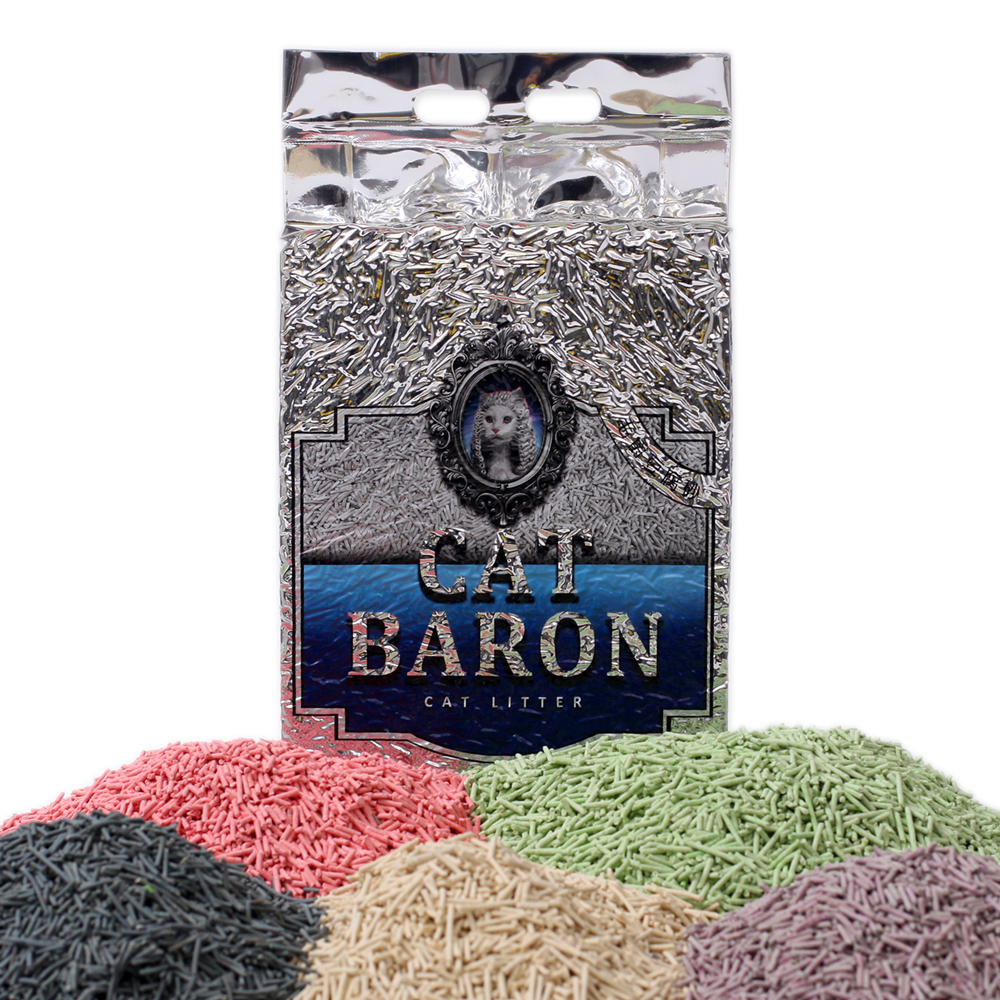
Tofu Cat Litter With 6L Agglomeration Kitty Sand Litter Deodorizing Cat Pet Cleaning Cat Litter
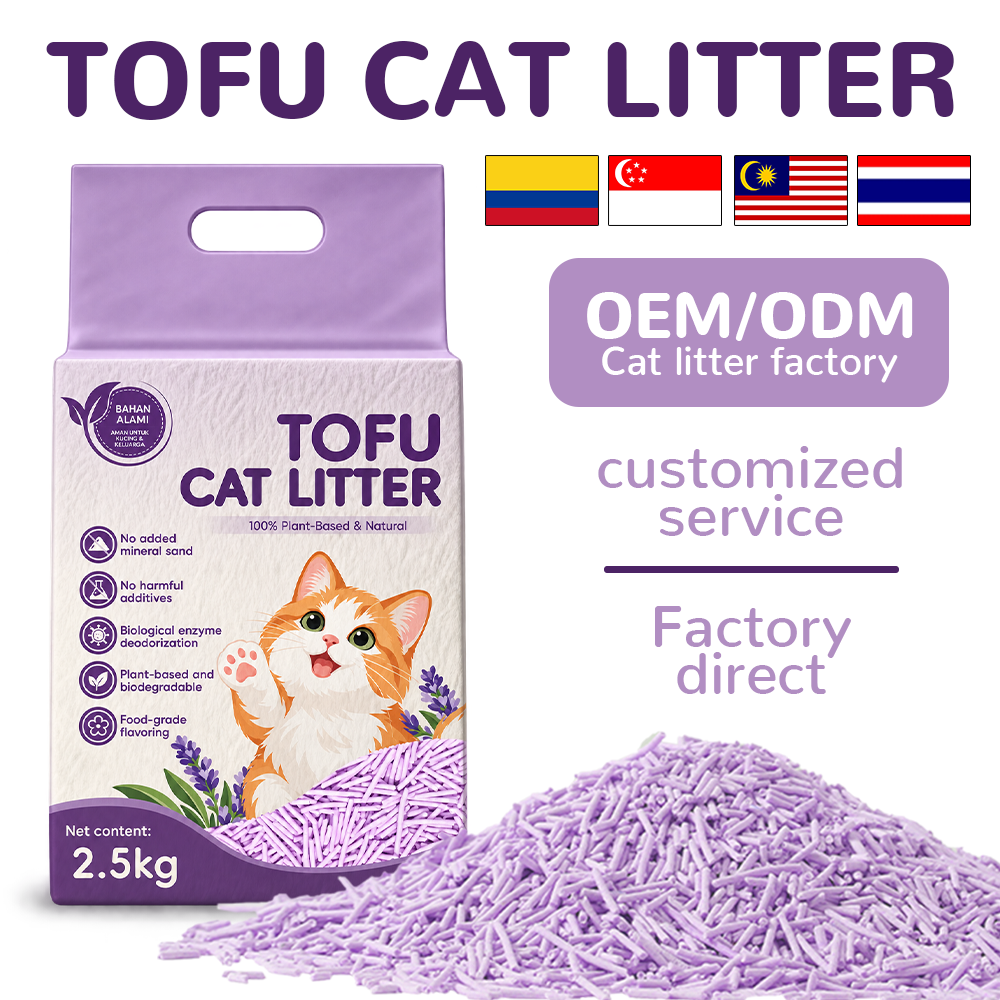
Natural Tofu Cat Litter Strong Absorption Quick Clumping Flushable Cat Litter Bulk Wholesale Manufacturer OEM ODM
The Paradigm Shift in Feline Sanitation: Natural Organic Polymers vs. Mineral Substrates
The global pet hygiene sector is undergoing a fundamental structural transition. For decades, commercial pet litter has been dominated by traditional strip-mined sodium bentonite clay and synthetic crystalline amorphous silica. However, escalating municipal landfill restrictions, heightened consumer scrutiny surrounding respirable crystalline silica (RCS) dust, and rigorous corporate environmental, social, and governance (ESG) commitments have accelerated institutional demand for naturally regenerative, agricultural by-product substrates.
Leading the vanguard of this commercial transformation are plant-based polymers derived from soybean food processing (pea and soy curd residue) and high-amylose native starch derived from cassava root (Manihot esculenta). Unlike mineral mining operations that require heavy geological extraction and fossil-intensive calcinating kilns, natural cat litters utilize fast-growing annual crops. By engineering these agricultural fibers through thermomechanical screw-extrusion, starch gelatinization, and precision multi-stage cyclonic dedusting, modern cat litter factories manufacture biodegradable substrates that surpass mineral benchmarks in liquid absorption capacity, clump cohesion, and volumetric shipping efficiency.
From an enterprise procurement perspective, natural cat litter represents both a compliance mitigation strategy and an expansion of gross retail margins. Tier-1 pet specialty retailers and fast-moving consumer goods (FMCG) brand aggregators are systematically replacing non-renewable clay references with private-label flushable plant litters. This migration addresses urban apartment lifestyles where ease of disposal, odor neutralization via organic acid chelation, and hypoallergenic safety for indoor cats are decisive drivers of recurring consumer lifetime value (LTV).
Zero Respirable Silica
Eliminates health liabilities associated with airborne quartz mineral dust, preventing chronic feline respiratory inflammation and feline asthma while ensuring a pristine living environment for household guardians.
Rapid Circular Degradability
Derived entirely from renewable dietary fibers that break down seamlessly in domestic compost systems and municipal septic tanks without creating hazardous petrochemical sediment or micro-plastic contamination.
Freight & Volume Arbitrage
With an engineered bulk density of 520 to 600 g/L compared to dense bentonite at 900 to 1,000 g/L, plant litters maximize 40ft High Cube container volumetric cubing, lowering landed logistics expenditure per consumer unit.
Engineering Next-Generation Plant Litters: Cassava Starch & Pea Fiber Architecture
The performance efficacy of modern plant-based cat litter hinges upon interfacial polymer physics and controlled moisture uptake kinetics. The two dominant material archetypes dominating cross-border supply chains are pea-fiber extruded tofu formulations and crushed cassava granule matrices.
1. Extruded Pea Fiber Formulations (Tofu Architecture)
Engineered tofu litter utilizes food-grade pea hull fiber—characterized by an optimal balance of insoluble cellulose, hemicellulose, and residual starches—as the structural backbone. The manufacturing process entails continuous double-screw extrusion under tightly controlled thermal conditioning (78°C to 95°C). This plasticizes the starch components, allowing them to form stable physical entanglements around the insoluble cellulosic fibers.
The resulting cylindrical extrusions (standardized at 1.5 mm ultra-fine or 2.0 mm classic diameters) exhibit a micro-porous capillary matrix. When exposed to feline urine, water molecules are drawn into the pellet core via intense capillary action within milliseconds. The mechanical integrity of the resultant clump relies on starch gel networks, preventing disintegration during scooping. High-speed microwave vacuum drying drops residual moisture to <9%, actively inhibiting the proliferation of mold, fungal spores, and bacteria during trans-oceanic shipping.
2. Granular Cassava Root Starch Hydrogels
Cassava cat litter represents a cutting-edge technological evolution in feline substrates. Cassava root possesses exceptionally high amylopectin content, exhibiting a remarkably low gelatinization temperature and rapid cold-water swelling characteristics. Unlike extruded tofu cylinders, raw cassava formulations undergo controlled crushing and screening into irregular granules (1.0 mm to 2.5 mm), replicating the natural sandy substrate preferred by desert-evolved felines.
Upon hydration, the exposed surface amylopectin chains hydrate almost instantly, forming a localized adhesive hydrogel layer. This agglomerates surrounding granules into an impenetrable, rock-hard disc that sits on the upper litter profile rather than sinking to the litter tray base. Because cassava lacks the natural vegetal odor of soy meal, it delivers unmatched neutral odor control without requiring artificial masking perfumes.
3. Active Odor Chelation & Dust Separation Science
Traditional litters rely on volatile synthetic perfumes to mask malodors—often inducing respiratory distress or box rejection in sensitive felines. Modern plant litters integrate physiological deodorizing mechanisms. Incorporating organic citric acid and natural bio-enzymes lowers the pH of the litter bed, directly converting volatile gaseous ammonia (NH3) into odorless, non-volatile ammonium ions (NH4+).
Dust suppression is achieved through four-stage closed-circuit cyclonic air aspiration combined with vibrating electromagnetic sifting. This process strips loose fines (<250 μm) from the product stream immediately before computerized packaging, guaranteeing an industry-leading de-dusting standard of <0.2% total particulate volume.
| Performance Parameter | Refined Cassava Granules | Extruded Pea-Fiber Tofu | Hybrid Tofu-Bentonite Blend | Premium Sodium Bentonite |
|---|---|---|---|---|
| Bulk Density (g/L) | 540 - 580 | 520 - 560 | 680 - 740 | 900 - 1050 |
| Clumping Tensile Strength | ≥ 580 g (Ultra-Rigid) | ≥ 420 g (High Elasticity) | ≥ 510 g (Solid Disc) | ≥ 600 g (Rock Hard) |
| Absorption Velocity (<10ml) | < 2.0 Seconds | < 2.8 Seconds | < 2.2 Seconds | < 3.5 Seconds |
| Water Absorption Multiple | 420% - 480% | 450% - 500% | 350% - 400% | 280% - 320% |
| Airborne Dust Ratio (<PM10) | < 0.15% | < 0.20% | < 0.85% | > 2.50% |
| Toilet Flushability Dispersal | 100% Flushable (<15s) | 100% Flushable (<12s) | Partial / Risk of Clog | Strictly Non-Flushable |
| Ammonia Locking Efficiency | 96.8% (Physical Adsorption) | 94.5% (Enzymatic Binder) | 95.2% (Carbon Infused) | 88.0% (Masking Scent) |
Strategic Sourcing Forecast: Global Supply Chain Evolution
Procurement directors navigating global pet hygiene supply chains must calibrate their portfolios against volatile maritime freight rates, shifting single-use packaging directives, and consumer demands for rapid functionality.
Analysis of export manifests and import declarations indicates three macroeconomic shifts steering the global natural cat litter trade:
1. The Supremacy of Hybrid Formulations: While purist plant-based cat litters experience double-digit year-on-year growth, the single fastest-growing SKU category across European and North American private-label launches is the "70/30 Hybrid." By blending 70% 1.5mm pea-fiber tofu pellets with 30% crushed sodium bentonite and activated charcoal spheres, brand owners achieve an optimal compromise: immediate consumer acceptance, superior clump cohesion, and improved bottom-line cost engineering compared to pure starch lines.
2. Tightening Chemical Residue & Mycotoxin Standards: Because tofu and cassava litters are manufactured from agricultural raw materials, importing authorities across the European Union (under REACH and General Product Safety Regulations) and North America (FDA and state agricultural boards) are establishing rigorous monitoring of bio-contaminants. Sourcing directors must partner exclusively with manufacturers whose quality management systems routinely certify negative screening for aflatoxin B1, ochratoxin A, heavy metals (lead, cadmium, arsenic), and formaldehyde adhesives.
3. Transition Toward Sustainable Barrier Packaging: The historical reliance on non-recyclable multi-laminate plastic barrier pouches is yielding to recyclable mono-material Polyethylene (PE) films and biodegradable Kraft paper vacuum packages. With municipal eco-taxes penalizing non-circular materials, leading exporters now provide fully certified post-consumer recycled (PCR) packaging structures with intact vapor barriers that preserve dehydrated pellet integrity through humid nautical transit zones.
Pallet & FCL Optimization
Standardizing 6L vacuum bricks allows precision automated robot palletization, fitting up to 24 metric tons per 40ft HQ container without crushing lower bag tiers or compromising seal hermeticity.
Microbial Stabilization
Continuous secondary thermal sterilization and vacuum nitrogen-flushing ensure 24+ months of shelf stability, preventing fungal germination even in tropical, high-humidity retail climates.
Multi-Category Consolidated Shipments
Global distributors maximize supply chain agility by combining natural litters, absorbent training pee pads, plastic litter trays, and pet treats into coordinated multi-category container bookings.
Hebei Chupen: Industrial Hegemony in the Heart of China’s Pet Capital
Operational stability in global pet product distribution requires deep upstream vertical integration. Hebei Chupen Pet Products Co., Ltd. is strategically anchored in Nanhe District, Xingtai City, Hebei Province—the universally acknowledged epicentre of China's pet industrial cluster. Nanhe District commands approximately 80% of national pet food production capacity and 60% of domestic pet hygiene supplies, providing unrivaled raw material access, specialized machinery manufacture, and seasoned engineering talent.
Chupen merges over a decade of domain expertise with a formidable manufacturing complex: 11 dedicated industrial production lines comprising 5 high-speed pea-fiber tofu lines, 3 heavy-duty sodium bentonite processing lines, and 3 specialized silica/cassava compounding facilities. The facility delivers an industrial output of 3,000 metric tons of bentonite cat litter daily, complemented by 150 metric tons daily of premium extruded tofu and cassava litter.
SGS Onsite Verified & 4x ISO
Our operations are comprehensively verified onsite by SGS Group, supported by an unbroken string of certifications: ISO 9001 (Quality), ISO 22000 (Food Safety Standard for Raw Materials), ISO 14001 (Environmental Stewardship), and ISO 45001 (Occupational Safety).
Elite Academic R&D Consortium
Continuous formula innovation is backed by institutional research partnerships with China Agricultural University and Hebei Agricultural University. Formulations undergo rigorous palatability, tracking, and respiratory screening across affiliated testing centers housing over 1,300 feline and canine residents.
Port Proximity & Consolidation Hub
Positioned just 350 km from Tianjin Port (North China’s premier container hub), Chupen offers rapid container drayage. In partnership with over 50 vetted local manufacturers, we provide consolidated container stuffing for cat litter, pee pads, litter boxes, and wet food treats under unified export paperwork.
Every export production run is subjected to standard internal laboratory analysis using 9 dedicated analytical instruments: moisture balance titrators, mechanical granule crush testers, tap density volumeters, moisture absorption chambers, spectrophotometers for color consistency, and standardized cyclonic dust evaluation conduits. We invite independent third-party inspection firms (SGS, Bureau Veritas, Intertek, TÜV) to audit bulk containers prior to sealing.
Essential Inquiries from Importers, Retail Aggregators & Brands
Straightforward, highly technical answers addressing minimum order volumes, material safety verifications, shelf-life integrity, and international logistics execution.
What are the definitive Minimum Order Quantities (MOQ) for custom private-label natural cat litter?
How does plant-based cat litter resist humidity degradation and mold during long ocean transit?
Can cassava and tofu cat litters truly be flushed into municipal sewage systems without liability?
What specific quality documentation and compliance certificates accompany bulk export consignments?
How does Chupen facilitate mixed container consolidation across multiple pet hygiene categories?
Scale Your Brand with a Global Feline Hygiene Powerhouse
Whether you require multi-container OEM deployments of patented cassava granule formulations, private-label flushable tofu litters, or integrated multi-category consolidated shipments, our export technical team delivers production scheduling, sample verification, and freight optimization within 24 hours.