Featured High Absorbency Cat Litter & Pet Hygiene Products
Direct export from certified manufacturing lines. Select from premium cassava, engineered tofu, super-clumping bentonite, and absorbent pads.
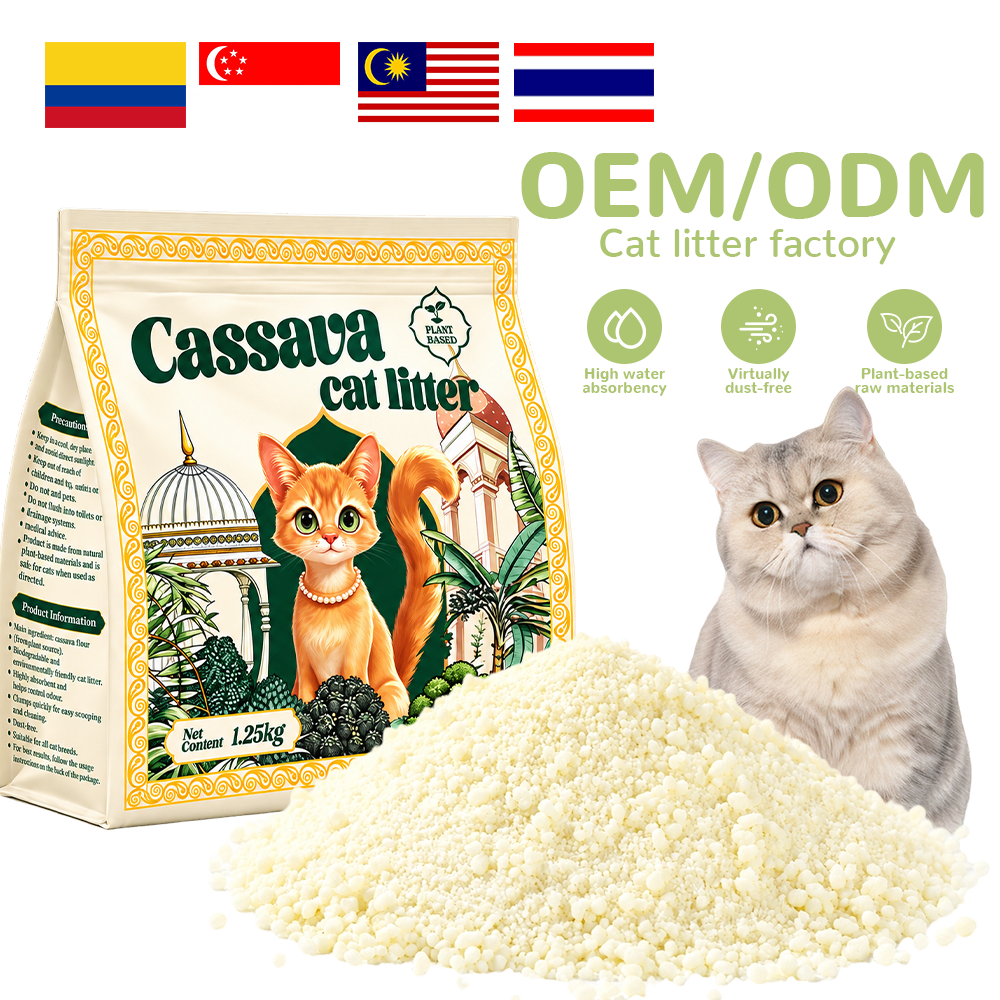
Premium Cassava Cat Litter Eco Friendly Quick Clumping Odor Control Biodegradable Cat Litter Bulk Wholesale Supplier
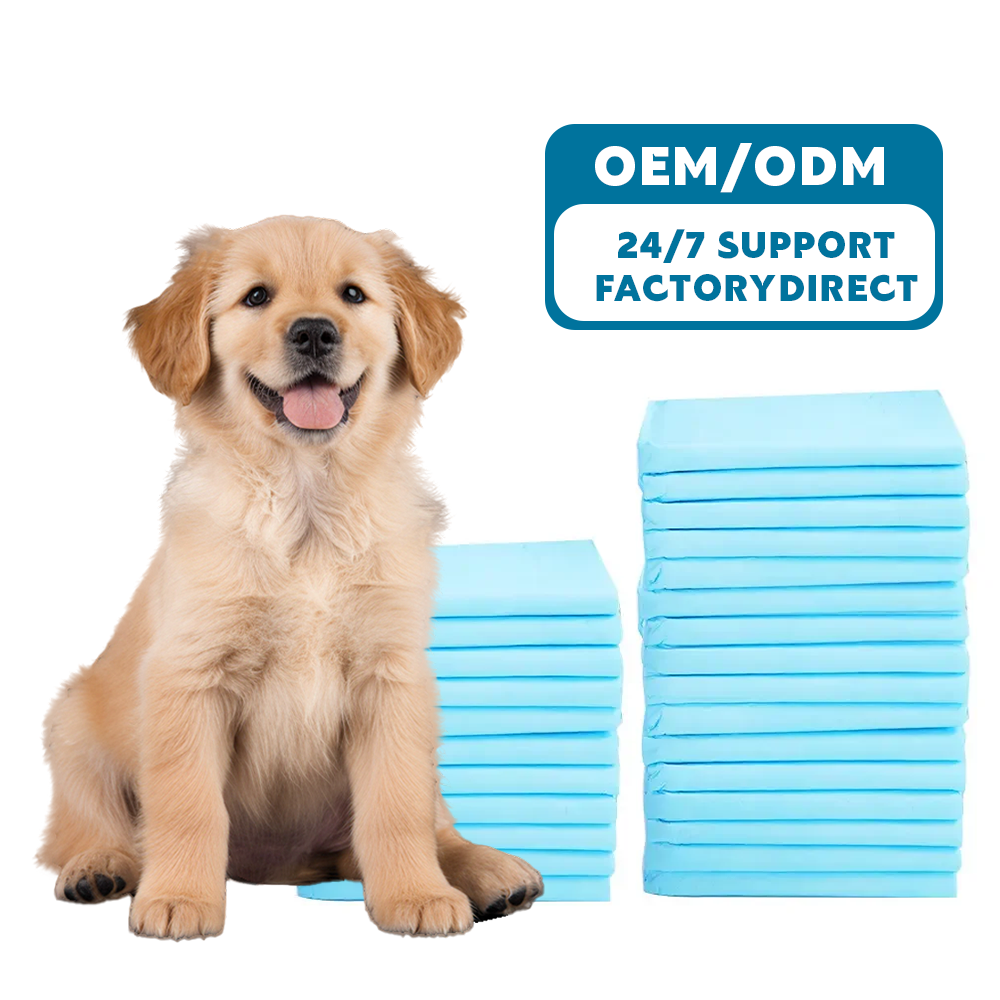
Pet Supplies Customized Super Absorbent Pet Training Pads Non-slip Pet Pads Disposable Dog Cat Training Pads Diapers
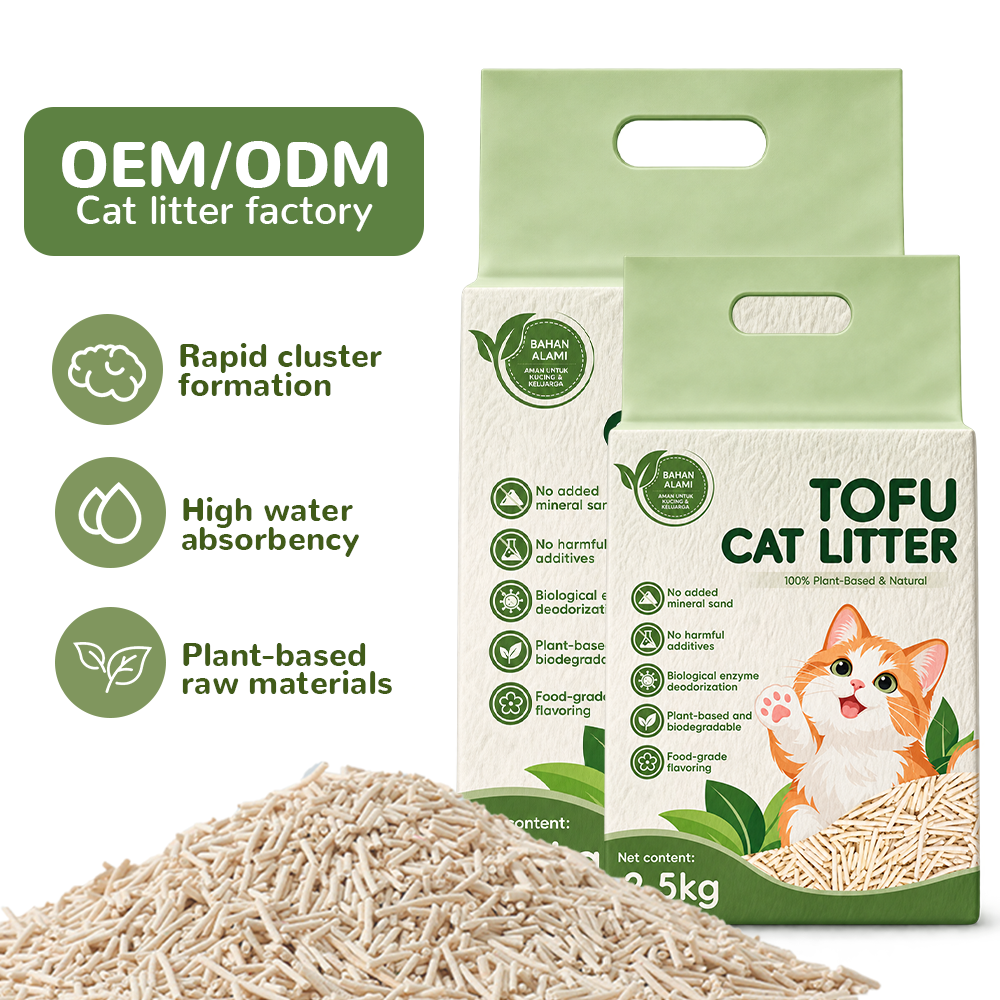
Premium Tofu Cat Litter High Absorbency Quick Clumping Plant Based Cat Sand Bulk Wholesale OEM ODM Manufacturer
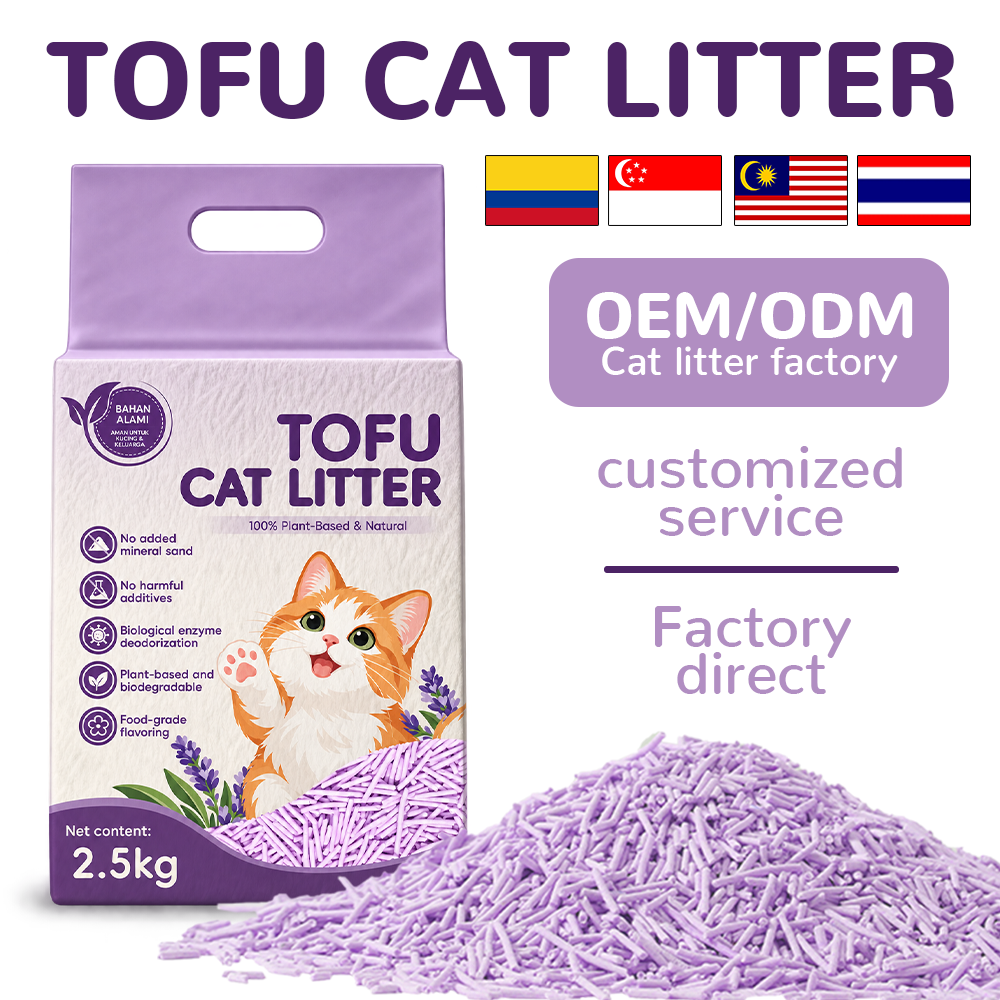
Natural Tofu Cat Litter Strong Absorption Quick Clumping Flushable Cat Litter Bulk Wholesale Manufacturer OEM ODM
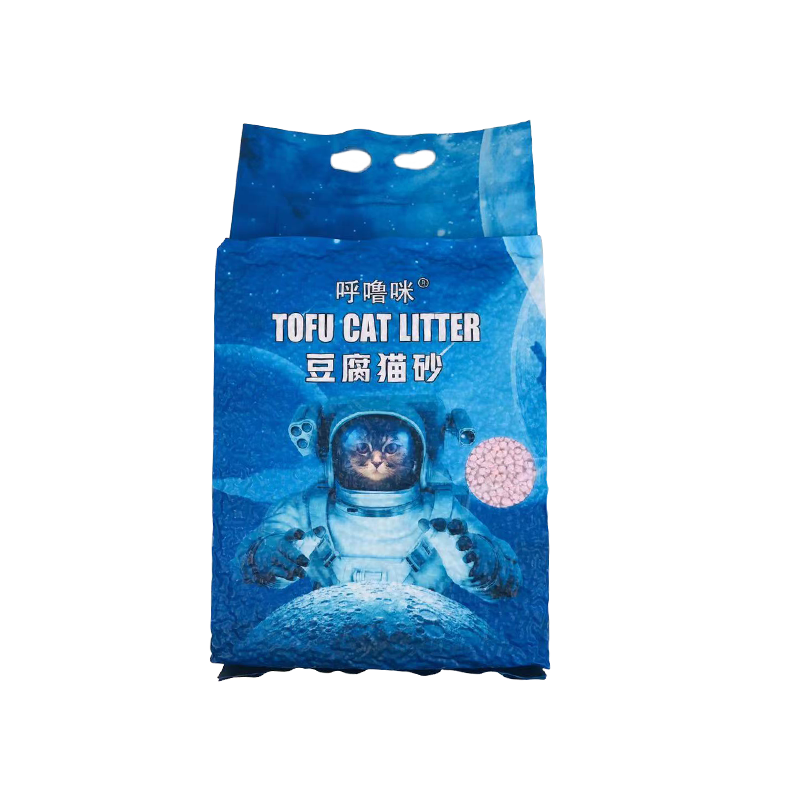
Wholesale Cheap Flushable Clumping Tofu Cat Litter Cat Litter Accessories Kitty Litter
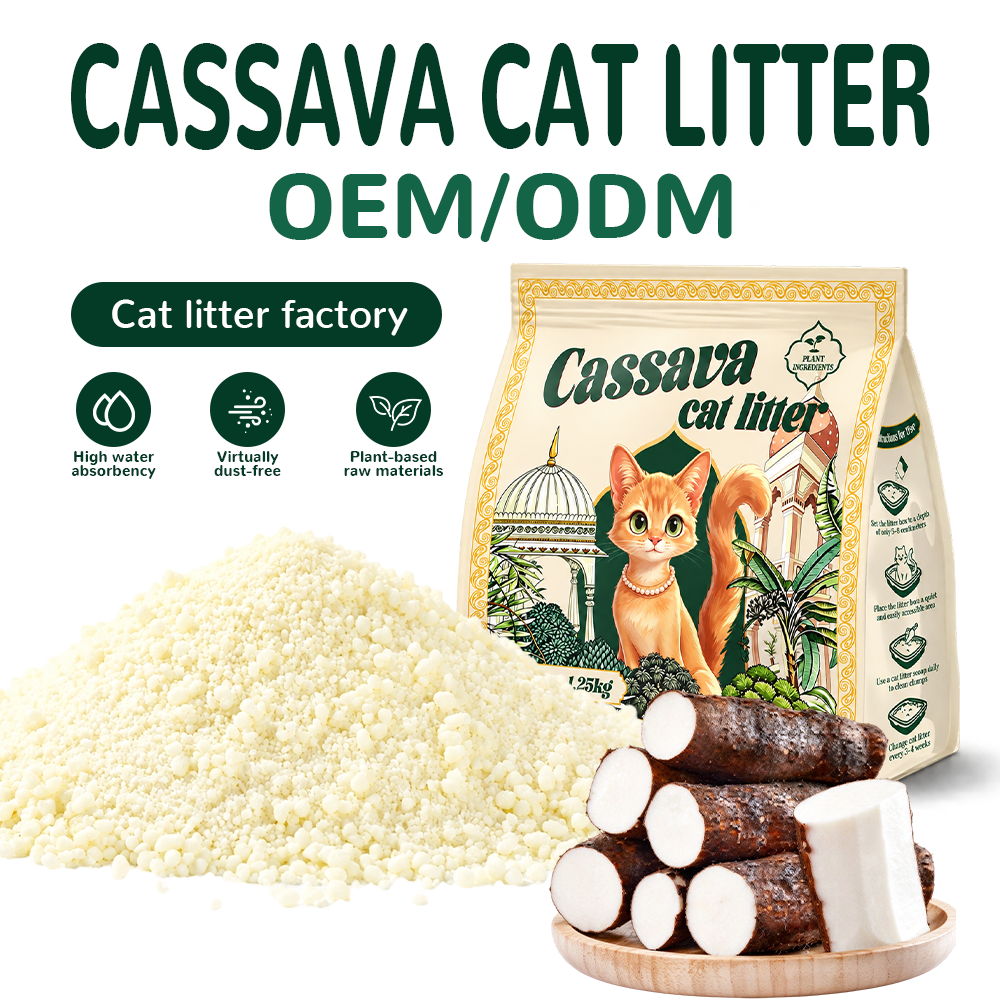
Natural Cassava Cat Litter Fast Clumping Low Dust Biodegradable Odor Control Eco Friendly Cat Toilet Litter Wholesale
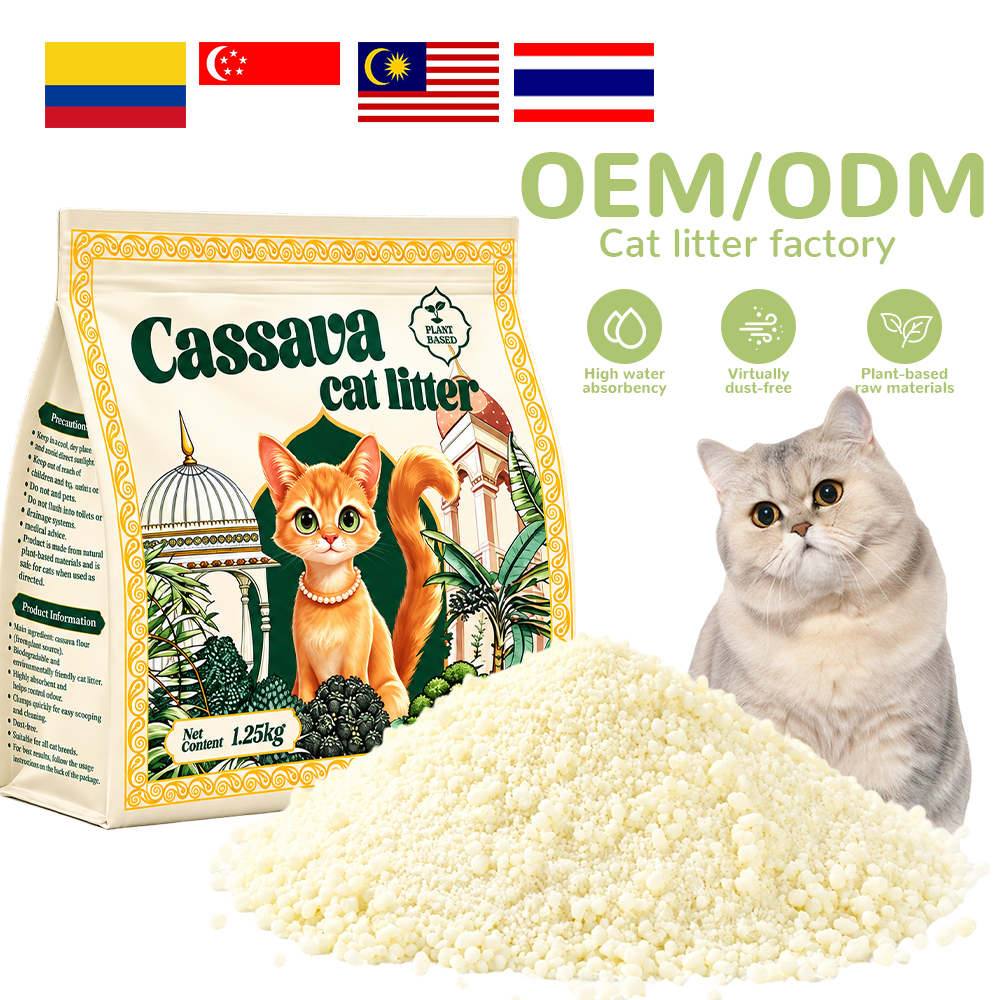
Premium Cassava Cat Litter Private Label OEM ODM Flushable Natural Plant Based Cat Litter for Bulk Wholesale Export
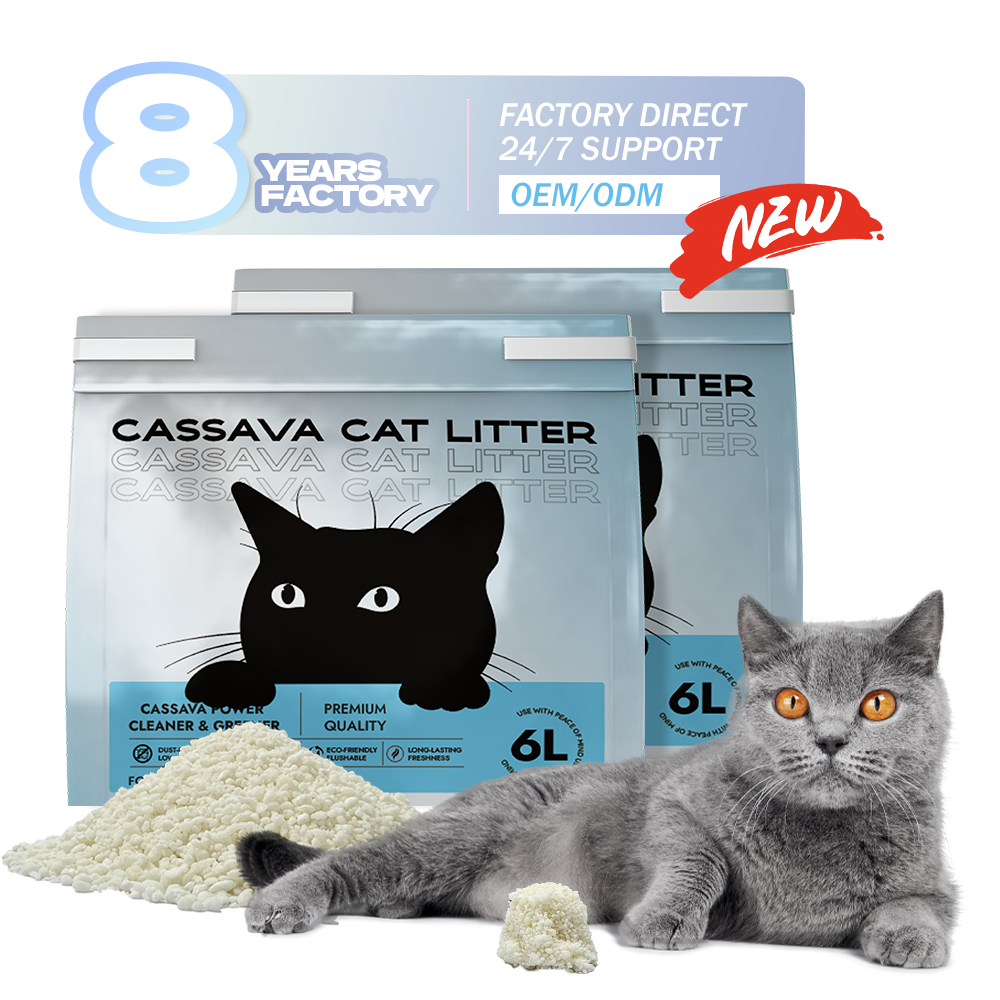
Wholesale Cassava cat Litter Mixed Cassava cat Litter Deodorizing Deodorizing cat Litter
The Engineering Science of High Absorbency Cat Litter Manufacturing
In the modern international pet supply landscape, cat litter has evolved from a basic mineral derivative into an engineered hygiene matrix. Global pet owners, commercial distributors, and private-label brands demand specific performance benchmarks: sub-second liquid uptake, low-tracking granule geometry, sub-0.2% airborne dust indices, and micro-encapsulated odor containment. As a premiere supplier operating out of the Nanhe District industrial manufacturing hub in Xingtai, Hebei—responsible for approximately 60% of China's pet supply export output—Hebei Chupen Pet Products Co., Ltd. sits at the technical epicenter of modern feline hygiene production.
Executive Insight on Information Gain: Standard market litters suffer from secondary moisture leaching and structural clump decay within 24 hours of hydration. Next-generation high absorbency formulations leverage cross-linked bio-polymers and refined montmorillonite clay lattices to achieve capillary absorption ratios exceeding 400% by dry weight, locking in liquid ammonia before volatilization occurs.
1. Capillary Action & Hydrophilic Polymer Physics
Absorbency performance in feline litter substrates is governed by two fundamental physical mechanisms: capillary action within micro-porous fibers and structural hydration expansion within crystalline clay lattices.
Plant-Based Biopolymers (Tofu & Cassava Formulations): Derived from pea fiber, food-grade soybean residue, and refined tapioca starches, plant-based litters utilize natural cellulose pore networks. When liquid contacts the starch-cellulose matrix, capillary forces draw liquid into the interior core of the 1.5mm to 3.0mm pellets. Hydrocolloids naturally present in tapioca starch undergo immediate swelling upon fluid contact, creating a sticky gelatinous inter-pellet bridge that encapsulates the liquid into a firm, scoopable mass within 1.5 to 3 seconds.
Sodium Bentonite Montmorillonite Lattices: In natural mineral litters, high absorbency relies on the presence of sodium montmorillonite ($Na\text{-}Bentonite$). The crystal structure consists of an aluminum silicate layer sandwiched between two silica sheets. The exchangeable sodium cations ($Na^+$) between these structural layers attract water molecules via dipole attraction, forcing the crystal lattice to expand up to 15 to 20 times its original dry volume. This molecular expansion yields exceptional clump hardness ($>800\text{g/cm}^2$ shear strength) while isolating urine from the bottom of the litter basin.
2. Material Performance Matrix: Absorbency, Clumping, & Eco-Metrics
To assist international procurement managers, brand owners, and retail buyers in optimizing their product lineup, the table below provides empirical performance metrics across key commercial cat litter categories produced at our Hebei facilities:
| Substrate Material | Water Absorption Ratio (WAR) | Clump Initiation Time | Airborne Dust Index | Flushability Standard | Optimal Retail Target Channel |
|---|---|---|---|---|---|
| Refined Cassava Starch | 450% - 520% | < 1.5 seconds | < 0.05% (Dust-Free) | 100% Biodegradable / Flushable | Premium Eco-Friendly & E-Commerce Brands |
| Soybean Tofu Fiber (1.5mm) | 350% - 400% | 2.0 - 2.5 seconds | < 0.1% (De-dusted) | Flushable (Single Clump Basis) | Urban Households & Asian/European Markets |
| Sodium Bentonite (Crushed) | 300% - 350% | 3.0 - 4.0 seconds | < 0.3% (Multi-screened) | Non-Flushable (Landfill) | Mass Market Retail & Supermarket Chains |
| Silica Crystal Beads | 220% - 250% (Absorption) | Non-Clumping (Evaporative) | < 0.02% (Zero Dust) | Non-Flushable | Low-Maintenance & Odor-Sensitive Buyers |
Global Procurement Trends & Future Outlook (2025–2030)
The global pet product industry is undergoing a structural paradigm shift driven by urban pet humanization, indoor-only cat keeping, and stringent municipal waste management regulations. B2B importers must align their supply lines with the following emerging procurement trends:
Trend 1: The Accelerated Transition to Rapid Biodegradability
European and North American municipal authorities are increasingly penalizing non-biodegradable mineral waste entering domestic landfills. Consequently, retail demand for plant-based, renewable substrates—specifically Cassava and Tofu—is expanding at a Compound Annual Growth Rate (CAGR) of over 11.4%. Global buyers are shifting PO allocations away from heavy traditional clay toward lightweight, flushable, or home-compostable alternatives that reduce maritime carbon footprints and end-consumer freight costs.
Trend 2: Ultra-Low Diameter Granules & Multi-Cat Hybrid Blends
Traditional 3.0mm tofu pellets are being rapidly superseded by micro-diameter (1.5mm to 2.0mm) formulations and functional hybrid litters (e.g., 70% Tofu + 30% Bentonite + Carbon Deodorizing Beads). Micro-pellets increase liquid contact surface area by 40%, yielding smaller, tighter clumps that use significantly less product per urination event. Hybrid formulations allow retailers to capture the low-dust benefit of tofu alongside the familiar clump density of natural clay.
Trend 3: Stringent Indoor Air-Quality & Anti-Dust Filtration
Respiratory health in domestic pets has become a central marketing pillar for direct-to-consumer (DTC) pet brands. Raw factory litters containing high fractions of respirable free silica or un-bagged dust particles ($<10\mu m$) face elevated return rates and negative consumer reviews. High-volume manufacturers must employ multi-stage negative pressure vacuum de-dusting systems during packaging to guarantee dust indices below 0.1%.
Trend 4: Fully Integrated One-Stop OEM/ODM Container Consolidations
Importers no longer want to source cat litter, pet training pads, and plastic litter boxes from disparate suppliers across multiple regions. Supply chain efficiency demands consolidated shipments. By utilizing centralized OEM production hubs like Nanhe District in Xingtai, brands can pack private-label tofu cat litter alongside 5-layer SAP absorbent puppy pads and PP plastic litter boxes inside a single 40ft HQ container, minimizing port handling costs and lowering inventory carrying expenses.
Why Global Brands Partner With Hebei Chupen
End-to-end manufacturing oversight backed by rigorous quality control, modern machinery, and certified logistics.
11 Production Lines
Operating 5 specialized tofu litter lines, 3 high-capacity bentonite lines, and 3 silica crystal processing lines to meet peak seasonal volume demands without lead-time delays.
SGS & ISO Certified System
Fully verified premises by SGS Group. Accredited under ISO 9001 (Quality Management), ISO 14001 (Environmental), ISO 45001 (Occupational Safety), and ISO 22000 systems.
In-House R&D & Testing
9 advanced laboratory testing instruments on-site to inspect raw materials, track moisture content, verify shear clumping strength, and enforce sub-0.1% dust thresholds.
Tianjin Port Proximity
Located near Tianjin Port, reducing inland trucking costs and shipping lead times. Flexible delivery terms including FOB, CIF, EXW, and DDP to major international ports.
University R&D Partnerships
Collaborative research initiatives with China Agricultural University and Hebei Agricultural University to continuously innovate eco-friendly plant fiber formulations.
Full OEM/ODM Private Label
Custom scent development (Green Tea, Peach, Lavender, Charcoal), vacuum-sealed bag artwork printing, customized granule diameters, and retail-ready display boxes.
Hebei Chupen Pet Products Co., Ltd. - Corporate Summary
Operating as a premiere exporter in Xingtai, Hebei, our team brings over 10 years of specialized industry experience. Supported by a 10,000 m² warehouse network and an affiliated pet food facility spanning 70,000 m², our industrial setup delivers consistent quality across high-volume production cycles.
Frequently Asked Procurement Questions (FAQ)
Essential guidance for international importers, brand owners, and logistics buyers.