High-Performance Plant-Based & Cassava Litter Formulations
Engineered for global brand owners, major supermarket chains, and high-growth pet hygiene importers seeking uncompromising clump cohesion, ultra-low airborne dust, and true biodegradable sustainability.
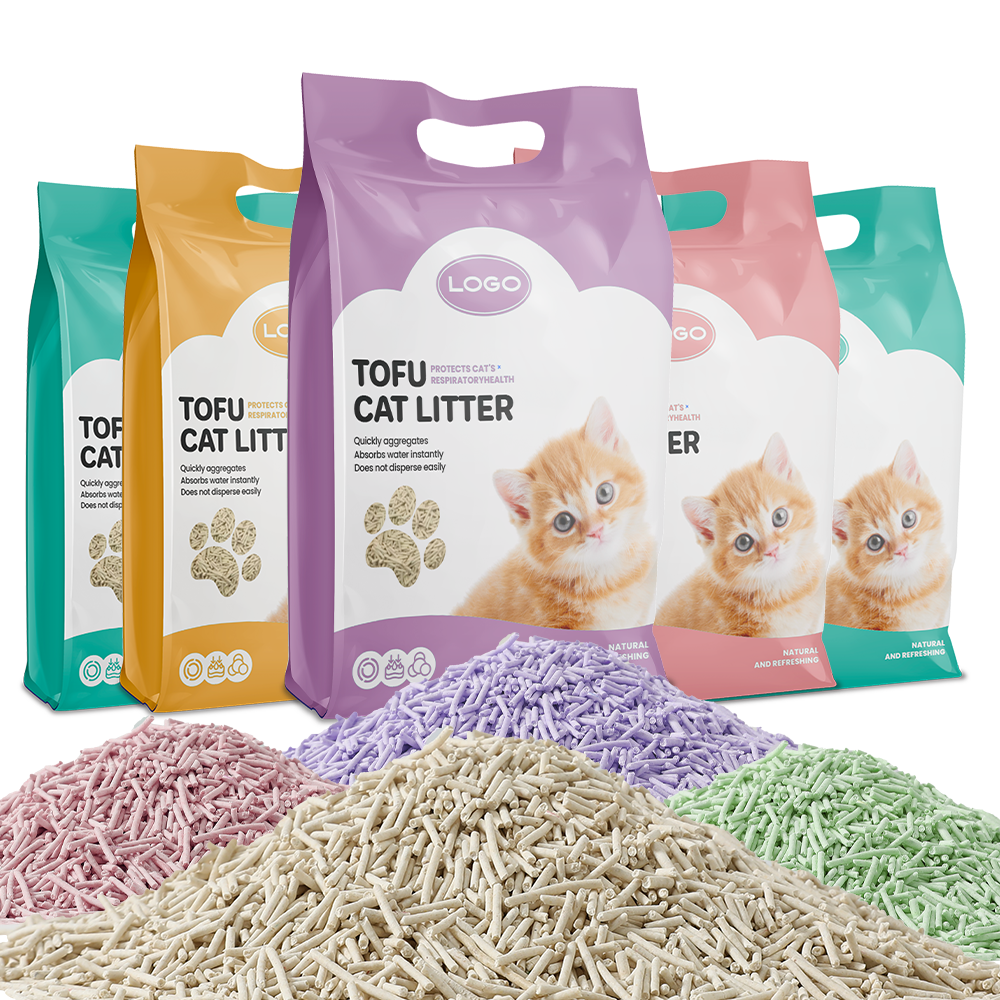
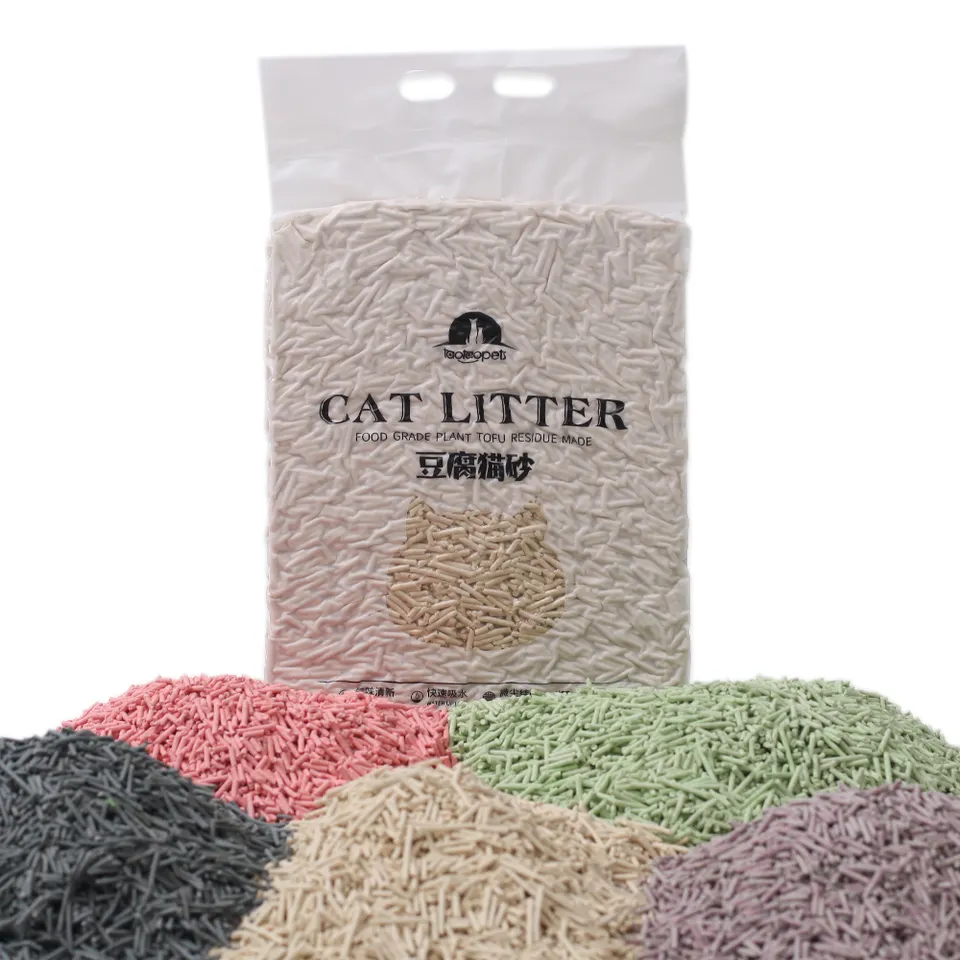
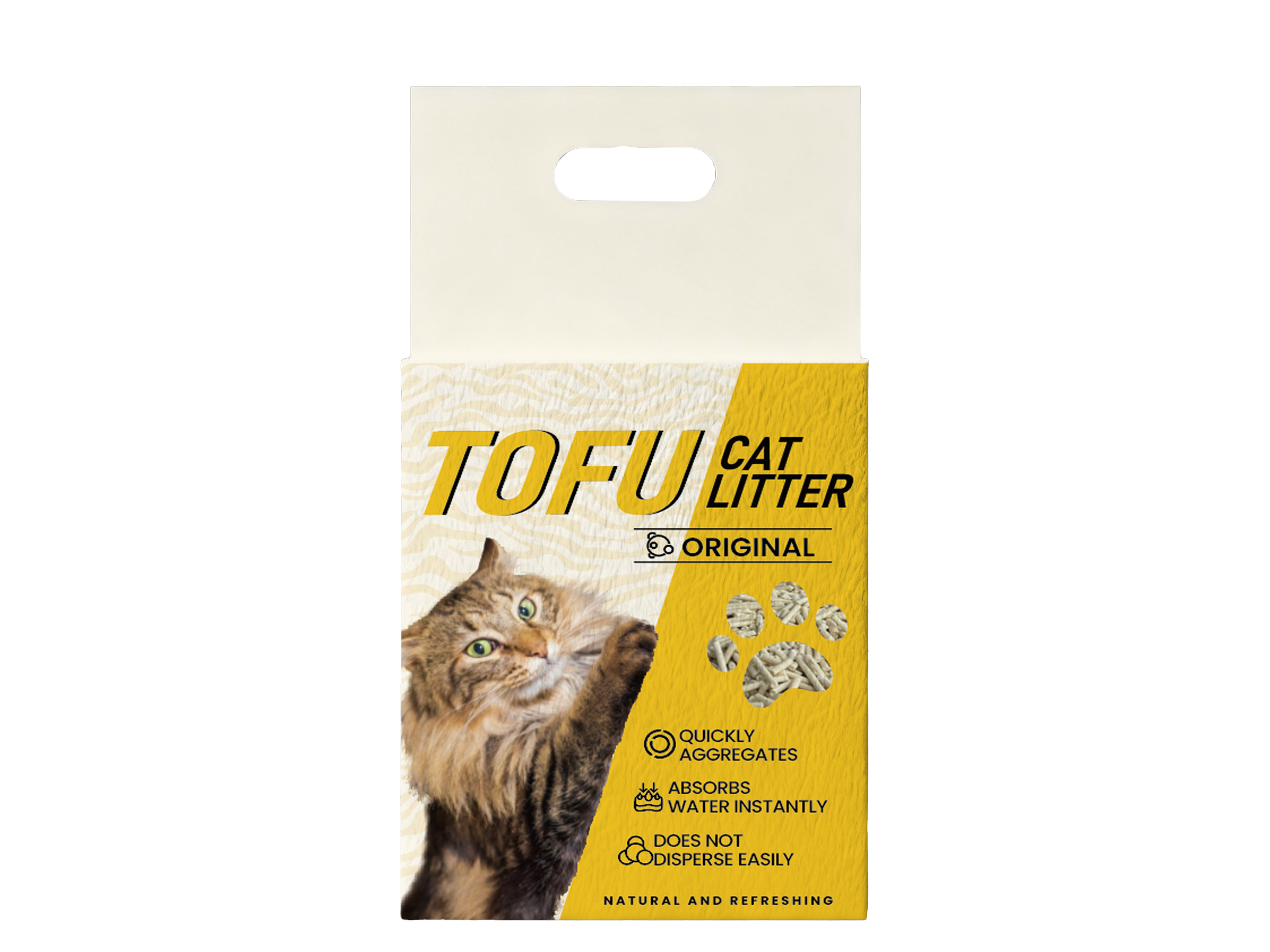
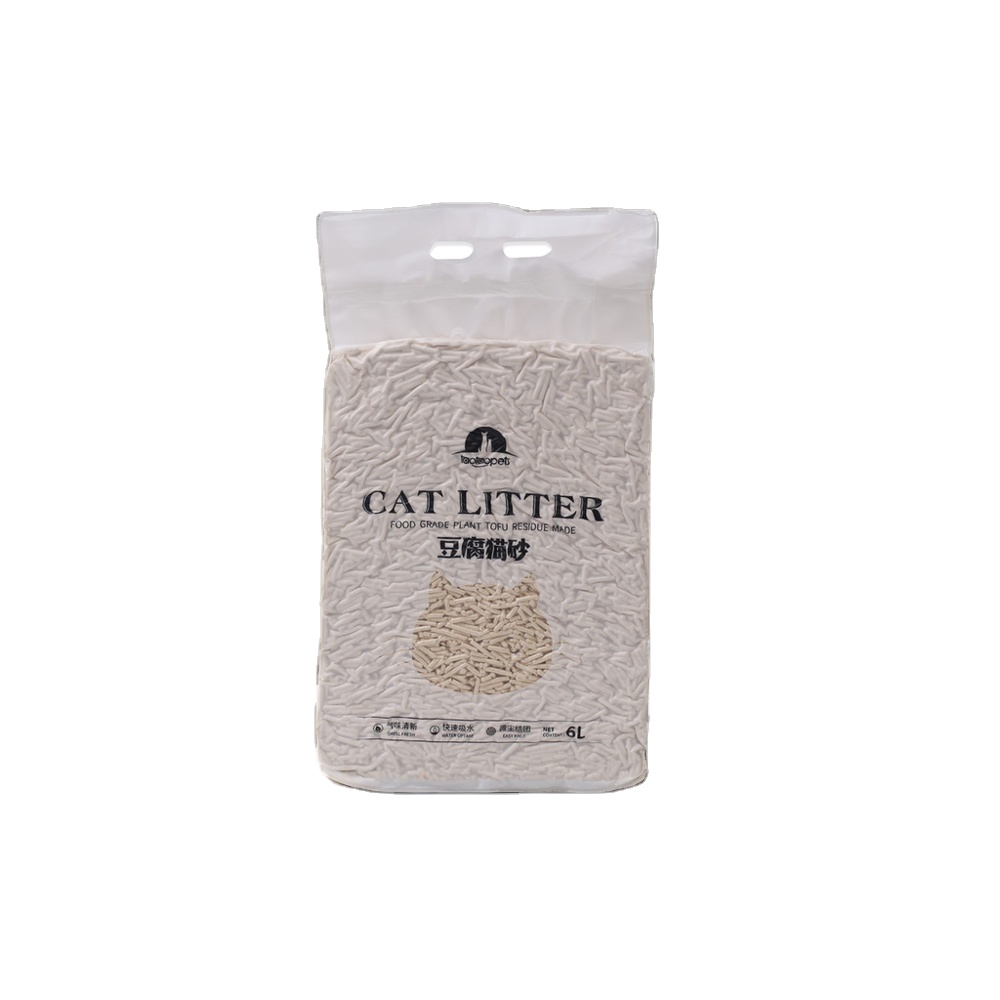
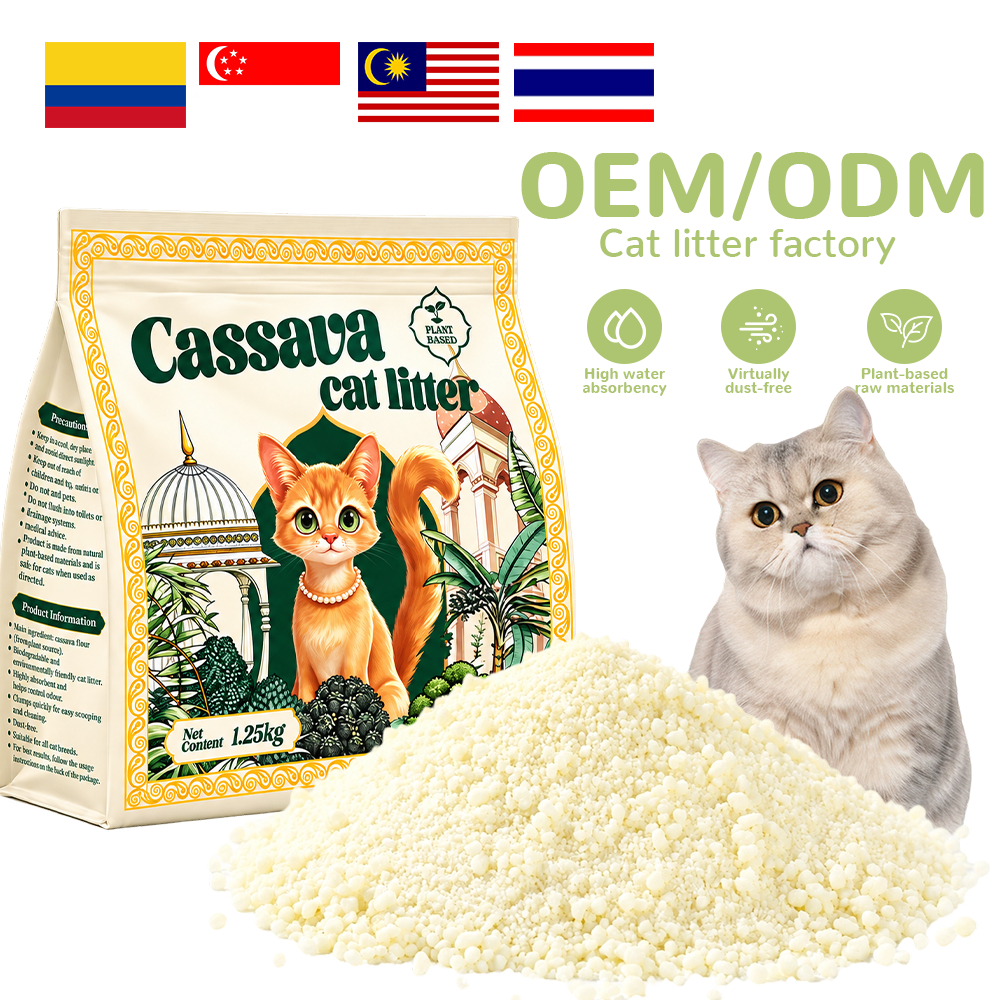
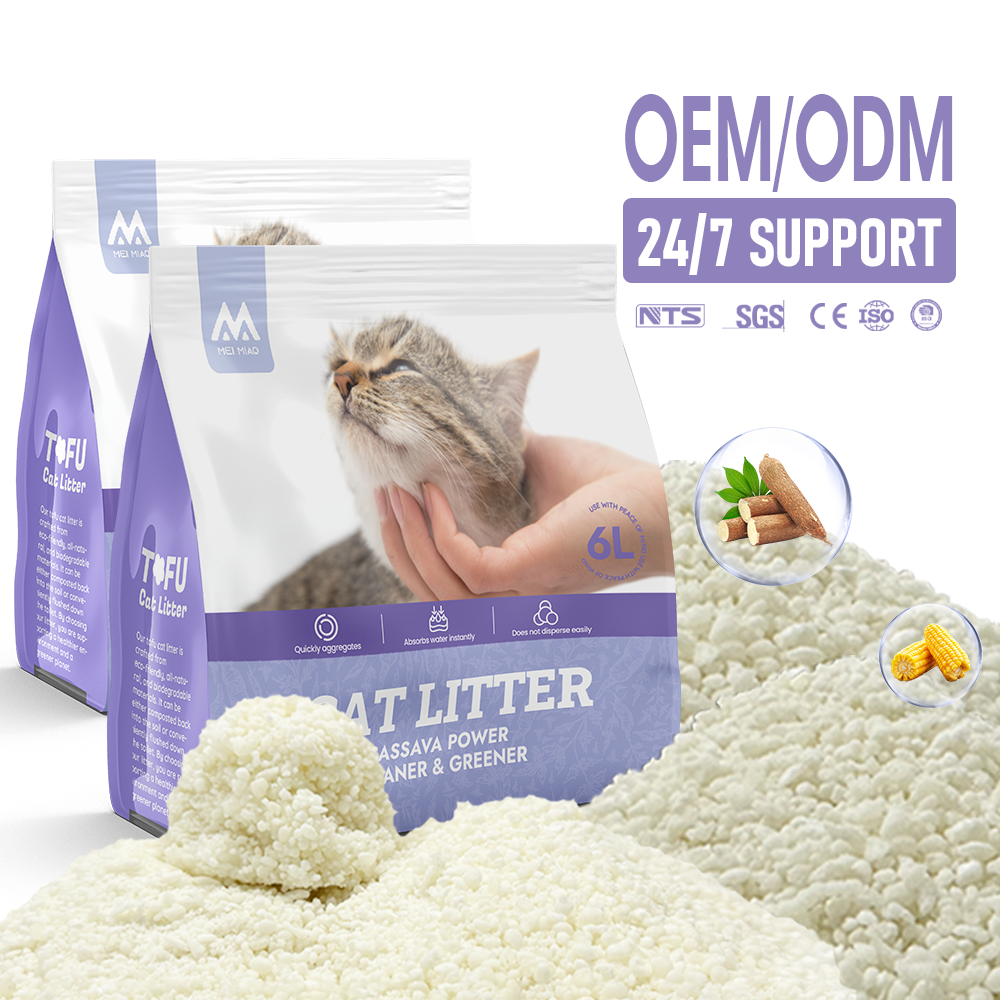
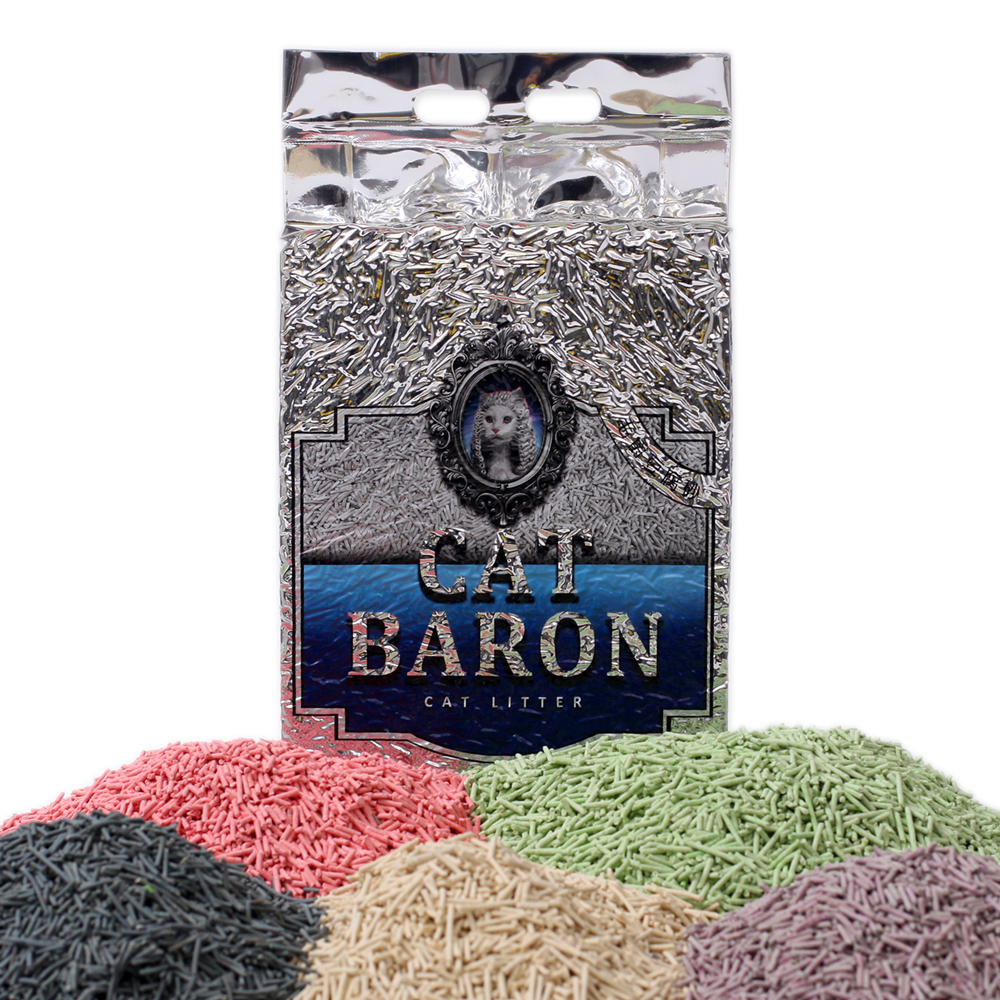
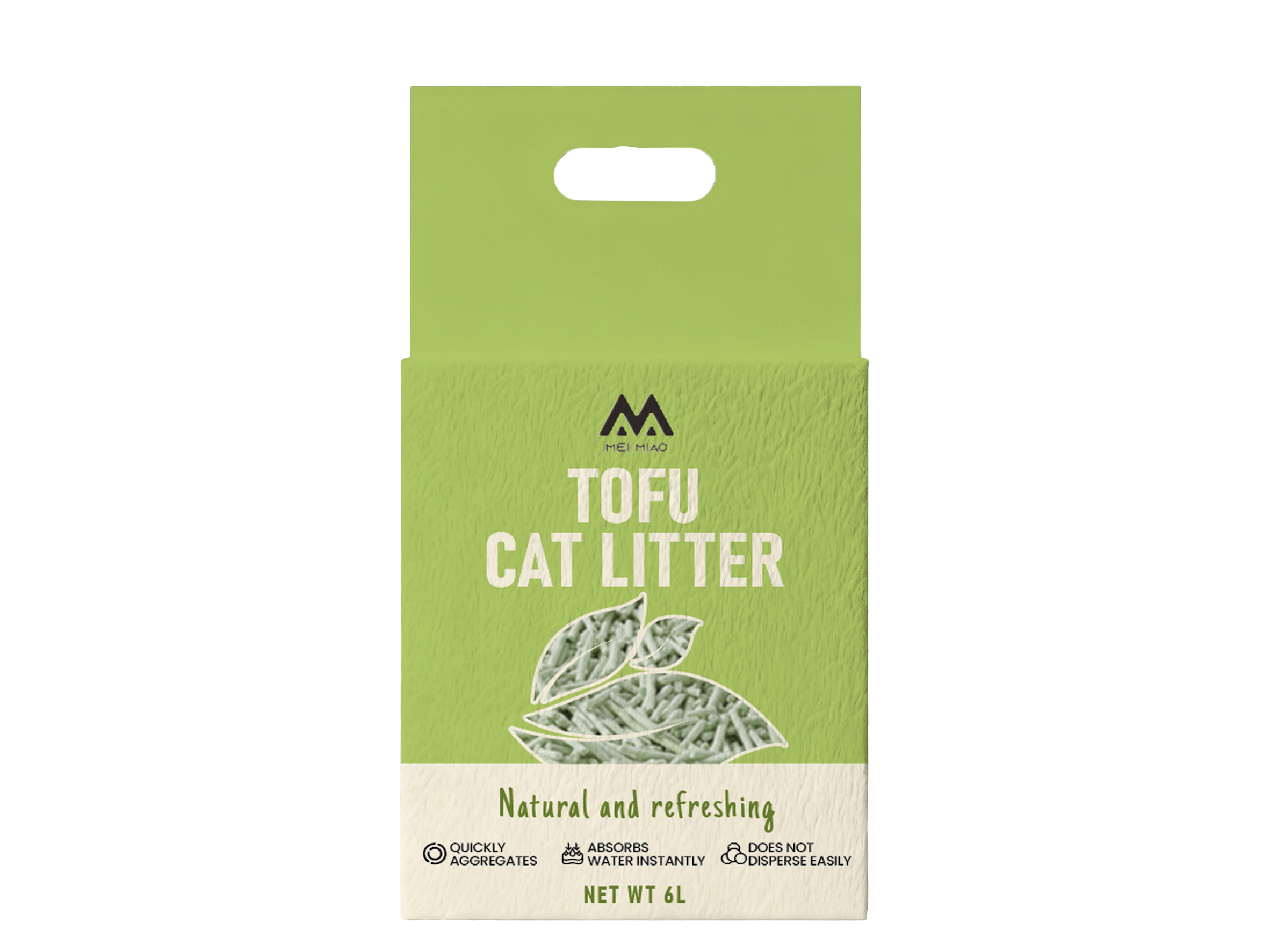
Why Cassava (Tapioca) is Disrupting Traditional Clay & Tofu Litter
The global pet hygiene sector is undergoing an irreversible structural transition away from open-cast mined sodium bentonite clay and synthetic silica crystals. At the vanguard of this shift is cassava cat sand (formulated from refined Manihot esculenta root starch), which addresses the fundamental mechanical limitations of pea fiber and soybean tofu litters while outperforming mineral clays on clumping kinetics and dust suppression.
From a biopolymer standpoint, cassava root features an extraordinarily high concentration of branched amylopectin (typically 80% to 83%) relative to linear amylose. When feline urine (an aqueous solution carrying urea, uric acid, and volatile amine compounds) makes contact with calibrated cassava granules, the hydrophilic hydroxyl groups (-OH) trigger instantaneous, cold-water starch gelatinization.
Furthermore, standard soybean tofu litter is vulnerable to secondary bacterial fermentation, mold growth (such as Aspergillus flavus synthesizing aflatoxins), and sour odor emission in humid seaside climates. Cassava starch, processed under strict de-sugaring, precision drying, and vacuum dedusting, provides a nutrient-depleted substrate that resists microbiological colonization without requiring toxic chemical biocides.
| Evaluation Parameter | Refined Cassava Granules | Soybean Tofu Pellets | Sodium Bentonite Clay | Silica Gel (Crystal) |
|---|---|---|---|---|
| Hydration Clumping Velocity | < 1.5 Seconds (Immediate) | 3.0 - 5.0 Seconds | 2.5 - 4.0 Seconds | Non-Clumping (Saturating) |
| Airborne Particulate (<PM10) | < 0.05% (5-Stage Dedusted) | 0.5% - 1.2% | 2.5% - 6.8% (Heavy Silt) | 0.8% - 1.5% (Silica Dust) |
| Clump Bulk Density & Weight | 0.52 - 0.58 g/cm³ (Lightweight) | 0.60 - 0.68 g/cm³ | 0.95 - 1.15 g/cm³ (Very Heavy) | 0.40 - 0.45 g/cm³ |
| Municipal Flushability & Pipe Risk | 100% Water Dispersible | Dispersible in low doses | Zero (Causes severe pipe blockage) | Zero (Non-biodegradable) |
| Ocean Freight Carbon Footprint | Low (-45% vs Clay per TEU) | Moderate | High (Maximum deadweight load) | Moderate |
| Aflatoxin / Mold Vulnerability | Extremely Low (Low-protein matrix) | Moderate to High (Soy proteins) | Inorganic (Zero) | Inorganic (Zero) |
Macro Trends Reshaping the Global B2B Cat Sand Market
Procurement directors from multinational pet brands, European retail consortiums, and North American distributors face regulatory head-winds, changing consumer demographics, and carbon-tax mandates. Sourcing strategies are actively pivoting around four major vectors:
1. Freight Optimization & Carbon Landed Cost
Ocean freight rates fluctuate unpredictably. Sodium bentonite clay weighs approximately 1.0 kg per liter, causing 20ft and 40ft containers to reach maximum shipping weight (deadweight tonnage) long before volumetric capacity is filled. Cassava cat sand, with an engineered density of 0.55 g/cm³, nearly doubles the retail consumer volume packed per shipping container. This drastic reduction in freight expenditure per SKU significantly mitigates European Union Carbon Border Adjustment Mechanism (CBAM) liabilities and trans-Pacific logistics surcharges.
2. Urbanization & Municipal Flushability Standards
Over 70% of millennial and Gen-Z cat parents in Tier-1 metropolitan markets (Tokyo, Seoul, London, Paris, New York) reside in high-density multi-family apartment dwellings without private gardens or municipal compost bins. Carrying heavy contaminated bentonite waste down staircases or trash chutes creates friction. Municipalities are passing strict landfill diversion bylaws. Premium water-soluble cassava litters, which break down into inert plant starches upon immersion, provide an indispensable, toilet-flushable selling proposition that drives repeat retail purchases.
3. Elimination of Inhalable Respiratory Toxins
Veterinary literature and consumer protection agencies have intensified scrutiny on airborne respirable quartz dust present in lower-grade bentonite sands. Chronic feline asthma and respiratory tract inflammation in brachycephalic cat breeds (Persians, Exotics) correlate directly with litter dust levels. By switching to five-stage dedusted cassava sand containing zero respirable silica crystals, private labels capture the burgeoning "Clean Pet Care" premium segment, insulating brands from potential future regulatory warnings.
4. Consolidation via Integrated Supply Clusters
Global supply chain managers are abandoning unverified trading brokers in favor of geographically centralized, vertically integrated manufacturers. Sourcing from Xingtai's Nanhe District—which concentrates over 60% of China's pet supplies production—allows buyers to combine cassava cat sand, tofu litter, bentonite reserves, puppy pads, and pet foods in consolidated single-port shipments via Tianjin Port, lowering working capital overhead and eliminating multi-vendor coordination failures.
Hebei Chupen Pet Products: Precision OEM/ODM Infrastructure
Headquartered in Nanhe District, Xingtai City, Hebei Province, Hebei Chupen Pet Products Co., Ltd. stands as an established manufacturing powerhouse. Operating across an integrated modern production matrix, our facilities merge academic botanical research with high-throughput automated processing lines.
Unlike small workshops that perform simple cold-blending, our cassava manufacturing protocol employs advanced twin-screw shear gelatinization extruders, vibrating fluid-bed desiccation, and proprietary negative-pressure 5-stage dedusting cyclones. This guarantees every batch meets exact moisture tolerances (9.0% ± 1.0%), ensuring a 24-month export shelf life across equatorial shipping lanes.
Our strategic joint laboratory collaborations with China Agricultural University and Hebei Agricultural University continuously push the boundaries of plant-based odor mitigation. Our patented deodorizing formulations complex active natural botanical polyphenols directly into the starch grain, neutralizing volatile methyl mercaptan and trimethylamine without artificial chemical perfumes.
Core OEM/ODM Customization Capabilities
- Granule Morphology Engineering: 1.5mm / 2.0mm micro-pellet cylinders, crushed rough granules mimicking clay texture, or multi-faceted spheroids for zero paw-tracking.
- Formula Hybridization: 100% pure white cassava starch, or economic custom hybrid matrix blends (e.g., 70% cassava / 30% pea fiber; cassava + bentonite; cassava + active bamboo charcoal).
- Natural Scent Micro-Encapsulation: Unscented hypoallergenic formulas, real green tea leaf extracts, roasted coffee, peach, lavender, or activated enzymes.
- Packaging Automation: Vacuum brick bags (2.0kg / 2.5kg), 6L / 7L soft side-gusset bags with die-cut handles, 10L - 25kg bulk woven sacks, and EN 13432 certified 100% home-compostable barrier films.
- Turnkey Container Loading: Palletized stretch-wrapped or loose hand-stacked loading optimized for maximum TEU/FEU container space utilization from Tianjin Port.
End-to-End Quality Verification from Starch Inflow to Container Seal
Every metric ton of cassava cat sand shipped under our clients' brand names undergoes a documented, 6-gate laboratory testing workflow to guarantee zero customer returns and protect retail brand equity.
Gate 1: Raw Material Purity
Every incoming batch of food-grade raw tapioca flour is sampled for moisture content, foreign botanical matter, and heavy metal concentrations (lead, arsenic, cadmium) using atomic absorption spectrophotometry. Batches failing purity thresholds are rejected at the gate.
Gate 2: Extrusion Thermal Control
Continuous thermal infrared monitoring throughout the thermal conditioning barrel ensures uniform starch pre-gelatinization. Precise temperature balancing preserves the starch's native cohesive characteristics while purging latent moisture without scorching.
Gate 3: Multi-Stage Dedusting
Pellets pass over double vibrating sieves to remove oversize and undersize particles, followed by triple negative-pressure counter-flow air aspirators. This multi-pass extraction reduces fines and dust content to an industry-leading benchmark of <0.05%.
Gate 4: Clump Shatter Resistance
Laboratory technicians simulate real-world usage by injecting 20ml of saline solution at 37°C. The resultant clump is dropped from a calibrated height of 1.0 meter onto a stainless-steel grid after 5 minutes. The clump mass retention rate must exceed 98.5%.
Frequently Asked Questions by Global Importers & Wholesalers
Authoritative answers addressing production logistics, testing certifications, shelf stability, and private label customization parameters.
What are the minimum order quantities (MOQ) for custom private-label cassava cat sand?
Our minimum order quantity tiers are structured around printing technology and material supply chains:
1. Pilot Trial Orders (60 – 500 Bags): Available using our generic unprinted neutral master bags, blank vacuum bricks with custom adhesive CMYK vinyl stickers, or ready stock lines. Ideal for preliminary market testing and e-commerce soft launches.
2. Full OEM Custom Rotogravure Printed Bags: Approximately 10,000 to 13,000 bags (which neatly corresponds to one 20-foot general purpose container depending on package volume, e.g., 2.5kg or 6L). Rotogravure printing cylinders require copper plate tooling; however, once made, plates are stored for up to two years of subsequent reorders without re-tooling fees.
3. Bulk Woven Ton-Bags: For overseas repacking factories, MOQ starts at 5 metric tons.
How does cassava cat sand endure high-humidity sea freight without mold proliferation?
Unlike raw soybean meal used in conventional tofu litter, which contains residual vegetable proteins and soluble sugars that invite mold fungi, pure cassava starch is fundamentally nutrient-deficient for microbial spores once dehydrated.
Our drying lines utilize three-pass fluidized bed dryers to drive inner moisture levels below 9.0%. For sea shipments crossing the equator or bound for humid tropical ports, we incorporate high-barrier nylon/PE multi-layer laminated bags, optional vacuum-compression packaging, and industrial container-grade calcium chloride desiccants hung inside shipping containers. In unopened original packaging, our cassava litter maintains complete structural integrity and stability for 24 months.
Can cassava cat litter be combined with pet pee pads or pet foods in a single consolidated container?
Yes, absolutely. This is one of the primary competitive advantages of partnering with Hebei Chupen Pet Products. Because our factory is situated at the epicenter of China's pet manufacturing capital in Nanhe District, we collaborate closely with more than 50 verified local partner factories.
Importers can combine 500 bags of cassava cat litter, 300 boxes of puppy training pee pads, silicone or PP litter boxes, and freeze-dried pet snacks into one mixed 40ft High Cube container. Everything is consolidated at our 10,000 m² central warehouse, cleared through customs under unified documentation, and shipped out through Tianjin Port, dramatically lowering landed import costs per product line.
What international testing standards and regulatory certifications accompany shipments?
Every commercial batch is backed by comprehensive third-party laboratory verification. Our manufacturing plant holds active ISO 9001 (Quality Management), ISO 22000 (Food Safety Management Systems), ISO 14001 (Environmental Management), and ISO 45001 (Occupational Health) certifications. The physical production premises have been fully audited and onsite-verified by SGS Group.
Prior to initial export, we furnish complete Material Safety Data Sheets (MSDS), non-hazardous transport declarations, microbiological analysis reports (showing non-detectable levels of Salmonella, E. coli, and mold counts <10 CFU/g), and European SVHC/RoHS heavy metal compliance screening reports.
How does pure cassava cat sand compare to blended tofu-cassava hybrid litter?
Both product classes deliver exceptional benefits depending on your market's price positioning:
100% Pure Cassava Litter: Delivers the fastest agglomeration speed, ultra-tight pancake clumps, exceptional near-zero dust indices, and an elegant natural ivory aesthetic that attracts the ultra-premium retail segment. Because tapioca starch raw material costs are higher than agricultural soybean fiber, the per-bag unit cost is higher.
Cassava & Pea/Soybean Fiber Hybrids (e.g., 70% Tofu / 30% Cassava): Represents the fastest-growing market formula in retail supermarket channels. The addition of cassava starch solves the structural brittleness of traditional tofu litter pellets, eliminating clump crumbling while maintaining an accessible cost-per-liter for mass consumers.
Begin Your OEM/ODM Cassava Cat Sand Production Run
Connect directly with our engineering and export team. Receive complete technical formulation dossiers, bespoke sample kits, factory pricing schedules, and custom packaging mockups within 24 business hours.