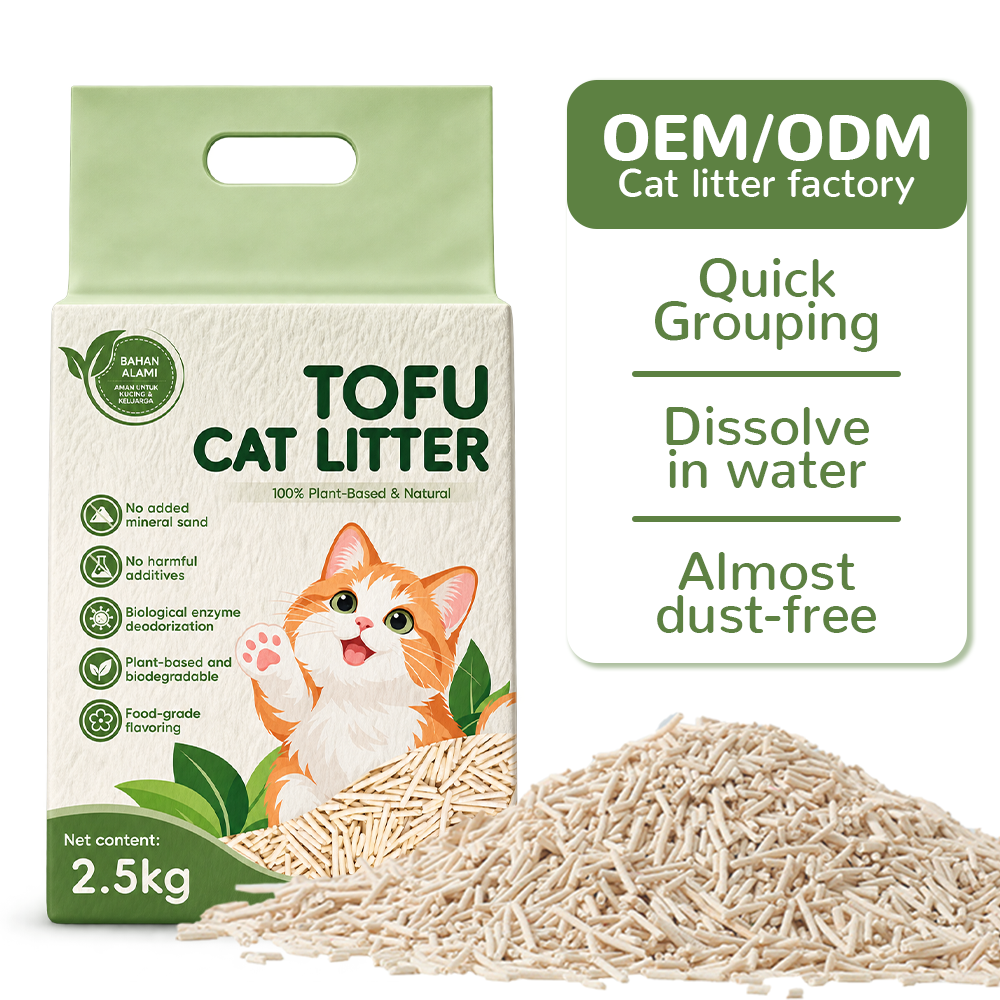
Premium Tofu Cat Litter Natural Plant Based Clumping Low Dust Odor Control
Engineered with high-grade food pea fiber and starch binders. Instant capillary hydration guarantees complete clump consolidation within 1.5 seconds.
As the international pet care market accelerates toward strict carbon-neutral targets, natural plant fiber products are transitioning from a specialized niche to mass-retail dominance. For international pet brand directors, regional distributors, and purchasing managers evaluating the global landscape, selecting high-caliber biodegradable cat litter manufacturers is no longer strictly about raw purchase prices; it requires comprehensive verification of ingredient purity, mechanical agglomeration physics, thermal moisture mitigation, and industrial packaging hermeticity.
Engineered with high-grade food pea fiber and starch binders. Instant capillary hydration guarantees complete clump consolidation within 1.5 seconds.
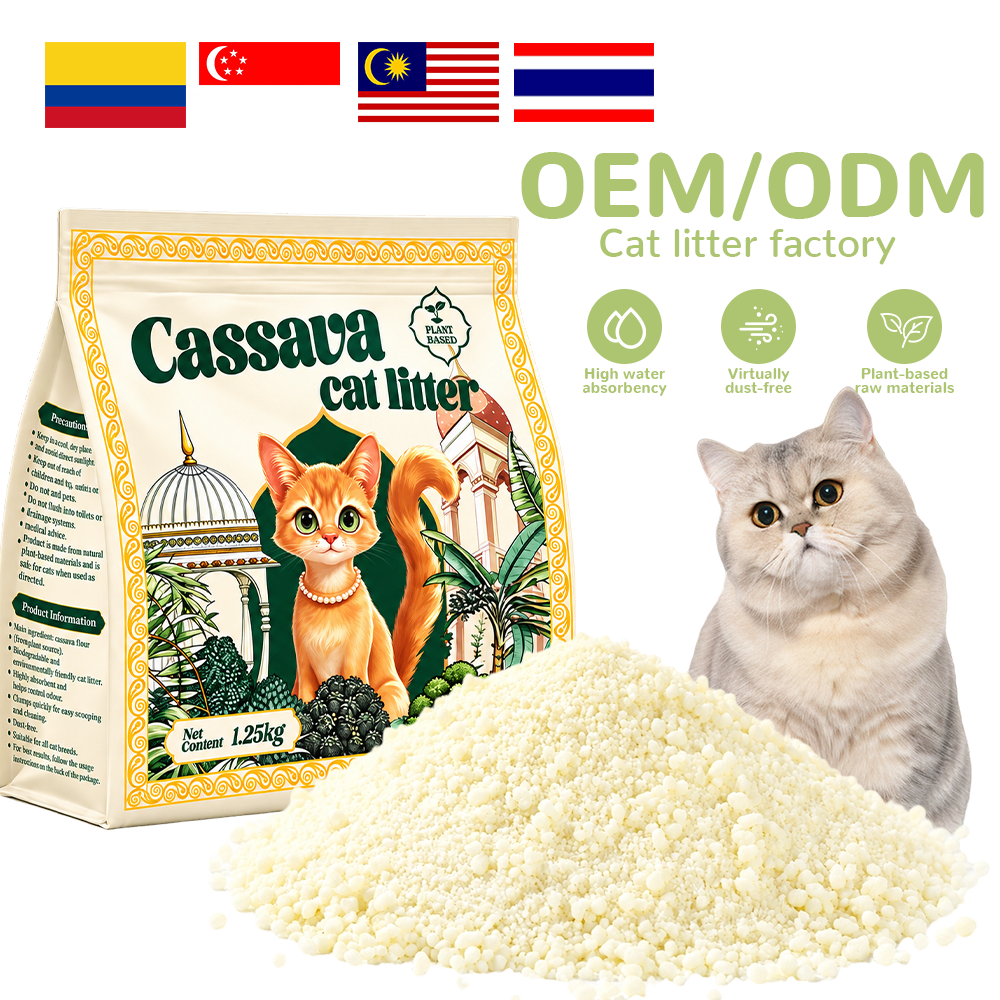
High-yield renewable cassava starch formula delivering ultra-tight mechanical integrity, negligible dust output, and rapid biological decomposition.
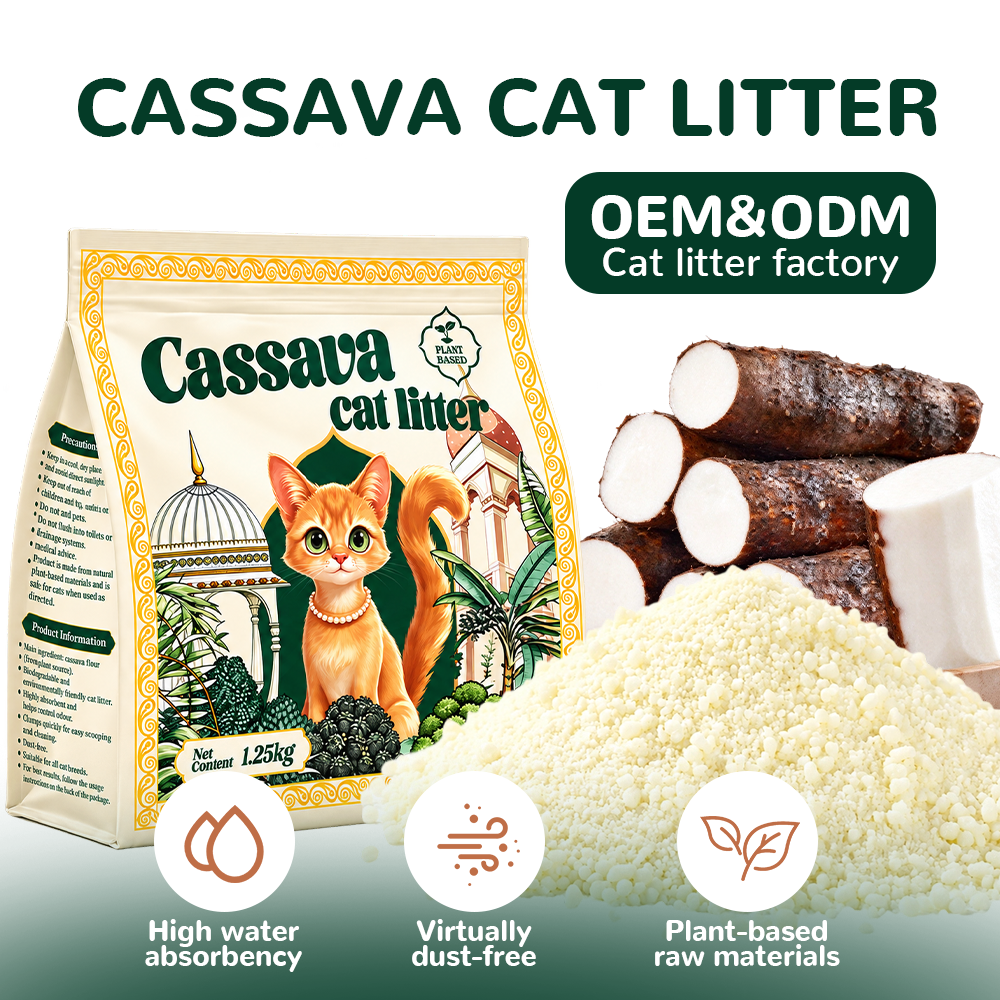
Private-label ready plant compound offering superior anti-tracking particle sizing and enhanced moisture containment for multi-cat households.
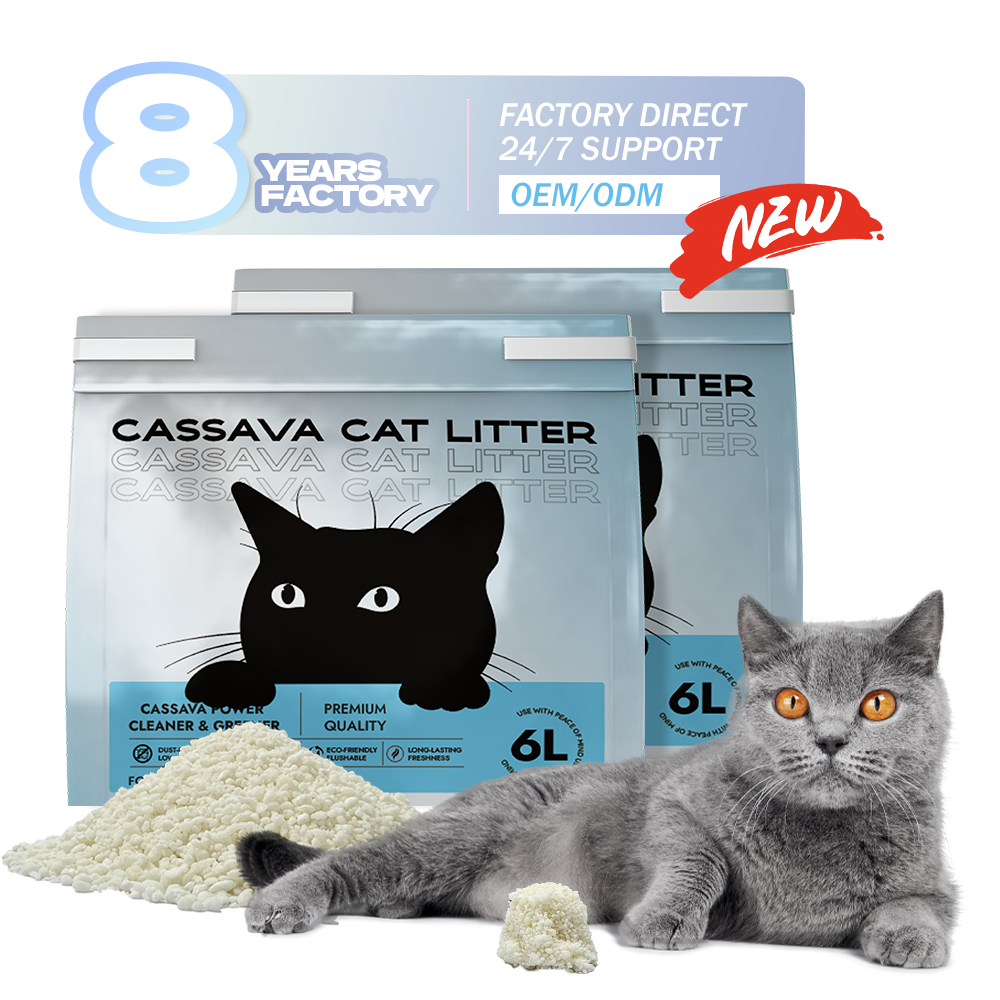
Hybrid bio-engineered formulation optimizing natural plant starch with active odor encapsulators for multi-day ammonia neutralization without synthetic perfumes.
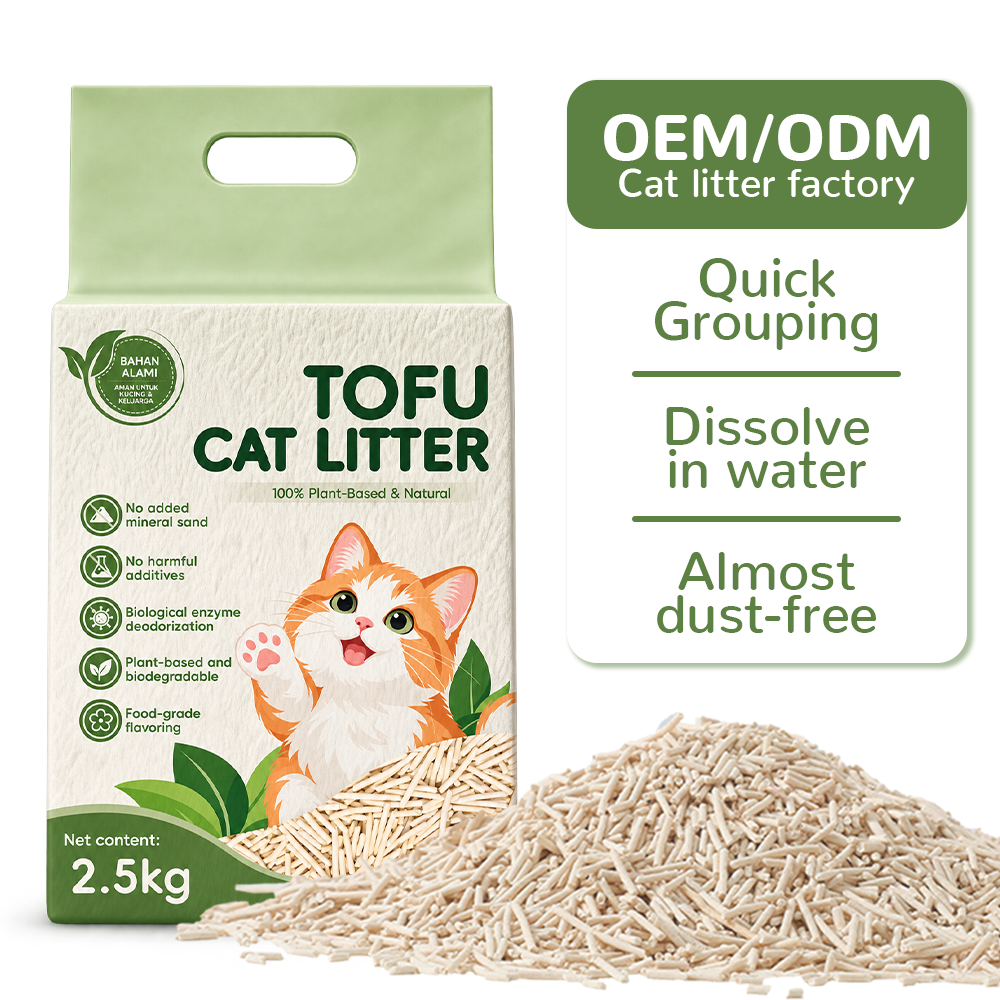
Industrial grade 1.5mm to 2.0mm micro-pellets engineered to drastically reduce surface tracking while delivering complete flushability and plumbing safety.
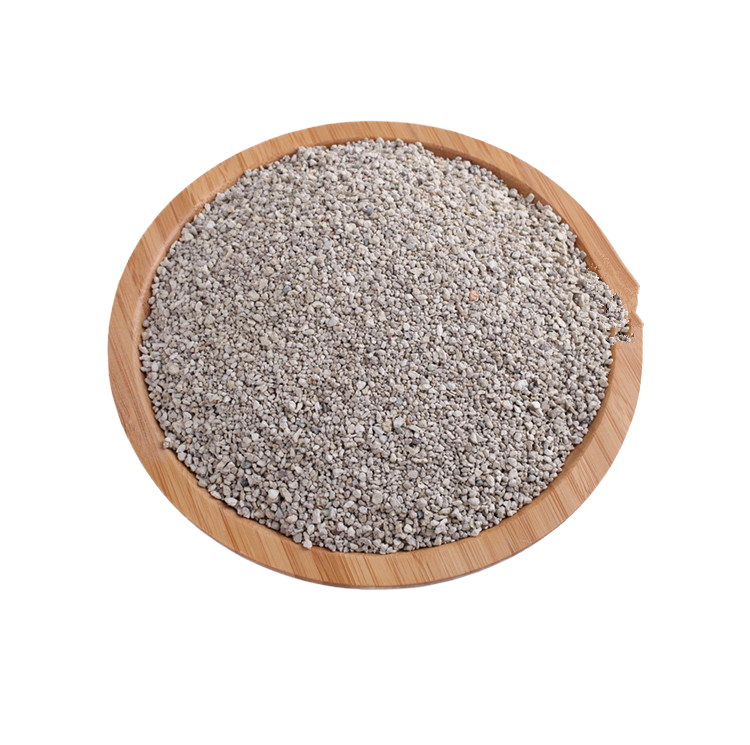
Selected high-swelling montmorillonite clay granules featuring custom screening, triple dedusting procedures, and cost-effective volume scaling.
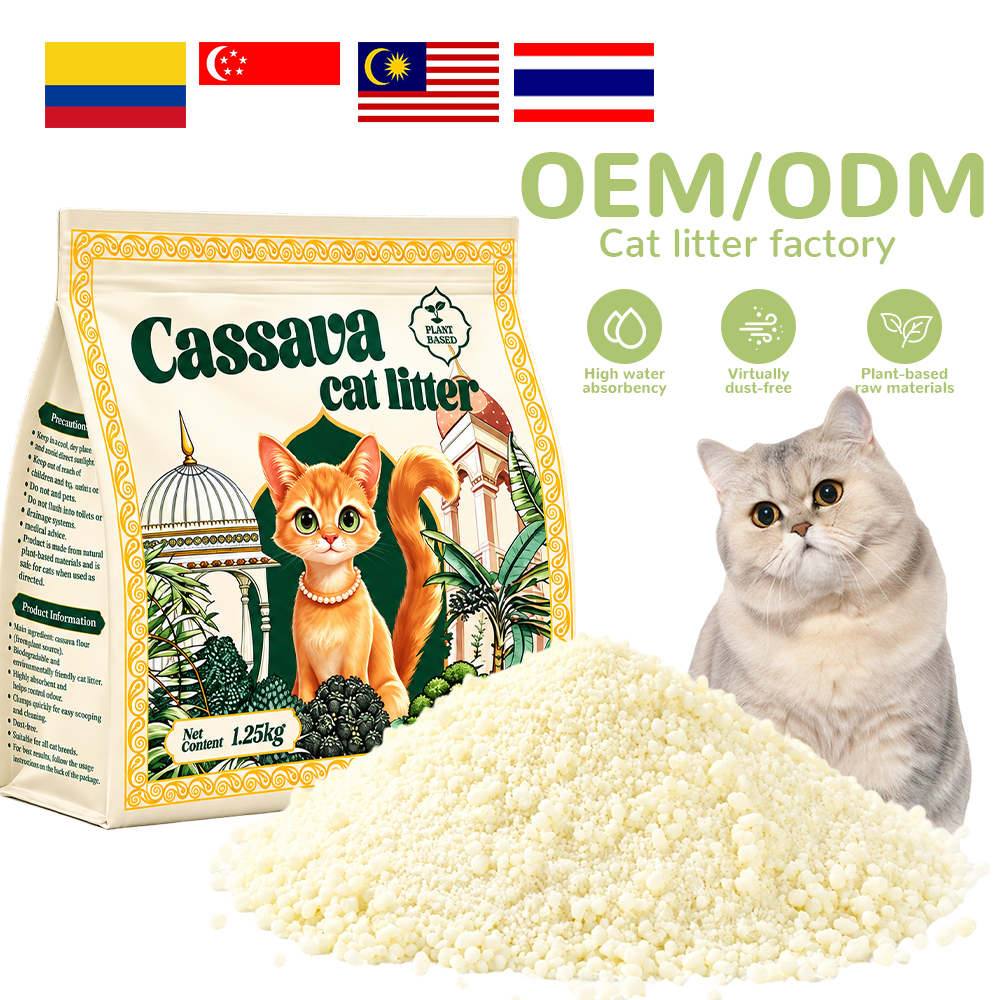
Specially formulated for hyper-sensitive feline paws, offering a zero-chemical profile, rapid aquatic dissolution, and reliable mechanical clump resilience.
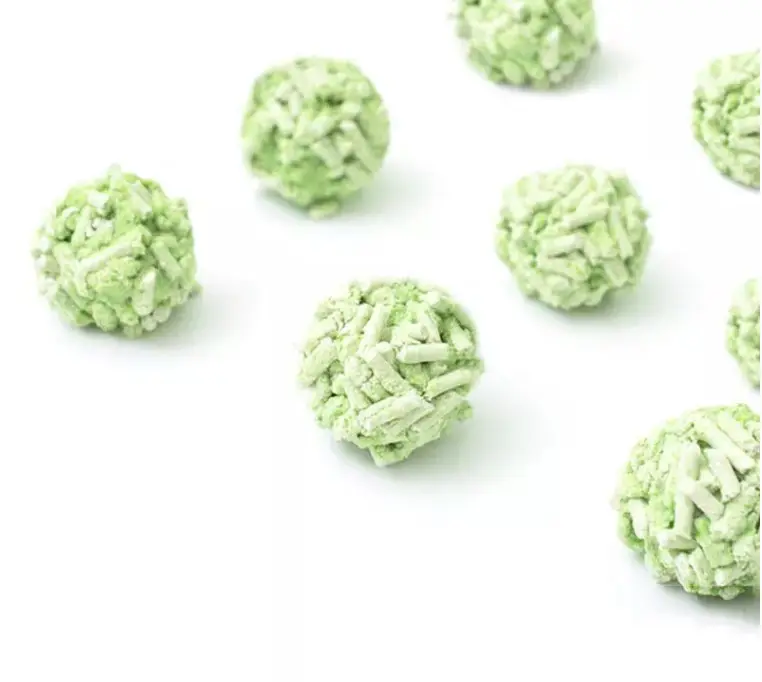
Ultra-clean extruded soybean pellet litter treated with high-temperature drying to maintain long shelf stability, fungal inhibition, and dust-free handling.
Strategic purchasing managers evaluate material sciences, macroeconomic logistics, and sustainability legislation to preserve margin defense and satisfy consumer expectations.
B2B Procurement Insight: The rapid commercial shift away from strip-mined sodium bentonite toward crop-byproduct matrices (such as dietary soybean curd fiber and tapioca residues) is underpinned by three non-negotiable vectors: European Extended Producer Responsibility (EPR) compliance, municipal waste flushing compatibility, and maritime freight displacement economics.
Traditional bentonite clay litter weighs between 0.85 and 1.0 kg/L, hitting maritime container weight ceilings well before volume cubage is full. Plant-based tofu and cassava options register bulk densities between 0.48 and 0.58 kg/L, permitting full container volume packing, cutting per-unit freight charges up to 38%.
The standard 3.0mm soybean pellets are being superseded by precision 1.5mm to 1.8mm thin strands. These deliver a granular texture that mimics natural sand, boosting feline paw acceptance, expanding total fluid contact area, and decreasing unnecessary scooping loss.
Because tofu cat litter utilizes natural food-grade agricultural byproducts, international customs authorities (e.g., EU TRACES, US FDA) demand rigorous biological safety. Advanced manufacturing incorporates microwave vacuum drying to prevent mycotoxins and aflatoxins without synthetic preservatives.
Cross-attribute technical evaluation assisting procurement leaders in building competitive category portfolios across retail and e-commerce channels.
| Substrate Profile | Absorption Ratio | De-dusting Stage | Plumbing Flushability | Bulk Density | Optimal Channel Strategy |
|---|---|---|---|---|---|
| Refined Pea-Fiber Tofu (1.5mm) | 350% – 420% by mass | 4-stage positive air screening | Direct flush / high breakdown | 0.52 g/cm³ | Tier-1 E-commerce, specialized pet chains |
| Modified Cassava / Corn Starch | 450% – 500% by mass | Double-cyclone aspiration | Instant water dissolution | 0.56 g/cm³ | Eco-conscious brands, hypoallergenic retail |
| Composite Hybrid (Tofu + Bentonite) | 300% – 360% by mass | Dual dedusting lines | Moderate (non-flushable) | 0.72 g/cm³ | Mass retail, budget clumping alternative |
| Activated-Carbon Enhanced Tofu | 340% – 400% by mass | Electrostatic filtration | Direct flush / high breakdown | 0.53 g/cm³ | High-density urban dwellings, multi-cat tiers |
| Sodium Montmorillonite (Clay) | 200% – 250% by mass | Rotary vibrating sifter | Zero (causes severe blockages) | 0.92 g/cm³ | Discount big-box supermarkets, price-led wholesale |
A benchmark breakdown of global production clusters, quality thresholds, and operational capabilities across prominent OEM/ODM operations.
Selecting an OEM supplier requires understanding the difference between raw-ore handling factories and biological-substrate extrusion operations. While hundreds of traders list plant-based litter, fewer than 10% own and control industrial drying ovens, positive-pressure air screening rooms, and continuous packaging lines certified by independent compliance bodies.
Headquarters: Nanhe, Hebei, China
Output: 150 t/day tofu litter, 5 lines, 3,000 t/day bentonite.
Differentiating Edge: SGS onsite-verified, 4 ISO operational credentials, joint technical cooperation with China Agricultural University, multi-category mixed-container loading near Tianjin Port.
Primary Market: Japan & Domestic APAC
Strengths: Pioneers of early soybean extrusion; recognized for consistent water soluble binders.
Trade Challenge: Relatively elevated FOB unit pricing and restricted flexibility on customized private-label runs under 20,000 bags.
Primary Market: ASEAN, Australia, EU
Strengths: Proximity to native cassava root harvesting lowers initial starch costs.
Trade Challenge: Higher tropical ambient humidity necessitates heavy moisture scavengers during trans-ocean shipping to mitigate mold risks.
Primary Market: Global Wholesalers
Strengths: High throughput leveraging corn starch agro-byproducts; capable of mass contract packaging.
Trade Challenge: Batch-to-batch variation in pea-fiber color; variable dedusting equipment across sub-suppliers.
Primary Market: EU Core Markets
Strengths: Strict FSC wood fiber certifications; exceptional green sustainability optics.
Trade Challenge: Lower clumping speed compared to starch-rich formulations; brittle granule dynamics resulting in mechanical transit fines.
Primary Market: High-End E-Commerce Brands
Strengths: Specializes in 1.5mm thin pellet production with distinct aromatic encapsulation.
Trade Challenge: Strict MOQ requirements for bespoke packaging, extending tooling lead times for overseas purchasers.
Primary Market: Eastern Europe & Russia
Strengths: Highly competitive price profiles utilizing combined clay-mineral and plant-binder formulas.
Trade Challenge: Non-flushable characteristics contradict purely ecological biodegradable claims.
Primary Market: USA & Canada Domestic
Strengths: Domestic supply lines reduce trans-Pacific ocean freight hurdles.
Trade Challenge: Significantly higher labor and processing costs leading to uncompetitive pricing in global export tenders.
Primary Market: Regional OEM Brands
Strengths: Established partnerships with food-processing facilities for soy pulp sourcing.
Trade Challenge: Inland geographical location adds internal transit costs to northern loading ports.
Primary Market: Cross-Border E-Commerce Merchants
Strengths: Fast communication, low trial quantity acceptance, and integrated retail packaging solutions.
Trade Challenge: Frequently act as secondary brokers rather than primary production lines, reducing cost agility on volume orders.
Combining primary manufacturing control with the expansive industrial ecosystem of Nanhe District—responsible for roughly 80% of China's pet food and 60% of pet hygiene commodities.
Our company facilities and production lines have been fully verified onsite by SGS Group. Production lines operate under strict management systems: ISO 9001 (Quality), ISO 22000 (Food/Biological Safety), ISO 14001 (Environmental Management), and ISO 45001 (Occupational Health).
Eliminate dead ocean freight by combining cat litter with essential pet hygiene products. Through our owned operations and over 50 verified regional partner factories, combine private-label tofu litter, bentonite, 5-layer puppy training pads, and dry/wet pet foods into a single bill of lading (B/L) via Tianjin Port.
Equipped with 9 specialized in-house quality inspection instruments measuring precise water activity (Aw), capillary clumping speed, moisture retention, drop impact crumble rate, and airborne dust fine ratios. Academic collaboration with Hebei Agricultural University drives ongoing formula improvements.
Key technical, operational, and commercial answers for purchasing managers before initiating trial or full container production.