Engineered Blended & Flushable Pet Hygiene Formulations
Direct from Hebei Chupen's automated production lines. Precision-ratioed composite substrates engineered for instant agglomeration, near-zero airborne fines, and multi-tier odor abatement.
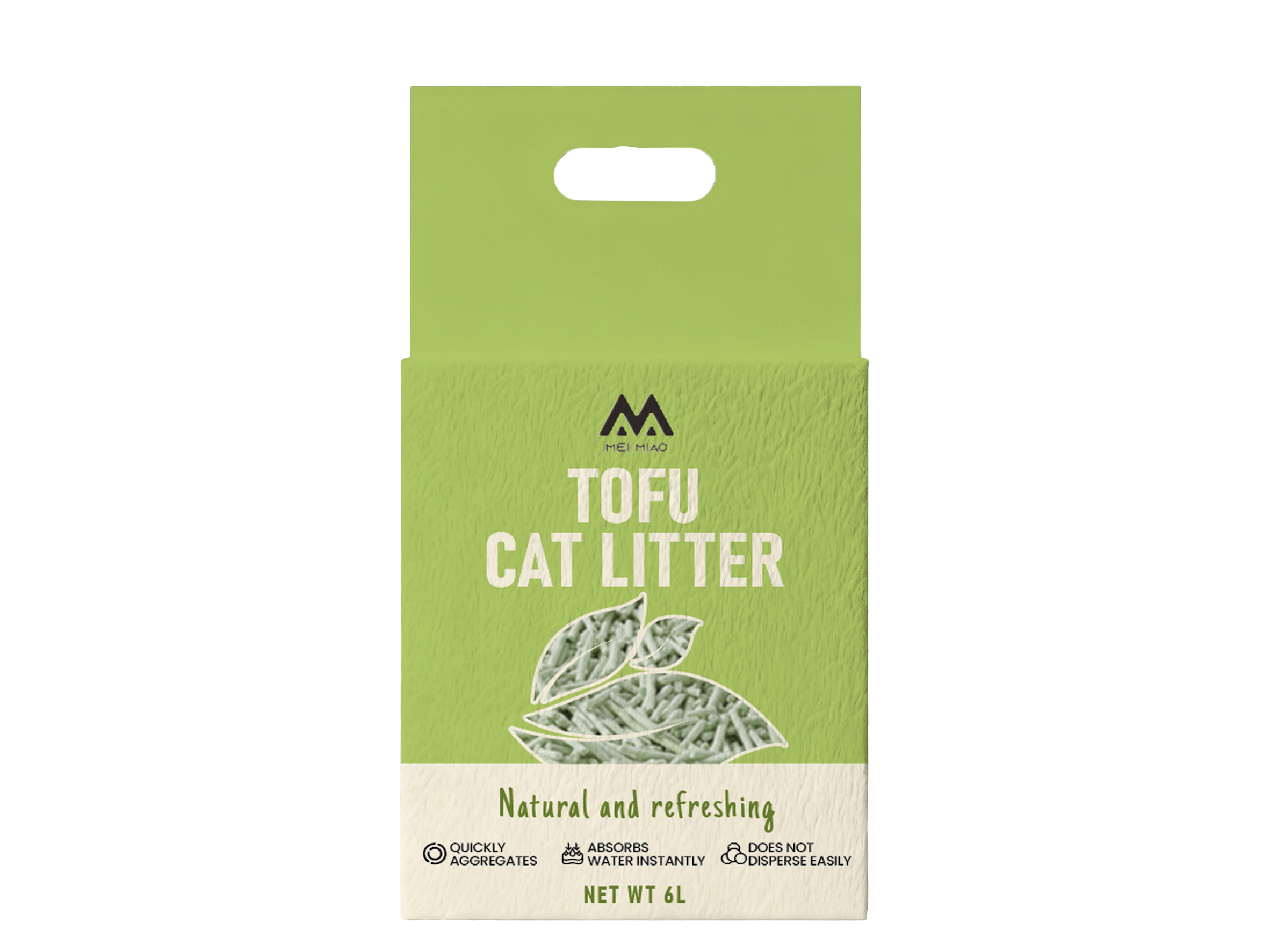 70/30 Hybrid Blend
ODM/OEM Blended Tofu Litter Private Label Premium Soybean Formulation
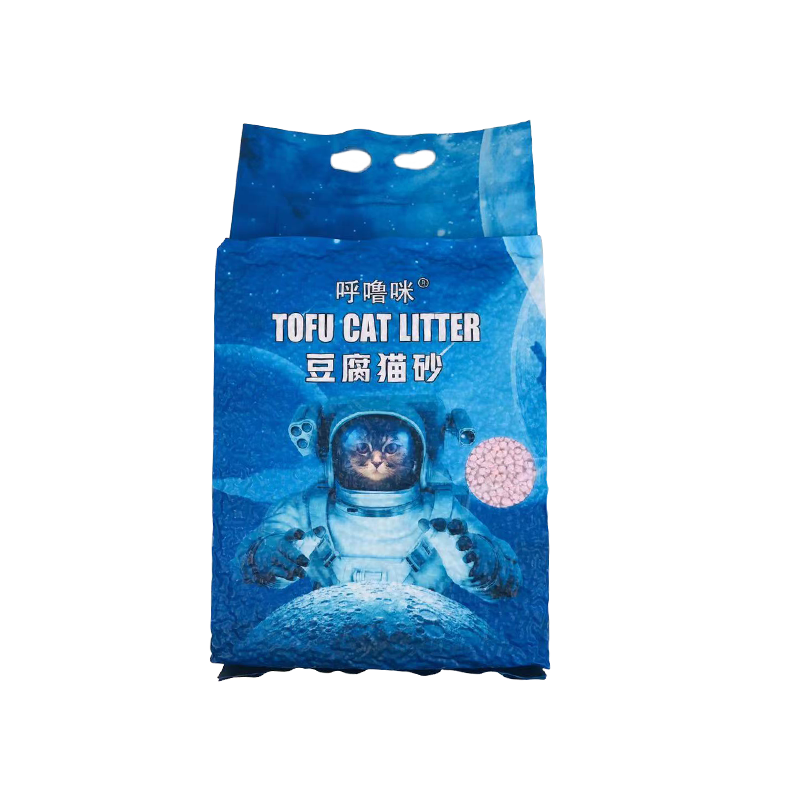 100% Rapid Flush
Wholesale Flushable Fast-Clumping Tofu Cat Litter with Low Tracking
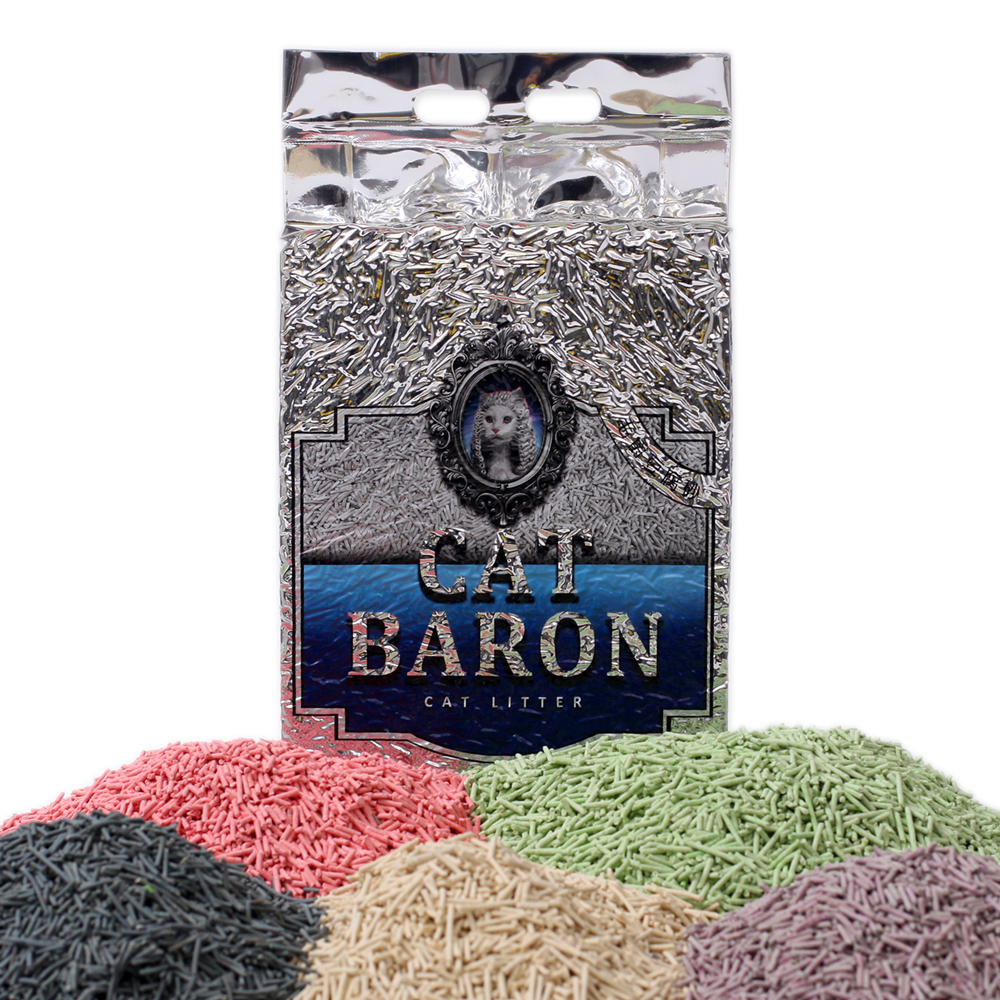 High Density Core
Tofu Cat Litter With 6L Agglomeration Kitty Sand Litter Deodorizing Clean
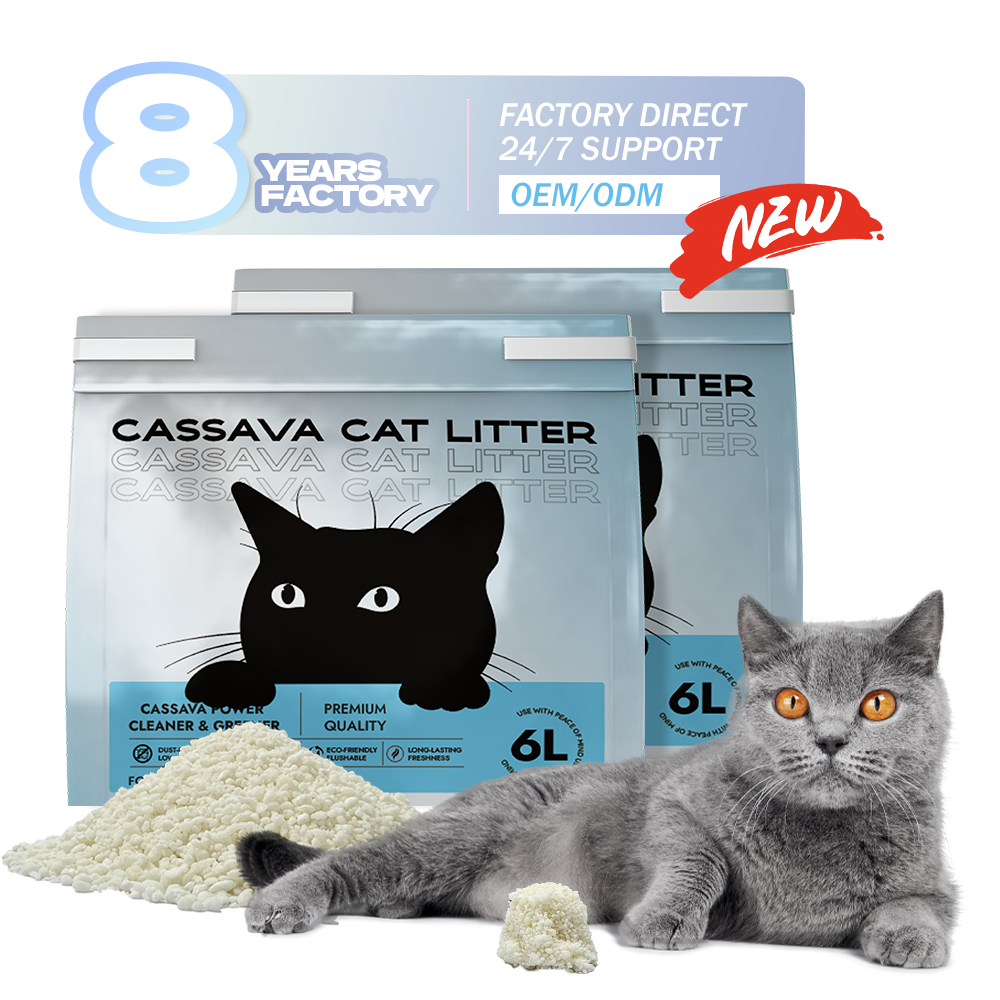 Cassava + Corn Core
Wholesale Deodorizing Mixed Cassava Plant Starch Composite Cat Litter
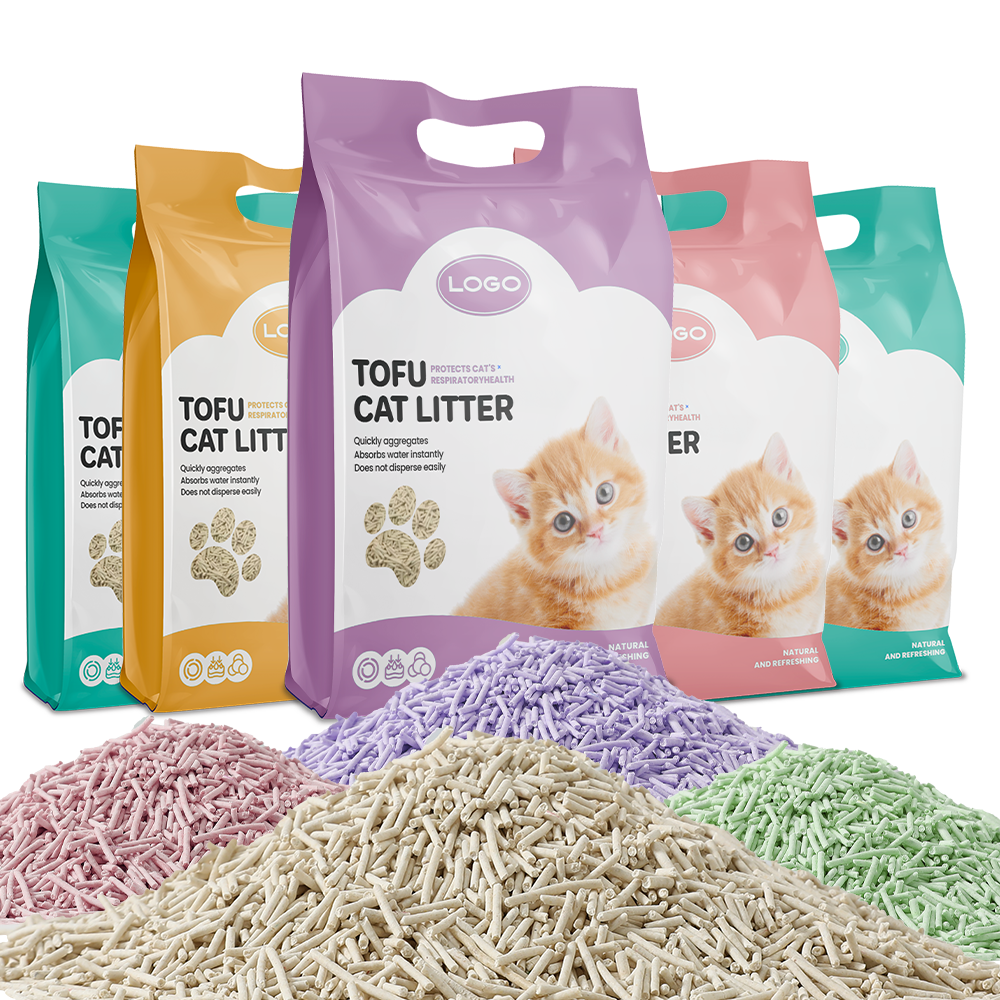 Spherical Aeration
New Inventions Multiple Flavors & Colors Corn-Based Ball Pattern Litter
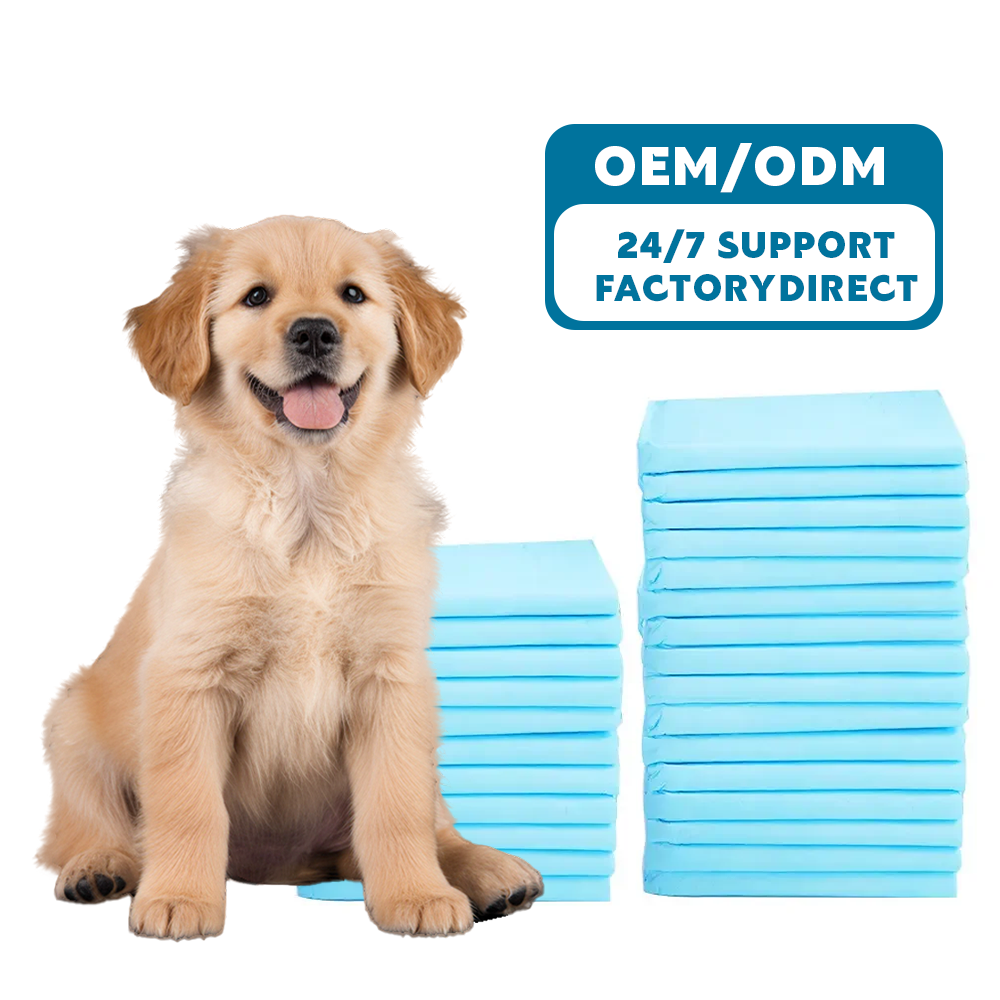 5-Layer High SAP
Customized Super Absorbent Non-Slip Disposable Pet Hygiene Training Pads
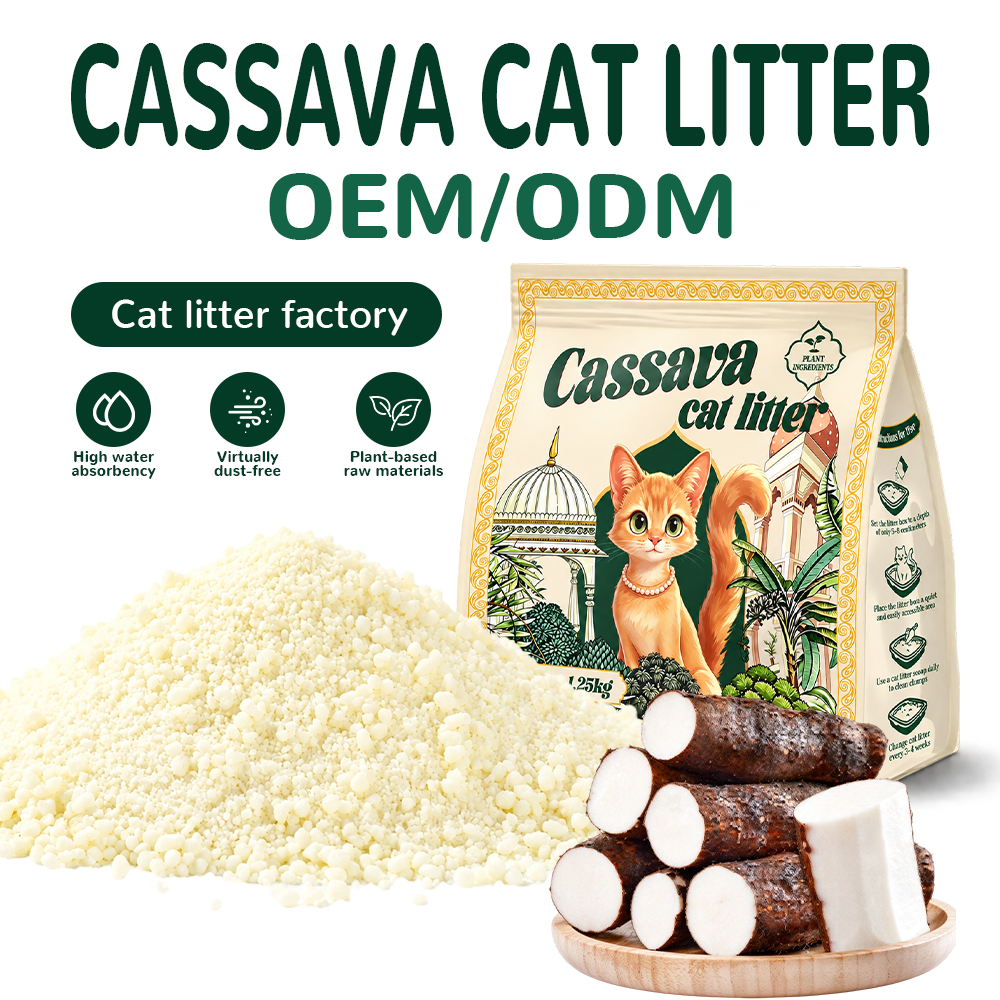 Bio-Degradable Grade
Premium Cassava Cat Litter Factory Direct Supply Biodegradable Bulk
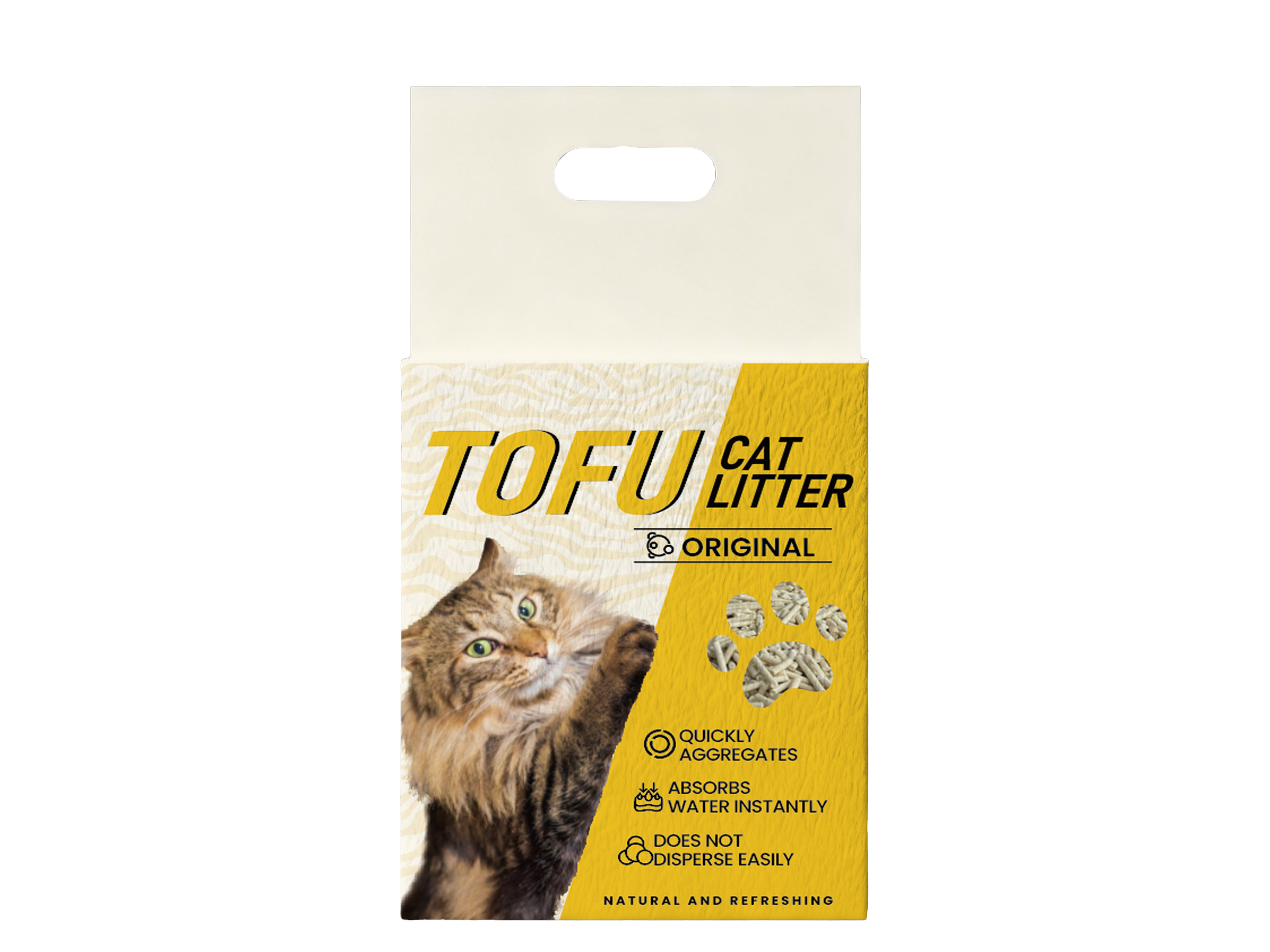 Zero-Plastic Enclosure
100% Compostable Eco-Barrier Stand-Up Pouch Packaged Tofu Cat Litter
Engineering the Optimal Blended Cat Litter: Particle Mechanics & Capillary Dynamics
In the contemporary B2B pet commodities marketplace, mono-material cat litters are confronting immutable physical limitations. Traditional sodium bentonite, while delivering uncompromising cohesive mass, suffers from high bulk density, elevatory logistics overhead, and non-biodegradability. Conversely, standard pea-fiber or soybean tofu litters provide eco-flushability and low mass, but exhibit tracking, surface sticking, and moisture saturation over multi-cat regimens. The solution pioneered by Hebei Chupen Pet Products Co., Ltd. is the precision-engineered blended composite litter.
By coupling granular sodium bentonite (1.0–2.0 mm fractured grain) with extruded organic bean curd pellets (1.5–2.0 mm diameter micro-cylinders), our manufacturing facility engineers a dual-action capillary structure. The fine mineral particles fill interstitial vacuums created between the organic plant cylinders, completely eliminating the void ratio that causes urine seepage to the litter pan floor. Upon feline excretion contact, the plant-based organic fiber initiates immediate localized hydration swelling, while the high-montmorillonite bentonite activates lattice expansion, locking volatile ammonia ($NH_3$) and trimethylene amine within an impervious crystalline perimeter.
| Physical & Commercial Metric | Traditional Sodium Bentonite | Standard Mono-Tofu Pellets | Chupen 70/30 Hybrid Blend | Cassava-Plant Starch Composite |
|---|---|---|---|---|
| Hydraulic Agglomeration (s) | 3.0 - 5.0 seconds | 2.5 - 3.5 seconds | ≤ 1.5 Seconds | 1.2 - 2.0 seconds |
| Inter-Granular Void Volume | 12% - 18% (Dense packing) | 32% - 40% (Loose lattice) | 8% - 11% (Optimized) | 14% - 16% (Semi-dense) |
| Airborne Fines (<100μm) | 1.8% - 3.2% (Moderate dust) | 0.8% - 1.2% (Frictional fines) | ≤ 0.25% (Cyclone cleaned) | 0.15% - 0.3% (Clean) |
| Flushability & Slurry Dissolution | Incompatible (Pipe blockage) | High (Dispersion <60s) | Partial / Rapid Dispersal | Complete Biodissolution |
| Ammonia Adsorption ($NH_3$) 24h | 74% (Pore absorption) | 68% (Organic buffering) | 96.4% (Active Chelation) | 82% (Enzymatic bond) |
| 40ft HQ Container Mass (MT) | 24 - 26 Metric Tons | 16 - 18 Metric Tons | 19 - 21 MT (Optimal Payload) | 18 - 20 Metric Tons |
This hybrid consolidation is not simply an arbitrary dry blend. In conventional packaging, vibration throughout oceanic freight triggers particle stratification (per the Brazil Nut Effect), where heavier mineral granules sink to the container bottom while low-density fiber float upward. Chupen's specialized blending lines utilize surface-modified micro-mist electrostatic charging and controlled moisture equilibrium (8.5% ± 0.5%), assuring continuous homogeneous dispersion from the top seal of the vacuum bag down to the final scoop.
Future Sourcing & Procurement Trends in the Blended Litter Sector
Data-driven forecasts for retail buyers, brand consolidators, and e-commerce category directors planning supply chain architecture across Europe, North America, Oceania, and East Asia.
1. Transition to Cassava-Tofu Ultra-Light Blends
Soaring ocean container spot rates and regional road weight limits are forcing global brands away from heavy 10kg clay sacks. Over 46% of tier-one European pet brands are shifting to cassava-tofu composite granules. With an apparent bulk density of only 0.45-0.55 g/cm³, these blends offer 300% liquid absorption by weight while reducing container drayage and pallet freight tariffs by upwards of 28% per SKU volume.
2. Mandatory Micro-Plastic & PFAs Free Auditing
Regulatory scrutiny under EU REACH directives and escalating US environmental guidelines are imposing stringent restrictions on chemical synthetic glues and polyacrylamide coagulants. Buyers must source verified plant starch binders (corn and tapioca modified dextrin). Chupen's formulation protocols operate on food-grade thermal gelatinization, certified non-detectable for synthetic binders and harsh binding polymers.
3. Active Microbial & Probiotic Odor Elimination
The consumer market is aggressively discarding overpowering chemical artificial perfumes in favor of unfragranced, biological odor counters. Sourcing trajectories highlight a surge in functional blended litters integrated with dried probiotic strains (Bacillus subtilis) and activated nano-porous carbon beads that metabolize urea compounds rather than masking them, satisfying the fast-growing indoor feline household demographic.
4. Single-Material Recyclable & Compostable Packaging
Global supermarket chains now impose packaging recyclability covenants on OEM producers. Traditional multi-layer PET/AL/PE bags are being replaced by mono-material PE/PE structures and 100% industrial-compostable PLA/PBAT films. Importers must confirm that OEM suppliers possess automatic degassing, nitrogen flushing, and thermal barrier packaging apparatus capable of handling temperature-sensitive bio-films.
5. Multi-SKU Mixed Container Consolidations
High capital costs make stocking full 40ft containerloads of a single SKU unviable for emerging brands. Sourcing strategies favor manufacturing hubs capable of consolidating multiple formulas: 70/30 Tofu-Bentonite, Pure Cassava, Silica crystal beads, dog training pee pads, and hygiene accessories in one manifest, dramatically mitigating balance sheet holding liability and optimizing warehouse inventory turnover.
6. Stringent Aflatoxin & Fungal Contamination Thresholds
Because plant-derived litters utilize agricultural byproducts, organic moisture control is critical. International customs checkpoints conduct stringent screening for mycotoxins and Aspergillus flavus. Future-ready suppliers deploy ultra-dry microwave sterilization belts ensuring total internal moisture below 9.0%, accompanied by accredited third-party SGS test certificates before bill-of-lading issuance.
Technological Evolution of Blended Litter Manufacturing
From rustic mechanical crushing to microprocessor-governed extrusion, microwave de-enzyme sterilization, and positive-pressure multi-stage dust stripping.
Eliminating Friability Through Dual-Die Pelletization
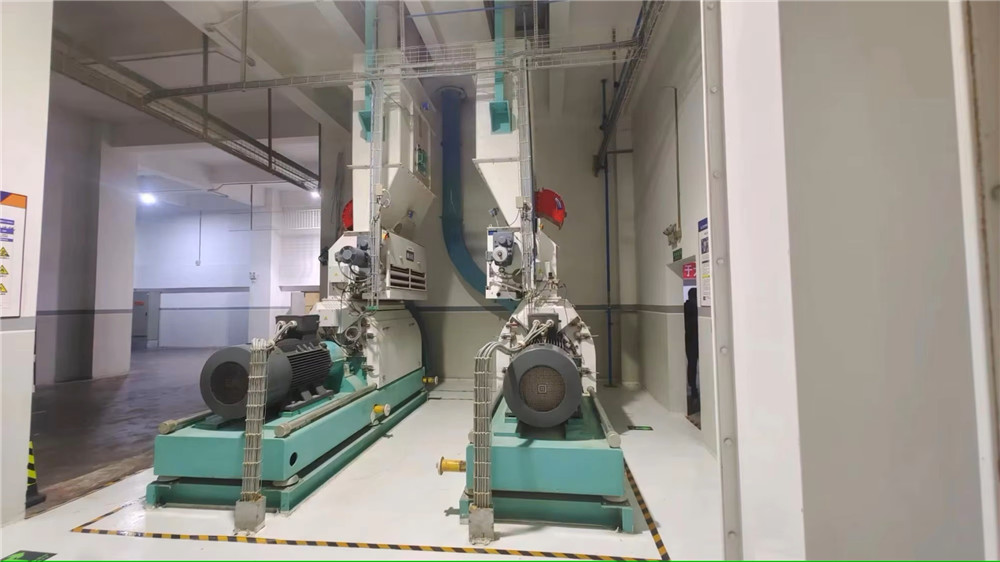
The hallmark of premium OEM cat litter is mechanical crush resistance. Poor quality bean curd pellets disintegrate during intermodal maritime transit, leaving commercial bags full of unusable chalky dust. Chupen resolves this structural defect through a high-torque, water-cooled twin-screw extrusion system.
By applying controlled hydraulic pressures of 12 MPa and instantaneous temperature profiling, soybean insoluble fiber and food-grade corn starch undergo molecular polymer restructuring. The starch grains completely gelatinize, acting as an internal tensile framework. This elevates pellet shatter-resistance to ≥52 Newtons, guaranteeing pristine granule geometry after thousands of kilometers in transit.
5-Stage Micro-Cyclone Dust Extraction Architecture
Feline respiratory ailments, allergic reactions, and automated litter box sensor malfunctions stem directly from dust particles under 100 microns. Traditional manufacturers rely on simple vibrating mesh screens that fail to remove electrostatically bonded airborne fines.
Our facility integrates a closed-loop pneumatic cyclonic separation grid across five critical junctions: post-extrusion, post-drying cooling towers, post-blending staging, bagging feed hoppers, and final packaging discharge chutes. Negative pressure air currents peel away all micro-fine particulates down to ≤0.25%, ensuring absolute compliance with respiratory standards for cats and owners alike.
This automated quality system operates under verified ISO 9001, ISO 22000, ISO 14001, and ISO 45001 management protocols, fully validated by onsite SGS audit inspections.
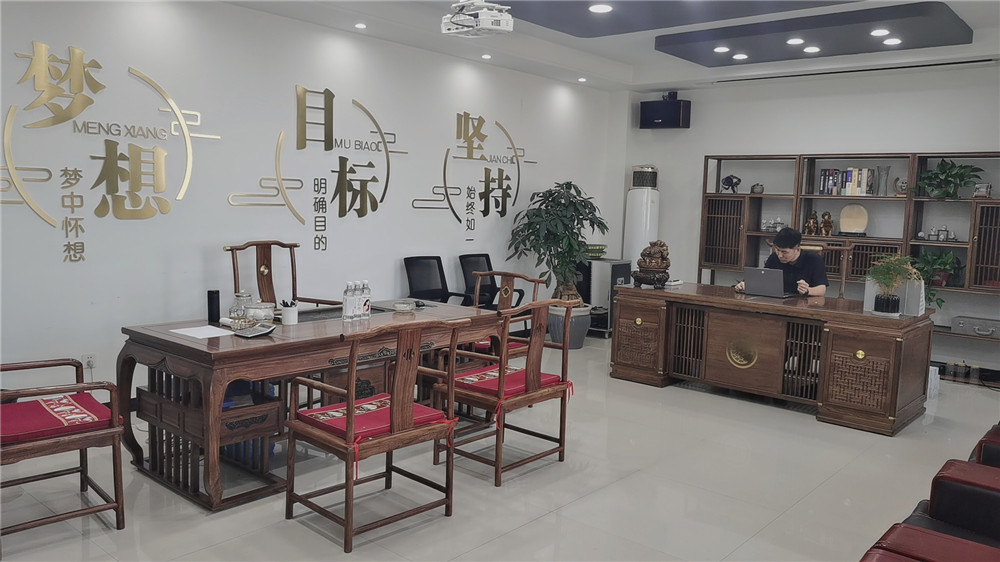
Why Global Importers Source from Hebei Chupen Pet Products
Located in the heart of China's primary pet industry manufacturing hub, providing unrivaled supply velocity, integrated raw materials, and comprehensive container consolidations.
The Nanhe Epicenter
Our Xingtai facility anchors China's pet capital, responsible for ~80% of national pet food and ~60% of pet hygiene supplies, yielding the lowest raw-material input costs in Asia.
Tianjin Port Corridor
Short direct drayage to Tianjin Port ensures scheduled shipping space, minimizing overland transit risk and container demurrage costs during peak shipping seasons.
University Joint Labs
Continuous formula evolution developed alongside China Agricultural University and Hebei Agricultural University researchers for certified non-toxic efficacy.
50+ Partner Ecosystem
Beyond our direct lines, consolidate litters with puppy pee pads, PP resin litter boxes, freeze-dried treats, and pet food in single consolidated bills of lading.
Frequently Asked Questions for Cat Litter OEM/ODM Buyers
Practical commercial, regulatory, and formulation clarity for supply chain managers, brand founders, and wholesale category purchasers.
What are the exact minimum order quantities (MOQ) for custom private-label blended cat litter?
How does Chupen prevent particle stratification and separation during long ocean voyages?
Can we customize the blending ratio, functional beads, scent profile, and pellet diameter?
What international testing standards and factory verification certifications do you supply?
Can we consolidate cat litter with puppy pee pads and pet food inside a single shipping container?
What commercial delivery terms and payment instruments do you accommodate?
Structured 6-Stage OEM/ODM Sourcing Roadmap
A transparent, risk-engineered supply chain protocol designed to take your proprietary product concept to retail distribution on schedule.
Formula Calibration
Define ratio (Tofu/Bentonite/Cassava), pellet diameter, perfume notes, and functional bead requirements according to your target consumer price matrix.
Rapid Prototyping
Physical sample dispatch via express courier within 3-5 business days for clump strength, dispersion rate, and automated box compatibility testing.
Artwork & Tooling
Packaging dieline provision, rotogravure copper plate engraving, bag material selection (vacuum barrier, matte, foil, or compostable PLA), and carton markings.
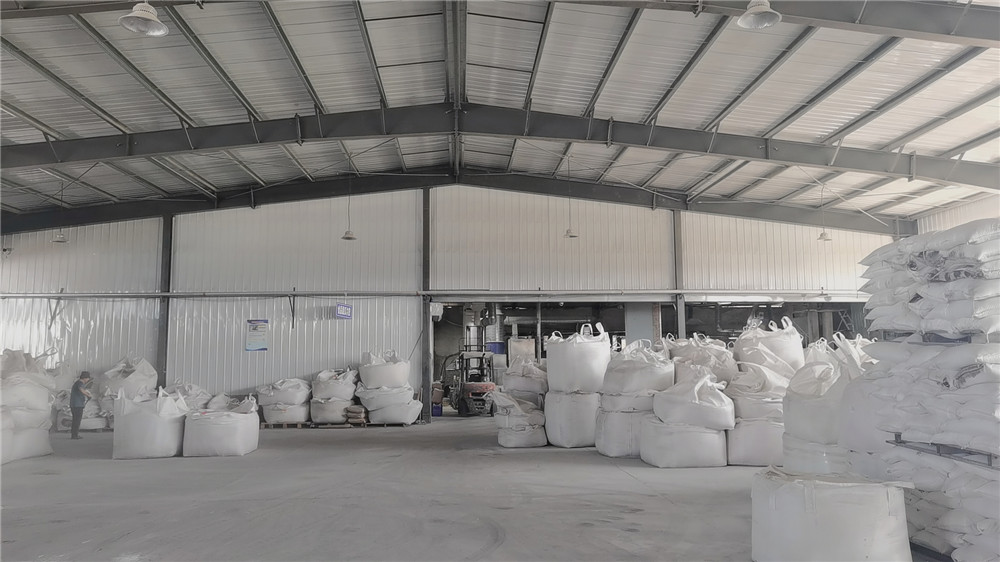
Automated Production
Continuous twin-screw extrusion, micro-cyclone dedusting, automatic dosing, and batch weight inspection across 11 dedicated production lines.
Laboratory Quality Audit
Every single batch undergoes testing for moisture, dust fractions, crush resistance, clump integrity, and microbial count before sealing release.
Containerized Export
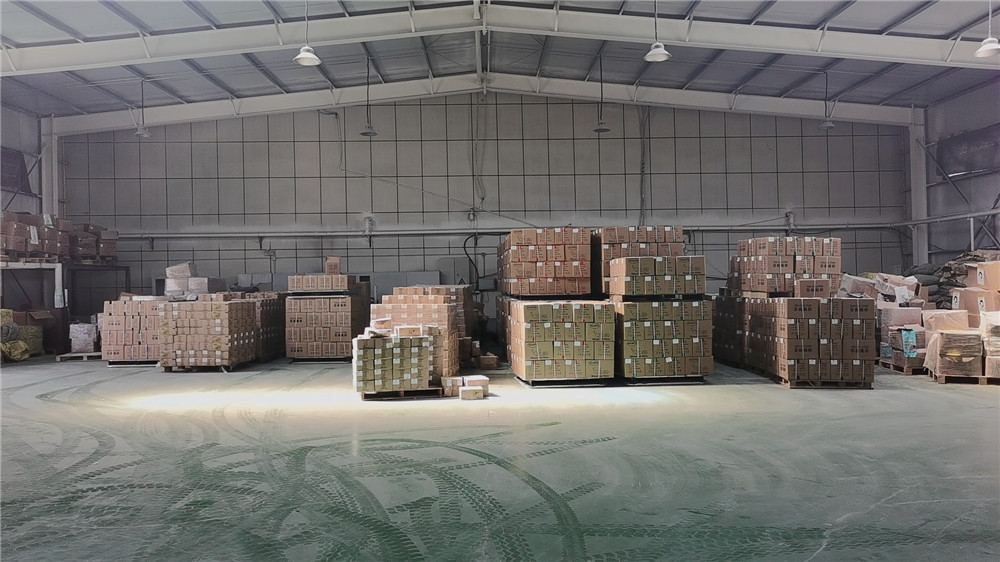
Palletized shrink-wrapping, desiccated container drayage to Tianjin Port, complete phytosanitary certificates, and tracking notifications through bill-of-lading.
Global Brand Assurance & Warranty
Full commercial batch traceability with retained quality control counter-samples for 24 months, ensuring stable consumer ratings and dependable shelf performance.
Launch or Scale Your Private Label Cat Litter Line
Partner directly with Hebei Chupen Pet Products Co., Ltd. Get factory-direct wholesale pricing, physical lab sample kits, and customized freight optimization modeling for your territory.