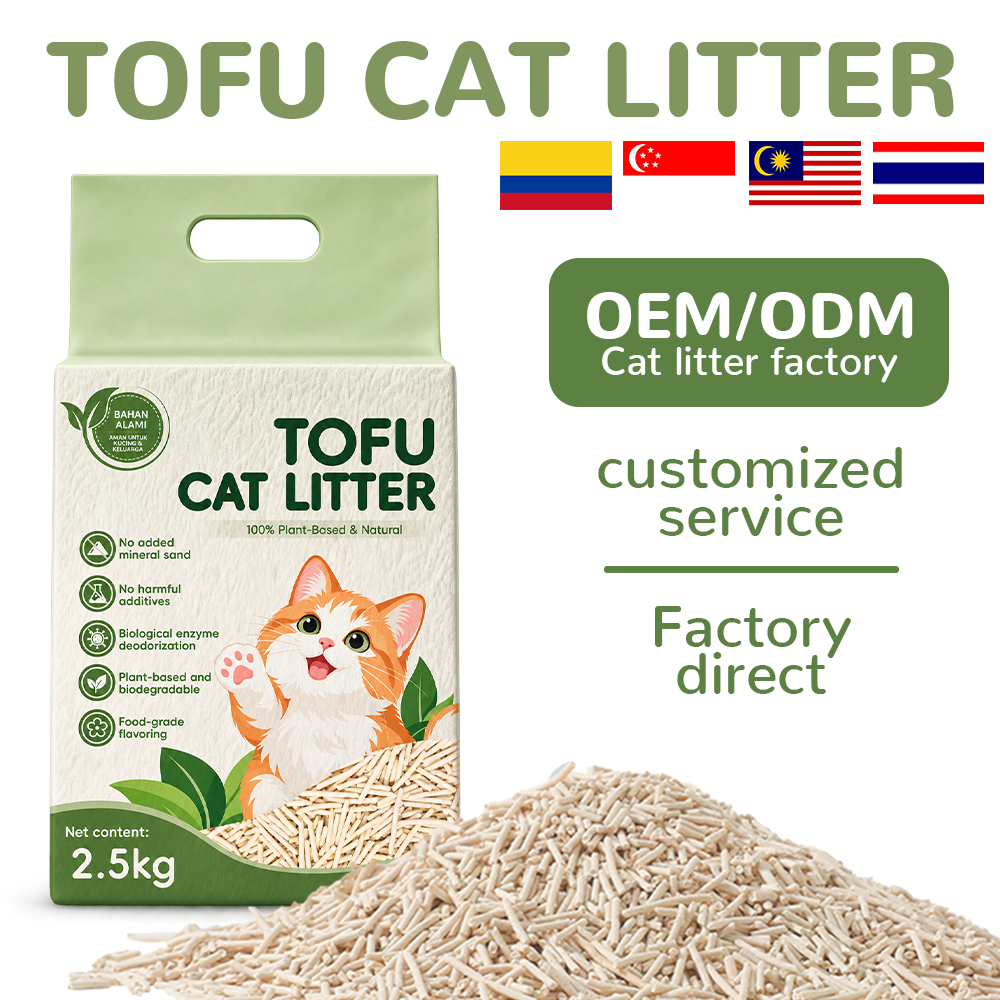
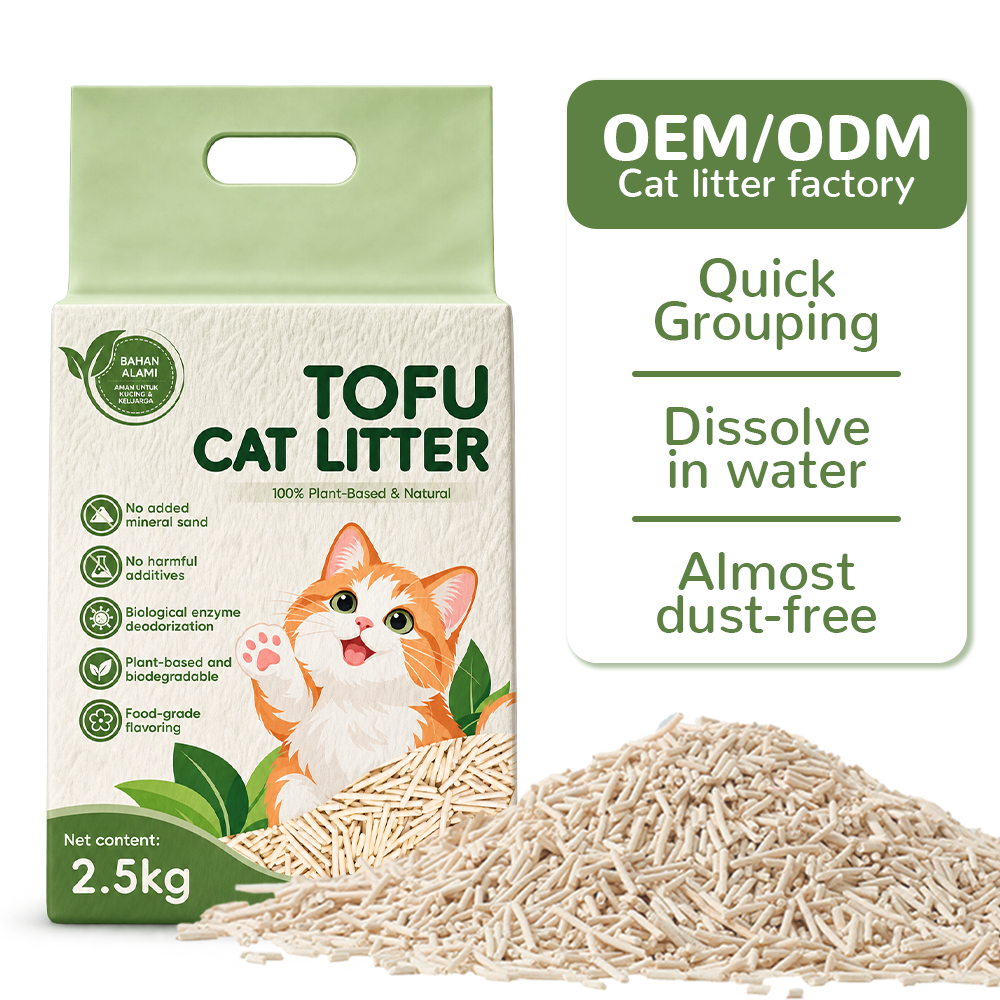
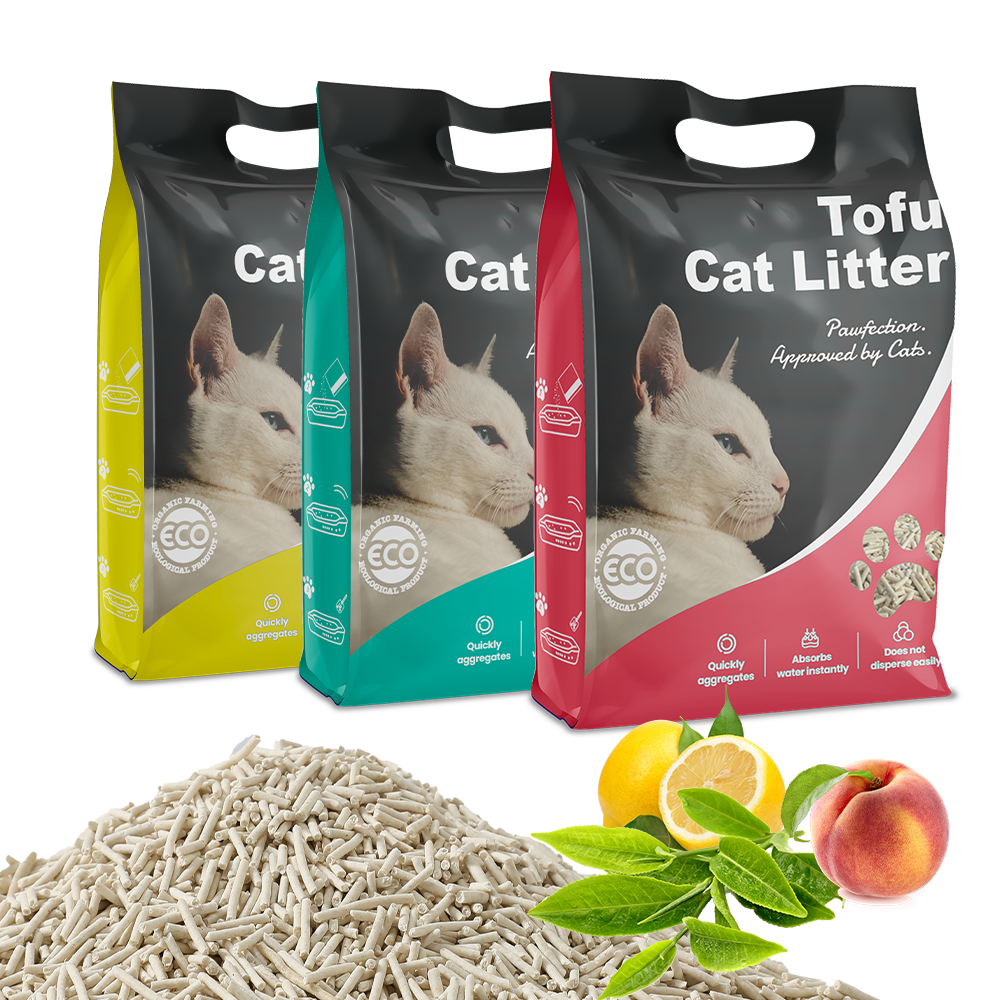
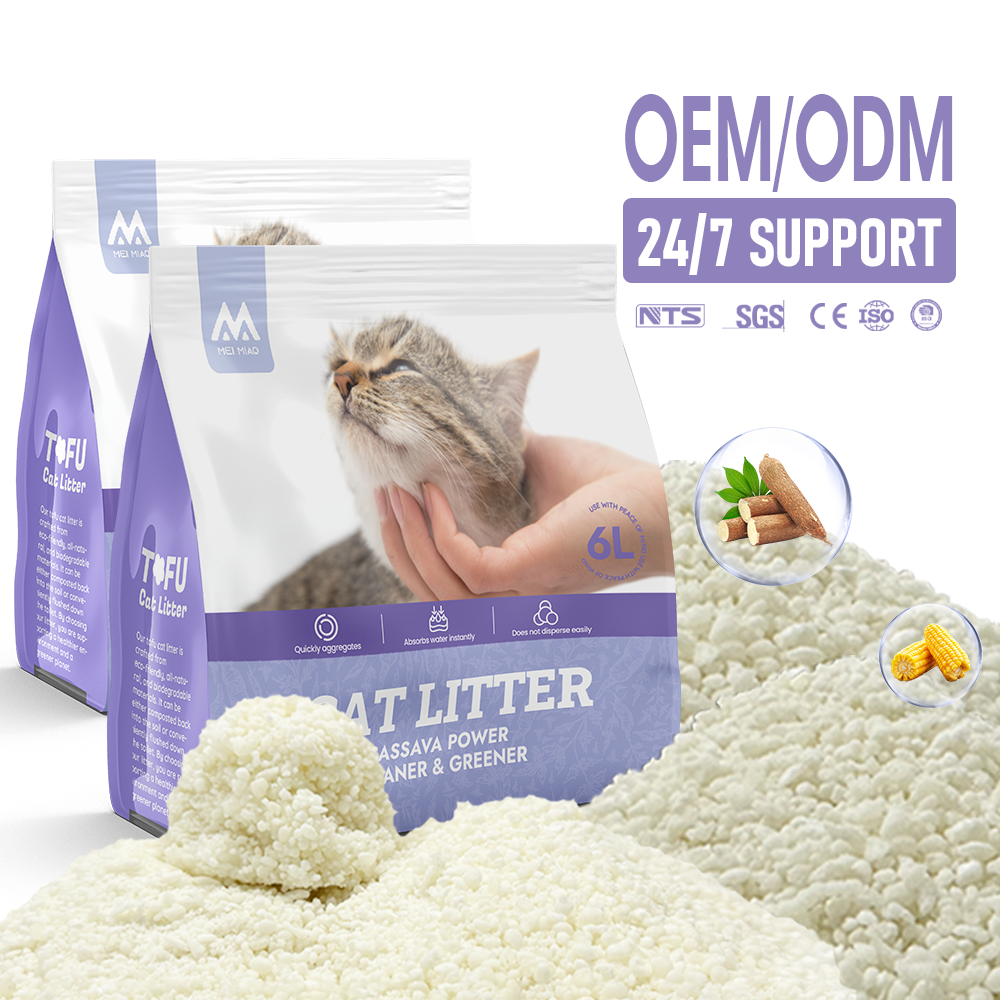
In the contemporary pet sanitation manufacturing sector, odor mitigation has evolved beyond fragrance masking agents into surface-area molecular capture. As an established custom OEM charcoal cat litter manufacturer, Hebei Chupen Pet Products Co., Ltd. integrates high-temperature carbonized coconut shell and bamboo charcoal matrices into natural plant substrates and mineral lattices. The efficacy of carbon-infused litter relies on micro-porous adsorption kinetics, which operate fundamentally differently from standard clay or unfortified bean pulps.
Activated charcoal exhibits specific surface areas exceeding 800 to 1,200 square meters per gram. This internal surface network consists of sub-2nm micropores that capture volatile organic compounds (VOCs)—specifically ammonia ($NH_3$), trimethylamine, and hydrogen sulfide ($H_2S$) released through enzymatic decomposition of feline urea. In conventional cat litter, bentonite clay or pea fiber absorbs the liquid phase, but gaseous sulfur and nitrogenous compounds escape into the ambient air before evaporation completes. Incorporating homogenous active carbon particles directly within the extruded matrix locks these gaseous molecules inside the porous labyrinth via Van der Waals forces.
Key Technical Takeaway for Private Label Sourcing: The common pitfall in lower-tier charcoal litter manufacturing is surface dusting—where pulverized charcoal residue breaks down and stains feline paws. Our Nanhe production campus deploys a continuous vacuum-drying fluidization bed combined with a cross-linked organic binder. This preserves 100% of charcoal pore permeability while limiting friability and keeping finished product dust below 0.5% by weight.
Micro-Encapsulation vs. Granular Blending
B2B importers can select between two primary engineering routes for charcoal integration: whole-matrix thermal impregnation and secondary mechanical mixing. In mechanical mixing, pre-pelletized activated charcoal granules (typically mesh 10–30) are blended with white bentonite, tofu strips, or crushed cassava granules. This provides high visual contrast that signals active odor control directly to the retail consumer. In whole-matrix impregnation, ultra-fine powdered carbon (mesh 200–325) is blended into the wet slurry prior to extrusion. The resulting uniform slate-gray or black pellet distributes adsorption sites evenly across every square millimeter of the cat pan.
| Litter Matrix Architecture |
Charcoal Integration Method |
Ammonia Capture Rate (24h) |
Structural Agglomeration |
Ideal Market Route |
| Charcoal-Impregnated Tofu (1.5mm) |
Slurry Co-Extrusion |
94.6% Molecular Adsorption |
Fast Clump (≤2.5s) |
Japan, Korea, Tier-1 EU Urban E-Commerce |
| Activated Carbon Mixed Bentonite |
Secondary Dry Blend (Mesh 20) |
89.2% Hybrid Capture |
Rigid Ball Clump (≤1.5s) |
Supermarket Multi-Cat Chains, Bulk Retail |
| Black Carbon Cassava/Corn Blend |
Starch Micro-Encapsulation |
96.1% High-Porosity Trap |
Ultra-Dense Clump (≤2.0s) |
Specialty Eco-Pet Boutiques, Flushable Retail |
| Activated Carbon Silica Crystals |
Dual-Color Macroporous Bead |
82.4% Gas Scavenging |
Non-Clumping / Liquid Trap |
Weight-Sensitive Maritime Freight, Low-Service Segments |
Bulk Procurement Trends Shaping 2026–2030
Global procurement metrics indicate a distinct, multi-year pivot toward functional hybridization. Five years ago, consumer demand remained siloed: price-conscious consumers bought sodium bentonite, while urban eco-conscious demographics purchased standard tofu pellets. Current cross-border container data reveals that hybrid combinations—such as 70% 1.5mm activated carbon tofu litter combined with 30% crushed sodium bentonite or cassava—are gaining the fastest ground on major digital marketplaces.
This surge stems from modern feline owner behavior. Pure tofu pellets can allow urine to seep to the bottom of the pan if the cat digs excessively; conversely, pure bentonite carries high shipping weight and cannot be flushed into metropolitan municipal sewer systems. A charcoal-fortified hybrid balances both factors: the cassava or bentonite fills the inter-pellet voids to prevent bottom sticking, while the carbon-infused tofu matrix controls the ammonia odor footprint and keeps bag weights light. For international importers, this translates into lower palletized freight costs per volumetric liter and higher retail sales velocity.
Another major structural trend is the phase-out of plastic packaging in favor of certified compostable barrier films. European and North American buyers are increasingly requesting PLA (polylactic acid) and PBAT blends for our OEM cat litter bags. Our lines now support hermetic, vacuum-sealed industrial packaging runs that utilize 100% biodegradable film structures, ensuring complete compostability without sacrificing moisture barriers during transoceanic shipping.