Export-Ready Plant-Based Cat Litter Series
SGS-verified manufacturing, custom formulas, dust-free processing, and high-density packaging for global B2B buyers.
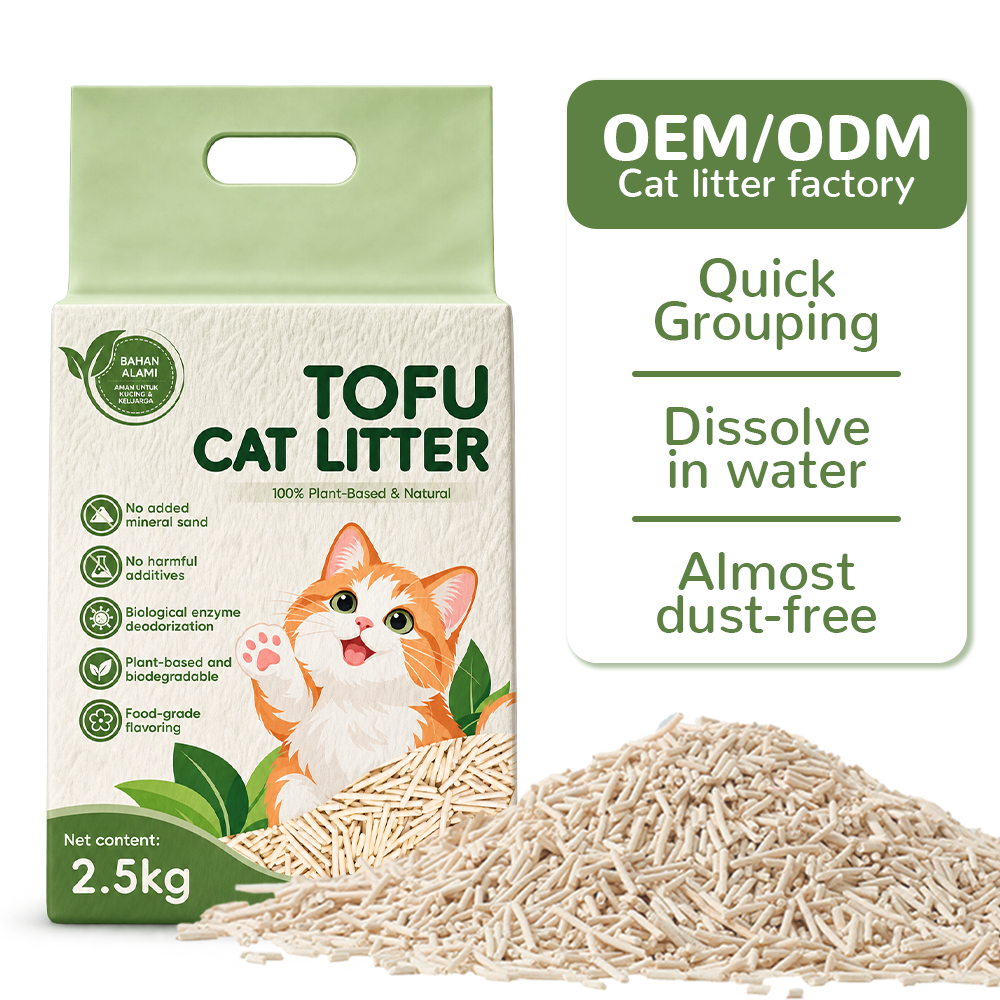
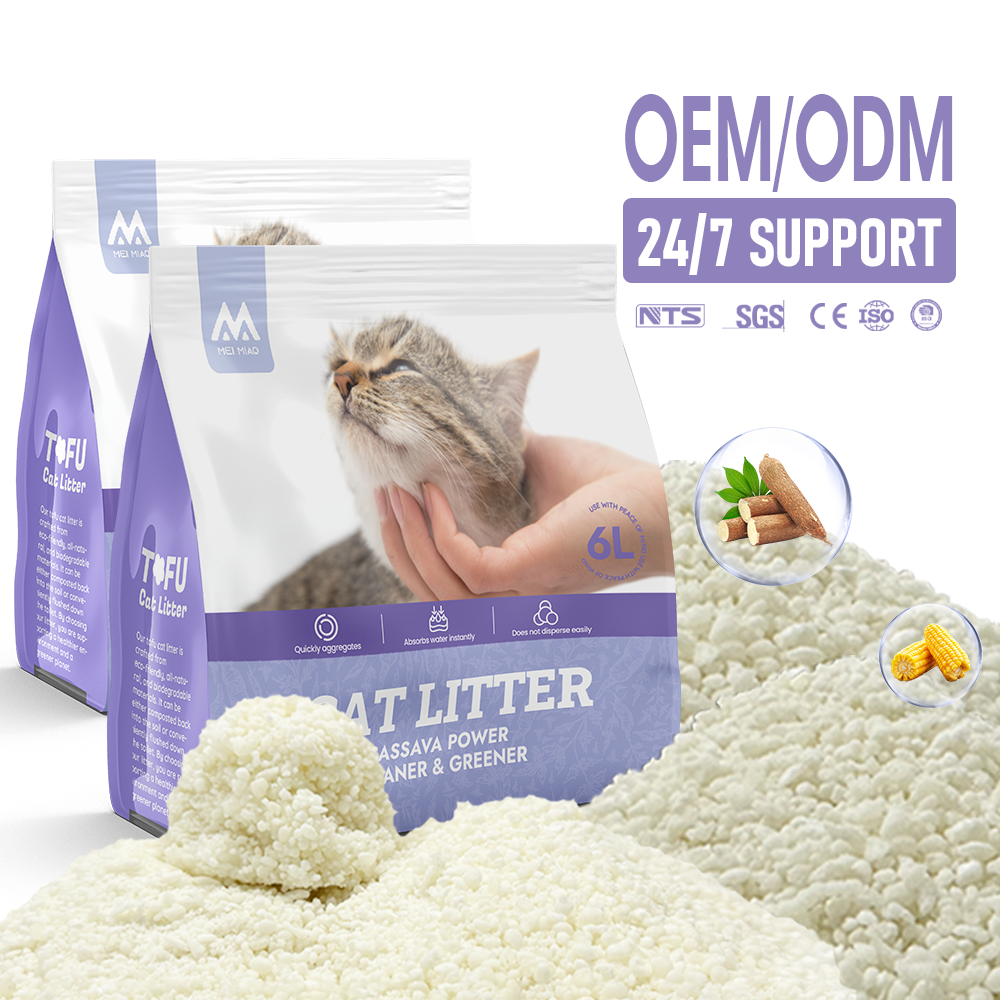
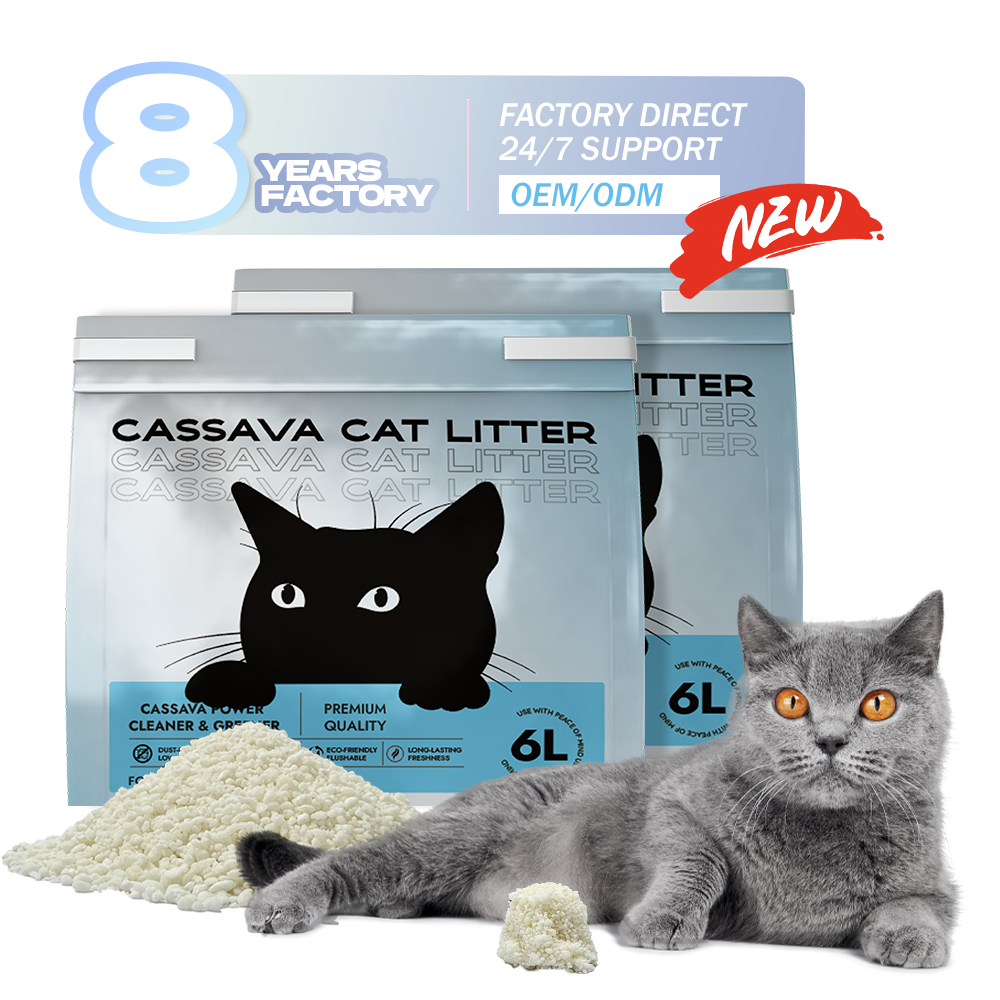
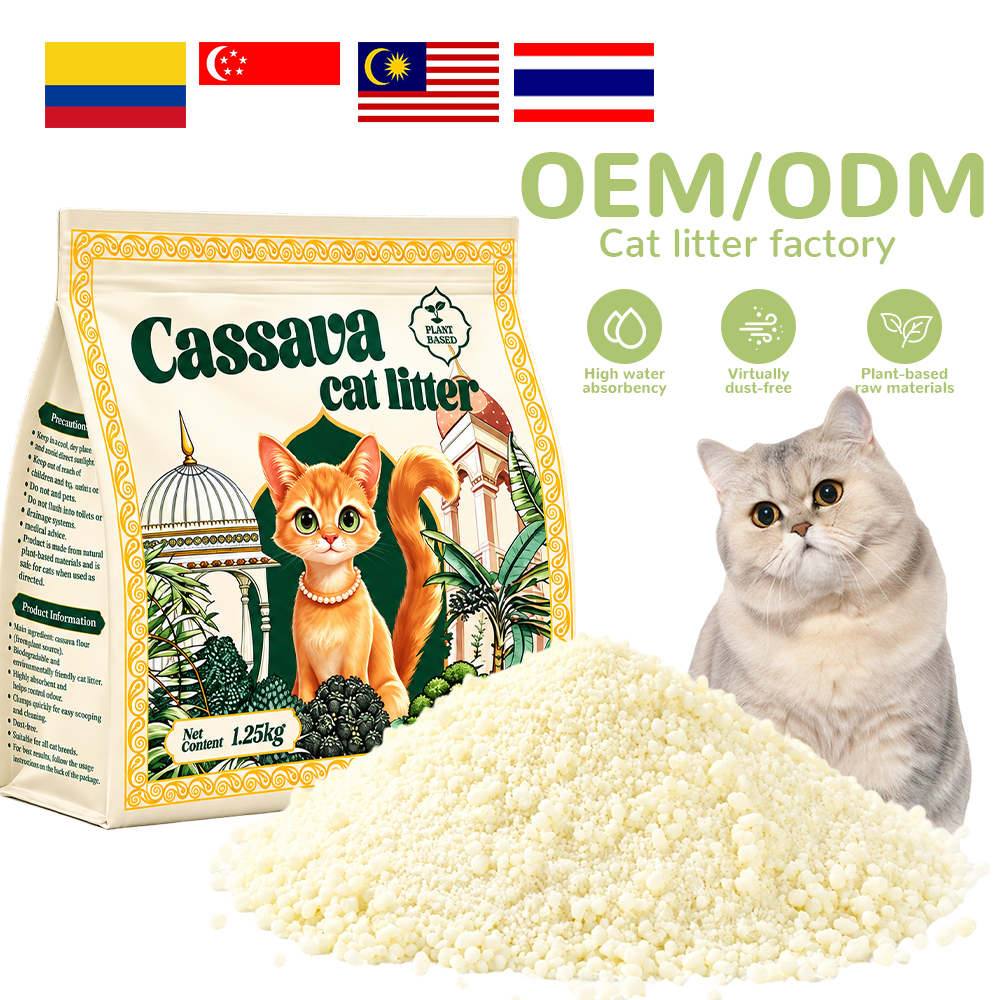
Hebei Chupen Pet Products: Industrial Scale & Manufacturing Rigor
Situated in the heart of China's primary pet industry cluster—Nanhe District, Xingtai City, Hebei Province—Hebei Chupen Pet Products Co., Ltd. stands as a premier B2B manufacturer and exporter of eco-conscious pet hygiene supplies. Nanhe District yields approximately 80% of domestic pet food and over 60% of pet hygiene materials in China. Leveraging over a decade of deep technical expertise in plant-based material processing, our facility integrates raw material refining, formula compounding, high-pressure twin-screw extrusion, microwave vacuum drying, negative-pressure dust extraction, and high-speed robotic packing.
Our dedicated plant-based manufacturing complex houses 5 state-of-the-art tofu cat litter lines and specialized cassava starch processing units, achieving a reliable daily yield of 150 metric tons of plant litter alongside 3,000 metric tons of bentonite clay formulations. By partnering directly with agricultural research institutions including China Agricultural University and Hebei Agricultural University, our in-house R&D lab continuously refines starch gelatinization, moisture absorption kinetics, and bio-enzymatic odor control systems.
Technical Breakdown of Plant-Based Litter Chemistry
Understanding the molecular dynamics, absorbency ratios, and structural benefits of cassava, tofu, and hybrid starches.
Cassava (Tapioca) Starch Matrix
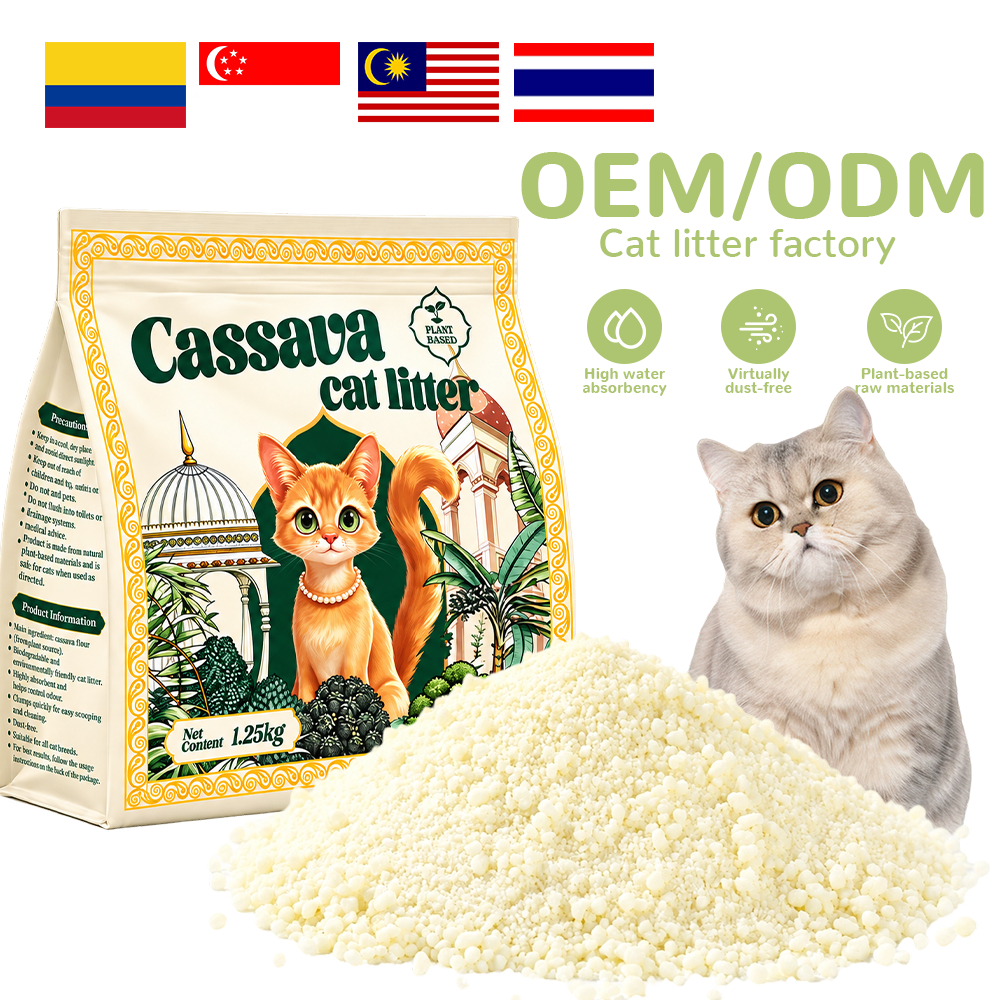
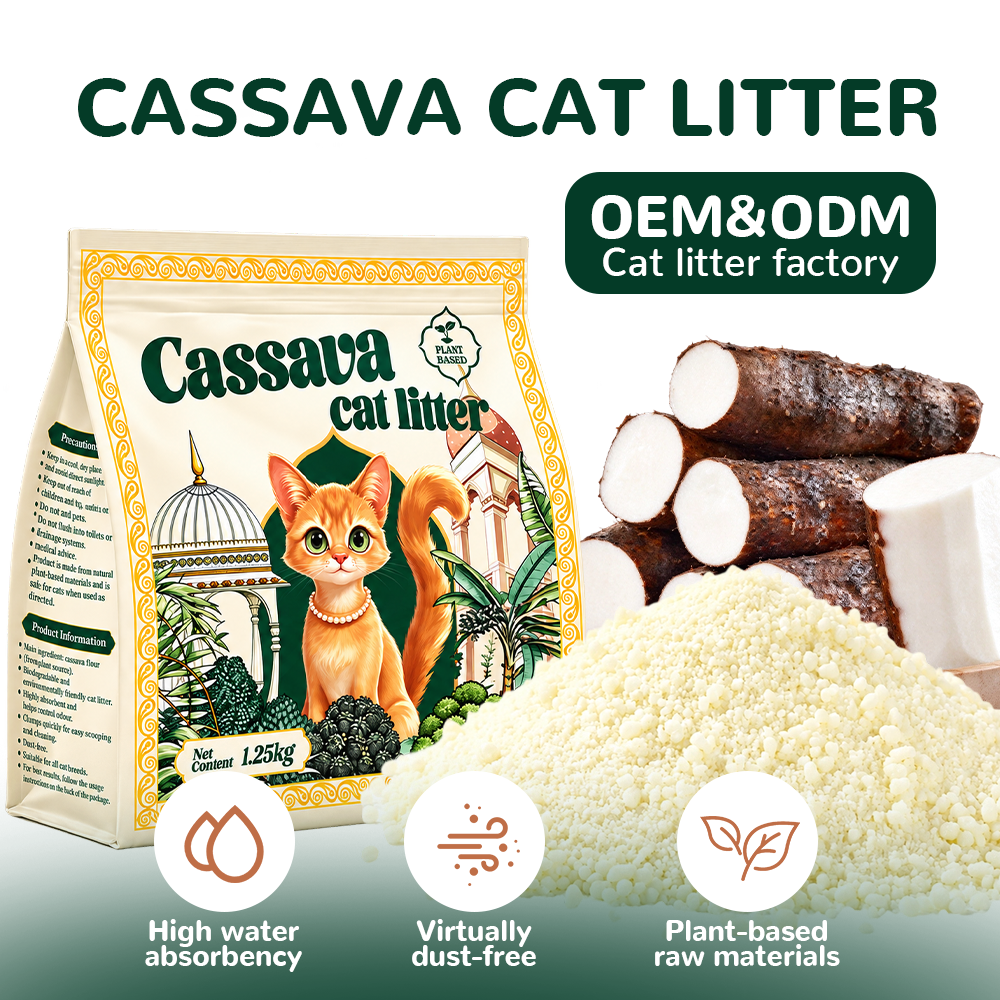
Cassava cat litter relies on high amylopectin starch derived from raw tapioca roots. Upon contact with feline urine, native tapioca starch granules rapidly undergo liquid-induced swelling, creating a dense molecular mesh within 1.5 seconds. This reaction delivers exceptional clump hardness without requiring synthetic chemical glues, polyacrylamides, or artificial binders. Cassava particles feature an ultra-light natural color and a smooth surface, providing a dust-free environment (< 0.1% dust index) ideal for respiratory-sensitive cats and post-surgical care.
Pea Fiber & Soybean Tofu Straw
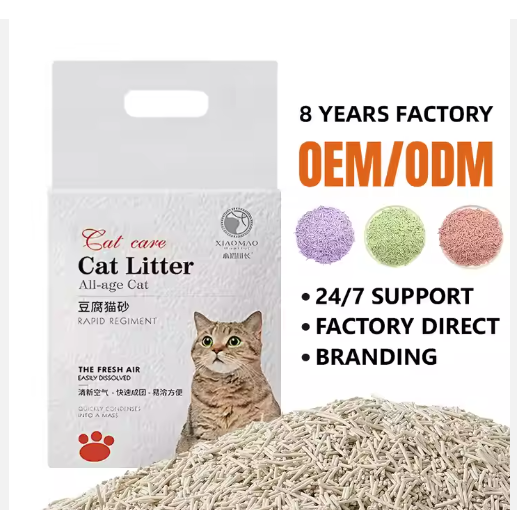
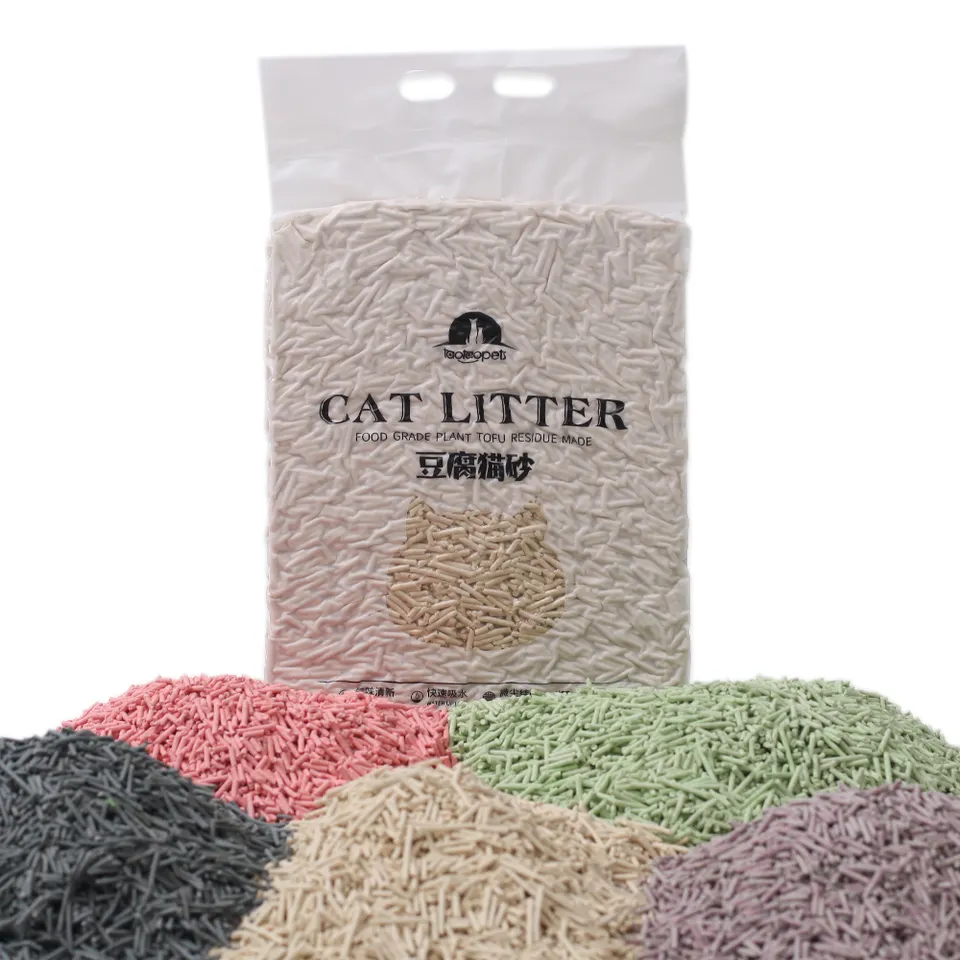
Formulated from human-grade food processing byproducts (food-grade pea fiber and curd residue), tofu litter pellets utilize capillary action to pull moisture inward. Extruded at diameters of 1.5mm, 2.0mm, or 3.0mm, these cylindrical pellets lock away moisture while neutralizing free ammonia gas. The natural plant proteins bind organic odor molecules, while the porous internal structure allows rapid dissolution when immersed in high volumes of water, rendering the used clumps 100% flushable and municipal-sewer safe.
Deodorizing Hybrid (Mixed) Formulations
To optimize cost-to-performance ratios for mass retail, Hebei Chupen engineered custom hybrid blends. By combining 70% micro-diameter tofu or cassava granules with 30% mineral elements, activated carbon beads, or bio-enzymatic deodorizing pellets, distributors achieve maximum clumping speed, enhanced bottom-of-box non-stick performance, and extended tray life up to 30 days per single cat refill.
Technical Comparison: Plant-Based Litters vs Conventional Media
Comparative technical analysis derived from Hebei Chupen in-house testing laboratories (ISO 17025 standardized testing protocol):
| Parameter / Specification | Premium Cassava Litter | Pea Fiber Tofu Litter | Hybrid Plant Blend | Sodium Bentonite (Clay) |
|---|---|---|---|---|
| Primary Raw Material | Industrial Tapioca / Corn Starch | Food-grade Pea Fiber & Soy Residue | 70% Tofu/Cassava + 30% Deodorant | Natural Sodium Bentonite Clay |
| Liquid Absorption Yield | 350% – 450% by weight | 300% – 380% by weight | 280% – 350% by weight | 200% – 250% by weight |
| Clumping Speed (Seconds) | ≤ 1.5 Seconds | ≤ 2.5 Seconds | ≤ 2.0 Seconds | ≤ 3.5 Seconds |
| Dust Content Ratio (%) | ≤ 0.05% (5-Stage Dedusted) | ≤ 0.10% (Vacuum Screened) | ≤ 0.15% | ≤ 0.80% – 1.50% |
| Bulk Density (g/cm³) | 0.45 – 0.52 g/cm³ (Lightweight) | 0.50 – 0.58 g/cm³ | 0.60 – 0.68 g/cm³ | 0.90 – 1.05 g/cm³ (Heavy) |
| Flushability & Biodegradability | 100% Biodegradable / Flushable | 100% Biodegradable / Flushable | Partial / Drain safe (low quantity) | Non-flushable (Clogs pipes) |
| Target Distribution Channel | E-Commerce, Premium Eco Brands | Specialty Pet Chains, Supermarkets | Mass Retailers, Private Brands | Value Retailers, Mass Grocery |
Global Procurement & Sourcing Trends in Plant-Based Cat Litter
Essential B2B analytical foresight for importers, brand owners, and retail chain buyers preparing for regulatory shifts and consumer evolution.
1. Tightening Environmental Regulations & Carbon Taxes
Global regulatory bodies across the European Union (EU EPR directives), North America, and East Asia are instituting stringent waste management frameworks targeting non-biodegradable pet waste. Traditional bentonite clay strip-mining carries significant ecological disruption costs and high carbon emissions during long-distance maritime freight due to heavy mass weight.
Plant-based litters—specifically tapioca cassava and soybean fiber—offer a carbon-neutral footprint during agricultural growth and dramatically reduce freight-associated carbon emissions. Being 100% compostable and marine-biodegradable, plant-based litters enable brands to comply with upcoming packaging and waste taxation, securing shelf placement in tier-1 retail chains worldwide.
2. Urbanization & High-Density Apartment Living Demand
As pet ownership accelerates within metropolitan urban centers, modern cat owners live predominantly in multi-story apartments where odor containment and waste disposal convenience are paramount. Heavy clay litters that require disposal via municipal trash bags present logistical pain points for apartment dwellers.
The global demand is shifting rapidly toward micro-granule cassava (< 1.5mm) and flushable tofu pellet litters. The ability to scoop clumps straight into domestic toilets without risk of plumbing blockage has become a primary selling proposition in urban markets across Japan, South Korea, Western Europe, and North American coastal hubs.
3. Micro-Pelletization & Dust-Elimination Technology
Historic 3.0mm tofu pellets were frequently criticized by pet owners for lacking soft paw-feel and causing tracking outside the litter box. Future product design centers on 1.2mm to 1.5mm micro-pellet extrusion and spherical crushed cassava granules that mimic natural sand textures while preserving plant-based performance.
Furthermore, feline respiratory health awareness (preventing asthma and silicosis caused by mineral silica and clay dust) drives buyers toward manufacturers with 5-stage air-separation and negative-pressure vacuum dedusting systems, ensuring zero visible dust during pouring.
4. OEM Private Label Customization & Low-MOQ Agility
E-commerce pet brands and specialized importers require rapid market entry, custom scent signatures (such as White Tea, Fresh Peach, Baby Powder, Lavender, or Unscented Active Carbon), tailored color palettes, and flexible bag sizes (typically 6L, 7L, 10L vacuum bags or 10kg/25kg master woven bags).
Hebei Chupen provides complete OEM/ODM private label integration. Our flexible packaging lines accommodate high-barrier vacuum bricks that prevent humidity degradation during ocean transit, ensuring pristine arrival at destination distribution centers.
The Hebei Chupen OEM/ODM Sourcing Workflow
From initial formula definition to delivered container, our standard operating procedure ensures strict compliance with client specifications:
Requirement Brief
Target price point, granule diameter, scent, and bag size.
Lab Formulations
Adjusting starch viscosity, absorbency, and pellet density.
Sample Dispatch
Express delivery of lab-tested physical samples for client approval.
Artwork & Packaging
High-definition 8-color rotogravure bag printing and carton layout.
Mass Production
High-capacity extrusion, dedusting, vacuum sealing, and batch recording.
Quality Control
Moisture check (< 10%), clump test, dust index, and drop testing.
Port Consolidation
Short inland trucking to Tianjin Port; mixed-container consolidation available.
Global Delivery
FOB, CIF, EXW, or DDP terms with full shipping documents (MSDS, COA, B/L).
Frequently Asked Questions for B2B Buyers & Importers
Detailed technical, commercial, and operational answers regarding plant-based cat litter wholesale orders from China.
What is the Minimum Order Quantity (MOQ) for private-label plant-based cat litter?
Minimum Order Quantities depend on the level of packaging customization required:
- Trial Orders & Ready-to-Ship Bags: Standard unbranded or factory-neutral vacuum brick bags start as low as 60 to 100 bags, allowing distributors to evaluate market response without significant capital outlay.
- Fully Customized Printed Bags (OEM): Customized rotogravure-printed vacuum bags (such as 6L / 2.5kg bags) typically start at 13,000 to 15,000 bags, which corresponds approximately to one 20-foot full container load (FCL).
- Bulk Master Bags: 10kg, 20kg, or 25kg woven sacks for bulk repacking start between 500 and 1,000 bags.
How does cassava cat litter compare to tofu cat litter in terms of clumping and dust?
Both materials represent top-tier plant-based solutions, but exhibit key physical differences:
Cassava Litter: Formulated from native tapioca starch, cassava litter forms tight, rock-hard clumps in under 1.5 seconds. Its fine sand-like granule structure mimics clay without the heavy weight or respiratory mineral dust. It features an ultra-low dust ratio (< 0.05%) and a lighter aesthetic color.
Tofu Litter: Manufactured from pea fiber and soybean residue, tofu litter pellets (1.5mm–3.0mm cylinders) provide exceptional nitrogen absorbency and immediate odor control. It dissolves rapidly in water, making it the preferred choice for consumers prioritizing toilet flushability.
How do you prevent vacuum pack leakage during high-humidity ocean transit?
Plant-based litters are naturally hygroscopic. To guarantee product stability over 30-to-60-day ocean voyages, Hebei Chupen enforces multi-layer moisture barrier protections:
- Internal Moisture Threshold: Extrusions are dried via microwave vacuum tunnel systems to ensure finished product moisture remains strictly below 10%.
- High-Barrier Composite Bags: Vacuum packaging utilizes PET/PA/PE multi-layer co-extruded films featuring superior puncture resistance and oxygen-barrier performance.
- Desiccant & Pallet Shrink Wrap: Every export container includes commercial-grade container desiccants, with pallets wrapped in heavy-duty stretch film to eliminate humidity infiltration during maritime transit.
Which quality certifications and lab reports are available for import customs clearance?
Hebei Chupen provides a complete documentation package to support seamless customs entry across North America, Europe, Australia, and Asia-Pacific regions:
- Factory System Certifications: ISO 9001 (Quality Management System), ISO 14001 (Environmental), ISO 22000 (Food/Feed Safety), and ISO 45001.
- Onsite Audits: SGS Group Verified Manufacturer Assessment Report.
- Product Safety & Material Reports: Material Safety Data Sheet (MSDS), Certificate of Analysis (COA), Formaldehyde-Free Testing Report, Heavy Metal Analysis (RoHS compliant), and Non-Toxic Oral Toxicity Reports.
Can we combine cat litter with puppy training pads and pet food in a single mixed container?
Yes, absolutely. Operating within China's primary pet manufacturing hub in Nanhe District, Hebei Chupen maintains an integrated network with over 50 verified local partner factories. We routinely consolidate plant-based cat litter, bentonite sand, 5-layer leak-proof puppy pee pads, semi-enclosed plastic litter boxes, and wet/dry pet foods into mixed 20ft or 40ft HQ containers. This service enables importers to diversify inventory while drastically cutting landed shipping costs per SKU.
What shipping ports and trade terms do you support?
Our facility is situated close to Tianjin Port (Xingang), China's largest northern maritime hub, ensuring rapid container trucking and flexible vessel scheduling. We support standard international trade terms including FOB (Free on Board), CIF (Cost, Insurance, and Freight), EXW (Ex Works), and DDP (Delivered Duty Paid). Accepted payment methods include T/T (Telegraphic Transfer), L/C (Letter of Credit at sight), D/P, and major international trade currencies (USD, EUR, GBP, JPY).
Ready to Launch Your Premium Plant-Based Cat Litter Brand?
Connect directly with Hebei Chupen's export engineering team. Request custom formulation samples, full wholesale price lists, laboratory test reports, and container load optimization plans today.