Precision-Engineered Natural Cat Litters
Direct from our 11 automated production lines. Formulated with food-grade pea fibers, corn starches, and natural tapioca binders for rapid clumping and flushability.
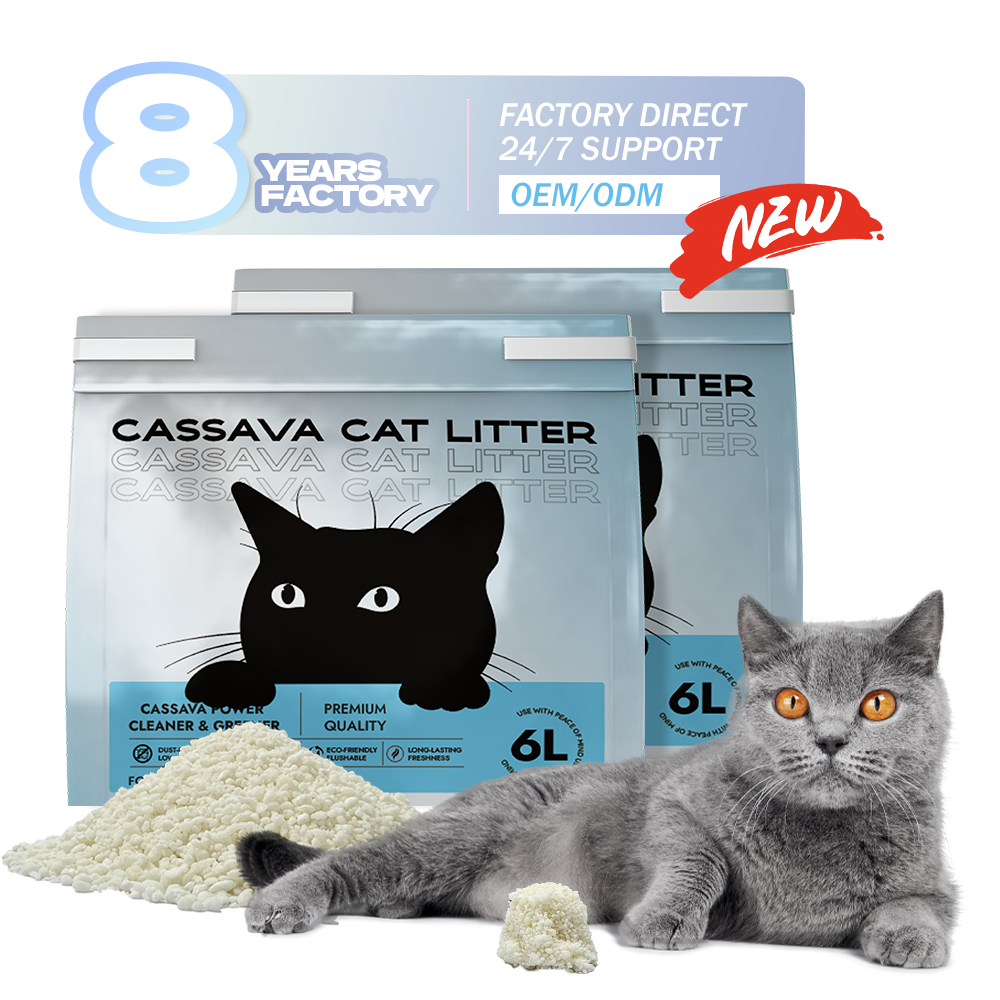
Synergistic plant blend combining high-shear tapioca starch and soybean fiber for sub-2-second clumping.
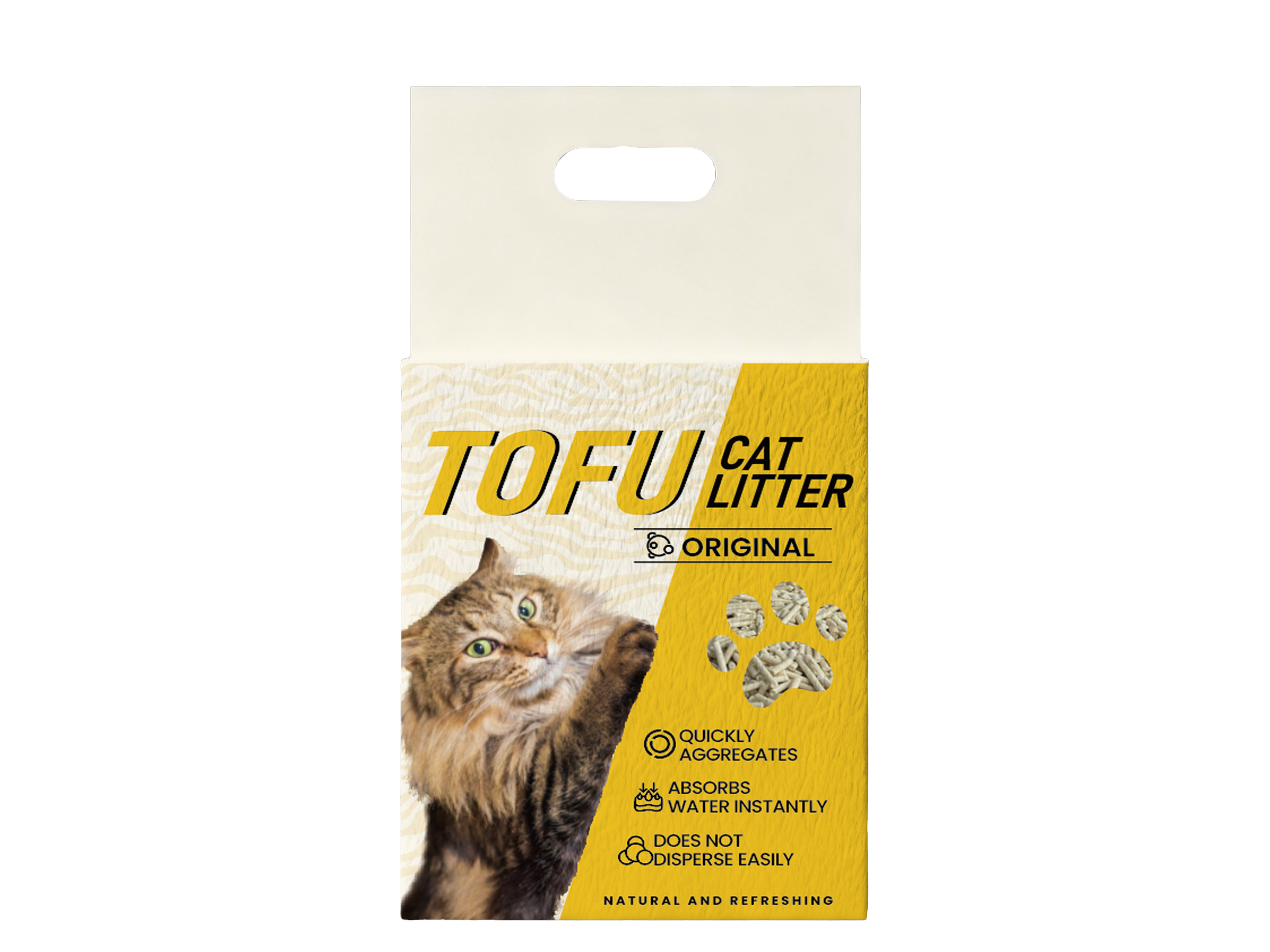
Biodegradable plant-fiber formulation encased in cornstarch-derived compostable polymer film for sustainable retail.
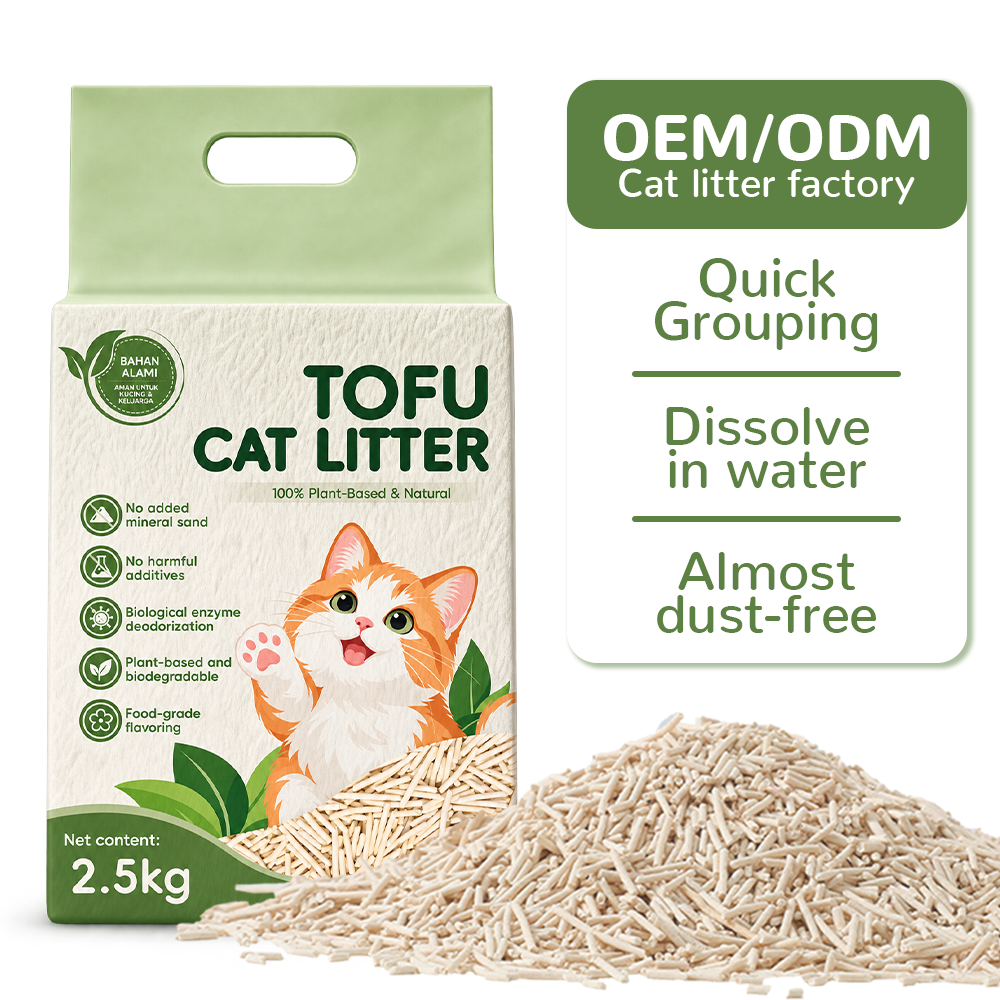
Micro-pellet (1.5mm–2.0mm) extrusion technology delivering fast hydraulic dispersion and septic-safe dissolution.
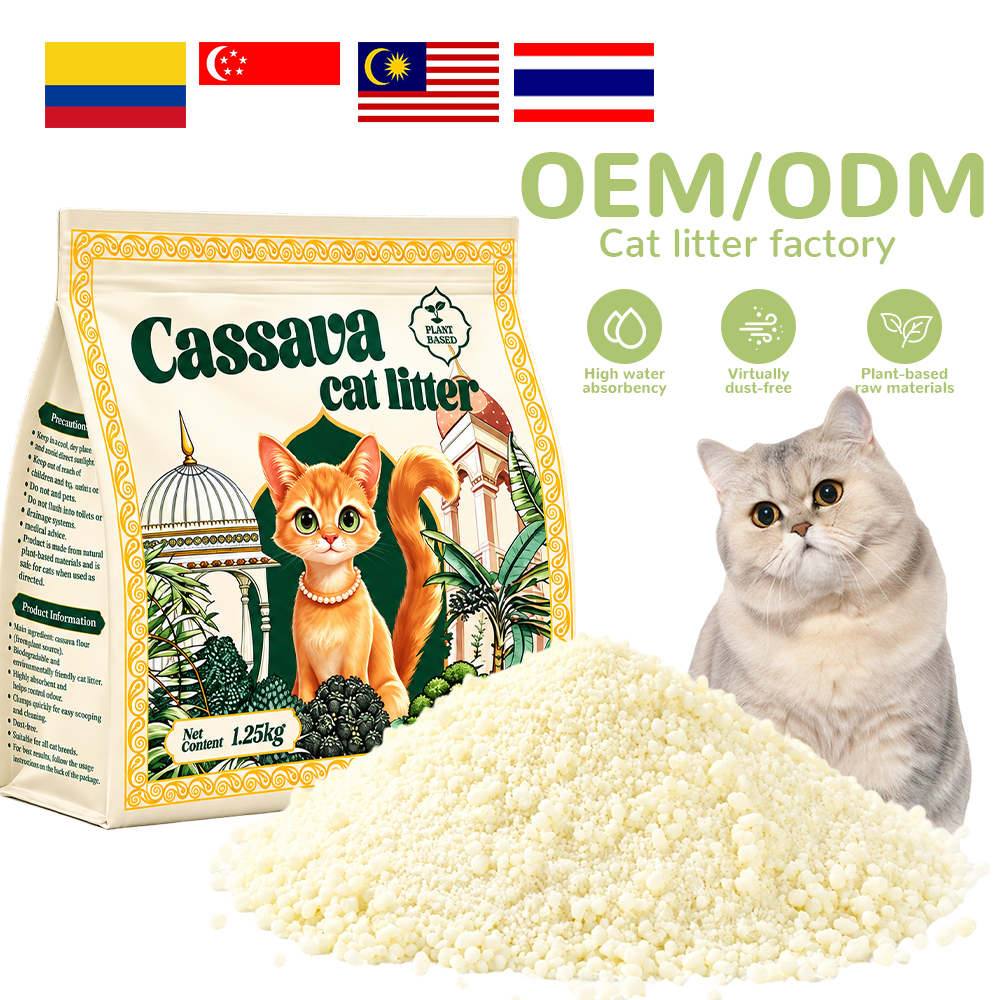
Ultra-absorbent food-grade yuca starch root granules engineered for sensitive feline respiratory tracts.
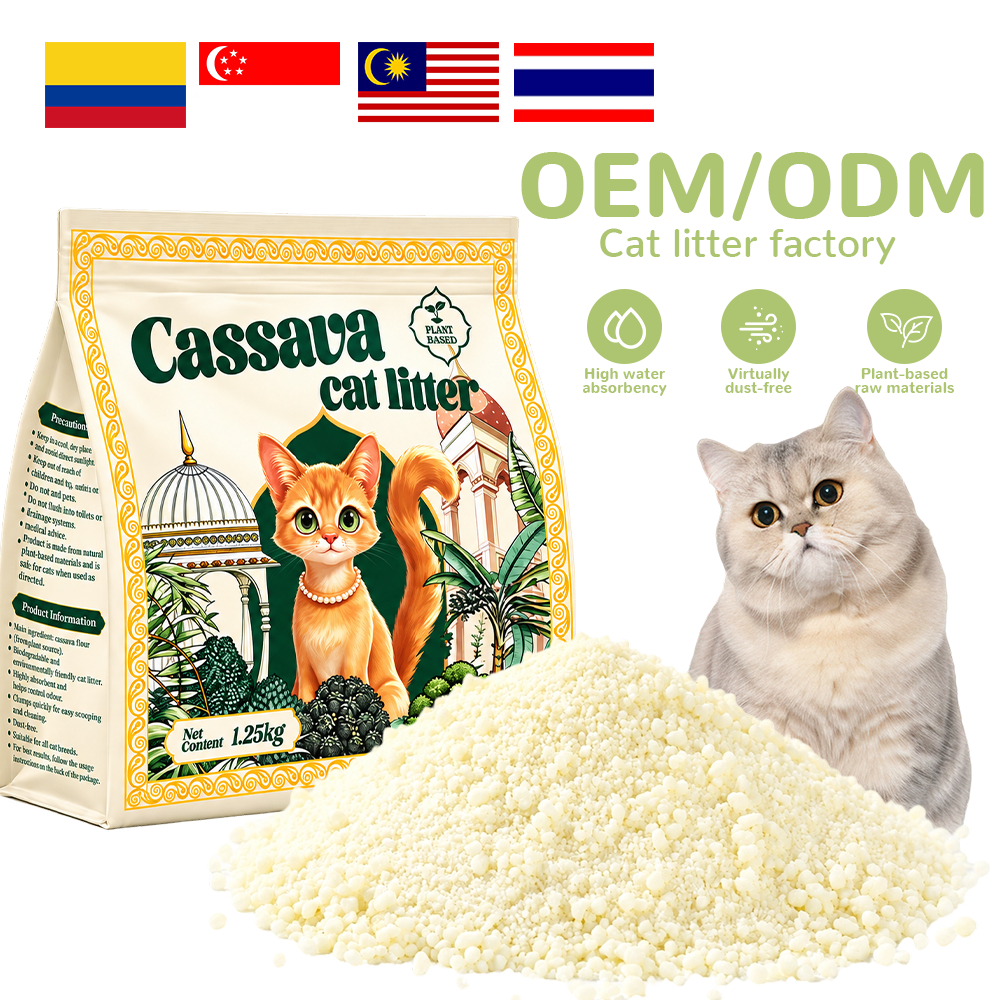
Multi-cyclone dedusted natural cassava granules featuring micro-porous ammonia encapsulation.
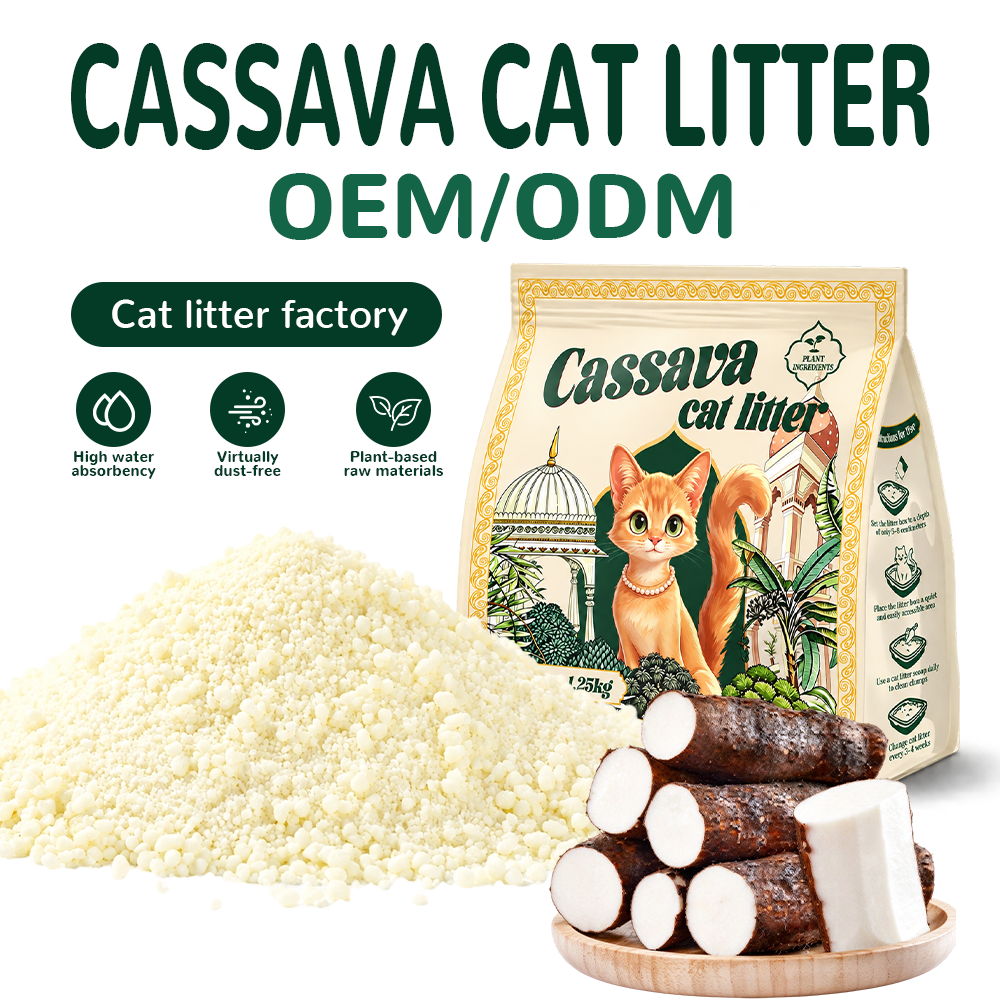
Pure natural botanical starch formulation designed for uncompromised home hygiene and easy waste composting.
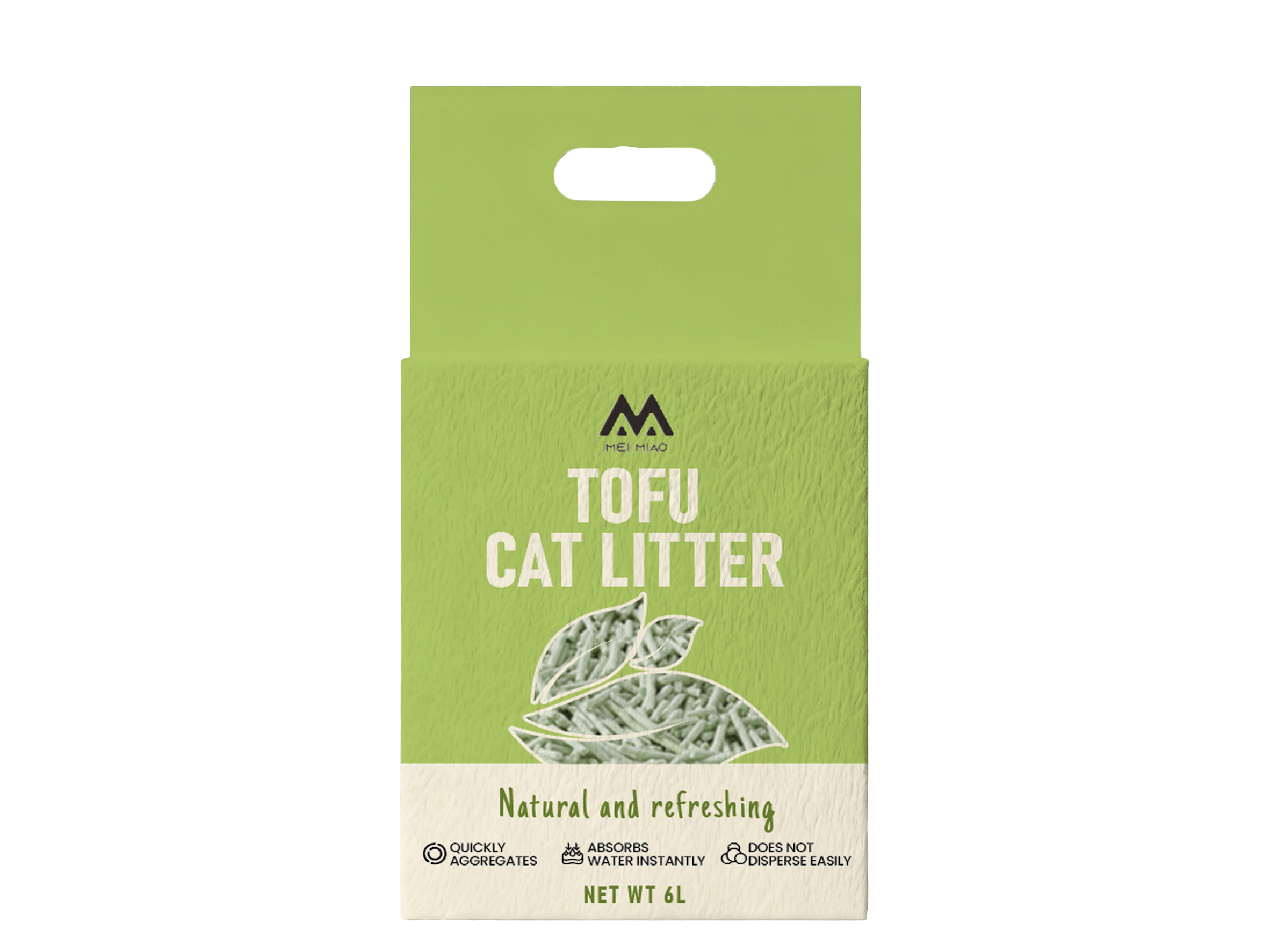
Upcycled natural okara fibers blended with guar gum binders for minimal tracking and durable clump cohesion.
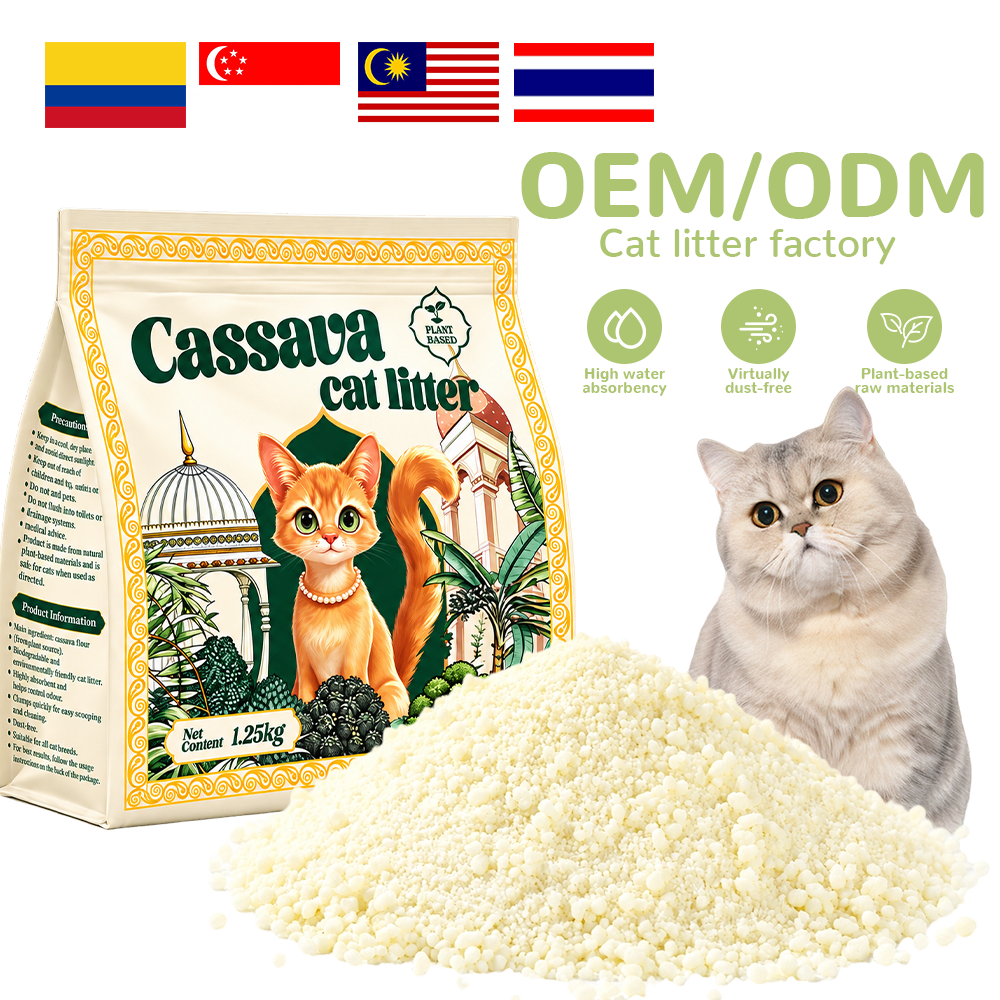
High-density maritime export standard formulation packed in moisture-barrier master cartons or retail pouches.
Integrated Industrial Strength from Nanhe District, Hebei
Headquartered in China's foremost pet industry cluster, Hebei Chupen Pet Products Co., Ltd. delivers massive production scalability, automated batch uniformity, and international export standard compliance.
Accredited Compliance
Operates under verified ISO 9001, ISO 22000, ISO 14001, and ISO 45001 quality, environmental, and occupational safety frameworks. Onsite facilities inspected and verified by SGS Group.
R&D Academic Synergy
Joint research protocols conducted in collaboration with China Agricultural University and Hebei Agricultural University to continually engineer higher clumping hardness and microbiological anti-mold resilience.
Tianjin Port Logistics Hub
Strategic geographic location within Xingtai allows direct trucking to Tianjin Port within 4 hours. Capability to consolidate mixed containers featuring cat litter, puppy pee pads, and pet foods seamlessly.
The Engineering Dynamics of Natural Plant-Based Cat Litters
A rigorous examination of fluid mechanics, capillary hydration, enzymatic odor suppression, and global regulatory shifts in the cat hygiene sector.
Macro Industrial Transition: Why Global Markets are Pivoting to Tofu & Cassava
Over the past five years, the global pet care market has undergone a fundamental structural transition away from traditional mined sodium bentonite and synthetic silica gel cat litters toward renewable, agricultural by-product matrixes. Sodium bentonite strip mining faces intensifying regulatory scrutiny across North America and the European Union due to high carbon footprints, land degradation, and the respiratory hazards associated with airborne respirable crystalline silica (quartz dust). Concurrently, urban feline owners living in high-density multi-story residential buildings demand lightweight, flushable, and non-tracking alternatives.
Natural tofu cat litter (derived predominantly from insoluble soybean curd residue, okara, and food-grade pea fibers) and cassava cat litter (formulated from refined tapioca root starches) represent the scientific answer to this consumer migration. Unlike bentonite, which forms heavy, dense mineral cakes that choke domestic plumbing systems and require landfill disposal, plant-based litters possess an open capillary porous cellular network. This biological architecture rapidly absorbs feline urine through spontaneous capillary action, swelling uniformly to encapsulate both moisture and volatile organic compounds (VOCs) within seconds.
Technical Distinction: While bentonite relies primarily on surface adsorption across smectite clay layers, tofu and cassava litters utilize starch-hydrogel gelatinization and cellulosic fluid absorption. This difference yields a product that weighs up to 60% less per liter while delivering superior liquid retention and 100% biological compostability.
Comparative Formulation Engineering: Material Performance Analysis
Commercial cat litter procurement requires balancing fluid sorption velocity, clump shear modulus (tensile resistance during scooping), dust particle counts (<100 μm aerodynamic diameter), and volatile fatty acid (VFA) odor masking. Below is an engineering benchmark comparing the four major market substrates processed across our Hebei facilities:
| Physical Property & Metric | Soybean Tofu Pellets (2.0mm) | Pure Cassava Granules | Blended Tofu-Cassava (70/30) | Sodium Bentonite Clay |
|---|---|---|---|---|
| Primary Raw Material Base | Refined Okara / Pea Fiber | Tapioca Root Starch | Soy Fiber + Tapioca Flour | Mined Montmorillonite Clay |
| Hydraulic Absorption Rate | 350% – 420% by weight | 450% – 520% by weight | 400% – 480% by weight | 200% – 280% by weight |
| Clumping Velocity (Seconds) | 2.5 – 3.5 seconds | 1.0 – 1.8 seconds | 1.5 – 2.2 seconds | 3.0 – 5.0 seconds |
| Bulk Density (g/cm³) | 0.48 – 0.52 | 0.55 – 0.60 | 0.50 – 0.54 | 0.85 – 0.95 |
| Airborne Dedusted Metric | > 99.5% (< 0.5% dust) | > 99.8% (< 0.2% dust) | > 99.7% (< 0.3% dust) | 96.0% – 98.0% |
| Septic Flushability Rating | Full Dispersion (DIN EN 14961) | Rapid Gel Dissolution | High Hydration Breakdown | Non-Flushable (Pipe Clogging) |
| Ammonia Suppression (24h) | 88.4% (Capillary entrapment) | 92.1% (Starch binding) | 94.5% (Dual-action complex) | 78.2% (Physical adsorption) |
Odor Suppression Chemistry: Beyond Synthetic Perfume Masking
Low-grade commercial cat sand masks offensive litter box emissions by infusing heavy synthetic aromatic chemicals (e.g., synthetic lavender or baby powder scents). In contrast, institutional importers and premium veterinarian brands require intrinsic biochemical odor neutralization. Feline urine odor is caused primarily by bacterial urease enzymes converting urea into volatile ammonia (NH&sub3;), accompanied by sulfur compounds such as hydrogen sulfide (H&sub2;S) and 3-mercapto-3-methylbutan-1-ol (felinine).
In Chupen’s R&D processing laboratories, our formulation teams utilize natural botanical polyphenols and food-grade organic acids (such as citric acid and malic acid) integrated directly into the okara dough prior to high-pressure extrusion. This creates an acidic micro-environment (pH 4.8 – 5.5) upon contact with alkaline feline urine (typically pH 6.5 – 7.5). The immediate acid-base neutralization traps free ammonia gas in non-volatile ammonium salt forms, while active porous carbon or copper chlorophyllin additives complex sulfur thiols, keeping the surrounding ambient air odorless without causing feline olfactory distress or triggering allergies.
Future Procurement Trends in the Plant-Based Litter Sector
Critical market insights for commercial category buyers, direct-to-consumer (DTC) brands, and multinational supermarket merchandisers navigating 2025–2030 sourcing cycles.
1. Starch-Polymer Hybrids
Global demand is migrating rapidly toward engineered "Crushed Cassava-Tofu Blends" (70% fine cassava granules mixed with 30% 1.5mm micro-tofu pellets). This combination resolves the issue of pellet tracking while generating rock-solid, ultra-thin clumping cakes that drastically reduce consumer litter consumption by 35%.
2. Pellet Diameter Downsizing
The historical 3.0mm standard tofu pellet is rapidly losing market share to 1.5mm and 2.0mm ultra-fine extrusions. Felines exhibit a documented sensory preference for smaller particle diameters that simulate natural soil. Downsized diameters also increase surface-area-to-volume ratios, cutting clumping time below 2 seconds.
3. Plastic-Neutral Packaging
Driven by the European Union’s Packaging and Packaging Waste Regulation (PPWR) and escalating ESG mandates across North America, major importers are replacing virgin PE laminate pouches with 100% home-compostable PLA/PBAT films, bio-based recyclable paper bags, and multi-wall kraft retail sacks.
4. Health-Monitoring Indicators
Next-generation functional litters are integrating chromogenic pH-indicator granules. When feline urine exhibits abnormal alkaline pH (>7.0, indicating possible feline lower urinary tract disease/FLUTD) or hematuria (blood), the granules shift color from pale yellow to vivid blue or magenta, transforming litter into a daily wellness screening tool.
Zero-Defect Quality Control from Flour to Freight
How Hebei Chupen eliminates batch-to-batch variance, mold contamination, and maritime shipping degradation through strict industrial quality assurance protocols.
Plant-based natural cat litters, being agricultural by-products, face specific logistical challenges during ocean transits through tropical shipping corridors (e.g., South China Sea, Indian Ocean, Panama Canal). High relative humidity (RH > 85%) and temperature fluctuations inside standard dry ocean freight containers can induce condensation (container rain), triggering fungal sporulation or premature clumping if moisture management protocols fail. Chupen enforces a multi-tier manufacturing protocol to guarantee shelf stability exceeding 24 months:
Double Microwave Sterilization
Raw dough undergoes high-temperature twin-screw extrusion (110°C–130°C) followed by microwave sterilization tunnels. This process guarantees 100% elimination of Aspergillus flavus, Salmonella, and Coliform bacteria, preventing mold proliferation even in humid coastal storage facilities.
Moisture Index Stabilization
Moisture content is continuously monitored by automated online infrared moisture analyzers, precisely calibrated to ≤8.5% (tofu) and ≤10.0% (cassava). This precise baseline prevents moisture-driven cake compression during high-stack pallet containerized stowage.
4-Stage Negative Air Dedusting
Extruded pellets pass through four distinct cyclonic dedusting stages: vibratory mechanical screening, negative-pressure vertical aspiration, secondary rotary tumbling, and electrostatic fines attraction to deliver clean >99.5% dust-free pellets.
Frequently Asked Questions: Global Sourcing & OEM Standards
Essential guidance for international brand owners, procurement managers, and trading enterprises seeking high-reliability manufacturing partnerships.
What is the standard Minimum Order Quantity (MOQ) for custom private-label branding?
Can Chupen consolidate cat litter with pet pee pads and pet food in one ocean container?
What are the correct Harmonized System (HS) Codes for customs clearance and import tariffs?
How do you formulate scents and maintain scent longevity without chemical degradation?
What payment mechanisms and international commercial terms (Incoterms) do you support?
Request Factory Formulation Specs & Tiered Price Matrix
Connect directly with our export engineering and private-label team. Receive customized sample kits, laboratory performance test reports, pallet stowing plans, and immediate CIF/FOB freight quotes tailored to your distribution requirements.