Featured Export Formulations & Mixed Litter Solutions
Precision-engineered hybrid pellet matrices combining food-grade soybean fiber, natural cassava starch, and premium mineral deodorizers. Calibrated for fast dissolution in municipal sewage lines and low logistics tare.
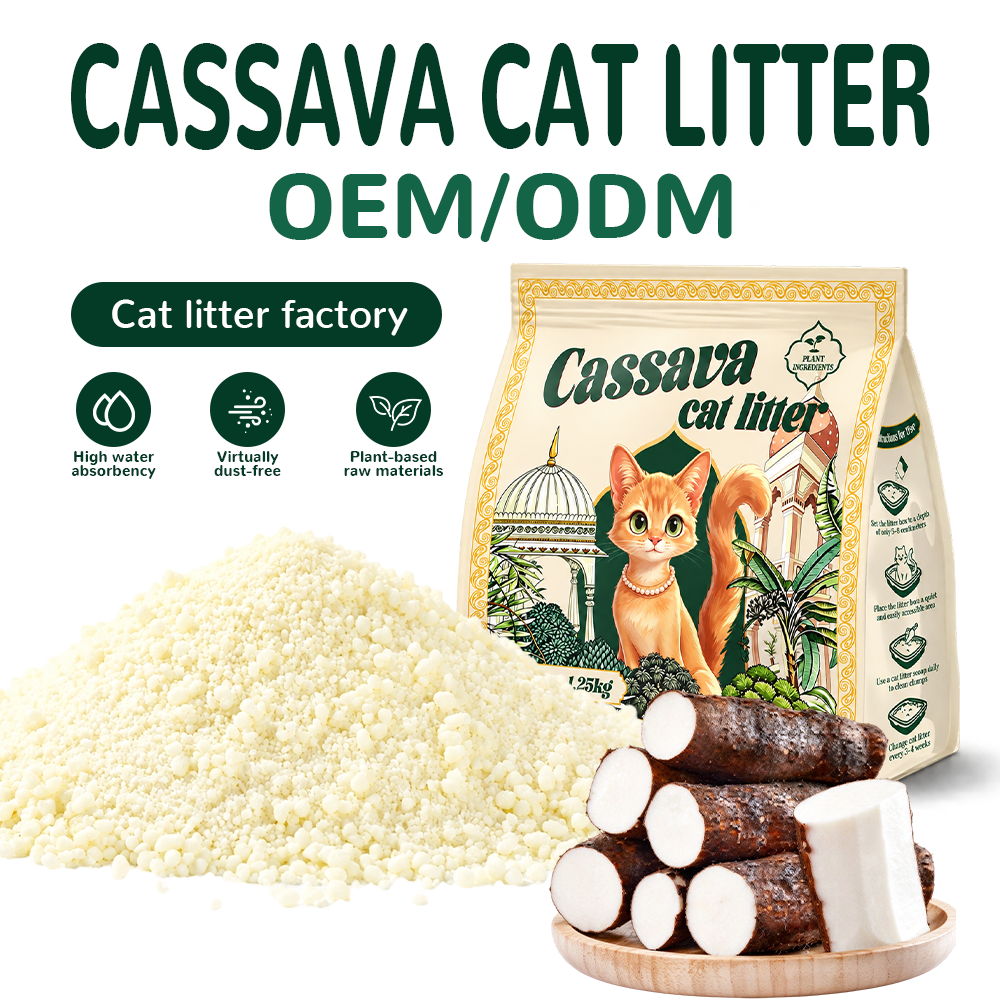
Natural Cassava Fast Clumping Eco Friendly Litter
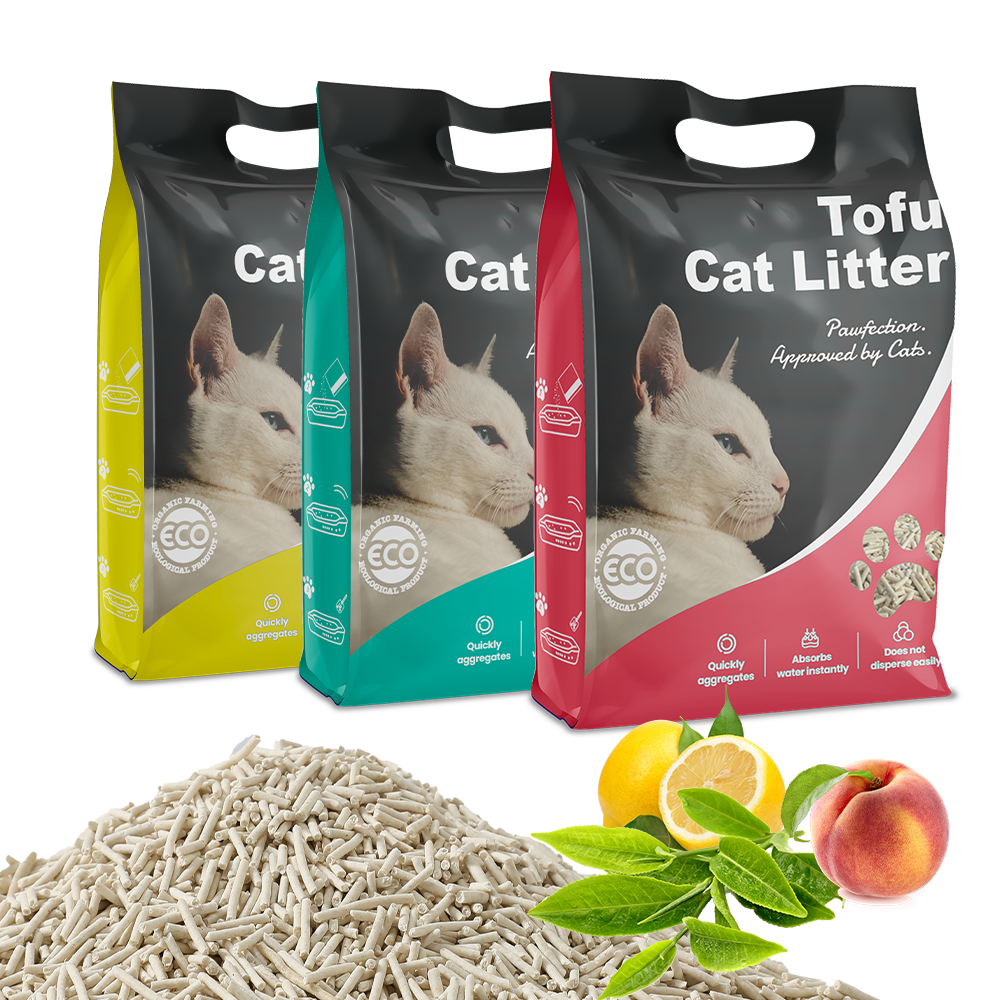
OEM ODM Dust-Free Biodegradable Tofu Litter
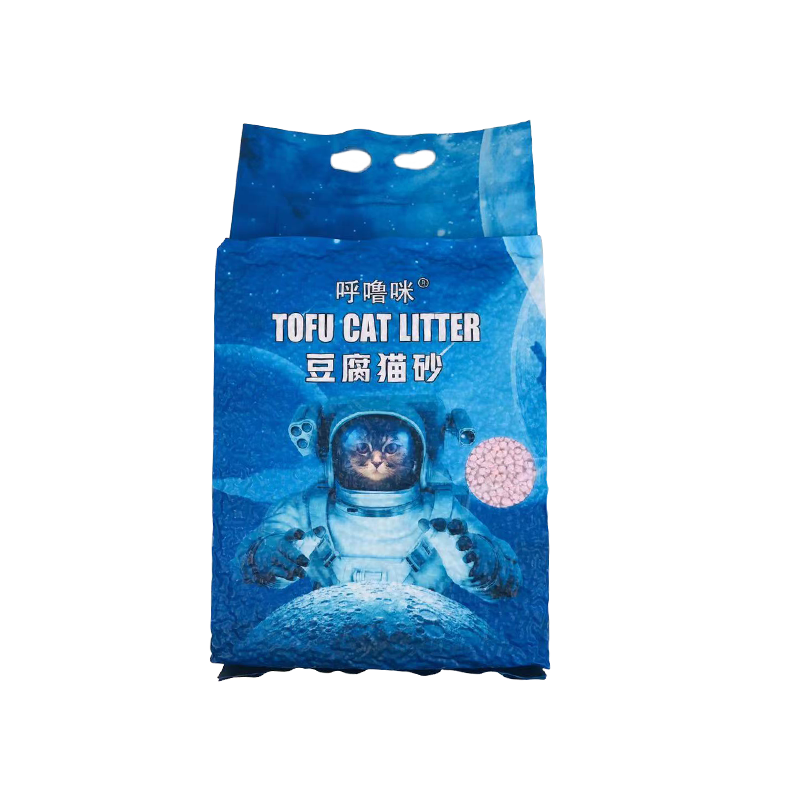
Wholesale Flushable Clumping Tofu Cat Litter
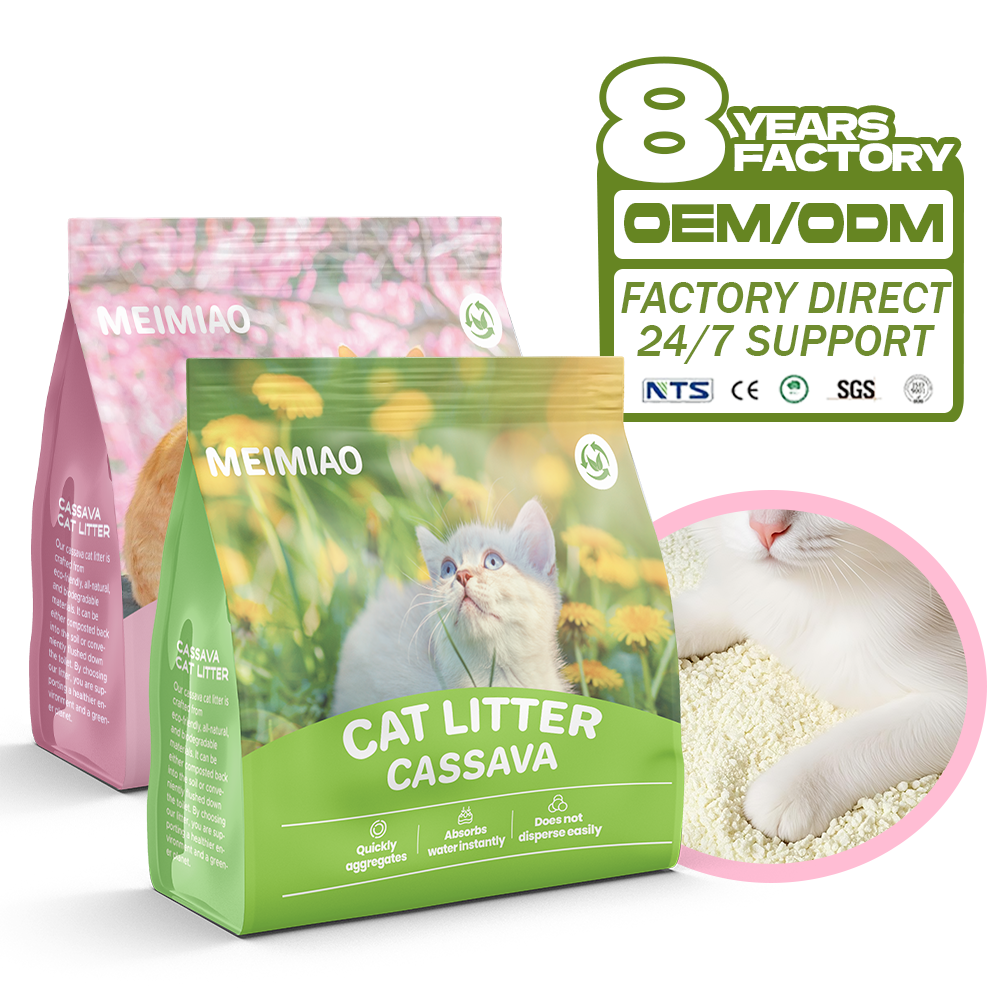
Hybrid Cassava & Tofu Synergistic Blend
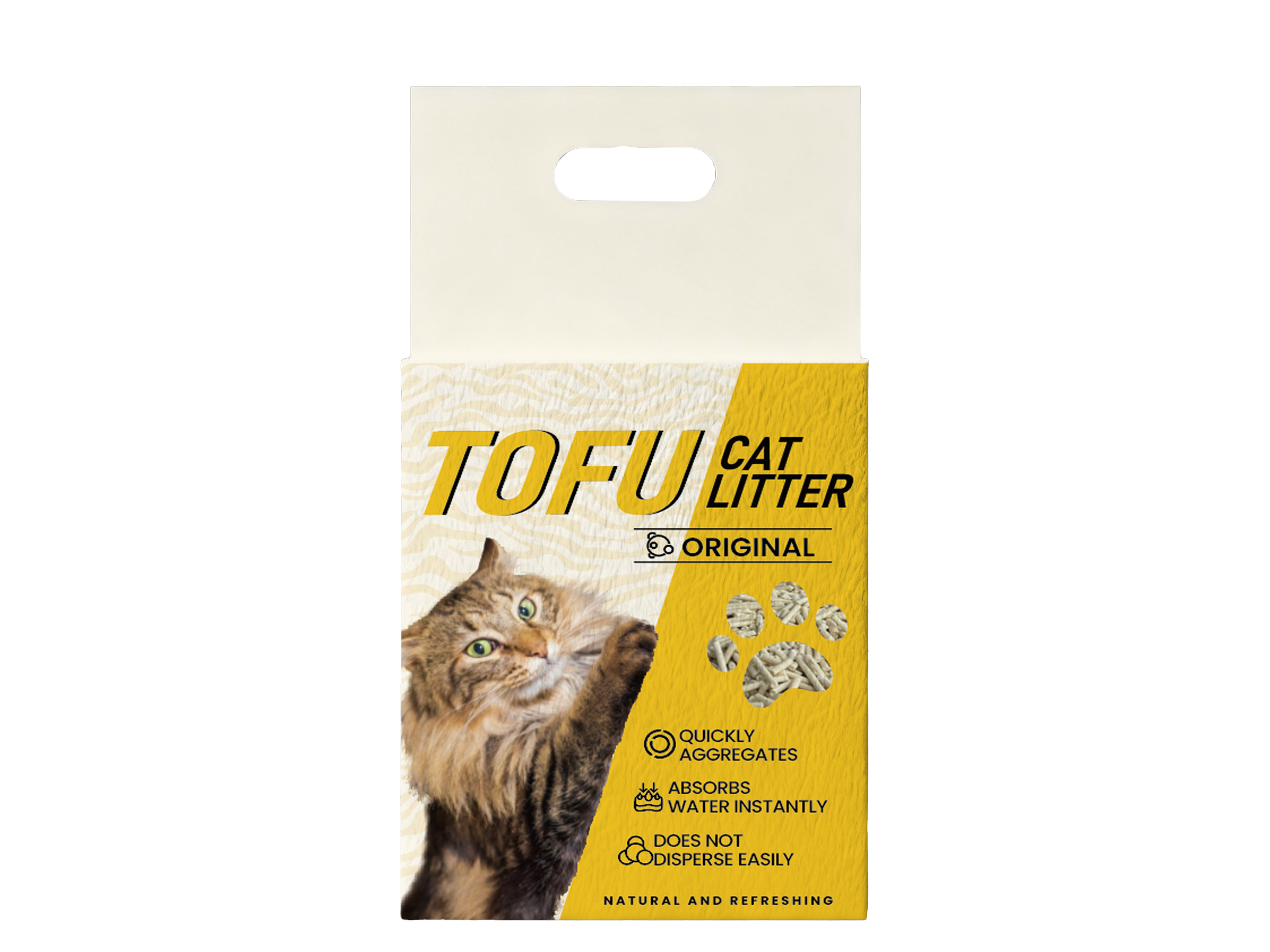
100% Compostable Pack Tofu Cat Litter
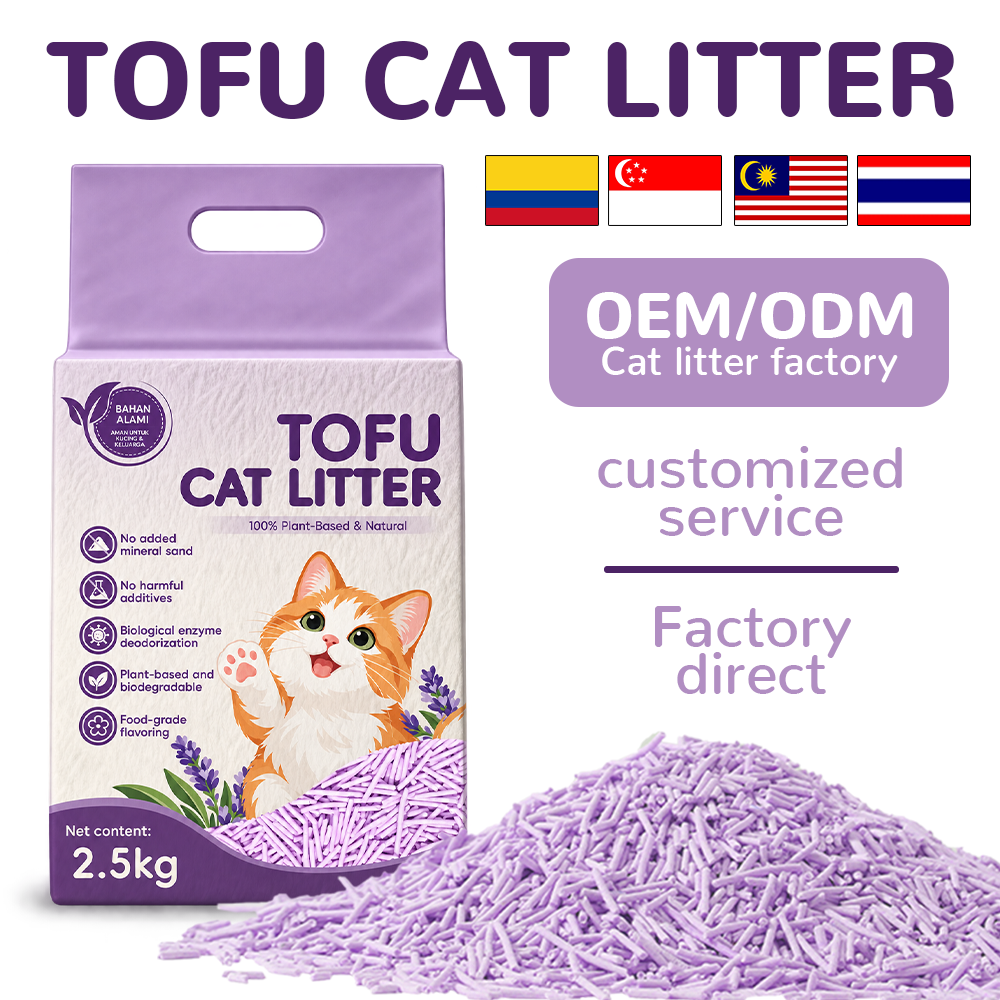
High-Absorption Quick-Agglomerating Tofu
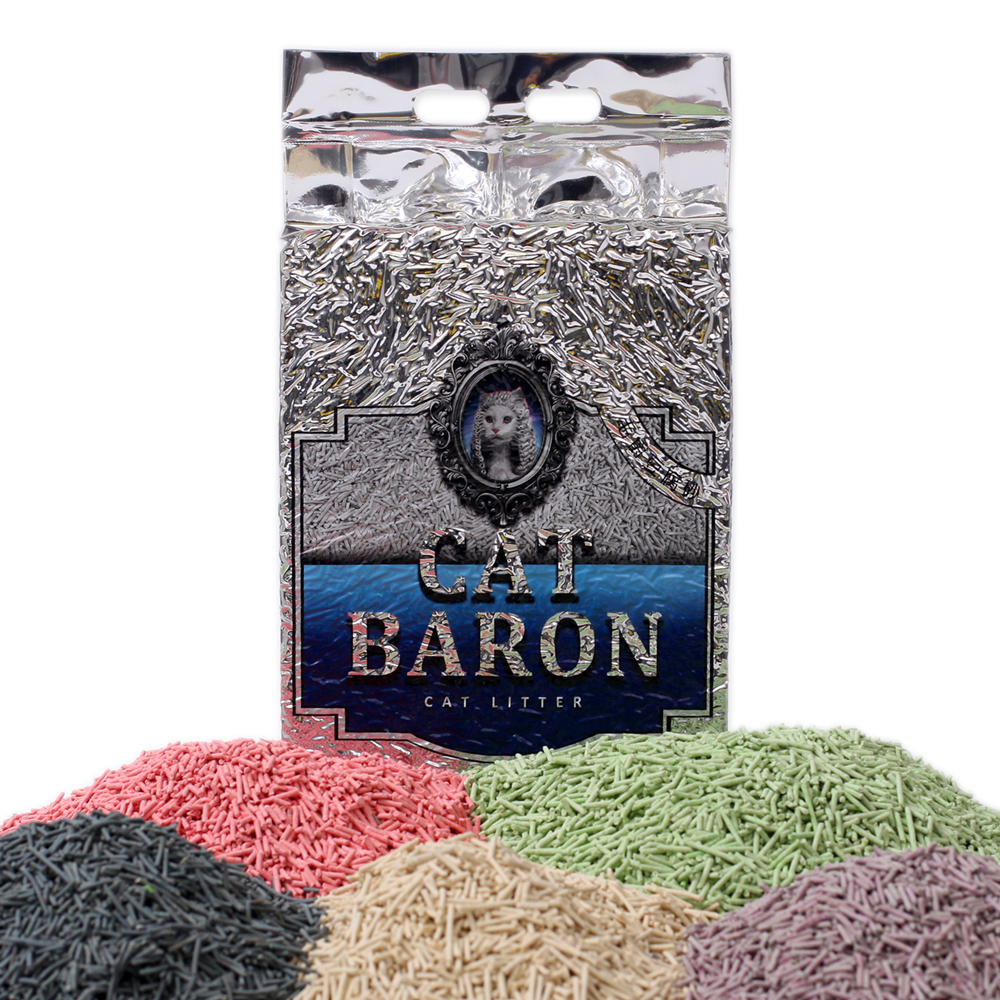
6L Retail-Ready Active Deodorizing Tofu
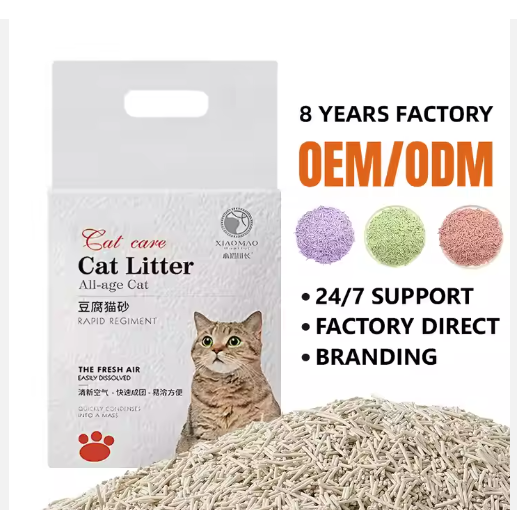
Organic Eco-Friendly Natural Sand Blend
Engineering Principles of Mixed Tofu Litter Formulations
Why international buyers are abandoning singular bentonite or conventional pellet litters in favor of calibrated hybrid substrates.
Clumping Capillary Dynamics
Standard tofu litter often suffers from inter-pellet void gaps exceeding 2.2mm, leading to urine leakage toward the pan floor. By integrating micronized cassava starch or crushed bentonite, the interstitial spaces are locked within 0.4 seconds. Liquid is trapped horizontally across the surface rather than dripping vertically, decreasing product consumption by 34% per month.
CE Compliance & Trace Elements
European directives for household pet products mandate stringent monitoring of respirable crystalline silica (RCS) and aflatoxins. Chupen's automated production facility utilizes certified food-grade soybean curd residues and food-grade corn binder, guaranteeing aflatoxin B1 levels below 5 ppb and formaldehyde-free degassing through specialized low-temperature drying drums.
Ocean Freight Weight Optimization
Traditional sodium bentonite litters typically reach shipping container mass capacity (26 metric tons) well before physical volume is filled, resulting in high freight cost per retail liter. Our 70/30 Tofu-Cassava blends present an ideal bulk density of 520–580 g/L, maximizing 40HQ container pallet space while reducing gross carbon shipping tariffs by up to 28%.
Global Cat Litter Procurement Trends: 2025–2030
Data-backed shifts in consumer preferences, retail shelf compliance, and environmental import mandates shaping import portfolios.
1. Shift from Mineral Clay to Plant Hybrids
Mass-market retail chains across Western Europe and East Asia are phasing out strip-mined bentonite due to growing Scope-3 carbon reporting pressures. Formulations combining pea fiber, soy curd, and tapioca are capturing retail market share at a 14.8% CAGR, replacing traditional clay litter with flushable, lightweight alternatives that reduce residential landfill burdens.
2. Packaging De-Plasticization & Circularity
Regulatory bans on single-use plastics are forcing importers to transition away from thick laminated polyethylene bags. The dominant procurement trend focuses on FSC-certified kraft paper cartons and certified industrial compostable barrier films (EN 13432), equipped with degas micro-valves to prevent premature atmospheric moisture absorption during transit.
3. Odor Trapping via Active Bio-Catalysts
Consumer demand has moved beyond synthetic perfume masks that trigger feline respiratory allergies. Next-generation mixed cat litters integrate micro-encapsulated biological enzymes, activated carbon micro-granules, and food-grade baking soda (sodium bicarbonate) that chemically bond with volatile ammonia (NH3) and hydrogen sulfide, neutralizing odors at a molecular level.
Analytical Performance Matrix
Comparative empirical metrics derived from Chupen internal R&D laboratory and third-party SGS quality batch assays.
| Evaluation Parameter | Chupen Tofu Mixed Litter | Pure Tofu (Strip) | Standard Sodium Bentonite | Silica Gel (Crystal) |
|---|---|---|---|---|
| Agglomeration Time (20ml Water) | < 1.5 seconds | 2.5 – 4.0 seconds | 2.0 – 3.5 seconds | Non-clumping |
| Respirable Dust Index (<100μm) | < 0.2% (5x Screened) | 0.5% – 1.0% | 1.8% – 4.5% | < 0.3% |
| Bulk Density Range | 520 – 580 g/L | 480 – 520 g/L | 850 – 1000 g/L | 400 – 450 g/L |
| Dispersibility in Water | Complete (< 15s Dissolution) | High (< 20s) | Zero (Causes Pipe Clogging) | Zero (Insoluble) |
| Ammonia Lock Efficiency (24h) | 94.2% (Active Bio-Enzyme) | 76.0% | 82.5% | 88.0% |
| Pallet Utilization Efficiency | High (Vacuum Block Compatible) | High | Low (Exceeds Container Weight) | Moderate |
Industrial Scale in China's Pet Capital
Hebei Chupen Pet Products Co., Ltd. is positioned directly in the core industrial pet supply belt of Nanhe District, Xingtai, Hebei.
Regional Industrial Cluster Integration
Nanhe District supplies roughly 80% of China's pet food and 60% of pet hygiene essentials. Chupen capitalizes on raw material proximity with zero inter-province transit tariffs on soybean fiber, corn starch, and packaging, delivering sustainable cost advantages directly to global B2B procurement partners.
Robust QA Systems & ISO Credentials
Our facility operates under four certified international standards: ISO 9001 (Quality), ISO 22000 (Food Safety), ISO 14001 (Environment), and ISO 45001 (Safety). Premises verified on-site by SGS Group. In-house labs deploy 9 dedicated testing instruments to verify batch water activity, pellet hardness, moisture, and dust percentages.
Tianjin Port Logistics Hub Access
Located just 380 km from Tianjin Xingang Port, our warehouse network expedites container loading within 48 hours of dispatch. Our team supports mixed-SKU container stuffing—combining plant litter, puppy pee pads, cat wet treats, and injection-molded litter pans into single consolidated consignments to optimize importer cash flows.
B2B Procurement & Manufacturing FAQ
Direct technical and commercial clarifications addressed to procurement directors, brand owners, and category managers.
What precise ratios can be custom-compounded in OEM mixed tofu cat litter?
How does Chupen prevent fungal growth and mold during prolonged maritime container transit?
What are the minimum order quantities (MOQ) for custom private-label gravure printed packaging?
Can Chupen consolidate cat litter with pet pee pads and pet food within one container?
Which regulatory documentation and technical certificates are supplied for EU/US customs clearance?
Request OEM Custom Formulations & Pallet Quotations
Inquire directly with our international trade engineers to review complete lab analytical reports, request free 1kg production counter-samples, or configure customized mixed container stuffing plans via Tianjin Port.