China has become an important source of Cat Litter for buyers comparing materials, production capacity, and private-label options. Yet a polished factory profile does not tell the whole story. Buyers also need to understand how suppliers manage dust, absorbency, odor control, packaging, and consistency between batches. A sample may look clean and pour smoothly. The next shipment still needs to match it.
This overview examines leading Chinese manufacturers through practical questions: What products do they make? Which materials and formats do they offer? Can they provide clear specifications, product samples, and responsive communication? These details matter when evaluating bentonite, tofu, silica, and other litter types. They also help distinguish a capable producer from a trading company or an attractive catalog. Company claims should be checked against current product information and direct supplier discussions.
A credible expert perspective would strengthen this comparison. However, no source article or verified quotation was provided, so attributing a sentence to a named Cat Litter expert would risk inventing a quote. That should not be treated as evidence. The comparison instead focuses on verifiable details and acknowledges where public information is limited. Not every supplier publishes comparable data. That makes careful questions essential. The aim is not to declare one manufacturer best for every buyer, but to help readers identify a shortlist suited to their product requirements, order volumes, and quality expectations.
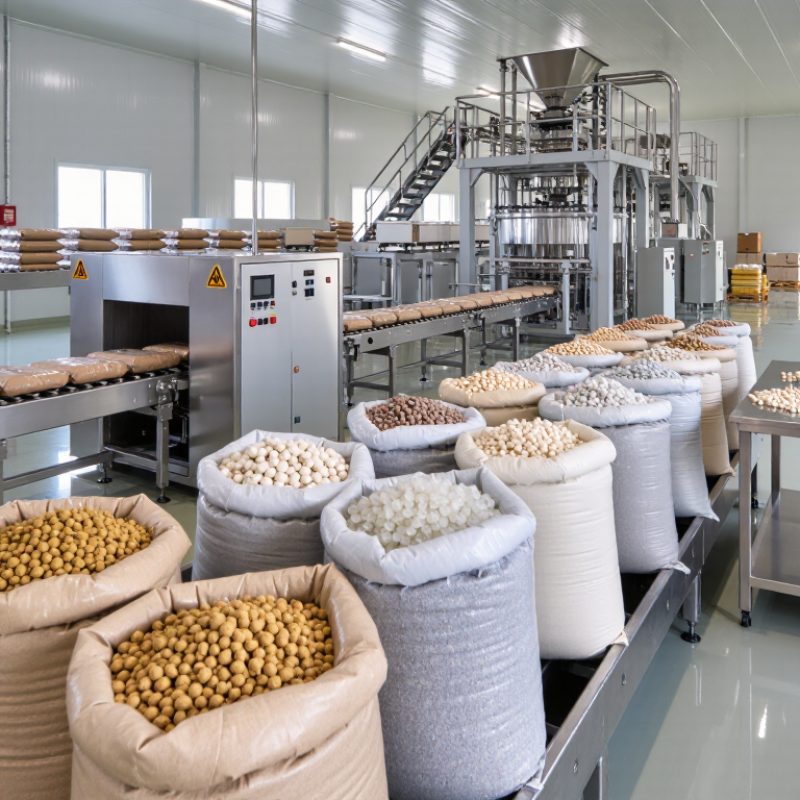
China’s cat-litter industry is a varied manufacturing ecosystem, not a single product category. Producers process bentonite, plant-based fibers, silica gel, and recycled paper into litters with different weights, absorption rates, and dust levels. The material affects more than performance. It also shapes packaging and freight costs. Details matter.
The 2024 China Pet Industry White Paper reported RMB 279.3 billion in urban dog-and-cat spending in 2023. Cats accounted for RMB 144.5 billion. These figures describe pet spending, not cat-litter sales or factory output, so they should not be treated as a direct measure of manufacturing scale.
The report, however, does show the size of the consumer market that supports demand for cat products. Public figures on litter production are less straightforward. That gap makes factory comparisons harder than headline capacity suggests.
For buyers assessing manufacturers, practical checks include granule consistency, moisture control, dust management, and packaging strength. Raw-material sourcing matters, too. A low quoted price may hide uneven batches or higher shipping costs. Not every supplier publishes comparable test data, and that is worth questioning. Industry growth is visible; its production details remain less transparent.
Choosing a cat litter manufacturer requires more than comparing price lists. Buyers should examine raw material sourcing, production controls, and batch consistency. Ask how moisture, dust, absorbency, and particle size are checked. Request recent test reports, and confirm that they describe the product being offered. A polished sample is useful, but it cannot prove every shipment will match.
Reliable suppliers can explain their quality process clearly. Review factory audit records, product specifications, and complaint handling procedures. Check whether stated certifications cover the relevant product and facility; a certificate alone is not proof of performance. Ask about monthly capacity, packaging options, lead times, and how delays are communicated. If possible, test samples under the same conditions your customers will use. Watch for clumping, tracking, odor control, and dust during pouring. One small detail can change the experience. Still, a short trial may miss seasonal or batch variation, so evaluation should continue after an order begins.
Tips: Keep a simple scorecard for quality, documentation, communication, and delivery. Ask direct questions. Record sample results, then compare them with goods received. If an answer is vague, request evidence rather than relying on reassurance.
Suggested evaluation weighting (%) across key supplier criteria. These are framework weights, not company rankings or reported industry statistics.
Product safety and quality receive the largest suggested weight, followed by manufacturing capacity. Buyers can adjust the weighting to reflect their own sourcing priorities.
Who Are the Top Cat Litter Manufacturers in China?
Major Cat Litter Manufacturers in China
China’s cat litter industry includes mineral processors, plant-fiber producers, and factories making several types of litter. Many suppliers offer bentonite, tofu-based, and mixed-material products, with different priorities for clumping, dust control, and shipping weight. Grand View Research valued the global cat litter market at about USD 5.13 billion in 2023 and projected 4.7% annual growth from 2024 to 2030. That estimate describes the global market, not China’s factory output. Still, it signals steady demand for capable manufacturers.
A useful supplier review goes beyond a low quoted price. Ask for recent batch test results, ingredient details, moisture limits, and packaging specifications. Request samples from more than one production batch; texture and dust can vary. Check whether the factory can explain its raw-material sourcing and quality-control steps. Export experience matters, but it does not guarantee consistent product performance. One detail is easy to miss: a heavier litter may cost less per ton, yet more to ship per usable volume.
Tips: Compare dust, clumping, odor control, and shipping cost using the same test method. Keep written sample results. If a supplier cannot provide clear specifications, pause and ask why. That extra check can prevent a costly mismatch.
China’s cat litter manufacturers may produce bentonite, tofu-based, silica, wood, and blended litters. Each type needs different processing. Bentonite lines often focus on granule sizing and clumping consistency, while plant-fiber products require careful drying and moisture control. Wood litter may be formed into pellets. Silica products need consistent crystal sizing and low-dust handling. A product label alone cannot confirm how well a factory manages these steps.
Manufacturing capabilities matter as much as product range. Ask whether the supplier controls particle size, moisture, dust, and batch variation. Request recent test records and samples from more than one production run. Packaging options, order quantities, and production lead times also reveal whether a factory can support your needs. A tidy sample can be reassuring, but it may not represent routine output. That is worth checking.
Tips: Compare samples under the same conditions. Check clumping, tracking, odor control, and dust in a ventilated space. Ask how defects are recorded and corrected. A precise answer is useful; a vague promise deserves a follow-up.
A product-focused overview of cat litter categories and manufacturing capabilities found in China. Specific materials, equipment, and quality-control procedures vary by factory and product specification.
| Product Type | Typical Raw Materials | Common Manufacturing Processes | Typical Product Characteristics | Relevant Manufacturing Capabilities |
|---|---|---|---|---|
| Bentonite clumping litter | Natural sodium or calcium bentonite clay | Clay preparation, drying, crushing, screening, granule sizing, and packaging | Forms clumps when wet; granule size and dust levels depend on raw material and processing | Mineral handling, drying, particle-size control, dust screening, and moisture-resistant packaging |
| Tofu or plant-based litter | Plant-derived ingredients such as pea fiber, soybean by-products, or other starch-rich materials | Ingredient blending, extrusion or granulation, drying, cooling, screening, and packaging | Lightweight pellets; some formulations are designed to clump or disperse in water | Recipe blending, pelletizing or extrusion, controlled drying, pellet-strength testing, and moisture-barrier packaging |
| Silica gel litter | Porous amorphous silica gel | Gel preparation or sourcing, granule formation, drying, screening, and packaging | Porous granules absorb moisture; products may be crystal-shaped or rounded | Granule sizing, moisture and bulk-density checks, contaminant screening, and sealed packaging |
| Wood-based litter | Wood fibers, sawdust, or wood-processing by-products | Material drying, milling, pelletizing or granulating, cooling, screening, and packaging | Usually supplied as pellets or granules; absorbency and breakdown behavior vary by formulation | Biomass drying, particle preparation, pellet production, fines removal, and moisture control |
| Paper-based litter | Recycled paper fiber or other processed cellulose fiber | Fiber preparation, forming or pelletizing, drying, screening, and packaging | Lightweight and generally non-clumping unless specifically formulated otherwise | Fiber processing, moisture management, shape and size control, and packaging for lightweight products |
| Mixed-material litter | Combinations of mineral, plant-derived, wood, paper, or silica-based components | Separate material preparation, proportioned blending, granulation where required, screening, and packaging | Designed to combine selected properties such as absorbency, clumping, or reduced tracking | Multi-material sourcing, batch weighing, blending consistency checks, particle-size control, and product-specific testing |
Manufacturing capability alone does not establish product performance. Buyers commonly verify specifications such as granule size, moisture, dust, absorption, clumping behavior, packaging integrity, and applicable safety documentation through product samples and factory records.
Choosing a Chinese cat litter supplier requires more than comparing quoted prices. The APPA 2024 State of the Industry Report estimated that 46.5 million U.S. households owned cats in 2023, showing the scale of potential demand. It does not, however, prove that any factory can meet your market’s needs. Ask for production capacity, monthly output, export experience, and documented quality-control procedures. Details matter.
Request samples from several production batches, not just a polished showroom bag. Test clumping time, dust, odor control, granule consistency, and breakage after transport. Compare results using the same method, and record the findings. A third-party lab report can help verify moisture, mineral composition, and other agreed specifications. Also check whether the supplier provides batch traceability, packaging options, and clear procedures for handling defects. A low quote may exclude inspection or inland freight, so compare the full delivered cost. Factory visits are useful, but a tour alone cannot confirm routine production quality. I would treat sample testing and written specifications as essential, even when that slows the first order.
Manufacturers use bentonite, plant fibers, silica gel, wood, and recycled paper. Blended products are also available.
No. Urban dog-and-cat spending reached RMB 279.3 billion in 2023, including RMB 144.5 billion for cats. These figures show consumer spending, not litter sales or factory output. That distinction matters.
Compare clumping, tracking, odor control, and dust under the same conditions. Use a ventilated space and watch what settles on the floor. One sample is not enough.
Bentonite needs consistent granule sizing and clumping. Plant fibers require careful drying and moisture control. Wood may be pelletized, while silica needs even crystal sizing and low-dust handling.
Ask how they control particle size, moisture, dust, and batch variation. Request recent test records and samples from multiple production runs. Vague promises deserve follow-up.
Material weight and packaging can change freight costs. A low quoted price may come with uneven batches or more expensive shipping. I would check the full cost.
A neat sample can look reassuring, but it may not represent everyday output. Compare batches and ask how defects are recorded and corrected. I may still hesitate.
Public production figures and comparable test data are limited. Headline capacity alone may not show consistent quality. Factory comparisons remain imperfect.
China’s Cat Litter manufacturing industry offers a wide range of products, production methods, and supplier options for domestic and international buyers. This overview explains how manufacturers can be assessed, including their production capacity, quality-control practices, product consistency, customization options, and ability to meet different order requirements. It also introduces common product categories and manufacturing capabilities, helping readers understand how materials, formats, and performance features may vary across suppliers.
Choosing a suitable Chinese supplier involves looking beyond price. Buyers should compare product specifications, request samples, confirm production and packaging capabilities, and communicate clearly about order volumes, lead times, and quality expectations. By understanding the market and evaluating suppliers against practical business needs, buyers can make a more informed decision and build a dependable sourcing relationship.